REVIEW · TICKETS
Kyoto: Hop-on Hop-off Sightseeing Bus Ticket
Kyoto’s top sights are spread across the city, and this bus links many of them without asking you to master several train and bus systems. I like the freedom to ride a full loop first, then choose where to stop, and I like that one ticket reaches both Kinkakuji and Ginkakuji, two major sights that can be awkward to combine.
The open top gives you a useful first look at Kyoto’s streets and neighborhoods, while the staff are often a real help with directions. The catch is traffic and bus spacing: a missed bus can mean a long wait, and one day may feel rushed if you want to enter several temples.
In This Review
- Key points at a glance
- Why this bus works well in Kyoto
- Starting at Kyoto Station
- The western route: markets, castles, and the Golden Pavilion
- The northern and eastern route: imperial grounds to Ginkakuji
- What the ride itself feels like
- Audio guidance and route timing
- One day or two days for $27?
- How I would plan the day
- Who should book this Kyoto bus?
- FAQ
- Where can I board the Kyoto sightseeing bus?
- How long is the ticket valid?
- Which Kyoto sights are served?
- What languages are available for the audio guide?
- Is Wi-Fi available on the bus?
- Can children ride for free?
- What should I know about weather and onboard rules?
Key points at a glance
- Kyoto Station start: Find the first stop outside the north central exit, directly in front of Isetan.
- Two routes, many major sights: Reach Nijo Castle, Kinkakuji, Ginkakuji, Gion, Kiyomizu-dera, and more.
- A smart first-day overview: Ride the full circuit to understand where Kyoto’s main areas fit together.
- Seven-language audio: Choose English, French, Japanese, Korean, Chinese, Spanish, or German.
- A strong two-day value: Use the first day for orientation and the second for longer temple visits.
- Open-top conditions: Enjoy broad city views, but prepare for direct sun, cold, or rain.
Why this bus works well in Kyoto
Kyoto is not a compact sightseeing town. Its famous places sit in different parts of the city, from the Golden Pavilion in the northwest to Kiyomizu-dera in the southeast. A rail pass alone will not put you beside many of the temples, and ordinary city buses can feel confusing when you are still learning the streets.
This service gives you one simple sightseeing backbone. Show your mobile voucher when boarding, then hop off at any listed stop and board again later during the ticket’s one or two days of validity. You do not need to commit to a guided group schedule or return to the starting point after every stop.
I especially like this for a first visit. You can spend the first ride looking out the window and getting your bearings, then decide which places deserve your time. One visitor rode the first bus all the way around, with a full circuit taking about 45 minutes, before choosing where to stop. That is a sensible plan if you have not yet worked out Kyoto’s layout.
The bus also helps if you would rather avoid the confusion of crowded rail stations. It is not always the fastest way across town, since Kyoto traffic can slow any road vehicle, but it is often the easiest way to connect several sightseeing districts.
A few more Kyoto experiences worth comparing
- Kyoto: Tea Museum Tickets and Matcha Grinding Experience
★ 4.9 · 739 reviews - Kyoto: Ninnaji Temple Entry Ticket
★ 4.2 · 650 reviews - Skip the lines Basic Ticket at SAMURAI NINJA MUSEUM KYOTO
★ 4.5 · 632 reviews
Starting at Kyoto Station
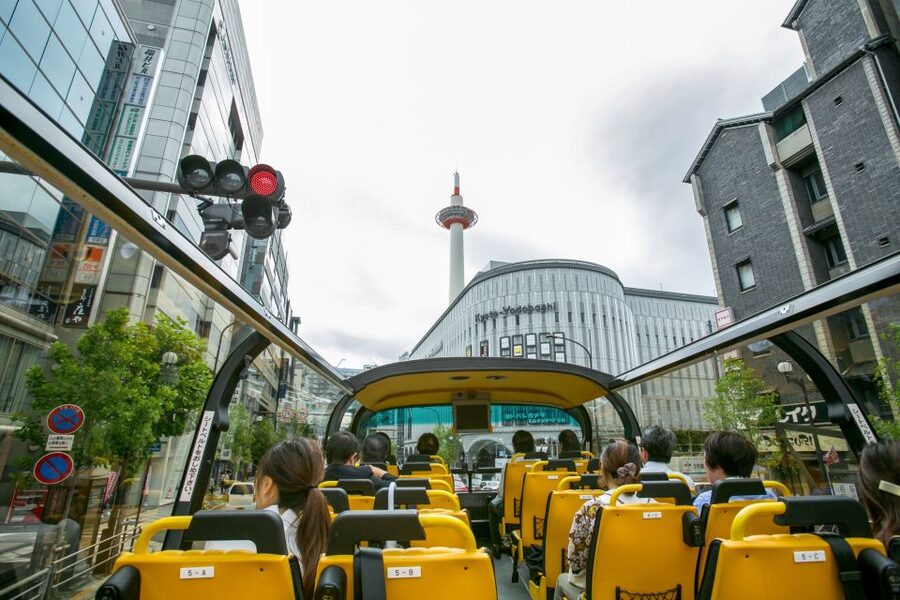
The main boarding point is easy to use. Leave Kyoto Station through the north central exit, then look for the sightseeing bus stop directly in front of the Isetan department store. You can also board at any stop along the route, which is useful if your hotel or morning plans put you elsewhere.
Kyoto Station makes a practical first stop because it has restaurants, shops, toilets, and places to wait. It is also a useful end point if you want to finish the day with a meal or some shopping before returning to your hotel.
From here, I would avoid trying to cram every temple into one day. Kyoto’s sights are not quick photo stops. A temple visit can include gardens, paths, gates, and several buildings, so the bus works best when you choose two or three main stops and treat the rest as optional.
The western route: markets, castles, and the Golden Pavilion
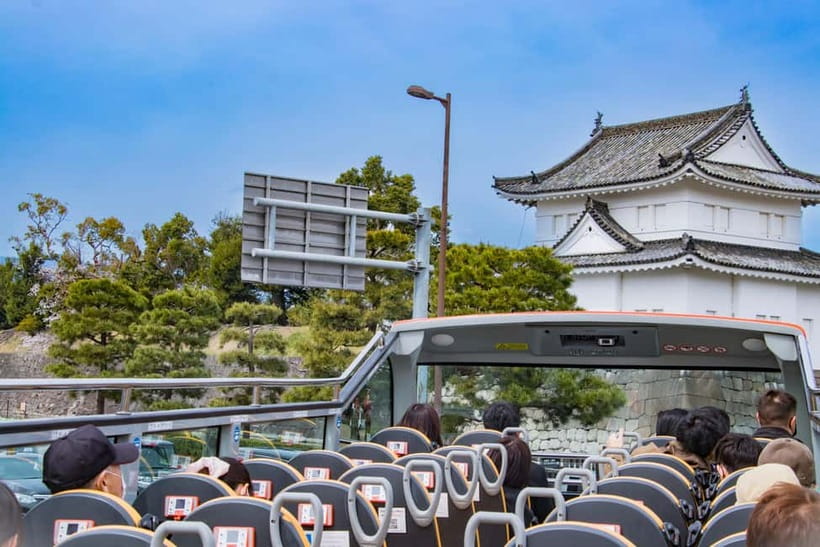
The stop at Nishihonganji, near the Kyoto Tokyu Hotel, introduces you to one of Kyoto’s important Buddhist temple areas. It is close enough to the station zone to be useful early or late in the day, though the bus ticket does not include admission to any attraction.
At Shijo Karasuma and Nishiki-ichiba Market, you can combine transport with food and shopping. Nishiki is a good place to pause for small Japanese snacks and local products, while the nearby Teramachi-dori and Kawaramachi area offer more shopping. Keep food and drinks off the bus, except for soft drinks in containers with lids, so this is a natural place to eat before boarding again.
Nijo-jo Castle is one of the most rewarding stops for visitors who want more than temple scenery. Its grand gates and palace grounds provide a change of pace, and the site helps explain Kyoto’s political past. Allow time to walk inside rather than treating it as a quick view from the road. The entrance fee is separate.
Continue toward Kitano-tenmangu Shrine and Kamishichiken, an area linked with traditional Kyoto culture. This stop can be useful if you want a quieter break from the busiest temple corridors, although the attraction is not right at every bus stop. Check your walking direction before leaving the bus.
Then comes Kinkakuji, the Golden Pavilion. This is one of Kyoto’s signature sights, and the nearby bus stop makes the service particularly useful. You will still need to walk from the stop and pay the separate entrance fee. Bring cash, since admission at Kinkakuji is cash-only and there is no ATM on the premises.
The Golden Pavilion is popular for good reason, but it can be crowded. I would not plan a long lunch break here unless you have checked what is open nearby. The value of this bus stop is transport, not a private or quiet visit. If you want time for photographs and the grounds, the two-day ticket gives you much more breathing room.
Daitokuji Temple is another western stop. It offers a different feel from the famous Golden Pavilion, though the exact areas open to the public and any admission requirements can vary. Treat it as a choice for a slower temple visit, not a guaranteed quick add-on to Kinkakuji.
The northern and eastern route: imperial grounds to Ginkakuji
The Kyoto Imperial Palace stop is at Doshisha University. This is a useful central-northern pause, especially if you want a broad open setting between temple visits. The palace grounds are spacious, so you may want more time than the bus schedule seems to suggest.
Ginkakuji, the Silver Pavilion, is one of the strongest reasons to choose this service. It is not included in many quick city tours, yet it pairs well with the eastern side of Kyoto. The site is valued as much for its garden paths and setting as for the pavilion itself.
You can use the bus to connect Ginkakuji with Heian-jingu Shrine and Okazaki Park. Heian-jingu is known for its large entrance gate and broad shrine grounds, and Okazaki Park gives you a useful area for a break. The stop works well for visitors who want a less tightly packed day, since you can choose one major visit and leave the rest for another ride.
The Gion stop, at Kotowa-Kyoto Yasaka, puts you near one of Kyoto’s best-known traditional districts. You can walk through the area, but please keep expectations realistic. The bus gets you close to the district, not into a private or staged cultural show, and the experience depends on the time of day and how much of the area you explore on foot.
Gojozaka serves Kiyomizu-dera and the Gion side of town. This is one of the most useful stops because Kiyomizu-dera is a must-see for many first-time visitors, but reaching the temple still involves an uphill walk. The approach can be crowded, and the stop does not remove the need for comfortable shoes.
The final listed stop, Sanjusangendo and the Kyoto National Museum, is near the Hyatt Regency Kyoto. It gives you two worthwhile options in the same general area. Sanjusangendo is known for its long temple hall and rows of statues, while the museum offers a different way to explore Japanese art and culture. Admission to both is separate from the bus ticket.
A completely different side of Kyoto:
- PERFECT KYOTO 1-Day Bus Tour
★ 5.0 · 13,518 reviews - Kyoto: Fushimi Inari, Kinkakuji, Bamboo Grove 1 Day Bus Tour
★ 4.8 · 4,316 reviews - Kyoto: Tea Ceremony in a Traditional Tea House in Kiyomizu
★ 4.9 · 3,519 reviews - Kyoto Geisha Walking Tour: Gion District & Hidden Gems
★ 4.7 · 3,273 reviews
What the ride itself feels like
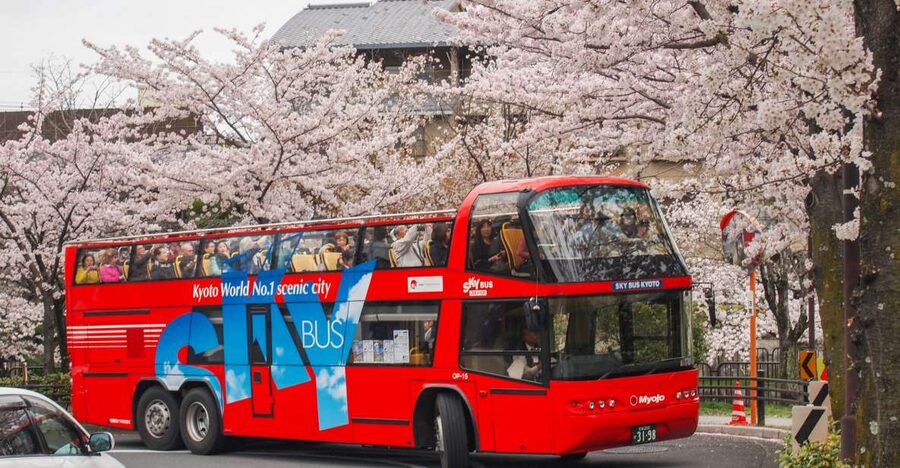
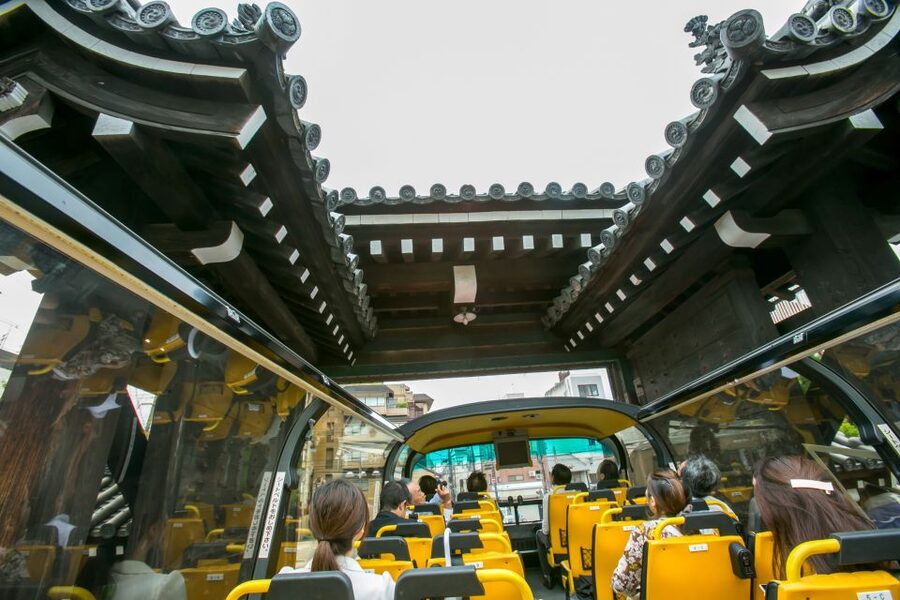
The open-top double-decker design is best for seeing Kyoto between stops. You get a higher view over some streets, a look at changing neighborhoods, and a quick sense of how far the main districts are from one another. It is especially useful on the first loop, when you are deciding how to shape the rest of your visit.
The upper deck is exposed to direct sunlight. In warm weather, wear a hat and use sun protection. In colder months, the wind can make the ride feel much colder than the pavement below. Wet-weather raincoats are provided, but heavy rain, typhoons, and thunderstorms can stop service.
Some of the upper deck is covered, which helps in strong sun and light rain. Still, do not assume the open top will be comfortable all day in poor weather. On a cold or wet day, the lower deck is more practical, though you will lose much of the view.
The bus is described as clean and comfortable, and air conditioning has been appreciated during hot weather. Staff and drivers are frequently helpful, with particular praise for attendants such as Miyuki and guides including Casey, Lauren, and Frederick. The level of live assistance may vary by departure, but staff can help clarify stops and point you toward nearby places.
Audio guidance and route timing
Pre-recorded commentary is available in English, French, Japanese, Korean, Chinese, Spanish, and German. It gives you context as you pass landmarks, which is useful when you are not getting off at every stop.
Treat the audio as an introduction, not a full tour of each temple. The narration can switch to a short roadside announcement as the bus approaches a stop, and some descriptions may end abruptly. Background music has also been louder than the voice on some rides. If you want detailed history, use the bus to reach the site, then spend your time inside with a separate guide or written information.
Timetables matter here. One full loop has taken about 45 minutes, but the gap between buses can be much longer at certain times. A wait of 45 minutes to an hour is possible, and the period from roughly 10 a.m. to noon has been noted as a less frequent window. Traffic can also affect the schedule.
I suggest photographing or saving the timetable before you start. Check whether the next bus is approaching before leaving a stop, and build in extra time if you have a train reservation, dinner booking, or another fixed plan. The service is organized, but no sightseeing bus can fully control Kyoto traffic.
Wi-Fi is listed as temporarily suspended, so download maps and key information before boarding. Do not rely on onboard internet for directions.
One day or two days for $27?
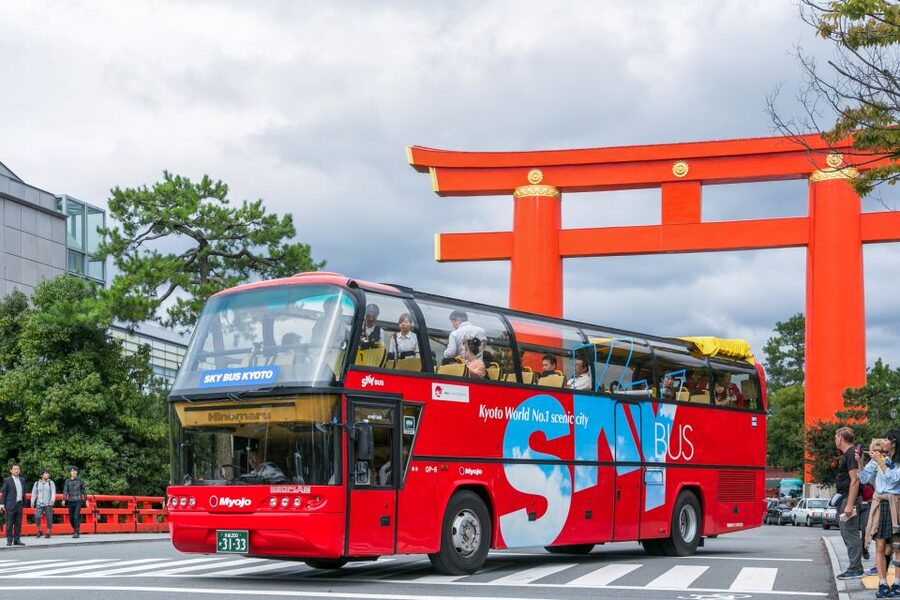
At $27 per person, the pass can offer good value if you use it for several rides and visits. Two separate taxi or rideshare trips can approach that cost, while the bus also gives you a view of the city and access to several major sightseeing zones.
The one-day ticket suits you if your aim is a broad overview, or if you want to target two or three places. A strong one-day plan might include Nijo Castle, Kinkakuji, and Gion, though that will be a full day once walking and admission lines are added.
The two-day option is the better buy for most first-time visitors who want to enter several attractions. Use day one to ride both routes, note the stops that interest you, and get a feel for distances. Use day two to visit Kinkakuji, Ginkakuji, Kiyomizu-dera, or Nijo Castle at a slower pace.
Remember what the price does not cover. You pay separately for temple, castle, shrine, and museum admission, and the pass includes no food, drinks, or hotel pickup. The bus is a transport and orientation tool, not an all-inclusive sightseeing package.
Children from zero to five ride free when seated on the lap of an adult with a ticket, with one young child allowed per paying passenger. The service may be less suitable if you need a ramp or extra lower-deck seating, since those facilities have been called limited.
How I would plan the day
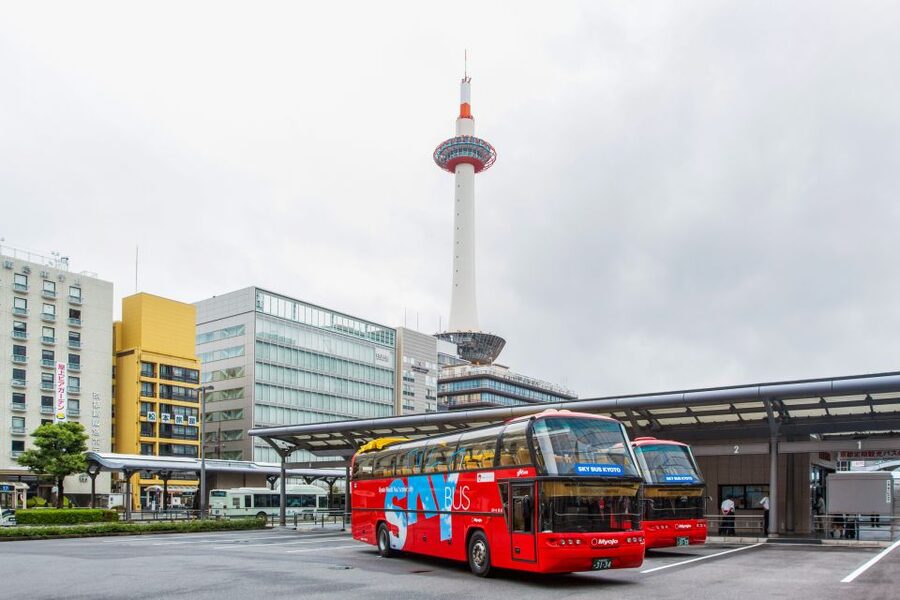
I would start early at Kyoto Station or the nearest convenient stop. First, ride enough of the circuit to understand the route and note the stop names. Then choose one western sight and one eastern or central sight rather than zigzagging across town.
For a one-day visit, consider using the bus mainly for transport between major districts. Get off at one or two temples, allow proper walking time, and use the next ride for a different area. If the bus is due in nearly an hour, it may be better to continue exploring on foot or use another transport option rather than wait beside the stop.
For two days, divide the city by area. Spend one day on Nijo Castle, Nishiki Market, Kinkakuji, and Daitokuji. Use the other for Ginkakuji, Heian-jingu, Gion, Kiyomizu-dera, and Sanjusangendo. This is only a framework, but it avoids spending the whole day crossing Kyoto.
Wear shoes that handle slopes and uneven temple paths. Carry water in a bottle with a lid, and keep snacks for the stops, since food is not allowed on board. An umbrella cannot be taken onto the vehicle, so use the provided raincoat in wet weather.
Who should book this Kyoto bus?
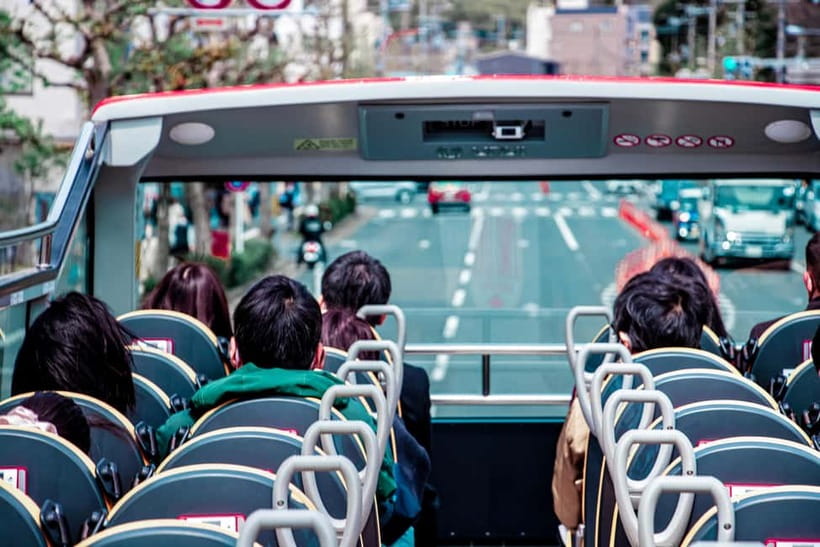
I would recommend it to first-time visitors, short-stay visitors, families who want simple connections, and anyone uneasy about Kyoto’s rail and city-bus systems. It is also useful if you want a quick sense of the city before choosing where to spend your limited time.
You may prefer ordinary public transport if you are comfortable reading route maps, need the fastest point-to-point travel, or plan to visit places outside this stop list. The bus does not reach every Kyoto attraction, and traffic plus long intervals can test your patience.
Book the two-day ticket if you want temple time without rushing. Choose one day if you mainly want an overview and a few targeted stops. At $27, it earns its keep when you ride several times, but its real value is the simple connection between Kyoto’s far-flung sights.
FAQ
Where can I board the Kyoto sightseeing bus?
You can board at any stop along the route. The first stop is at Kyoto Station, directly in front of the Isetan department store when you leave through the north central exit.
How long is the ticket valid?
You can choose a one-day or two-day ticket. The ticket allows unlimited rides during the selected period.
Which Kyoto sights are served?
Stops include Nijo Castle, Kinkakuji Temple, Ginkakuji Temple, Kiyomizu-dera Temple, Gion, Nishiki-ichiba Market, Kyoto Imperial Palace, Heian-jingu Shrine, Daitokuji Temple, Sanjusangendo, and the Kyoto National Museum.
What languages are available for the audio guide?
Audio guidance is available in English, French, Japanese, Korean, Chinese, Spanish, and German.
Is Wi-Fi available on the bus?
Wi-Fi is included in the listed features, but it is temporarily suspended.
Can children ride for free?
Children aged zero to five do not need a ticket if they sit on the lap of an adult passenger with a ticket. The allowance is one child per paying passenger.
What should I know about weather and onboard rules?
The bus has an open top, so you may be in direct sunlight. Raincoats are provided in wet weather, but service may stop during severe weather such as typhoons or thunderstorms. Smoking, food, alcohol, umbrellas, and selfie sticks are not allowed. Soft drinks are permitted only in containers with lids.
Recently added around Kyoto
- Higashiyama | Kyoto: Sakura Season Private Rickshaw Tour★ 5.0 · 3 reviews
- Kyoto Kimono Rental CHAMATSU|Kimono/Yukata Rental FamilyPlan★ 5.0 · 3 reviews
- Kyoto: Half-Day Private Guided Tour to the Old Town of Gion★ 4.4 · 3 reviews
- Nara Private Customizable Half Day Tour★ 5.0 · 3 reviews
- Kansai Region Hiking Adventure in Nara Kobe Kyoto and More★ 5.0 · 3 reviews
- Full Day Nara Deer, Temple, Shrine, Activities & Tea Ceremony★ 5.0 · 3 reviews
- Nara: Essential Private Tour with Deer Park and Temples★ 5.0 · 3 reviews
- Hiking Tour for Sacred Sites in Kyoto with a Guide★ 5.0 · 3 reviews
Tickets, compared.
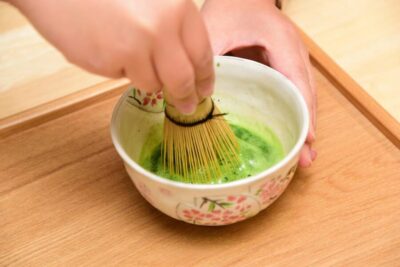
Tea Museum Tickets and Matcha Grinding Experience
Read our review →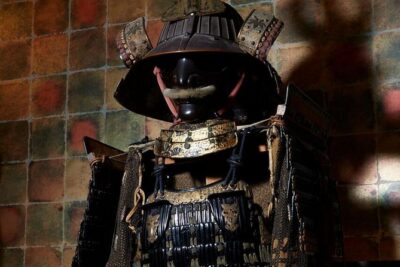
Skip the lines Basic Ticket at SAMURAI NINJA MUSEUM KYOTO
Read our review →
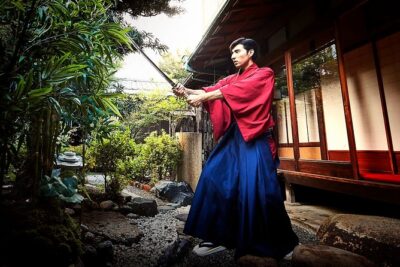
Kyoto Sword Experience – includes Museum Ticket/Ninja Experience
Read our review →
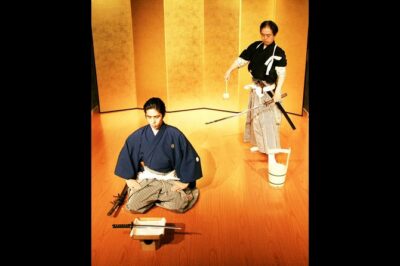
Samurai Performance and Casual Experience: Kyoto Ticket
Read our review →