
REVIEW · KYOTO EARLY MORNING TOURS
Early Bird E-biking through East Kyoto
Kyoto is easier to understand from a bicycle seat than from a crowded tour bus. This early start takes you from the city’s southern shrines to its eastern temples, riverside paths, quiet lanes, and Gion streets, covering a remarkable amount of ground before the day reaches full heat.
I especially like the small group limit of eight, which gives the guide room to adjust the pace and answer questions. I also like the included lunch and cafe stop, useful touches on a six-to-seven-hour ride. The catch is that you need real cycling comfort: some roads are busy, some paths are uneven, and a few uphill stretches still take effort even with electric assistance.
In This Review
- Key points to know before you book
- Why an e-bike works so well in East Kyoto
- 8:00 a.m. at Cycle Kyoto
- Fushimi Inari, Kyoto’s red-gate icon
- Tofuku-ji and the bridge stop
- Along the Kamogawa River
- Ginkaku-ji and lunch near the Silver Pavilion
- The Philosopher’s Path by bicycle
- Nanzen-ji’s grand temple grounds
- Heian Shrine and its wide courtyard
- Gion’s backstreets and the chance of seeing maiko or geiko
- Higashi Hongan-ji and a final cafe stop
- What the guides add to the ride
- Is $138.74 a fair price?
- Who should book this Kyoto ride?
- Should you book Early Bird E-biking through East Kyoto?
- FAQ
- Where does the tour begin?
- What time does the tour start?
- Where does the tour end?
- How long does the experience last?
- How many people can join?
- What equipment is provided?
- Is lunch included?
- Are dietary requirements accommodated?
- What is the minimum age and height?
- What happens if bad weather cancels the tour?
Key points to know before you book
- Early access to Kyoto’s major sights: The 8:00 a.m. start helps you reach Fushimi Inari and other popular places before the busiest part of the day.
- Nine very different stops: You see shrines, Zen temples, a river, a garden path, Gion backstreets, and enormous wooden prayer halls in one outing.
- A maximum of eight people: This is small enough for a more personal ride and easier communication with your guide.
- Lunch is included near Ginkaku-ji: Dietary needs must be shared ahead of time.
- Guides shape the day: Juan, Jay, Indra, Paul, Carl, Sean, Jaime, Mayco, and others have led recent outings, with strong praise for humor, local tips, safety, and history.
- You must be comfortable on a bike: The minimum age is 13, the minimum height is 145 centimeters, and moderate physical fitness is required.
Why an e-bike works so well in East Kyoto
Kyoto’s famous sights are spread across a broad area. Fushimi Inari is south of the main city center, while Ginkaku-ji, Nanzen-ji, Heian Shrine, and Gion sit farther east and north. Walking between them would take much of your day, and a car loses the pleasure of small canals, side streets, and riverside riding.
The electric motor makes the distance manageable. You still pedal, but the bike takes some strain out of longer stretches and gentle hills. That matters on a full-day route with several temple visits. You can save your legs for walking through shrine grounds and gardens instead of spending all your energy getting from one stop to the next.
The ride is not an isolated cycle path from start to finish. You will share roads with traffic and pass through busy parts of Kyoto. One rider found the uphills challenging and noted that close attention is needed on crowded streets. That is useful advice. You should already know how to steer, brake, start, and stop confidently in an urban setting.
The bikes come with helmets, and the operator provides the equipment, so you do not need to arrange a rental separately. If you are shorter, ask about bike size at the start. A smaller rider found the available smaller bike stable and secure, while another group had trouble with bikes that were too small for taller teenagers. Checking the fit before leaving is worth a few minutes.
More early starts before the crowds:
- Kyoto Early Morning Tour with English-Speaking Guide
★ 5.0 · 1,427 reviews - Kyoto: Early Morning Tour with English-Speaking Guide
★ 4.9 · 1,128 reviews - Nara Early Morning Tour (Kyoto or Osaka Departure Available)
★ 5.0 · 676 reviews
8:00 a.m. at Cycle Kyoto
The tour begins at Cycle Kyoto, at Higashikujō Nishisannōchō in Kyoto’s Minami Ward. The meeting point is near public transportation, and the activity ends back there after the full circuit.
Allow time to find the shop without rushing. One person found the location slightly tricky to locate, so having the address ready on your phone is sensible. Your confirmation arrives when you book, and the tour uses a mobile ticket.
The early meeting time is part of the value. Kyoto’s best-known shrines and temples can feel very different before the middle of the day. You will not have every stop to yourself, but starting early gives the group a better chance at calmer streets and easier movement.
Your guide will fit you with an e-bike and helmet and explain the riding plan. Since the group can be as large as eight, the guide must keep everyone together. The strongest outings appear to depend heavily on the guide, so it is fair to expect the experience to have a personal, variable quality rather than the exact same style every day.
Fushimi Inari, Kyoto’s red-gate icon
The first ride lasts about 25 minutes, following the river toward Fushimi Inari-taisha Shrine. Once there, you have roughly 30 minutes to explore on foot.
Fushimi Inari is famous for its long rows of red torii gates, which climb into the wooded hills behind the shrine. This tour does not give you time to walk the entire mountain route. Instead, the stop offers a compact introduction to the shrine’s main setting, symbols, and visual drama.
That limited time is both a strength and a weakness. You get an early look at one of Kyoto’s essential sights without sacrificing the rest of the route, but you will not reach every upper section of the torii trail. If Fushimi Inari is your top priority, return on your own for a longer visit.
Tofuku-ji and the bridge stop
From Fushimi Inari, it is about 15 minutes by bike to Tofuku-ji Temple. The visit lasts around 30 minutes and includes a brief stop on a picturesque bridge.
Tofuku-ji is one of Kyoto’s important Zen temples, known for its broad grounds and seasonal scenery. The bridge gives you a good pause after the first ride and a chance to see the temple setting before walking farther into the grounds.
The stop is short, so think of it as a well-chosen introduction rather than a slow temple study. Your guide’s explanation can make a difference here. Several guides, including Indra, Jay, and Sean, have been praised for mixing cultural background with humor and practical context. A good guide helps you see more than attractive buildings and explains why the spaces are arranged as they are.
More bike days around Kyoto:
- Hidden Kyoto E-Biking tour
★ 5.0 · 1,843 reviews - Bike Tour Exploring North Kyoto plus Lunch
★ 5.0 · 1,087 reviews - Arashiyama Bamboo Forest & Hidden Gems Bike Tour (Early Bird)
★ 5.0 · 613 reviews - 5 Top Highlights of Kyoto Full Day Bike Tour (E-bike option)
★ 5.0 · 511 reviews
Along the Kamogawa River
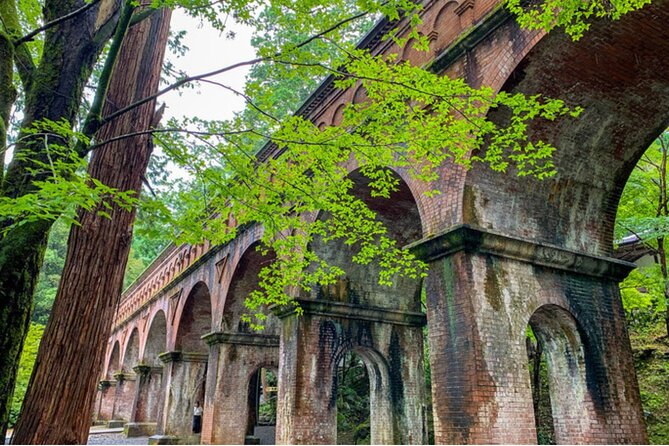
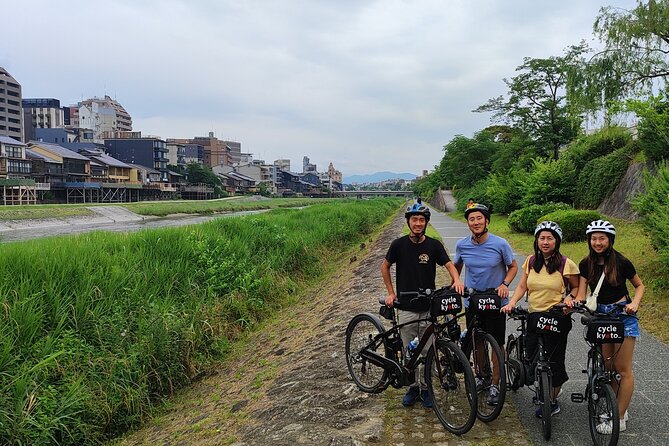
The route then spends about 30 minutes beside the Kamogawa River. This is one of the tour’s most pleasant changes of pace.
After the crowds and formal temple grounds, riverside cycling gives you a look at everyday Kyoto. You trade queues and gates for open air, water, bridges, and long views through the city. The river route also makes the e-bike feel worthwhile. You are not simply using a bicycle as transportation between ticketed sights. You are enjoying the city at street level.
Conditions can change with the season and weather. On a clear day, this stretch may be one of the easiest parts of the ride. In poor weather, the exposed river path will feel less comfortable. The tour requires good weather, and a cancellation for weather brings the choice of another date or a full refund.
Ginkaku-ji and lunch near the Silver Pavilion
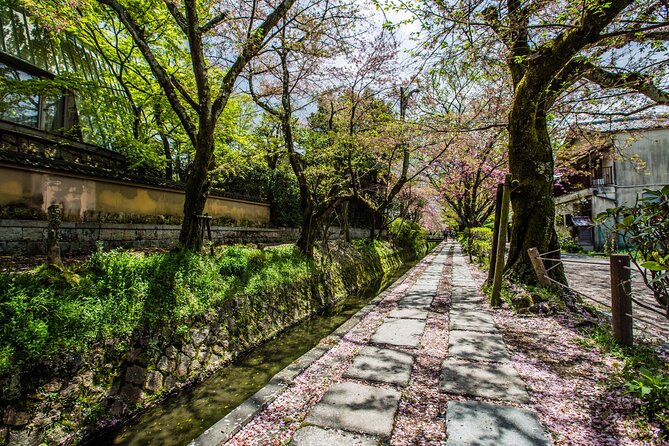
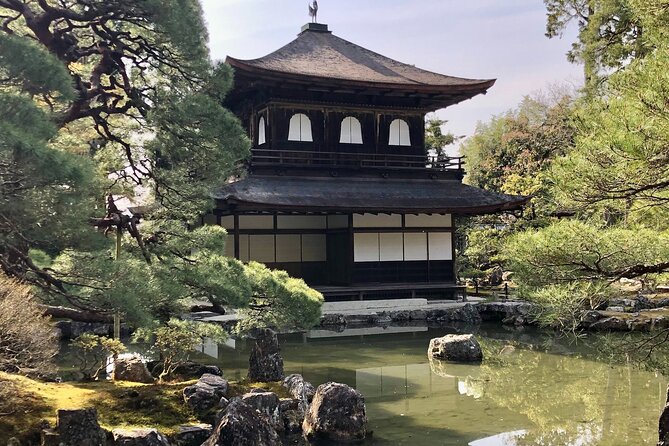
Ginkaku-ji, often called the Silver Pavilion, is next. About 45 minutes is allocated to the temple grounds, and this time includes lunch at a nearby restaurant.
The name can mislead first-time visitors. The pavilion is not actually covered in silver. The appeal lies in its restrained design, gardens, paths, and quiet sense of proportion. This is a temple where the surrounding grounds matter as much as the main structure.
Including lunch is a practical advantage. You do not need to spend precious time searching for a place while keeping track of the group, and the guide can help the outing stay on schedule. The exact restaurant experience may vary, especially during busy seasons. One outing used a restaurant on the main street near the pavilion, which was convenient but not especially memorable. Another guide led the group to a favorite ramen place and helped them get seated quickly.
That difference points to an important question: are you booking lunch for ease or for a special food experience? The included meal solves the first problem. It does not guarantee a carefully designed food tour. Tell the operator about dietary requirements in advance.
The Philosopher’s Path by bicycle
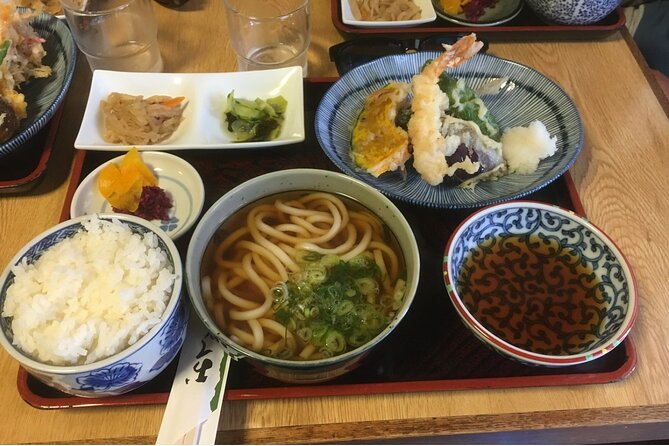
After lunch, the group cycles along the Philosopher’s Path for about 45 minutes. This canal-side route is one of Kyoto’s most appealing places to ride, especially when seasonal flowers are out.
The path links several eastern temple areas and offers a slower, more reflective stretch after the city roads. You will see water, trees, small bridges, and side lanes leading toward temples and neighborhood streets. It is a good example of what a bike adds to Kyoto: you can move farther than on foot while still noticing small details.
The path can also be crowded. During cherry-blossom season, stopping may take some negotiation because the group needs to keep moving and avoid blocking others. If photography matters to you, tell your guide early. One group had to request extra time for photographs during peak blossom conditions. A guide can often adjust a little, but the full route has a fixed rhythm.
Nanzen-ji’s grand temple grounds
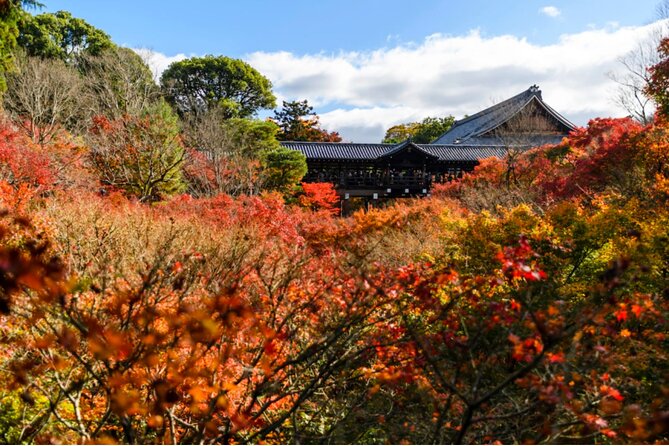
Nanzen-ji follows, with about 45 minutes to walk through the grounds. This is one of the tour’s strongest temple stops.
Nanzen-ji has an impressive scale, but its appeal is not only size. The grounds combine broad temple buildings, wooded spaces, stonework, and the famous brick aqueduct nearby. The change from the intimate Philosopher’s Path to this larger temple complex gives the day a useful sense of variety.
Forty-five minutes allows enough time to get a feel for the place without turning the whole day into a temple marathon. You will want comfortable shoes for the walking sections. The e-bike reduces the physical burden of transportation, but it does not remove the need to walk, stand, and manage steps or uneven surfaces.
Heian Shrine and its wide courtyard
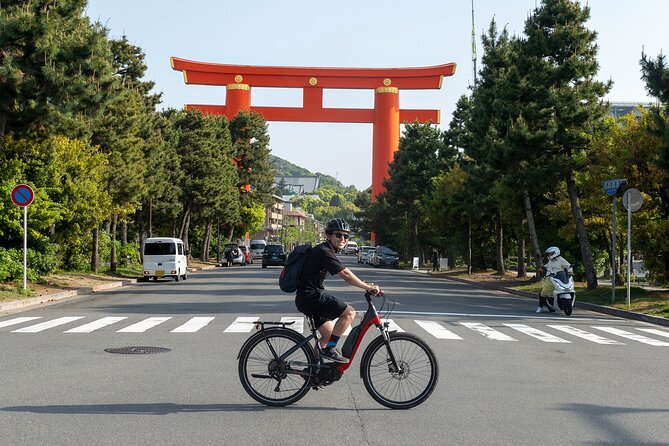
The next stop is Heian Shrine, where you spend around 35 minutes strolling through the courtyard.
Heian Shrine feels different from the older Buddhist temples on the route. Its broad approach and large courtyard create a more open, formal setting, with striking shrine architecture and strong color. The visit is relatively easy on the legs after several temple grounds and gives the guide another chance to explain the difference between Shinto and Buddhism in Japan.
The itinerary moves quickly, so you will not have time for every corner of the shrine complex. That is a reasonable trade for seeing so many parts of eastern Kyoto in one day.
Gion’s backstreets and the chance of seeing maiko or geiko
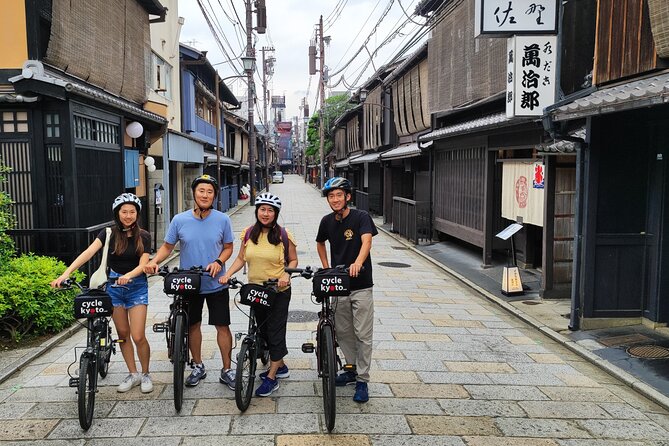
The ride through Gion lasts about 45 minutes. Rather than treating the district as a single photo stop, the route uses its backstreets and smaller lanes.
Gion is Kyoto’s historic entertainment district, known for traditional teahouses and geiko and maiko culture. You might catch a glimpse of one, but it should never be treated as a guaranteed sighting or a reason to crowd the streets. The best approach is quiet observation and respect.
Cycling through the area lets you see more than the most photographed lane. You may pass quiet residential corners and traditional facades that are easy to miss on a direct walking route. At the same time, Gion can be busy, and bikes require extra care around pedestrians. Follow the guide closely and do not assume every narrow lane is suitable for fast riding.
Higashi Hongan-ji and a final cafe stop
The final listed stop is Higashi Hongan-ji Temple, with about 15 minutes for a walk through its large wooden prayer halls. The time also includes a stop at the operator’s favorite cafe in Kyoto.
The temple provides a strong closing image. Its wooden halls are vast and solemn, giving you a final look at Kyoto’s religious architecture on a scale that differs from the gardens and smaller paths earlier in the day. The cafe stop adds a welcome human touch and a chance to rest before returning to the starting point.
Because this stop is brief, it is more of a final taste than a full visit. Still, the rhythm works: ride, walk, rest, and ride again. The cafe is also one of the details that can make the day feel local rather than mechanically arranged around major attractions.
What the guides add to the ride
The guide is central to the experience. Juan has been especially praised for safety, local food advice, and the feeling of being shown around by a longtime friend. Jay is noted for humor, historical background, and adapting the day to the group. Indra has been praised for mixing information with a lively manner, while Paul, Sean, Carl, Jaime, and Mayco have each been singled out for clear English, thoughtful pacing, or friendly leadership.
That range matters because the tour is not just a bike rental with a route map. You are paying for navigation, timing, safety, explanations, and local judgment. A guide who knows a good cafe or can steer you toward a useful lunch choice adds real value.
Still, guide quality can vary. One disappointing outing had little explanation at the monuments, with the guide checking information on a phone. That is not the standard you should hope for on a tour priced at $138.74 per person. If detailed storytelling is important to you, ask questions from the start and tell the guide which subjects interest you.
Is $138.74 a fair price?
At $138.74, this is not a cheap way to rent a bicycle for the day. The value comes from the amount of ground covered and the services bundled into the price: an e-bike, helmet, guide, small group, lunch, cafe stop, and a route connecting nine stops that would take careful planning to arrange alone.
You are also paying to avoid navigation mistakes. Kyoto’s temples are not all linked by one simple path, and moving between southern and eastern sights can eat up time. The guide handles the route while you focus on riding and looking around.
The price makes less sense if you are already confident cycling in Kyoto, have plenty of time, and prefer long independent visits at each temple. It also may not suit you if you want a food-focused tour or a slow photography day. For a first full day in Kyoto, though, the outing can serve as a useful orientation and show you which neighborhoods deserve a return visit.
Who should book this Kyoto ride?
I would choose this for an active first-time visitor who wants a broad view of Kyoto in one day. It suits couples, friends, and families with teenagers aged 13 or older who meet the minimum height of 145 centimeters and can ride safely in city conditions.
It is also a strong pick if you value smaller roads and riverside paths as much as famous temples. The route gives you both: major sights for the checklist and ordinary corners that a bus tour cannot reach.
I would hesitate if you dislike traffic, have not ridden a bicycle recently, or need long, unhurried temple visits. The six-to-seven-hour duration is substantial, and the day includes repeated cycling, walking, hills, busy areas, and fixed meeting times.
Free cancellation is available up to 24 hours before the 8:00 a.m. start. Changes made inside that window are not accepted, and late cancellations are not refunded. Since the outing depends on good weather and a minimum number of participants, a cancellation by the operator brings another date or a full refund.
Should you book Early Bird E-biking through East Kyoto?
Book it if you want to connect Fushimi Inari, Tofuku-ji, Ginkaku-ji, the Philosopher’s Path, Nanzen-ji, Heian Shrine, Gion, and Higashi Hongan-ji without piecing together several bus rides. The small group, early start, included meals, and electric assistance make a long day feel practical rather than punishing.
Go in with the right expectations. This is an active sightseeing day, not a leisurely temple seminar or a gourmet lunch tour. You will see a lot, and your guide may add wonderful stories, food tips, and route changes, but time at each sight is limited.
For a fit visitor who wants Kyoto’s major eastern sights plus its quieter roads, I think the bike is the smart choice. Just confirm the bike fits, arrive ready for traffic, and tell the guide early if you want more history or extra photo time.
FAQ
Where does the tour begin?
It begins at Cycle Kyoto, Higashikujō Nishisannōchō, Minami Ward, Kyoto, 601-8003, Japan.
What time does the tour start?
The tour starts at 8:00 a.m.
Where does the tour end?
The activity ends back at the meeting point.
How long does the experience last?
The tour lasts approximately six to seven hours.
How many people can join?
The maximum group size is eight people.
What equipment is provided?
An e-bike and helmet are provided.
Is lunch included?
Yes. Lunch at a nearby restaurant is included during the Ginkaku-ji portion of the day.
Are dietary requirements accommodated?
Dietary requirements must be provided ahead of time.
What is the minimum age and height?
The minimum age is 13 years old, and the minimum height is 145 centimeters.
What happens if bad weather cancels the tour?
You will be offered a different date or a full refund if the activity is canceled because of poor weather.
More E-Bikes in Kyoto
- E-Bike Tours of the highlights of Kyoto!!!
★ 5.0 · 291 reviews - Kyoto: City Secrets eBike Tour
★ 4.9 · 196 reviews - Pedal Adventure Kyoto’s iconic landmarks on an e-bike tour
★ 5.0 · 189 reviews - Kyoto: Hidden Gems E-Bike Tour with Local Japanese Guide
★ 4.9 · 189 reviews
Recently added around Kyoto
- Higashiyama | Kyoto: Sakura Season Private Rickshaw Tour★ 5.0 · 3 reviews
- Kyoto Kimono Rental CHAMATSU|Kimono/Yukata Rental FamilyPlan★ 5.0 · 3 reviews
- Kyoto: Half-Day Private Guided Tour to the Old Town of Gion★ 4.4 · 3 reviews
- Nara Private Customizable Half Day Tour★ 5.0 · 3 reviews
- Kansai Region Hiking Adventure in Nara Kobe Kyoto and More★ 5.0 · 3 reviews
- Full Day Nara Deer, Temple, Shrine, Activities & Tea Ceremony★ 5.0 · 3 reviews
- Nara: Essential Private Tour with Deer Park and Temples★ 5.0 · 3 reviews
- Hiking Tour for Sacred Sites in Kyoto with a Guide★ 5.0 · 3 reviews
Kyoto Early Morning Tours, compared.
Kyoto Early Morning Tour with English-Speaking Guide
Read our review →Early Morning Tour with English-Speaking Guide
Read our review →
Nara Early Morning Tour (Kyoto or Osaka Departure Available)
Read our review →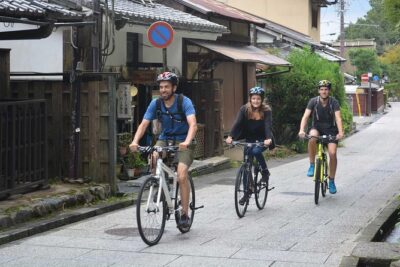
Arashiyama Bamboo Forest & Hidden Gems Bike Tour (Early Bird)
Read our review →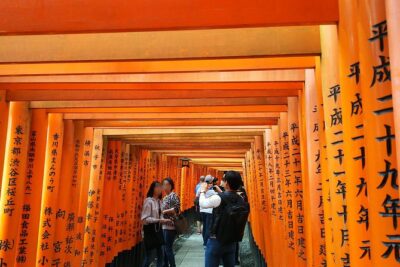
Kyoto Early Bird English Tour: Fushimi-Inari and Arashiyama
Read our review →
Nara Early Bird Tour (Kyoto Departure Option Available)
Read our review →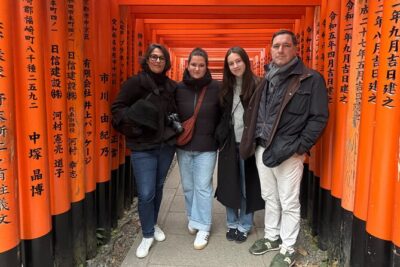
Kyoto Early Bird English Tour: Fushimi Inari & Gion(Private opt)
Read our review →Browse the lists this tour appears in