
REVIEW · FUSHIMI INARI SHRINE TOURS
Crowd-Free Kyoto: Fushimi Inari, Nijo Castle & Kinkaku-ji
The smart idea here is the early visit to Fushimi Inari, before the famous red torii gates turn into a slow-moving photo line. You then cross Kyoto for Nijo Castle and finish at the Golden Pavilion, three major sights in about five hours.
I like the private format, since your group gets the guide’s full attention and can move at a calmer pace than a shared tour. I also like the human touch: guides such as Tom, Ryu, Kazuya, and Maki are praised for explaining local customs, history, and small details that are easy to miss alone.
The trade-off is a tight schedule. Each main stop receives about an hour, and the tour does not include food, drinks, or admission to Nijo Castle and Kinkaku-ji. This works best as a focused introduction to Kyoto, not as a leisurely day at each site.
In This Review
- Key points to know before booking
- Why the early start matters at Fushimi Inari
- Nijo Castle puts samurai power indoors
- Kinkaku-ji is the grand finale
- What a private guide adds in five hours
- The route is efficient, but not relaxed in the slow-travel sense
- Is $91.96 a fair price?
- Who will enjoy this Kyoto route most?
- Small practical details that make a big difference
- My verdict on the three-stop plan
- FAQ
- How long does the Kyoto tour last?
- Which attractions are included?
- Is this a private tour?
- Are admission tickets included?
- Where does the tour start?
- Where does the tour end?
- Are food and drinks included?
- Can I cancel for a full refund?
Key points to know before booking
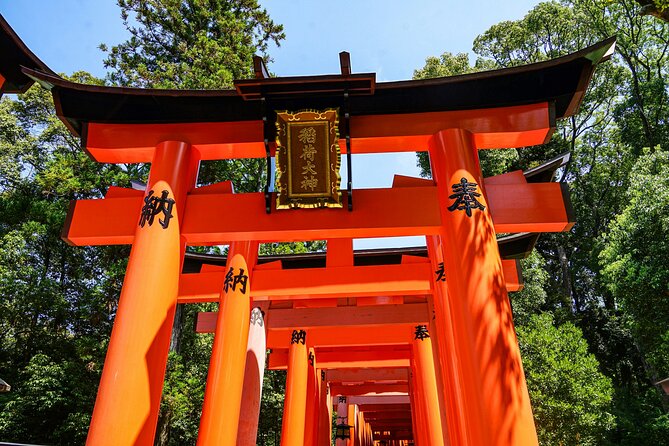
- Fushimi Inari comes first: The early timing is designed to give you a quieter walk beneath the thousands of red torii gates.
- Three major sights in five hours: You see Kyoto’s most famous shrine, castle, and temple in one efficient route.
- Private guide service: Only your group participates, with the chance to ask questions and hear local stories.
- Two admission fees are extra: Fushimi Inari is free, but Nijo Castle and Kinkaku-ji tickets are not included.
- The tour ends at Kinkaku-ji: You can continue sightseeing from there rather than returning to Kyoto Station.
- A little walking is required: Fushimi Inari includes an uphill torii path, and all three sites involve walking through large grounds.
Why the early start matters at Fushimi Inari
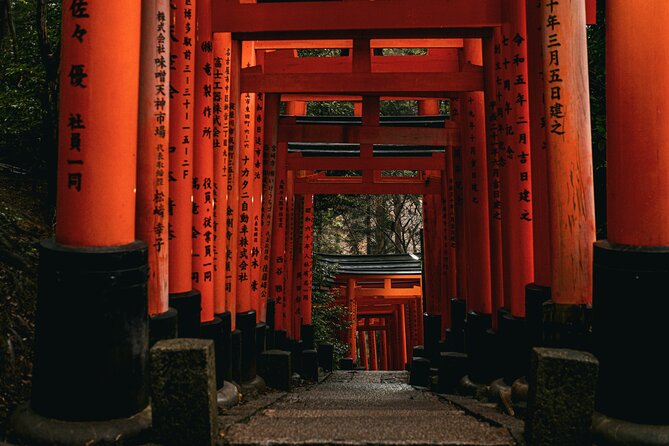
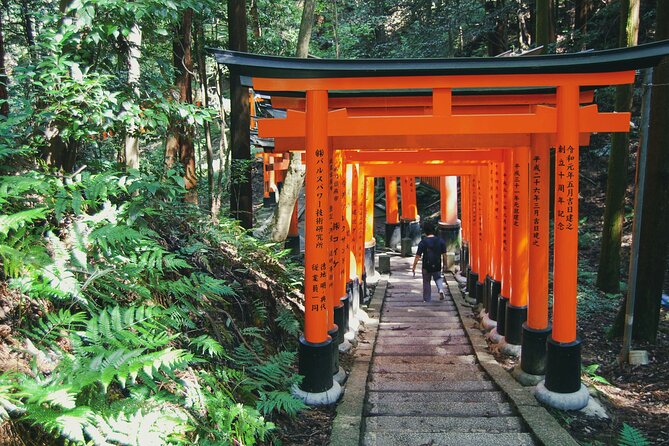
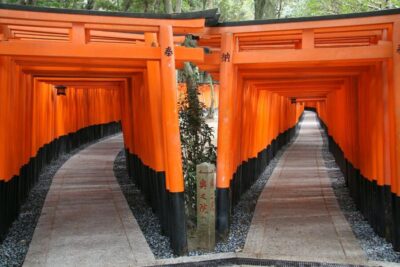
Fushimi Inari-taisha is the tour’s strongest opening act. Its main draw is the Senbon Torii, a long path framed by thousands of orange-red gates that climbs Mount Inari. The gates are packed closely together at first, creating the classic Kyoto image you have probably seen in photographs.
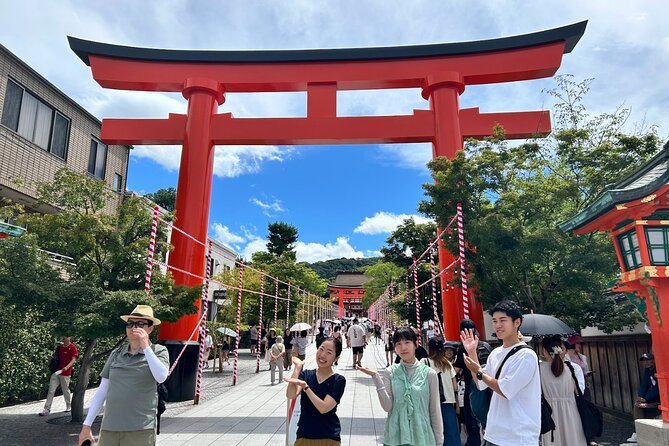
The timing matters more here than at almost any other stop. Fushimi Inari is open around the clock, and its free admission makes it easy for large numbers of people to arrive throughout the day. An early visit gives you a better chance to see the shrine in a calmer mood, with space to look up at the gates instead of watching the person ahead of you.
Your guide can also explain what you are seeing beyond the postcard view. Fushimi Inari is dedicated to Inari, a Shinto deity associated with rice, agriculture, and business. Fox statues appear around the shrine because foxes are regarded as Inari’s messengers. These details give meaning to the repeated gates and stone figures.
You do not need to walk the entire mountain route to understand the place. The full climb takes much longer than the hour scheduled here, so your guide will likely focus on the most memorable section. One tour participant made it all the way to the top and described the view as unforgettable, but also noted the effort involved. Treat that as an optional challenge, not a promise built into the five-hour plan.
Wear shoes you can walk uphill in. The path is manageable for most people, but the experience is not a flat stroll. If you have limited time or energy, enjoy the lower torii gates and shrine buildings rather than trying to conquer the mountain.
More ways to walk Fushimi Inari:
- Kyoto: Fushimi Inari, Kinkakuji, Bamboo Grove 1 Day Bus Tour
★ 4.8 · 4,316 reviews - Fushimi Inari Hidden Hiking Tour (Private Option Available)
★ 5.0 · 1,750 reviews - Kyoto/Osaka: Nara, Fushimi Inari Taisha, Arashiyama Bus Tour
★ 4.7 · 1,275 reviews
Nijo Castle puts samurai power indoors
Nijo Castle gives the tour a useful change of mood. Fushimi Inari is a working religious site with a mountain path. Nijo is a grand political residence, built for the Tokugawa shoguns. Inside the Ninomaru Palace, you see the setting where rulers received visitors and displayed their authority.
The castle is especially valuable with a guide because its meaning is not always obvious from the buildings alone. The ornate interiors, painted panels, and carefully arranged rooms show how power was presented in the Edo period. The famous nightingale floors are another detail to listen for. Their deliberate squeaks helped alert residents to unwanted movement.
You have about an hour here, so expect an overview rather than a full examination of every room and garden. Admission is not included, which means you should budget for the entrance ticket separately. The tour price looks attractive at $91.96 per person, but the final cost is higher once you add this fee, the Kinkaku-ji ticket, and any food or drinks.
Nijo Castle may be the highlight for you if you prefer architecture, political stories, and preserved interiors to scenic photo stops. One guide, Maki, was singled out for making this part especially enjoyable. That fits the site well: Nijo becomes much more interesting when someone points out the signals of status, security, and ceremony.
The castle also gives your feet a break from the uphill section at Fushimi Inari, though you will still walk across the grounds and through the palace. Keep the one-hour limit in mind. If you want a slow garden visit or time to study every painting, a separate visit would be better.
Kinkaku-ji is the grand finale
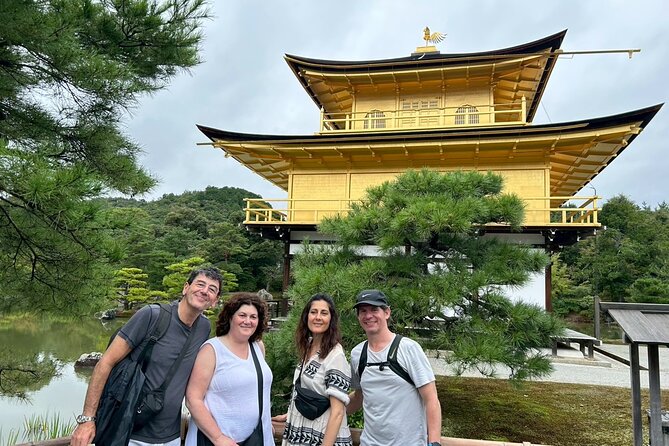
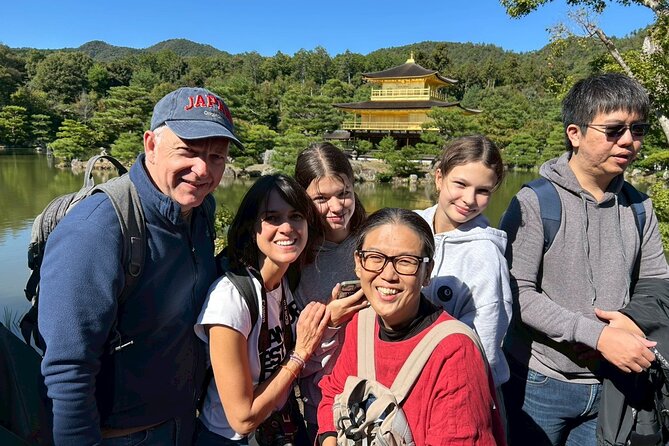
The final stop is Kinkaku-ji, formally known as Rokuon-ji but widely called the Golden Pavilion. The upper stories are covered in gold leaf, and the building is reflected in the pond in front of it. This is one of Kyoto’s most instantly recognizable sights, and the visual impact is real, especially when the weather is clear.
The route is arranged sensibly. You finish at Kinkaku-ji rather than being taken back to the station, which lets you continue from the northern part of Kyoto. The end point is listed as Kinkaku-ji, 1 Kinkakujicho, Kita Ward. That is useful if you are planning another nearby activity, though the tour itself does not provide a return transfer.
Kinkaku-ji is a temple complex, but the Golden Pavilion is the main attraction. You should expect a set viewing route rather than free wandering through the building. The pavilion is admired from across the pond, and access inside the structure is not part of the experience described here.
Admission is extra, just as it is at Nijo Castle. Weather can affect the experience, since the reflection and gold finish are central to the view. The tour requires good weather and may be moved or refunded if poor conditions lead to cancellation. You may still enjoy the site on a gray day, but the famous image is at its best when the light cooperates.
One person joined mainly to see Kinkaku-ji and found it the clear high point. If the Golden Pavilion is your personal priority, this tour guarantees that it is included, but the one-hour stop still limits how long you can linger.
What a private guide adds in five hours
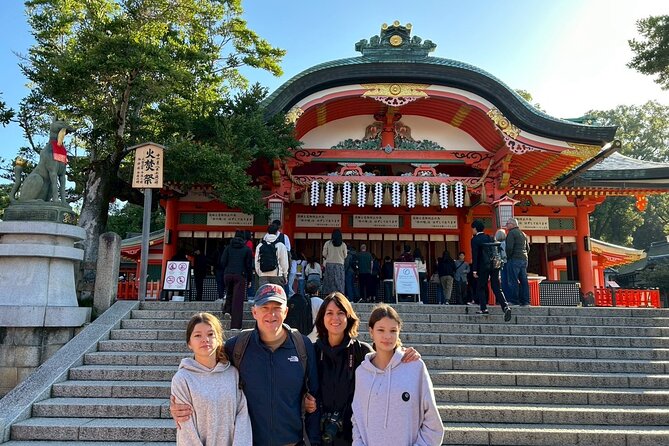
The private setup is more than a label. Only your group takes part, so you can ask questions about shrine etiquette, castle design, Japanese history, or the practical details of moving around Kyoto. You are not waiting for a large group to gather after every photo stop.
That matters at Fushimi Inari, where people naturally move at different speeds. It also helps at Nijo Castle, where one person may want to hear about the Tokugawa shoguns while another is more interested in the paintings and gardens. A private guide can adjust the explanation to your interests, even though the overall timetable remains fixed.
The guides associated with this experience include Tom, Ryu, Kazuya, and Maki. Tom is praised for answering questions and explaining Kyoto’s cultural background. Ryu is described as friendly and entertaining, while Kazuya is remembered for his kindness and for showing fine details throughout the city. Maki is especially linked with an enjoyable visit to Nijo Castle.
You should not assume you will receive a particular guide unless the booking confirms it. The useful point is that the experience is built around a local guide rather than a driver who simply drops you at the gates. The cultural explanation is a major part of what you are paying for.
More trips to the Golden Pavilion:
- Kyoto: Nijo, Kinkaku-ji, Arashiyama, Kiyomizu & Fushimi Inari
★ 5.0 · 699 reviews - Kyoto: Kinkakuji, Golden Pavilion Guided Tour
★ 4.7 · 71 reviews - Kyoto top must-see Golden pavilion and Bamboo forest half-day Private tour
★ 5.0 · 52 reviews - Kyoto Bamboo Forest & Golden Pavilion E-Bike Tour
★ 5.0 · 50 reviews
The route is efficient, but not relaxed in the slow-travel sense
The tour lasts about five hours and allocates roughly one hour to each main stop. That is enough time to see the defining features of all three sites, but transfers between southern, central, and northern Kyoto take up part of the day.
The meeting point is South Square in the Kyoto Station Building. This is a practical starting place if you are staying near the station or arriving by train. You should arrive ready to begin, since the early timing is one of the tour’s main advantages.
The tour ends at Kinkaku-ji, not at the original meeting point. That can save you a needless return across the city, but it also means you should plan your next move from there. The supplied details confirm that the route is near public transportation, but they do not specify the exact transport method, transfer times, or whether fares are included. Ask about those points before booking if you need a highly structured transport plan.
The schedule is best understood as a sampler. You see the red gates, the shogun’s palace, and the Golden Pavilion in one morning or half-day block. You do not get the unhurried pace of spending half a day at each site.
Is $91.96 a fair price?
At $91.96 per person, this is not the cheapest way to visit Kyoto’s sights. Fushimi Inari costs nothing to enter, and you could visit all three locations independently using public transportation. The price makes more sense if you value a local guide, private attention, and help arranging a route across the city.
You also need to add the admission charges for Nijo Castle and Kinkaku-ji. Food and drinks are not included. That makes the total cost less predictable than the advertised base price, especially for a group of several people.
Still, a private tour can be good value for a first Kyoto visit. You are paying to reduce planning work and to connect three major sights with cultural context. If you have only one full day in Kyoto, or if you feel uncertain about shrine and temple etiquette, that guidance can save time and prevent a rushed self-planned route.
Group discounts are available, which may improve the value for families or friends booking together. Since the experience is private, the per-person price is easier to justify when divided among several people who want the same itinerary.
I would not book it solely for transportation. The available information does not promise a private vehicle or describe transfers in detail. Book it for the guide and the focused sightseeing plan.
Who will enjoy this Kyoto route most?
This tour fits first-time visitors who want to cover Kyoto’s headline sights without spending hours on planning. It is also useful for people with a short stay, since the route covers three very different parts of Kyoto in one block of time.
You will likely enjoy it if you:
- Want a private guide rather than a shared group
- Prefer cultural explanations to simply taking photographs
- Need an efficient introduction to Kyoto
- Are willing to start early for a quieter Fushimi Inari
- Can handle walking and some uphill travel
- Want to finish at Kinkaku-ji instead of returning to Kyoto Station
It is less suitable if you want a slow photographic study of the Golden Pavilion, a complete climb of Mount Inari, or a full afternoon at Nijo Castle. It may also feel expensive if you are comfortable arranging trains and buses yourself and do not need a guide.
The pace is generally friendly rather than punishing, but the route includes three large attractions. Families should consider the walking involved, especially at Fushimi Inari. The available information says most people can participate, but it does not provide detailed accessibility information.
Small practical details that make a big difference
Start with comfortable shoes and carry water. One person joked about paying 300 yen for water after climbing Fushimi Inari, a reminder that the uphill section can be more demanding than the photographs suggest.
Plan to buy food before or after the tour rather than expecting a meal stop. Food and drinks are not included, and the five-hour schedule is built around sightseeing.
Keep your booking confirmation handy on your phone. A mobile ticket is offered, and confirmation is sent when you book. The exact start time is important because the crowd-avoidance plan depends on early timing, so read the meeting instructions closely.
If weather threatens the day, know that the experience requires good conditions. A cancellation caused by poor weather leads to a different date or a full refund. For your own cancellation, you can receive a full refund if you cancel at least 24 hours before the start time. Changes or cancellations inside that window are not accepted for a refund.
My verdict on the three-stop plan
I like this tour because it solves a real Kyoto problem: the city’s best-known sights are spread apart, and the most popular one, Fushimi Inari, is much better before the crowds arrive. The private guide adds the stories that turn a quick visit into a more meaningful one.
The strongest parts are the early shrine visit, the chance to ask questions throughout the day, and the route’s practical finish at Kinkaku-ji. The main weaknesses are the tight one-hour limits, the extra admission fees, and the lack of detailed transport information in the booking details.
Book it if you want an efficient, guided introduction and accept that you are sampling each place. Skip it if you already know Kyoto well, want long visits at individual sites, or prefer the lowest possible cost. For a first visit with limited time, $91.96 can be reasonable, especially when shared among a private group and matched with a guide who brings Kyoto’s ceremonies, rulers, and local customs into focus.
FAQ
How long does the Kyoto tour last?
The experience lasts approximately five hours.
Which attractions are included?
The route visits Fushimi Inari-taisha Shrine, Nijo Castle, and Kinkaku-ji Temple, also known as the Golden Pavilion.
Is this a private tour?
Yes. Only your group participates in the activity.
Are admission tickets included?
Admission to Fushimi Inari-taisha Shrine is free. Tickets for Nijo Castle and Kinkaku-ji Temple are not included in the tour price.
Where does the tour start?
The meeting point is South Square in the Kyoto Station Building, Higashishiokojicho, Shimogyo Ward, Kyoto.
Where does the tour end?
The tour ends at Kinkaku-ji, 1 Kinkakujicho, Kita Ward, Kyoto.
Are food and drinks included?
No. Food and drinks are not included.
Can I cancel for a full refund?
Yes, if you cancel at least 24 hours before the experience start time. Cancellations or changes made less than 24 hours in advance are not refunded. If poor weather causes the provider to cancel, you will be offered another date or a full refund.
More of Nijo Castle
- Kyoto: Nijo-jo Castle and Ninomaru Palace Guided Tour
★ 4.7 · 1,020 reviews - Kyoto: Nijo Castle, Kiyomizu & Fushimi Inari Guided Tour
★ 4.7 · 700 reviews - Kyoto: Imperial Palace & Nijo Castle Guided Walking Tour
★ 4.7 · 453 reviews - Kyoto: Nijo Castle World Heritage Guided Tour with Admission
★ 5.0 · 128 reviews
Recently added around Kyoto
- Higashiyama | Kyoto: Sakura Season Private Rickshaw Tour★ 5.0 · 3 reviews
- Kyoto Kimono Rental CHAMATSU|Kimono/Yukata Rental FamilyPlan★ 5.0 · 3 reviews
- Kyoto: Half-Day Private Guided Tour to the Old Town of Gion★ 4.4 · 3 reviews
- Nara Private Customizable Half Day Tour★ 5.0 · 3 reviews
- Kansai Region Hiking Adventure in Nara Kobe Kyoto and More★ 5.0 · 3 reviews
- Full Day Nara Deer, Temple, Shrine, Activities & Tea Ceremony★ 5.0 · 3 reviews
- Nara: Essential Private Tour with Deer Park and Temples★ 5.0 · 3 reviews
- Hiking Tour for Sacred Sites in Kyoto with a Guide★ 5.0 · 3 reviews
Fushimi Inari Shrine Tours, compared.
Fushimi Inari, Kinkakuji, Bamboo Grove 1 Day Bus Tour
Read our review →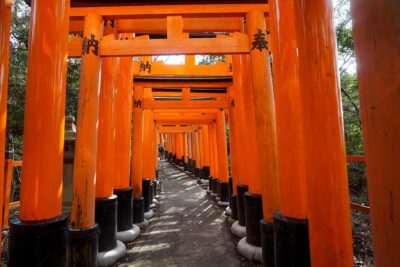
Fushimi Inari Hidden Hiking Tour (Private Option Available)
Read our review →
Kyoto/Osaka: Nara, Fushimi Inari Taisha, Arashiyama Bus Tour
Read our review →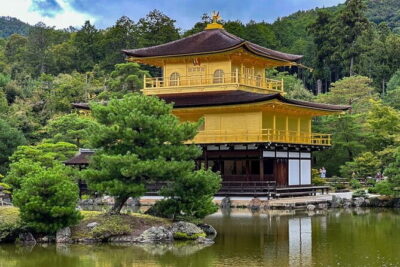
Nijo, Kinkaku-ji, Arashiyama, Kiyomizu & Fushimi Inari
Read our review →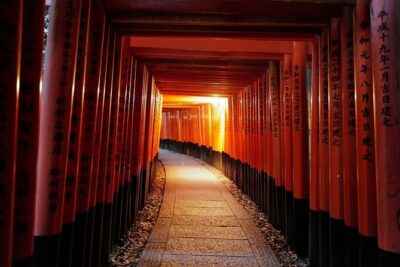
Kyoto Early Bird English Tour: Fushimi-Inari and Arashiyama
Read our review →
Fushimi, Arashiyama – Bamboo, Monkey, Torii & Secrets
Read our review →Browse the lists this tour appears in