
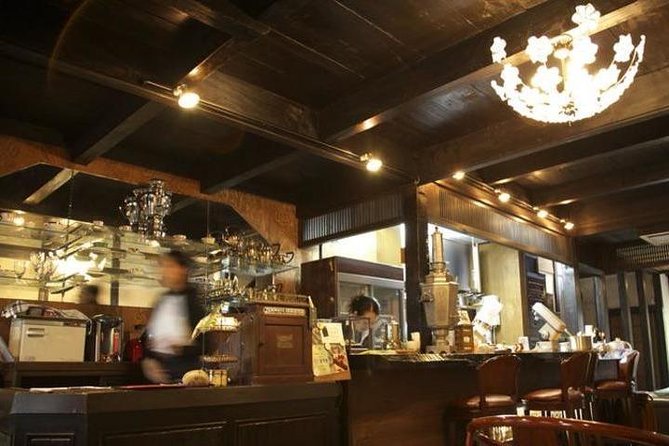
REVIEW · KYOTO TEA CEREMONY EXPERIENCES
Traditional Tea Ceremony in Kyoto
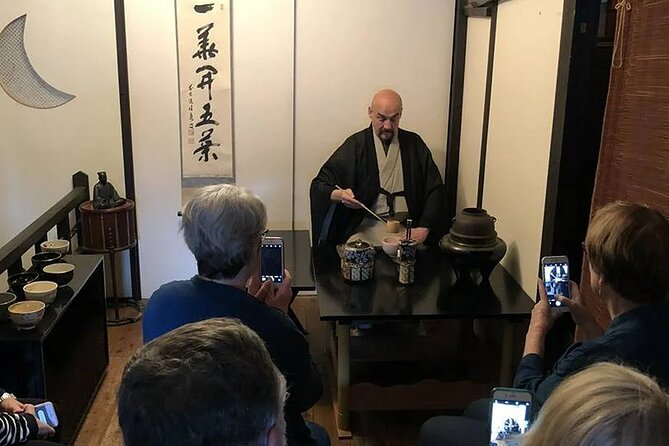
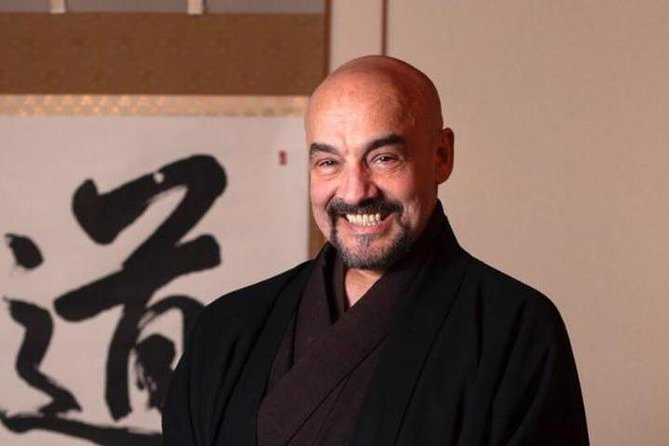
Kyoto’s tea ceremony is not just about drinking matcha. It is a carefully ordered welcome, and this experience introduces you to ryurei, a formal style created in the 1870s for receiving foreign dignitaries. Randy Channell Soei, known as Randy Sensei, leads the ceremony in a Kyoto townhouse and explains what each step means.
I like two things right away: you do not only watch, you prepare your own bowl of matcha, and the teaching is paired with Kyoto sweets from established local makers. The main point to consider is the setting. The room is small, and you sit on benches rather than tatami mats or low tables, so this is a practical demonstration of tea ceremony rather than a fully traditional floor-seated ritual.
- Ryurei tea style: Experience the formal, chair-friendly method used to welcome foreign dignitaries.
- Randy Sensei leads the session: Learn directly from Randy Channell Soei, a highly ranked tea master from outside Japan.
- Make your own matcha: Everyone gets a chance to prepare a bowl of tea.
- Kyoto-grown matcha: Taste Randy Sensei’s original matcha along with traditional sweets.
- Short cultural lesson: The 90-minute format gives you a clear introduction without taking half a day.
- Bench seating: No kneeling on tatami, but the room may feel compact for a group of up to 25.
In This Review
- Why Ryurei Makes This Tea Ceremony Different
- Meeting Randy Channell Soei in Kyoto
- What Happens During the 90-Minute Session
- Preparing Your Own Bowl of Matcha
- The Small Townhouse Setting
- How Much Value Do You Get for $56.34?
- Who Will Enjoy This Experience Most
- What to Know Before You Go
- The Main Strengths and Limitations
- Should You Book the Kyoto Tea Ceremony?
- FAQ
- Where does the tea ceremony take place?
- How long does the experience last?
- Who leads the tea ceremony?
- What is ryurei?
- Will I sit on tatami mats?
- Can I prepare my own matcha?
- Are tea and sweets included?
- Is transportation included?
Why Ryurei Makes This Tea Ceremony Different
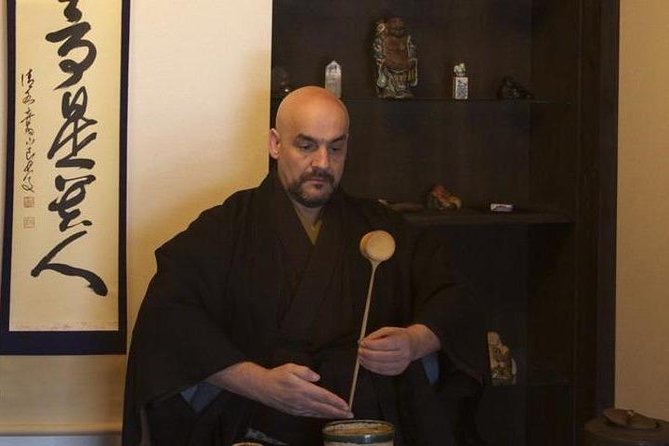
Many people picture a Japanese tea ceremony as a quiet room with guests kneeling on tatami. This experience takes a different route. Ryurei uses chairs or benches, making the ceremony more comfortable and accessible while keeping the formal sequence of hospitality.
The style dates to the 1870s. Its purpose was to welcome foreign dignitaries who might not be familiar with Japanese floor seating or the strict physical demands of a traditional tea room. That gives the session an interesting angle: you are not simply watching a historic custom, you are learning a version designed to make Japanese hospitality understandable to visitors from abroad.
That does not mean the ceremony is casual. You can expect careful attention to manners, the order of service, the handling of the tea bowl, and the way matcha and sweets are presented. The chair-based format changes the physical setting, not the basic lesson in courtesy and restraint.
I see that as a sensible choice for a first meeting with chanoyu, the Japanese art of tea. You get the ritual and the explanation without worrying about how long you can kneel comfortably.
Meeting Randy Channell Soei in Kyoto
The host is Randy Channell Soei, also called Randy Sensei. He is described as the highest-ranked tea ceremony master from outside Japan, which gives this experience an unusual human angle. You are learning a Japanese tradition from an expert who also understands the questions a non-Japanese audience is likely to have.
That matters because tea ceremony can seem mysterious if you only watch from a distance. Small movements carry meaning, and without guidance you may miss why a bowl is turned, how a sweet is eaten, or what order the guests follow. Randy Sensei’s role is to make those details clear.
The session takes place at ran Hotei, at 64 Kamikawaracho in Kyoto’s Nakagyo Ward. The meeting point is near public transportation, but transportation to and from the location is not included. You will need to make your own way there and return to the same meeting point when the session ends.
Give yourself enough time to find the address. A tea ceremony depends on a calm start, and arriving rushed would work against the quiet mood the activity is meant to create.
More tea ceremonies in Kyoto:
- Kyoto: Tea Ceremony in a Traditional Tea House in Kiyomizu
★ 4.9 · 3,519 reviews - Kyoto: Tea Ceremony Ju-An at Jotokuji Temple
★ 4.9 · 3,207 reviews - Kyoto: 45-Minute Tea Ceremony Lesson Experience
★ 4.3 · 2,378 reviews
What Happens During the 90-Minute Session
The experience lasts about one hour and 30 minutes. That is enough time to cover the ceremony, explain the customs, serve sweets and tea, and let you prepare matcha yourself.
You begin by learning about the formal tea ceremony and the role of hospitality within it. The ceremony is not treated as a quick tasting. You are shown the details of an ancient Japanese custom, including the etiquette expected from the host and the people receiving the tea.
The exact sequence may feel deliberate. That is part of the lesson. Tea ceremony asks you to pay attention to gestures, objects, timing, and the relationship between host and guest. You are encouraged to notice those elements instead of treating the matcha as an ordinary drink.
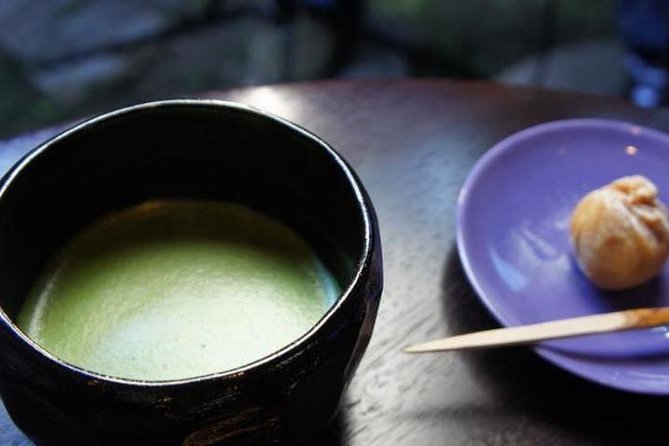
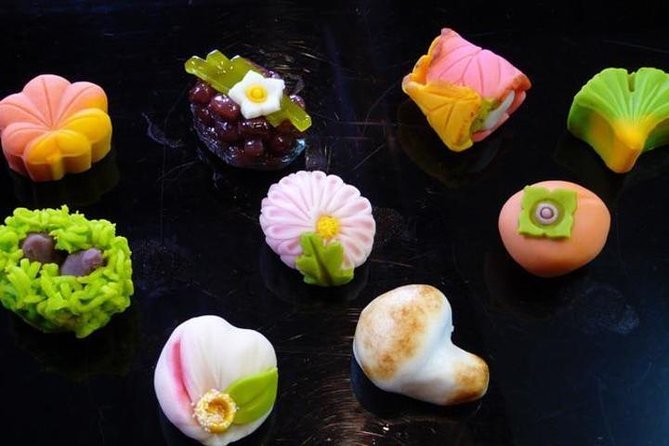
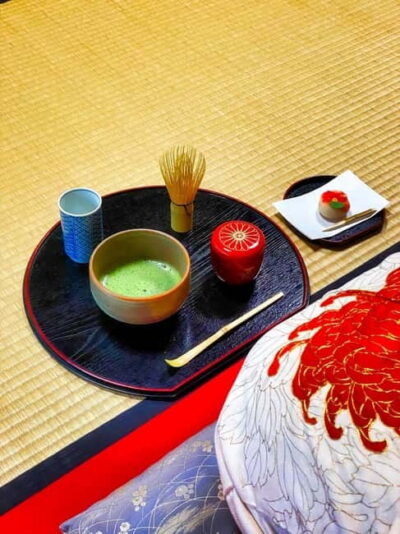
The teaching then moves into the food and tea itself. You sample traditional sweets made by famous Kyoto confectioners, followed by Randy Sensei’s original Kyoto-grown matcha. The sweets are not just a snack. In Japanese tea practice, they balance the bitter taste of matcha and prepare your palate for the drink.
A particularly useful part comes when you make your own bowl of matcha. This turns the session from a performance into a hands-on lesson. You can see how much care goes into a drink that appears simple: the bowl, the powder, the water, and the whisk all matter.
The experience also includes a group photograph. If you are traveling with family or friends, that gives you a small record of the occasion without adding another activity to your day.
Preparing Your Own Bowl of Matcha
The hands-on element is one of the strongest reasons to book this session. Watching a tea master prepare matcha has value, but preparing the drink yourself gives you a better sense of the technique.
You will learn how to make your own bowl of matcha under instruction. The supplied information does not specify every movement or tool used, so I would not expect a full professional tea-school lesson. Think of it as a guided introduction that helps you understand the basic preparation and etiquette.
That distinction is useful. You are not being asked to become a tea master in 90 minutes. You are learning enough to recognize the care behind the ceremony and perhaps repeat the experience at home with a new appreciation for the process.
The matcha is Randy Sensei’s original Kyoto-grown blend. Along with the sweets, it gives the tasting a local connection. You are not simply drinking a generic green tea in a tourist setting. The tea and confectionery are tied to Kyoto’s food culture.
One participant found the tea delicious and praised the educational side of the session. Another said the experience helped them learn how to prepare matcha and changed their opinion of the drink. That is a practical benefit for anyone who has tried matcha before and found it too bitter or unfamiliar.
The Small Townhouse Setting
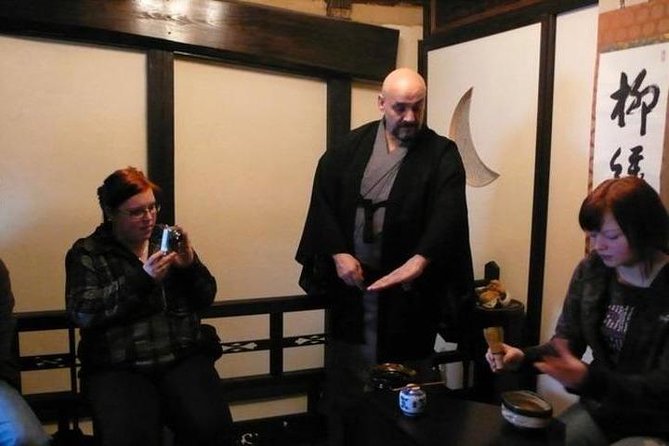
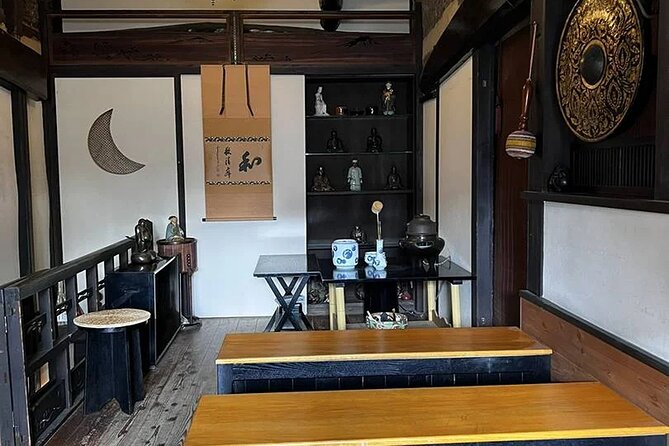
The ceremony takes place in a townhouse, and the space is described as small. That can work in your favor. A compact room usually keeps the demonstration close enough for you to see the tools and follow the host’s movements.
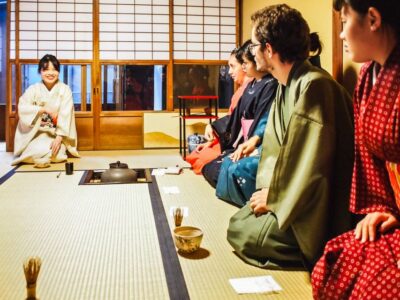
Still, space is the clearest drawback. The activity can include up to 25 people, so a full group may feel crowded in a small room. Your view and sense of personal space may depend on where you sit.
The seating is on benches, not tatami mats or low tables. If you have knee, hip, or back concerns, that may be welcome. It also means you should set your expectations correctly. The experience offers formal tea ceremony through ryurei, but it does not recreate the floor-seated setting many people associate with a Japanese tea room.
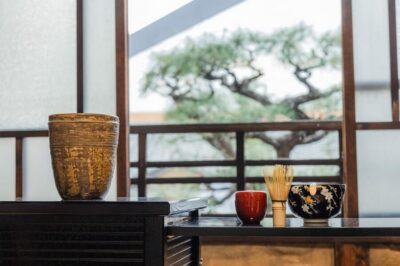
I would describe the setting as a trade-off rather than a flaw. You lose some of the visual drama of kneeling on tatami, but you gain comfort and a format made for international visitors. If your main goal is to learn etiquette and prepare matcha, the benches should not be a problem. If your main goal is a picture-perfect, highly traditional tea room, you may find the room less atmospheric than expected.
A completely different side of Kyoto:
- PERFECT KYOTO 1-Day Bus Tour
★ 5.0 · 13,518 reviews - Kyoto: Fushimi Inari, Kinkakuji, Bamboo Grove 1 Day Bus Tour
★ 4.8 · 4,316 reviews - Kyoto Geisha Walking Tour: Gion District & Hidden Gems
★ 4.7 · 3,273 reviews - Kyoto: Gion Magical Night Walking Tour with Geisha Trivia
★ 4.9 · 2,393 reviews
How Much Value Do You Get for $56.34?
The listed price is $56.34 per person. For a 90-minute cultural activity in Kyoto, the value depends on what you want from the experience.
You are paying for more than a cup of tea. The price includes the tea ceremony with a tea master, Randy Sensei’s Kyoto-grown matcha, traditional sweets, your own matcha preparation, and a group photograph. It also buys you an explanation of the ceremony, which is often the difference between seeing a ritual and understanding it.
I think the price makes sense if you want a focused cultural lesson rather than a long sightseeing tour. You do not need to spend an entire afternoon, and the session fits neatly between visits to Kyoto’s temples, gardens, and markets.
The value is weaker if you only want to taste matcha. Kyoto offers many simpler and cheaper ways to drink green tea. This experience earns its price through the instruction, formal setting, and chance to take part.
Group discounts may be available, which could help families or friends traveling together. The maximum group size is 25, so ask yourself how much you care about an intimate setting. A smaller group would likely feel more personal, but the stated capacity means you should be prepared for a class-like atmosphere on a busy date.
The activity is booked, on average, 61 days ahead. That suggests planning early is sensible, especially if your Kyoto dates are fixed. Confirmation is sent within 48 hours of booking, subject to availability.
Who Will Enjoy This Experience Most
This tea ceremony suits you if you enjoy learning the meaning behind a custom instead of simply taking photographs of it. It is also a good fit if you want an activity that introduces Japanese manners in plain, guided steps.
You will probably get the most from it if you:
- Have never attended a Japanese tea ceremony.
- Want to learn how matcha is prepared.
- Prefer chairs or benches to kneeling on tatami.
- Are curious about the connection between tea, sweets, and hospitality.
- Want a short cultural activity that lasts 90 minutes.
- Are traveling with a group and may qualify for a discount.
Families and mixed-age groups may appreciate the ryurei seating. The supplied information says most people can participate, though it does not provide a detailed accessibility statement. If you need a specific seating arrangement or other accommodation, confirm before booking.
This may be less suitable for you if your priority is wearing a kimono. Kimono is not included. It may also disappoint you if you expect a large, richly decorated tea room or a floor-seated ceremony with a very small number of people.
What to Know Before You Go
Transportation is not included, so plan your route to ran Hotei at 64 Kamikawaracho in Nakagyo Ward. The activity ends back at the meeting point, which makes it easy to continue with your Kyoto plans afterward.
You do not need to bring a kimono, and none is provided as part of the experience. Wear clothes that allow you to sit comfortably on a bench for 90 minutes and take part in the tea preparation.
Keep the schedule flexible enough to arrive on time. Tea ceremony etiquette places value on composure and respect, and a late arrival could interrupt the session.
The activity has free cancellation if you cancel at least 24 hours before the local start time. Changes or cancellations made less than 24 hours before the start are not accepted for a refund.
The group photograph is included, but the information does not say how or when it is delivered. Treat it as a pleasant extra rather than the main reason to book.
The Main Strengths and Limitations
The best part of this experience is the teaching. Randy Sensei gives you a way to understand why the ceremony proceeds as it does, and the hands-on matcha preparation helps the lesson stay with you.
The sweets and tea also receive appropriate attention. Traditional Kyoto sweets soften the strong flavor of matcha, while the Kyoto-grown tea gives you a specific taste to remember. If you have never liked matcha, the guided preparation may change your view of it.
The main limitation is the room. A small townhouse with a possible group of 25 may not provide the quiet, spacious atmosphere some people imagine. Bench seating is comfortable, but it is not the classic tatami arrangement.
There is also a difference between authenticity and expectation. The ryurei method is a genuine formal style of tea ceremony, but it was created for foreign dignitaries and uses seating that differs from the image many first-time visitors have in mind. Know what you are booking, and the format makes sense.
Should You Book the Kyoto Tea Ceremony?
Book this experience if you want a clear, hands-on introduction to Japanese tea ceremony, especially one led by Randy Channell Soei. The combination of formal ryurei hospitality, Kyoto sweets, local matcha, and your own tea preparation gives the 90 minutes real substance.
I would choose it for a first tea ceremony in Kyoto, for a rainy afternoon, or for anyone who wants culture without committing to a full-day class. I would skip it only if you need a grand tea room, kimono included, floor seating, or a very small group.
The $56.34 price is fair when you take part rather than simply watch. Just arrive expecting a compact townhouse, bench seating, and an educational session designed for international visitors. With those details in mind, this is a useful and approachable way to meet one of Kyoto’s most carefully preserved customs.
FAQ
Where does the tea ceremony take place?
It takes place at ran Hotei, 64 Kamikawaracho, Nakagyo Ward, Kyoto, 604-8374, Japan.
How long does the experience last?
The tea ceremony lasts approximately one hour and 30 minutes.
Who leads the tea ceremony?
Randy Channell Soei, known as Randy Sensei, leads the experience.
What is ryurei?
Ryurei is a formal style of Japanese tea ceremony that dates to the 1870s. It was used to show hospitality to foreign dignitaries and uses seating other than traditional floor seating.
Will I sit on tatami mats?
No. The activity uses benches rather than tatami mats or low tables.
Can I prepare my own matcha?
Yes. The experience includes the chance to make your own bowl of matcha.
Are tea and sweets included?
Yes. The experience includes Randy Sensei’s original Kyoto-grown matcha and traditional sweets from Kyoto sweet makers.
Is transportation included?
No. You are responsible for getting to and from the meeting point. The activity ends back at the starting location.
Recently added around Kyoto
- Higashiyama | Kyoto: Sakura Season Private Rickshaw Tour★ 5.0 · 3 reviews
- Kyoto Kimono Rental CHAMATSU|Kimono/Yukata Rental FamilyPlan★ 5.0 · 3 reviews
- Kyoto: Half-Day Private Guided Tour to the Old Town of Gion★ 4.4 · 3 reviews
- Nara Private Customizable Half Day Tour★ 5.0 · 3 reviews
- Kansai Region Hiking Adventure in Nara Kobe Kyoto and More★ 5.0 · 3 reviews
- Full Day Nara Deer, Temple, Shrine, Activities & Tea Ceremony★ 5.0 · 3 reviews
- Nara: Essential Private Tour with Deer Park and Temples★ 5.0 · 3 reviews
- Hiking Tour for Sacred Sites in Kyoto with a Guide★ 5.0 · 3 reviews
Kyoto Tea Ceremony Experiences, compared.
Tea Ceremony in a Traditional Tea House in Kiyomizu
Read our review →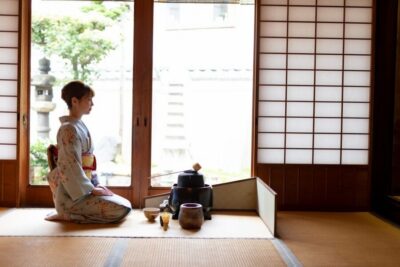
Tea Ceremony in 100-year-old Kyo-Machiya Townhouse
Read our review →
Browse the lists this tour appears in