
REVIEW · KYOTO TEA CEREMONY EXPERIENCES
Traditional Tea Ceremony Experience in Kyoto
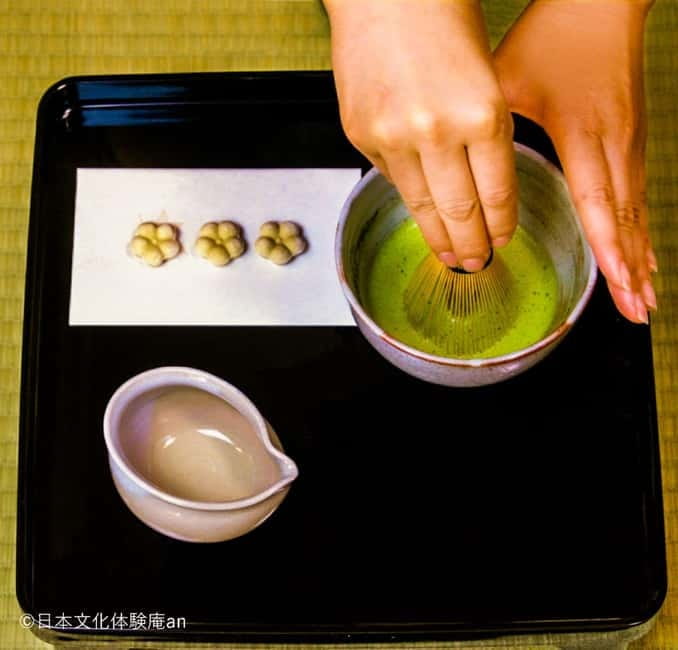
Kyoto’s tea tradition comes down to a small, calm ritual here: hot water, powdered tea, a whisk, and careful movements that carry centuries of meaning. This 30-minute ceremony gives you a clear first look at the process, including a demonstration of how single-origin matcha becomes a smooth drink.
I like the low price, just $7 per person, and the practical table-and-chair seating, which is easier than kneeling on tatami. I also like that you receive a Japanese dried sweet called ohigashi with the tea. The main drawback is the short running time and basic English support, so this suits a first taste of tea culture better than an in-depth lesson.
In This Review
- Key points at a glance
- A compact introduction to Kyoto tea culture
- What happens during the 30-minute session
- Why single-origin matcha changes the experience
- Table seating makes this easier
- The location near Gojo Station
- English support and the pace of instruction
- Is $7 a good value?
- Who should book this experience?
- Timing, cancellation, and arrival advice
- My advice for getting the most from it
- Should you book it?
- FAQ
- Where is the tea ceremony held?
- How long does the experience last?
- What is included?
- Is the tea ceremony conducted in English?
- Do I sit on the floor?
- Is the venue wheelchair accessible?
- Can I receive a completion certificate?
- What is the cancellation policy?
Key points at a glance
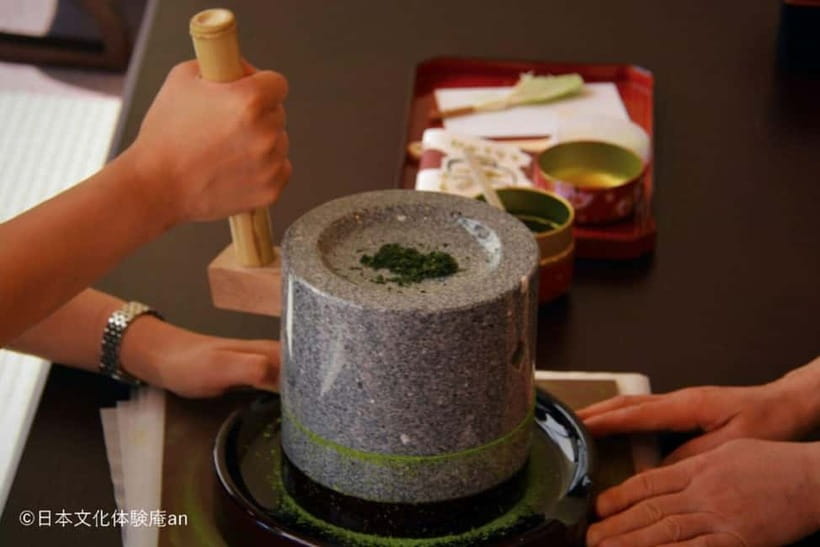
- Single-origin matcha: See how the powdered tea is mixed with hot water, then taste a rich cup yourself.
- Ohigashi included: The traditional dried sweet gives you a small counterpoint to matcha’s strong, grassy flavor.
- Easy Gojo Station access: The venue is a one-minute walk from Exit 1 of Gojo Station on the Karasuma Subway Line.
- Table seating: You sit on chairs at tables rather than kneeling, making the format more comfortable for many people.
- Short and inexpensive: At $7 for 30 minutes, this is an easy add-on to a day in central Kyoto.
- Japanese-led instruction: English translation is available as much as possible, but you should request it ahead of time.
A compact introduction to Kyoto tea culture
This experience focuses on OTE-MAE, the Japanese tea-making procedure. You are not simply handed a bowl of matcha. The instructor shows how the tea is prepared and explains the meaning of the movements, utensils, and basic manners.
That distinction matters. Matcha preparation can look simple from a distance, but the ceremony gives attention to order and care. The act of making tea is treated as a shared moment, not just a way to produce a caffeinated drink. In Kyoto, taking part in this tradition gives you a useful cultural frame for other temples, gardens, tea shops, and craft experiences you may encounter during your stay.
Keep your expectations in proportion. The scheduled session lasts 30 minutes, and one session was reported as closer to 25 minutes, with roughly half of the instruction in English and half in Korean. The material can be quite basic, covering steps such as adding hot water and mixing. If you want a detailed study of tea history, schools of tea, or the social role of matcha, this is not the right format.
For a first introduction, though, the short length can be a virtue. You can fit it between sightseeing stops without giving up half a day.
More tea ceremonies in Kyoto:
- Kyoto: Tea Ceremony in a Traditional Tea House in Kiyomizu
★ 4.9 · 3,519 reviews - Kyoto: Tea Ceremony Ju-An at Jotokuji Temple
★ 4.9 · 3,207 reviews - Kyoto: 45-Minute Tea Ceremony Lesson Experience
★ 4.3 · 2,378 reviews
What happens during the 30-minute session
The experience begins with instruction from a Japanese-speaking teacher. You learn the basic flow of the tea ceremony and the purpose of the items being used. The exact sequence can vary by session, but the supplied details indicate that you receive a demonstration of how single-origin matcha is made.
The demonstration is the heart of the activity. Matcha is finely powdered tea, so it is mixed directly into hot water rather than steeped and removed like loose leaves. Watching the preparation helps you understand why the drink has a thicker texture and stronger flavor than ordinary green tea.
The instructor also covers tea etiquette, including basic do’s and don’ts. That guidance is useful if you plan to visit a traditional tea room later in Japan. You will not master every rule in half an hour, but you can leave knowing how to approach the setting with more confidence and respect.
After the demonstration, you enjoy the matcha with an ohigashi dried sweet. The sweet is an important part of the experience rather than a random snack. Its sweetness helps balance matcha’s strong, sometimes bitter taste, and the pairing shows how Japanese tea service considers the relationship between drink and food.
A practical note: the activity is not designed for people who only want to watch. Anyone who does not participate cannot enter, so book only for the people who intend to take part.
Why single-origin matcha changes the experience
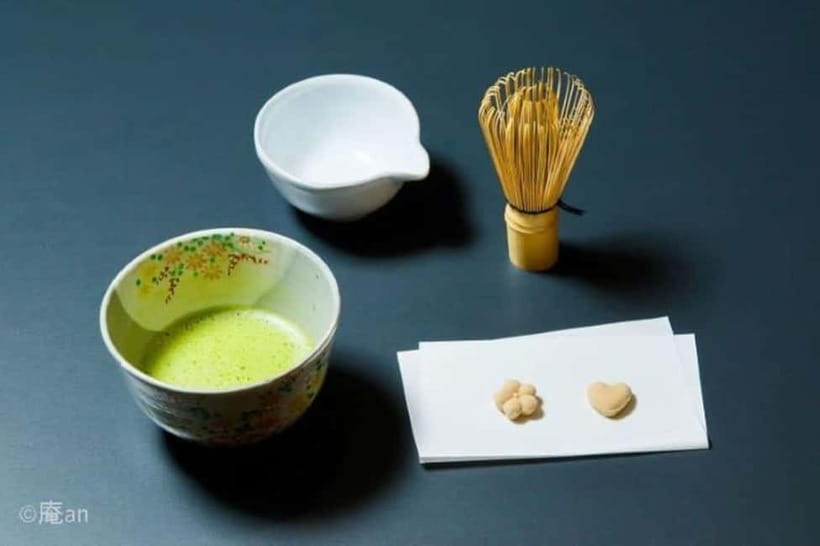
The phrase single-origin tells you that the tea is presented as coming from one particular source rather than as a general blended product. That gives the tasting a clearer focus, although the provided information does not identify the tea’s farm or growing region.
Expect a concentrated cup with a pronounced flavor. One person described the matcha as very rich, which is a fair warning if you usually drink mild tea. The ohigashi helps, but matcha can still be an acquired taste.
I would not book this solely as a beverage tasting. The value comes from the combination of preparation, etiquette, explanation, and tasting. You get a brief look at how tea functions as a formal cultural practice, then a chance to try the result.
If your main goal is to compare several matcha grades or learn about cultivation, processing, and regional flavor, you will need a longer or more specialized activity. Here, the single-origin tea adds character to a beginner-friendly lesson.
Table seating makes this easier
Traditional tea ceremonies often bring to mind kneeling on tatami. That is not the setup here. You sit at tables and chairs, which makes the session more approachable for people who have knee, hip, or mobility concerns.
The seating also keeps the focus on the demonstration. You can watch the instructor without worrying about maintaining a formal floor position for the entire session. For families, older adults, and anyone fitting this into a busy sightseeing day, that practical choice is a real advantage.
There is an important access detail to understand before booking. The activity is described as wheelchair accessible, but the building has no elevator and you must use stairs to reach each venue. If you use a wheelchair, contact the provider before reserving so you can confirm whether the specific arrangement works for you.
A completely different side of Kyoto:
- PERFECT KYOTO 1-Day Bus Tour
★ 5.0 · 13,518 reviews - Kyoto: Fushimi Inari, Kinkakuji, Bamboo Grove 1 Day Bus Tour
★ 4.8 · 4,316 reviews - Kyoto Geisha Walking Tour: Gion District & Hidden Gems
★ 4.7 · 3,273 reviews - Kyoto: Gion Magical Night Walking Tour with Geisha Trivia
★ 4.9 · 2,393 reviews
The location near Gojo Station
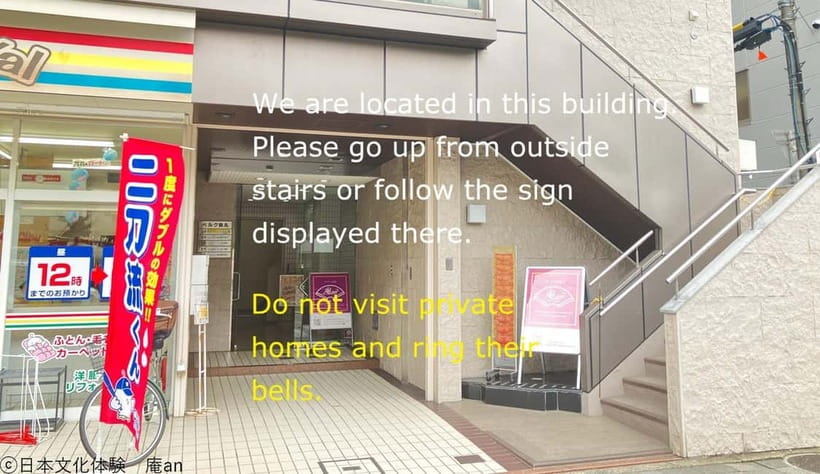
The meeting point is one minute from Exit 1 of Gojo Station on Kyoto’s Karasuma Subway Line. The entrance faces Gojo-dori, the main street, so you should look for the storefront along the road rather than expecting a quiet temple-style entrance.
This is a convenient place to add to a central Kyoto itinerary. Gojo Station is easy to reach by subway, and the short walk means you do not need to budget much transfer time. Still, allow enough time to locate the entrance and climb the stairs. The session will not be held for late arrivals.
Use the supplied coordinates, 34.996429, 135.761767, if your map app has trouble finding the exact storefront. Reservations received after 5:00 p.m. are processed the next day, while operating hours are 10:00 a.m. to 5:00 p.m.
English support and the pace of instruction
The instructor language is Japanese. English translation is provided as much as possible, but you should contact the provider in advance if you want English added to the session.
This point deserves attention. One session included about 12 minutes in English and about 12 minutes in Korean, while another participant found the information educational and calming. That tells me the quality of the explanation may depend on the language arrangement and the group that day.
You can still follow the physical demonstration without understanding every word. The actions are visible, and the steps are fairly direct. But if the cultural meaning matters most to you, request English support before you arrive and keep your expectations realistic.
The session may also take place in a crowded room. One participant found it difficult to hear the guide. Sitting close to the instructor should help, but seating choices may depend on the group. This is not a private ceremony unless your booking specifically says so.
Is $7 a good value?
At $7 per person, this is one of the easiest Kyoto cultural activities to fit into a small budget. You receive the tea procedure, a demonstration, a serving of single-origin matcha, and an ohigashi sweet. There is no need to commit to a long workshop or a costly formal tea gathering.
The value is strongest for first-time visitors who want context. A cup of matcha in a café may cost a similar amount, but it will not normally explain the movements, utensils, manners, and pairing with a traditional sweet.
The price is less compelling if you expect a long lesson or a certificate. A completion certificate costs an additional 300 JPY, and it is not included in the basic experience. One participant received a certificate as a fun extra, so you can add it if you like souvenirs, but it does not add much educational value.
Because the session is brief, think of it as a cultural sampler. It works well before lunch, between subway connections, or alongside a day in central Kyoto. It is not a replacement for a full tea workshop.
Who should book this experience?
I would recommend it to:
- First-time visitors who want a simple introduction to Japanese tea ceremony customs.
- People who enjoy food and drink experiences but have limited time.
- Families and older adults who prefer chairs to floor seating.
- Budget-minded visitors looking for a low-cost Kyoto activity.
- Anyone curious about the taste and preparation of matcha.
- Visitors already planning to explore Gojo and central Kyoto.
I would be more cautious if you need detailed English commentary, have no flexibility with timing, or want a quiet private setting. The Japanese-led format, variable translation, crowded conditions, and strict start time all matter.
Children under two who sit on a parent’s lap are free. Everyone else must participate to enter, so check the booking details carefully when traveling with a family.
Timing, cancellation, and arrival advice
The activity lasts 30 minutes, though a session may finish slightly earlier. Do not schedule it tightly against a train, restaurant reservation, or timed museum entry. The provider will not hold the event for delays, regardless of the reason.
You can cancel up to 24 hours ahead for a full refund. After that point, a cancellation fee applies. Changing the date or time after a fee has been triggered can also create a specified charge, and the provider does not cover your travel costs if you cancel.
The reserve-now, pay-later option helps if your Kyoto plans are still shifting. Even so, I would reserve only after checking your route to Gojo Station and allowing time for the stairs and entrance search.
My advice for getting the most from it
Arrive early enough to settle in and request English help before the session begins. If hearing the explanation is important, sit as close to the instructor as possible.
Pay attention to the small sequence of actions rather than rushing to taste the tea. Notice how the preparation, serving, sweet, and manners fit together. Ask about the cultural points you most want clarified, especially when English support is available.
Keep an open mind about the flavor. Matcha can be intense and earthy, and the rich taste may surprise you. Try it with the ohigashi, then taste it again after the sweet so you can notice how the pairing changes your impression.
Should you book it?
Book this ceremony if you want a cheap, short, hands-on introduction to Kyoto’s tea tradition near a subway station. The table seating, single-origin matcha, ohigashi sweet, and basic etiquette lesson make it a useful cultural stop, especially for first-time visitors.
Skip it if you want a long history lesson, fluent English throughout, or a private and hushed tea-room setting. For $7, the experience offers fair value, but its limits are clear: it is a brief demonstration and tasting, not an advanced tea course.
FAQ
Where is the tea ceremony held?
The meeting point is a one-minute walk from Exit 1 of Gojo Station on Kyoto’s Karasuma Subway Line. The entrance faces Gojo-dori.
How long does the experience last?
The scheduled duration is 30 minutes. A session may last closer to 25 minutes.
What is included?
You receive one set of the OTE-MAE Japanese tea ceremony experience, including single-origin matcha and an ohigashi Japanese dried sweet.
Is the tea ceremony conducted in English?
The instructor language is Japanese. English translation is provided as much as possible, and you should contact the provider in advance if you would like English support.
Do I sit on the floor?
No. Participants are seated at tables and chairs.
Is the venue wheelchair accessible?
The activity is described as wheelchair accessible, but the building has no elevator and stairs are required to reach each venue. Contact the provider before booking to confirm your access needs.
Can I receive a completion certificate?
Yes. A completion certificate is available for an additional 300 JPY. It is not included in the activity price.
What is the cancellation policy?
You can cancel up to 24 hours in advance for a full refund. Cancellation fees apply after that point, and late arrivals cannot be accommodated.
Recently added around Kyoto
- Higashiyama | Kyoto: Sakura Season Private Rickshaw Tour★ 5.0 · 3 reviews
- Kyoto Kimono Rental CHAMATSU|Kimono/Yukata Rental FamilyPlan★ 5.0 · 3 reviews
- Kyoto: Half-Day Private Guided Tour to the Old Town of Gion★ 4.4 · 3 reviews
- Nara Private Customizable Half Day Tour★ 5.0 · 3 reviews
- Kansai Region Hiking Adventure in Nara Kobe Kyoto and More★ 5.0 · 3 reviews
- Full Day Nara Deer, Temple, Shrine, Activities & Tea Ceremony★ 5.0 · 3 reviews
- Nara: Essential Private Tour with Deer Park and Temples★ 5.0 · 3 reviews
- Hiking Tour for Sacred Sites in Kyoto with a Guide★ 5.0 · 3 reviews
Kyoto Tea Ceremony Experiences, compared.
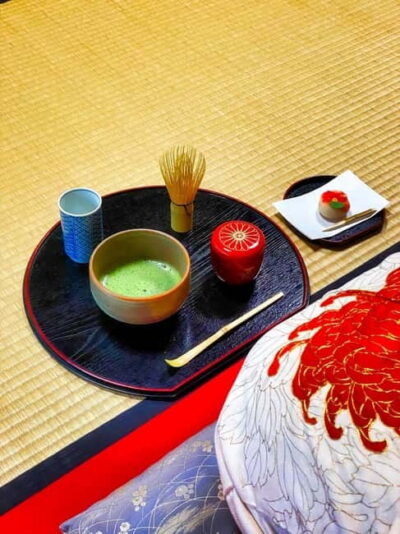
Tea Ceremony in a Traditional Tea House in Kiyomizu
Read our review →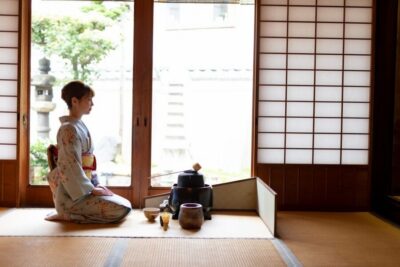
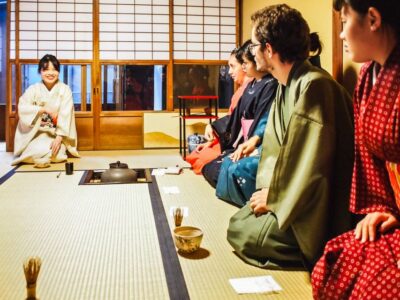
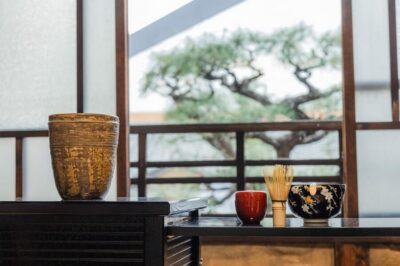
Tea Ceremony in 100-year-old Kyo-Machiya Townhouse
Read our review →
Browse the lists this tour appears in