
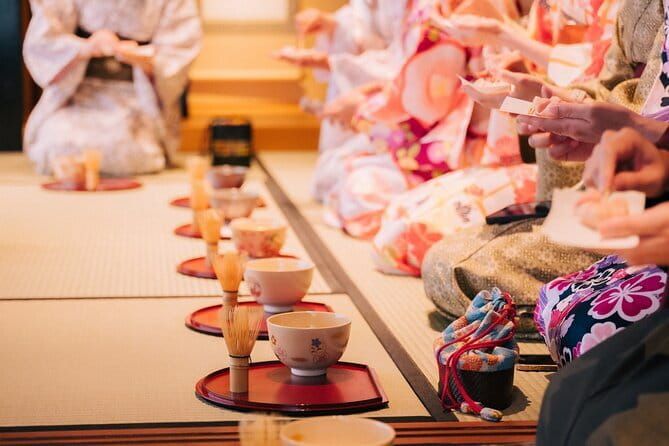
REVIEW · KYOTO TEA CEREMONY EXPERIENCES
Tea Ceremony with Kimono and Professional Photoshoot in Kyoto
The nicest feature of this Kyoto experience is that it combines three very different treats in one short visit: dressing in a kimono, learning the basic movements of a tea ceremony, and taking home professional photographs. You do not simply watch a ritual from the sidelines. You choose your own kimono, prepare matcha, and take part.
I like the clear English explanation and the chance to make your own tea rather than only observe. I also like the digital photo keepsakes, which give you something more lasting than a quick phone snapshot. The main consideration is the sitting position: much of the ceremony involves kneeling on the floor, and that can be hard on older knees or anyone with limited mobility.
In This Review
- Key points to know before booking
- Starting at Nishiki Orizuruya in central Kyoto
- Choosing a kimono and getting ready
- Watching the tea ceremony demonstration
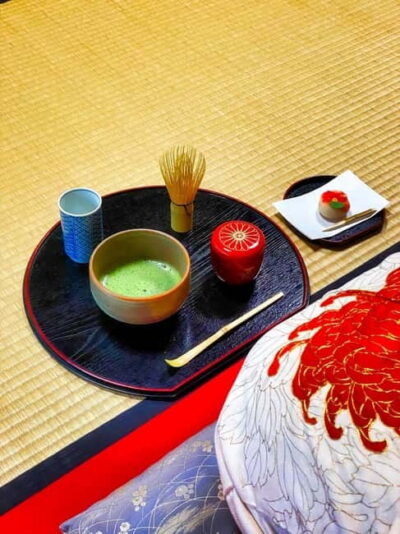
- Making matcha with Japanese sweets
- The photography session and three digital keepsakes
- The floor seating question
- How the $130.78 price works for you
- Who will enjoy this most
- Booking, timing, and cancellation details
- Should you book this Kyoto tea experience?
- FAQ
- Where does the tea ceremony take place?
- How long does the experience last?
- What happens during the experience?
- How many photos will I receive?
- Is the tea master English-speaking?
- Are children allowed to join?
- What happens if I arrive late?
- Can I cancel for a full refund?
Key points to know before booking
- Choose your own kimono: You are escorted to the dressing room and select from a range of traditional outfits.
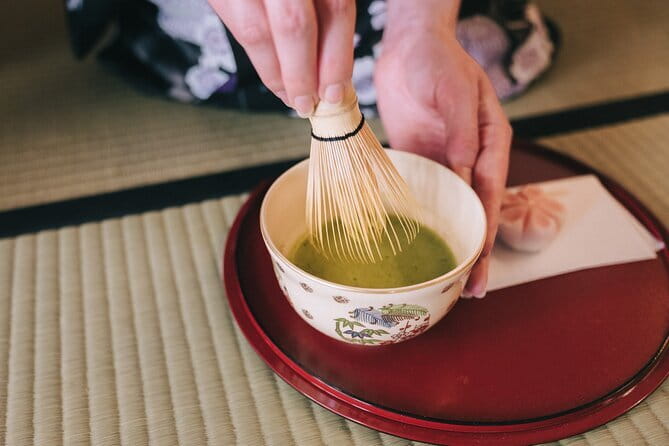
- Make your own matcha: After watching the demonstration, you prepare your tea and enjoy it with Japanese sweets.
- Learn in English: An English-speaking tea master explains the ceremony and its cultural meaning.
- Receive three digital photos: A professional photographer takes pictures during the experience, with three images sent by email afterward.
- Small group setting: The maximum group size is 10 people, keeping the session fairly personal.
- Plan your arrival carefully: You must check in 10 minutes before the start, and arriving more than 30 minutes late means you cannot join and will not receive a refund.
Starting at Nishiki Orizuruya in central Kyoto
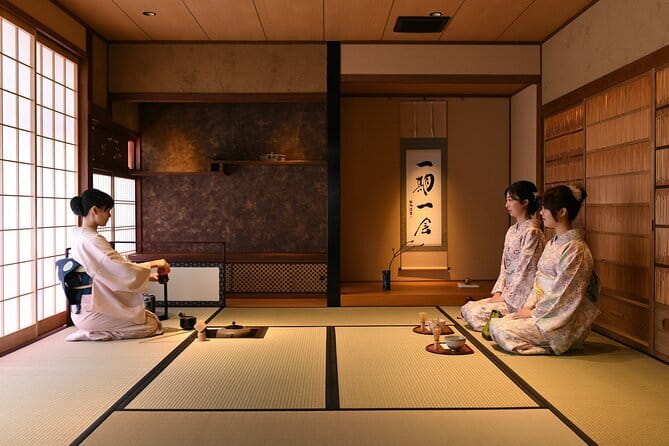
The experience begins at Nishiki Orizuruya, at 452 Jūmonjichō in Nakagyo Ward. The venue is near public transportation, and the activity ends at the same place, so you do not have to arrange a separate ride back after the ceremony.
Give yourself enough time to find the building. The instructions ask you to arrive 10 minutes before the start and check in at the reception desk. That small buffer matters in central Kyoto, where a few wrong turns or a delayed train can quickly become a problem.
This is not a hotel pickup experience. You are responsible for getting to the venue and returning to your accommodation afterward. That keeps the price focused on the ceremony, kimono, photography, and instruction, but you should include local transportation in your day’s budget.
The maximum group size is 10. That is small enough for the tea master to demonstrate the movements clearly, while still giving the session a social feel if you are visiting with family or friends. It is not a private ceremony, so solo visitors should expect to share the room with other participants.
More tea ceremonies in Kyoto:
- Kyoto: Tea Ceremony in a Traditional Tea House in Kiyomizu
★ 4.9 · 3,519 reviews - Kyoto: Tea Ceremony Ju-An at Jotokuji Temple
★ 4.9 · 3,207 reviews - Kyoto: 45-Minute Tea Ceremony Lesson Experience
★ 4.3 · 2,378 reviews
Choosing a kimono and getting ready
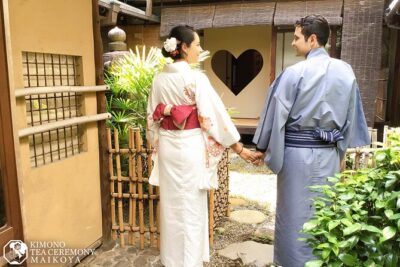
After check-in, you are taken to the dressing room to choose a kimono. This is one of the most appealing parts of the experience, especially if you want the visual pleasure of traditional Japanese clothing without booking a full-day rental and sightseeing package.
The selection gives you some control over how you look in the photographs. That matters because the photos are part of the experience, not an afterthought. You can choose a style that suits you, then spend the rest of the session wearing it during the ceremony and photo session.
The operator asks for the height and gender of every participant in advance. This is a practical requirement, since the staff needs to prepare suitable kimono sets before you arrive. Provide accurate details when booking, and remember to mention any food allergies ahead of time.
The preparation period is also worth considering if you have mobility concerns. Dressing in a kimono can feel restrictive, and the clothing may not be ideal for anyone who needs a lot of freedom of movement. The available information does not give a separate dressing duration, so the total 1 hour 45 minute schedule includes both preparation and the ceremony activities.
Watching the tea ceremony demonstration
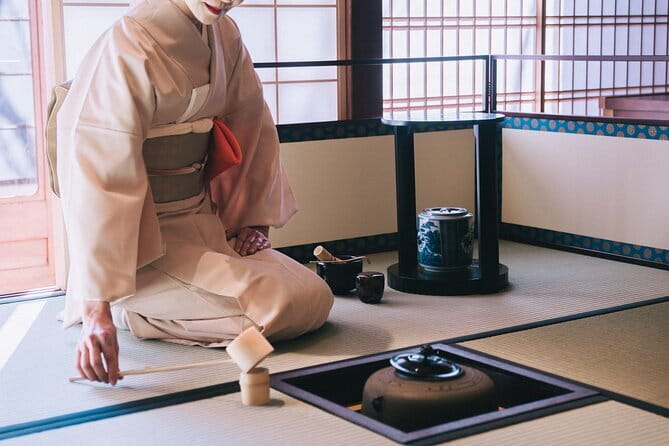
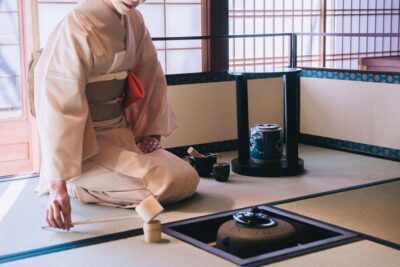
Once everyone is dressed, an English-speaking tea master demonstrates the traditional tea ceremony. This is the point where the experience shifts from costume activity to cultural lesson.
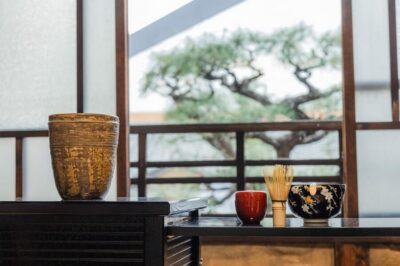
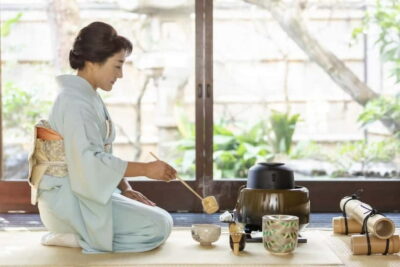
Japanese tea ceremony is not just about drinking powdered tea. The movements, order, utensils, posture, and presentation all matter. A demonstration helps you see the rhythm before you are asked to make your own matcha. You can watch first, then try the process with a better idea of what to do.
The English instruction is a real advantage. You are not left to copy movements without knowing why they matter. The tea master explains the ritual and its cultural background in a way that helps connect the gestures to the wider Japanese tradition.
Do not expect a long academic lecture. The full activity lasts about 105 minutes and also includes dressing, sweets, photography, and hands-on preparation. Think of the explanation as a friendly introduction rather than a specialist course in tea history.
Making matcha with Japanese sweets
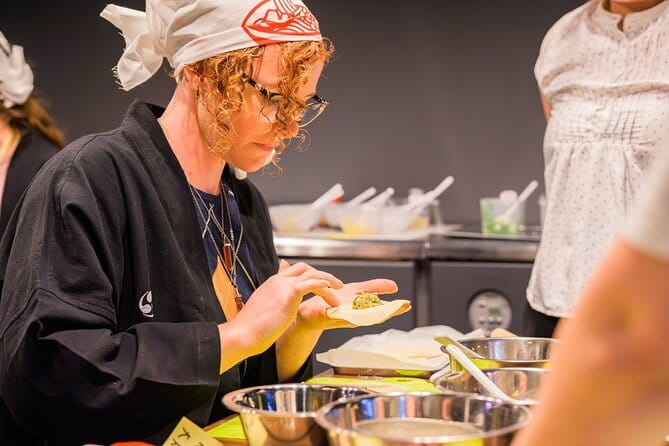
After the demonstration, you prepare your own matcha. This hands-on step gives the experience its best sense of participation. You are not only watching someone else perform a polished ritual. You get to handle the process and then taste the tea you made.
Matcha has a distinct flavor that can be grassy, bitter, and strong for first-time drinkers. The Japanese sweets provide a contrasting taste and are traditionally paired with the tea. The combination also gives you a small but useful lesson in how sweetness and bitterness work together.
Food is limited to the tea and sweets included in the experience. Extra food and drink are not part of the price, and you should tell the operator about allergies in advance. The supplied details do not list the exact sweets or provide an alternative menu, so people with dietary restrictions should ask before booking.
The activity may be particularly good for first-time visitors to Japan who want a simple introduction to matcha. You get enough explanation to understand the basic idea, without committing to a long formal ceremony. If you already have extensive tea ceremony experience, the session may feel introductory rather than technically demanding.
More kimono and yukata rentals:
- Kimono Tea Ceremony at Kyoto Maikoya, NISHIKI
★ 5.0 · 911 reviews - Kyoto: Kimono Rental with Hairstyling and Accessories
★ 4.8 · 653 reviews - Kyoto: Kimono Tea Ceremony at Orizuruya Gion
★ 4.9 · 618 reviews - KYOTO Tea Ceremony with kimono near by Imamiya Jinjya Shrine
★ 5.0 · 343 reviews
The photography session and three digital keepsakes
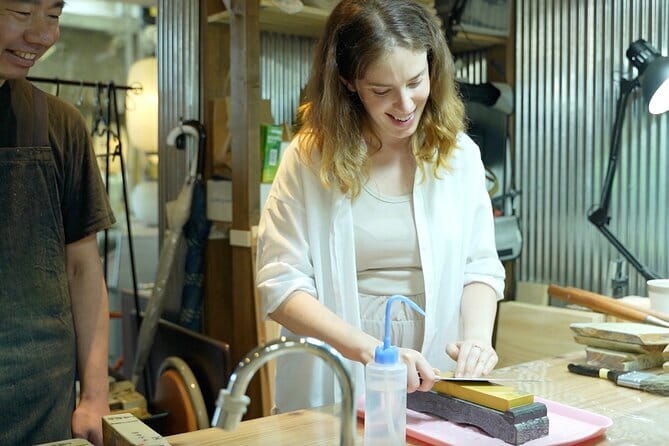
A professional photographer takes pictures during the experience. You are photographed in the kimono while taking part in the ceremony, rather than only posing in a separate studio setup. That helps the images record the activity itself, including the setting and the tea-making process.
Three photos are sent to you digitally by email after the experience. This is a useful benefit for anyone who wants polished images from Kyoto but does not want to arrange a separate photographer. It also means you can focus on the ceremony instead of constantly asking a companion to take pictures.
There is one practical point you should not overlook: make sure you can receive email after the session. Check that the email address on your booking is correct, and look for the images if they do not appear immediately in your main inbox. The three-photo package is a modest number, so do not book this expecting a large gallery.
The quality and timing of the photographs are not specified, and the activity does not promise printed copies. If you want a broad selection, this may not replace a dedicated photoshoot. If you simply want three polished reminders of the day, it offers good convenience.
The floor seating question
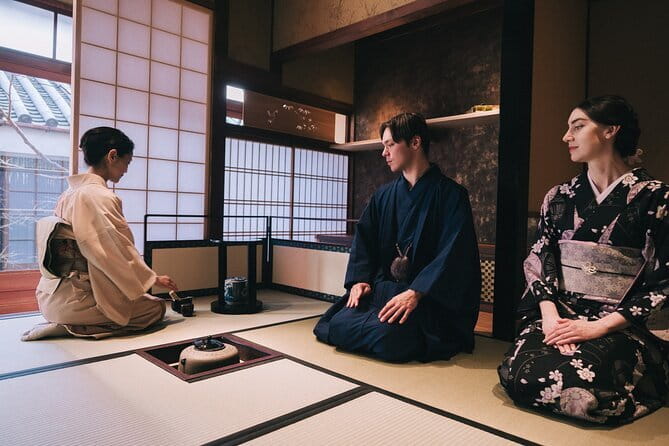
The ceremony may require you to kneel on the floor. For some people, this posture is an important part of the traditional feel. For others, it is the biggest weakness of the experience.
Women in particular may be asked to kneel rather than sit cross-legged. Kneeling can become uncomfortable during even a short session, especially for older participants or anyone with knee, hip, or ankle problems. This is worth taking seriously before booking, since the kimono and ceremony format may limit how freely you can change position.
The venue does have two chairs and tables, which may help some people. Still, the available information does not promise individual chair seating for everyone. If you need a chair throughout the activity, contact the provider before paying rather than relying on an assumption.
This is also a good reason to avoid arriving late. If you miss the opening instructions, you may not know when or how to sit, and arriving more than 30 minutes after the start means you will be refused entry without a refund.
How the $130.78 price works for you
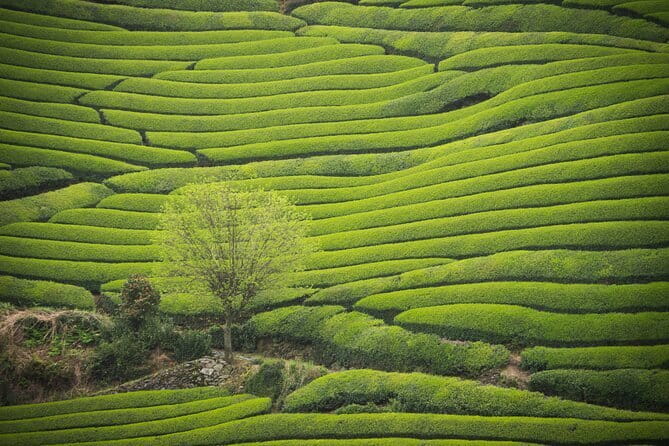
At $130.78 per person, this is not a budget tea tasting. You are paying for several connected services: kimono selection and dressing, an English-language tea lesson, matcha and sweets, professional photography, and three digital photos.
The value is strongest if you want all of those elements in one compact Kyoto activity. Booking a kimono experience, a tea ceremony, and a professional photographer separately could take more planning and may cost more, though the supplied details do not provide comparison prices.
The price is less attractive if your main goal is simply to drink matcha or observe a ceremony. Kyoto has many ways to enjoy tea, and this activity charges partly for the clothing and photographs. You should book it for the combined experience, not for the beverage alone.
The 1 hour 45 minute duration is useful during a packed Kyoto schedule. It gives you a cultural activity without taking half a day, and the central location may fit easily around sightseeing in Nakagyo Ward. At the same time, the total duration includes dressing and photos, so the actual tea instruction is only one part of the session.
A maximum of 10 people helps the price feel more reasonable than a large commercial group. The session remains shared, but the group limit should make it easier to see the demonstration and follow the tea master’s directions.
Who will enjoy this most
I would recommend this experience to you if you want a first, approachable introduction to Japanese tea ceremony and also care about photographs. It suits couples, friends, families with children aged five and older, and solo visitors who enjoy taking part in a small group activity.
It is especially useful for people who want to wear a kimono but do not want to spend an entire day renting one and arranging their own photos. The structure is simple: arrive, dress, watch, make tea, pose, and leave with three digital images.
You may want to choose another activity if you are looking for a long, highly formal ceremony with extensive historical teaching. You should also think twice if kneeling is difficult, if you need a fully accessible setup, or if you expect a large number of edited photographs.
Children under five are not allowed. The details do not set out a broader age policy, so families with older children should consider whether they can sit quietly, follow instructions, and handle the kimono comfortably.
Booking, timing, and cancellation details
Confirmation is provided when you book, and the activity uses a mobile ticket. Bring the ticket details with you and report to the reception desk 10 minutes before the scheduled start.
Free cancellation is available if you cancel at least 24 hours before the local start time. Cancellations or changes made within 24 hours are not accepted, and no refund is provided. That strict cutoff makes it wise to book only after your Kyoto schedule and transportation plan are settled.
The experience provider is Japan Wonder Travel. Hotel pickup, hotel drop-off, transportation to or from other attractions, extra food and drink, and personal expenses are not included.
Should you book this Kyoto tea experience?
Book it if you want a short, well-rounded cultural activity that gives you something to do, something to taste, and something to keep. The kimono selection, clear English instruction, hands-on matcha preparation, and three professional photos make the package easy to understand and convenient to fit into a Kyoto itinerary.
Think carefully before booking if you dislike floor seating or want a deeply formal tea ceremony. For most first-time visitors, the combination is more approachable than intimidating, but it is still a structured introduction rather than an expert-level study. If you can kneel comfortably, arrive early, share a small group, and provide an email address for the photos, this is a practical way to add traditional Japanese culture to your Kyoto stay.
FAQ
Where does the tea ceremony take place?
The experience starts and ends at Nishiki Orizuruya, 452 Jūmonjichō, Nakagyo Ward, Kyoto, 604-8121, Japan.
How long does the experience last?
The activity lasts approximately 1 hour and 45 minutes.
What happens during the experience?
You choose and wear a kimono, watch an English-speaking tea master demonstrate the ceremony, make your own matcha, enjoy Japanese sweets, and take part in a professional photoshoot.
How many photos will I receive?
Three photos will be sent to you digitally by email as a souvenir.
Is the tea master English-speaking?
Yes. The tea ceremony demonstration and explanations are provided by an English-speaking tea master.
Are children allowed to join?
Children under five years old are not allowed to participate.
What happens if I arrive late?
You should check in 10 minutes before the start time. If you arrive more than 30 minutes late, you cannot join the experience and no refund is available.
Can I cancel for a full refund?
Yes, if you cancel at least 24 hours before the experience’s scheduled start time. Cancellations within 24 hours are not refunded.
More Photography Sessions in Kyoto
- Kyoto: Maiko Makeover and Photoshoot Experience
★ 4.7 · 239 reviews - Kyoto: Private Photoshoot Service
★ 5.0 · 158 reviews - Your Private Vacation Photography Session In Kyoto
★ 5.0 · 110 reviews - Kyoto: Tea Ceremony with Kimono and Photoshoot
★ 4.9 · 90 reviews
Recently added around Kyoto
- Higashiyama | Kyoto: Sakura Season Private Rickshaw Tour★ 5.0 · 3 reviews
- Kyoto Kimono Rental CHAMATSU|Kimono/Yukata Rental FamilyPlan★ 5.0 · 3 reviews
- Kyoto: Half-Day Private Guided Tour to the Old Town of Gion★ 4.4 · 3 reviews
- Nara Private Customizable Half Day Tour★ 5.0 · 3 reviews
- Nara: Essential Private Tour with Deer Park and Temples★ 5.0 · 3 reviews
- Kansai Region Hiking Adventure in Nara Kobe Kyoto and More★ 5.0 · 3 reviews
- Full Day Nara Deer, Temple, Shrine, Activities & Tea Ceremony★ 5.0 · 3 reviews
- Hiking Tour for Sacred Sites in Kyoto with a Guide★ 5.0 · 3 reviews
Kyoto Tea Ceremony Experiences, compared.
Tea Ceremony in a Traditional Tea House in Kiyomizu
Read our review →
Tea Ceremony in 100-year-old Kyo-Machiya Townhouse
Read our review →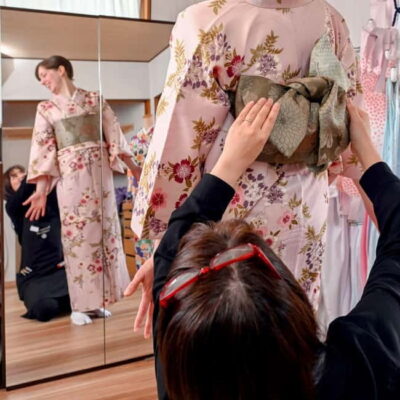
Browse the lists this tour appears in