
REVIEW · KYOTO TEA CEREMONY EXPERIENCES
Tea Ceremony Experience in Traditional Kyoto Townhouse
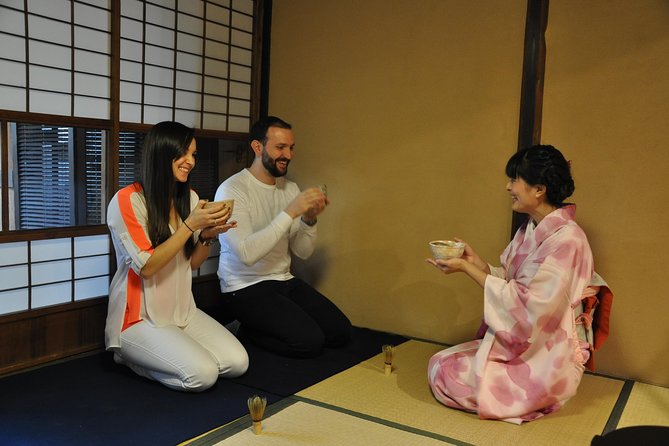
Kyoto’s tea ceremony is not just a cup of matcha. It is a carefully ordered welcome, with a bow, a bowl, a sweet, and a series of deliberate movements. At Ami Kyoto, you experience this tradition inside a traditional machiya, an old wooden townhouse that gives the lesson a sense of place a modern room cannot match. Kimi and the other hostesses explain what they do, why they do it, and then let you prepare tea yourself.
I like two things especially: the small group of no more than six, which gives you room to ask questions, and the use of matcha from Uji City, Kyoto’s famous tea-growing area. The traditional sweets, supplied by a well-known Kyoto confectioner, are more than a snack because their sweetness balances the strong green tea. The main consideration is finding the townhouse. It sits in a traditional residential area, and some people have found the address hard to spot at first.
In This Review
- Key points before you book
- Entering an old Kyoto machiya
- What happens during the one-hour session
- Why the Uji matcha and sweets matter
- The hosts make the lesson approachable
- A small group changes the experience
- What makes this different from simply drinking matcha
- Price, timing, and practical value
- Who will get the most from this experience
- Getting ready for a smooth visit
- Should you book the Ami Kyoto tea ceremony?
- FAQ
- Where does the tea ceremony take place?
- How long does the experience last?
- What is included in the price?
- Is transportation provided?
- Where does the activity end?
- How many people can join?
- Do I get to make my own matcha?
- Is the experience available at different times?
- Can I cancel for a full refund?
Key points before you book
- Tea in an old Kyoto townhouse: The session takes place in an approximately 80-year-old machiya, a wooden home type once common across Kyoto.
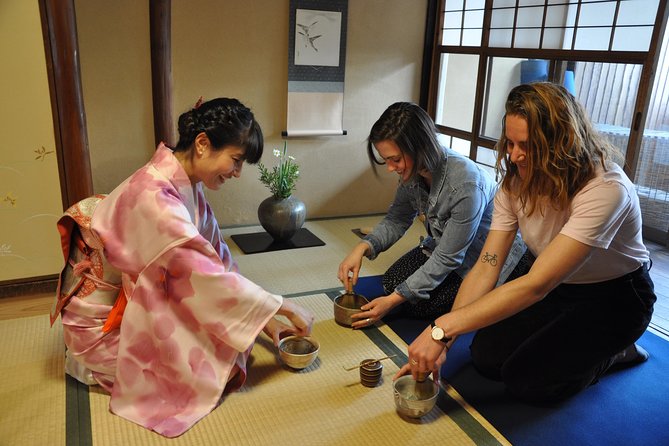
- A real hands-on lesson: You watch a full demonstration, learn the etiquette, and make your own bowl of matcha.
- Small groups matter: The advertised maximum is six people, allowing more personal instruction than a large cultural show.
- Uji matcha and Kyoto sweets: The tea comes from a farm in Uji City, while the confectionery adds a traditional local touch.
- One hour is the right length: You get a focused introduction without giving up half a day of sightseeing.
- Bring extra care for directions: The townhouse is near public transportation, but its older neighborhood setting can make the entrance easy to miss.
Entering an old Kyoto machiya
The setting does much of the work before the tea begins. Ami Kyoto is located at 605 Nishidachō in Kyoto’s Shimogyo Ward, a traditional part of the city where a plain wooden townhouse can blend into the surrounding homes.
The property is described as about 80 years old. One account refers to it as a 100-year-old traditional Japanese home, so you should think of it as an old, characterful townhouse rather than focus too closely on the exact age. Its value is in the atmosphere: modest wooden construction, a quiet interior, and the feeling of stepping into an ordinary Kyoto home rather than entering a polished stage set.
That distinction matters. Tea ceremony can feel distant when you see it only as a formal performance. Here, the machiya helps place the practice in daily Japanese life. You sit in a small, comfortable room and watch the hostesses work close by. The room is not grand, and the venue is not large. That is part of its appeal, though anyone expecting a spacious tea pavilion should adjust expectations.
Finding the entrance may require patience. The townhouse is in a residential area, and English street signs and numbers may be limited. Use the full address and the map link supplied after booking, and allow a little extra time. Once you locate the building, the small sign outside should help confirm that you are in the right place.
More tea ceremonies in Kyoto:
- Kyoto: Tea Ceremony in a Traditional Tea House in Kiyomizu
★ 4.9 · 3,519 reviews - Kyoto: Tea Ceremony Ju-An at Jotokuji Temple
★ 4.9 · 3,207 reviews - Kyoto: 45-Minute Tea Ceremony Lesson Experience
★ 4.3 · 2,378 reviews
What happens during the one-hour session
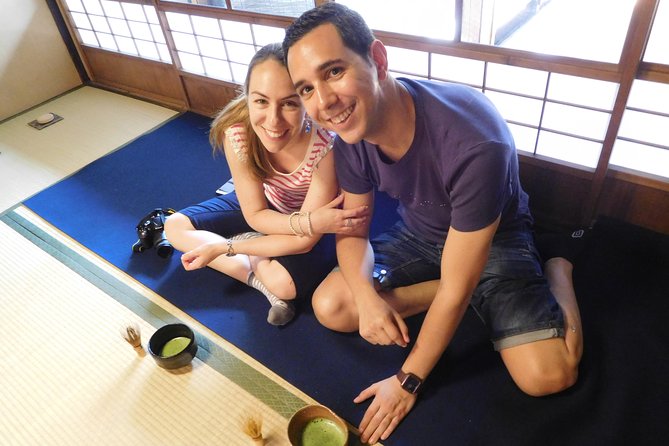
The experience lasts about an hour and takes place at the same location from beginning to end. There is no hotel pickup or drop-off, so you make your own way to the meeting point and return to your day afterward.
The session begins with an introduction to the main ideas behind tea ceremony. This is useful because the movements can seem mysterious if you do not know what to watch. The hostesses explain the basic etiquette, the proper way to approach the tea room, and the meaning behind the actions.
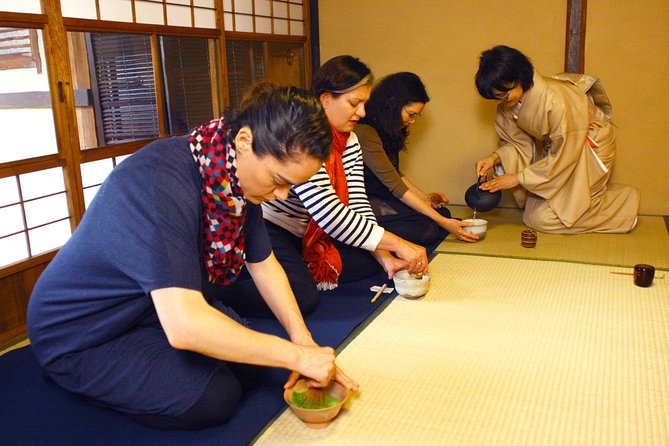
You then watch a demonstration of the way of tea. The pace is calm and exact. A cloth is handled in a particular manner. The tea bowl is placed and turned with care. The whisking has its own rhythm. Rather than rushing through these details, the demonstration gives you time to notice how each movement has a practical or symbolic purpose.
One especially valuable part is the explanation of entering the tea room. The ceremony is not limited to preparing matcha. How you enter, how you sit, how you receive the bowl, and how you show respect all form part of the experience. You may be invited to follow these actions yourself, which makes the lesson more memorable than simply watching from a seat.
After the demonstration, you prepare your own matcha. The instructors guide you through the process, so you do not need prior experience. Your bowl will not need to meet a tea master’s standard. The point is to understand the sequence, feel the whisk in your hand, and take part in the tradition.
The hour is well judged for a first introduction. You have enough time to learn, watch, practice, and ask questions, yet the session does not take over your Kyoto itinerary. One family found the length particularly suitable because it offered substance without becoming tiring.
Why the Uji matcha and sweets matter
The tea is sourced from a farm in Uji City, an area near Kyoto with a long association with high-quality green tea. That detail gives the tasting a stronger local connection than using generic powdered matcha.
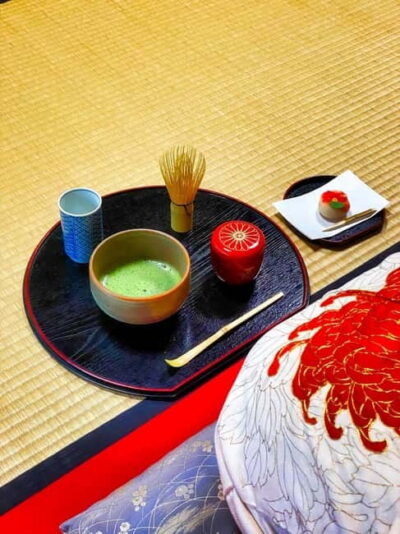
Matcha has a firm, grassy taste with a slight bitterness. The traditional sweet served with it is not an optional extra in the ceremony. It prepares your palate for the tea and balances its sharper edge. The sweet offered here has been identified as suhama, a Kyoto confection made from soybean flour, sugar, and other ingredients. The exact presentation can vary, but you should expect a small traditional treat rather than a large dessert.
The order matters. You eat the sweet first, then drink the matcha. This makes the tea taste smoother and shows how Japanese confectionery and tea are meant to work together.
The included items are one bowl of matcha and Japanese sweets. You are not paying separately for the basic tasting, which helps the price feel fair. The tea is also available to buy at the end, giving you the option of continuing the ritual at home. If you purchase some, you will already know how to whisk and drink it.
The hosts make the lesson approachable
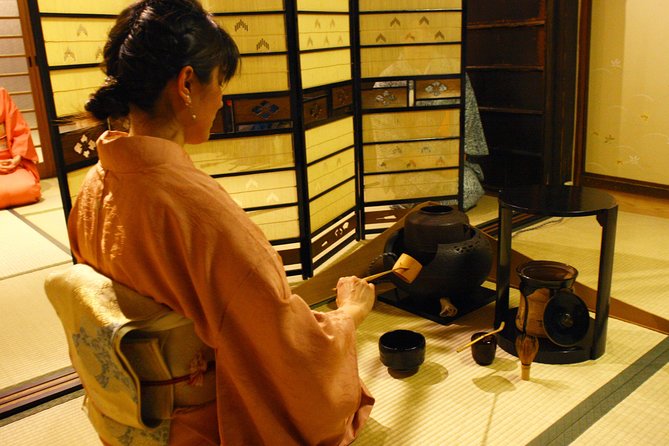
Kimi is named in the experience materials and in several personal replies, and she appears to be one of the regular hosts. The session is led by two women, who demonstrate the ceremony and help with questions and practice.
The strongest feature of the instruction is its clarity. The hosts explain the actions in plain terms rather than assuming you understand Japanese customs. They also create a relaxed room, which matters because the formal gestures might otherwise make beginners nervous.
You do not need to worry about making a mistake. The purpose is to learn, not to perform perfectly. The instructors guide you through the sequence and explain the reasons behind the movements. That combination of demonstration and participation works well for people who want more than a photograph in traditional clothing or a quick taste of matcha.
The tone also appears flexible. One family noted that the hosts were accommodating when a member used a wheelchair. That is encouraging, but you should contact Ami Kyoto before booking if you have specific mobility needs, since the supplied information does not provide a full accessibility description.
A completely different side of Kyoto:
- PERFECT KYOTO 1-Day Bus Tour
★ 5.0 · 13,518 reviews - Kyoto: Fushimi Inari, Kinkakuji, Bamboo Grove 1 Day Bus Tour
★ 4.8 · 4,316 reviews - Kyoto Geisha Walking Tour: Gion District & Hidden Gems
★ 4.7 · 3,273 reviews - Kyoto: Gion Magical Night Walking Tour with Geisha Trivia
★ 4.9 · 2,393 reviews
A small group changes the experience
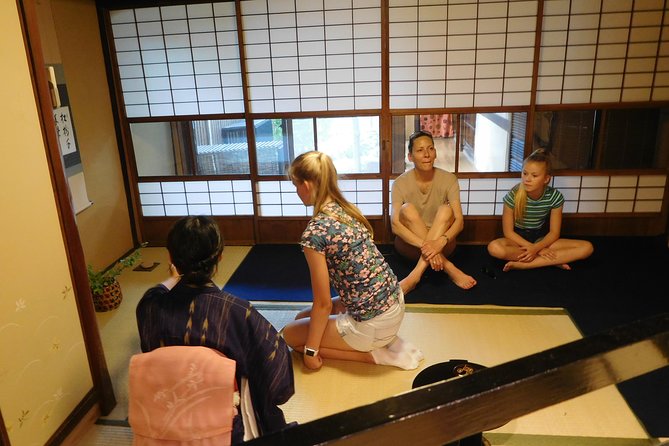
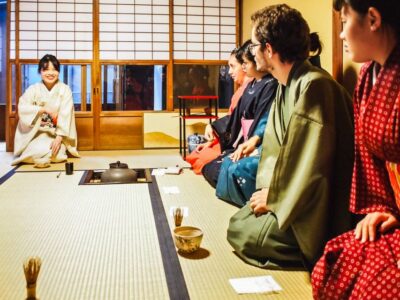
The maximum group size is six. This is a meaningful limit for a lesson built around demonstration and practice. You can see the bowl, cloth, whisk, and movements without trying to follow from the back of a large room.
A small group also gives you a better chance to ask why something is done in a certain way. If you are curious about the tea, the sweet, the room, or the etiquette, this is the kind of session where a question can become part of the lesson.
The small venue has one tradeoff. You should not expect a lavish tea house with lots of space or elaborate stage production. The charm comes from closeness and simplicity. If you prefer a grand historical setting, a larger formal ceremony may suit you better. If you prefer direct instruction and a quiet atmosphere, the compact room is a strength.
The formal maximum is six, although one description of a particular visit referred to eight people. For planning purposes, use six as the advertised limit, but confirm the current group size if having a very small class is essential to you.
What makes this different from simply drinking matcha
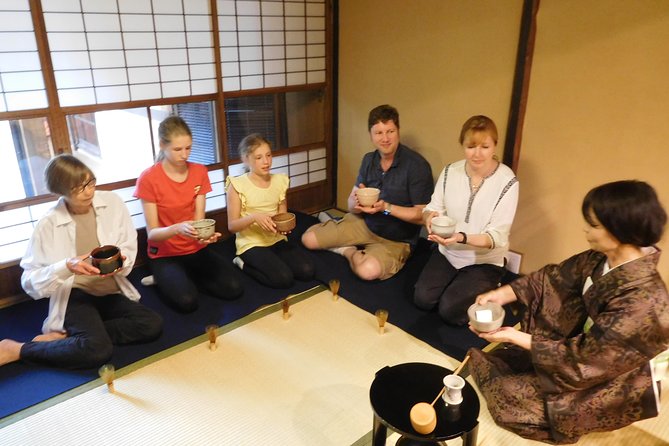
A matcha café can give you a pleasant drink, but it will not usually explain the structure of tea ceremony. At Ami Kyoto, you learn that the tea is only one part of a larger act of hospitality.
The host prepares the room and utensils with care. The guest receives the bowl in a respectful way. The sweet is served at the proper point. Every action helps create a shared moment between the person making the tea and the person receiving it.
That idea of hospitality is the heart of the session. The ritual is formal, but the purpose is not to make you feel uncomfortable. It is about attention, respect, and taking time with another person. Even if you never repeat the full ceremony, you leave with a clearer sense of why Japanese tea culture values patience and precision.
The experience can also work as a quiet break in a busy Kyoto schedule. You sit indoors, listen, and concentrate on small details. The peaceful demonstration is part of the attraction. It offers a slower hour between temples, markets, and train rides.
Price, timing, and practical value
At $27.74 per person, this is a modestly priced cultural activity for Kyoto. The cost includes the tea ceremony instruction, one bowl of matcha, and Japanese sweets. You also receive access to a traditional townhouse and a small-group lesson, not merely a drink at a counter.
I think the value is strongest for first-time visitors who want context. A café visit may cost less, but it will not provide the demonstration, etiquette lesson, or chance to whisk your own tea. A longer private ceremony may offer more detail, but this one-hour format is easier to fit into a sightseeing day.
Multiple start times make it practical to place the session before or after other plans. Since the activity ends where it begins, you can continue exploring Kyoto without arranging a separate return transfer.
The experience is often booked well ahead, with an average booking time of about 25 days before the date. That does not mean you must reserve exactly that far in advance, but it does suggest that popular times can fill. If your Kyoto schedule is tight, choose your preferred time early.
Confirmation is provided within 48 hours of booking, subject to availability. Free cancellation is available until 24 hours before the start time. A cancellation or change made less than 24 hours in advance is not accepted for a refund, so check your schedule before committing.
Who will get the most from this experience
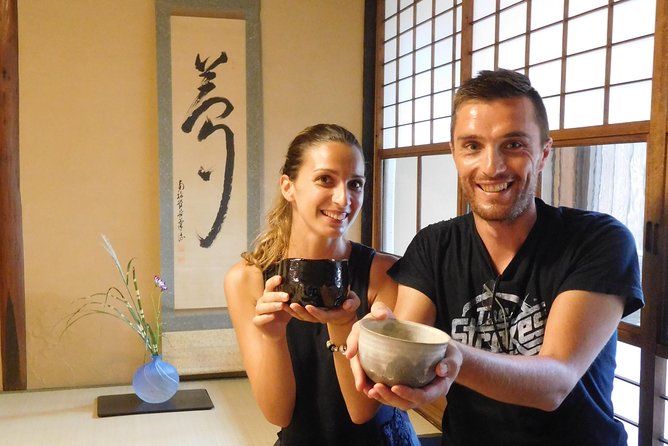
I would choose this for someone who wants an accessible first look at Japanese customs. You do not need to know anything about tea ceremony, speak Japanese, or have experience with matcha.
It suits couples, families, and small groups of friends. The one-hour length is manageable for children who can sit quietly and follow simple instructions, though the supplied information does not give a specific minimum age. You should contact the provider if age or mobility requirements are important to your plans.
It is also a good choice if you value participation. You watch the hostesses, but you also prepare a bowl yourself. That practical step helps you remember the sequence and gives the experience a personal touch.
People who love matcha will appreciate the Uji tea and the chance to buy some for home. Culture-focused visitors will like the explanation of etiquette and the meaning behind the movements. Even someone mainly interested in architecture gets something from the machiya setting.
I would think twice if you want a long, highly formal ceremony with many layers of ritual. One hour gives you an introduction, not a complete education in every school of tea. The venue is intimate and traditional, but not a grand temple or palace.
Getting ready for a smooth visit
Use the exact meeting address: 605 Nishidachō, Shimogyo Ward, Kyoto, postal code 600-8397. Check the map before leaving your hotel, and do not rely only on English signs once you enter the older residential streets.
Arrive with enough time to locate the entrance. The setting may look like an ordinary townhouse, and street numbering can be difficult to read. This is the one practical weakness that comes up most clearly, and it is easy to avoid with preparation.
Wear clothing that lets you sit comfortably and follow the instructions. The supplied information does not state a required dress code or seating arrangement, so do not assume that special clothing is needed. If you have mobility concerns, ask about the room and access in advance.
Keep your schedule open enough to enjoy the hour without watching the clock. The tea ceremony works best when you pay attention to the small gestures. Afterward, you can ask about buying matcha to take home.
Should you book the Ami Kyoto tea ceremony?
Yes, if you want a friendly, focused introduction to Japanese tea ceremony in a genuine old Kyoto home. The best reasons to book are the small class, the hands-on preparation, the Uji matcha, and the careful explanation from Kimi and the other hostesses.
The $27.74 price is reasonable for an hour of instruction, tea, sweets, and access to a traditional machiya. Just allow extra time to find the townhouse and remember that this is an introduction rather than an elaborate full-day cultural program.
If your main goal is to understand the manners, symbolism, and calm rhythm of tea ceremony, this is a strong choice. If you want a grand venue or a longer, more ceremonial event, compare other options. For most first-time visitors, though, this compact session offers a clear and memorable way to connect with Kyoto culture.
FAQ
Where does the tea ceremony take place?
It takes place at Ami Kyoto, located at 605 Nishidachō, Shimogyo Ward, Kyoto, 600-8397, Japan.
How long does the experience last?
The tea ceremony lasts approximately one hour.
What is included in the price?
The experience includes one bowl of matcha green tea and Japanese sweets.
Is transportation provided?
No. Hotel pickup and drop-off are not included. You must travel to the meeting point yourself.
Where does the activity end?
The activity ends back at the meeting point.
How many people can join?
The advertised maximum is six people.
Do I get to make my own matcha?
Yes. You watch a demonstration, receive instruction, and prepare your own bowl of matcha.
Is the experience available at different times?
Yes. Multiple start times are offered.
Can I cancel for a full refund?
Yes, if you cancel at least 24 hours before the local start time. Cancellations or changes made less than 24 hours in advance are not accepted for a refund.
Recently added around Kyoto
- Higashiyama | Kyoto: Sakura Season Private Rickshaw Tour★ 5.0 · 3 reviews
- Kyoto Kimono Rental CHAMATSU|Kimono/Yukata Rental FamilyPlan★ 5.0 · 3 reviews
- Kyoto: Half-Day Private Guided Tour to the Old Town of Gion★ 4.4 · 3 reviews
- Nara Private Customizable Half Day Tour★ 5.0 · 3 reviews
- Kansai Region Hiking Adventure in Nara Kobe Kyoto and More★ 5.0 · 3 reviews
- Full Day Nara Deer, Temple, Shrine, Activities & Tea Ceremony★ 5.0 · 3 reviews
- Nara: Essential Private Tour with Deer Park and Temples★ 5.0 · 3 reviews
- Hiking Tour for Sacred Sites in Kyoto with a Guide★ 5.0 · 3 reviews
Kyoto Tea Ceremony Experiences, compared.
Tea Ceremony in a Traditional Tea House in Kiyomizu
Read our review →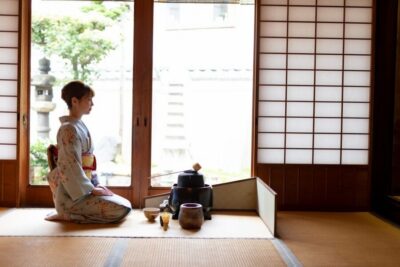
Tea Ceremony in 100-year-old Kyo-Machiya Townhouse
Read our review →
Browse the lists this tour appears in