
REVIEW · KYOTO TEA CEREMONY EXPERIENCES
Tea Ceremony Experience in Traditional Kyoto Townhouse
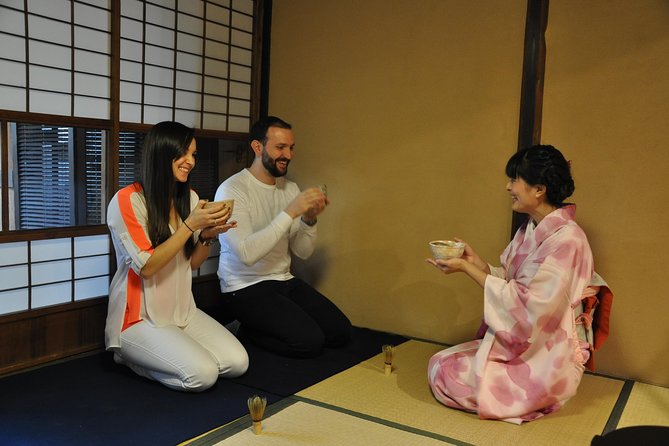
The best part of this experience is the setting: an 80-year-old machiya, one of Kyoto’s traditional wooden townhouses. You get to step inside a simple, elegant home while learning why matcha preparation is treated as a ritual rather than just a way to make a drink.
I like the small group limit of six, which gives the demonstration a personal feel. I also like the hands-on format: you do not simply watch a ceremony, you learn to whisk your own matcha and taste it with Japanese sweets from a well-known Kyoto confectionery.
The main drawback is the short one-hour schedule. You will get a focused introduction, not a long study of tea culture or a full afternoon ceremony. Still, that compact format works well if you want one thoughtful cultural stop without giving up half a day.
In This Review
- Key points at a glance
- Entering an 80-year-old machiya in central Kyoto
- A clear lesson before you touch the whisk
- Learning to prepare your own matcha
- Watching a proper tea ceremony demonstration
- Matcha with Kyoto sweets
- Why the one-hour format works
- Is $27.59 good value?
- Who should book this Kyoto tea experience?
- Practical details before you reserve
- Should you book the Ami Kyoto tea ceremony?
- FAQ
- How long does the tea ceremony experience last?
- Where does the experience begin and end?
- What is included in the price?
- Is hotel pickup included?
- How many people can join the activity?
- Can I cancel for a full refund?
Key points at a glance
- An 80-year-old Kyoto machiya: See the inside of a traditional wooden townhouse that once filled much of the city.
- A hands-on matcha lesson: Learn how to prepare your own bowl instead of only watching a formal demonstration.
- A clear introduction to tea culture: Hear how the ceremony became linked with monks, samurai, and sacred ritual.
- A small group of no more than six: The format leaves room for a more personal demonstration and questions.
- Matcha and Japanese sweets included: Your bowl of tea is served with sweets from a famous Kyoto confectionery.
- A one-hour cultural break: The experience fits neatly into a busy Kyoto sightseeing day and costs $27.59 per person.
Entering an 80-year-old machiya in central Kyoto
The experience begins at Ami Kyoto, at 605 Nishidacho in Kyoto’s Shimogyo Ward. The address is near public transportation, and the activity both starts and ends at this same meeting point. There is no hotel pickup or drop-off, so you need to plan your own way there.
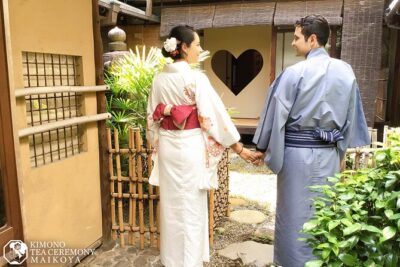
The townhouse is the real opening act. Kyoto was once filled with machiya, narrow wooden homes and shops built for city life. Many have disappeared or been converted for other uses, so a session held inside one gives you a useful sense of domestic Kyoto that a visit to a major temple cannot provide.
You should expect a quaint, traditional space rather than a large purpose-built venue. That matters because the tea lesson is tied to the room around you. The setting helps explain why Japanese tea culture pays such close attention to calm movement, presentation, and the relationship between host, guest, and space.
The supplied details describe the house as about 80 years old and still beautiful. That does not make it an ancient monument, but it does give the visit a genuine local character. If you have already spent the morning in grand temples and crowded shopping streets, this quieter change of pace should feel welcome.
More tea ceremonies in Kyoto:
- Kyoto: Tea Ceremony in a Traditional Tea House in Kiyomizu
★ 4.9 · 3,519 reviews - Kyoto: Tea Ceremony Ju-An at Jotokuji Temple
★ 4.9 · 3,207 reviews - Kyoto: 45-Minute Tea Ceremony Lesson Experience
★ 4.3 · 2,378 reviews
A clear lesson before you touch the whisk
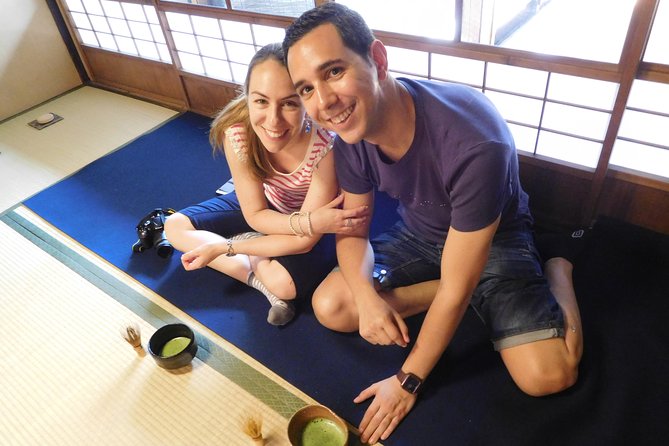
The session begins with instruction about matcha and the tea ceremony. You learn the basic ideas behind one of Japan’s best-known cultural forms, including its connection with monks and samurai. This background is useful because it keeps the ceremony from becoming a string of mysterious hand movements.
I like this teaching approach. A formal tea ceremony can look precise and difficult to follow if you do not know what each action means. Here, the explanations are described as clear and simple, with a thorough demonstration before you make tea yourself.
That combination suits beginners. You do not need prior experience with matcha, Japanese customs, or tea utensils. The goal is not to train you as a tea master in one hour. It is to give you enough context to understand what you are seeing and enough practice to take part.
Kimi is named in the provider’s replies, and the hosts are described as kind and professional. You may find that the small group helps here. With a maximum of six people, the demonstration does not need to be delivered to a large crowd, and the host can give more direct attention to the people preparing tea.
Learning to prepare your own matcha
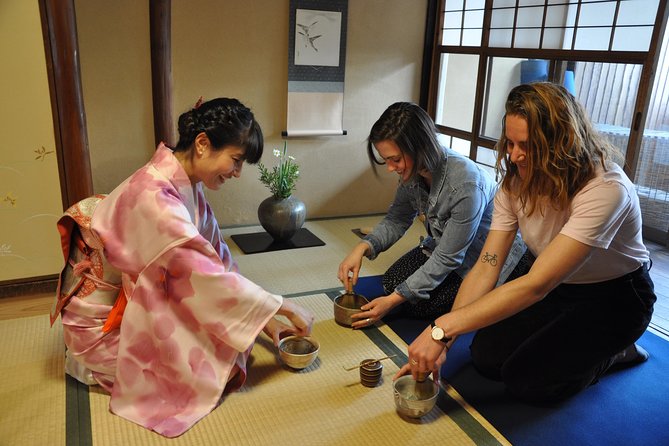
The hands-on section is the heart of the visit. You learn how to brew a good bowl of matcha, using tea from an organic farm, then prepare the drink yourself. This makes the experience more useful than a ceremony that stays entirely on the other side of a viewing line.
Matcha preparation is not difficult to understand, but it does reward careful instruction. You will be shown the process, watch a personalized demonstration, and then try the movements yourself. The exact level of individual coaching can depend on the group, but the small capacity gives you a better chance to receive help than a large workshop would.
This is also where the experience becomes social. You and the other participants are not only listening to a lecture. You are making something, comparing the results, and tasting the tea together. The activity description emphasizes that making tea is fun, and that is a sensible reason to choose this format if you want a cultural activity with some participation.
Do not book it expecting a full professional tea-school lesson. One hour is enough to learn the basic method and appreciate the care involved, but not enough for advanced technique. Think of it as a practical first meeting with matcha.
Watching a proper tea ceremony demonstration
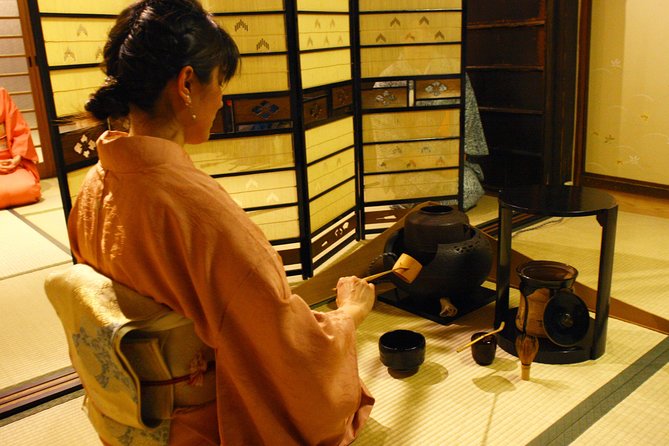
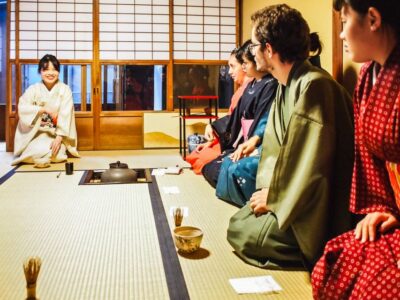
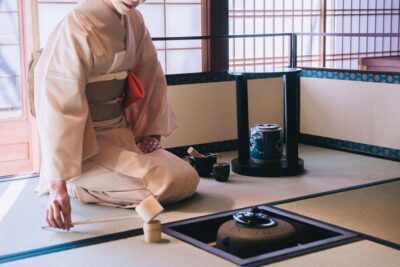
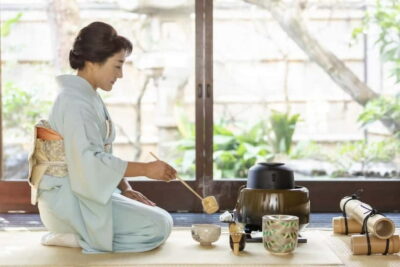
The demonstration gives you a chance to see the ceremony performed before or alongside your own practice. The host explains the steps and shows how the ritual works in a traditional setting. For many people, this will be the most memorable part because it turns an abstract cultural subject into something you can observe directly.
The ceremony is also a lesson in restraint. The point is not simply to drink powdered green tea. Attention is given to preparation, presentation, and the exchange between host and guest. The background about monks and samurai adds useful context without requiring you to know a long list of dates or names.
The wording around the session promises personalized demonstrations, which suggests that the host adjusts the explanation to the people present. The experience has received especially strong praise for the clarity of its explanations and the thoroughness of the demonstration. That is important for first-time visitors, since a ritual can otherwise feel formal without feeling understandable.
You should also keep expectations in check. This is a short introductory ceremony, not an elaborate multi-hour event with every traditional rule explained. Its strength is accessibility. You can appreciate the form without needing to prepare for a demanding cultural performance.
A completely different side of Kyoto:
- PERFECT KYOTO 1-Day Bus Tour
★ 5.0 · 13,518 reviews - Kyoto: Fushimi Inari, Kinkakuji, Bamboo Grove 1 Day Bus Tour
★ 4.8 · 4,316 reviews - Kyoto Geisha Walking Tour: Gion District & Hidden Gems
★ 4.7 · 3,273 reviews - Kyoto: Gion Magical Night Walking Tour with Geisha Trivia
★ 4.9 · 2,393 reviews
Matcha with Kyoto sweets
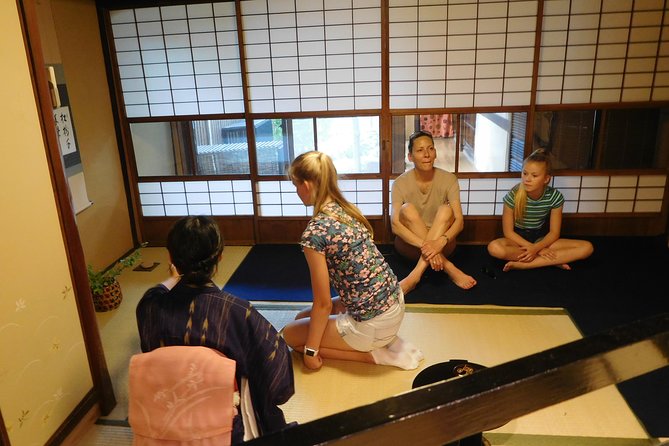
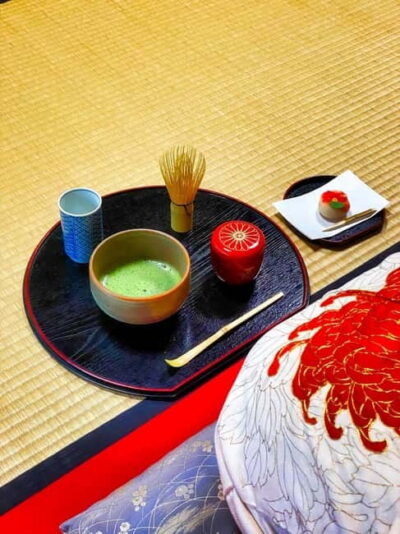
Your booking includes one bowl of matcha and Japanese sweets. The sweets are described as coming from a famous Kyoto confectionery, adding a small but worthwhile local detail to the tasting.
The pairing matters. Traditional Japanese sweets are often served with matcha because their sweetness balances the tea’s earthy, slightly bitter taste. Even if strong green tea is not your usual choice, the sweet gives your palate a useful counterpoint.
This is not a food tour, and you should not expect a large tasting menu. The value is in the complete experience: learn the background, watch the ceremony, prepare a bowl, and enjoy it with a small sweet in the room where the lesson takes place.
If you already love matcha, you will appreciate the chance to work with tea from an organic farm and learn a more careful preparation method. If you are unsure about matcha, the modest portion and short format make it a low-risk introduction.
Why the one-hour format works
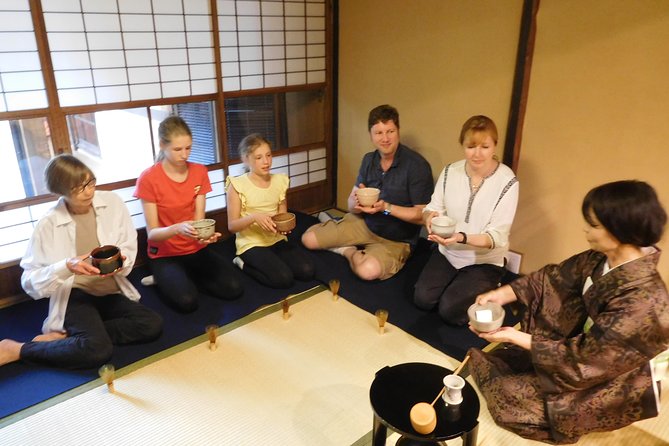
At about one hour, this is easy to fit between larger Kyoto plans. You can schedule it as a calm break during a day of temple visits, shopping, or neighborhood walks. Since the activity returns to the starting point, you do not need to arrange a separate pickup location afterward.
The short duration is both an advantage and a limitation. You spend little of your day and receive a focused cultural lesson, but you will not have time for a long discussion or repeated practice. If you want a detailed examination of tea utensils, schools, seasonal customs, or etiquette, you should seek a longer class.
For most first-time visitors, I think the timing is well judged. Kyoto offers many major sights that can fill an entire day, and a compact workshop lets you add something personal without turning your schedule into a marathon.
The group size helps the hour feel useful. A maximum of six people is small enough for the host to demonstrate clearly and for each participant to have a turn. It also avoids the staged feel that can come with a large cultural show.
Is $27.59 good value?
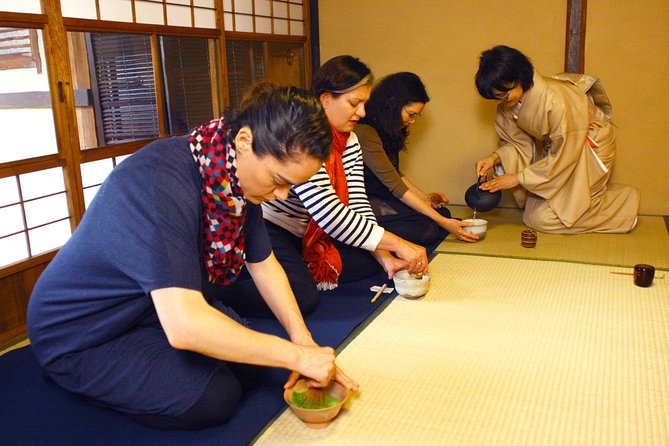
At $27.59 per person, the price is reasonable for a one-hour activity that includes the tea, sweets, instruction, ceremony demonstration, and access to a traditional townhouse. You are paying for more than a cup of matcha. The fee covers a guided cultural encounter in a private-style historic setting, with the chance to make the tea yourself.
The strongest value comes from the combination of setting and participation. A simple tea tasting could be cheaper, and a longer formal ceremony could cost more. This sits in the middle: you receive an introduction, a demonstration, a practical lesson, and refreshments in one compact visit.
The price makes particular sense if you want an activity that works for a mixed-age group. The session does not require prior knowledge, and the hands-on section gives younger participants something to do. The clear explanations also help parents or older family members who may prefer a quiet cultural experience to a long walking tour.
You should compare the price with your own priorities. If your main goal is to drink excellent matcha, a tea shop may offer a better fit. If you want to understand the ritual and take part inside a machiya, $27.59 is a fair outlay.
Who should book this Kyoto tea experience?
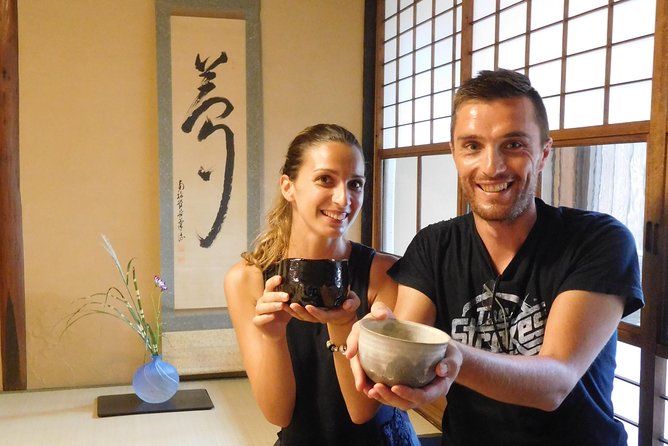
I would choose this workshop for a first visit to Kyoto, especially if you want an activity that explains a Japanese tradition without asking you to commit to a full formal ceremony. It also suits anyone already interested in matcha, Japanese sweets, architecture, or small-group cultural classes.
Families may find the hands-on format easier than a ceremony where everyone must sit quietly and watch. Couples and solo visitors can also expect a more intimate setting than a large group attraction. The small capacity is useful for anyone who prefers direct instruction.
You may want to skip it if you dislike powdered green tea, have no interest in traditional customs, or want a long, highly formal ceremony. The experience gives you a taste of tea culture, not an exhaustive course.
The published feedback is uniformly positive, with particular praise for the hosts’ kindness and professionalism, the clear explanations, and the thorough demonstration. One family group, including parents, found the preparation process enjoyable. That points to a session that is accessible rather than intimidating.
Practical details before you reserve
Confirmation is sent within 48 hours of booking, subject to availability. Since the activity is often reserved about 19 days ahead, booking early is sensible if you need a specific date during a busy Kyoto visit.
The experience accepts a mobile ticket, so you can keep the booking on your phone. You need to arrive at the stated meeting point, since transportation to and from your hotel is not included.
Most people can participate. The activity is near public transportation, but the supplied details do not specify the nearest station, walking time, seating style, or any particular accessibility arrangements. If those points affect your plans, contact Ami Kyoto before booking.
Free cancellation is available when you cancel at least 24 hours before the local start time. Cancellations or changes made inside that window are not refunded or accepted, so leave yourself some room if your Kyoto schedule is still shifting.
Should you book the Ami Kyoto tea ceremony?
Book it if you want a short, personal introduction to matcha in a real traditional townhouse. The setting, small group, clear teaching, and hands-on preparation give it more substance than a quick photo opportunity, while the one-hour schedule keeps it easy to fit into a busy day.
I would be less likely to book it for someone seeking a grand, highly formal tea-school experience or a long food tasting. For everyone else, especially first-time visitors and families, the balance is appealing: a little history, a proper demonstration, your own bowl of tea, Kyoto sweets, and a rare look inside an 80-year-old machiya for $27.59.
FAQ
How long does the tea ceremony experience last?
The activity lasts approximately one hour.
Where does the experience begin and end?
It begins at Ami Kyoto, 605 Nishidacho, Shimogyo Ward, Kyoto, 600-8397, Japan. It ends back at the same meeting point.
What is included in the price?
The experience includes one bowl of matcha green tea and Japanese sweets.
Is hotel pickup included?
No. Hotel pickup and drop-off are not included, so you must make your own way to the meeting point.
How many people can join the activity?
The activity has a maximum capacity of six participants.
Can I cancel for a full refund?
Yes. You can cancel for a full refund if you do so at least 24 hours before the experience start time. Cancellations made less than 24 hours in advance are not refunded.
Recently added around Kyoto
- Higashiyama | Kyoto: Sakura Season Private Rickshaw Tour★ 5.0 · 3 reviews
- Kyoto Kimono Rental CHAMATSU|Kimono/Yukata Rental FamilyPlan★ 5.0 · 3 reviews
- Kyoto: Half-Day Private Guided Tour to the Old Town of Gion★ 4.4 · 3 reviews
- Nara Private Customizable Half Day Tour★ 5.0 · 3 reviews
- Kansai Region Hiking Adventure in Nara Kobe Kyoto and More★ 5.0 · 3 reviews
- Full Day Nara Deer, Temple, Shrine, Activities & Tea Ceremony★ 5.0 · 3 reviews
- Nara: Essential Private Tour with Deer Park and Temples★ 5.0 · 3 reviews
- Hiking Tour for Sacred Sites in Kyoto with a Guide★ 5.0 · 3 reviews
Kyoto Tea Ceremony Experiences, compared.
Tea Ceremony in a Traditional Tea House in Kiyomizu
Read our review →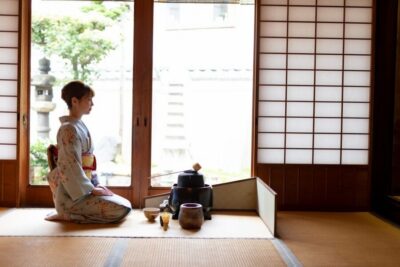
Tea Ceremony in 100-year-old Kyo-Machiya Townhouse
Read our review →
Browse the lists this tour appears in