
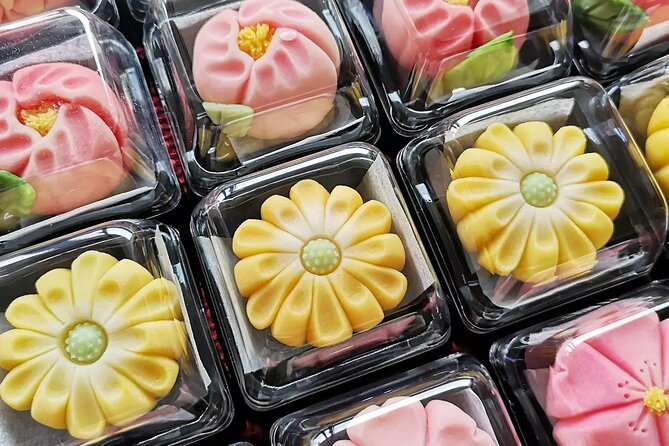
REVIEW · KYOTO MATCHA EXPERIENCES
Nerikiri and Matcha Making Class in Kyoto
The most unusual part of this Kyoto class is that you make five delicate nerikiri designs, not just one sample sweet. The instructor guides you through each shape and tool, then shows you how to prepare matcha in a table-style setting. It is part confectionery lesson, part quiet tea break.
I like the calm pace and the practical format. You get hands-on instruction, a container for leftover sweets, and two nerikiri dough recipes by email after class if you provide your address. The main drawback is that the dough is prepared before you arrive, so you learn the method but do not make the base from scratch.
In This Review
- Key points
- Five Kyoto sweets, each shaped by hand
- The class begins with the nerikiri dough
- Five designs and a set of traditional tools
- Matcha at the table, not just a quick taste
- A quiet activity for a slower Kyoto morning
- What the $84.92 price means
- The home setting and the feel of the lesson
- Who will enjoy this Kyoto experience most
- Important limits before you book
- A practical way to plan the morning
- Should you book the nerikiri and matcha class?
- FAQ
- Where does the nerikiri and matcha class meet?
- What time does the class start?
- How long does the activity last?
- How many nerikiri designs will I make?
- Is the nerikiri dough made during the class?
- Can I take the sweets home?
Key points
- Five different nerikiri designs: Learn several shaping methods rather than repeating one simple pattern.
- Small class of up to eight people: The limited size allows for close instruction, but spectators cannot attend.
- Matcha made at the table: You prepare and drink your own matcha alongside the sweets.
- Recipes sent after class: Provide an email address if you want the two nerikiri dough recipes for later practice.
- Treats to take home: Any remaining nerikiri goes into a supplied container.
- Easy meeting point: Meet at Matsugasaki Station at 10:00 a.m., with the activity ending at the same place.
Five Kyoto sweets, each shaped by hand
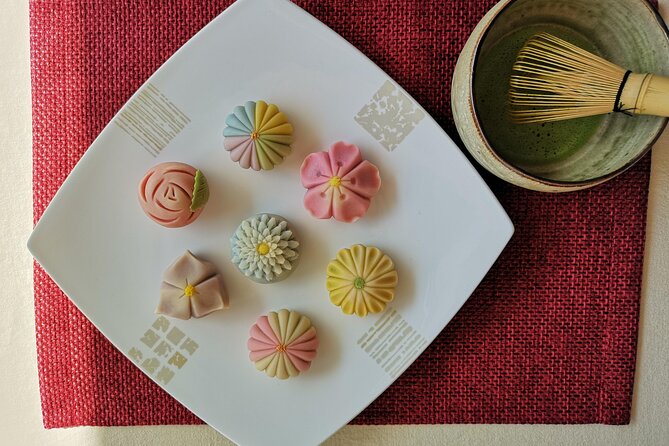
Nerikiri is a Japanese confection traditionally served with tea. Its main ingredients include sweet white beans, and its appeal comes from careful shaping as much as from flavor. The finished sweets are small, neat, and often designed to suggest flowers, seasons, or other natural forms, though the exact designs taught in this class are not specified in advance.
That makes this experience more hands-on than a standard tasting. You are not simply handed a pretty sweet and told its name. You work with the dough, learn how pressure and tools change its shape, and leave with five pieces you made yourself.
I like this format because each design gives you another chance to improve. The first attempt may feel cautious. By the fourth or fifth, you have a better sense of how to handle the dough and create clean details.
The class is also described as peaceful and therapeutic. That is a fair expectation based on the work itself. Nerikiri requires attention, but not speed. You can focus on small movements instead of racing through a long list of stops or facts.
More matcha tastings and workshops:
- World Heritage Kyoto & Nara Uji Authentic Matcha Experience
★ 5.0 · 1,573 reviews - Kyoto: Arashiyama Bamboo Forest, Monkeys, Matcha & Temple Tour
★ 5.0 · 759 reviews - Kyoto: Tea Museum Tickets and Matcha Grinding Experience
★ 4.9 · 739 reviews
The class begins with the nerikiri dough
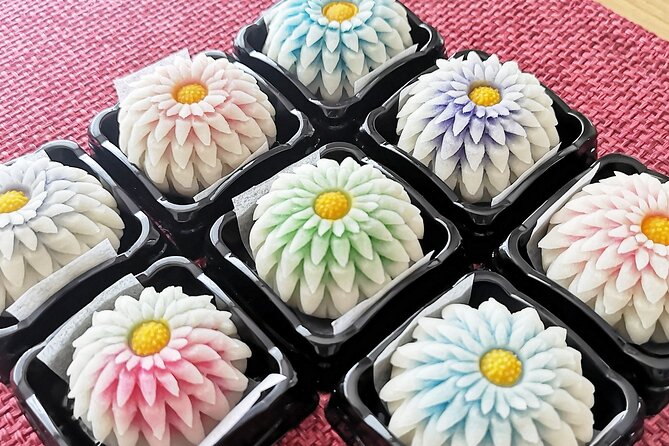
The instructor starts by explaining how nerikiri dough is made. The important practical point is that the dough is prepared before the lesson begins. You will learn the process and receive two versions of the dough recipes after class by email, but you will not begin by cooking or mixing your own batch.
That arrangement keeps the 2.5-hour session focused on shaping. It also makes the class more approachable for first-timers, since you can concentrate on the part that gives nerikiri its distinctive look. If your main goal is to master the complete process from beans to finished dough, this limitation matters.
Be sure to provide an email address if you want the recipes. They are not described as printed handouts, so an accurate address is the useful thing to bring to the booking process.
Five designs and a set of traditional tools
After the introduction, you shape five nerikiri designs. The instructor demonstrates each one step by step, then you copy the technique using different nerikiri tools.
This is where the class earns its price. You are learning more than a single recipe. You are practicing several ways to press, form, and detail the dough. The tools give the sweets their fine finish, and the instructor’s guidance helps make a delicate task manageable.
One useful expectation comes from the class feedback: the work is delicate, but it is very doable with instruction. That distinction is important. Nerikiri can look too precise for a beginner, yet you do not need professional pastry skills to take part. You need patience and a willingness to follow directions.
The instructor is described as precise and well organized. That should help if you like clear demonstrations before trying a technique yourself. The class is not presented as a free-form craft session. You follow a sequence, learn each design, and make five finished sweets.
The small maximum of eight people should also help. With fewer than ten participants, the instructor has a better chance to watch your hand position and correct small problems before they affect the final shape. At the same time, the class does not allow spectators, so every person in the room must be a paying participant.
Matcha at the table, not just a quick taste
Once the nerikiri work is finished, you make matcha tea in a table-style format. This gives the class a second skill to practice and provides the natural way to taste the sweets.
The matcha portion is not described as a formal tea ceremony, and you should not book it expecting a full ceremonial performance. Instead, it is a practical introduction to preparing matcha at the table. You make the tea, then enjoy it with the five confections.
That pairing is one of the class’s best features. Nerikiri is designed to be served with tea, so the tasting has a purpose beyond adding another included item. You get to experience the balance between a sweet bean confection and bitter matcha in the same sitting.
The setting also helps the class feel complete. First you learn the dough and shaping techniques. Then you prepare the drink that traditionally accompanies the sweets. Finally, you sit down and eat what you made.
More workshops and classes in Kyoto:
- Kyoto: 45-Minute Tea Ceremony Lesson Experience
★ 4.3 · 2,378 reviews - Kyoto : Chopsticks Making Workshop in Gion with Engraving Option
★ 5.0 · 958 reviews - Kyoto: Samurai Sword Class by Experts in Traditional Arts
★ 4.9 · 657 reviews - Kyoto: Ramen Cooking Class at a Ramen Factory with Souvenir
★ 4.9 · 532 reviews
A quiet activity for a slower Kyoto morning
The meeting time is 10:00 a.m., and the class lasts about two hours and 30 minutes. That makes it a useful morning plan rather than a rushed add-on between major sights.
You meet at Matsugasaki Station in Kyoto’s Sakyo Ward, at Matsugasaki Rokunotsubocho, postal code 606-0915. The activity ends back at the meeting point. Public transportation is nearby, and private transportation is not included, so you will need to reach the station on your own.
The station meeting point is practical, but pay attention to the exact location and allow enough time to find it. A craft class is not a good place to arrive breathless and late, especially when the first demonstration sets up everything that follows.
The experience is capped at eight participants. That is small enough to feel personal, but it also means spaces may disappear before your trip. The average booking lead time is 29 days, so I would not wait until the last morning of your Kyoto stay if this is high on your list.
What the $84.92 price means
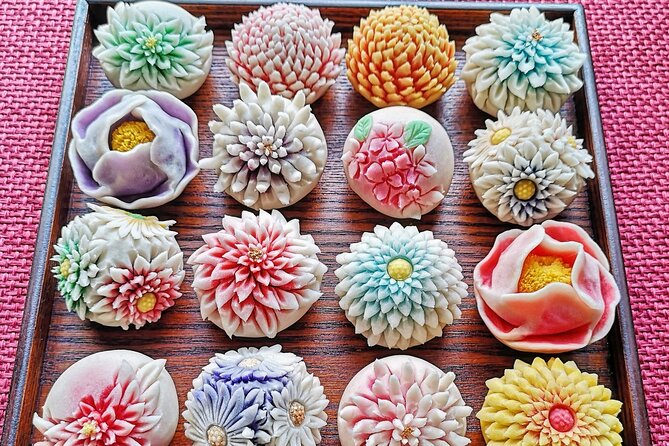
At $84.92 per person, this is not a cheap snack stop. You are paying for about 2.5 hours of instruction, five nerikiri, matcha, the use of shaping tools during class, and a container for what you take home.
The value depends on your aim. If you only want to eat nerikiri, buying a few sweets elsewhere will cost less. If you want a guided activity that teaches you how the sweets are made and gives you several chances to practice, the price is more reasonable.
I see three things included in that cost that make a difference:
- You learn five designs instead of making one basic sweet.
- You prepare the matcha yourself and drink it with the finished nerikiri.
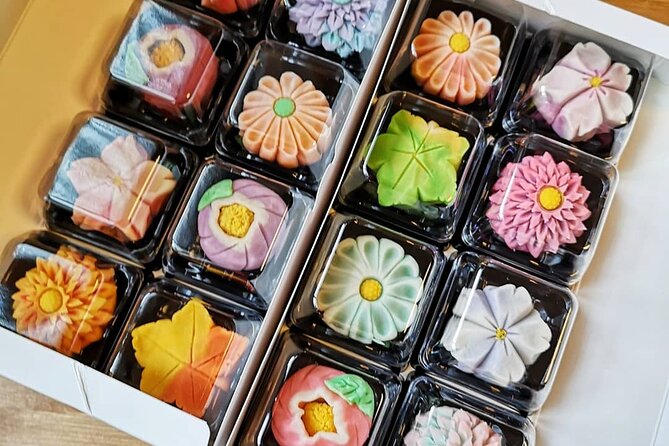
- You receive take-home sweets and, if requested by email, two dough recipes for future practice.
The recipes are especially useful if you want the class to continue after your holiday. They do not turn the session into a full professional pastry course, since the dough is prepared in advance, but they give you a starting point for trying the process at home.
The experience has a 5/5 rating and a 100 percent recommendation record from 13 reviews. That is a strong signal for an activity of this type, especially since the most praised qualities are concrete: the instructor’s organization, the comfortable home setting, and the balance of fun, education, and relaxation.
The home setting and the feel of the lesson
The instructor invites the class into her home. That changes the mood from a large commercial workshop to a more personal cooking lesson.
A home setting can be a plus if you want a relaxed encounter rather than a polished tourist production. It may also feel more intimate, which explains why the small participant limit matters. You are sharing a working space, not sitting in a large demonstration room.
The tradeoff is that space is limited. Only people taking the class may attend, and no spectators are allowed. If someone in your group wants to watch without participating, this experience will not accommodate that arrangement.
The strongest praise focuses on how quickly the instructor makes people feel comfortable. That matters in a class built around small hand movements. You are more likely to ask for help, try a design again, or laugh at an imperfect sweet when the atmosphere is friendly.
Do not expect every piece to look like a shop display. The point is to learn the techniques and enjoy the process. Five handmade sweets with small differences are a better souvenir of the class than five identical factory-made pieces.
Who will enjoy this Kyoto experience most
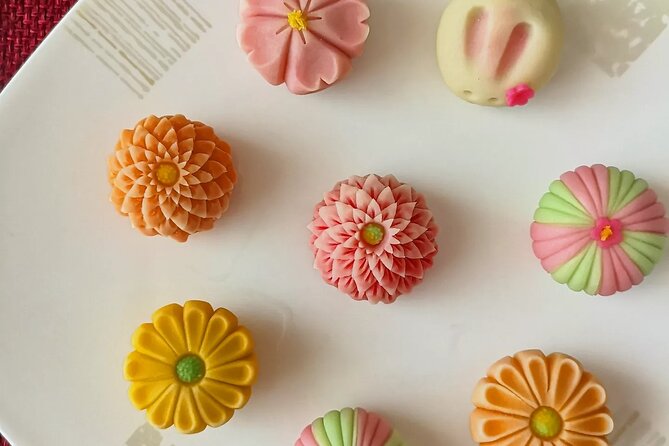
I would recommend this class to anyone who likes food with a craft element. It suits people who want to make something, not merely sample it.
It is also a good match for:
- First-time visitors curious about Japanese sweets
- Food-focused adults who enjoy patient, detailed instruction
- Families with children older than 10
- Couples or friends looking for a quiet morning activity
- Anyone who wants a small take-home food souvenir
- People who may want to practice nerikiri again after returning home
The minimum age is over 10. Since you work with delicate dough and tools, younger children are not eligible. The class may also be a poor choice if you want a fast, casual activity or if you dislike repetitive handwork.
You should also think about your travel style. This is a focused indoor experience, not a sightseeing tour. You will not be moving through Kyoto landmarks or covering a wide area. The reward is time spent learning one specialized Japanese food tradition.
Important limits before you book
The non-refundable cancellation policy deserves attention. Once booked, the experience cannot be canceled or changed for a refund for any reason. Book only when your schedule is firm.
Confirmation arrives within 48 hours and depends on availability. Since the activity is limited to eight people and is often booked about 29 days ahead, leave room in your plans until the booking is confirmed.
The class has a mobile ticket, which is convenient for a phone-based itinerary. Transportation is not included, and the meeting point is Matsugasaki Station. The class returns there at the end, so you can plan your next activity from the same station area.
Bring an email address if you want the two dough recipes. Also remember that the container is supplied, so you do not need to arrange your own box for the nerikiri you take home.
A practical way to plan the morning
Give yourself enough time to reach Matsugasaki Station before 10:00 a.m. The exact meeting point is listed at Matsugasaki Rokunotsubocho in Sakyo Ward, so check the details on your mobile ticket before setting out.
Since the activity lasts about 2.5 hours, plan for a finish around 12:30 p.m., allowing for the approximate nature of the timing. The class ends at the meeting point, which makes onward planning simple.
Avoid placing a rigid, far-away reservation immediately afterward. The class includes instruction, five designs, matcha preparation, and tasting. You will enjoy it more if you have time to work carefully instead of watching the clock.
At the end, you can take the remaining nerikiri home in the provided container. Handle the container with care as you continue your day, since the sweets are handmade and delicate.
Should you book the nerikiri and matcha class?
Book it if you want a small, calm, hands-on Kyoto activity with a clear result at the end. The five designs give you enough practice to feel that you learned something, while the matcha session connects the sweets to their traditional setting.
I would especially choose it for a second or third Kyoto visit, when you may want an activity that asks you to slow down rather than check off another major sight. It also makes sense for a food-loving family with children over 10, provided everyone in the group is willing to participate.
Skip it if you only want a quick tasting, need a flexible booking, or expect to make the entire nerikiri dough from scratch during the lesson. The prepared dough is the key limitation.
For the right person, the $84.92 cost buys more than five pretty sweets. You get a patient lesson, a chance to practice several Japanese confectionery techniques, matcha made at the table, and a small edible reminder of your time in Kyoto.
FAQ
Where does the nerikiri and matcha class meet?
The class meets at Matsugasaki Station, at Matsugasaki Rokunotsubocho in Kyoto’s Sakyo Ward, postal code 606-0915.
What time does the class start?
The scheduled start time is 10:00 a.m.
How long does the activity last?
The experience lasts approximately 2 hours and 30 minutes.
How many nerikiri designs will I make?
You will learn and make five nerikiri designs using different shaping techniques and tools.
Is the nerikiri dough made during the class?
The instructor prepares the nerikiri dough before class. You will receive an explanation of how it is made, and two versions of the recipes can be sent by email after the class if you provide your email address.
Can I take the sweets home?
Yes. You can take the remaining nerikiri home, and a container is provided. Matcha and five nerikiri are included in the experience.
Recently added around Kyoto
- Higashiyama | Kyoto: Sakura Season Private Rickshaw Tour★ 5.0 · 3 reviews
- Kyoto Kimono Rental CHAMATSU|Kimono/Yukata Rental FamilyPlan★ 5.0 · 3 reviews
- Kyoto: Half-Day Private Guided Tour to the Old Town of Gion★ 4.4 · 3 reviews
- Nara Private Customizable Half Day Tour★ 5.0 · 3 reviews
- Kansai Region Hiking Adventure in Nara Kobe Kyoto and More★ 5.0 · 3 reviews
- Full Day Nara Deer, Temple, Shrine, Activities & Tea Ceremony★ 5.0 · 3 reviews
- Nara: Essential Private Tour with Deer Park and Temples★ 5.0 · 3 reviews
- Hiking Tour for Sacred Sites in Kyoto with a Guide★ 5.0 · 3 reviews
Kyoto Matcha Experiences, compared.
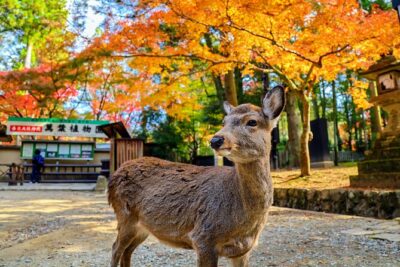
World Heritage Kyoto & Nara Uji Authentic Matcha Experience
Read our review →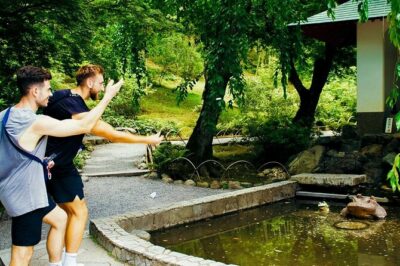
Arashiyama Bamboo Forest, Monkeys, Matcha & Temple Tour
Read our review →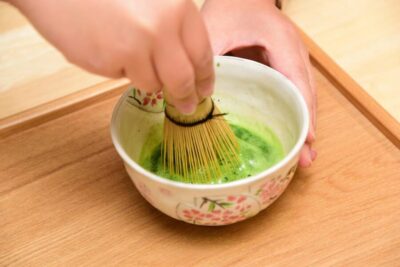
Tea Museum Tickets and Matcha Grinding Experience
Read our review →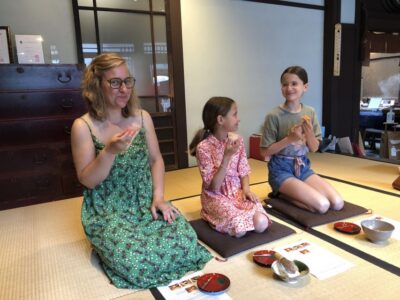
Tea Ceremony Meditation – Make Matcha with Tea Master
Read our review →Arashiyama Bamboo, Matcha, Monkeys & Temple Tour
Read our review →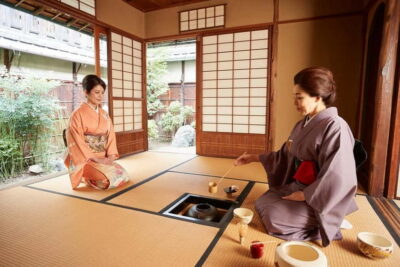
Arashiyama Bamboo, Temple, Matcha, Monkeys & secret spots
Read our review →
Browse the lists this tour appears in