
REVIEW · NARA DAY TRIPS
Nara Todaiji Kasuga Taisha Private Full Day Tour From Kyoto
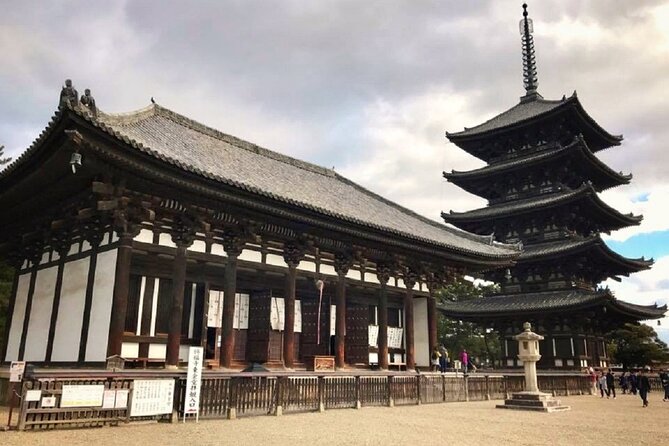
Nara’s famous deer are only the beginning. This private day trip takes you from Kyoto to open Nara Park, the immense Great Buddha Hall at Todaiji, lantern-lined Kasuga Taisha, and the old merchant lanes of Naramachi. You get a full sweep of Nara without having to work out the train, temple order, and walking route yourself.
I like the private format, since your group gets the guide’s attention rather than following a large crowd. I also like the early start option, which can help you reach the major sights before the busiest part of the day. The main catch is cost: at $195 per person, you still pay separately for the train and lunch.
In This Review
- Key points to know before booking
- Why this Kyoto to Nara day trip works
- Meeting at Kyoto Station and catching the train
- Nara Park and the famous Sika deer
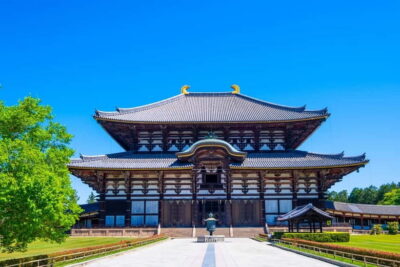
- Todaiji and the Great Buddha Hall
- Lunch at Kotoya and the cost of eating in Nara
- Kasuga Taisha and its thousands of lanterns
- Naramachi’s merchant houses and small shops
- Kofukuji and the imperial capital connection
- What the private format is really worth
- Price, pace, and who should book
- Should you book the Nara private tour?
- FAQ
- How long does the Nara tour take?
- Where does the tour begin?
- Where does the tour end?
- Is transportation included in the price?
- Is lunch included?
- Are entrance fees included?
- Is this a private tour?
- Can I cancel for a full refund?
Key points to know before booking
- Sacred deer in Nara Park: Feed the free-roaming Sika deer and see Nara’s best-known symbol up close.
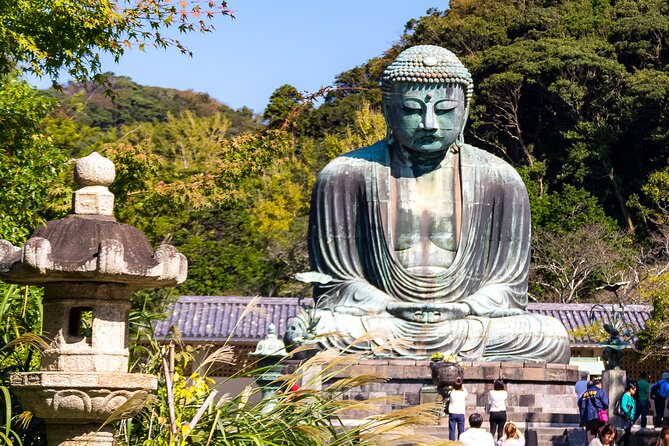
- Todaiji’s Great Buddha: Enter one of Japan’s most impressive Buddhist buildings, with admission included.
- Kasuga Taisha’s lanterns: Visit a major Shinto shrine reached through Nara’s wooded parkland.
- Old Naramachi streets: Walk past traditional merchant houses, specialty shops, and retro museums.
- Private English-speaking guide: Your group travels alone with the guide, with past guides including Katsuhiko Ishida, Yochee, Gustavo, Richard, and Yossi.
- Eight-hour Kyoto day trip: Transport from Kyoto is easy, but the ¥1,280 one-way train fare and roughly ¥2,500 lunch cost extra.
Why this Kyoto to Nara day trip works
Nara is close enough to Kyoto for an easy day visit, but it feels different from the moment you arrive. The city spreads around broad parkland, old temples, and shrine paths, with deer moving freely between the trees and stone lanterns.
This tour gives you the main Nara sights in one day. You do not have to choose between Todaiji and Kasuga Taisha, then squeeze Naramachi into whatever time remains. The guide connects the stops and explains how Nara developed as the imperial capital at Heijo-kyo.
The private setup matters most when you want to ask questions or adjust your pace. You can focus on temple architecture, Shinto customs, food, photography, or the deer without waiting for a large group to catch up. It is also useful if your party includes people with different interests.
The tradeoff is price. The listed cost is $195 per person, and that does not include transportation, lunch, or personal spending. The entrance fees for Todaiji and Kasuga Taisha are included, along with snacks and an English-speaking guide. You are paying for planning, company, and context, not simply a train ride and a walk through a park.
More day trips to Nara:
- World Heritage Kyoto & Nara Uji Authentic Matcha Experience
★ 5.0 · 1,573 reviews - Kyoto/Osaka: Nara, Fushimi Inari Taisha, Arashiyama Bus Tour
★ 4.7 · 1,275 reviews - Nara Half Day Trip Walking Tour (Private Option Available)
★ 5.0 · 937 reviews
Meeting at Kyoto Station and catching the train
The day begins at the 7-Eleven Heart-In store by the JR Kyoto Station Central Entrance on Karasuma Street. You meet the guide there and travel to Nara by express train.
The listed train cost is ¥1,280 each way, though a JR Pass can be used. Since the tour does not include transportation, keep this extra cost in your planning. The train ride is part of the day’s rhythm, not a private car transfer, so you should be ready to navigate the station and board with the group.
The first Nara stop is near the Gyoki Statue and its fountain. This is a practical meeting point and a useful place to get your bearings before the main sightseeing begins. From here, the route heads toward Nara Park.
Several guides are named for this experience, including Katsuhiko Ishida, Yochee, Gustavo, Richard, and Yossi. The guide you receive depends on availability, but the important feature is local interpretation in English. One guide, Yochee, is described as a Nara native, while Katsuhiko Ishida is praised for strong English and a fun, informative approach.
Nara Park and the famous Sika deer
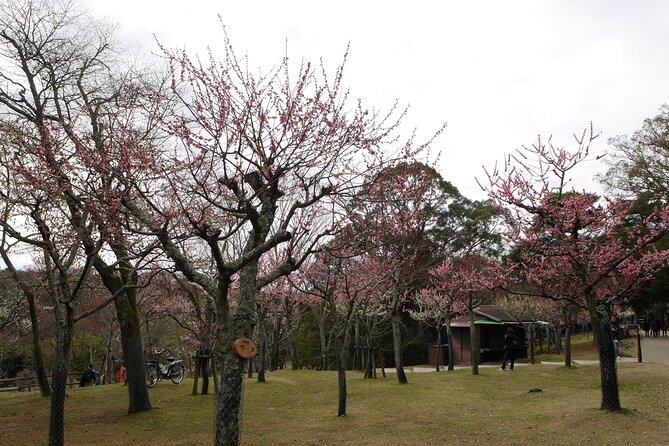
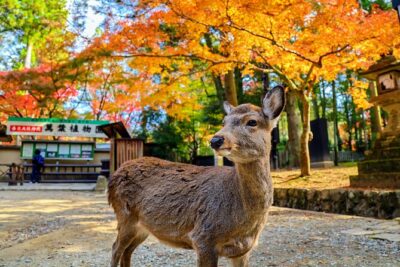
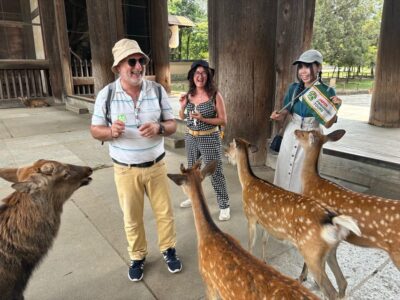
Nara Park is the tour’s most playful stop. The park is broad and green, and Sika deer move freely through it. In Shinto tradition, the deer are regarded as sacred messengers of the gods, which gives the encounter more meaning than a simple wildlife photo stop.
You can take pictures, watch the deer approach, and buy food for them if you choose. Feeding them is a memorable part of the visit, but use care and follow the guide’s instructions. These are free-roaming animals, not tame pets, and their behavior can change quickly when food is involved.
This is also where the early start can help. The park is a major draw, and a quieter beginning makes it easier to enjoy the open spaces and photograph the deer without as much crowding. One past participant specifically valued starting early to reach the key places before they became busy.
Do not rush this section. The deer are one of the few parts of a major Japanese sightseeing day that feel informal and unscripted. Give yourself time to watch how they move through the park rather than treating them as a quick photo backdrop.
Todaiji and the Great Buddha Hall
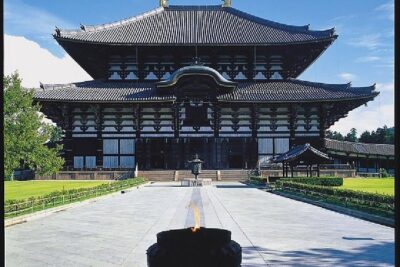
From Nara Park, you continue to Todaiji, a UNESCO World Heritage Site. The main attraction is the Great Buddha, or Daibutsu, a huge bronze image housed in the Great Buddha Hall.
Todaiji is the visual centerpiece of the day. The building’s scale gives you a sense of how much labor, money, and religious purpose went into Nara’s early temples. Even if you are not deeply interested in Buddhist art, the size of the hall and statue make this a powerful stop.
Admission to Todaiji is included. Your guide can explain the religious and historical setting, point out details you might otherwise miss, and help place the temple within Nara’s development as an imperial center.
Allow yourself a quiet moment inside. The hall is not just a large structure to photograph. It is an active religious site, and the Great Buddha has a presence that is easy to miss if you hurry through with your camera raised.
The practical issue is walking. This is not a sit-back sightseeing day. The route links a station, park paths, temple grounds, shrine approaches, and old streets. One account describes the walk as long but worthwhile, so comfortable shoes are essential.
A few more Kyoto experiences worth comparing
- 5 Top Highlights of Kyoto Full Day Bike Tour (E-bike option)
★ 5.0 · 511 reviews - Full Day Biking Tour Exploring the Best of Kyoto
★ 5.0 · 498 reviews - Kyoto Private Car Tour – Full Day with Local Guide & Nara Option
★ 5.0 · 169 reviews - Full Day Tour of Kyoto with Private Transportation
★ 5.0 · 130 reviews
Lunch at Kotoya and the cost of eating in Nara
After Todaiji, the itinerary includes a traditional lunch at Kotoya Restaurant. The meal is not included and costs around ¥2,500.
That arrangement gives you a chance to try local Nara specialties without forcing every member of the group into the same meal budget. If you have dietary needs or strong food preferences, confirm what is available with the guide before ordering. The provided details do not specify a fixed menu.
Lunch also breaks up a long sightseeing day. By this point, you will have walked through Nara Park and visited Todaiji, so sitting down for a traditional meal is more than a food stop. It gives you time to rest before the shrine and old-town sections.
One account specifically appreciated tasting real Japanese cuisine during the tour. If local food matters to you, this is a useful part of the plan, but remember to add the meal to the total price.
Kasuga Taisha and its thousands of lanterns
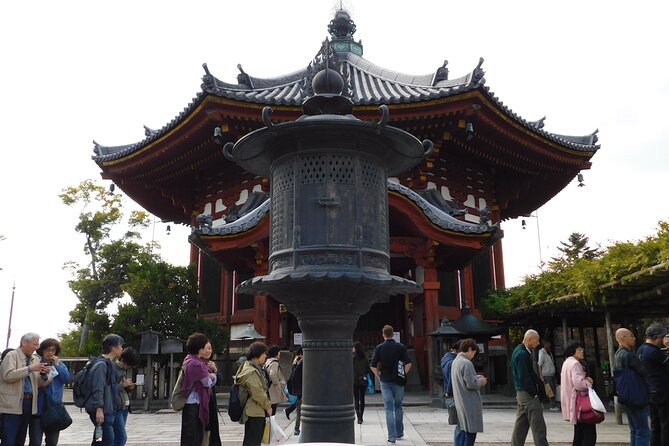
Kasuga Taisha brings a different mood from Todaiji. Todaiji is defined by its vast hall and bronze Buddha, while Kasuga Taisha is a Shinto shrine associated with lanterns, wooded paths, and careful ritual design.
The shrine is adorned with thousands of hanging lanterns. That detail gives the visit its character, especially when you look closely at the repeated metal and stone lamps along the approach. The setting helps you see how Nara’s religious sites are woven into the surrounding park rather than isolated from it.
Entrance to Kasuga Taisha is included. The guide can help explain the difference between Buddhist Todaiji and Shinto Kasuga Taisha, making the two visits more meaningful when seen on the same day.
You should expect another walk here. The shrine section follows the park and temple visits, so your energy level matters. If you prefer a slow pace, tell the guide early. The private format gives you more room to manage the day than a fixed large-group excursion.
Naramachi’s merchant houses and small shops
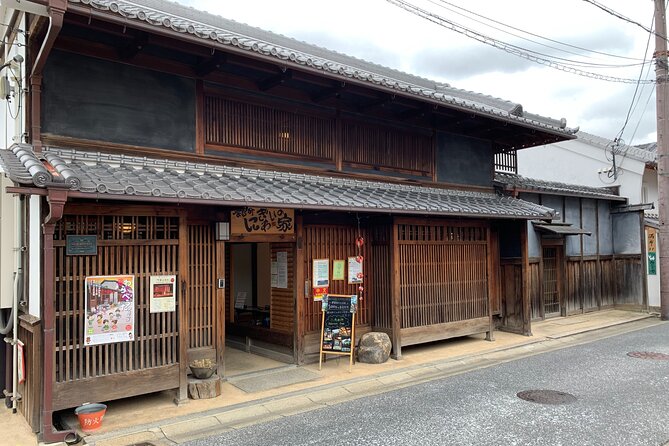
Naramachi is the old-town part of the route. Its narrow lanes are lined with preserved traditional merchant houses, offering a look at everyday urban Japan from the Edo period.
This area feels more intimate than the grand temple grounds. You pass specialty shops and retro museums, and you can pay attention to the proportions of the houses, the narrow street fronts, and the way commercial life once fitted into compact buildings.
Naramachi is a good counterpoint to the monumental sights. Todaiji tells you about religious power on a huge scale. Naramachi shows how merchants and residents lived and worked in a tighter setting.
The listed visit is about 30 minutes, so do not expect a long shopping session or a full museum crawl. It is enough time to stroll, look into selected shops, and get a taste of the district. If you want to buy souvenirs, ask the guide which stops fit the schedule.
Kofukuji and the imperial capital connection
The tour information also includes the grounds of Kofukuji, where you learn about the establishment of the Heijo-kyo imperial capital. This stop adds political and historical context to the temples and shrines you have already seen.
Kofukuji helps link Nara’s religious buildings to the city’s role as an early capital. The grounds are included in the route, though the schedule places this stop separately from the main sequence, so the exact order may depend on the day’s operation.
That unusual ordering is worth clarifying when you book or meet your guide. The supplied schedule lists return travel to Kyoto before Kofukuji, yet Kofukuji is also described as part of the Nara sightseeing day. Ask the guide to confirm the route so you know when this visit will happen.
What the private format is really worth
This is a private activity, meaning only your group participates. That does not mean private transportation, since you travel by train and pay the fare separately. It does mean the guide is there for your party rather than a mixed crowd.
I would choose this format for a family, couple, or small group that wants to ask questions and keep the day moving. It is especially helpful if Nara is your only day there and you want to see the principal sights without researching temple hours, train connections, and the best walking order.
The guides named in the provided material bring different strengths. Katsuhiko Ishida is noted for clear English and a lively approach. Yochee is a Nara native who adds local flavor. Gustavo is credited with showing sections of Nara that are easy to miss, while Richard is praised for extra explanations and an early start. Yossi is described as prepared, easy to communicate with, and able to guide the group through food, temples, and shrines.
Those details suggest that the guide can shape the quality of the day. Since guide assignment is not guaranteed, treat the names as examples rather than a promise that one specific person will lead your tour.
Price, pace, and who should book
At $195 per person, this is not the cheapest way to visit Nara. Add the ¥1,280 one-way train fare if you are not using a JR Pass, about ¥2,500 for lunch, and any food for the deer or souvenirs.
The value comes from combining an English-speaking private guide with included admission to Todaiji and Kasuga Taisha. You also cover the major Nara sights in roughly eight hours, with the route planned around the city’s most important areas.
I would book it if you want structure, personal guidance, and a full day that includes both major religious sites and Naramachi. It suits people who prefer learning as they walk and who do not want to manage the Kyoto to Nara connection alone.
I would skip it if you are comfortable using trains, reading temple information independently, and setting your own pace. Nara is accessible from Kyoto, and an independent visit can cost less. You may also prefer your own schedule if you want a long lunch, extended shopping, or more time with the deer.
Most people can participate, and the meeting point is near public transportation. The long walking distance remains the main physical consideration. Wear supportive shoes and bring enough water for a full day outside and on foot.
You receive confirmation when booking, mobile ticket access is available, and free cancellation applies if you cancel at least 24 hours before the start time. Changes or cancellations inside that window are not accepted for a refund.
Should you book the Nara private tour?
Book this tour if you want Nara’s essential sights in one organized day, with a private English-speaking guide to explain the temples, shrine customs, deer tradition, and old merchant quarter. The best reasons are the personal format, the early-start potential, and the mix of famous landmarks with Naramachi’s smaller-scale streets.
Think twice if $195 plus transport and lunch feels high, or if you want a slow, independent day. For a first visit from Kyoto, though, the plan is strong: deer in Nara Park, Todaiji’s Great Buddha, Kasuga Taisha’s lanterns, Kofukuji, and Naramachi all fit into one demanding but rewarding outing.
FAQ
How long does the Nara tour take?
The experience lasts approximately eight hours, including the journey from Kyoto to Nara and the return to Kyoto.
Where does the tour begin?
It begins at the 7-Eleven Heart-In store at the JR Kyoto Station Central Entrance, on Karasuma Street in Kyoto.
Where does the tour end?
The activity ends back at the meeting point in Kyoto.
Is transportation included in the price?
No. Transportation is not included. The listed train fare is ¥1,280 each way, and a JR Pass can be used.
Is lunch included?
No. Traditional lunch at Kotoya Restaurant costs around ¥2,500 and is paid separately.
Are entrance fees included?
Admission to Todaiji Temple and Kasuga Taisha is included.
Is this a private tour?
Yes. Only your group participates in the activity.
Can I cancel for a full refund?
Yes, if you cancel at least 24 hours before the experience start time. Cancellations or changes made less than 24 hours before the start time are not accepted for a refund.
Recently added around Kyoto
- Higashiyama | Kyoto: Sakura Season Private Rickshaw Tour★ 5.0 · 3 reviews
- Kyoto Kimono Rental CHAMATSU|Kimono/Yukata Rental FamilyPlan★ 5.0 · 3 reviews
- Kyoto: Half-Day Private Guided Tour to the Old Town of Gion★ 4.4 · 3 reviews
- Nara Private Customizable Half Day Tour★ 5.0 · 3 reviews
- Kansai Region Hiking Adventure in Nara Kobe Kyoto and More★ 5.0 · 3 reviews
- Full Day Nara Deer, Temple, Shrine, Activities & Tea Ceremony★ 5.0 · 3 reviews
- Nara: Essential Private Tour with Deer Park and Temples★ 5.0 · 3 reviews
- Hiking Tour for Sacred Sites in Kyoto with a Guide★ 5.0 · 3 reviews
Nara Day Trips, compared.
World Heritage Kyoto & Nara Uji Authentic Matcha Experience
Read our review →
Kyoto/Osaka: Nara, Fushimi Inari Taisha, Arashiyama Bus Tour
Read our review →
Nara Half Day Trip Walking Tour (Private Option Available)
Read our review →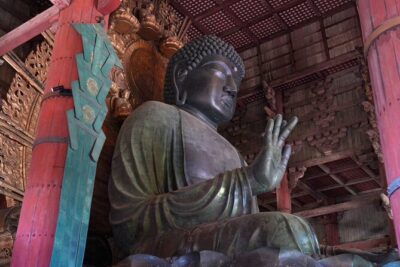
Nara Early Morning Tour (Kyoto or Osaka Departure Available)
Read our review →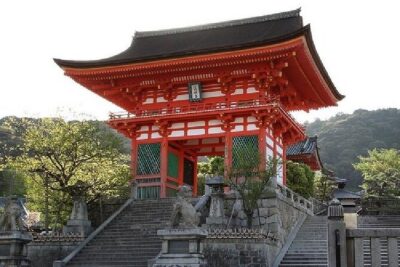
Kyoto/Osaka: Kinkakuji, Bamboo Forest, and Nara Deer Park
Read our review →Browse the lists this tour appears in