
REVIEW · KYOTO TEA CEREMONY EXPERIENCES
Kyoto: Tea Ceremony Experience in a Small Tea Room
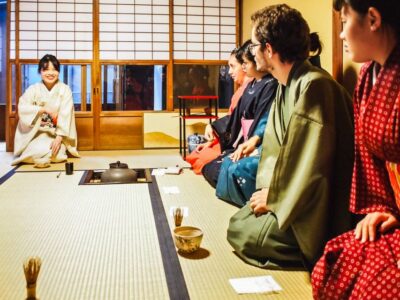
The best part of this Kyoto experience is its small scale. You sit in a tea room with no more than six people, learning the careful steps of matcha preparation from a teacher with 30 years of experience. Ms. Yamazaki, named as the host for recent sessions, is known for her patient, clear instruction.
I like the hands-on matcha preparation, since you do more than watch a formal display. I also like the setting, a short walk from the Kamogawa Delta and Demachiyanagi Station, which makes it easy to pair tea with a quiet riverside stroll. The main consideration is time: one hour gives you a pleasant introduction, but not a full study of every tea-school custom.
In This Review
- Key points
- A quiet introduction to Kyoto tea culture
- What happens during the one-hour session
- Why the small group changes the experience
- Learning from a teacher with 30 years of experience
- The setting near Kamogawa Delta
- How the location fits into a Kyoto day
- What the $38 price includes
- Who will enjoy this tea ceremony most
- Practical details before you go
- The strongest reasons to book
- Should you book this Kyoto tea ceremony?
- FAQ
- How long does the tea ceremony last?
- How much does the experience cost?
- Is the instruction available in English?
- How many people can join the group?
- Is prior tea ceremony experience required?
- Can I make my own matcha?
- What is included?
Key points
- Small group of no more than six: You get a more personal lesson than at a large cultural show.
- Thirty years of tea experience: The teacher can explain both the movements and the ideas behind them.
- Make your own matcha: You can whisk powdered tea yourself under close guidance.
- Near Kamogawa Delta: Add a peaceful riverside walk before or after the session.
- English instruction: The ceremony is open to beginners without prior tea knowledge.
- $38 for one hour: The price includes the ceremony, matcha, instruction, and traditional dried sweets.
A quiet introduction to Kyoto tea culture
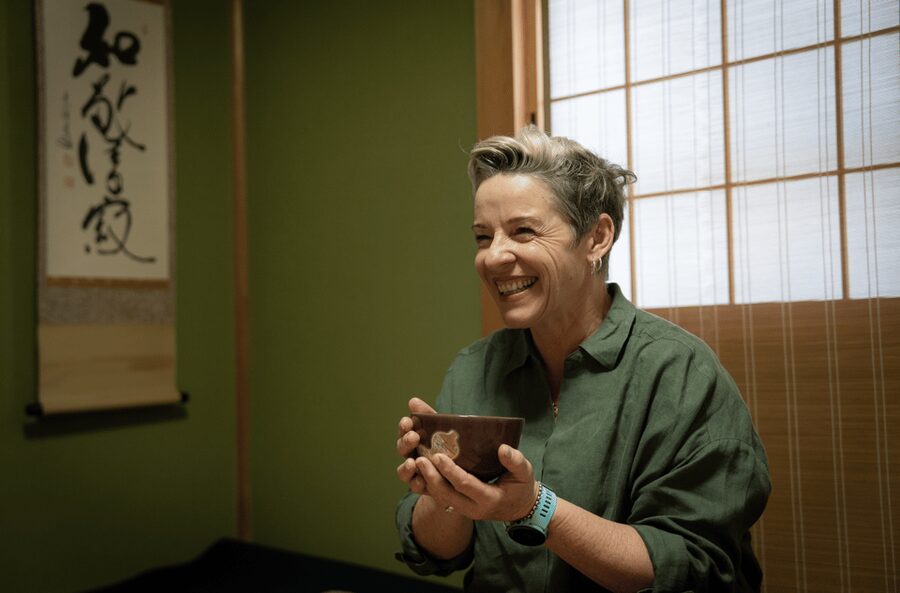
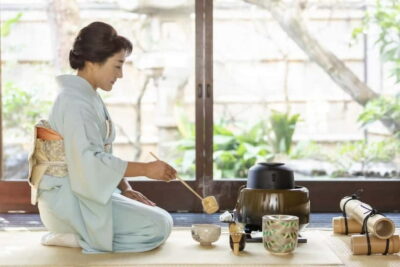
Kyoto tea ceremonies can sometimes feel formal or intimidating. This session takes a friendlier approach. You are not expected to know how to sit, bow, hold a tea bowl, or use a bamboo whisk before arriving. The teacher explains the actions as you go, so the ceremony becomes a lesson rather than a test of etiquette.
That matters because tea ceremony is not simply a way to drink matcha. Each movement has a purpose. The pace, the handling of the utensils, and the way the tea and sweets are served all reflect care and attention. In a short session, you will not master the full tradition, but you can begin to understand why the process is so deliberate.
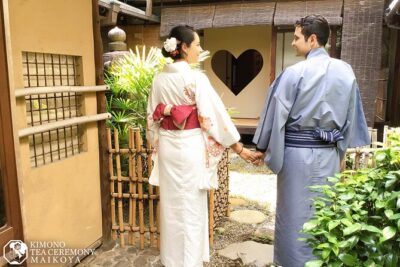
The room is in a Japanese house marked by a sign reading Tisato. This is useful to know in advance because the meeting point is not described as a large public attraction. Look for the house and the sign before entering, rather than expecting a prominent storefront or hotel-style reception.
More tea ceremonies in Kyoto:
- Kyoto: Tea Ceremony in a Traditional Tea House in Kiyomizu
★ 4.9 · 3,519 reviews - Kyoto: Tea Ceremony Ju-An at Jotokuji Temple
★ 4.9 · 3,207 reviews - Kyoto: 45-Minute Tea Ceremony Lesson Experience
★ 4.3 · 2,378 reviews
What happens during the one-hour session
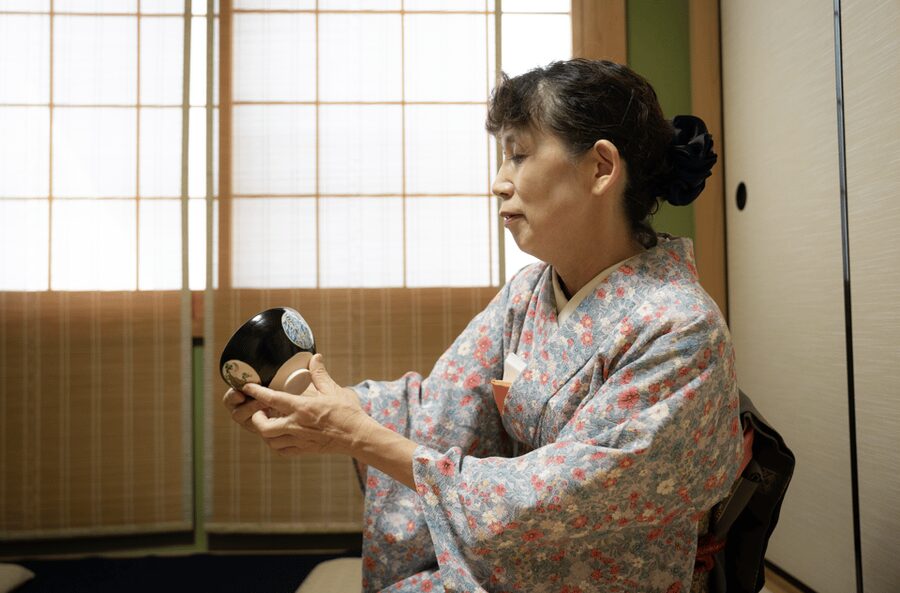
The experience begins with an introduction to the tea ceremony and its customs. Your English-speaking teacher explains what you are seeing and why the movements matter. Since the group is limited to six participants, you have a better chance of hearing the explanations clearly and asking questions without interrupting a large presentation.
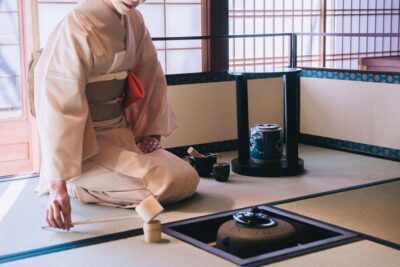
The exact order of each demonstration is not specified, so you should think of this as a guided introduction rather than a fixed theatrical show. The central thread is matcha preparation. You learn how powdered green tea becomes a finished drink through measured movements and whisking.
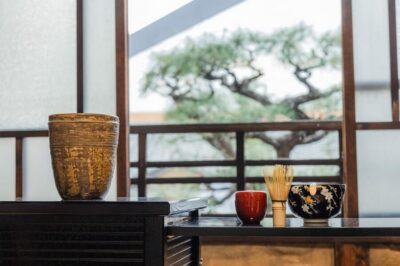
You can then prepare your own tea if you wish. This is the most useful part for many beginners. Watching a tea master can be calming, but handling the whisk gives you a practical sense of the technique. The teacher guides you through the process, so you do not need previous experience.
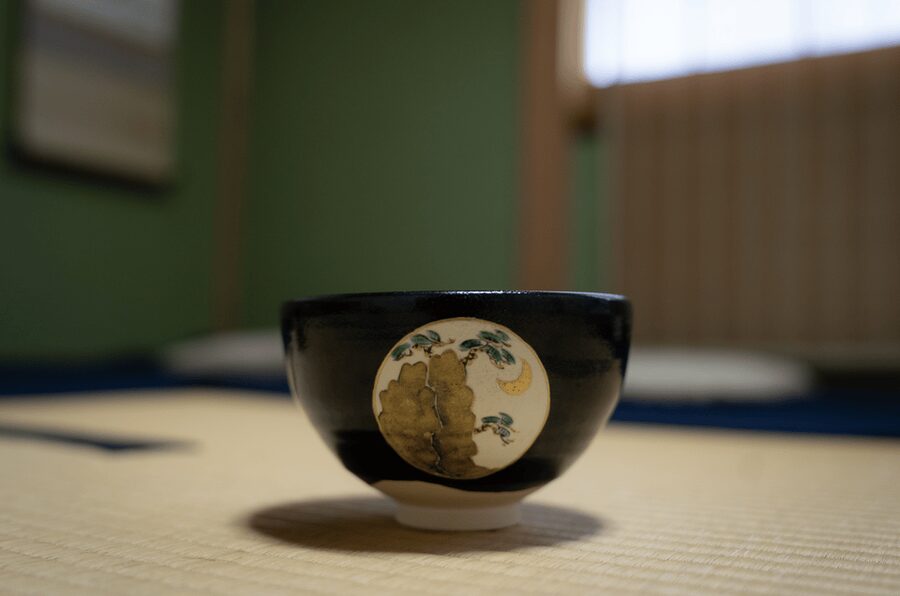
Traditional dried sweets are included with the matcha. In tea culture, sweets are not just an extra snack. They provide a contrast to the tea’s bitter edge and form part of the rhythm of the ceremony. The serving of tea and sweets also gives the session a traditional feel without requiring you to attend a long formal event.
The experience lasts one hour. That length works well in a Kyoto day packed with temples, meals, and train connections. It is long enough to explain the ceremony and give you a chance to take part, but short enough to fit before or after another activity.
Why the small group changes the experience
A group of up to six people is a real advantage here. Tea ceremony involves small details, and a crowded room can make it hard to see the teacher’s hands or follow the explanation. A limited group should make the session feel more like a lesson in a private setting than a performance for a crowd.
The small format also suits anyone who feels shy about making a mistake. You may hold the whisk awkwardly or forget a step. That is part of learning. The teacher’s role is to guide you through the process, not judge your technique.
Still, a small group does not mean a private ceremony. Other participants will be present, and the pace of the hour needs to work for everyone. If you want an extended private lesson focused only on your own questions, this may feel brief. If you want a welcoming first look at tea culture, the size is well chosen.
Learning from a teacher with 30 years of experience
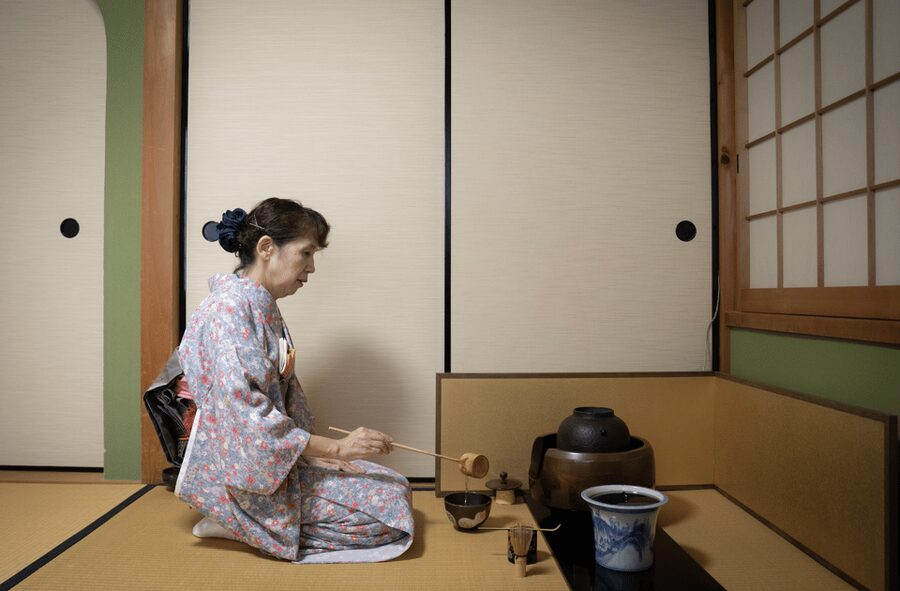
The teacher’s long experience is one of the strongest reasons to book this session. Thirty years in tea gives the instructor a broad base for explaining the ceremony, from the simple mechanics of whisking matcha to the spirit of patience and harmony behind the practice.
You are also getting access to a part of Japanese culture that is easy to misunderstand from a quick demonstration. The goal is not simply to copy a set of motions. You learn that the gestures communicate respect, calm, and attention to the people sharing the room.
The English instruction is important. Tea ceremony includes unfamiliar words and customs, and a demonstration without explanation can leave you watching without understanding. Here, the teacher can describe the process in English and make the session accessible to people with no prior knowledge.
Recent booking feedback identifies Ms. Yamazaki as a kind and patient host. That matches the experience’s stated aim of lowering the barriers around traditional tea ceremony. You should still remember that the exact instructor may depend on the session, but Ms. Yamazaki is the host name associated with recent visits.
A completely different side of Kyoto:
- PERFECT KYOTO 1-Day Bus Tour
★ 5.0 · 13,518 reviews - Kyoto: Fushimi Inari, Kinkakuji, Bamboo Grove 1 Day Bus Tour
★ 4.8 · 4,316 reviews - Kyoto Geisha Walking Tour: Gion District & Hidden Gems
★ 4.7 · 3,273 reviews - Kyoto: Gion Magical Night Walking Tour with Geisha Trivia
★ 4.9 · 2,393 reviews
The setting near Kamogawa Delta
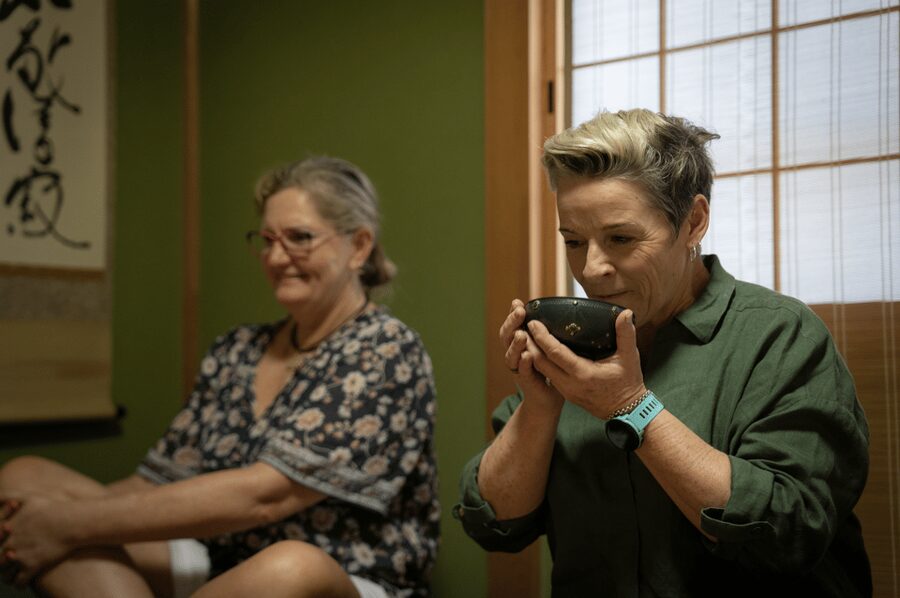
The tea room is about a 15-minute walk from Kamogawa Delta. This is a useful location for a slower Kyoto itinerary. The delta is where the Kamogawa and Takano rivers meet, and it is a popular place for sitting by the water and watching local life unfold.
The area gives you a break from Kyoto’s busiest sightseeing streets. After the tea ceremony, you can walk toward the river and let the quiet mood continue. Before the session, the riverside can help you arrive with a little time to spare rather than rushing straight from one major attraction to another.
The location also has practical limits. A 15-minute walk is not difficult for most people, but it is still part of the total outing. You should allow extra time to find the Japanese house and the Tisato sign. The meeting point is specific, so arriving at the general neighborhood is not enough.
Demachiyanagi Station is also about a 15-minute walk away. This makes the tea ceremony a good fit if you are already exploring northern Kyoto. The station is a starting point for trips toward Kibune Shrine and Rurikou Temple, so you can build a wider day around the session.
Do not treat the tea ceremony as a stop directly inside a major temple complex. Its appeal is partly that it takes place in a neighborhood setting, close to riverside scenery and routes toward quieter historical places.
How the location fits into a Kyoto day
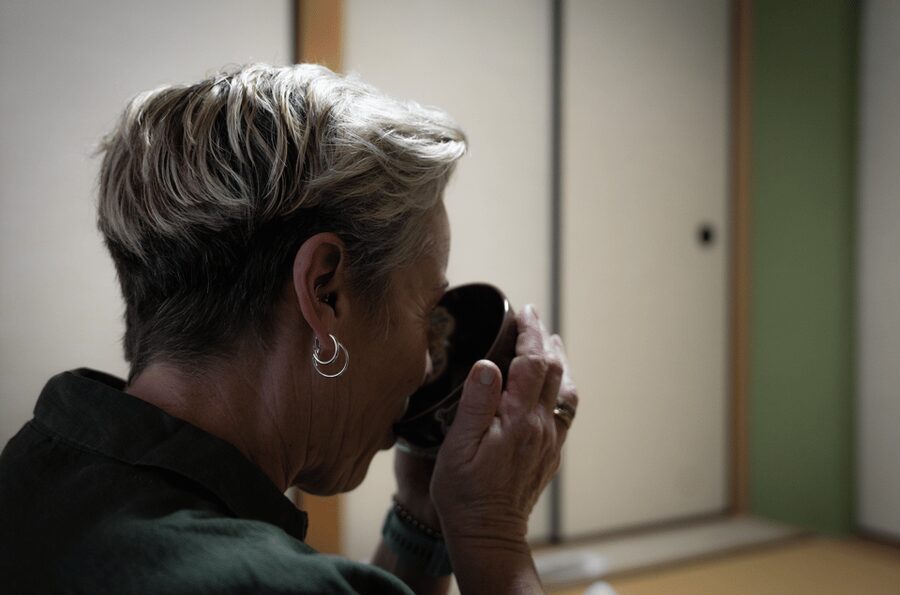
You can schedule the tea ceremony before a walk at Kamogawa Delta, after a riverside break, or as part of a day beginning at Demachiyanagi Station. The one-hour length gives you flexibility, but walking time still matters.
If you plan to visit Kibune Shrine or Rurikou Temple afterward, check your transport and timing carefully. The activity information says Demachiyanagi is a starting point for exploring those sites, not that the tea ceremony includes transport or a guided visit there. The historical places are nearby in itinerary terms, but they are separate from the one-hour tea session.
This separation is useful. You are free to shape the rest of the day around your interests. You can make the ceremony the calm center of a larger outing instead of spending a full day on a packaged cultural program.
What the $38 price includes
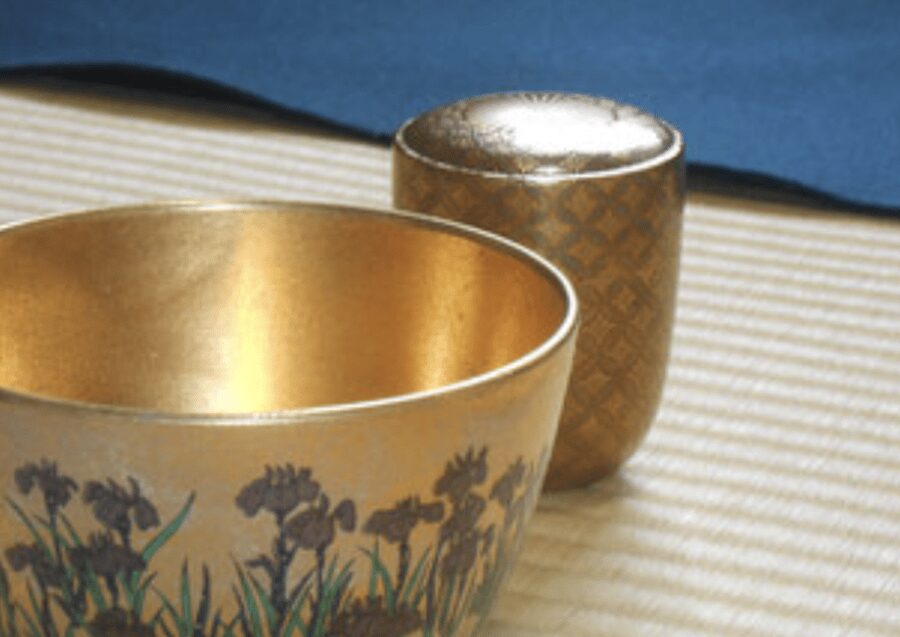
At $38 per person, the price covers the tea ceremony, English instruction, matcha, and traditional dried sweets. For a one-hour cultural activity in Kyoto, the value depends on what you want from the session.
If you only want to taste matcha, this may be more than you need. You could find tea elsewhere for less, but a simple drink would not include the explanation, ceremony setting, or chance to prepare the tea yourself.
If you want context and participation, the price is more reasonable. You are paying for access to an experienced teacher, a small group, and a structured introduction to a tradition that is difficult to understand from a menu or a casual tea shop. The group limit is especially helpful because it gives the instruction room to breathe.
The price does not include visits to nearby historical sites, transportation, or a longer tea lesson. Keep those costs separate when planning the day. For a focused one-hour activity, $38 is fair, especially if you value direct teaching over a large staged presentation.
Who will enjoy this tea ceremony most
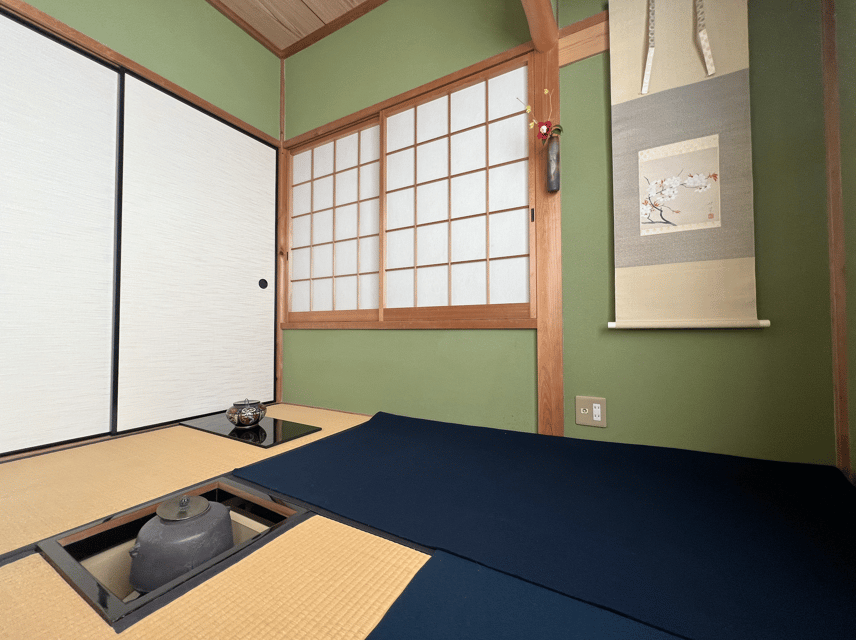
This experience is a strong choice for first-time visitors to Japan who want a clear introduction to tea culture. You do not need to know the rules in advance, and the English instruction removes much of the uncertainty.
It also suits couples, solo visitors, and small groups of friends who prefer quiet cultural activities. The six-person limit keeps the mood calm, while the hands-on portion gives the experience more substance than a demonstration alone.
Families may find the short duration helpful, though the supplied information does not specify a minimum age or child policy. If you are booking for children, confirm those details before paying.
You may also like it if you have already attended a tea ceremony elsewhere but want a more personal lesson. The chance to make matcha yourself can add something new, especially when the teacher can correct your movements and explain the purpose behind them.
This is less suitable if you want a long, highly formal ceremony with extensive ritual detail. It is designed to make tea culture approachable, so the tone is likely to feel relaxed and instructional rather than severe or ceremonial.
Practical details before you go
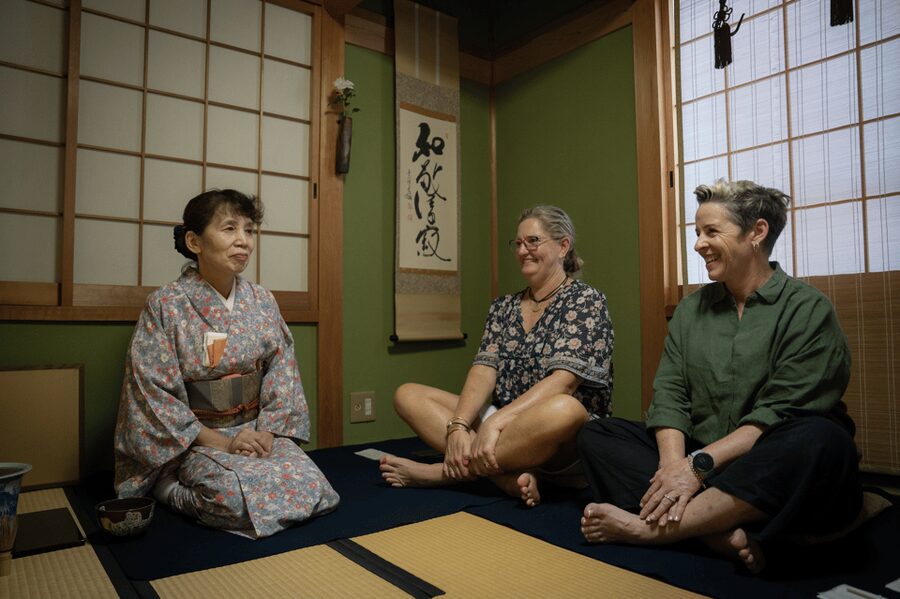
The experience is offered in English, and the group is limited to six participants. Starting times vary, so you need to check availability for the date you want.
The meeting point is a Japanese house with a sign saying Tisato. Save that name and allow time to locate it. Since the activity is near Kamogawa Delta but not at the delta itself, do not arrive at the river expecting the teacher to meet you there.
You receive matcha and traditional dried sweets during the session. The description does not specify food allergy options, seating arrangements, photography rules, or accessibility details, so ask the provider directly if any of those affect your plans.
Free cancellation is available up to 24 hours before the activity for a full refund. You can also reserve now and pay later, which helps if your Kyoto schedule is still changing.
The strongest reasons to book
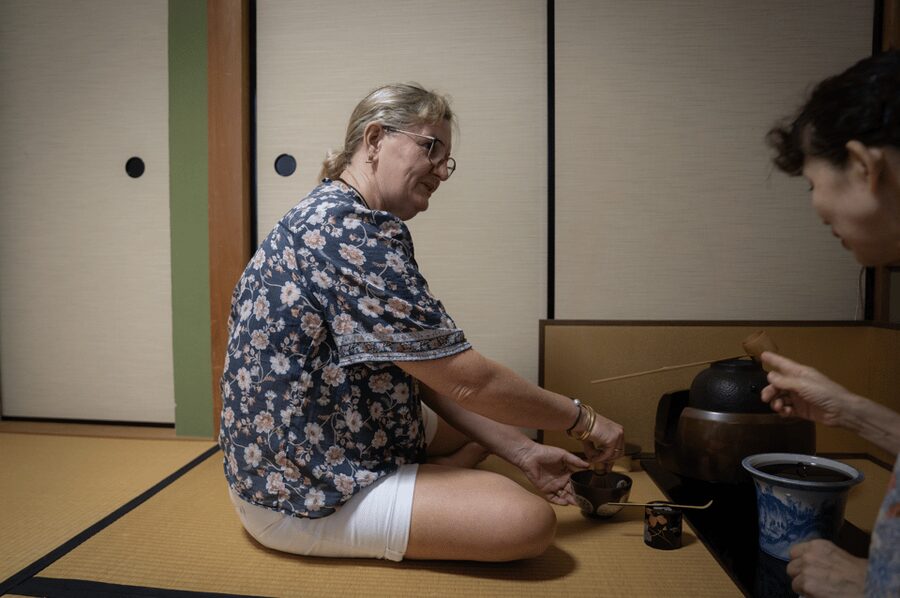
The most praised qualities are the clear explanations, the friendly teaching style, and the calm feel of the session. The experience is built around patience, and that is exactly what a beginner needs when faced with unfamiliar customs.
The host’s warmth matters as much as the tea itself. A formal tradition can feel distant if the teacher does not explain it in a welcoming way. Here, the stated goal is to make the ceremony comfortable for everyone, and recent feedback highlights the host’s patience and kindness.
The taste is part of the appeal, too. Matcha has a strong, slightly bitter flavor, and the dried sweets provide a traditional counterpoint. You are not simply sampling a drink. You are learning how the drink fits into a larger cultural practice.
Should you book this Kyoto tea ceremony?
Book it if you want a short, calm, English-language introduction to Japanese tea culture with real participation. The combination of a six-person group, a teacher with 30 years of experience, and the chance to whisk your own matcha gives the hour more value than a simple tea tasting.
I would place it in a Kyoto day near Kamogawa Delta or Demachiyanagi Station, with enough time to find the Tisato sign and enjoy the surrounding area. At $38, it is a sensible choice for anyone who values personal instruction and cultural context.
Skip it if your main goal is a long, highly formal ceremony or if your schedule cannot spare walking time around the meeting point. For most first-time visitors seeking a friendly introduction, though, this is a well-sized experience with a clear focus and little fuss.
FAQ
How long does the tea ceremony last?
The tea ceremony lasts one hour.
How much does the experience cost?
The price is $38 per person.
Is the instruction available in English?
Yes. The instructor language is English.
How many people can join the group?
The group is limited to six participants.
Is prior tea ceremony experience required?
No. The session is designed to welcome complete beginners as well as people with some previous familiarity.
Can I make my own matcha?
Yes. You can prepare your own tea if you wish, with guidance from the experienced teacher.
What is included?
The experience includes the tea ceremony, instruction from an experienced teacher, matcha tea, and traditional dried sweets.
Recently added around Kyoto
- Higashiyama | Kyoto: Sakura Season Private Rickshaw Tour★ 5.0 · 3 reviews
- Kyoto Kimono Rental CHAMATSU|Kimono/Yukata Rental FamilyPlan★ 5.0 · 3 reviews
- Kyoto: Half-Day Private Guided Tour to the Old Town of Gion★ 4.4 · 3 reviews
- Nara Private Customizable Half Day Tour★ 5.0 · 3 reviews
- Kansai Region Hiking Adventure in Nara Kobe Kyoto and More★ 5.0 · 3 reviews
- Full Day Nara Deer, Temple, Shrine, Activities & Tea Ceremony★ 5.0 · 3 reviews
- Nara: Essential Private Tour with Deer Park and Temples★ 5.0 · 3 reviews
- Hiking Tour for Sacred Sites in Kyoto with a Guide★ 5.0 · 3 reviews
Kyoto Tea Ceremony Experiences, compared.
Tea Ceremony in a Traditional Tea House in Kiyomizu
Read our review →
Tea Ceremony in 100-year-old Kyo-Machiya Townhouse
Read our review →
Browse the lists this tour appears in