
REVIEW · KYOTO TEA CEREMONY EXPERIENCES
Kyoto: Quiet and Graceful Tea Ceremony
The heart of this Kyoto experience is not a costumed photo session or a flashy show. It is a quiet tea room where a tea master carefully prepares premium matcha, explains the ritual, and lets you take part. You will also taste a seasonal Japanese sweet, then prepare tea yourself.
I like the small group limit of eight, which gives the ceremony a personal feel. I also like the chance to ask questions and make your own matcha, rather than simply watching a performance. The main caution is that this is a simple, private-house experience, not an ornate tea-house production with kimono rental.
In This Review
- Key points
- What happens during the 45-minute ceremony
- The quiet setting is the real feature
- Why the matcha preparation matters
- Hosts, explanations, and language
- Photos, kimono, and the limits of the experience
- Getting to the meeting point in Nakagyo Ward
- Who will get the most from this tea ceremony
- Value, timing, and booking advice
- Should you book the Omotenashi tea ceremony?
- FAQ
- How long does the Kyoto tea ceremony last?
- What is included in the price?
- Where does the tea ceremony meet?
- Where does the experience end?
- How many people can join?
- Is kimono rental included?
- Can I take photos during the ceremony?
- Is the experience suitable for first-time participants?
- What is the cancellation policy?
Key points
- A 45-minute introduction to matcha: You watch the tea master prepare the tea, learn the etiquette, and then participate yourself.
- Seasonal Japanese sweets are included: The sweet comes before or alongside the matcha and helps balance its earthy taste.
- Quiet private setting: The ceremony takes place in a tea master’s specially designed private house, rather than a large commercial venue.
- Mai may lead the ceremony: Several accounts single out Mai for her graceful explanations and warm manner.
- No kimono rental or ceremony photography: You may take pictures before and after, but not while the tea performance is underway.
- Central Kyoto meeting point: The listed address is 450-1 Sanbongichō, Nakagyo Ward, Kyoto 604-0871.
What happens during the 45-minute ceremony
This is a short cultural experience, but it has a clear shape. You arrive at Omotenashi Tea Ceremony, 南茶道教室, at the listed meeting point in Nakagyo Ward. The activity ends where it begins, so you do not need to arrange a second pickup point or work out a complicated route afterward.
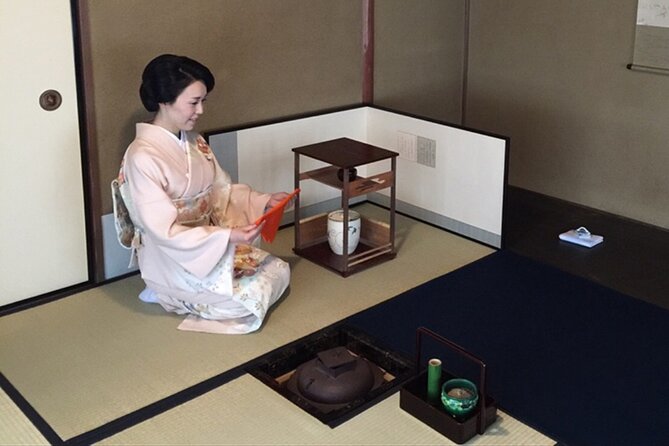
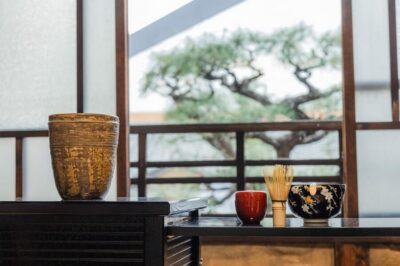
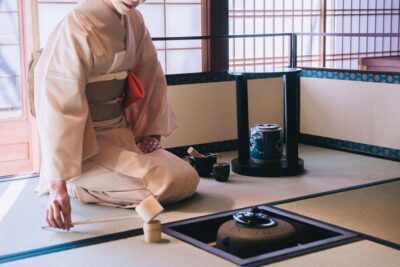
The ceremony takes place in a calm tatami room. You will likely notice that the room feels more like a carefully prepared home than a grand public tea house. That is part of the appeal, but it also sets the right expectation: you are paying for a close look at the tradition, not for a large-scale stage production.
The tea master first introduces the setting and the basic manners of entering, sitting, and receiving tea. One particularly useful detail is the etiquette lesson. You are not expected to know the rules before you arrive, and the explanation helps you understand why each movement matters instead of simply copying it.
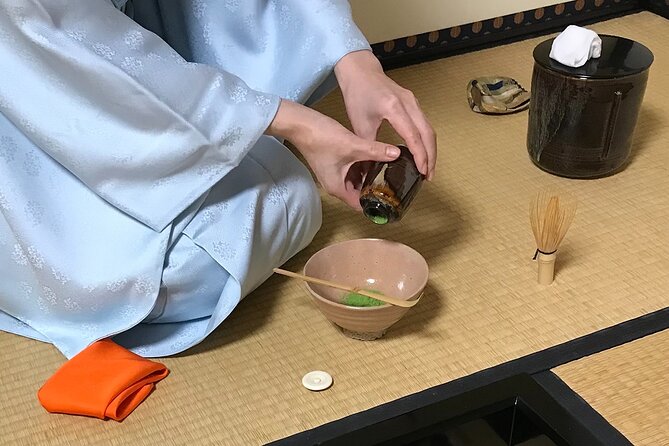
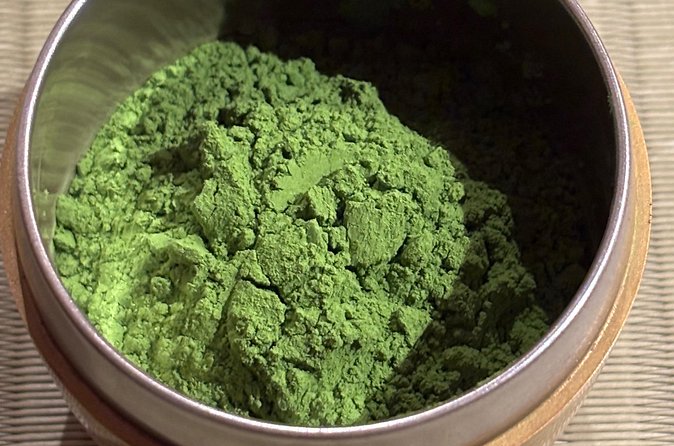
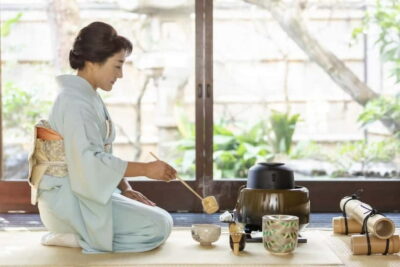
Next comes the demonstration. The tea master handles the utensils with measured, deliberate movements, preparing matcha from Kyoto producers. The ceremony’s quiet is important. You will not be watching a fast cooking demonstration with constant commentary. The pauses give you time to notice the placement of the tools, the order of the actions, and the care given to a very small bowl of tea.
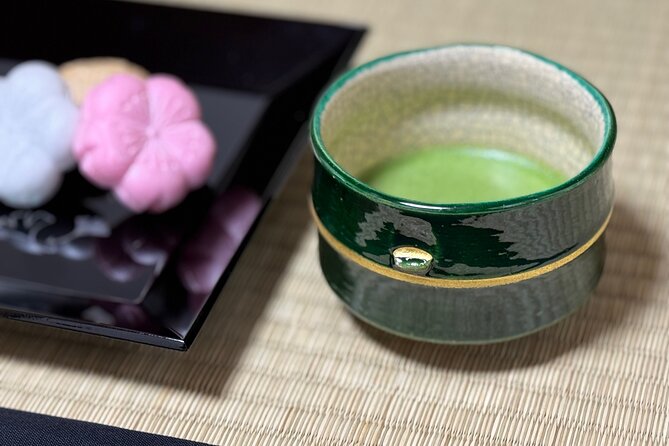
A seasonal Japanese sweet accompanies the matcha. This is more than a snack added to the ticket. Traditional sweets are often served with matcha because their sweetness balances the tea’s grassy, slightly bitter flavor. The exact sweet changes with the season, so you should expect a traditional Japanese confection rather than a standard packaged dessert.
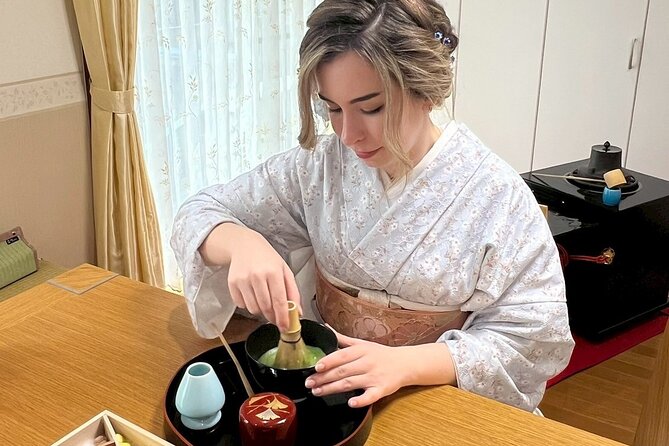
The final part is hands-on. After watching the tea master, you get to prepare matcha yourself. This is where the activity becomes more than a demonstration. You can feel how much control and practice go into producing the right texture, and you can ask questions as you work.
More tea ceremonies in Kyoto:
- Kyoto: Tea Ceremony in a Traditional Tea House in Kiyomizu
★ 4.9 · 3,519 reviews - Kyoto: Tea Ceremony Ju-An at Jotokuji Temple
★ 4.9 · 3,207 reviews - Kyoto: 45-Minute Tea Ceremony Lesson Experience
★ 4.3 · 2,378 reviews
The quiet setting is the real feature
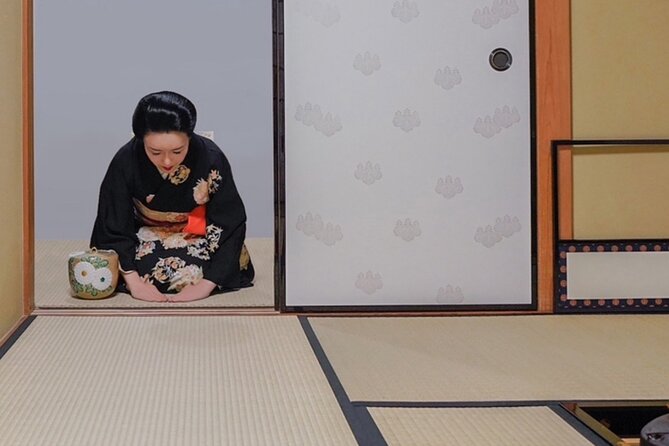
Kyoto offers tea ceremonies in many forms. Some include kimono dressing, elaborate interiors, gardens, or large groups arranged for a quick cultural stop. This experience takes a quieter route.
The private-house setting creates intimacy. A solo participant can receive warm attention, and a couple or family does not have to compete with a packed room. The group cap is listed as eight people, which is small enough for the host to explain the process and answer questions.
That setting also means the experience may feel plain. One person described it as authentic but not fancy, with the atmosphere of being in someone’s house. That is a fair description. If you want polished décor, theatrical staging, or a picturesque tea garden, you may find the room less impressive than expected.
I see the simplicity as a useful trade-off. The ceremony is less about visual spectacle and more about concentration. The host’s movements become the focus. Several accounts praise the calm, graceful pace, and one especially positive account describes the silence during the preparation as relaxing rather than uncomfortable.
Still, comfort can vary by season. A November visit was described as quite cold because the house was kept cool. If you are visiting in late autumn or winter, wear warm layers. Traditional rooms do not always provide the same heated comfort as a modern hotel lounge.
Why the matcha preparation matters
Matcha is not just green tea poured into a cup. Powdered tea is whisked with hot water, and the preparation involves specific tools, movements, and manners. The ceremony gives you a practical introduction to that process.
The tea master’s preparation is worth watching closely. Notice the order of the utensils and the economy of each motion. You do not need prior knowledge, and the hosts explain the process in a way that helps first-time participants feel at ease.
The best part for many people is making the tea themselves. You are not simply seated as an audience member while an expert performs. You have a chance to handle the process and see how the finished drink changes with your technique.
The taste can surprise you. Matcha has a strong, savory, vegetal character, and the seasonal sweet is there for a reason. Take a small bite of the sweet before drinking the tea, then notice how the flavor changes. That simple pairing gives you a better sense of the custom than drinking matcha alone in a café.
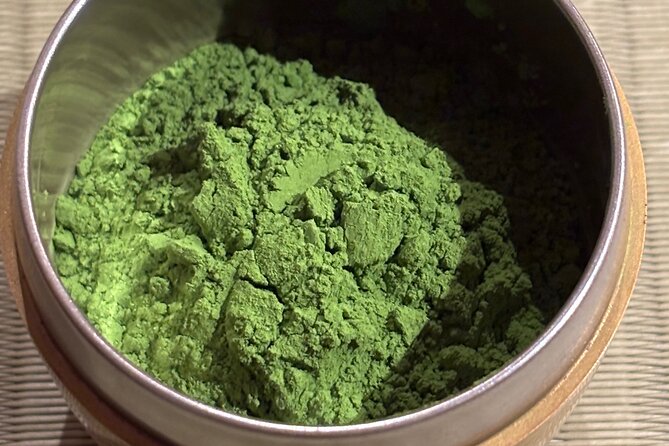
The quality of the tea is another praised feature. The experience promises premium matcha sourced from Kyoto producers, and several accounts describe the tea as especially flavorful. Taste is personal, of course, but this is not presented as an ordinary green tea stop.
Hosts, explanations, and language
Mai is the host named most often in the supplied material. She is described as graceful, warm, precise, and able to explain both the practical steps and the aesthetic side of the ceremony. Another host was newer but able to answer questions well, so the exact style may depend on who leads your session.
English support is available. One family specifically appreciated that one of the hosts spoke clear English and explained the ceremony so everyone could follow it. That matters because tea ceremony etiquette can feel mysterious if instructions are vague.
You should expect explanation before and during the preparation, along with time for questions. The question-and-answer portion can be one of the most useful parts for visitors who want cultural context rather than only a pretty ritual.
The experience is also suitable for families. One account describes children enjoying the ceremony, with the host offering Oreos when the traditional sweet did not suit them. That is a small but telling detail: the hosts appear willing to keep the mood welcoming rather than insisting that every child enjoy the formal confection.
The tone is gentle, not stern. You will learn proper manners, but you will not be treated as if you should already know them. That makes this a sensible first tea ceremony for someone who wants guidance without pressure.
A completely different side of Kyoto:
- PERFECT KYOTO 1-Day Bus Tour
★ 5.0 · 13,518 reviews - Kyoto: Fushimi Inari, Kinkakuji, Bamboo Grove 1 Day Bus Tour
★ 4.8 · 4,316 reviews - Kyoto Geisha Walking Tour: Gion District & Hidden Gems
★ 4.7 · 3,273 reviews - Kyoto: Gion Magical Night Walking Tour with Geisha Trivia
★ 4.9 · 2,393 reviews
Photos, kimono, and the limits of the experience
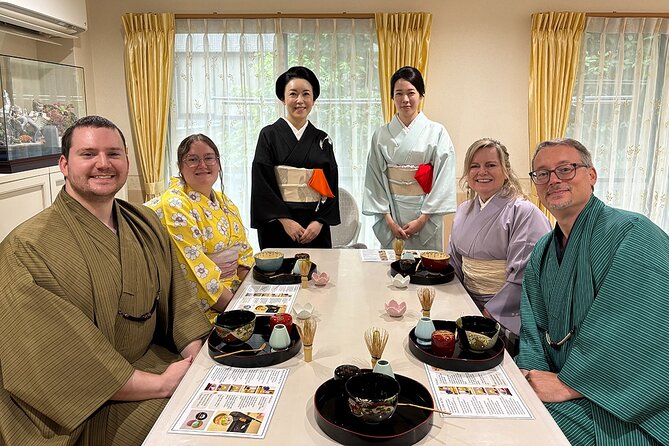
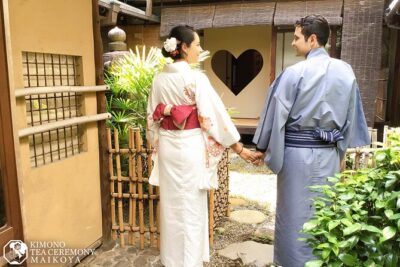
Set your expectations before booking. Kimono rental is not included. You will attend in your own clothing, and this is not a dressing-and-tea package.
Photography is also limited. You can take pictures before and after the ceremony, but photos and video are not allowed during the tea performance. The restriction protects the quiet atmosphere and keeps phones from distracting everyone while the tea master works.
That policy will disappoint you if your main goal is a series of photographs showing every stage. It is a reasonable rule if your priority is paying attention to the ritual itself. Put your phone away during the performance and plan your pictures around the beginning and end.
The ceremony can also feel rushed to some people. Forty-five minutes is enough for a focused introduction, demonstration, sweet, and hands-on preparation. It is not enough for a long formal tea gathering with extensive history, multiple bowls of tea, or a leisurely garden visit.
The price, $56.49 per person, reflects that compact format. I think the cost is fair if you value a small group, an English explanation, the sweet and matcha, and the chance to participate. It is less convincing if you are comparing it with a longer experience that includes kimono rental, photos, or a more elaborate venue.
Getting to the meeting point in Nakagyo Ward
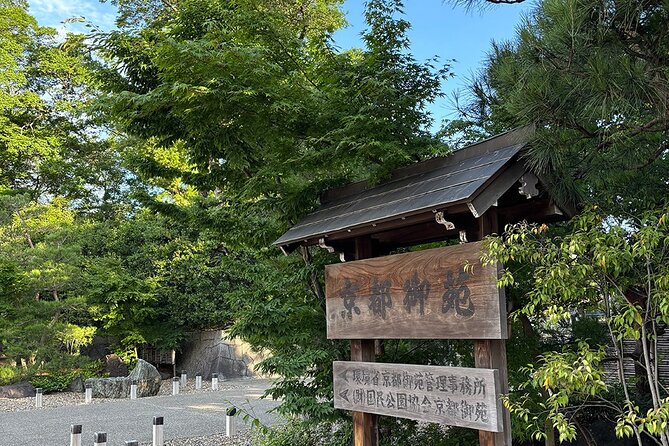
The listed meeting point is 450-1 Sanbongichō, Nakagyo Ward, Kyoto, 604-0871, Japan. The activity is near public transportation, but the information provided does not name a particular station or give walking directions.
Use the full address when planning your route. Kyoto addresses can be confusing, and arriving at the wrong nearby street could make a short activity feel unnecessarily stressful. Confirmation is provided at booking, so check the message for the exact meeting instructions before leaving.
Allow enough time to arrive early without entering before your scheduled start. One account describes a minor interruption caused by people arriving too early. That is a useful reminder that a quiet ceremony depends on a calm handoff between groups.
The listed duration is approximately 45 minutes, and the activity returns to the starting point. That makes it easy to place before lunch, after a morning of sightseeing, or between other central Kyoto plans. Do not schedule a major timed attraction immediately afterward if you want room for navigation or a late start.
The booking information says the maximum is eight participants. The host description refers to private small groups up to ten, but the booking details give the more conservative working limit. If group size matters to you, rely on the eight-person maximum when deciding.
Who will get the most from this tea ceremony
I would recommend this experience to a first-time visitor who wants a clear, manageable introduction to Japanese tea culture. You receive enough explanation to understand the gestures, and the hands-on portion gives you a lasting memory of the preparation.
It also fits couples and small groups looking for a peaceful pause in Kyoto. The room’s quiet atmosphere can be a welcome change after busy sightseeing streets. A solo visitor should feel comfortable here as well, since the intimate format allows direct attention from the hosts.
Families can consider it, especially if children can sit quietly for a short period and follow simple instructions. The hosts appear attentive to younger participants, but the formal setting may not suit very restless children.
This is a good choice for you if you care about:
- Learning the basic ritual instead of only taking pictures
- Tasting matcha with a seasonal sweet
- Asking questions in a small group
- Taking part in the preparation
- Spending 45 calm minutes in a traditional room
You may prefer another option if you want kimono dressing, ceremony photos, a large garden, a highly decorated venue, or a long formal session. The experience is authentic in the sense that it takes place in a tea master’s private home and follows traditional practice, but it is not designed as a luxury production.
Value, timing, and booking advice
At $56.49, this is not a cheap cup of tea. The price covers instruction, the host’s time, premium matcha, seasonal sweets, and a small-group format. You are also paying for access to a private setting rather than simply ordering matcha in a restaurant.
The value improves if you use the experience as a cultural lesson. Watch the details, ask why certain actions happen, and take your turn preparing tea. If you sit back and treat it as a quick tasting, the cost may feel high for 45 minutes.
The experience is commonly booked about six days ahead. That suggests you should reserve it before your Kyoto schedule fills, especially if you need a particular time or are traveling with a small group. Confirmation arrives at booking, and free cancellation is available up to 24 hours before the start time.
Cancellations made within 24 hours are not refunded, and changes inside that window are not accepted. Kyoto plans can shift with weather and transport, so keep that cutoff in mind before finalizing your day.
Service animals are allowed, and the activity is near public transportation. The supplied details do not describe wheelchair access, seating requirements, or dietary substitutions, so contact the provider before booking if any of those points affect you.
Should you book the Omotenashi tea ceremony?
Book it if you want a quiet, participatory introduction to matcha in a small private setting. The strongest reasons are the graceful demonstrations, the seasonal sweet, the chance to prepare your own tea, and the care shown by hosts such as Mai.
Skip it if you are mainly seeking kimono photos, grand architecture, or a long ceremony. The room is simple, photography stops during the performance, and 45 minutes can feel short if you want a full cultural workshop.
For the right visitor, this is a thoughtful Kyoto pause. Arrive on time, wear warm layers in cool weather, leave your camera away during the ritual, and treat the silence as part of the experience rather than empty space.
FAQ
How long does the Kyoto tea ceremony last?
The experience lasts approximately 45 minutes.
What is included in the price?
The experience includes matcha tea, a traditional Japanese seasonal sweet, instruction from a tea master, and the tea preparation demonstration and activity.
Where does the tea ceremony meet?
It meets at Omotenashi Tea Ceremony 南茶道教室, 450-1 Sanbongichō, Nakagyo Ward, Kyoto, 604-0871, Japan.
Where does the experience end?
It ends back at the meeting point.
How many people can join?
The booking information lists a maximum of eight participants. The host description refers to private groups of up to ten, so check your confirmation if group size is important.
Is kimono rental included?
No. Kimono rental is not included in this tea ceremony.
Can I take photos during the ceremony?
Photos are allowed before and after the ceremony, but not during the tea performance. The restriction helps preserve the quiet atmosphere.
Is the experience suitable for first-time participants?
Yes. The tea master explains the etiquette and preparation process, and you have the opportunity to make the tea yourself. No prior tea ceremony experience is stated as a requirement.
What is the cancellation policy?
You can cancel at least 24 hours before the start time for a full refund. Cancellations or changes made less than 24 hours before the experience are not accepted and are not refunded.
Recently added around Kyoto
- Higashiyama | Kyoto: Sakura Season Private Rickshaw Tour★ 5.0 · 3 reviews
- Kyoto Kimono Rental CHAMATSU|Kimono/Yukata Rental FamilyPlan★ 5.0 · 3 reviews
- Kyoto: Half-Day Private Guided Tour to the Old Town of Gion★ 4.4 · 3 reviews
- Nara Private Customizable Half Day Tour★ 5.0 · 3 reviews
- Kansai Region Hiking Adventure in Nara Kobe Kyoto and More★ 5.0 · 3 reviews
- Full Day Nara Deer, Temple, Shrine, Activities & Tea Ceremony★ 5.0 · 3 reviews
- Nara: Essential Private Tour with Deer Park and Temples★ 5.0 · 3 reviews
- Hiking Tour for Sacred Sites in Kyoto with a Guide★ 5.0 · 3 reviews
Kyoto Tea Ceremony Experiences, compared.
Tea Ceremony in a Traditional Tea House in Kiyomizu
Read our review →
Tea Ceremony in 100-year-old Kyo-Machiya Townhouse
Read our review →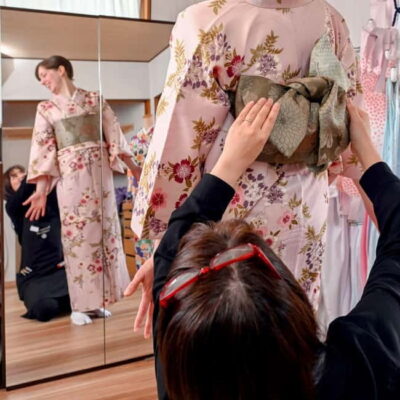
Browse the lists this tour appears in