
REVIEW · KYOTO TEA CEREMONY EXPERIENCES
KYOTO: Private Tea Ceremony in Hidden Townhouse (Kid-Friendly)
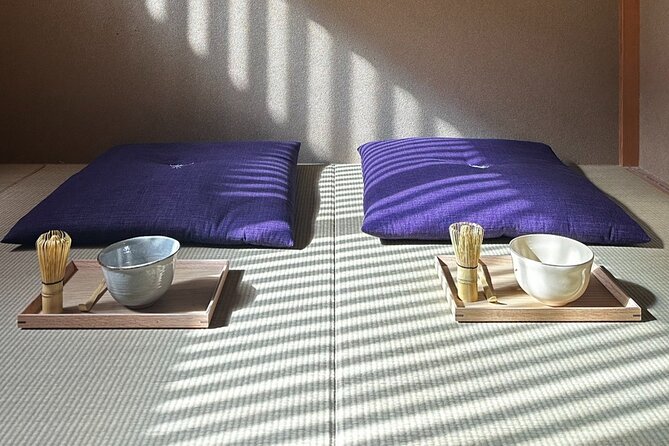
A quiet townhouse in Kyoto becomes your classroom for a private matcha experience. You watch footage of tea plantations, grind matcha powder with a stone mill, see a tea ceremony demonstration, then make and taste your own tea. It is a much more personal setup than sitting in a large group.
I like the one-on-one attention and the fact that you learn a method you can try at home. I also like the family-friendly pace, with time for photos and a hands-on activity rather than a ceremony you only watch. The main drawback is the short 45-minute duration, so you should expect a focused introduction, not a full study of Japanese tea culture.
In This Review
- Key points to know before booking
- Entering a private Kyoto townhouse for tea
- Watching tea plantations before making your cup
- Grinding matcha powder with a stone mill
- Watching the tea ceremony demonstration
- Making and tasting your own matcha
- Finishing with a matcha latte
- Why the private format matters for families
- Is $51.24 a fair price for 45 minutes?
- Where it fits into a Kyoto day
- What the experience does especially well
- Who should book this tea ceremony?
- Booking and cancellation details
- Should you book this private matcha experience?
- FAQ
- Where does the private tea ceremony take place?
- How long does the experience last?
- Is the experience private?
- Are children allowed to take part?
- What activities are included?
- Can I make matcha myself?
- Can I take photos during the experience?
- What is the price?
- What is the cancellation policy?
Key points to know before booking
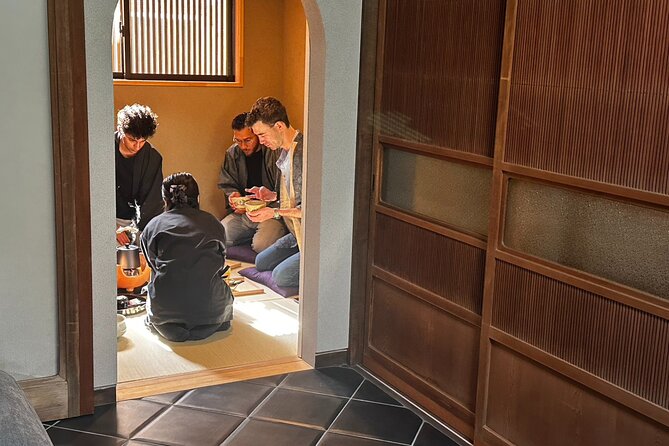
- A private townhouse setting: Only your own group takes part, which gives the session a calm, personal feel.
- Stone-milled matcha: You get to make matcha powder with a traditional stone-milling step before preparing the tea.
- A full hands-on sequence: The experience moves from tea plantation footage to demonstration, tea making, tasting, and matcha latte preparation.
- Suitable for children: The private format makes it easier for families to take part at their own pace.
- Personal guidance from Yuki: Yuki is described as polite, friendly, and careful in explaining the process.
- A short Kyoto activity: At about 45 minutes, it fits neatly into a day of sightseeing.
Entering a private Kyoto townhouse for tea
The setting shapes this experience from the start. You meet at WOM-Way of Matcha, at 863-41 Jurakucho in Kyoto’s Kamigyo Ward, and the activity ends at the same place. Rather than joining a large class, you spend the session with only your own group.
That matters if you want to ask questions freely or take your time with the practical parts. A private appointment can also be useful with children, since your group is not trying to match the rhythm of strangers. The host can focus attention on your party, and you can enjoy the ceremony without worrying about keeping perfectly quiet or moving through a crowded room.
The townhouse setting also gives the activity a more intimate tone than a formal tourist production. You are not simply shown a cup of matcha and sent on your way. The session is arranged as a small lesson, with several connected stages that explain how the drink reaches your bowl.
I would keep your expectations sensible. The activity lasts around 45 minutes, so this is an introduction rather than an extended tea-school lesson. You will get a taste of the ritual, the tools, and the preparation method, but not an exhaustive account of every tea tradition in Japan.
More tea ceremonies in Kyoto:
- Kyoto: Tea Ceremony in a Traditional Tea House in Kiyomizu
★ 4.9 · 3,519 reviews - Kyoto: Tea Ceremony Ju-An at Jotokuji Temple
★ 4.9 · 3,207 reviews - Kyoto: 45-Minute Tea Ceremony Lesson Experience
★ 4.3 · 2,378 reviews
Watching tea plantations before making your cup
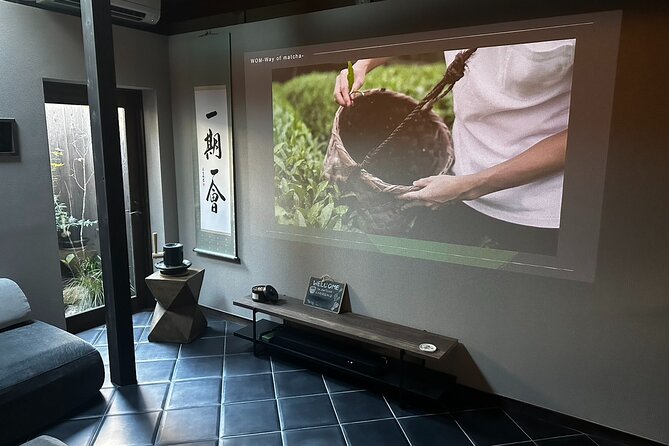
The first step is footage of tea plantations. This gives you a useful visual starting point before the hands-on work begins. Matcha can seem like a simple green powder, but seeing where tea is grown helps connect the finished drink with its agricultural source.
For younger children, this opening section may be less active than the later stages. Still, it gives the host a chance to explain what you are about to handle and why the powder is prepared in a particular way. If your family is eager to start whisking, remember that the short film is part of the lesson, not filler.
I like this order because it moves from broad context to practical work. You first see the setting where tea begins, then take part in turning it into something you can drink. That structure makes the experience easier to follow, especially if you have never attended a tea ceremony before.
The available information does not specify the length of the film or the plantations shown. You can expect a short visual introduction, not a full documentary. The value is in giving the ceremony a little background before you begin.
Grinding matcha powder with a stone mill
The stone-milling stage is one of the more unusual parts of the session. You make matcha powder with a stone mill, rather than only receiving a ready-made bowl of tea. This adds a physical task to the experience and helps you see that matcha preparation begins well before the whisk appears.
The process also slows the pace in a useful way. Tea ceremonies are built around careful movements, and grinding powder gives you a direct sense of that patience. Children may enjoy this stage because it feels like making something, not just listening to an explanation.
You should not expect to produce a large amount of powder in a few minutes. The point is to experience the method and understand the work involved. The session is designed for a taste and demonstration, not for preparing a supply to take home.
I see this as a strong feature for anyone comparing several tea activities in Kyoto. Many short cultural sessions focus only on pouring and drinking. Here, you get an extra step that links the finished matcha to its preparation.
Watching the tea ceremony demonstration
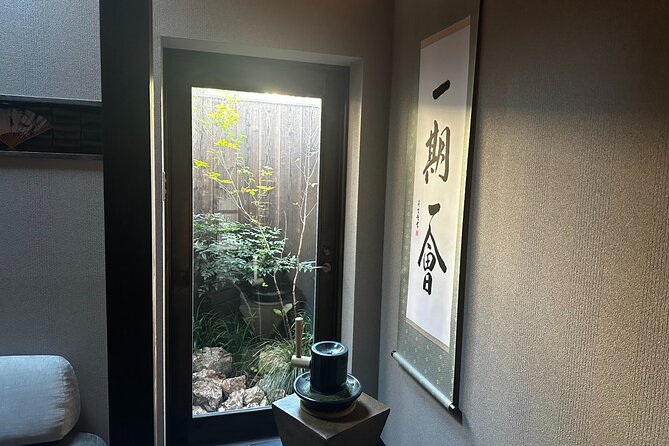
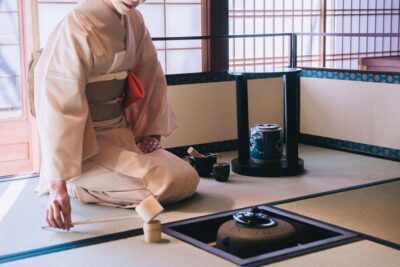
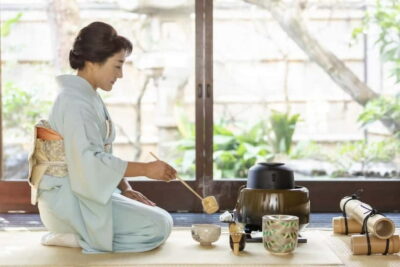
Next comes a tea ceremony demonstration. This is your chance to watch the host arrange the preparation in a traditional sequence before you try it yourself.
The demonstration gives you a clear model to copy. You can pay attention to the way the matcha is handled, how the tools are used, and how the bowl is prepared. Since the session is private, you should have a better chance to see what is happening than you would in a crowded class.
Yuki is named in the feedback as the person who led one particularly well-received session. The description of Yuki is consistent: polite, friendly, and careful with explanations. That combination matters here, since the ceremony has its own etiquette and movements. A rushed instructor could make the process feel stiff or confusing, while a patient one can make it approachable.
Keep in mind that a demonstration is not the same as attending a long formal tea ceremony. The purpose here is to introduce you to the form and then let you participate. If you want a highly ceremonial event lasting several hours, this is not that kind of booking.
More Kyoto days that work with children:
- Kyoto:Family-Friendly Kimono & Yukata Experience at WARGO
★ 5.0 · 147 reviews - Kyoto : Family-Friendly Sword Lesson at Samurai Ninja Museum
★ 4.4 · 14 reviews - Kyoto: Family-Friendly Private Tour with Driver-Guide
★ 4.0 · 11 reviews - Private Kyoto Family Tour with a Local – 100% Personalized
★ 5.0 · 9 reviews
Making and tasting your own matcha
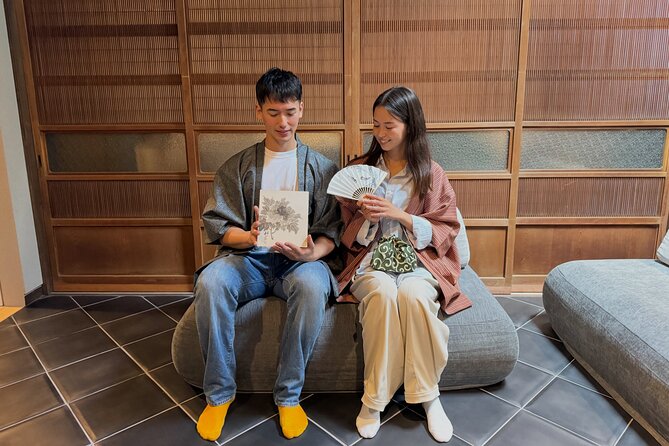
The heart of the activity is the hands-on tea making. After watching the demonstration, you prepare your own cup and taste it. This is where the earlier plantation footage and stone-milling step come together.
For many people, this will be more memorable than simply drinking matcha prepared by someone else. You get to feel involved in the process and can repeat the basic preparation at home. The experience specifically aims to teach techniques you can recreate, which gives the session value beyond your time in Kyoto.
Your cup may not look like a professional tea master’s first attempt, and that is part of the fun. The activity is structured so beginners can follow along. The host explains the steps, and the private setting gives you room to ask for help if the texture or technique does not come out as expected.
The tasting portion also lets you notice matcha as a drink rather than treating it only as a photo opportunity. You can see how the powder, water, and whisking affect the final cup. The supplied information does not state the exact tea variety, serving size, or water temperature, so I would not book this expecting a detailed tasting menu.
Finishing with a matcha latte
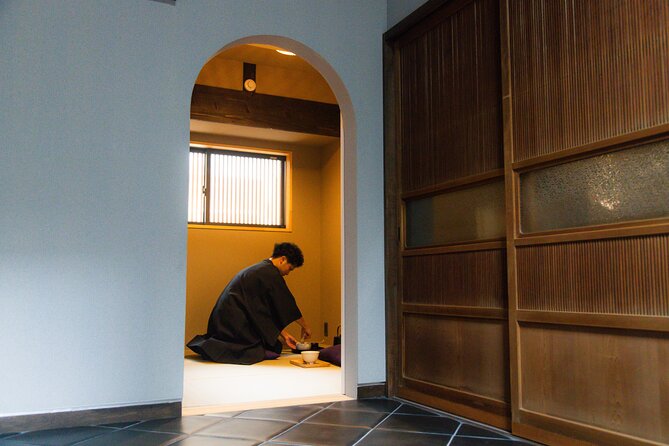
The experience also includes making a matcha latte. This is a smart addition for visitors who find traditional matcha too strong or unfamiliar. You get the formal preparation and tasting, then a more casual version that may appeal to children.
The latte step makes the lesson easier to carry into daily life. At home, you may be more likely to prepare a latte than to recreate every part of a formal tea ceremony. It gives you another way to use the matcha technique after your Kyoto visit.
For families, this may be the most popular part of the session. Children can take part in making a drink that feels familiar, while adults can focus on the ceremony and the cultural meaning behind it. The private format lets your group enjoy both without needing to choose one style.
The activity does not provide details about the milk, sweetener, or exact latte recipe. You should think of it as a guided preparation and tasting rather than a complete barista workshop. Still, it adds variety to a short session and keeps the activity from ending with only a potentially bitter cup of plain matcha.
Why the private format matters for families
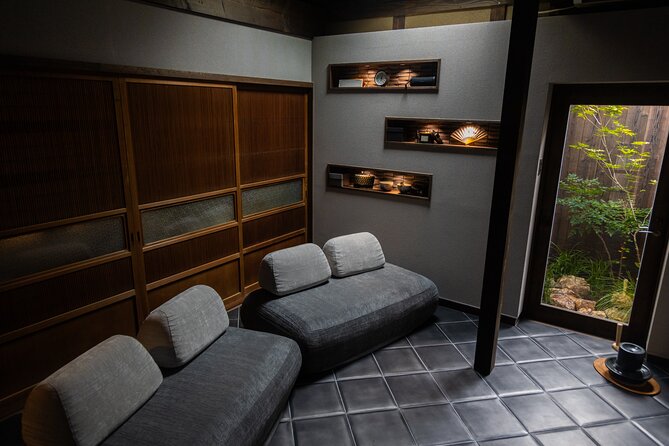
The family-friendly design is one of the clearest reasons to choose this experience. Children are welcome, and only your group participates. That makes the activity easier to manage than a public ceremony with strict timing and unfamiliar people nearby.
You can take photos during the experience, too. The opportunity is built into the session, so you do not have to choose between paying attention and hurriedly taking a picture at the end. I would still keep your camera use respectful during the demonstration, but the experience allows time to record the occasion.
A private class can be especially helpful if members of your group have different levels of interest. One person may want to learn the details, another may care most about tasting, and a child may prefer the latte. With only your party present, the session can feel less rigid.
There is one tradeoff. Private activities often cost more per person than large group classes, and this one is priced at $51.24 per person. You are paying for privacy, personal attention, and a hands-on format, not for a long event or a full meal.
Is $51.24 a fair price for 45 minutes?
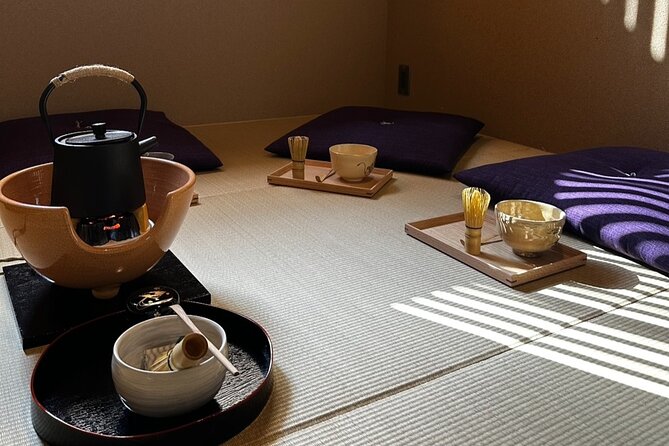
At $51.24 per person, this is not the cheapest way to sample matcha in Kyoto. A quick drink at a cafe will cost far less, but a cafe does not give you the private townhouse setting, the stone-milling step, the demonstration, and direct guidance as you make your own tea.
The value depends on what you want from the activity. If you only want to taste matcha, the price is hard to justify. If you want a small cultural lesson that includes participation and a take-home technique, the cost becomes easier to understand.
The group size is important here. The booking is private, so your payment buys an experience reserved for your party rather than a seat in a large class. That can be worth more to families, couples, and small groups who want a relaxed pace and a chance to ask questions.
The 45-minute length keeps the commitment modest. You can fit it between other Kyoto plans without giving up half a day. On the other hand, the short schedule limits how much detail the host can cover. I would consider the price reasonable for a focused private introduction, but not if you are seeking a long, formal ceremony with extensive cultural instruction.
Where it fits into a Kyoto day
The meeting point is in Jurakucho, in Kyoto’s Kamigyo Ward. The exact experience begins and ends at WOM-Way of Matcha, so there is no separate sightseeing route or transport segment included in the activity.
That simple arrangement makes planning easier. You can place it beside other plans in the same general area, though the supplied details do not identify nearby attractions or give travel times from Kyoto Station. Check your route before booking and allow enough time to reach the townhouse.
Because the activity is short, it works well as a morning or afternoon stop. You could also use it as a quieter break between more demanding sightseeing visits. The private format and indoor setting make it a useful change of pace after walking through Kyoto’s temples and streets.
The mobile ticket is convenient. You can keep the booking on your phone rather than arranging a printed voucher. Confirmation is received at the time of booking, which helps when you are organizing several Kyoto activities close together.
What the experience does especially well
The most praised qualities are the host’s manner and the personal attention. Yuki is described as polite, friendly, and informative, while another account highlights the host’s kindness and careful explanations. Those details are important because tea preparation can feel intimidating if the instructor treats it as a performance rather than a lesson.
The private setting is the second major strength. You are not watching from the edge of a large group. You take part, ask questions, make tea, and have time for photos with your own companions.
The experience also earns credit for being relaxing. That may sound like a small point, but Kyoto sightseeing can involve crowded lanes, packed buses, and a steady stream of temple visits. Forty-five quiet minutes with a bowl, whisk, and matcha can give your day a welcome pause.
The activity has a high recommendation rate and a 4.9 rating based on 20 ratings. I would treat that as a strong sign that the format is working for people who want a personal cultural activity. It does not remove the need to consider the short duration and price, but it supports the idea that the host and private setup are doing their jobs well.
Who should book this tea ceremony?
I would recommend it most strongly to families with children, couples, and small groups looking for a gentle introduction to Japanese tea culture. You get a clear sequence, practical participation, and enough variety to hold a child’s attention for a short session.
It also suits first-time matcha drinkers. You are shown what to do, then given the chance to make your own cup and try a latte. That makes the experience less intimidating than entering a formal ceremony without knowing what to expect.
This is a good choice if you value personal attention over length. The host can concentrate on your group, and you can ask questions without a public class atmosphere.
I would look elsewhere if your main goal is an extended, highly formal tea ceremony or a detailed tour of tea production. The plantation footage and stone milling offer useful context, but the activity remains a short introduction.
Booking and cancellation details
The experience costs $51.24 per person and accepts mobile tickets. Confirmation arrives when you book, and the activity returns you to its meeting point at WOM-Way of Matcha.
Free cancellation is available if you cancel at least 24 hours before the start time. If you cancel less than 24 hours before the activity, you will not receive a refund, and changes inside that 24-hour window are not accepted. The cut-off follows Kyoto local time, so check the clock carefully if you are changing plans.
Should you book this private matcha experience?
Book it if you want to do more than drink matcha. The stone mill, tea ceremony demonstration, hands-on preparation, tasting, and latte making give you several ways to take part in just 45 minutes.
I especially like it for families because the private format removes much of the pressure that can make formal cultural activities difficult with children. Yuki’s friendly, careful teaching style is another reason to feel comfortable choosing it.
The decision comes down to value. At $51.24 per person, you are paying for privacy and instruction, not quantity. If that sounds worthwhile, this is a focused, personal Kyoto activity with a practical skill you can repeat at home. If you want a longer ceremony or simply a cup of tea, spend your money elsewhere.
FAQ
Where does the private tea ceremony take place?
It takes place at WOM-Way of Matcha, 863-41 Jurakucho, Kamigyo Ward, Kyoto, 602-8156, Japan.
How long does the experience last?
The activity lasts approximately 45 minutes.
Is the experience private?
Yes. Only your own group participates in the activity.
Are children allowed to take part?
Yes. The experience is described as family-friendly, and children are welcome.
What activities are included?
The session includes tea plantation footage, matcha powder preparation with stone milling, a tea ceremony demonstration, hands-on tea making and tasting, and matcha latte making.
Can I make matcha myself?
Yes. You receive step-by-step guidance and have the chance to make your own cup.
Can I take photos during the experience?
Yes. You have time to capture photos of the tea ceremony experience.
What is the price?
The listed price is $51.24 per person.
What is the cancellation policy?
You can cancel at least 24 hours before the start time for a full refund. Cancellations or changes made less than 24 hours before the start time are not accepted for a refund.
Recently added around Kyoto
- Higashiyama | Kyoto: Sakura Season Private Rickshaw Tour★ 5.0 · 3 reviews
- Kyoto Kimono Rental CHAMATSU|Kimono/Yukata Rental FamilyPlan★ 5.0 · 3 reviews
- Kyoto: Half-Day Private Guided Tour to the Old Town of Gion★ 4.4 · 3 reviews
- Nara Private Customizable Half Day Tour★ 5.0 · 3 reviews
- Full Day Nara Deer, Temple, Shrine, Activities & Tea Ceremony★ 5.0 · 3 reviews
- Nara: Essential Private Tour with Deer Park and Temples★ 5.0 · 3 reviews
- Kansai Region Hiking Adventure in Nara Kobe Kyoto and More★ 5.0 · 3 reviews
- Hiking Tour for Sacred Sites in Kyoto with a Guide★ 5.0 · 3 reviews
Kyoto Tea Ceremony Experiences, compared.
Tea Ceremony in a Traditional Tea House in Kiyomizu
Read our review →
Tea Ceremony in 100-year-old Kyo-Machiya Townhouse
Read our review →
Browse the lists this tour appears in