
REVIEW · KYOTO TEA CEREMONY EXPERIENCES
Kyoto: Private Tea Ceremony at local home with tea master
Kyoto’s tea ceremony is not a performance you simply watch. At this private home near Nijo Castle, you learn why the tea bowl turns, how the cloth is folded, and what each careful movement says about Japanese respect and calm. The setting feels personal, and the certified tea master explains the tradition in clear, beginner-friendly English.
I especially like the chance to prepare your own matcha after watching the demonstration, and the serving of two seasonal Japanese sweets made to order. The Uji tea, beautiful bowls, and quiet room add real character. The one-hour schedule is convenient, but it can feel tight at the end if another session follows.
In This Review
- Key points to know
- A quiet introduction to Kyoto’s tea tradition
- Finding the tea room near Nijo Castle
- What happens during the one-hour class
- Watching the demonstration
- Preparing your own bowl of Uji matcha
- Why the private format matters
- The one-hour timing: useful, but a little brisk
- What to wear and what to leave behind
- Accessibility, age, and dietary needs
- Is the $101 price fair?
- How this fits into a Kyoto day
- Should you book this tea ceremony?
- FAQ
- Where does the tea ceremony take place?
- How far is the meeting point from Nijo Castle?
- How close is the experience to a subway station?
- How long does the activity last?
- Is the class private?
- Which languages are available?
- How much matcha is included?
- What sweets are included?
- What should I wear?
- Can children join the ceremony?
- Can the provider accommodate dietary needs?
- Can I cancel the booking?
Key points to know
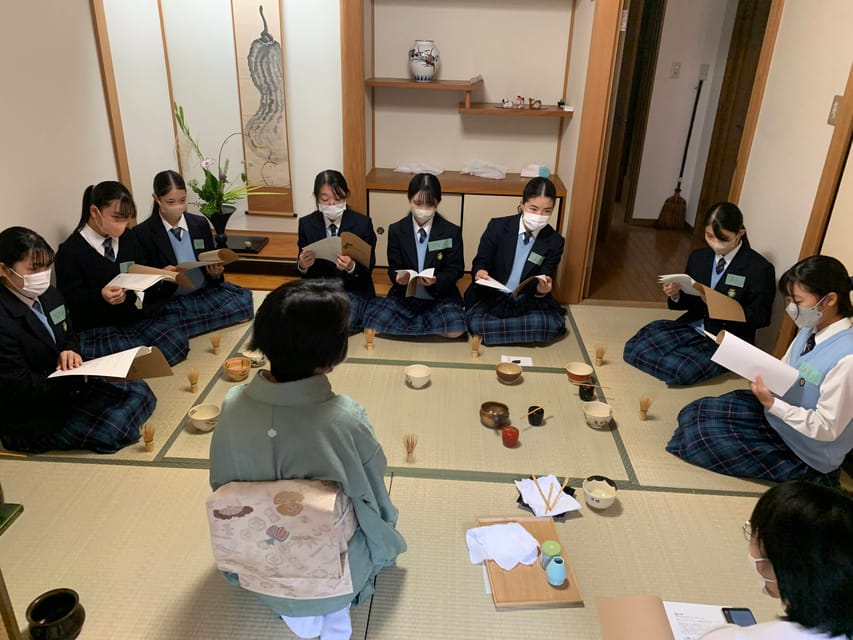
- A local home near Nijo Castle: The tea room is three minutes on foot from Nijo Castle and Nijojomae subway station.
- A private session: You learn in a private group rather than joining a large public class.
- A certified tea master: Aya-san and the instructor explain the history, manners, tools, and meaning behind each action.
- Two cups of Uji matcha: One is served by the tea master, and you prepare another yourself.
- Seasonal sweets made to order: Two kinds of traditional dried sweets balance the strong flavor of matcha.
- Strict tea-room clothing rules: Bring socks and wear long trousers or a long skirt. Shorts, bare feet, perfume, hats, jewelry, and sleeveless shirts are not allowed.
A quiet introduction to Kyoto’s tea tradition
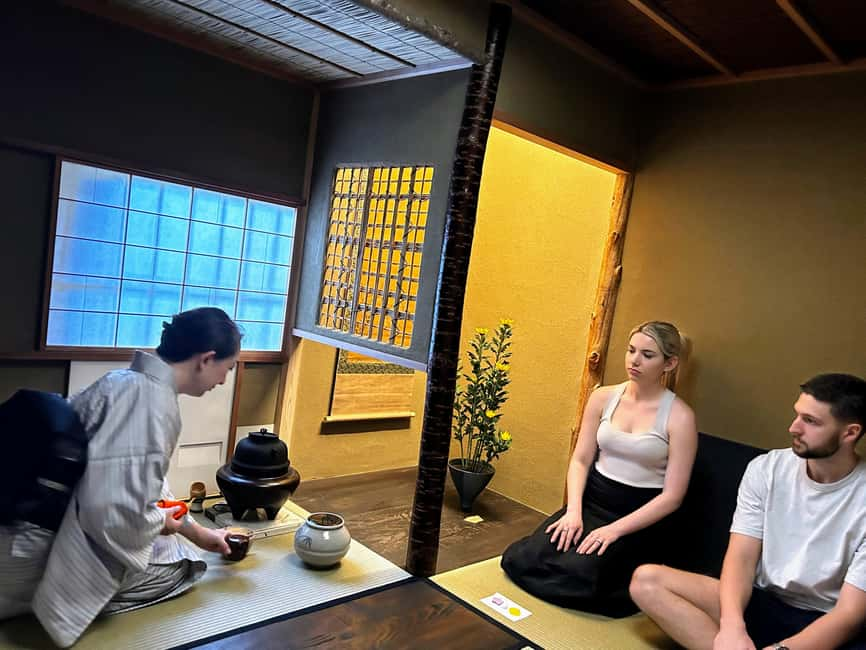
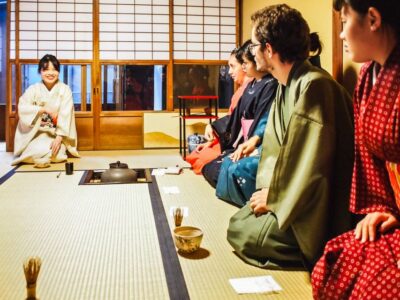
I like this experience because it gives you more than a sweet drink and a photo opportunity. You sit in an authentic tea room inside a local home, then learn how the ceremony connects etiquette, hospitality, seasonality, and careful attention.
The tea master was born and raised in Kyoto and is certified to teach the practice. The class is designed for beginners, so you are not expected to know Japanese terms or memorize a long list of rules. The instructor explains each step in simple language before asking you to try it.
That matters because tea ceremony can look mysterious from the outside. A folded cloth, a bamboo scoop, or the way you hold a bowl may seem like tiny details. Here, those details become the lesson. You begin to see that the ceremony is built from small acts of consideration.
The setting near Nijo Castle also works well for a Kyoto sightseeing day. You can visit the castle or the Kyoto Imperial Palace area before or after the class without crossing the city. Since the session lasts one hour, it fits neatly into a busy itinerary.
More tea ceremonies in Kyoto:
- Kyoto: Tea Ceremony in a Traditional Tea House in Kiyomizu
★ 4.9 · 3,519 reviews - Kyoto: Tea Ceremony Ju-An at Jotokuji Temple
★ 4.9 · 3,207 reviews - Kyoto: 45-Minute Tea Ceremony Lesson Experience
★ 4.3 · 2,378 reviews
Finding the tea room near Nijo Castle
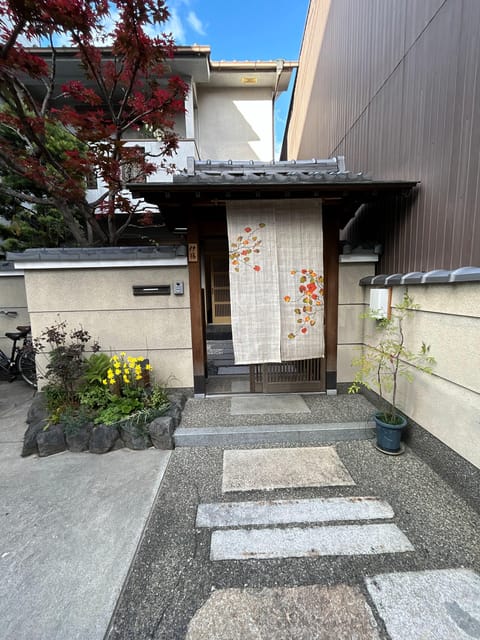
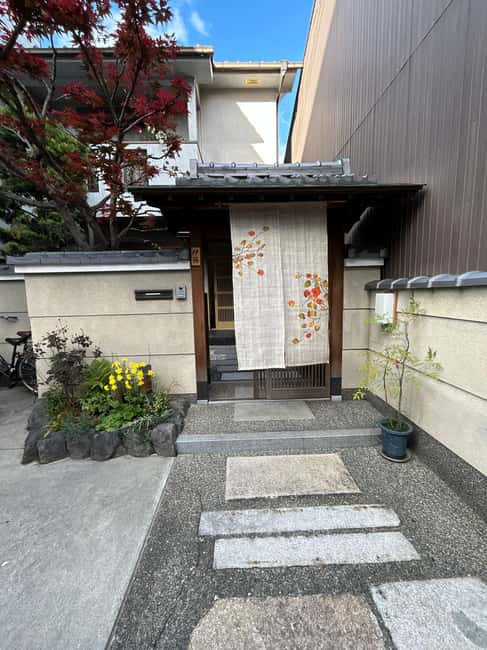
The meeting point is Sakura Japanese Cultural Experience, listed as さくら 日本文化体験. It is about three minutes from Nijo Castle, three minutes from the Kyoto City Bus stop at Nijojomae, and three minutes from Nijojomae Station on the Kyoto subway line.
You can also walk from Shijo on the Hankyu line in about 15 minutes. From Kyoto Station, a taxi takes about 10 minutes, according to the provided directions. The location is particularly useful if you are already visiting central Kyoto and do not want to spend an hour changing trains.
Allow enough time to find the entrance. A tea ceremony begins with composure, and arriving breathless or late works against the mood. You should come ready to remove your shoes indoors and enter the room quietly.
The tea room is in a local home rather than a large commercial venue. That gives the hour a more intimate feel, but it also means you need to respect household and tea-room customs. Shoes stay outside, and the clothing rules are not optional suggestions.
What happens during the one-hour class
The session begins with an introduction to the history and cultural background of Japanese tea ceremony. You learn how the practice developed and how it remains connected to Japanese ideas of hospitality, respect, and concentration.
The opening explanation is useful because it gives a frame for everything that follows. Without it, the gestures might seem slow or overly formal. With it, you can watch for the purpose behind each movement.
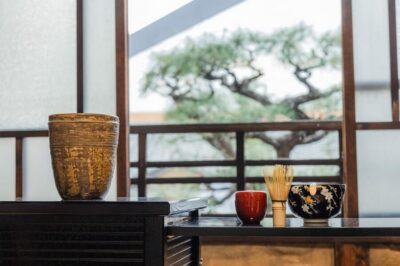
Next, the tea master introduces the main utensils. These include the chawan, or tea bowl, the chasen, or bamboo whisk, and the chashaku, or tea scoop. You learn what each tool does, how it is handled, and why proper care matters.
I appreciate that the lesson includes practical information about maintaining the utensils. This keeps the class from becoming a purely historical talk. You are shown how everyday objects can be treated with care, which is one of the central ideas of the ceremony.
The tea master then explains etiquette for preparing and drinking matcha. You learn how to handle the bowl and how to approach the tea with the right manners. The instructions are simplified for first-time participants, so you should not worry about making a major mistake.
Watching the demonstration
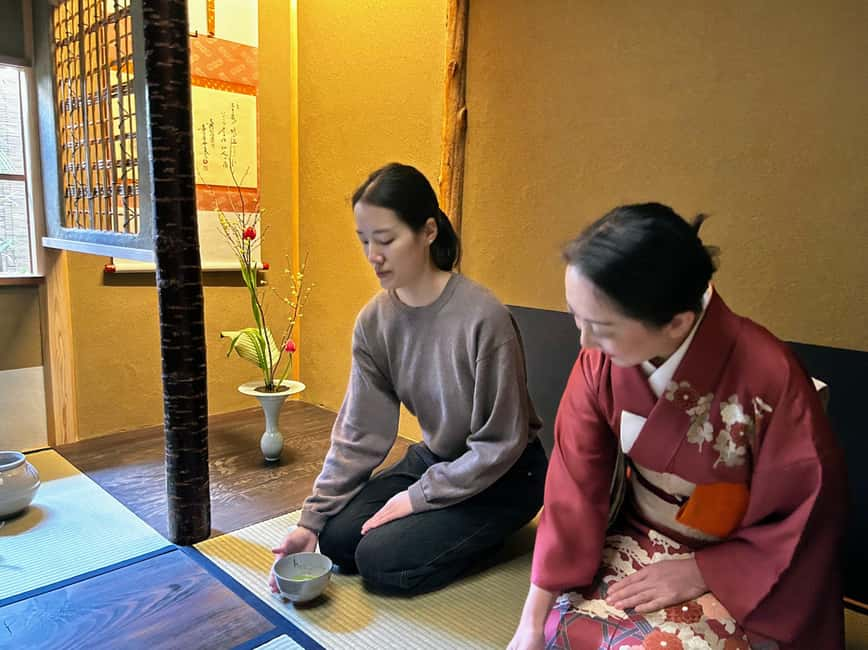
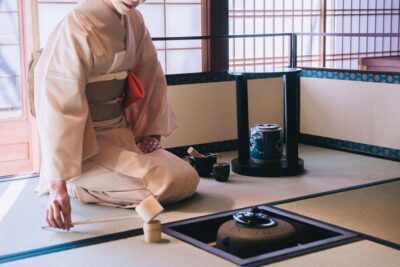
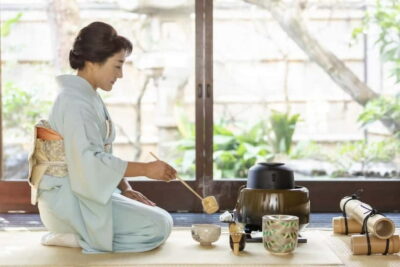
The demonstration is the calm center of the class. The tea master prepares matcha with measured movements, from handling the cloth to scooping the powder and whisking the tea.
The ceremony’s beauty comes from its restraint. Nothing is rushed, and nothing appears accidental. The bowl, utensils, sweets, and seasonal touches all help create the feeling of a carefully prepared meeting.
You receive one bowl of matcha prepared by the tea master. The tea is sourced from Uji in Kyoto, a place well known for matcha production. Matcha has a concentrated flavor that can be grassy, bitter, or pleasantly savory, depending on your taste. The traditional sweets are served to balance it.
Two kinds of Japanese dried sweets are included. They are made to order and designed with seasonal beauty in mind. Their sweetness gives your palate a softer entry into the strong tea, and the shapes add another visual part to the lesson.
Do not expect a large snack or a full meal. This is a focused cultural activity, not a food tour. The sweets are small and ceremonial, which is exactly the point.
A few more Kyoto experiences worth comparing
- Fushimi Inari Hidden Hiking Tour (Private Option Available)
★ 5.0 · 1,750 reviews - Private Kyoto Tour with a Local, Highlights & Hidden Gems, Personalised
★ 5.0 · 1,543 reviews - Kyoto 6hr Private Tour with Government-Licensed Guide
★ 5.0 · 1,369 reviews - 10 Must-see Spots in Kyoto One Day Private Tour (up to 7 people)
★ 5.0 · 1,108 reviews
Preparing your own bowl of Uji matcha
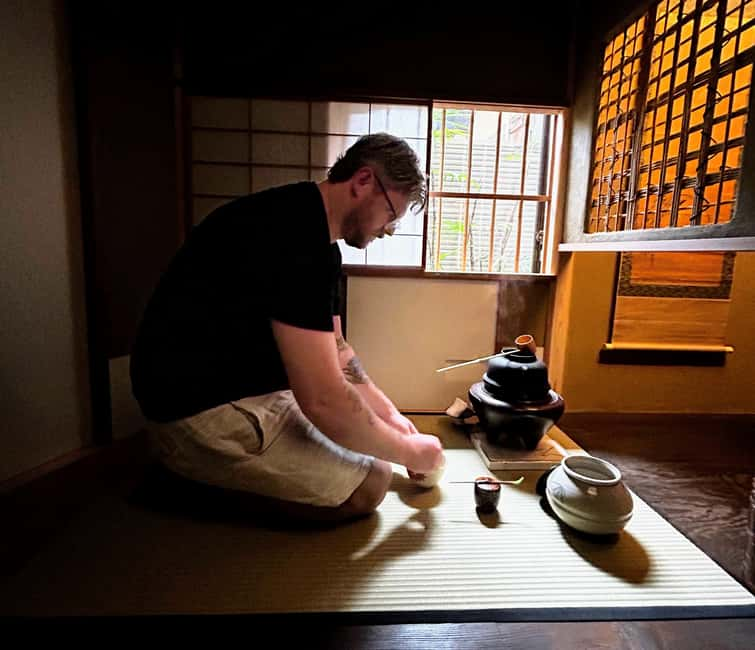
After watching, you get to prepare matcha yourself. This hands-on part is important because it turns the class from a demonstration into a practice session.
You use the traditional tools and follow the teacher’s instructions. The act of whisking requires attention, and you quickly understand why the ceremony values controlled movements. Your bowl may not look exactly like the instructor’s, and that is fine. The teacher is there to guide you through the process.
You also receive a second cup of matcha as part of the experience. The supplied inclusions describe two cups of matcha, along with two kinds of traditional dried sweets. That gives you a chance to taste tea prepared by the master and compare it with the bowl you make.
The class ends with questions and reflection. This is your opportunity to ask about utensils, etiquette, the ceremony’s history, or the meaning of particular gestures. If you have been to a tea ceremony before, you can use this time to ask more specific questions rather than starting from the basics.
Why the private format matters
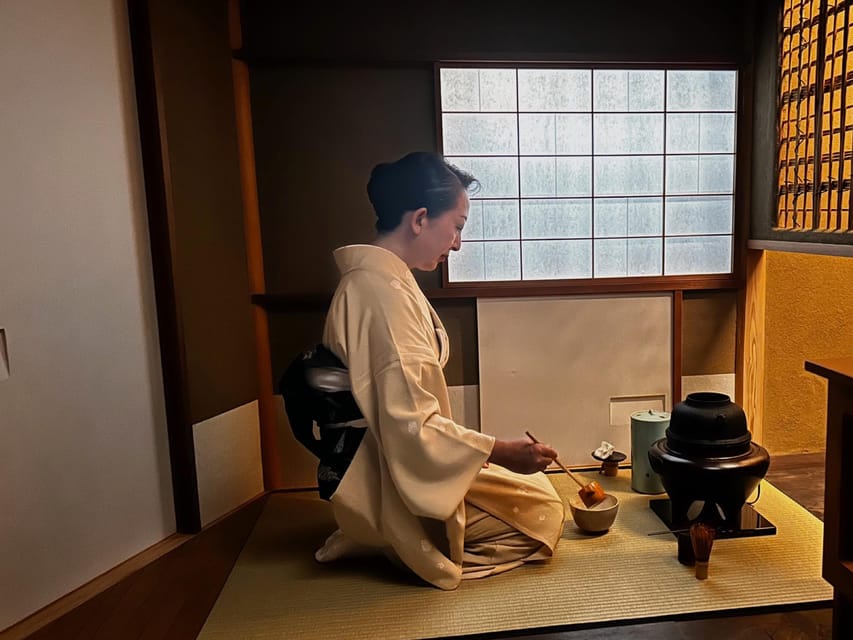
The private-group format is one of the strongest reasons to choose this class. You can ask questions without speaking over a large crowd, and the teacher can watch your handling of the bowl and whisk.
The local-home setting also changes the tone. It feels less like a stage show and more like being welcomed into someone’s cultural practice. One participant specifically appreciated Aya-san’s warm welcome into her home, along with the meticulous movements and beautiful bowls.
That personal setting does require good manners. Keep your voice low, follow the instructions, and avoid treating the room as a filming location. Video recording and audio recording are not allowed. Photography is not specifically described in the information provided, so ask the instructor before taking pictures.
The experience is offered in English and Japanese. The explanations are intended for beginners, with complex terms and actions broken into manageable steps. That makes it a reasonable choice if you have no previous connection to tea ceremony.
The one-hour timing: useful, but a little brisk
One hour is enough to cover the essentials. You receive cultural background, a utensil lesson, an etiquette explanation, a demonstration, hands-on matcha preparation, sweets, and time for questions.
The short duration is also convenient. You can place the class between sightseeing stops at Nijo Castle and the Imperial Palace area. It does not consume half a day, and the central location reduces transit time.
Still, you should understand the tradeoff. A tea ceremony has a deliberate pace, but the class must fit its fixed hour. One person found the end a little rushed when another group was arriving. If you want a long, meditative ceremony with extended conversation, this may feel compressed.
I would arrive early, wear the required clothing, and keep your questions focused. That gives you the best chance of enjoying the quiet parts without feeling hurried at the finish.
What to wear and what to leave behind
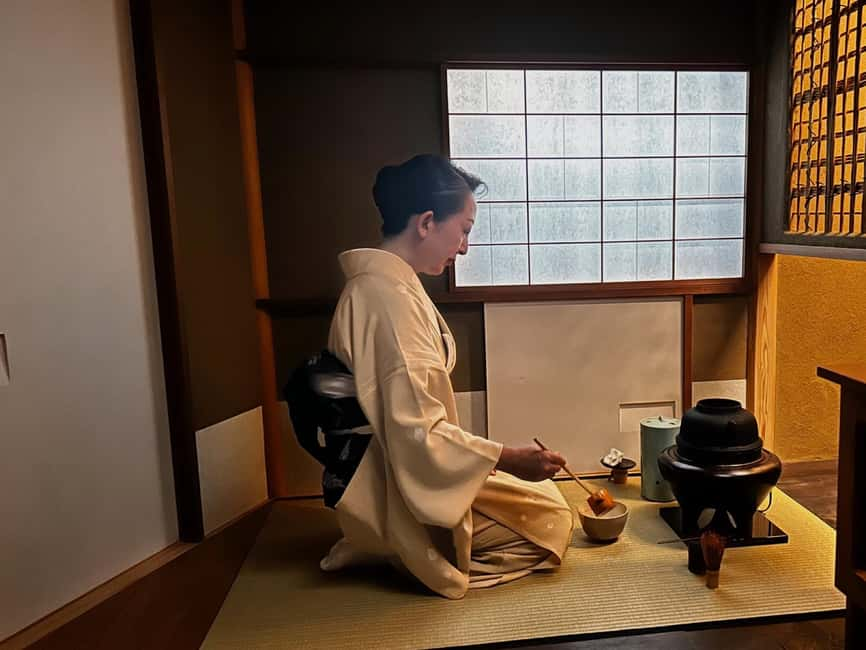
The clothing rules deserve attention because they affect your comfort and your ability to enter the tea room.
Wear long trousers or a long skirt and bring socks. Shorts and short skirts can make sitting in the tea room uncomfortable, while bare feet are not allowed. Socks are available for purchase if you arrive without them, but bringing your own is simpler.
Avoid the following:
- Perfume or strong fragrance
- Hats
- Sleeveless shirts
- Jewelry
- Shorts
- Short skirts
- Bare feet
- Indoor shoes
- Alcohol or drugs
- Smoking and vaping
Comfortable clothing is best. You may spend time sitting in a traditional tea-room position, so avoid anything restrictive. The instruction specifically asks for long pants or a long skirt, and you should treat that as a firm requirement.
Accessibility, age, and dietary needs
The activity is wheelchair accessible, which makes it more practical for many visitors than a traditional tea room with difficult access. The supplied information does not explain the exact seating arrangement or restroom setup, so contact the provider if you need specific mobility details.
Children under 13 are not suitable for this class. The quiet setting, formal manners, and seated preparation make it better for teenagers and adults who can follow the tea-room rules.
The experience accommodates LGBTQ participants, halal needs, vegans, and various allergies. You should communicate your needs when booking so the provider can prepare appropriately, especially regarding the seasonal sweets.
The class does not include alcohol, and smoking or vaping is prohibited indoors. That keeps the room clear and respectful for everyone.
Is the $101 price fair?
At $101 per person, this is not the cheapest way to taste matcha in Kyoto. You are paying for a private setting, a certified tea master, two cups of matcha, two types of traditional sweets, instruction, and the chance to handle the utensils yourself.
I think the price makes the most sense for you if the cultural explanation matters as much as the tea. You are not just buying a drink. You are buying a structured introduction to a formal art, with time to ask questions and practice the basic movements.
The value is also stronger for a private group. A large public demonstration might cost less, but it may not give you the same chance to prepare matcha or receive direct correction. The class is particularly worthwhile if you have limited time in Kyoto and want one focused cultural activity close to major sights.
It is less suitable if you only want a quick cup of matcha, a casual snack, or a lengthy ceremony without a firm end time. For that kind of visit, the one-hour format and formal rules may feel too structured.
How this fits into a Kyoto day
The best pairing is Nijo Castle. Start with the castle, then walk to the tea room for a quieter change of pace. You can also place the class near a visit to the Kyoto Imperial Palace, since both are in central Kyoto.
The class works well in the morning or afternoon, depending on the available starting time. Check the schedule before planning your other reservations. Since the experience lasts one hour, add walking time and a small buffer for finding the home.
I would not schedule a rushed train departure immediately afterward. The session may finish on time, but the final questions and departure can feel brisk if another group is waiting. Give yourself room to leave calmly.
Should you book this tea ceremony?
Book it if you want a personal, educational introduction to Kyoto tea ceremony rather than a quick tourist photo. The local-home setting, certified teacher, Uji matcha, handmade seasonal sweets, and private format give the hour real substance.
It is especially good for first-time participants, couples, small private groups, and anyone interested in Japanese manners and craft. Aya-san’s welcoming approach, the careful explanation of the bowls and utensils, and the hands-on preparation help make the tradition understandable instead of remote.
Think twice if you dislike sitting formally, cannot meet the clothing rules, or want a relaxed schedule with no restrictions on filming. The one-hour format also leaves little spare time at the end.
For the right visitor, this is a compact and thoughtful Kyoto experience. Come in long trousers or a long skirt, wear socks, leave the perfume and camera recording at home, and give yourself permission to slow down for an hour.
FAQ
Where does the tea ceremony take place?
It takes place at Sakura Japanese Cultural Experience, a local home near Nijo Castle in central Kyoto.
How far is the meeting point from Nijo Castle?
The tea room is about three minutes on foot from Nijo Castle.
How close is the experience to a subway station?
It is about three minutes on foot from Nijojomae Station on the Kyoto subway line.
How long does the activity last?
The tea ceremony lasts one hour.
Is the class private?
Yes. The activity is offered as a private group experience.
Which languages are available?
Instruction is available in English and Japanese.
How much matcha is included?
Two cups of matcha are included. One is served during the ceremony, and you have the opportunity to prepare matcha yourself.
What sweets are included?
You receive two kinds of traditional Japanese dried sweets. They are seasonal and made to order.
What should I wear?
Wear comfortable clothing with long trousers or a long skirt, and bring socks. Shorts, short skirts, and bare feet are not allowed.
Can children join the ceremony?
Children under 13 are not suitable for this activity.
Can the provider accommodate dietary needs?
The experience accommodates LGBTQ participants, halal needs, vegans, and various allergies. Share your requirements when booking.
Can I cancel the booking?
You can cancel up to 24 hours in advance for a full refund. Reserve now and pay later is also available.
Recently added around Kyoto
- Higashiyama | Kyoto: Sakura Season Private Rickshaw Tour★ 5.0 · 3 reviews
- Kyoto Kimono Rental CHAMATSU|Kimono/Yukata Rental FamilyPlan★ 5.0 · 3 reviews
- Nara Private Customizable Half Day Tour★ 5.0 · 3 reviews
- Kyoto: Half-Day Private Guided Tour to the Old Town of Gion★ 4.4 · 3 reviews
- Kansai Region Hiking Adventure in Nara Kobe Kyoto and More★ 5.0 · 3 reviews
- Full Day Nara Deer, Temple, Shrine, Activities & Tea Ceremony★ 5.0 · 3 reviews
- Nara: Essential Private Tour with Deer Park and Temples★ 5.0 · 3 reviews
- Hiking Tour for Sacred Sites in Kyoto with a Guide★ 5.0 · 3 reviews
Kyoto Tea Ceremony Experiences, compared.
Tea Ceremony in a Traditional Tea House in Kiyomizu
Read our review →
Tea Ceremony in 100-year-old Kyo-Machiya Townhouse
Read our review →
Browse the lists this tour appears in