
REVIEW · NISHIKI MARKET FOOD TOURS
Kyoto Nishiki Market Tour
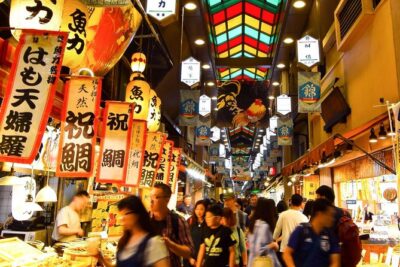
Nishiki Market is where Kyoto puts its food culture on a narrow, crowded stage. In about three hours, you visit roughly 10 to 12 family-owned shops, some with roots stretching back hundreds of years, and taste the city through tofu, sashimi, pickles, tea, dashi, tamagoyaki, seafood, and more. It is a useful way to make sense of a market that can feel like a delicious maze.
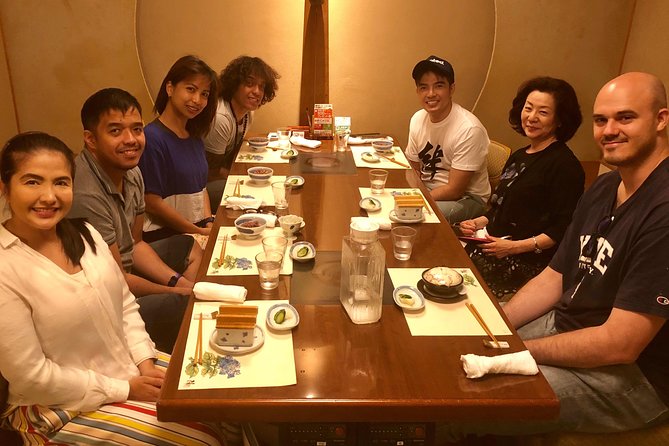
I like the small-group format, capped at 10 people, because a guide can explain unfamiliar foods without losing you in the crowd. I also like that the tastings are not limited to snacks: seasonal lunch and Japanese tea are included, giving you a fuller look at how Kyoto eats.
The catch is the setting. Nishiki’s lane is often loud and packed, and it can be hard to hear or gather around a stall without blocking foot traffic. Wear good shoes, arrive hungry, and expect the route or food stops to change when shops, weather, or holidays require it.
In This Review
- Key points to know before booking
- Why Nishiki Market makes a good first food stop
- The meeting point and the first few minutes
- Tasting Kyoto one shop at a time
- From small tastings to a real seasonal lunch
- What the guide adds in a crowded market
- The route through Nishiki and nearby sights
- Is $221 a fair price?
- Who will enjoy this food walk most?
- My practical advice for the morning
- Should you book the Kyoto Nishiki Market Tour?
- FAQ
- How long does the Kyoto Nishiki Market Tour last?
- What time does the tour start?
- Where does the tour begin?
- Where does the tour end?
- Is lunch included?
- Is the tour suitable for vegetarians and pescatarians?
- What happens if I need to cancel?
Key points to know before booking
- About 10 to 12 market shops: Taste local specialties at family-run businesses rather than simply walking past the stalls.
- Three hours on foot: The tour begins at 10:00 a.m. in central Kyoto and ends near Karasuma Station.
- Lunch and tea included: You receive a seasonal, regional meal as well as smaller tastings.
- A guide adds context: Learn how foods move from harvest and production to market sale and preservation.
- Small groups help: The maximum is 10 people, with private-feeling departures possible when numbers are low.
- Crowds are part of the deal: Nishiki Market can be noisy, narrow, and difficult for group conversation.
Why Nishiki Market makes a good first food stop
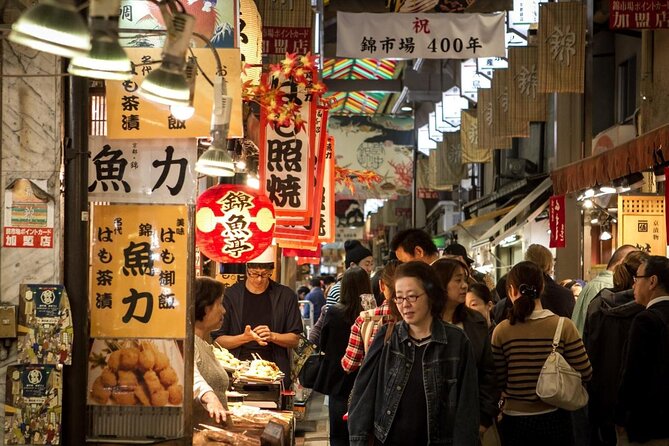
Kyoto food can seem restrained at first. There is less emphasis on heavy sauces and more on texture, season, stock, preservation, and the quality of a few ingredients. Nishiki Market brings those ideas together in one long shopping district known locally as the Kitchen of Kyoto.
I like this tour because it gives you a framework for what you are tasting. Instead of sampling a pickled vegetable and moving on, you can ask how it was prepared, where it comes from, and why it belongs in Kyoto cooking. The guide explains food from harvest to sale, then connects production with the finished dish.
That matters in Nishiki. The market offers fresh seafood, prepared foods, tea, sweets, pickles, tofu, and cooking ingredients side by side. Without help, you may not know which foods are ready to eat, which are meant for home cooking, or which ones are local specialties worth your time.
The experience is not a sit-down restaurant meal with a quiet table and a fixed menu. It is a moving meal through a working market. You should expect to pause at shops, taste a portion, listen to an explanation, and continue on foot.
More food walks through Nishiki Market:
- Nishiki Market Brunch Walking Tour (7 Tastings + Brunch)
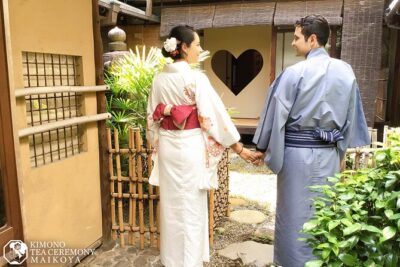
★ 5.0 · 1,355 reviews - Kimono Tea Ceremony at Kyoto Maikoya, NISHIKI
★ 5.0 · 911 reviews - Kyoto Nishiki Market Food and Culture Walking Tour
★ 5.0 · 412 reviews
The meeting point and the first few minutes
The meeting point is outside the Lacoste Kyoto Store at 376 Naramonochō in central Kyoto. The start time is 10:00 a.m., so I would arrive a little early. The market becomes harder to navigate once the flow of people picks up, and you will want time to identify the guide and settle into the group.
The walking portion lasts about three hours, with the full experience listed at roughly three hours and five minutes. You do not need to arrange hotel pickup or drop-off. Transportation costs are also not included, so plan your own way to the central meeting point and from the Karasuma area at the end.
The group limit of 10 is a real advantage here. Nishiki is not a broad open market where a guide can speak to a large crowd. Its narrow shopping lane makes a small group easier to move and gives you a better chance to ask questions.
The walking requirement is moderate rather than demanding, but you will be standing and moving between food shops. Good walking shoes are specifically recommended. I would not book this as a rest-day activity if your feet are already tired from a full Kyoto schedule.
Tasting Kyoto one shop at a time
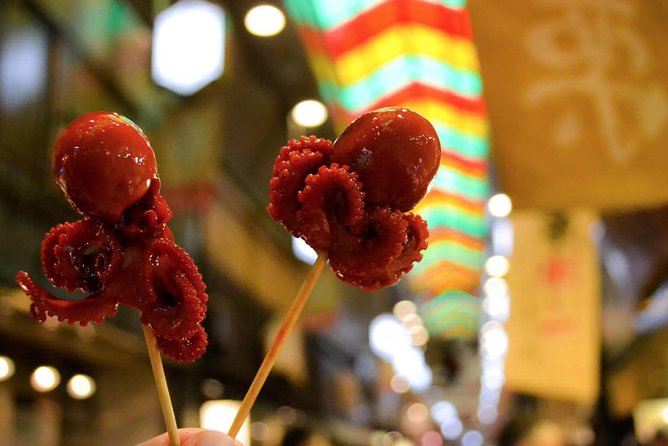
The main appeal is the range of stops. The food list includes sashimi, tofu, matcha, dashi, tamagoyaki, fresh seafood, tsukemono, yuuba, and sparkling sake served from the tap. The exact selection can change, but the mix gives you a broad look at Kyoto’s food traditions.
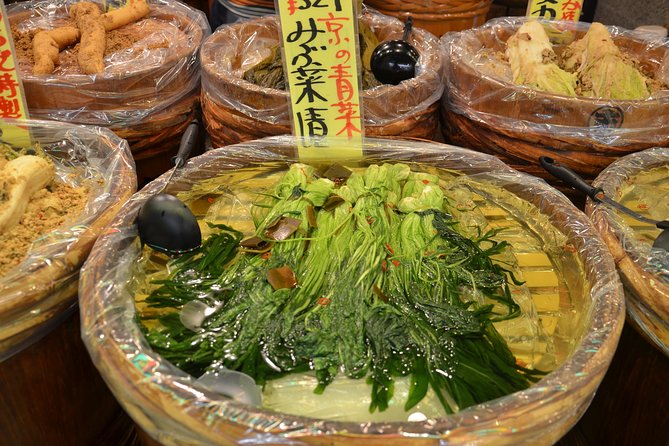
Tsukemono, or Japanese pickled vegetables, show how the surrounding mountain produce becomes part of everyday meals. Pickling is not just a way to preserve food. It also adds sourness, salt, and texture to a meal that might otherwise seem delicate.
Yuuba is made from the thin skin that forms on heated soy milk. The tour describes it as sashimi tofu made with mountain water, which gives you a chance to compare Kyoto’s tofu culture with the more familiar firm blocks used in many dishes. If you are new to tofu, this is one of the more useful tastings because it highlights texture rather than strong seasoning.
Sashimi and fresh seafood bring a different lesson. You can taste the quality of the ingredient with little disguise, while the guide explains how the product reaches the counter and how it is handled. This is also one of the places where the market setting matters: you are sampling food in the same district where people shop for meals and ingredients.
Dashi, the stock used in many Japanese dishes, may look simple in a small sample. It is not. Dashi gives soups, sauces, and simmered foods their savory base, and understanding it helps you recognize why Japanese cooking can taste full even when the ingredient list is short.
Tamagoyaki, the rolled Japanese omelet, provides a more familiar bridge. The food is simple to recognize, but the market version helps you notice the balance of sweetness and texture that differs from an ordinary breakfast egg.
The tour also includes Japanese tea and matcha. Tea is not an afterthought here. It is part of Kyoto’s daily food culture, and the guide can help explain how it fits with the city’s sweets, meals, and hospitality.
From small tastings to a real seasonal lunch
A common weakness in food walks is that you nibble all morning and finish hungry. This experience includes a seasonal and regional lunch, which makes the $221 price easier to assess. You are paying for more than a string of tiny samples.
The lunch is not described as one fixed restaurant menu. A substitute of equal quality may be used if the regular restaurant is unavailable, and the food can change with restaurant schedules, public holidays, weather, and other conditions. That uncertainty may bother you if you want a precise menu, but it also reflects the way a food tour has to work in a live market district.
One particularly useful detail is that a seasonal lunch may include a Japanese meal with beef. If you have a strong preference for a particular dish, ask before booking rather than assuming the day’s meal will match a sample menu.
Come with an empty stomach. The tastings add up, especially when you include pickles, tofu, seafood, tea, sake, and lunch. The minimum drinking age is 21, and the sake portion is part of the food experience rather than a reason to book the tour as a drinking excursion.
Vegetarian and pescatarian options are available. I would still communicate your needs in advance, particularly because the tour moves through multiple shops and the menu may change.
More Kyoto markets:
- Kyoto: Nishiki Market Tea Ceremony with Koto Performance
★ 4.8 · 294 reviews - Kyoto: Nishiki Market Brunch Walking Tour-7 Tastings+Brunch
★ 4.8 · 197 reviews - Kyoto: Local Food Tasting Tour at the Nishiki Market
★ 4.7 · 135 reviews - Kyoto: Nishiki Market and Depachika Food Tour with a Local
★ 4.7 · 76 reviews
What the guide adds in a crowded market
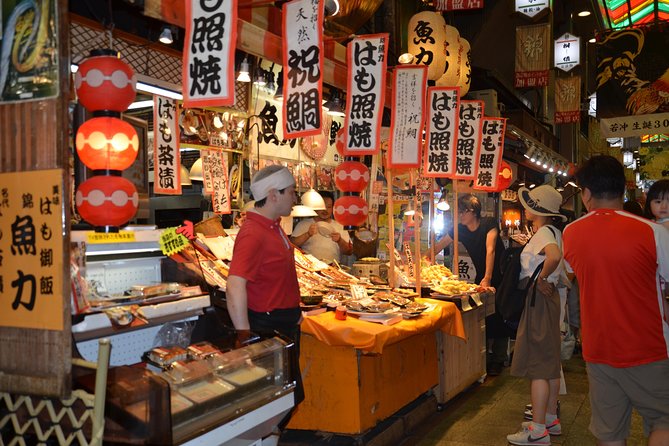
The guide is the difference between a pleasant tasting walk and a confusing trip through food stalls. You are not only being shown where to eat. You are given explanations about ingredients, production, preservation, and Kyoto’s local food customs.
Chie is one guide named in the tour material. She has led small groups through the market and is noted for answering many questions and adjusting the pace so older family members could keep up. Rosali is another guide associated with the experience, including a very small departure for a mother and daughter.
Those details point to a useful strength: the pace can be flexible when the group is small. If you are traveling with older parents, children, or anyone who needs extra time, the group size and walking pace are worth asking about when you book.
English ability is also important on a food tour, since the value lies in the explanations. Chie and Rosali are described as able to communicate well in English, and the tour is designed around questions about Nishiki, Kyoto, and special Kyoto foods.
Still, do not expect every explanation to be perfectly easy to hear. The market can be loud, and its narrow lane may prevent everyone from standing close to a stall. Stay near the guide, listen carefully, and be ready to move aside when other shoppers need to pass.
The route through Nishiki and nearby sights
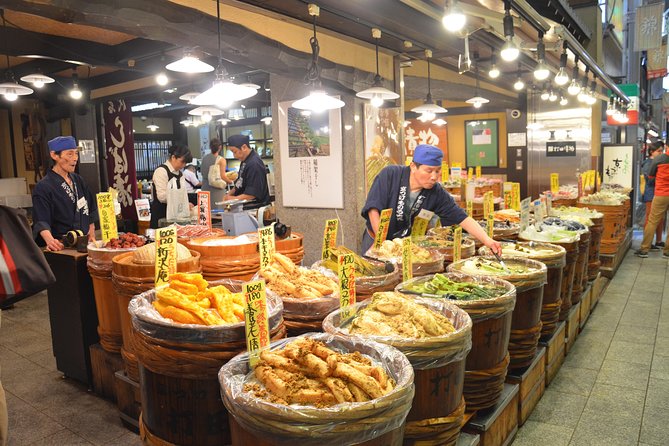
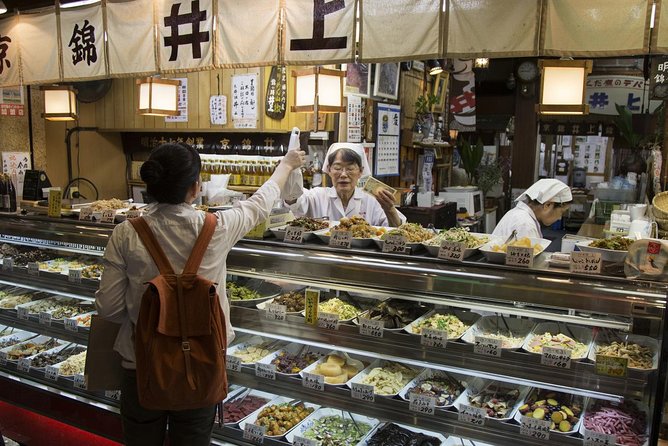
The central part of the experience is Nishiki Market Shopping District. You visit family-owned businesses throughout the market rather than staying at one restaurant. Some shops date back hundreds of years, so the food comes with a strong sense of continuity, even though the tour remains focused on tasting rather than formal sightseeing.
Nishiki Tenmangu Shrine is also listed along the route. Its presence adds a small cultural pause to a food-focused morning and helps place the market within central Kyoto rather than treating it as an isolated food hall.
Rokkakudo Temple appears among the route points as well. The tour is not presented as a temple tour, so I would think of these nearby places as added context, not the main reason to book. If your priority is detailed temple history, choose a dedicated cultural tour instead.
The end point is in the Karasuma area near Karasuma Station, with Umenohana also noted as an ending point. This is convenient for continuing your day in central Kyoto, but you should not count on the tour taking you to Fushimi Inari Taisha. That name also appears among the listed route points, yet the stated start, market focus, and Karasuma ending describe a central Kyoto walking experience. Confirm the exact route if Fushimi Inari is important to your plans.
Is $221 a fair price?
At $221 per person, this is not a cheap market stroll. The value depends on what you want from Nishiki.
If you simply want to browse stalls and buy a few snacks, you can spend far less by going alone. Nishiki Market is open to independent exploration, and a self-guided visit gives you complete control over timing and budget.
I see better value if you want a structured introduction to Kyoto food. The price includes visits to about 10 market vendors, multiple tastings, Japanese tea, and seasonal lunch. It also pays for a local guide who can explain unfamiliar foods and help you navigate a crowded place.
The food count is described in two ways: one part of the tour information says 12 family-owned shops, while the included details specify 10 market vendors. Treat 10 as the safer expectation, with the actual number subject to the day’s route and shop availability.
The small maximum group also matters. A private or nearly private departure can make the price feel more reasonable, especially if you value conversation and personal pacing. A full group of 10 may still work well, but you should expect less time for individual questions at each stop.
Who will enjoy this food walk most?
I would recommend it to first-time visitors who want a clear introduction to Kyoto’s food traditions without researching every stall in advance. It is also a good choice for people who enjoy asking questions and trying foods they might not recognize.
Families can make good use of the flexible pace, though children must be accompanied by an adult. Passport information is required for children age 10 and above, so keep that requirement in mind when planning.
The experience suits vegetarians and pescatarians, provided you communicate your needs. It is less suitable for anyone who dislikes walking, standing, crowds, or changing menus.
Solo participants should email the operator before booking. The tour is family-friendly, but the experience requires a minimum number of people to operate, so a departure can be changed or canceled if that minimum is not met.
You can book on the same day, but the fact that it is commonly booked about 28 days ahead suggests that planning early is sensible during a busy Kyoto visit. Free cancellation is available up to 24 hours before the start time. Poor weather or failure to meet the minimum group size can lead to a different date, another experience, or a full refund.
My practical advice for the morning
Eat very little before you arrive. The tour includes enough food to replace a normal lunch, and arriving full would blunt the best part of the experience.
Wear shoes that are comfortable for three hours of walking and standing. Keep your belongings compact, since the market lane can be tight and you may need to move quickly when the group pauses.
Stay close to the guide. The noise can make it difficult to hear, and the group cannot always form a neat circle around a shop. If you have a question, ask it promptly rather than waiting until the group has moved several stalls ahead.
Bring an open mind about texture. Pickled vegetables, tofu skin, raw seafood, dashi, and tea may not match your usual food routine. That is precisely why a guide helps, since you can learn what you are tasting instead of judging an unfamiliar food after one hurried bite.
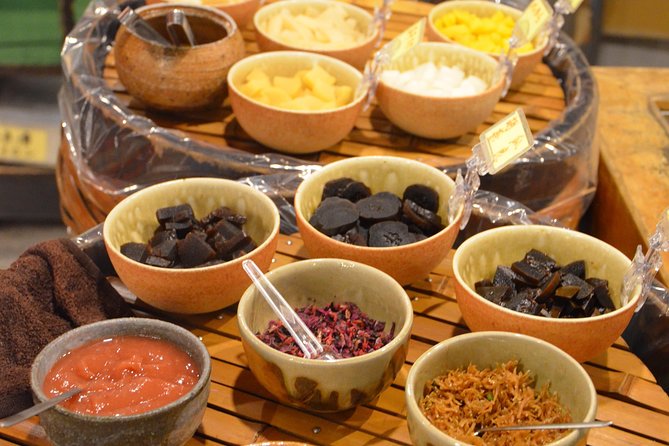
Save room in your luggage if you enjoy edible souvenirs. Rice crackers and market foods can be tempting purchases, although any extra shopping is at your own cost.
Should you book the Kyoto Nishiki Market Tour?
Book it if you want a guided food education, a proper seasonal lunch, and help choosing your way through Nishiki’s crowded lane. The strongest parts are the small group, broad range of tastings, and guides such as Chie and Rosali who can answer questions and adjust the pace.
Skip it if you prefer to browse alone, want a quiet meal, or consider $221 too much for a three-hour experience. You can explore Nishiki independently for less money, but you will miss much of the explanation about production, preservation, and Kyoto’s food customs.
For most first-time Kyoto visitors with an appetite and a serious interest in Japanese food, this is a practical way to make the market less overwhelming. Just treat the route and menu as flexible, not fixed, and arrive ready to walk, listen, and eat.
FAQ
How long does the Kyoto Nishiki Market Tour last?
The tour lasts approximately three hours and five minutes, with about three hours allocated to the market experience.
What time does the tour start?
The stated start time is 10:00 a.m.
Where does the tour begin?
The meeting point is at 376 Naramonochō, Shimogyo Ward, Kyoto, near the Lacoste Kyoto Store.
Where does the tour end?
The tour ends in the Karasuma area near Karasuma Station. Umenohana is also listed as an ending point.
Is lunch included?
Yes. A seasonal and regional lunch is included, along with Japanese tea and tastings at market vendors.
Is the tour suitable for vegetarians and pescatarians?
Yes. The experience is listed as vegetarian-friendly and suitable for pescatarians.
What happens if I need to cancel?
You can cancel at least 24 hours before the local start time for a full refund. Cancellations or changes made less than 24 hours before the start time are not accepted for a refund.
More Shopping Tours in Kyoto
- Kyoto: Nishiki Market Tour with a Local Foodie & Tastings
★ 4.5 · 67 reviews - Nishiki Market Lunch Tour
★ 5.0 · 47 reviews - Nishiki Market Food Tour with Cooking Class
★ 4.9 · 42 reviews - Golden Pavilion, Nijo Castle, & Nishiki Market Half day tour
★ 5.0 · 29 reviews
Recently added around Kyoto
- Higashiyama | Kyoto: Sakura Season Private Rickshaw Tour★ 5.0 · 3 reviews
- Kyoto Kimono Rental CHAMATSU|Kimono/Yukata Rental FamilyPlan★ 5.0 · 3 reviews
- Kyoto: Half-Day Private Guided Tour to the Old Town of Gion★ 4.4 · 3 reviews
- Nara Private Customizable Half Day Tour★ 5.0 · 3 reviews
- Kansai Region Hiking Adventure in Nara Kobe Kyoto and More★ 5.0 · 3 reviews
- Full Day Nara Deer, Temple, Shrine, Activities & Tea Ceremony★ 5.0 · 3 reviews
- Nara: Essential Private Tour with Deer Park and Temples★ 5.0 · 3 reviews
- Photo Shoot with a Private Vacation Photographer in KYOTO, JAPAN★ 5.0 · 3 reviews
Nishiki Market Food Tours, compared.
Kyoto Nishiki Market Food and Culture Walking Tour
Read our review →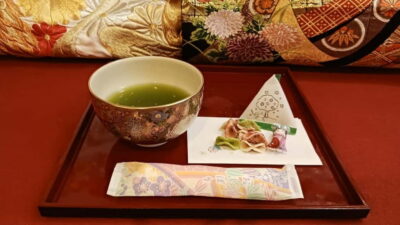
Nishiki Market Tea Ceremony with Koto Performance
Read our review →
Nishiki Market Brunch Walking Tour-7 Tastings+Brunch
Read our review →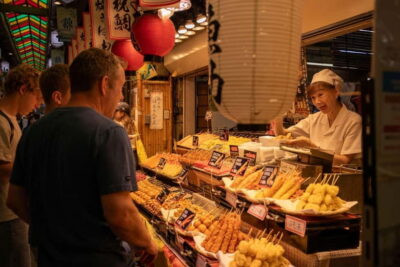
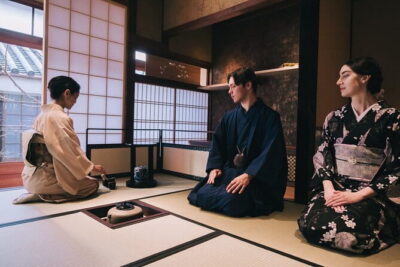
Kimono Tea Ceremony Experience at Kyoto Oritzuruya, Nishiki
Read our review →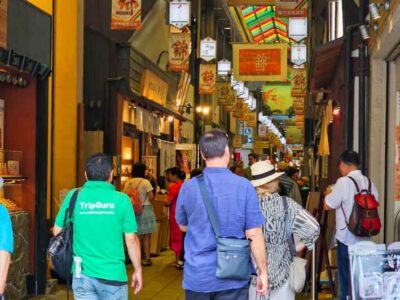
Nishiki Market and Depachika Food Tour with a Local
Read our review →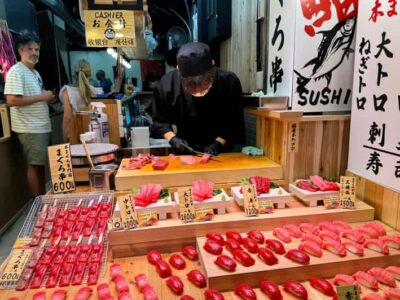
Nishiki Market Tour with a Local Foodie & Tastings
Read our review →Browse the lists this tour appears in