
REVIEW · KYOTO TEA CEREMONY EXPERIENCES
Kyoto Newly Opened Tea Ceremony – Sanjo Chasuian
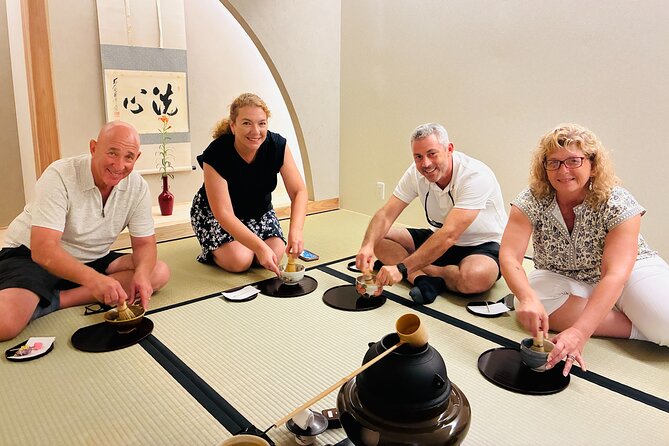
Kyoto’s tea ceremony can seem formal from the outside, but this one-hour hands-on session lets you watch the ritual, learn why each movement matters, and whisk your own matcha. The setting includes a nijiriguchi, a low crawl-in doorway designed to leave the outside world behind.
I like the calm, carefully explained format, especially the chance to drink two bowls of matcha, one made by the host and one made by you. I also like the seasonal sweets from a Kyoto confectioner with more than a century of history. The main consideration is physical: much of the ceremony involves sitting on the floor, even though chairs are available.
In This Review
- Key points at a glance
- What happens during the one-hour session
- The nijiriguchi gives the room a sense of occasion
- Two bowls make the price easier to justify
- The sweets are part of the lesson
- A friendly teaching style for first-timers
- Sitting on the floor is the main practical drawback
- Finding Sanjo Chasuian without losing time
- Why the small group matters
- Who will enjoy this Kyoto experience most
- Booking, cancellation, and small details
- Should you book Sanjo Chasuian?
- FAQ
- How long does the tea ceremony last?
- What is included in the price?
- Do I get to make my own matcha?
- How many people can join the session?
- Where does the experience start and end?
- Is the ceremony conducted in English?
- Do I need to wear socks?
- Are chairs available?
- What happens if I arrive late?
- Can I cancel for a full refund?
Key points at a glance
- Whisk your own matcha: You choose a tea bowl and prepare one serving yourself or with a companion.
- Two cups are included: The host makes one bowl, then you make another.
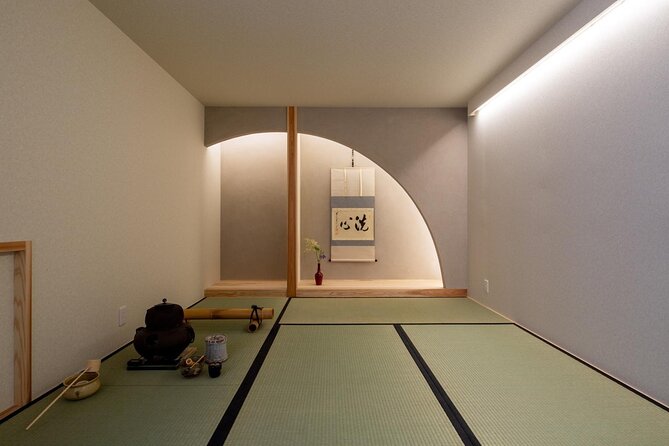
- A real tea-room detail: The nijiriguchi, or crawl-in entrance, gives the ceremony a distinctive traditional touch.
- Seasonal Kyoto sweets: Beautiful Japanese confectionery from a long-established sweet shop accompanies the tea.
- Small-group setting: The room holds a maximum of 10 people, keeping the instruction personal.
- Strict start time: Entry begins five minutes before the session, and late arrivals cannot join once the door is locked.
A tea ceremony is not simply a lesson in making a green drink. It is a series of deliberate actions: how the bowl is handled, how the tea is whisked, how the sweets are served, and how people share a quiet space for a short time.
That is what makes Sanjo Chasuian useful for a first introduction. You are not left to watch a silent performance from across the room. The tea master explains the customs and movements, demonstrates the preparation, then gives you a chance to try the process yourself.
The experience takes place at Tea Ceremony & Sake Tasting Kyoto, Sanjo Chasuian, at 324-2 Sanjōchō in Kyoto’s Nakagyo Ward. It begins and ends at the same meeting point, making it easy to fit into a day of sightseeing. The session lasts about an hour, so it offers a taste of the tradition without taking over your entire afternoon.
What happens during the one-hour session
The exact flow may vary slightly with the host and group, but the main structure is clear.
First, you settle into the tea room and receive an introduction to the history, meaning, and customs of Japanese tea ceremony. This part matters. Without explanation, the repeated bows, careful turns, and use of specific utensils can look mysterious. With context, you begin to see the ceremony as a practice of attention and hospitality.
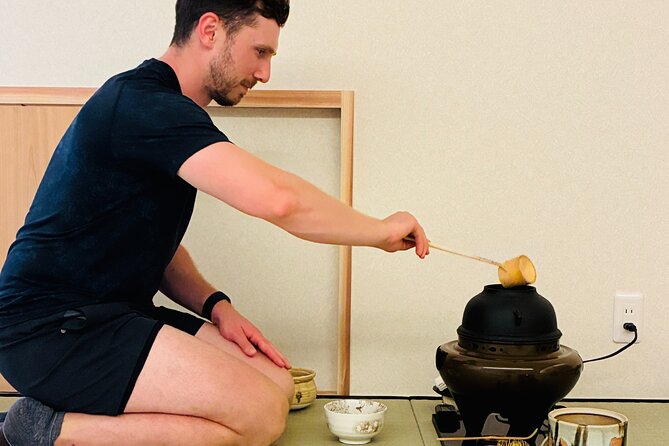
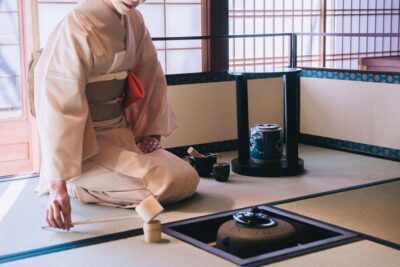
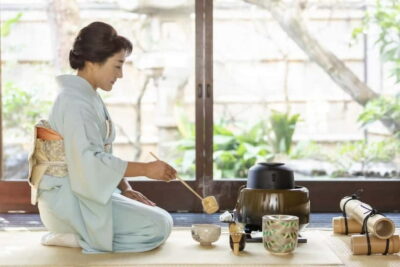
The host then demonstrates how matcha is prepared. You watch the placement of the tea, the addition of water, and the whisking motion. The point is not to copy a difficult performance perfectly. It is to understand the order of actions and the care behind them.
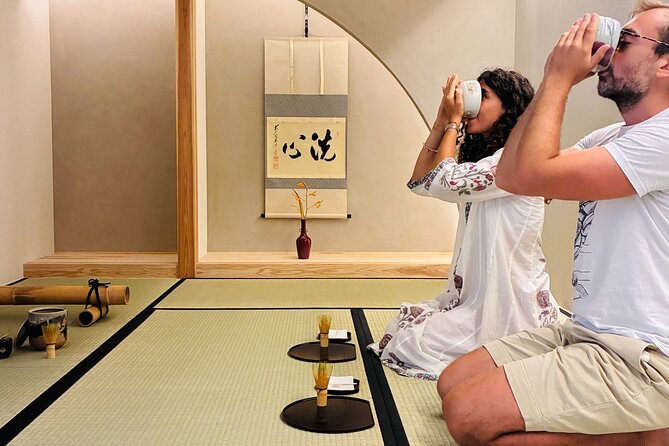
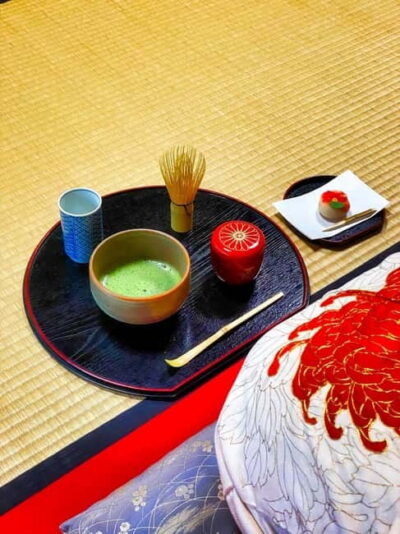
You receive a bowl prepared by the host, along with a seasonal Japanese confection. The sweet is not just an extra snack. In the tea ceremony tradition, it balances the bitterness of matcha and gives the tasting a clear rhythm.
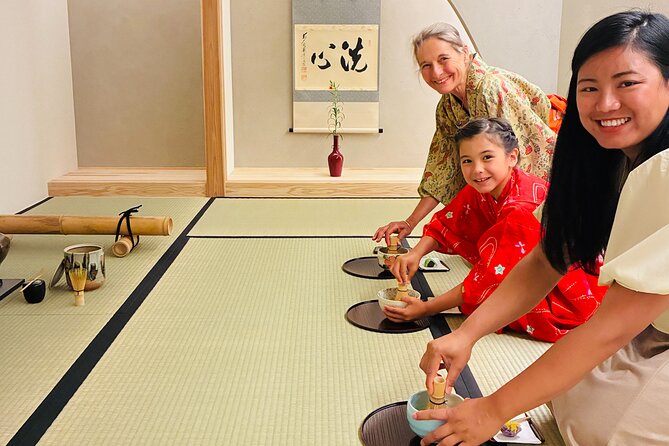
After that, you choose a tea bowl and prepare your own matcha. You can whisk it yourself or do so with a companion. This practical step is one of the strongest reasons to choose this session over a demonstration-only event. You leave with a better feel for the tool, the bowl, and the motion, rather than only a memory of watching someone else work.
More tea ceremonies in Kyoto:
- Kyoto: Tea Ceremony in a Traditional Tea House in Kiyomizu
★ 4.9 · 3,519 reviews - Kyoto: Tea Ceremony Ju-An at Jotokuji Temple
★ 4.9 · 3,207 reviews - Kyoto: 45-Minute Tea Ceremony Lesson Experience
★ 4.3 · 2,378 reviews
The nijiriguchi gives the room a sense of occasion
One special feature is the nijiriguchi, a low entrance associated with tea rooms. Entering through it requires you to lower yourself as you step inside. The gesture has a symbolic purpose: everyone leaves ordinary status and outside distractions at the doorway.
For you, it also gives the session a memorable physical detail. Many cultural activities use traditional objects as decoration. Here, the doorway is part of how you enter the space and begin the experience.
The room is described as clean and new, with a quiet and serene atmosphere. That calm is important in central Kyoto, where a busy sightseeing schedule can leave you rushing from one attraction to the next. This hour asks you to slow down and pay attention.
Do keep the quiet setting in mind. This is not a loud, highly staged entertainment show. Questions are welcome, and the host explains the process, but the ceremony itself depends on a peaceful room.
Two bowls make the price easier to justify
The listed price is $32.77 per person. For that fee, you receive two cups of Kyoto matcha, one prepared by the host and one you make yourself, plus a traditional seasonal confection.
I consider that a fair price for a focused cultural activity, especially because the hands-on element is included rather than offered as a costly add-on. A short demonstration followed by a drink would be less useful. Here, you get to compare the host’s preparation with your own and notice how technique affects the texture and taste.
The value is also practical. You gain a simple skill you can try again at home, provided you have matcha, hot water, a bowl, and a whisk. The instructor’s step-by-step approach helps take the mystery out of the process.
Still, the value depends on your interest. If you only want a quick cup of matcha, a tea shop will be cheaper and faster. You are paying for instruction, ritual, setting, sweets, and participation, not just the beverage.
The sweets are part of the lesson
The included confectionery comes from a Kyoto sweet shop with more than 100 years of history. The sweets are seasonal and carefully presented, so they add a visual element as well as a flavor contrast.
Several parts of the session work together here. The sweet prepares your palate for matcha, the bowl gives you a traditional object to handle, and the tea gives you a reason to pause. None of these details needs to be flashy. Their value is in the connection between them.
If you are new to matcha, the sweetness can make the first taste more approachable. Matcha has a distinctive bitter, grassy flavor, and the confection helps balance it. You also get to experience the traditional order of eating the sweet and drinking the tea, rather than treating them as unrelated refreshments.
A completely different side of Kyoto:
- PERFECT KYOTO 1-Day Bus Tour
★ 5.0 · 13,518 reviews - Kyoto: Fushimi Inari, Kinkakuji, Bamboo Grove 1 Day Bus Tour
★ 4.8 · 4,316 reviews - Kyoto Geisha Walking Tour: Gion District & Hidden Gems
★ 4.7 · 3,273 reviews - Kyoto: Gion Magical Night Walking Tour with Geisha Trivia
★ 4.9 · 2,393 reviews
A friendly teaching style for first-timers
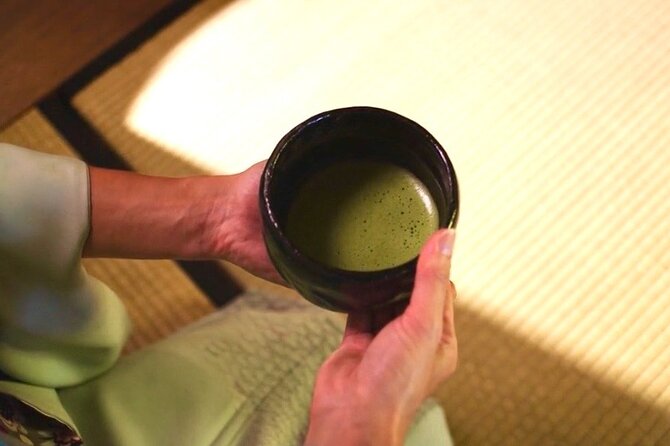
The teaching is presented in English, and the host explains the steps, customs, and reasons behind the ceremony. Yuko is specifically praised for her patient, friendly instruction and for making the process comfortable for first-time participants.
The English may include an accent, but the session is built around demonstration as well as spoken explanation. That helps because you can see each movement while hearing what it means. The format also allows questions and answers, so you can ask about a gesture or utensil as the session goes along.
This is a good choice for families and mixed-age groups. One family described the staff as kind and courteous during an unexpected situation involving a sick teenager before the ceremony began. That does not change the formal nature of the session, but it suggests a considerate approach when practical problems arise.
Some sessions may also offer the option to wear a formal uchikake, a richly decorated Japanese garment. The available information does not promise this option at every booking, so ask before counting on it. If offered, it provides a more elaborate alternative to an ordinary kimono experience.
Sitting on the floor is the main practical drawback
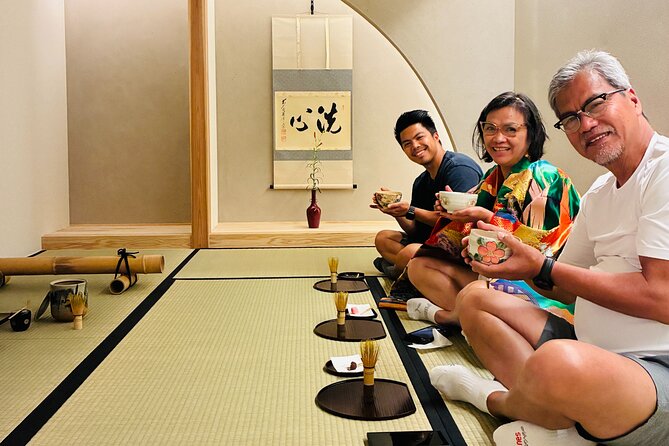
Traditional tea ceremony usually involves floor seating, and this session is no exception. One important detail is easy to miss: you should bring or wear socks.
Chairs are available, and the host says you may sit in whatever way is comfortable. Even so, you should expect time on the floor. If you have knee, hip, or back concerns, contact the operator before booking so you understand how the seating will work.
The nijiriguchi is another physical detail. You do not need to treat the entrance as a test of flexibility, but the low doorway requires you to crouch or bend. The room is quiet and clean, though the traditional design may not suit everyone as comfortably as a standard chair-based activity.
Finding Sanjo Chasuian without losing time
The meeting point is Tea Ceremony & Sake Tasting Kyoto, Sanjo Chasuian, at 324-2 Sanjōchō, Nakagyo Ward, Kyoto 604-8205. It is near public transportation, but the most useful arrival advice comes from the venue itself.
Google Maps may guide you toward a smaller street at the corner. Stay on the main street and look for the green matcha ice cream cone outside. That visual marker can save you from circling the block, especially if you are arriving close to the start time.
Plan to arrive early. Entry is allowed from five minutes before the scheduled start. Once the session begins, the door is locked, and even a one-minute delay means you cannot join or receive a refund.
That rule is strict, but it makes sense in a quiet tea room. Late entry would interrupt the ceremony and disturb the group. I would aim to arrive at least 10 to 15 minutes early, allowing time to locate the entrance, use the restroom if needed, and put your attention on the experience.
Why the small group matters
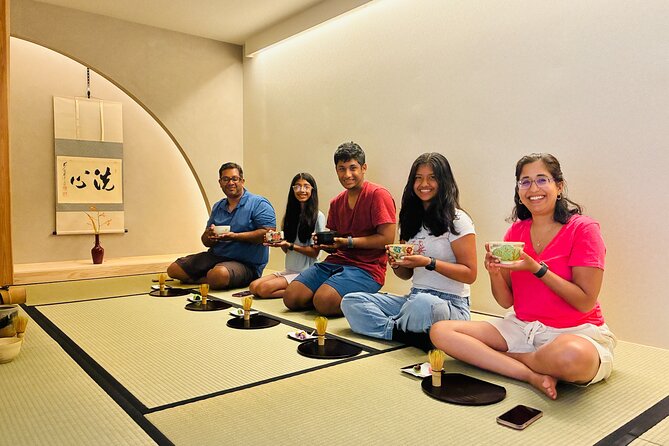
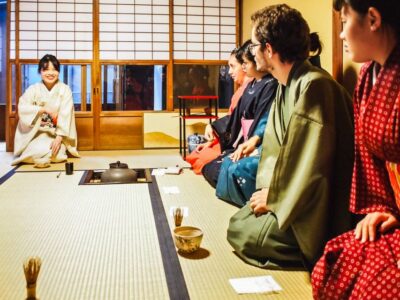
The maximum group size is 10 people. That is small enough for the host to watch your whisking, answer questions, and keep the room from feeling like a lecture hall.
A small group also helps with the formal side of the ceremony. You can see the host’s hands and follow the order of each movement. When it is your turn, you have room to concentrate rather than feeling lost in a large crowd.
The tradeoff is that a small room may feel close and quiet. If you prefer a casual activity where people come and go, this is not the right mood. The calm atmosphere works best when everyone arrives on time and respects the setting.
Who will enjoy this Kyoto experience most
I would choose Sanjo Chasuian if you are visiting Kyoto for the first time and want a cultural activity that gives you useful background without requiring a full day. It also suits repeat visitors who have seen temples and gardens but want a more personal connection with Japanese customs.
Families can enjoy the hands-on format, particularly because each person gets to make matcha. Couples and small groups may like choosing bowls and preparing tea together. The one-hour length is manageable for many itineraries, and the same-location finish means you do not need a separate transfer afterward.
It is also a good pick if you enjoy food and drink experiences with cultural context. You taste Kyoto matcha and seasonal sweets, but you also learn why they are served in a particular way.
I would hesitate if you dislike quiet activities, do not want to sit on the floor, or are looking for a private ceremony. The maximum group is 10, not one party only. The ceremony is intimate in scale, but it is not automatically private.
Booking, cancellation, and small details
The experience costs $32.77 per person and uses a mobile ticket. Confirmation is provided at booking, and free cancellation is available when you cancel at least 24 hours before the local start time.
Within 24 hours, you receive no refund, and changes made during that period are not accepted. The strict late-arrival rule makes this especially important: give yourself extra time to find the green matcha sign and reach the room before the five-minute entry window closes.
Matcha, tea bowls, and selected items are also available for purchase. These purchases are not included in the listed price, so treat them as optional extras rather than part of the two-cup experience.
Should you book Sanjo Chasuian?
Yes, if you want an affordable and focused introduction to Kyoto tea ceremony with real participation. The strongest points are the two servings of matcha, the chance to whisk your own bowl, the seasonal sweets, and the careful explanation of meaning and technique.
Book with realistic expectations. This is a quiet, traditional activity, not a fast-paced show. Wear socks, prepare for some floor sitting, arrive early, and allow time to find the entrance. If those details suit you, Sanjo Chasuian offers a thoughtful one-hour pause in Kyoto, with enough instruction to make the tea ceremony feel understandable rather than merely picturesque.
FAQ
How long does the tea ceremony last?
The experience lasts approximately one hour.
What is included in the price?
You receive two cups of matcha from Kyoto, one made by the host and one you make yourself, plus a traditional seasonal Japanese confection.
Do I get to make my own matcha?
Yes. You choose a tea bowl and whisk your own matcha, either by yourself or with a companion.
How many people can join the session?
The activity has a maximum of 10 participants.
Where does the experience start and end?
It starts at Tea Ceremony & Sake Tasting Kyoto, Sanjo Chasuian, at 324-2 Sanjōchō, Nakagyo Ward, Kyoto 604-8205. It ends back at the same meeting point.
Is the ceremony conducted in English?
The host explains the ceremony in English. The session includes spoken instruction, demonstrations, and opportunities to ask questions.
Do I need to wear socks?
Yes. You are asked to bring or wear socks during the experience.
Are chairs available?
Yes, chairs are available. However, you should still expect some floor sitting during the traditional ceremony.
What happens if I arrive late?
Entry is allowed from five minutes before the start time. Once the session begins, the door is locked. Even one minute late means you cannot join, and no refund is provided.
Can I cancel for a full refund?
Yes, if you cancel at least 24 hours before the experience start time. Cancellations within 24 hours are not refunded, and changes during that period are not accepted.
Recently added around Kyoto
- Higashiyama | Kyoto: Sakura Season Private Rickshaw Tour★ 5.0 · 3 reviews
- Kyoto Kimono Rental CHAMATSU|Kimono/Yukata Rental FamilyPlan★ 5.0 · 3 reviews
- Kyoto: Half-Day Private Guided Tour to the Old Town of Gion★ 4.4 · 3 reviews
- Nara Private Customizable Half Day Tour★ 5.0 · 3 reviews
- Kansai Region Hiking Adventure in Nara Kobe Kyoto and More★ 5.0 · 3 reviews
- Full Day Nara Deer, Temple, Shrine, Activities & Tea Ceremony★ 5.0 · 3 reviews
- Nara: Essential Private Tour with Deer Park and Temples★ 5.0 · 3 reviews
- Hiking Tour for Sacred Sites in Kyoto with a Guide★ 5.0 · 3 reviews
Kyoto Tea Ceremony Experiences, compared.
Tea Ceremony in a Traditional Tea House in Kiyomizu
Read our review →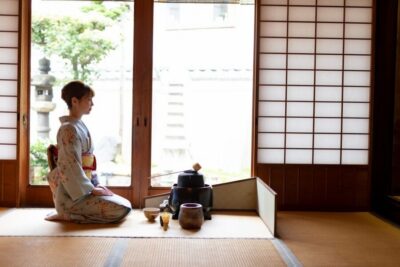
Tea Ceremony in 100-year-old Kyo-Machiya Townhouse
Read our review →
Browse the lists this tour appears in