
REVIEW · NARA DAY TRIPS
Kyoto & Nara Private Customized, Guided Tour
Kyoto, Nara, and Osaka are close on a map but feel like different chapters of Japan. This private tour lets you choose which chapter deserves your day, from Kyoto’s temple lanes and tea culture to Nara’s giant Buddha and friendly deer. The best feature is control: you can set the route around your interests instead of following a fixed group schedule.
I like the door-to-door transport and the chance to travel with only your own party. I also like the local context a good guide can add, especially at places such as Kiyomizu-dera, Fushimi Inari, and Todai-ji. Guides including Dhanush have helped families adjust stops and taken photos along the way.
The main consideration is that the guide service can vary. Some passengers received useful explanations in clear English, while others found their driver acted more like a chauffeur. The full list of stops also covers too much for a relaxed day, so you will need to choose your priorities.
In This Review
- Key points to know before you book
- A private day built around your priorities
- Arashiyama: bamboo, temples, and a crowded first stop
- Kinkaku-ji: Kyoto’s golden postcard
- Fushimi Inari Taisha: choose your walking distance
- Nara Park and Todai-ji: deer, a giant Buddha, and a change of pace
- Kiyomizu-dera: city views and a major Kyoto temple
- Nishiki Market: a short taste of everyday Kyoto
- Osaka and the Dotonbori option
- Why the driving schedule needs careful editing
- The guide makes or breaks the experience
- What the $438 price really buys you
- Practical details for a smoother day
- Who should book this private tour?
- Should you book it?
- FAQ
- How long is the Kyoto and Nara private tour?
- How many people can join the private group?
- Which cities can be combined?
- Where are pickup and drop-off available?
- Are entrance tickets and meals included?
- Which languages are available?
- Is the tour wheelchair accessible?
Key points to know before you book
- Choose your own city pairing: Combine Kyoto and Nara, Kyoto and Osaka, or Osaka and Nara.
- Private transport for up to six people: The $438 group price works out to about $73 per person for a full group.
- See Kyoto’s classic trio: Arashiyama, Kinkaku-ji, and Fushimi Inari can form a strong first look at Kyoto.
- Add Nara’s deer and Great Buddha: Nara Park and Todai-ji provide a useful contrast to Kyoto’s smaller temple spaces.
- Expect extra costs: Food, drinks, and entrance tickets are not included, and pickup outside Kyoto, Osaka, or Nara may cost more.
- Plan for walking and cash: Wear comfortable shoes and carry cash, since many places do not accept cards.
A private day built around your priorities
The tour runs for 10 hours and begins with pickup in Kyoto, Osaka, Nara, or, in some arrangements, Kobe. You ride in an air-conditioned private vehicle with sofa-style seats, then return to Kyoto, Osaka, Nara, or Kobe at the end of the day.
That setup matters in this part of Japan. Kyoto’s sights are spread across several districts, and Nara requires a separate ride from the main Kyoto temple areas. A private vehicle saves you from changing trains and buses with luggage, children, or tired legs. It also gives you somewhere to sit between stops.
Your guide can shape the day around temples, markets, food, architecture, art, or local customs. You might ask for a temple-heavy route, a lighter day with fewer stairs, or a mix of Kyoto and Nara. The strongest plan is usually not a race through every famous name. Pick two or three major areas and leave time to enjoy them.
The suggested Kyoto and Nara combination makes sense for a first visit. Kyoto offers refined temples, old streets, shrines, and traditional shops. Nara adds broad parkland, deer, and one of Japan’s great Buddhist monuments. Osaka works better if food, shopping, nightlife, and modern city energy matter more to you.
More day trips to Nara:
- World Heritage Kyoto & Nara Uji Authentic Matcha Experience
★ 5.0 · 1,573 reviews - Kyoto/Osaka: Nara, Fushimi Inari Taisha, Arashiyama Bus Tour
★ 4.7 · 1,275 reviews - Nara Half Day Trip Walking Tour (Private Option Available)
★ 5.0 · 937 reviews
Arashiyama: bamboo, temples, and a crowded first stop
Arashiyama receives about 90 minutes on the sample route. That is enough for a focused visit, but not enough to explore every corner of the district.
You can expect a guided sightseeing stop centered on the famous bamboo area and the surrounding temple district. Arashiyama is one of Kyoto’s most photographed areas, so an early start can make a real difference. The bamboo paths are atmospheric, but the main lanes can become packed, especially during popular seasons.
This is a good place to tell your guide what you want before leaving the vehicle. If you mainly want photographs, the stop can stay focused. If you care more about temple architecture and local history, ask for more explanation rather than simply moving from one photo point to the next.
Ninety minutes passes quickly here. You will not have time for every garden, shop, and temple, so treat Arashiyama as one carefully chosen part of the day, not a full district tour.
Kinkaku-ji: Kyoto’s golden postcard
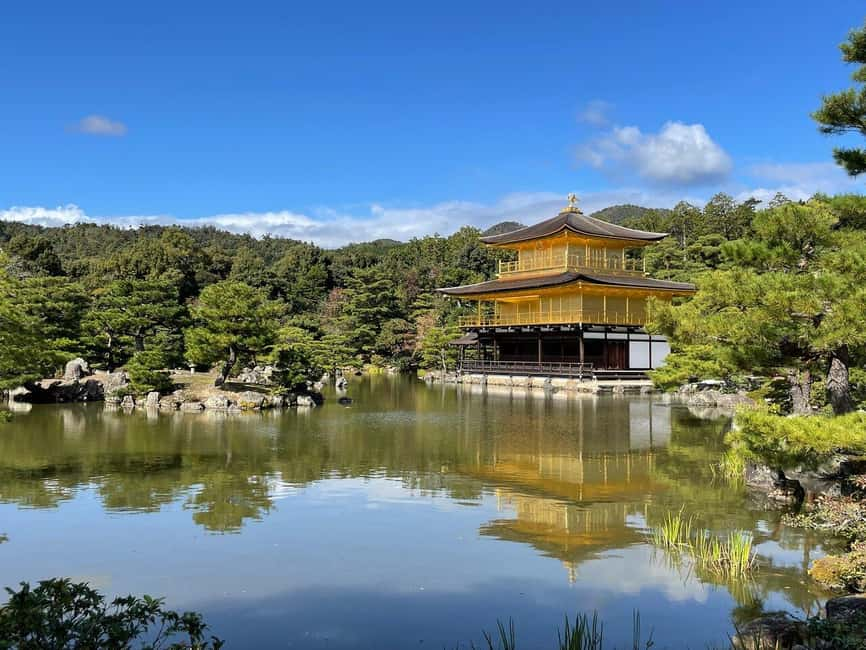
Kinkaku-ji, the Golden Pavilion, receives about an hour. The building’s gold exterior reflects over a pond, making this one of Kyoto’s easiest sights to recognize and photograph.
The appeal is immediate, but the visit is more structured than a casual stroll. You follow a set path around the grounds, stop at the main viewing areas, and continue through the gardens. Your guide can explain the pavilion’s role, the surrounding design, and the place of Zen temples in Kyoto’s cultural story.
One hour is generally enough for the main grounds. It is not enough for a slow garden visit if the paths are crowded. The pavilion itself is the main event, and you should expect a popular photo stop rather than a quiet retreat.
Kinkaku-ji also illustrates the value of having a guide who explains more than the obvious. Anyone can point out the gold building. A good guide adds meaning by discussing the architecture and why the site matters.
Fushimi Inari Taisha: choose your walking distance
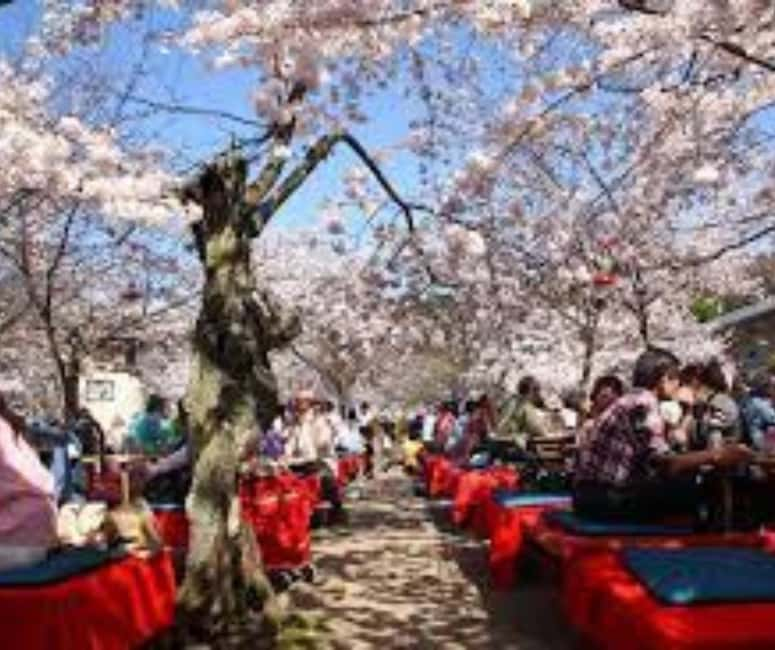
Fushimi Inari receives about an hour and is one of the most flexible stops on the route. The shrine is famous for its long rows of orange torii gates climbing into the hills behind the main grounds.
You do not need to complete the full mountain path to enjoy the shrine. With only an hour, you can walk through the lower gates, see the main shrine area, and decide how far your group wants to go. If you want to walk higher, tell your guide early and accept that another stop may need to be shortened.
This is a place where comfortable shoes matter. The route can involve steps and uphill walking, and the experience changes as you leave the busiest entrance area. Even a short visit gives you a strong sense of the shrine’s scale, but a longer walk brings a quieter side of the grounds.
Ask your guide about the symbolism of the torii gates and the shrine’s religious role. Without that context, Fushimi Inari can become little more than a long orange corridor for photographs.
A few more Kyoto experiences worth comparing
- Fushimi Inari Hidden Hiking Tour (Private Option Available)
★ 5.0 · 1,750 reviews - Private Kyoto Tour with a Local, Highlights & Hidden Gems, Personalised
★ 5.0 · 1,543 reviews - Kyoto 6hr Private Tour with Government-Licensed Guide
★ 5.0 · 1,369 reviews - 10 Must-see Spots in Kyoto One Day Private Tour (up to 7 people)
★ 5.0 · 1,108 reviews
Nara Park and Todai-ji: deer, a giant Buddha, and a change of pace
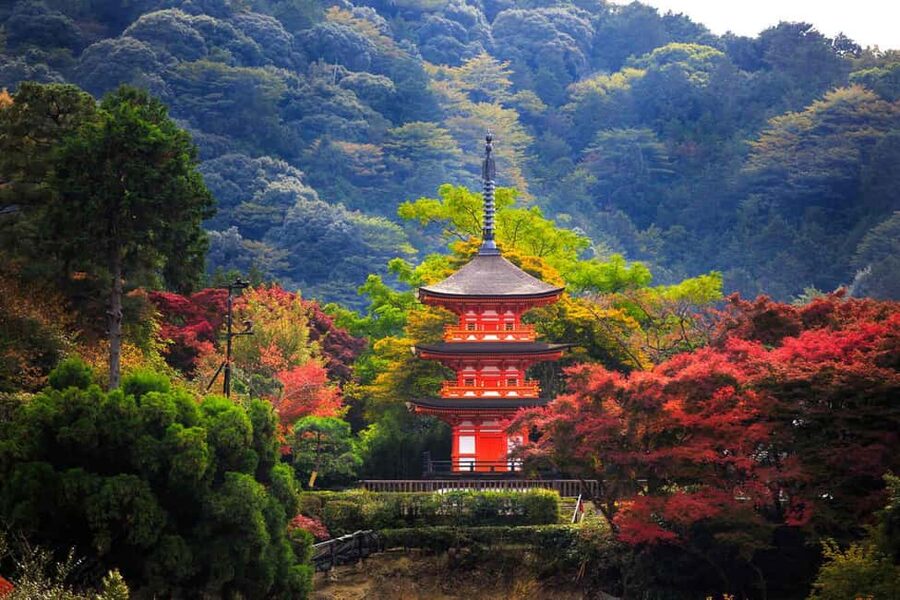
Nara Park receives about 95 minutes on the sample schedule. That is enough to meet the deer and visit part of the area, but you should be realistic about how much you can cover.
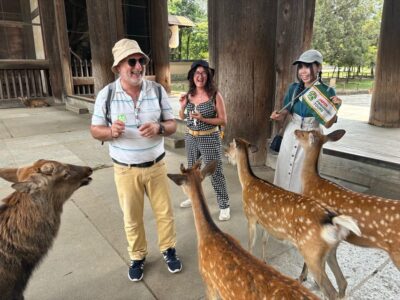
The deer are the immediate attraction. They roam around the park and near the historic temple grounds, creating an experience unlike Kyoto’s more formal temple visits. You can watch them at close range, but keep your attention on your belongings and follow local guidance around feeding and handling them.
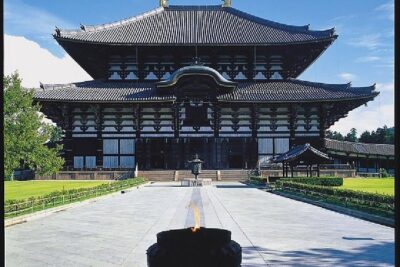
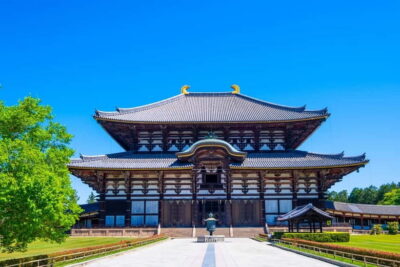
Todai-ji is the major cultural reason to include Nara. Its Great Buddha statue gives the visit real scale, while the temple hall shows how religious buildings were used to express power and devotion. Your guide can explain the temple’s place in Japanese Buddhism and point out architectural details you might otherwise miss.
Nara works well as a contrast to Kyoto. The setting feels more open, and the deer add a playful element to a day otherwise centered on temples and shrines. The drawback is distance. Adding Nara to several Kyoto stops means more time in the van and less time on foot.
If Nara is your main goal, ask for a route built around Todai-ji, Nara Park, and perhaps one additional sight. If it is simply an extra stop on a packed Kyoto day, you may get only a quick introduction.
Kiyomizu-dera: city views and a major Kyoto temple
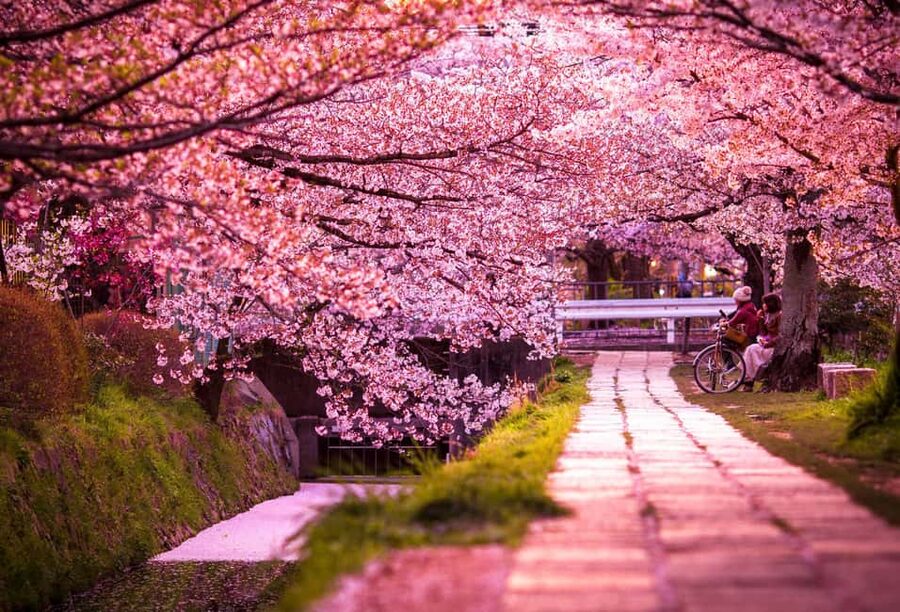
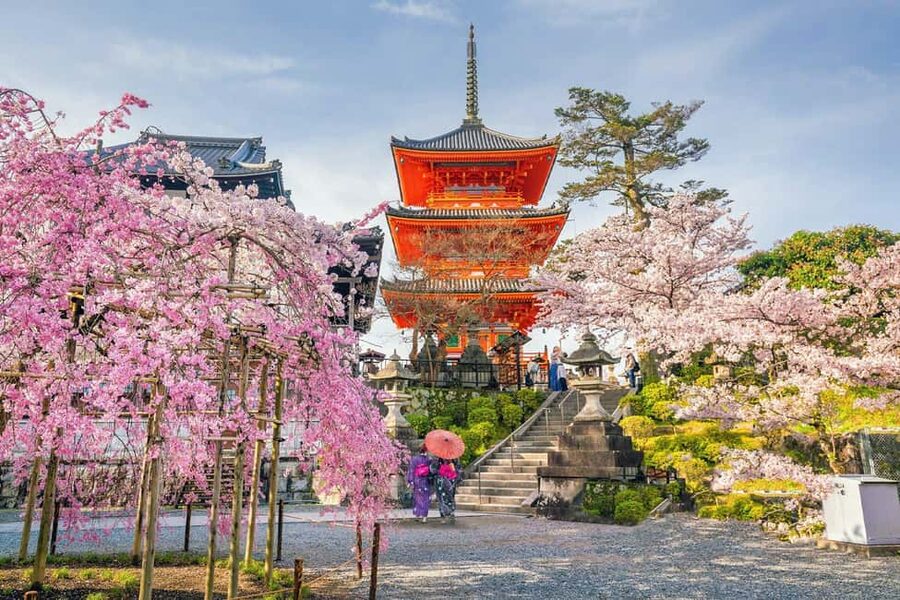
Kiyomizu-dera receives about an hour on the sample itinerary. Set on a hillside, it is known for its wooden stage and broad views toward Kyoto.
The approach is part of the experience. The streets leading toward the temple include shops and traditional-style lanes, but they can be crowded. An hour gives you time for the main temple area and photographs, though not for a leisurely visit through every nearby street.
This is another stop where a guide’s explanation can make the difference. The temple’s design, hillside position, and religious traditions give you more to consider than the famous view alone. If your group has mobility concerns, tell the operator and guide in advance. The tour is listed as wheelchair accessible, but the exact route at each historic site can still matter.
Kiyomizu-dera is one of the best choices for a first Kyoto overview because it combines architecture, religious practice, and a view across the city. It is also one of the places most likely to feel rushed if you try to add too many other stops.
Nishiki Market: a short taste of everyday Kyoto
Nishiki Market receives about an hour and can provide a welcome change from temples. The market is known for food stalls, local products, and small shops, giving you a look at Kyoto’s eating culture in a compact setting.
The format is partly guided and partly self-guided. Your guide can point out foods and explain local customs, then you can browse at your own pace. Food is not included, so budget separately for snacks and drinks. Cash is useful because many places in Japan still do not accept cards.
One hour works for a market introduction, not a long meal or full shopping session. If you want to stop often, taste several items, or buy gifts, you may need to remove another sight. Tell your guide if Nishiki is a priority rather than treating it as a quick filler stop.
Nishiki is especially useful after several formal monuments. It shows how Kyoto is experienced through food and small shops, not only through famous temples.
Osaka and the Dotonbori option
The tour can be customized for Osaka, and Dotonbori is the clearest choice for a first look at the city. Its neon signs, street food, shops, and entertainment create a very different mood from Kyoto’s shrines and gardens.
Dotonbori suits you if you want food and city atmosphere rather than a day focused on religious sites. The area is a good place to ask your guide what to eat, where to browse, and how Osaka’s local character differs from Kyoto’s more traditional image.
Do not try to combine a full Kyoto temple route, Nara Park, and Dotonbori in one day. The driving time alone would make the schedule tiring. A Kyoto and Osaka day is possible, but you should keep the list short and decide which city gets the larger share of your time.
The same principle applies to an Osaka and Nara combination. It can work well if you want modern food culture paired with a historic temple and deer park. It becomes less appealing if you expect a relaxed visit to many sites in both places.
Why the driving schedule needs careful editing
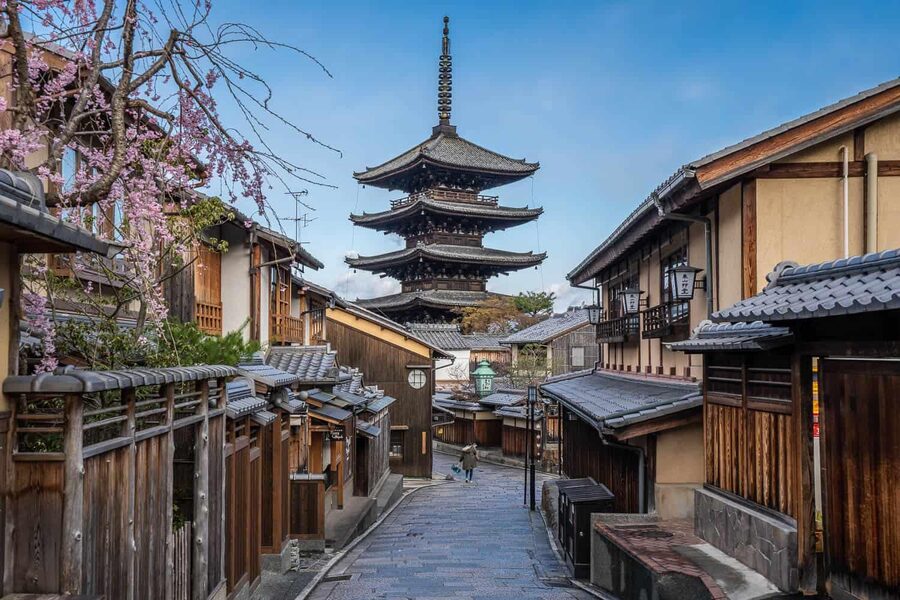
The sample route includes Arashiyama, Kinkaku-ji, Fushimi Inari, Nara Park, Kiyomizu-dera, and Nishiki Market. The listed visits total roughly six hours, while the van segments add several more hours. Once pickup, drop-off, traffic, parking, and walking are included, that is an ambitious plan for 10 hours.
Think of the route as a menu, not a promise to visit every stop. The tour is customizable, so use that feature. For Kyoto, I would choose Arashiyama plus Kinkaku-ji for a northwestern route, or Fushimi Inari plus Kiyomizu-dera and Nishiki Market for a more central and southern day. Adding Nara means dropping at least one or two Kyoto stops.
Traffic can slow the day. The operator says extra time may be added at no charge if delays cause problems, which is helpful, but you should not rely on extra hours to solve an overfilled schedule. A sensible route is better than trying to rescue six major sights at the end of the day.
The guide makes or breaks the experience
The tour includes an English-speaking guide, with English, Hindi, Japanese, and Urdu available. Dhanush has been specifically praised for making the day comfortable, explaining sites clearly, taking photographs, and adjusting the route to suit personal choices.
That is the ideal use of this service. Tell your guide what your group cares about. If you want history, ask for explanations at each temple. If photographs matter, say so. If you want fewer stops and more time at each place, make that clear at the start.
You should also keep expectations realistic. The guiding quality may not be consistent on every departure. Some people received little historical explanation and found the driver more useful for transport than interpretation. If expert commentary is the main reason you are booking, confirm the guide arrangements and communicate your interests before the day begins.
A private guide can also help with practical decisions, such as how long to stay at Fushimi Inari or where to use your limited time in Nara. That flexibility is more valuable than a long speech if your schedule is tight.
What the $438 price really buys you
The price is $438 per private group of up to six people. At full capacity, that is about $73 per person for 10 hours, including pickup and drop-off, private transportation, an air-conditioned vehicle, and a guide.
That is reasonable for a family or group that would otherwise need several taxis, train tickets, and local transfers. The value is strongest when six people share the cost. For one or two people, the per-person price is much higher, so compare it with public transport and a shorter private service.
Entry tickets, food, and drinks are extra. You should also ask about any added pickup fee outside Kyoto, Osaka, or Nara, since Kobe is listed as a pickup and drop-off option but additional charges may apply outside the main service area.
The price does not guarantee a perfect guided lecture at every stop. You are paying for privacy, transport, flexibility, and the chance to shape the day. If those are your priorities, the cost can make sense. If you want the cheapest way to see temples, public transport will likely cost less.
Practical details for a smoother day
Wear comfortable shoes. Even with a vehicle, you will walk through temple grounds, shrine paths, market lanes, and park areas. Fushimi Inari and the approach to Kiyomizu-dera can be particularly demanding if you try to cover too much.
Carry cash. The tour specifically advises it because many places do not accept cards. You will need to pay separately for food, drinks, and entrance tickets.
The vehicle is air-conditioned and described as having comfortable sofa seats. That is useful during a long day with several transfers. Pickup and drop-off are included in Kyoto, Osaka, and Nara, while outside-area charges should be checked before booking.
The activity is listed as wheelchair accessible, and the group is private. Still, tell the operator about mobility needs before confirming the route so the day can be planned around the practical conditions at each historic site.
Cancellation is free up to 24 hours before the start time, and you can reserve now and pay later. Those terms are useful if your Japan schedule is still changing.
Who should book this private tour?
I would consider this tour for a family, multigenerational group, or party of friends who want one vehicle and a flexible plan. It also suits first-time visitors who feel unsure about connecting Kyoto and Nara in a single day.
It is less suitable if you want a slow, scholarly temple tour with long periods at each site. It is also a poor fit for anyone determined to see every stop listed in one day. The route works best when you choose a few priorities and let the guide shape the order.
For a first visit, Kyoto and Nara are the strongest pairing. Choose Arashiyama, Kinkaku-ji, Fushimi Inari, or Kiyomizu-dera in Kyoto, then add Nara only if Todai-ji and the deer are important to you. For food and nightlife, replace one of those temple-heavy plans with Osaka and Dotonbori.
Should you book it?
Book this tour if privacy, comfort, and control are worth more to you than the lowest possible price. A strong guide, such as Dhanush, can turn a long driving day into a useful introduction to Kyoto and Nara, with photographs and route changes included.
Before paying, send your preferred stops and ask how much guiding you want at each one. Keep the itinerary to three or four major areas, budget for tickets and food, and confirm any pickup charge outside Kyoto, Osaka, or Nara.
Skip it if your main goal is a quiet, detailed visit to every temple or if you are comfortable managing trains and buses yourself. For the right group, though, this is a practical way to cover Japan’s Kansai highlights without spending the day figuring out connections.
FAQ
How long is the Kyoto and Nara private tour?
The tour lasts 10 hours, including transportation, sightseeing, pickup, and drop-off.
How many people can join the private group?
The price covers one private group of up to six people.
Which cities can be combined?
You can arrange Kyoto and Nara, Kyoto and Osaka, or Osaka and Nara. The route can also be customized around your interests.
Where are pickup and drop-off available?
Pickup and drop-off are provided in Kyoto, Osaka, and Nara. Kobe is also listed as an option, but additional charges may apply outside the main service area.
Are entrance tickets and meals included?
No. Food, drinks, and entry tickets are not included in the tour price.
Which languages are available?
Live guiding is available in English, Hindi, Japanese, and Urdu.
Is the tour wheelchair accessible?
The activity is listed as wheelchair accessible. You should still discuss your route and mobility needs with the operator before booking because each historic site may have different access conditions.
Recently added around Kyoto
- Higashiyama | Kyoto: Sakura Season Private Rickshaw Tour★ 5.0 · 3 reviews
- Kyoto Kimono Rental CHAMATSU|Kimono/Yukata Rental FamilyPlan★ 5.0 · 3 reviews
- Nara Private Customizable Half Day Tour★ 5.0 · 3 reviews
- Kyoto: Half-Day Private Guided Tour to the Old Town of Gion★ 4.4 · 3 reviews
- Kansai Region Hiking Adventure in Nara Kobe Kyoto and More★ 5.0 · 3 reviews
- Full Day Nara Deer, Temple, Shrine, Activities & Tea Ceremony★ 5.0 · 3 reviews
- Nara: Essential Private Tour with Deer Park and Temples★ 5.0 · 3 reviews
- Hiking Tour for Sacred Sites in Kyoto with a Guide★ 5.0 · 3 reviews
Nara Day Trips, compared.
World Heritage Kyoto & Nara Uji Authentic Matcha Experience
Read our review →
Kyoto/Osaka: Nara, Fushimi Inari Taisha, Arashiyama Bus Tour
Read our review →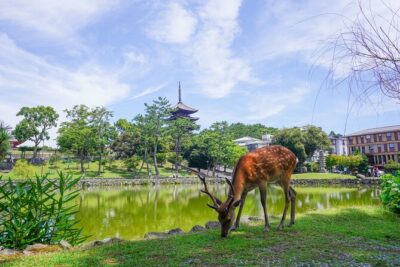
Nara Half Day Trip Walking Tour (Private Option Available)
Read our review →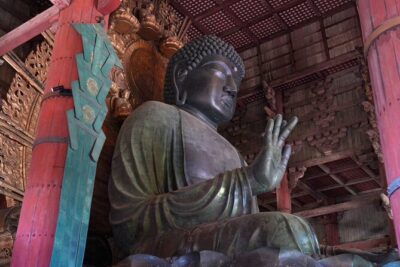
Nara Early Morning Tour (Kyoto or Osaka Departure Available)
Read our review →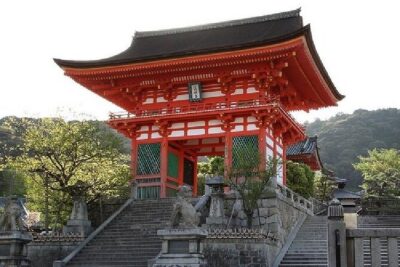
Kyoto/Osaka: Kinkakuji, Bamboo Forest, and Nara Deer Park
Read our review →Browse the lists this tour appears in