
REVIEW · NARA DAY TRIPS
KYOTO-NARA: Giant Buddha Deer Pagoda “Geisya” (Italian, full day)
The striking idea here is the pairing of two ancient capitals in one day: Nara’s enormous Buddha and free-roaming deer in the morning, followed by Kyoto’s Kiyomizu-dera and Gion in the afternoon. I like the way the day moves from open parkland and major Buddhist monuments to narrow pilgrimage streets and the traditional entertainment district of Gion.
I also like the small group of up to 15 and the chance to travel with Omae, a Japanese guide who lived in Italy for more than a decade and speaks polished Italian. The main drawback is the pace. You cover two cities, several train and bus rides, and a lot of walking in one long day, so this suits active sightseers more than anyone hoping for a slow visit.
In This Review
- Key points at a glance
- Why this day works for first-time Kyoto visitors
- Meeting at Kyoto Station without a scramble
- Morning train to Nara and the road to Tōdai-ji
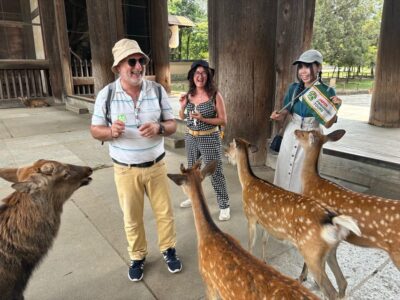
- Meeting Nara’s famous deer
- A useful break at Kyoto Station
- Walking the old approach to Kiyomizu-dera
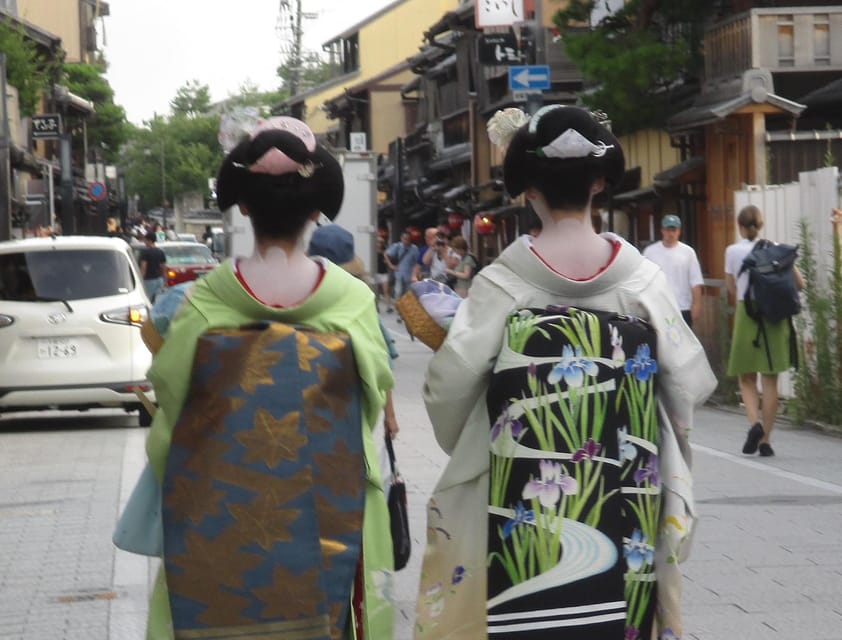
- Gion-kobu and the world of Maiko and Geiko
- How good is the Italian guiding?
- Walking, group size, and the real pace
- What the $176 price includes
- Who should book this full-day experience?
- Should you book it?
- FAQ
- Where does the tour start?
- Where does the tour finish?
- Is the tour conducted in Italian?
- Who is the guide?
- Are train and bus fares included?
- Are entrance fees included?
- How large is the group?
Key points at a glance
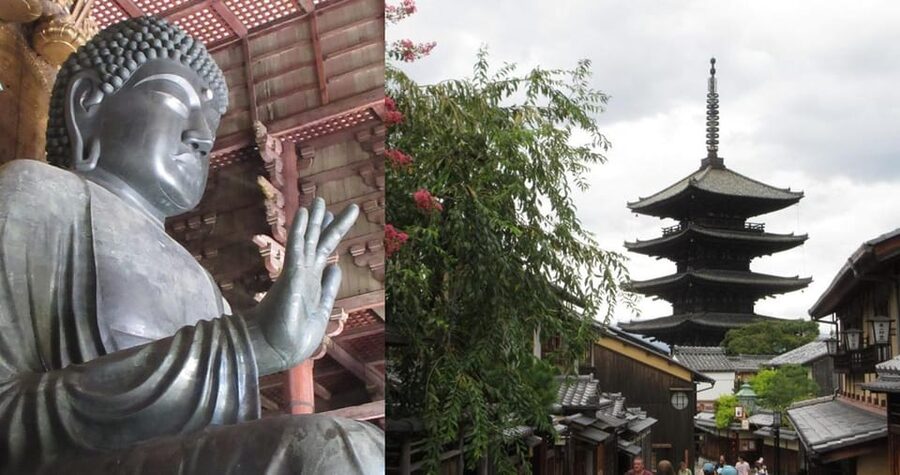
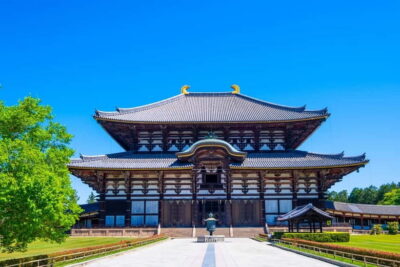
- The Great Buddha at Tōdai-ji: See one of Japan’s largest Buddha statues and learn about the temple’s national treasures.
- Deer in Nara Park: Buy special crackers and feed deer that roam freely around the temple grounds.
- Italian-speaking guidance: Omae explains history, legends, religious customs, and local details in Italian.
- Two ancient capitals in one day: Travel from Kyoto to Nara in the morning, then return to Kyoto for Kiyomizu-dera and Gion.
- Transport and admission included: Scheduled train and bus fares, plus entrance fees for the monuments in the program, are covered.
- Finish in Pontocho: The day ends near one of Kyoto’s best-known evening dining and entertainment areas.
Why this day works for first-time Kyoto visitors
This is a smart choice if you want major sights but do not want to spend your trip working out train connections, bus routes, temple entrances, and the meaning of what you are seeing. You meet at Kyoto Station, travel with a guide, and finish in central Kyoto near Pontocho.
The day also gives you useful contrast. Nara offers an older, more spacious setting, with deer moving through a large park and Tōdai-ji dominating the visit. Kyoto’s afternoon is more urban and commercial, with stone-paved approaches, shops, sweets, bars, and the traditional Gion-kobu area.
At $176 per person, the price is not low. Its value comes from the combination of a live Italian guide, transport, entrance fees, practical help, and a full day of sightseeing. If you would otherwise book separate rail tickets, city buses, temple admissions, and a private guide, the package can make sense. If you are comfortable using Japanese public transport and reading up on the temples yourself, you may find the cost harder to justify.
More day trips to Nara:
- World Heritage Kyoto & Nara Uji Authentic Matcha Experience
★ 5.0 · 1,573 reviews - Kyoto/Osaka: Nara, Fushimi Inari Taisha, Arashiyama Bus Tour
★ 4.7 · 1,275 reviews - Nara Half Day Trip Walking Tour (Private Option Available)
★ 5.0 · 937 reviews
Meeting at Kyoto Station without a scramble
The meeting point is in the open space between the four escalators in front of the taxi terminal. It is just outside the north central entrance on the east side of Kyoto Station.
The Kyoto Tower is the useful landmark. From the meeting area, you should see it in front of the station, toward the upper left rather than the right. That detail matters because Kyoto Station is large, busy, and easy to misread when you are looking at the bus and taxi areas.
You receive a confirmation email with more detailed meeting instructions the day before. I would still arrive early. The tour begins at Kyoto Station, and a few extra minutes can save a stressful start, especially if you are unfamiliar with the station’s many exits.
Morning train to Nara and the road to Tōdai-ji
The train ride from Kyoto to Nara takes about 45 minutes. A bus then carries you toward the Buddha temple in roughly 15 minutes. These transfers are part of the scheduled program, so you are not left to find the right platform or bus alone.
Nara was Japan’s imperial capital in the eighth century, before Kyoto took that role. That setting gives the morning a clear sense of place. You are not simply visiting another temple town. You are stepping into one of the country’s earliest major centers of court life and Buddhist devotion.
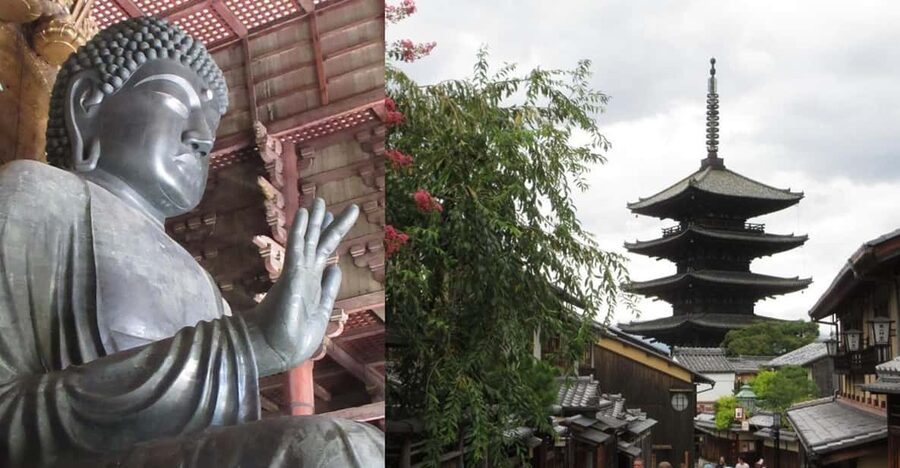
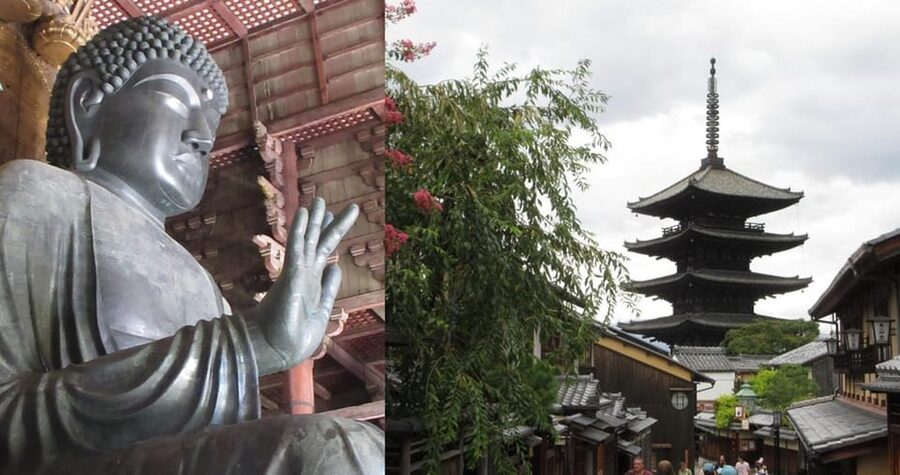
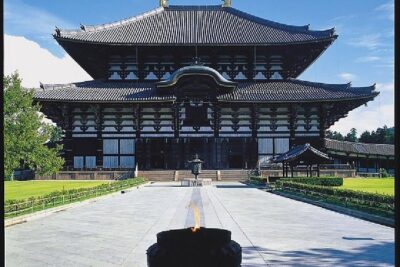
The first major stop is Tōdai-ji. You have about 90 minutes for the visit, guided sightseeing, and some shopping. The temple is famous for its giant Buddha, one of the largest in Japan. The scale is the point: the building, statue, and surrounding precinct are meant to make you feel small.
The guide adds value here because Tōdai-ji can otherwise become a quick photo stop. You receive explanations of the major monuments, especially those designated as national treasures, along with background on Buddhist worship. The guide also uses illustrated explanations in Italian, useful if you want to remember names and stories after the day ends.
Omae is especially suited to travelers who want more than dates and architectural labels. He explains legends connected with the places and objects, and he makes room for questions. His Italian is described as excellent, shaped by more than ten years living in Italy, and his style includes humor as well as detail.
You should also expect time to look around on your own. The guide’s approach is not simply to talk without pause. The schedule allows room for photographs and personal exploration, which is important at a site as visually powerful as Tōdai-ji.
Meeting Nara’s famous deer
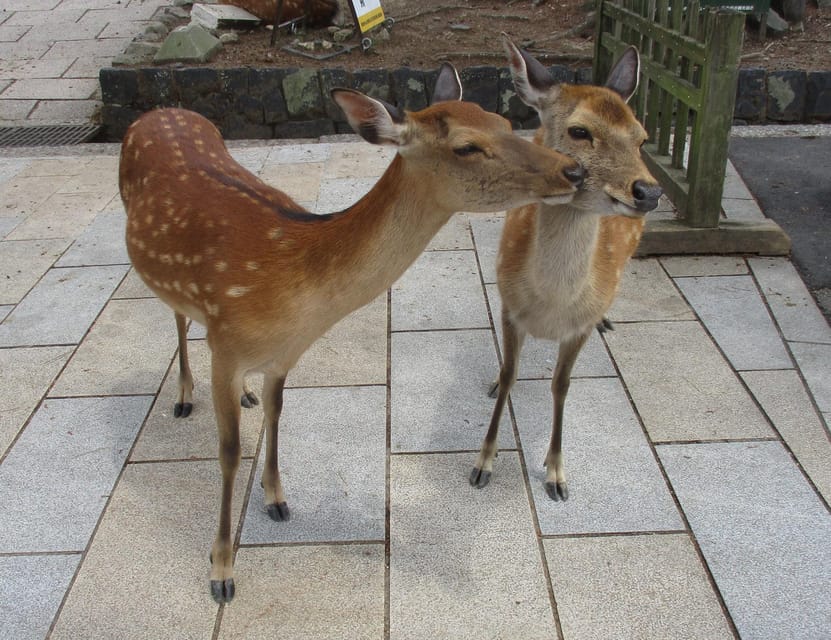
The broad park around Tōdai-ji is home to many tame deer. They move through the grounds alongside residents and sightseers, creating one of Nara’s most memorable scenes.
Special crackers are sold at stalls, allowing you to feed them. This is a simple experience, but it changes the way you see the park. Instead of passing through as a visitor, you interact with one of the city’s best-known living traditions.
Use ordinary care around the animals. Keep the crackers controlled, follow the guide’s instructions, and do not assume that a tame deer behaves like a pet. The tour provides the setting and explanation, but your own good judgment still matters.
After Tōdai-ji, the route includes a short walk of about five minutes to Ukimido. You visit, walk, or pass by for around ten minutes. This is a brief stop rather than another large temple visit, so think of it as a quieter pause in the morning route.
The program then includes another ten-minute walk and the return train to Kyoto, again about 45 minutes. The morning is full, but the travel time gives you a chance to rest before the afternoon.
A few more Kyoto experiences worth comparing
- 5 Top Highlights of Kyoto Full Day Bike Tour (E-bike option)
★ 5.0 · 511 reviews - Full Day Biking Tour Exploring the Best of Kyoto
★ 5.0 · 498 reviews - Kyoto Private Car Tour – Full Day with Local Guide & Nara Option
★ 5.0 · 169 reviews - Full Day Tour of Kyoto with Private Transportation
★ 5.0 · 130 reviews
A useful break at Kyoto Station
Back at Kyoto Station, you have about an hour of break time. This pause is important. It divides a demanding day into two manageable halves and gives you time to eat or simply sit down.
Food is not listed as included, so plan to pay for your own meal. The information provided does not specify a restaurant or a fixed lunch arrangement, which gives you some freedom but also means you should use the break wisely. Do not count on a long, relaxed meal if you want to stay on schedule.
After the break, a bus ride of about 15 minutes and a 15-minute walk take you toward Kiyomizu-dera. The afternoon section is more pedestrian-focused than the Nara morning, and comfortable shoes will help.
Walking the old approach to Kiyomizu-dera
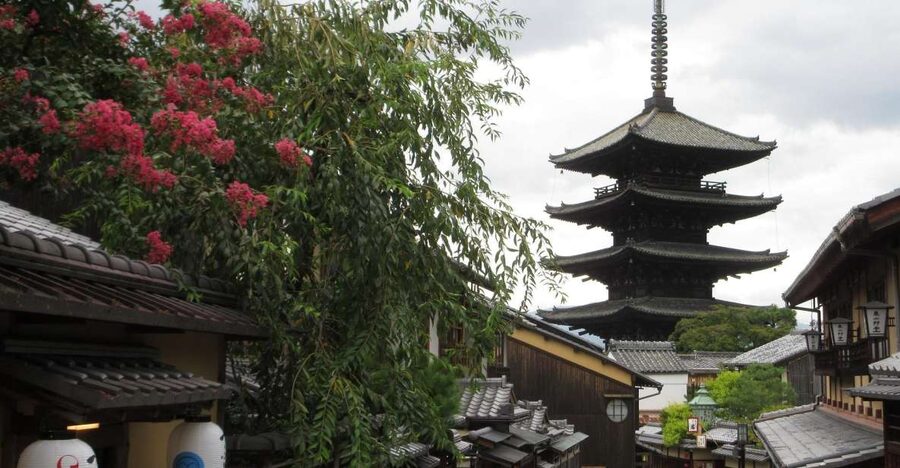
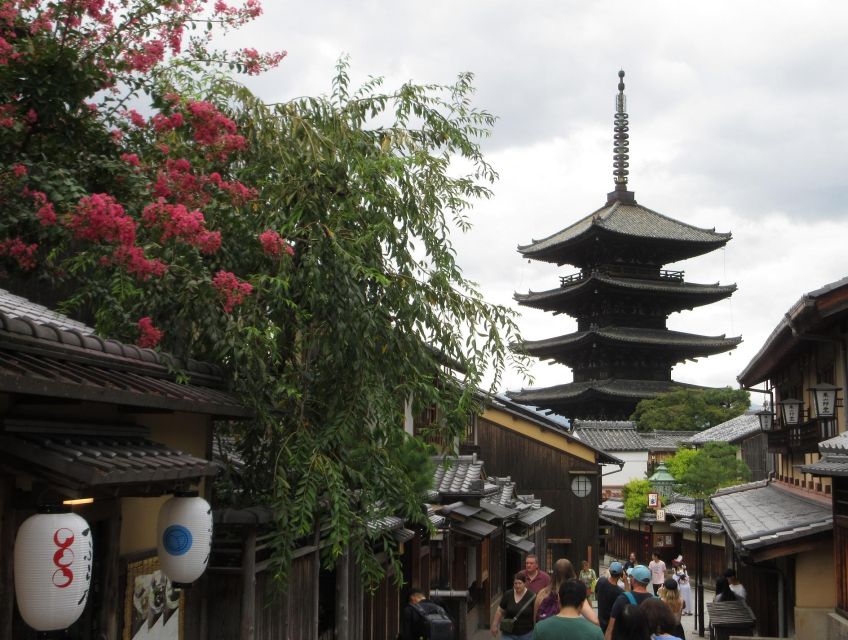
The route to Kiyomizu-dera follows old pilgrimage roads and streets that have developed over many centuries. Today, the approach is lined with souvenir shops, sweet shops, bars, and other businesses serving people heading to the temple.
That mix is part of the experience. You get a working visitor district rather than a silent historical display. It can feel crowded and commercial, but the shops also make the walk entertaining and accessible for different ages.
The temple visit lasts about an hour and includes a guided explanation. Kiyomizu-dera is one of Kyoto’s essential Buddhist sights, but a guide helps you connect the building and rituals to the wider story of the city.
This is where an Italian explanation can be especially useful. Religious sites in Japan often have layers of meaning that are not obvious from a quick look at an altar, gate, or wooden structure. The guide can explain what you are seeing, answer questions as they arise, and point out details you might otherwise pass.
The route is not a museum-style visit with every minute controlled. The guide accommodates reasonable requests and gives you space to photograph and explore. That balance was one of the most praised features of the guiding style: clear explanations without taking away your freedom.
Gion-kobu and the world of Maiko and Geiko
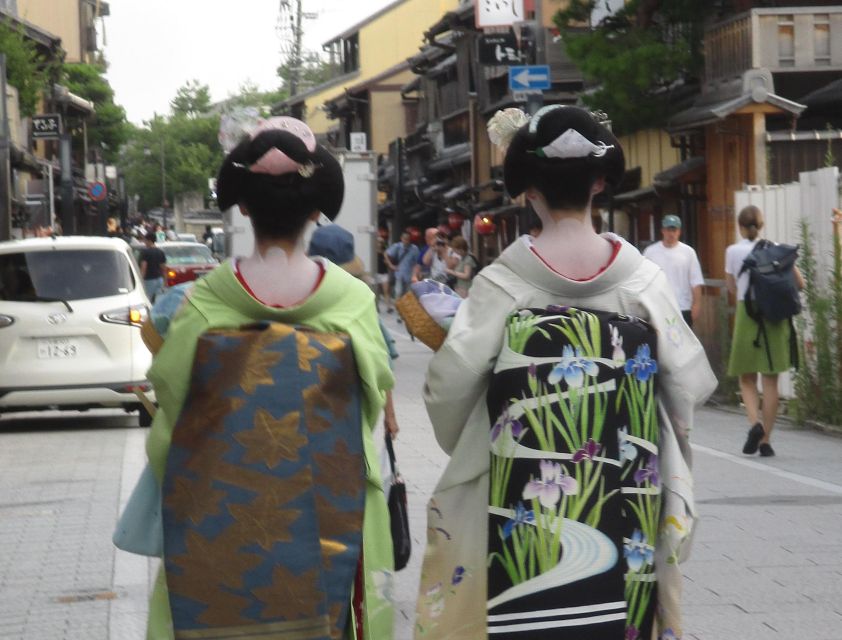
From Kiyomizu-dera, you walk for about 20 minutes to Gion. The guided visit in Gion lasts around 20 minutes, followed by another ten-minute walk before the tour finishes at Pontocho.
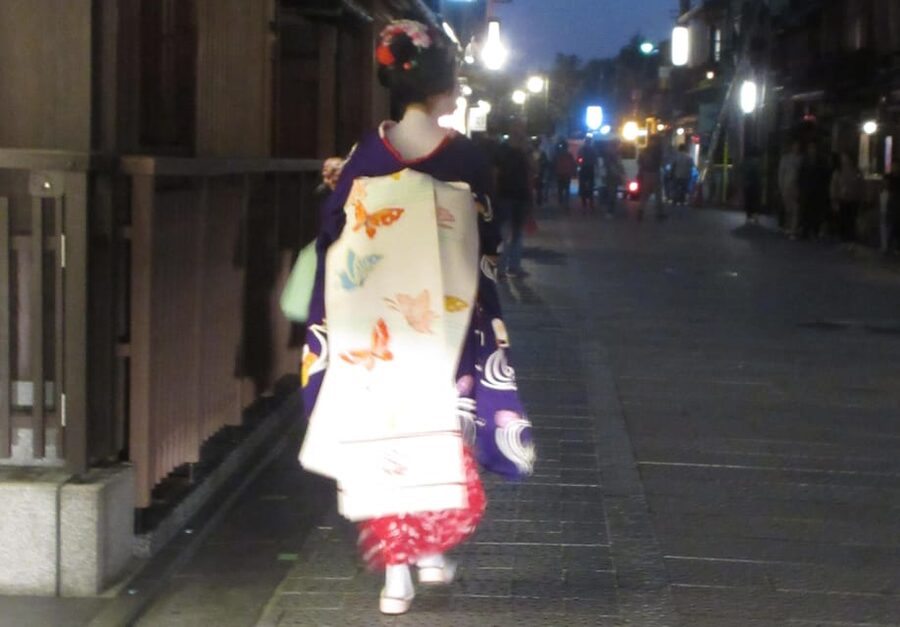
The focus is the Gion-kobu area, one of Kyoto’s traditional entertainment districts. It is associated with professional Maiko and Geiko artists, sometimes loosely called geisha in English and Geisya in the tour description.
This is not presented as a guaranteed performance or a private meeting with an artist. Instead, you walk through the district where this profession has long operated and learn about its cultural setting. That distinction matters. You should approach the area respectfully and avoid treating it like a stage set.
The Gion section is short, so it works best as an introduction rather than a full study of Kyoto’s traditional arts. The guide’s local background helps here, particularly when explaining customs, streets, and the difference between what you see in the district and what popular images suggest.
Finishing in Pontocho is practical. You are not returned to the station at the end, but you are left in a central Kyoto area suited to continuing your evening. The exact end point is Pontocho, so you can plan dinner or your next activity from there.
How good is the Italian guiding?
The guide is the heart of this experience. The most praised qualities are Omae’s polished Italian, his broad command of Japanese culture, his humor, and his willingness to answer questions.
He does more than recite standard facts. You can expect stories about legends and mythology connected with monuments and objects, along with explanations of popular Buddhist devotion. This helps turn a series of famous places into a connected cultural visit.
The guidance also appears flexible within reason. If you want more time for photographs or have a particular question, the schedule can accommodate requests when possible. That does not mean the day can be redesigned at will. The train, bus, temple, and walking times create a firm framework.
The published language is Italian. One itinerary note refers to questions being answered in English, but the activity is presented as an Italian-language tour, and the guide’s Italian ability is a central part of its appeal. If language is important to your booking decision, confirm the operating language before paying.
Walking, group size, and the real pace
The group is limited to 15 people, small enough for questions and personal attention without the cost of a private guide. A small group also makes train and bus movements easier than a large coach tour, though you still need to keep up and stay aware of meeting times.
The schedule contains several walks: five minutes after Tōdai-ji, ten minutes later in the morning, 15 minutes toward Kiyomizu-dera, 20 minutes to Gion, and ten minutes to Pontocho. These are not long hikes on paper, but the total day includes temple grounds, streets, station movement, and time on your feet.
Wheelchair access is stated as available. Still, the route includes buses, station transfers, temple areas, and historic streets, so you should discuss specific mobility needs with the provider before booking. The listing confirms accessibility but does not give detailed information about every surface or transfer.
This is a good fit for you if you want a full sightseeing day and appreciate having cultural details explained as you go. It is less suitable if you prefer to linger for hours at one temple, shop at your own pace, or avoid public transport.
What the $176 price includes
The price is $176 per person. Included are the scheduled train and bus fares, entrance fees for the monuments in the program, illustrated historical explanations in Italian, and practical information about travel in Japan on request.
That last service can be more useful than it sounds. If you are planning additional time in Japan, the guide can provide free general travel advice during or around the experience. The tour is not only a sightseeing package. It can also help you make sense of the country while you are getting started.
Food, personal shopping, and any costs outside the scheduled program are not listed as included. You should budget for your own break at Kyoto Station and for deer crackers if you want to feed the animals.
The value is strongest for Italian-speaking visitors who want interpretation, local context, and organized transport. It is weaker for independent visitors who already know Nara and Kyoto, speak Japanese comfortably, or only want a short temple visit.
Free cancellation is available up to 24 hours before the start for a full refund, and you can reserve now and pay later. Those terms are helpful when your Kyoto schedule is still changing.
Who should book this full-day experience?
I would recommend it to Italian-speaking visitors making a first visit to Kyoto, families who want help managing a two-city day, and anyone who prefers stories and explanations over self-guided sightseeing.
It is also a strong choice if you have limited time. In one day, you see Nara’s most famous Buddhist monument and deer park, then return to Kyoto for two of the city’s best-known cultural areas.
I would hesitate if your priority is a relaxed pace. The day begins at Kyoto Station, includes a morning excursion, a return train, a one-hour break, an afternoon temple visit, a walk through Gion, and a finish in Pontocho. That is a lot of ground and history in one outing.
Should you book it?
Book this tour if you want Italian-language insight, dependable help with transport, and a carefully arranged look at Nara and Kyoto in the same day. Omae’s ability to explain legends, Buddhist customs, and local culture is a major reason to choose it over simply visiting the sights alone.
Skip it if you would rather spend a full day in one city or set your own pace. At $176, it earns its price through the guide, admissions, transport, and cultural interpretation, not through luxury or free time. For an active first-time visitor who wants the major sights explained clearly, it is a well-focused and useful day.
FAQ
Where does the tour start?
The meeting point is at Kyoto Station, in the space between the four escalators in front of the taxi terminal, just outside the north central entrance on the east side. Kyoto Tower should be visible toward the upper left from this position.
Where does the tour finish?
The tour finishes at Pontocho in Kyoto.
Is the tour conducted in Italian?
Yes. The activity includes a live Italian-speaking guide, and the historical explanations are provided in Italian.
Who is the guide?
The guide named in the available information is Omae. He is Japanese, lived in Italy for more than a decade, and speaks Italian.
Are train and bus fares included?
Yes. The scheduled train and bus fares used during the tour are included.
Are entrance fees included?
Yes. Entrance fees for the monuments included in the program are covered.
How large is the group?
The tour is a small-group experience limited to 15 participants.
Recently added around Kyoto
- Higashiyama | Kyoto: Sakura Season Private Rickshaw Tour★ 5.0 · 3 reviews
- Kyoto Kimono Rental CHAMATSU|Kimono/Yukata Rental FamilyPlan★ 5.0 · 3 reviews
- Kyoto: Half-Day Private Guided Tour to the Old Town of Gion★ 4.4 · 3 reviews
- Nara Private Customizable Half Day Tour★ 5.0 · 3 reviews
- Kansai Region Hiking Adventure in Nara Kobe Kyoto and More★ 5.0 · 3 reviews
- Full Day Nara Deer, Temple, Shrine, Activities & Tea Ceremony★ 5.0 · 3 reviews
- Nara: Essential Private Tour with Deer Park and Temples★ 5.0 · 3 reviews
- Hiking Tour for Sacred Sites in Kyoto with a Guide★ 5.0 · 3 reviews
Nara Day Trips, compared.
World Heritage Kyoto & Nara Uji Authentic Matcha Experience
Read our review →
Kyoto/Osaka: Nara, Fushimi Inari Taisha, Arashiyama Bus Tour
Read our review →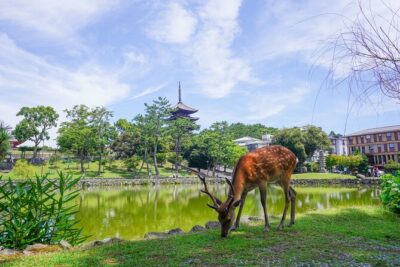
Nara Half Day Trip Walking Tour (Private Option Available)
Read our review →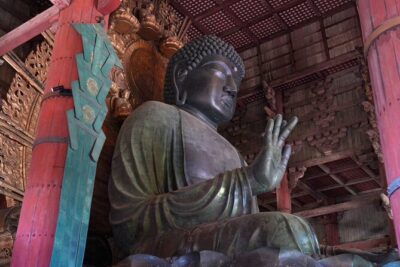
Nara Early Morning Tour (Kyoto or Osaka Departure Available)
Read our review →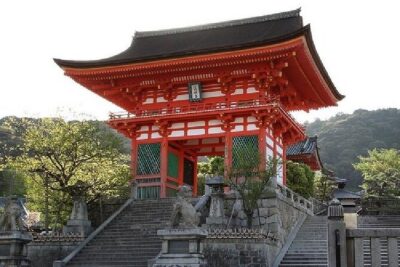
Kyoto/Osaka: Kinkakuji, Bamboo Forest, and Nara Deer Park
Read our review →Browse the lists this tour appears in