
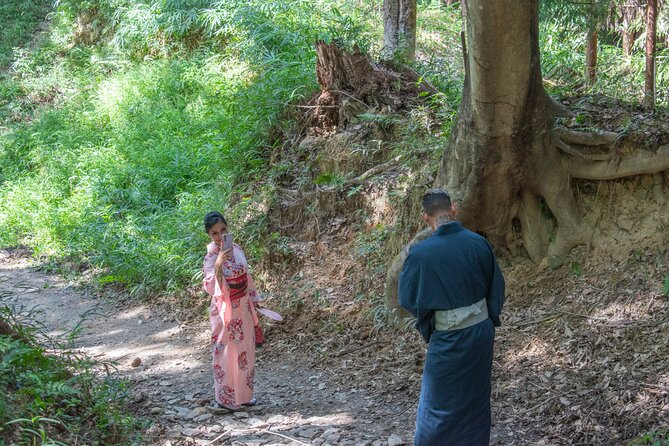
REVIEW · NARA DAY TRIPS
Kyoto, Nara and Osaka private up to 9 pax picked up from Kyoto
The most unusual feature here is the chance to shape a private day around Kyoto’s famous sights and quieter temples, with pickup at your Kyoto hotel and room for as many as nine people. The advertised three-city concept can also connect Kyoto with Nara and Osaka, though the exact route matters greatly.
I like the mix of icons and out-of-the-way stops. Fushimi Inari and Kinkakuji give you the classic Kyoto scenes, while Rengeji, Myomanji, Koetsuji, and Matsuo Shrine offer calmer places where the day feels less like a checklist. I also like the personal touch: guide Takashi is praised for strong English, cultural explanations, photography, and finding peaceful places.
The main caution is timing. The summary says about seven hours, but the three-city example describes a 12-hour day, and the detailed stop list is a Kyoto-only route. Confirm your chosen option, duration, and included cities before paying, especially if Nara and Osaka are essential to your plans.
In This Review
- Key points to know before booking
- What this private Kyoto day is really designed to do
- Fushimi Inari, Kyoto’s most memorable opening scene
- Rengeji and Myomanji, Kyoto away from the main circuit
- Koryu-ji, a short stop with early Kyoto connections
- Kinkakuji, the Golden Pavilion, in one focused hour
- Koetsuji and Matsuo Shrine for gardens, tea, and local color
- A Kyoto sweets stop at Nakamuraken
- The possible Nara and Osaka extension
- How the private format affects value
- What the guide adds to the day
- Who should book this experience
- Should you book it?
- FAQ
- Is hotel pickup available in Kyoto?
- How many people can join the private tour?
- Does the tour always include Kyoto, Nara, and Osaka?
- How long does the experience last?
- What is the cancellation policy?
- Can children join the experience?
Key points to know before booking
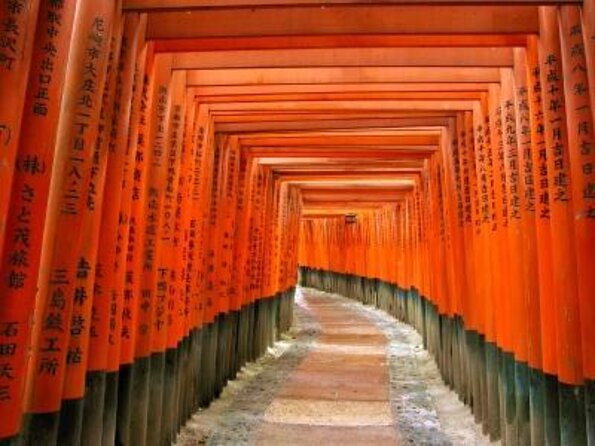
- Private transport for up to nine people: Your group travels together, with pickup offered in Kyoto and a choice of drop-off location.
- A mix of famous and quiet Kyoto sites: Fushimi Inari and Kinkakuji share the day with lesser-visited temples such as Rengeji and Koetsuji.
- The itinerary can vary: The detailed schedule lists eight Kyoto stops, while the three-city example includes Nara and Osaka and lasts about 12 hours.
- A local dessert stop adds flavor: Nakamuraken offers Kyoto-style sweets, including mochi-like treats, yuzu shaved ice, and matcha flavors.
- Guide Takashi brings a personal touch: His strengths include English communication, cultural background, photography, and secluded temple visits.
- The price reflects private service: At $329.02 per person, value improves for a full group, but the exact number of people and hours should guide your decision.
What this private Kyoto day is really designed to do
This is not a standard one-route sightseeing bus. It is a private outing built around the guide’s recommendations, with the flexibility to visit major landmarks and quieter religious sites in one day.
The title presents Kyoto, Nara, and Osaka as the focus, but the detailed route supplied for the experience is entirely in Kyoto. It includes eight stops and adds up to roughly seven hours based on the listed visit times, not counting driving, meals, or traffic.
A separate example describes a 12-hour three-city day. That version includes Fushimi Inari in Kyoto, Todai-ji and Nara Park in Nara, then Dotombori and Abeno Harukas in Osaka. Those are very different days. One gives you a broad first look at three cities, while the other gives you more time with Kyoto’s temples.
I would treat the booking as an adaptable private tour rather than one fixed itinerary. Ask which option you are selecting, how long it runs, and whether Nara and Osaka are definitely included.
More day trips to Nara:
- World Heritage Kyoto & Nara Uji Authentic Matcha Experience
★ 5.0 · 1,573 reviews - Kyoto/Osaka: Nara, Fushimi Inari Taisha, Arashiyama Bus Tour
★ 4.7 · 1,275 reviews - Nara Half Day Trip Walking Tour (Private Option Available)
★ 5.0 · 937 reviews
Fushimi Inari, Kyoto’s most memorable opening scene
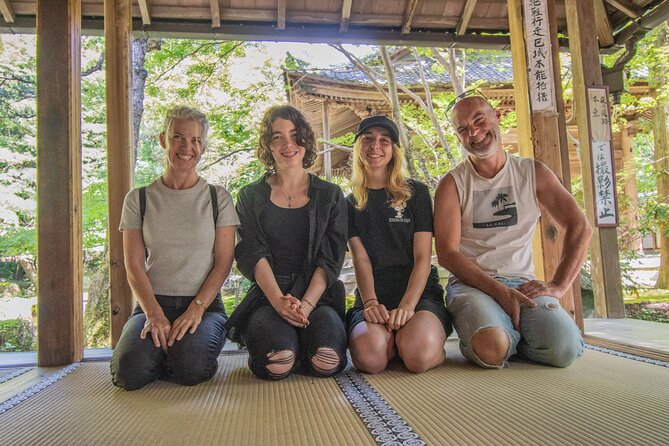
Fushimi Inari Taisha is the natural headline stop. The shrine is famous for its long rows of orange torii gates, which climb through wooded slopes and create one of Japan’s most recognizable walks.
The visit is scheduled for two hours. That gives you time to see more than the first gate tunnel and begin walking up the mountain. The shrine grounds cover an entire mountain, with bamboo, woodland paths, and birdsong adding a quieter side to the famous view.
The practical point is that Fushimi Inari is not just a photo stop. The farther you walk, the more the crowds usually thin, though the path is uphill and you should wear shoes suited to walking.
Admission is listed as free. If you are visiting Kyoto for the first time, this stop gives you the bold visual moment many people hope for. If you have already seen Fushimi Inari, the private guide can help make the visit more personal by taking you beyond the entrance area.
Rengeji and Myomanji, Kyoto away from the main circuit
Rengeji Temple is scheduled for one hour and is known here for its moss garden and broad tatami viewing area. Its distant location is part of the appeal. You are not being sent only to the easiest, most heavily photographed places.
The quiet setting may suit you if you prefer gardens, stillness, and architectural details over a packed sightseeing route. The tradeoff is simple: time spent reaching a less central temple is time you do not spend in another major Kyoto district.
Myomanji Temple also receives one hour. It is described as one of the larger temples in northern Kyoto, with a garden arranged from countless small rocks. The site also provides an introduction to major divisions within Japanese Buddhism.
That last point matters. A guide can turn a garden or temple hall into something more meaningful by explaining what you are seeing and why it matters. Takashi is specifically associated with clear English and cultural explanations, so this is the kind of stop where his role can make a difference.
Koryu-ji, a short stop with early Kyoto connections
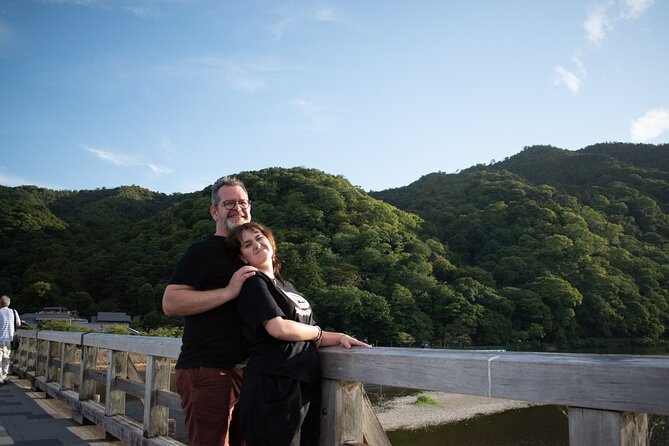
Koryu-ji receives 30 minutes, making it a brief visit rather than a full temple study. Its origins are linked to the Hata people, a group described as having Korean roots and connections to Japan in the fifth and sixth centuries.
The temple has survived a fire and continued through the centuries. That gives the stop historical weight, but half an hour will limit how much time you have to explore.
I would see Koryu-ji as a useful connecting stop for people interested in Kyoto’s early cultural links with the Asian mainland. If you want long, quiet garden visits, the short timing may feel rushed. Your guide’s explanation will likely be more important here than the length of the stop.
A few more Kyoto experiences worth comparing
- Fushimi Inari Hidden Hiking Tour (Private Option Available)
★ 5.0 · 1,750 reviews - Private Kyoto Tour with a Local, Highlights & Hidden Gems, Personalised
★ 5.0 · 1,543 reviews - Kyoto 6hr Private Tour with Government-Licensed Guide
★ 5.0 · 1,369 reviews - 10 Must-see Spots in Kyoto One Day Private Tour (up to 7 people)
★ 5.0 · 1,108 reviews
Kinkakuji, the Golden Pavilion, in one focused hour
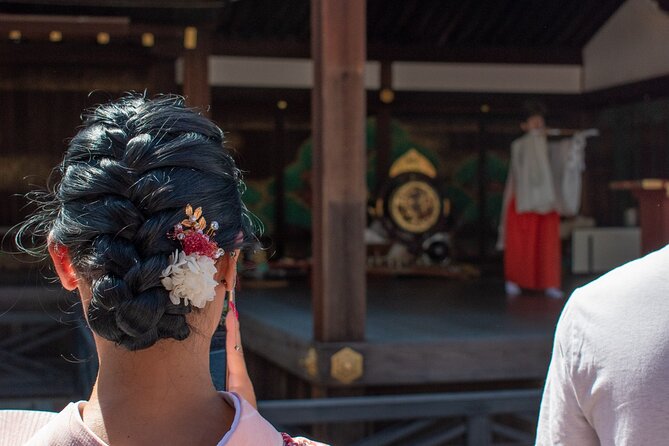
Kinkakuji is the tour’s major visual landmark after Fushimi Inari. The Golden Pavilion was first built as the villa of shogun Yoshimitsu Ashikaga, who lived from 1358 to 1408, and became a temple after his death.
The upper two floors are covered in gold leaf. The building is viewed across its garden and pond, where the reflection often completes the scene.
One hour is a sensible amount of time for the listed visit. You can see the pavilion, walk the grounds, and hear the story behind the site without allowing one famous building to consume the whole day.
Kinkakuji is popular for good reason, but it is not a quiet secret. If your ideal Kyoto day is made only of empty lanes and private-feeling gardens, this stop may feel more public and organized than Rengeji or Koetsuji. Still, I would keep it. A first Kyoto visit feels incomplete for many people without seeing the Golden Pavilion.
Admission is listed as free in the supplied schedule, though you should confirm current arrangements when booking because site policies can change.
Koetsuji and Matsuo Shrine for gardens, tea, and local color
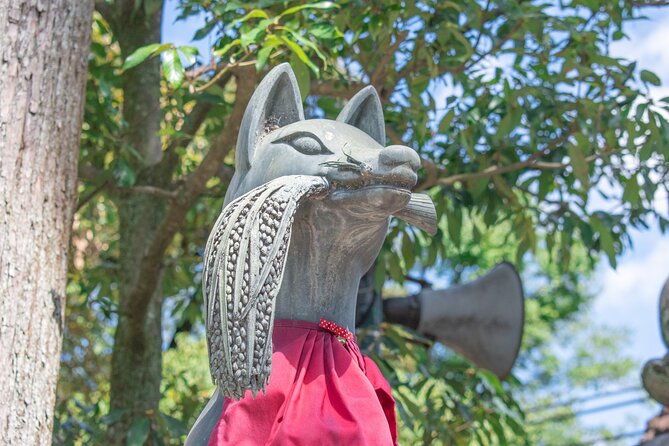
Koetsuji receives 30 minutes. The temple is associated with an artist skilled in tea ceremony, calligraphy, and other arts, and its garden includes varied trees and tea-related objects.
This is a compact introduction, not a full tea ceremony lesson. The stop works best if you enjoy the link between landscape, art, and traditional cultural practice. If you want a slow garden visit, ask if more time can be assigned here.
Matsuo Shrine also receives 30 minutes. It was established by the Hata tribe and remains important to the surrounding community. A large koi pond gives the site a friendly, everyday appeal, since you can feed the fish.
That simple activity changes the pace of the day. After several formal temple gardens, koi provide something playful and easy. Families may especially appreciate it, though the schedule does not give enough detail to promise how much time is available for feeding.
A Kyoto sweets stop at Nakamuraken
Nakamuraken is a local dessert shop scheduled for half an hour. The menu includes Kyoto-style sweets such as Mochifu, a pounded rice treat with a texture different from ordinary mochi, along with shaved ice flavored with yuzu or matcha.
This is one of the most useful stops for getting beyond temple scenery. Food gives you a quick sense of local taste, seasonal habits, and the small shops that make a city feel specific.
The guide’s personal connection also appears important here. Takashi has spoken warmly about pickle samples and the amount one family bought from a stand, suggesting that food stops may be more than a quick purchase. Still, the information does not guarantee a particular pickle tasting at Nakamuraken, so treat that as a possible extra rather than a promised feature.
Half an hour is enough for a sweet and a look around, but not for a leisurely café visit. If dessert is a priority, tell the guide in advance.
The possible Nara and Osaka extension

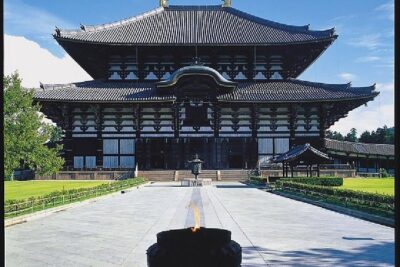
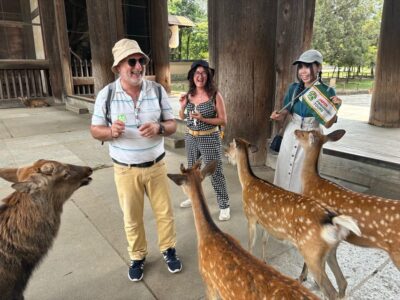
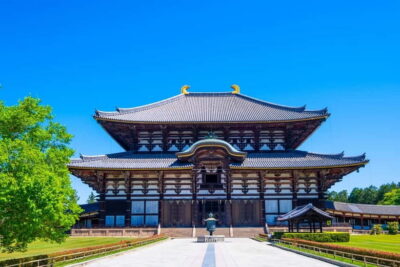
The three-city version changes the character of the experience. In Nara, the example includes Todai-ji, with its enormous Great Buddha Hall, and Nara Park, where you can feed deer with crackers.
Todai-ji supplies the grand scale. The Great Buddha and its hall make a strong contrast with the intimate gardens in Kyoto. Nara Park adds an informal outdoor moment, though you should follow local guidance when feeding the deer and keep food under control.
The Nara portion also mentions a secret temple and matcha tasting in a calm setting. Because the temple is not named, you should ask for the exact location and what the tasting includes before booking.
Osaka then shifts the mood again. Dotombori is the place for walking, street food, and local dishes, while Abeno Harukas offers an observatory in one of Japan’s tallest skyscrapers.
This is an ambitious day. You gain variety, but you lose time at each site and spend more of the day moving between cities. I would choose the three-city option only if you have limited time in Kansai and want a broad introduction. If Kyoto is your priority, the Kyoto-focused route gives the temples more room.
How the private format affects value
The price is listed at $329.02 per person. That is a serious cost for a seven-hour experience, but the comparison changes when you consider that the vehicle and guide are private for your group of up to nine.
For a large family or group of friends, private transport can be valuable. You avoid splitting up, negotiating several separate train journeys, or losing time figuring out how to connect distant temples. Pickup in Kyoto also makes the start easier, and the ability to choose a drop-off location can help you finish near dinner.
For one or two people, the price is harder to justify unless you place a high value on convenience and a custom route. The group discount feature may improve the per-person cost as your party grows.
The tour also lets you go to a restaurant after the outing by choosing a suitable drop-off point. That is a useful detail in a city where dinner plans can be tied to a particular neighborhood.
The advertised average booking time is 113 days ahead. You do not have to assume that far-ahead booking is always required, but it suggests that planning early is sensible if you need a particular date, especially for a larger group.
What the guide adds to the day
A private guide matters most at the less famous stops. Anyone can point out the Golden Pavilion. A good guide helps you understand why a moss garden, rock arrangement, shrine lineage, or tea object deserves your attention.
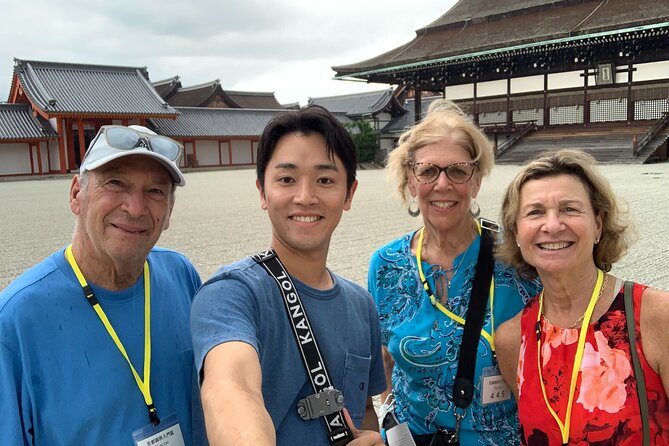
Takashi is the guide name associated with this experience. The strongest qualities connected with him are English communication, cultural explanations, photography, and a talent for finding calm temple settings.
Photography is a real advantage for a family group. A private guide can take pictures of everyone together instead of leaving one person behind the camera. The feedback also points to a warm, personal style, including enthusiasm for local food purchases and small tasting moments.
Do not book this expecting a rigid lecture. The design suggests something more conversational and tailored. At the same time, the guide’s personal route choices may not match your own priorities, so tell him early if you care most about gardens, architecture, sweets, photography, or the three-city plan.
Who should book this experience
I would recommend it most strongly to families, multigenerational groups, and friends who want private transport and a flexible day. It also suits first-time visitors who want the major Kyoto images but do not want to spend every hour in the busiest central areas.
You will get the most from it if you enjoy walking, temple grounds, gardens, small food stops, and cultural background. Fushimi Inari includes an uphill mountain path, and several temple visits involve outdoor walking and standing.
This is less suitable for someone who wants a slow, single-neighborhood day. It is also not ideal if you need a firm seven-hour schedule but are considering the three-city route, which is described as lasting 12 hours.
Confirmation is provided at booking, the tour is near public transportation, and most people can participate. Alcohol consumption requires a minimum age of 18. Free cancellation is available up to 24 hours before the start time, with no refund inside that window.
Should you book it?
Book this tour if you want a private Kyoto day with a personal guide, hotel pickup, famous landmarks, quiet temples, and a local sweets stop. The strongest reason to choose it is the combination of Fushimi Inari and Kinkakuji with places such as Rengeji, Myomanji, Koetsuji, and Matsuo Shrine.
Be cautious about the title. The detailed route is Kyoto-focused, while the three-city option reaches Nara and Osaka and takes about 12 hours. Before booking, confirm the exact itinerary, duration, pickup, and price for your group.
For a group of six to nine, the cost may be fair for private service. For a couple, compare it with using public transportation and booking individual guides. If convenience, photography, and a tailored route matter most, this is a strong choice. If low cost or slow temple visits matter more, plan the day independently.
FAQ
Is hotel pickup available in Kyoto?
Yes. Pickup is offered for travelers staying in Kyoto, and the tour can take your group directly to the sites.
How many people can join the private tour?
The private tour accepts up to nine people. Only your group participates.
Does the tour always include Kyoto, Nara, and Osaka?
Not necessarily. The detailed schedule lists Kyoto stops, while a separate three-city example includes Nara and Osaka. Confirm the exact option before booking.
How long does the experience last?
The tour summary lists approximately seven hours. The three-city example is described as a 12-hour tour, so the duration depends on the selected option.
What is the cancellation policy?
You can cancel at least 24 hours before the start time for a full refund. Cancellations or changes made within 24 hours are not refunded or accepted.
Can children join the experience?
Most people can participate, and the additional information does not list a general minimum age. Alcohol consumption, if relevant, requires a minimum age of 18.
Recently added around Kyoto
- Higashiyama | Kyoto: Sakura Season Private Rickshaw Tour★ 5.0 · 3 reviews
- Kyoto Kimono Rental CHAMATSU|Kimono/Yukata Rental FamilyPlan★ 5.0 · 3 reviews
- Kyoto: Half-Day Private Guided Tour to the Old Town of Gion★ 4.4 · 3 reviews
- Nara Private Customizable Half Day Tour★ 5.0 · 3 reviews
- Kansai Region Hiking Adventure in Nara Kobe Kyoto and More★ 5.0 · 3 reviews
- Full Day Nara Deer, Temple, Shrine, Activities & Tea Ceremony★ 5.0 · 3 reviews
- Nara: Essential Private Tour with Deer Park and Temples★ 5.0 · 3 reviews
- Hiking Tour for Sacred Sites in Kyoto with a Guide★ 5.0 · 3 reviews
Nara Day Trips, compared.
World Heritage Kyoto & Nara Uji Authentic Matcha Experience
Read our review →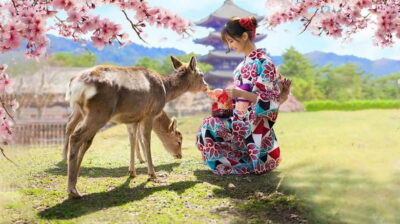
Kyoto/Osaka: Nara, Fushimi Inari Taisha, Arashiyama Bus Tour
Read our review →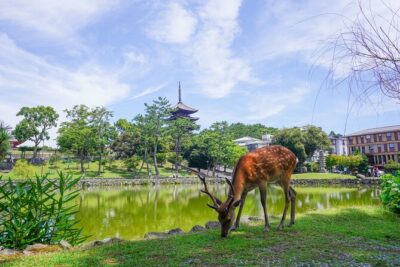
Nara Half Day Trip Walking Tour (Private Option Available)
Read our review →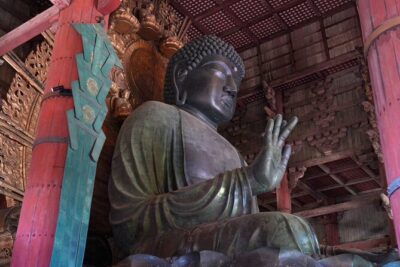
Nara Early Morning Tour (Kyoto or Osaka Departure Available)
Read our review →
Kyoto/Osaka: Kinkakuji, Bamboo Forest, and Nara Deer Park
Read our review →Browse the lists this tour appears in