
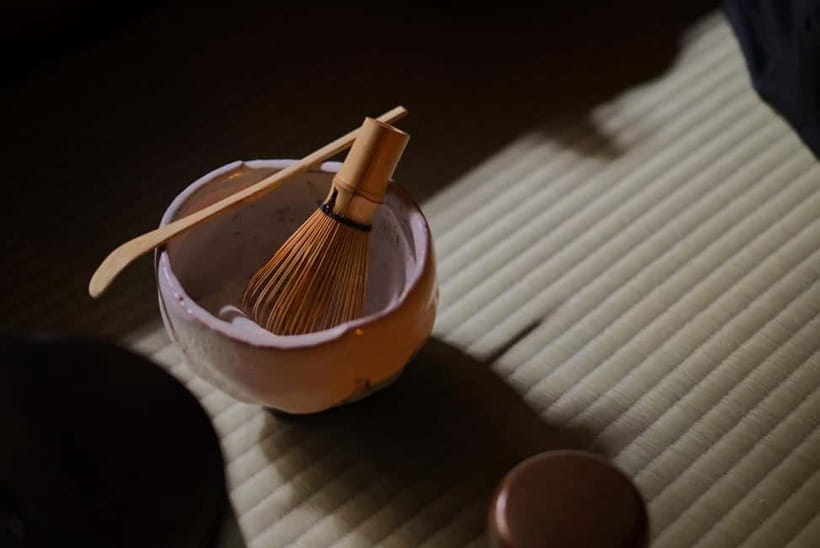
REVIEW · KYOTO TEA CEREMONY EXPERIENCES
Kyoto: Mindful Tea Ceremony in 100-Year-Old Teahouse
Kyoto’s Oboro tea ceremony is less about getting every gesture right and more about slowing your senses down. In a 100-year-old teahouse, candlelight replaces harsh ceiling lights, water simmers quietly, and the host prepares matcha with a calm, careful rhythm.
I like the small groups of up to eight, which make it easier to see the preparation and ask questions. I also like the relaxed teaching style: you learn the tradition without being buried under strict rules. The main consideration is timing. The session lasts only 45 minutes, so this is a focused introduction rather than a long study of tea culture.
In This Review
- Key points
- A candlelit beginning in an old Kyoto house
- The welcome tea sets the pace
- Three rooms and a quiet sense of movement
- Watching matcha become a ceremony
- Drinking from the bowl
- Why the small group matters
- What the 45 minutes really gives you
- The hosts make the tradition approachable
- Practical details before you book
- Who will enjoy this most
- The final candle and the walk home
- Should you book Oboro?
- FAQ
- How long does the tea ceremony last?
- How much does the experience cost?
- Is the ceremony conducted in English?
- How many people are in each group?
- What is included in the price?
- Do I need to wear socks?
- Can I take photographs?
- What happens if I arrive late?
- Is the ceremony suitable for children or wheelchair users?
Key points
- Candlelit 100-year-old teahouse: Minimal décor and a garden view create a quiet setting after a busy day in Kyoto.
- English guidance: Hosts explain the purpose behind the utensils, movements, tea, and etiquette.
- A gentle introduction: You can observe quietly, ask questions, or simply follow the rhythm without pressure.
- Seasonal tea and sweets: A welcome tea and small sweet help you notice how flavor changes with the ceremony.
- Summer variation: Chilled water and ice are used for the tea ceremony during summer.
- Thoughtful parting gift: You receive a small handmade candle to continue the calm feeling at home.
A candlelit beginning in an old Kyoto house
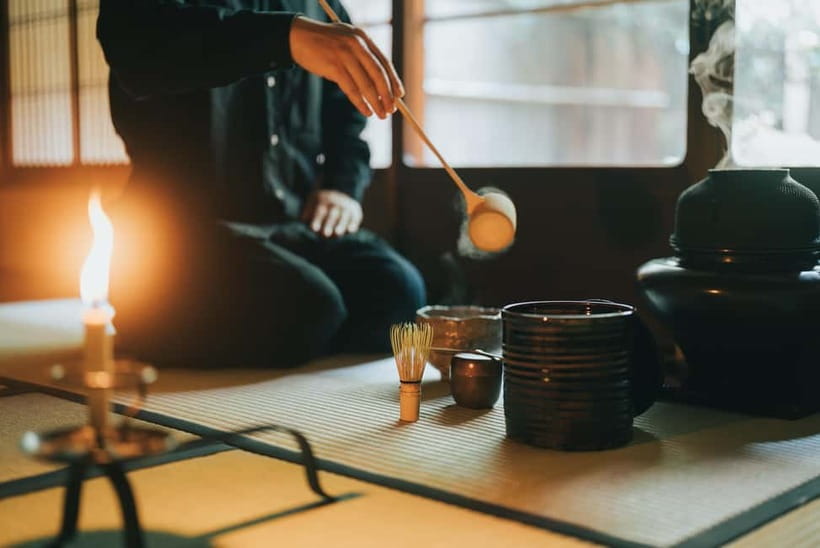
The first impression here is not a grand show. It is a change in pace.
You arrive at Oboro and step into a softly lit room. Candlelight gives the space a warmer, gentler feel than the bright lighting found in many modern venues. You remove your shoes, so socks are required, and the host can store your belongings if needed.
Arrive 10 minutes early. This gives you time to settle in without rushing. If you arrive more than 10 minutes late, you will not be admitted, which matters because the quiet opening is part of the experience rather than a formality you can easily skip.
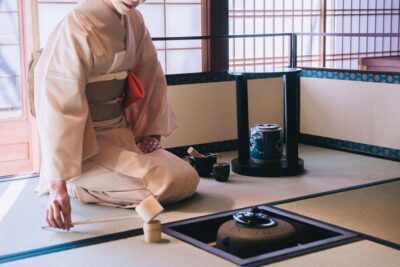
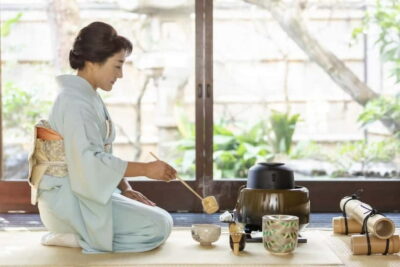
The house itself is one of the strongest parts of the visit. It is described as about 100 years old, with traditional Japanese interiors and a garden visible from the tearoom. You are not simply sitting in a rented room with a tea demonstration placed inside it. The building gives the ceremony a sense of place.
That setting can be especially welcome after a day among Kyoto’s crowded sights. The candlelight, low visual clutter, and quiet atmosphere help you put away your phone and pay attention to small things.
More tea ceremonies in Kyoto:
- Kyoto: Tea Ceremony in a Traditional Tea House in Kiyomizu
★ 4.9 · 3,519 reviews - Kyoto: Tea Ceremony Ju-An at Jotokuji Temple
★ 4.9 · 3,207 reviews - Kyoto: 45-Minute Tea Ceremony Lesson Experience
★ 4.3 · 2,378 reviews
The welcome tea sets the pace

Before the main ceremony, you settle into comfortable seats and receive a welcome tea with a seasonal sweet. This opening gives the host a chance to explain the flow and gives you time to adjust to the slower mood.
The welcome drink is not just something to consume while waiting. It starts the exercise in noticing flavor, temperature, aroma, and texture. One especially distinctive detail from the experience is the summer welcome drink, described as a smooth, cold green tea. The accompanying snack can also be unusual, so you should approach it with curiosity rather than expect a standard Western dessert.
Seasonal sweets are included, and they are meant to complement the tea. Their sweetness gives the matcha a different balance, helping you understand why Japanese tea gatherings pay close attention to what is served alongside the bowl.
The opening is also a useful moment to ask questions. Hosts such as Taku and Naoki have been praised for explaining clearly and making the ceremony accessible to first-time visitors. Another guide has been identified as Taiku, and one session was led by Naoki. Host assignments can vary, but the format is designed for English instruction.
Three rooms and a quiet sense of movement
The ceremony uses three rooms, with each room representing a different phase of the visit. That arrangement gives the short session a feeling of progression. You are not simply watching the host prepare tea in one fixed spot from start to finish.
The move toward the main tearoom is part of the mental reset. The room is arranged to reduce distractions and draw attention to quiet details. You may notice the sound of water heating, the faint scent of matcha, the garden beyond the window, or the movement of the host’s hands.
This is where the candlelight matters most. In a bright room, your eyes may skim over every object. In this more restrained setting, each bowl, utensil, and motion has more weight. The effect is simple, but it suits the purpose of the ceremony.
You are encouraged to maintain silence during the quiet parts. Photography is allowed without flash, but this is not a good place for constant picture-taking. A flash would disrupt the mood, and repeated camera use can make it harder for you to notice what the ceremony is asking you to notice.
Watching matcha become a ceremony
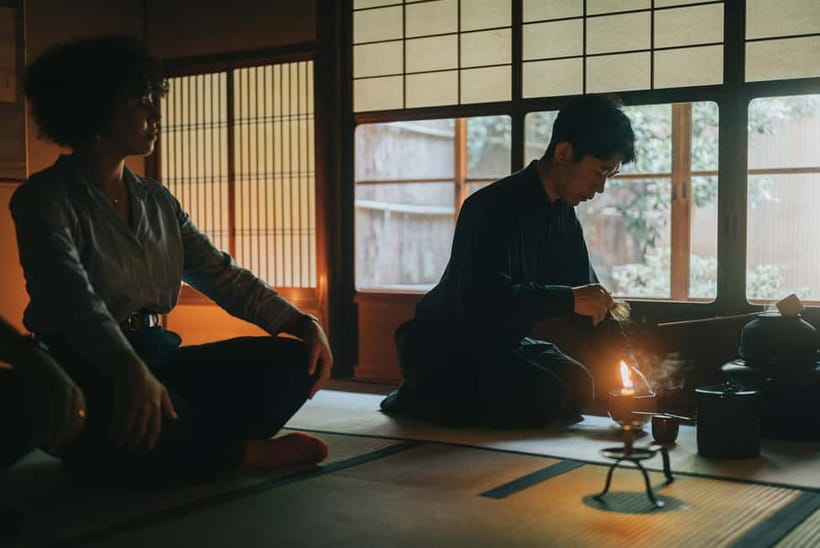
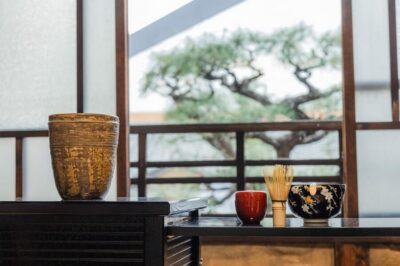
The host begins by purifying the utensils and preparing each bowl of matcha. The movements are deliberate, but the explanations keep the process from becoming mysterious or intimidating.
You learn that the ceremony is not only about whisking powdered green tea. The order of the actions, the handling of the bowl, the bow, and the attention given to each item all have meaning. The host explains these points in English, so you can understand the purpose behind what you are seeing.
This explanatory approach is important for newcomers. A formal tea ceremony can seem difficult to follow if you do not know what to look for. Here, you are given enough context to recognize the care in the movements without being told that you must perform them perfectly.
The experience also gives you a practical introduction to matcha quality and preparation. Guidance has included how matcha is made, what can indicate higher quality, and how to enjoy the finished tea. The focus is not on turning you into a tea expert in 45 minutes. It is on helping you taste and observe with more attention.
A completely different side of Kyoto:
- PERFECT KYOTO 1-Day Bus Tour
★ 5.0 · 13,518 reviews - Kyoto: Fushimi Inari, Kinkakuji, Bamboo Grove 1 Day Bus Tour
★ 4.8 · 4,316 reviews - Kyoto Geisha Walking Tour: Gion District & Hidden Gems
★ 4.7 · 3,273 reviews - Kyoto: Gion Magical Night Walking Tour with Geisha Trivia
★ 4.9 · 2,393 reviews
Drinking from the bowl
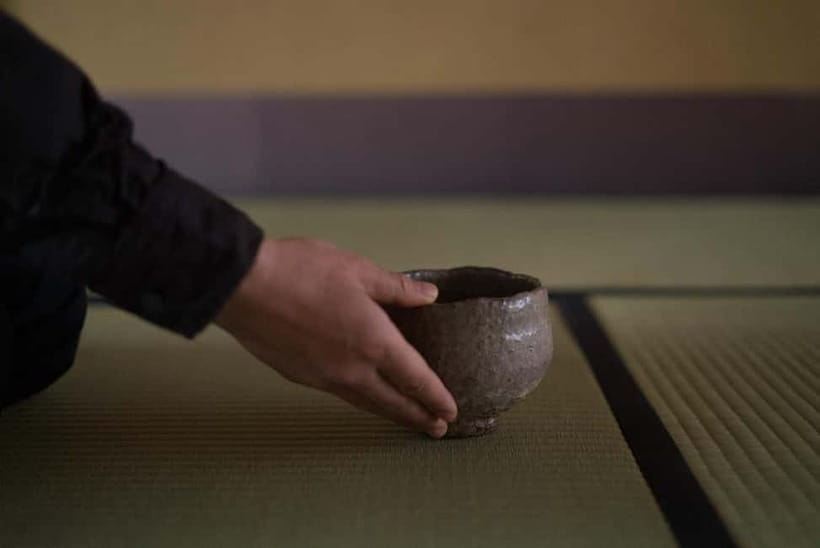
When your bowl is presented, you lift it gently and take time to notice the tea’s aroma, warmth, texture, and flavor. You do not need to rush through it.
Matcha has a strong character, and it is not everyone’s favorite drink. Some people may find the flavor earthy or intense. The sweet served with it helps balance the tea, and the traditional preparation can make the experience feel different from drinking a casual matcha beverage at a café.
During summer, the ceremony uses chilled water and ice. That seasonal adjustment gives the tea a cooler, fresher character, and it is worth knowing before you arrive. You are not getting exactly the same temperature and style in every season.
You can observe quietly, ask questions, or enjoy the shared silence with the rest of the group. That flexibility is one of the best features for first-time visitors. The ceremony has traditional roots, but the host does not make you feel tested on etiquette.
Why the small group matters
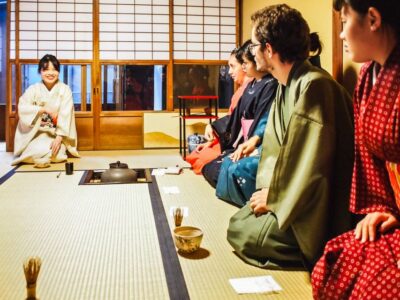
The group is limited to eight participants. That is large enough to create a shared atmosphere, but small enough for you to see the host’s hands and hear the explanations.
A smaller group also makes it easier to ask about the history of tea ceremonies, the equipment, the house, or the tea itself. Several hosts have been praised for answering questions clearly and explaining the purpose of each stage in detail.
The tradeoff is that the room remains a shared space. If you are hoping for a private ceremony for two, this is not described as a private booking. You will be sharing the quiet with other participants, though the format is intentionally calm and restrained.
The small-group setting works best for people who can respect silence. It is not designed for loud conversation, constant photography, or a quick stop between noisy attractions.
What the 45 minutes really gives you
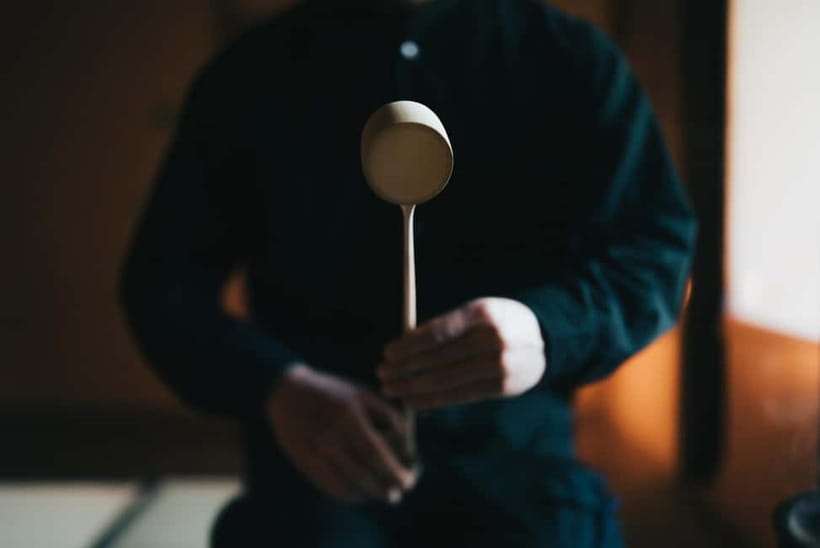
At $45 per person, the price is reasonable if you want more than a cup of matcha and a staged photo opportunity. The fee includes English instruction, all tea ceremony equipment, seasonal sweets, and the candlelight setting. You also leave with a handmade candle, which adds a small but meaningful physical reminder of the visit.
The value comes mainly from the setting and the explanation. You are paying for a short cultural lesson, a carefully controlled atmosphere, and access to a traditional house. If your only goal is to taste matcha as cheaply as possible, a tea shop will cost less. If you want to understand why the preparation looks the way it does, this offers more.
Forty-five minutes is enough for a clear introduction, but not enough for an extended ceremony or a detailed cultural course. I see that as a useful fit for a Kyoto itinerary. You can place it between major sightseeing stops without giving up half a day, but you should not expect a long meditation retreat.
The flexible booking terms also help. You can reserve now and pay later, and cancellation is free up to 24 hours in advance. That is useful when your Kyoto plans may shift around weather, temple visits, or train schedules.
The hosts make the tradition approachable
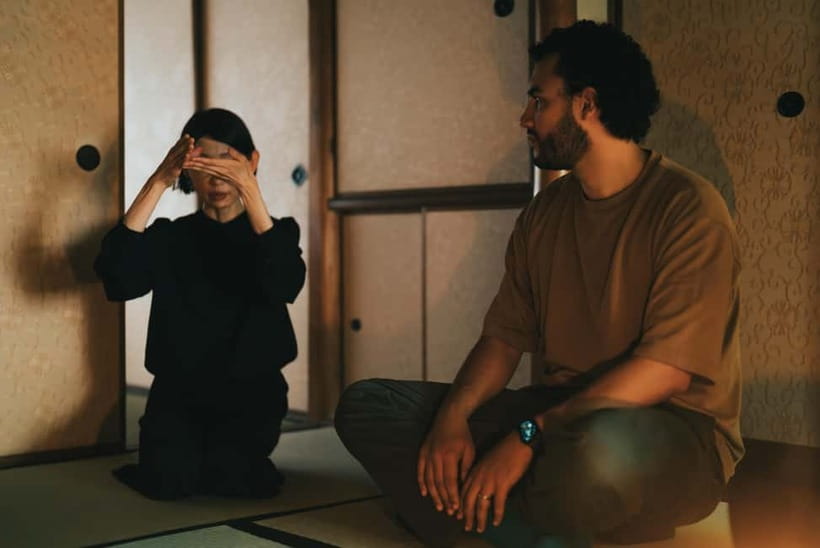
The hosts are central to the experience. Taku has been praised for his passion and clear explanations, while Naoki has been described as a warm and memorable guide. Another account names Taiku and Noki together, so names and staffing may differ by session.
What matters most is the tone. The ceremony is presented with care, but the instruction is not stiff. You learn the traditional meaning of the actions while being allowed to remain a beginner.
That balance is valuable. A highly formal presentation can leave you afraid to move or ask a question. A casual demonstration can lose the spirit of the tradition. Oboro aims for the middle ground: respectful, informative, and calm.
The age and enthusiasm of at least one young tea master also give the ceremony a modern human touch. You are seeing an old practice carried forward by someone who has chosen to explain it to an international audience. That helps the tradition feel current rather than sealed behind glass.
Practical details before you book
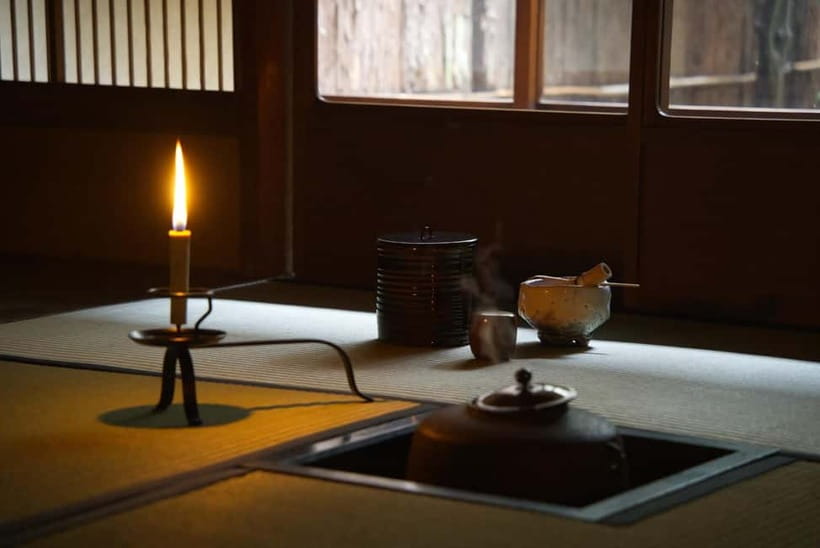
Wear comfortable clothes and socks. Shoes must be removed, and bare feet are not appropriate for this setting. People with back problems should take note because the format may not be suitable for them.
The experience is not suitable for children under six, wheelchair users, or people with back problems. Smoking is not allowed. Flash photography is prohibited, though ordinary photography is allowed.
The meeting point is Oboro: Mindful Tea Ceremony. If the address is difficult to find, search that exact name on Google Maps. There is no hotel pickup or drop-off, and meals are not included.
The ceremony is conducted in English. Check available start times when booking, since the 45-minute session may be offered at different times of day.
Try not to schedule a tight connection immediately afterward. One participant had to leave before the end because of a time limit and found the hosts understanding after giving advance notice, but staying through the final reflection is the better choice.
Who will enjoy this most
I would choose this for a first visit to Kyoto when you want cultural context without committing to a full-day class. It suits solo visitors, couples, and small groups who appreciate quiet settings and clear English guidance.
It is also a good pause after several crowded sights. If your day includes busy shopping streets or major temples, the candlelit room and garden view offer a sharp change of rhythm.
People who already study tea ceremony may find the session too brief. Matcha fans looking for a hands-on workshop should also check the format carefully, since the supplied details emphasize observation and guided understanding rather than a long practical lesson for every participant.
Families with very young children should choose another activity. The silence and shoe removal also make this a poor fit for anyone who wants a casual, noisy cultural stop.
The final candle and the walk home
At the end, you receive a small handmade candle. It is a modest gift, but it fits the purpose of the visit better than a generic souvenir would.
The candle lets you carry a piece of the atmosphere home. Light it later and you may remember the warm room, the quiet garden view, the sound of water, and the slow preparation of the tea. The point is not that one short ceremony will transform your daily routine. The point is that it gives you a practical reminder to pause.
That closing gesture also makes the $45 feel more complete. You receive instruction, tea, sweets, a setting with real character, and something tangible to take away.
Should you book Oboro?
Book it if you want a peaceful, well-explained introduction to Japanese tea ceremony in a traditional house. The candlelight, three-room progression, small group, seasonal tea, and thoughtful hosts give the 45 minutes a clear sense of purpose.
Skip it if you want a private event, a long hands-on workshop, or a casual matcha tasting with no expectation of silence. For most visitors seeking a quiet cultural break in Kyoto, Oboro offers a fair price and a more meaningful experience than a quick tea demonstration.
FAQ
How long does the tea ceremony last?
The experience lasts 45 minutes.
How much does the experience cost?
The price is $45 per person.
Is the ceremony conducted in English?
Yes. Expert instruction is provided in English.
How many people are in each group?
The group is limited to eight participants.
What is included in the price?
The price includes English instruction, tea ceremony equipment, seasonal sweets, and the candlelight matcha experience. You also receive a small handmade candle at the end.
Do I need to wear socks?
Yes. Shoes must be removed, so you should arrive wearing socks and comfortable clothes.
Can I take photographs?
Yes, photography is allowed without flash. Flash photography is not allowed.
What happens if I arrive late?
You should arrive 10 minutes early. Participants will not be allowed to enter if they are more than 10 minutes late.
Is the ceremony suitable for children or wheelchair users?
The experience is not suitable for children under six, people with back problems, or wheelchair users.
Recently added around Kyoto
- Higashiyama | Kyoto: Sakura Season Private Rickshaw Tour★ 5.0 · 3 reviews
- Kyoto Kimono Rental CHAMATSU|Kimono/Yukata Rental FamilyPlan★ 5.0 · 3 reviews
- Kyoto: Half-Day Private Guided Tour to the Old Town of Gion★ 4.4 · 3 reviews
- Nara Private Customizable Half Day Tour★ 5.0 · 3 reviews
- Kansai Region Hiking Adventure in Nara Kobe Kyoto and More★ 5.0 · 3 reviews
- Full Day Nara Deer, Temple, Shrine, Activities & Tea Ceremony★ 5.0 · 3 reviews
- Nara: Essential Private Tour with Deer Park and Temples★ 5.0 · 3 reviews
- Hiking Tour for Sacred Sites in Kyoto with a Guide★ 5.0 · 3 reviews
Kyoto Tea Ceremony Experiences, compared.
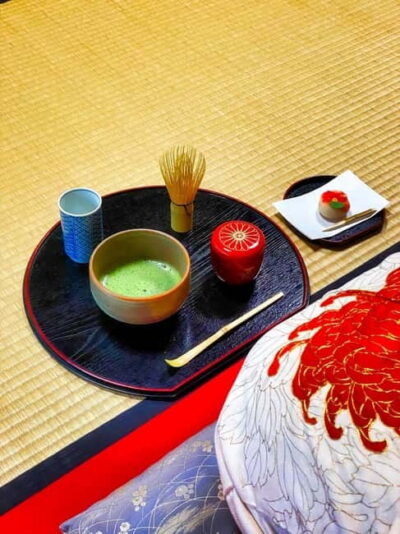
Tea Ceremony in a Traditional Tea House in Kiyomizu
Read our review →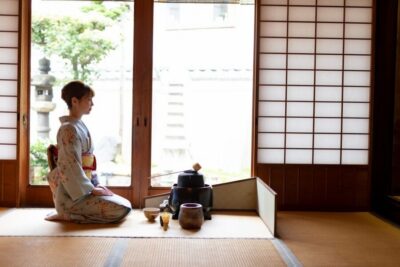
Tea Ceremony in 100-year-old Kyo-Machiya Townhouse
Read our review →
Browse the lists this tour appears in