
REVIEW · KYOTO MATCHA EXPERIENCES
Kyoto: Make Zen Garden and Taste Matcha in Pottery Shop
The most unusual part of this Kyoto activity is that you make a Zen garden instead of simply looking at one. In the back of Ninshu pottery shop, you rake sand and add decorations, then sit in front of your creation with matcha and a seasonal Japanese sweet.
I like the small machiya setting and the chance to taste tea from Ippodo, one of Kyoto’s best-known tea companies. I also like the useful souvenirs: the handmade pottery is dishwasher and microwave safe, so it can become part of your daily life rather than sit untouched on a shelf.
The main consideration is time. At only 30 minutes, the garden-making can be over quickly, especially if your group makes decisions fast. Instructions are limited, so this suits creative people who enjoy making their own choices more than visitors hoping for a formal lesson.
In This Review
- Key points to know before you book
- Making a Zen garden in a Kyoto machiya
- What you actually do during the 30 minutes
- Matcha and wagashi beside your own creation
- Why the photo opportunity matters
- Browsing Ninshu’s handmade pottery
- A convenient stop near Kyoto Imperial Palace Park
- Is $12 a fair price?
- Who will enjoy this activity most?
- Tips for getting the most from the visit
- Should you book the Ninshu Zen garden experience?
- FAQ
- How long does the experience last?
- What is included in the price?
- Can I choose hot or iced matcha?
- What kind of sweet is served?
- How many people can join?
- Where is the meeting point?
- Can I cancel the booking?
Key points to know before you book
- Make your own garden: Rake sand and decorate a small Karesansui-style garden in the shop’s rear garden.
- Taste Kyoto tea and sweets: Enjoy hot or iced Ippodo matcha with seasonal wagashi from Senbon Tamajushuken.
- Experience a machiya: The setting is a renovated 100-year-old Kyoto townhouse used by Ninshu pottery shop.
- Keep the group small: A maximum of eight participants makes this a quiet, personal activity.
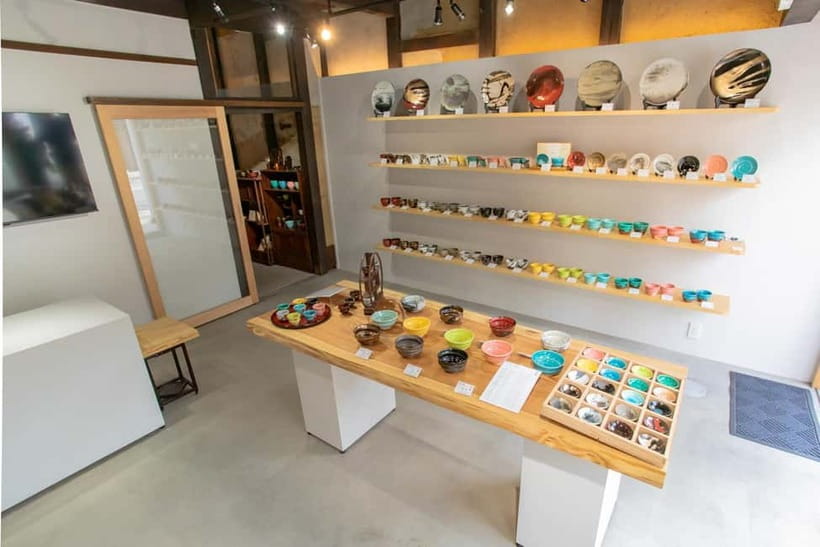
- Shop for practical pottery: Handmade pieces are dishwasher and microwave safe, a useful detail for international buyers.
- Allow only 30 minutes: This is a compact cultural stop, not a long workshop or tea ceremony.
Making a Zen garden in a Kyoto machiya
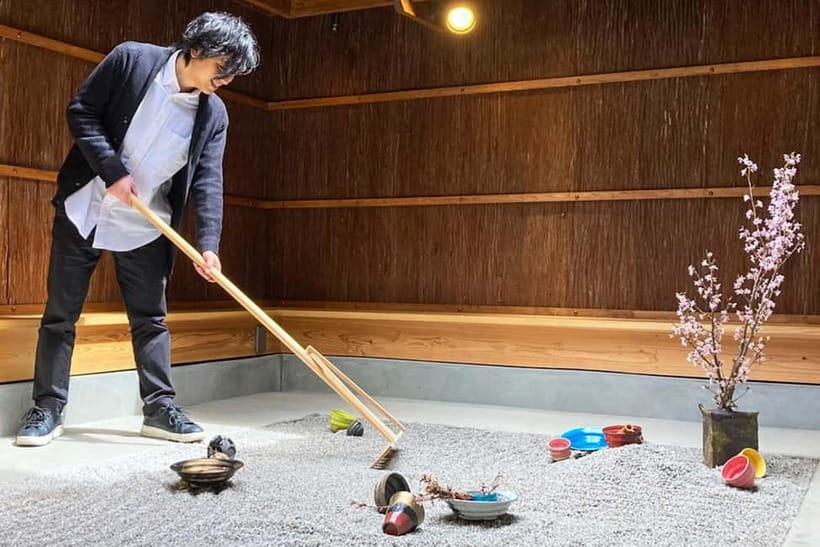
A Karesansui garden uses sand or gravel to suggest water, with stones and other simple elements giving the arrangement shape. In a temple, you normally look at this kind of garden from a quiet veranda. Here, you get to rake and arrange one yourself.
That change is the heart of the experience. You are not only taking a picture of a famous Kyoto garden. You are making a small composition with your own hands, even if the finished result is simple and temporary.
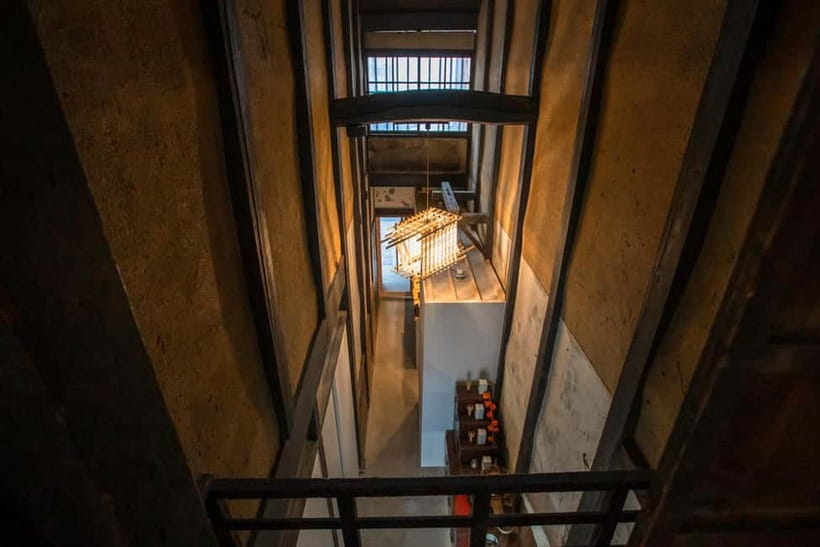
Ninshu’s shop occupies a renovated 100-year-old machiya, the traditional townhouse style associated with Kyoto. The pottery shop gives the activity a more local feel than a stand-alone attraction designed only for short visits. You move through a working retail space, then use the garden behind it as your creative area.
I like this combination because it links several parts of Kyoto culture in one small place: architecture, garden design, tea, sweets, and pottery. None of these elements is presented as a long lecture. Instead, you get a short taste of each.
More matcha tastings and workshops:
- World Heritage Kyoto & Nara Uji Authentic Matcha Experience
★ 5.0 · 1,573 reviews - Kyoto: Arashiyama Bamboo Forest, Monkeys, Matcha & Temple Tour
★ 5.0 · 759 reviews - Kyoto: Tea Museum Tickets and Matcha Grinding Experience
★ 4.9 · 739 reviews
What you actually do during the 30 minutes
The visit begins with the Zen garden activity. You rake the sand and decorate the garden with the materials provided in the shop’s rear area. The instructions are fairly open-ended, so you decide how much time to spend shaping lines and arranging the decorations.
That freedom can be a plus or a minus. If you enjoy creative projects, you can make quick decisions and start experimenting. If you prefer a teacher to explain the meaning of every stone and show you a model arrangement, you may find the guidance rather light.
The garden work is not a long craft class. A decisive group could finish it quickly, and the full visit lasts just half an hour. I would treat it as a focused Kyoto activity rather than a serious introduction to Japanese garden design.
The short format does have practical value. You can fit it between a visit to Kyoto Imperial Palace Park, a tea stop at Ippodo, or shopping along Teramachi Dori. Families and couples who want one hands-on activity without committing half a day may find the timing just right.
Matcha and wagashi beside your own creation
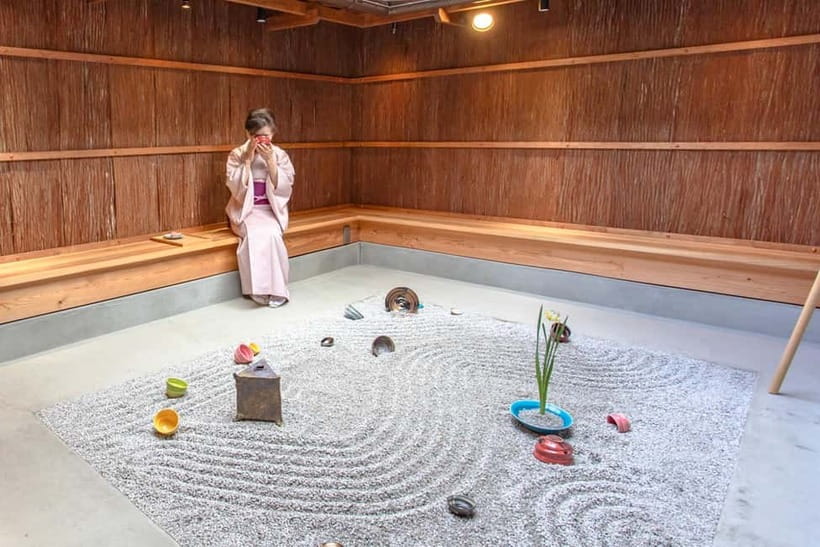
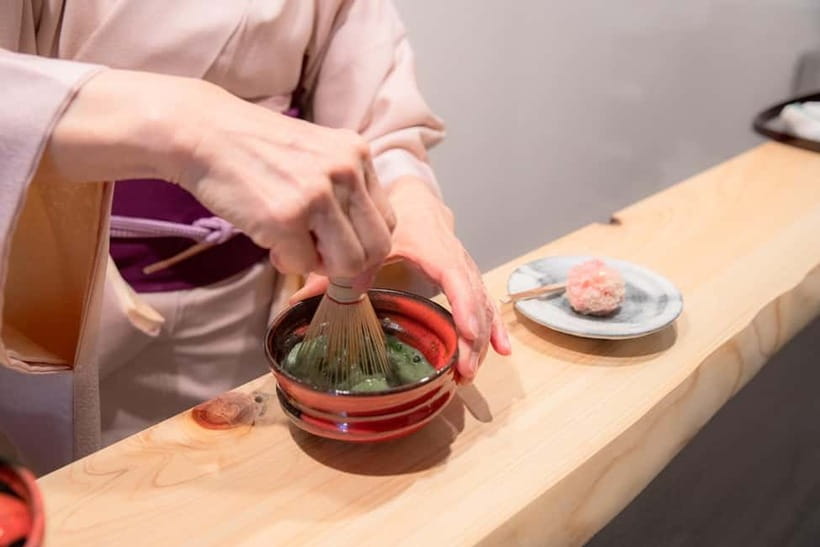
After making the garden, you enjoy matcha in front of it. The tea comes from Ippodo, the famous Kyoto tea company located nearby, and the sweet is a seasonal wagashi from Senbon Tamajushuken.
You can choose hot or iced matcha. That matters in Kyoto, where the weather can shift from cool to warm, and not everyone wants a steaming bowl of tea in the middle of a busy sightseeing day.
The wagashi provides the sweet counterpoint to matcha’s distinctive bitter taste. The exact seasonal sweet can change, so you should not expect one fixed menu item. The supplied details describe it as a Japanese sweet, with one visit including a mochi cookie.
This part is relaxed rather than ceremonial. You are not signing up for a full tea ceremony with an extended explanation of utensils, movements, and etiquette. Instead, you sit by the garden you just arranged and enjoy a familiar Kyoto pairing in a personal setting.
I think that makes the activity accessible. You can appreciate the tea and sweet without needing prior knowledge. It also gives you a natural pause after the creative work, rather than sending you straight from one instruction to another.
Why the photo opportunity matters
The shop allows you to take pictures of yourself eating matcha and Japanese sweets in front of the garden you made. That gives the visit a personal record, not just a photograph of someone else’s temple garden.
Your garden may be modest, especially if you have only a few minutes to arrange it. That is part of the charm. The picture records your own small piece of Kyoto rather than a standard view seen by thousands of people.
I would take the photo near the end, after you have finished the garden and received the tea and sweet. Since the session is short, avoid spending too much of the creative period arranging poses or retaking pictures. The activity is more rewarding when you first make the garden, then photograph the result.
The setting should also appeal to people who like visual details. The machiya, pottery, sand patterns, tea, and wagashi all create a compact scene with a strong Kyoto identity. You get several useful images without moving across town.
More Zen sittings in Kyoto:
- Kyoto Zen Meditation & Garden Tour at a Zen Temple with Lunch
★ 5.0 · 441 reviews - Kyoto: Zen Experience in a Hidden Temple
★ 5.0 · 437 reviews - Kyoto: Tea Ceremony Meditation – Make Matcha with Tea Master
★ 4.8 · 406 reviews - Kyoto: Zen Meditation at a Private Temple with a Monk
★ 5.0 · 202 reviews
Browsing Ninshu’s handmade pottery
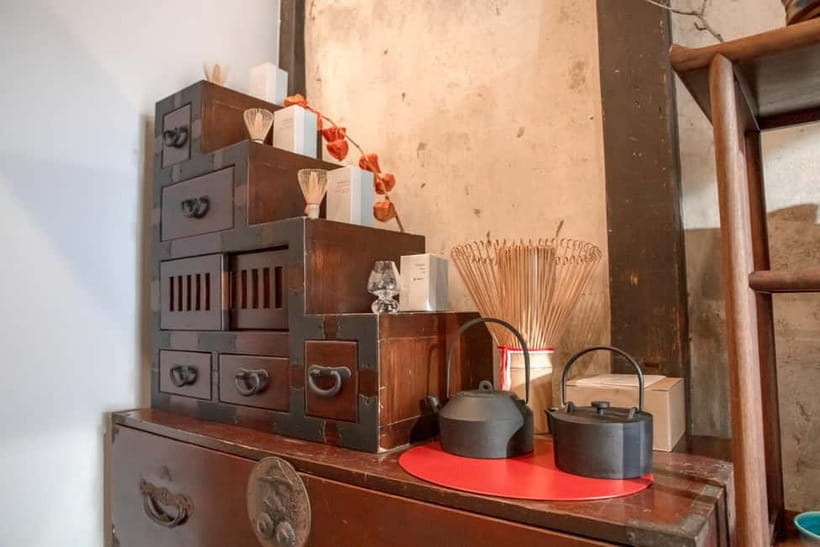
Pottery is not an extra decoration here. It is the shop’s main setting, and you can buy handmade pieces as souvenirs after or around the activity.
The most practical detail is that the pottery is dishwasher and microwave safe. Many traditional-looking souvenirs are best treated as display pieces. These are designed to work in an ordinary kitchen, which makes them easier to justify if you are trying to avoid buying objects that will sit in a suitcase and later gather dust.
You will find your own taste matters more than a standard souvenir checklist. A small bowl, cup, or plate can connect the memory of the garden and matcha with daily meals at home. The supplied information does not give prices or a specific product range, so I would browse without assuming every item will fit your budget.
The store’s location adds to the shopping appeal. It is near Teramachi Dori, an area with antique and traditional homeware shops. You can make this a brief activity before continuing through the neighborhood, or allow extra time around it for browsing. The 30-minute experience itself does not mean your entire visit to the area must last only half an hour.
A convenient stop near Kyoto Imperial Palace Park
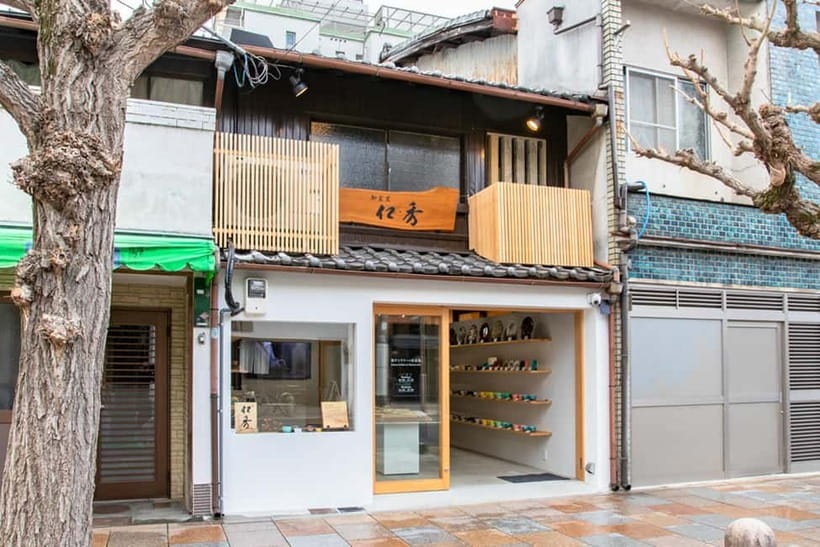
The meeting point is about 100 meters south of Kyoto Imperial Palace Park along Teramachi Dori. It is also two minutes north of Ippodo, so the tea connection is especially convenient.
From Kyoto Shiyakusho-mae Station on the Subway Tozai Line, the walk takes about 11 minutes. From Jingu-marutamachi Station on the Keihan Main Line, it takes about nine minutes. The listed coordinates are 35.0157879, 135.7673992.
I would plan this as part of a north-central Kyoto walking route. You could visit the Imperial Palace Park, stop for this activity, and then continue toward Teramachi’s traditional shops. You could also pair it with Ippodo, keeping in mind that the activity already includes matcha.
The clear directions help, but I would still allow a few spare minutes. A small pottery shop can be easy to pass if you are walking quickly, and the meeting point is described by nearby landmarks rather than a large attraction entrance.
Is $12 a fair price?
At $12 per person, the value is strong if you want a short, hands-on cultural activity. The cost includes the garden experience, matcha, seasonal Japanese sweets, and reservation and system fees. You are paying for a compact visit, not a long workshop, so the value depends on how much you want from 30 minutes.
The tea and sweet alone would not make this a full-day purchase, of course. The useful part is the combination: you make something, taste something, sit in a traditional-style building, and can browse pottery in the same stop.
The price also lowers the risk of trying something different. You do not need to commit to an expensive tea ceremony or a lengthy craft class. If you are already nearby, $12 buys a clear slice of Kyoto culture without taking up much of your schedule.
I would be less enthusiastic if you expect detailed teaching or a large garden. The experience is simple and informal. Its value comes from the setting and the mix of activities, not from technical instruction.
Who will enjoy this activity most?
I would recommend it to couples, solo visitors, families, and small groups who like making things and trying local food. The small-group limit of eight participants should help keep the visit from feeling crowded, though the exact atmosphere depends on the people booked at the same time.
It is also a good choice for anyone who wants a Kyoto memory that is not just another temple photograph. You create the garden, then photograph yourself with the tea and sweet beside it. That personal connection gives the stop more weight than a quick purchase from a souvenir shop.
Pottery fans should allow time to browse. The dishwasher and microwave safety is a real advantage for visitors from overseas, since you can use the pieces in a normal home kitchen.
I would choose another activity if you want a formal tea ceremony, a long explanation of Zen garden symbolism, or a full pottery lesson. The open format means you receive a short creative prompt, not an intensive class.
Tips for getting the most from the visit
Arrive ready to make quick choices. Since the garden can be completed fast, you will get more from the session if you start raking and arranging rather than waiting for a long demonstration.
Think about your photo before you begin. Leave enough time to sit with the matcha and wagashi in front of the finished garden, but do not let photography take over the activity.
If you dislike strong tea, remember that iced matcha is available as well as hot. The sweet helps balance the tea, and the seasonal selection means the exact wagashi may vary.
Wear clothing that lets you work comfortably in a small garden area. No special equipment is listed, and the activity is short, but you should still be prepared to handle a rake and arrange decorations.
Finally, look around the shop after the activity. The pottery is one of the best reasons to visit, especially if you want a useful souvenir rather than a fragile ornament.
Should you book the Ninshu Zen garden experience?
Book it if you want a low-cost, short Kyoto activity with a hands-on element. The strongest reasons are the chance to make your own Karesansui garden, the Ippodo matcha, and the machiya pottery-shop setting near Kyoto Imperial Palace Park.
Go in with the right expectations. This is not a formal tea ceremony or a detailed garden-design course. It is a 30-minute cultural stop with limited instruction, a creative task, a sweet and tea, and the option to buy practical handmade pottery.
For $12, I think it makes sense for visitors already exploring the Teramachi and Imperial Palace Park area. If you value authentic atmosphere, useful souvenirs, and a simple activity that fits into a busy Kyoto day, this is an easy one to add.
FAQ
How long does the experience last?
The activity lasts 30 minutes.
What is included in the price?
The price includes the experience, matcha, Japanese sweets, and reservation and system fees.
Can I choose hot or iced matcha?
Yes. The activity offers either hot or iced matcha.
What kind of sweet is served?
You receive a seasonal wagashi, or Japanese sweet, from Senbon Tamajushuken. One described serving included a mochi cookie.
How many people can join?
The experience is limited to eight participants.
Where is the meeting point?
The shop is two minutes north of Ippodo and about 100 meters south of Kyoto Imperial Palace Park along Teramachi Dori. It is about 11 minutes on foot from Kyoto Shiyakusho-mae Station and nine minutes from Jingu-marutamachi Station.
Can I cancel the booking?
You can cancel up to 24 hours in advance for a full refund. Reserve-now, pay-later booking is also available.
More Gardens in Kyoto
- Kyoto Arashiyama Walking Tour: Bamboo, Monkeys, Gardens & Secrets
★ 5.0 · 1,216 reviews - Kyoto Arashiyama Bamboo forest & Garden Half-Day Walking Tour
★ 5.0 · 413 reviews - Kyoto: Zen Garden, Zen Mind (Private)
★ 5.0 · 126 reviews - Kyoto Kiyomizu Tea Ceremony with Scenic Garden Views
★ 5.0 · 101 reviews
Recently added around Kyoto
- Higashiyama | Kyoto: Sakura Season Private Rickshaw Tour★ 5.0 · 3 reviews
- Kyoto Kimono Rental CHAMATSU|Kimono/Yukata Rental FamilyPlan★ 5.0 · 3 reviews
- Kyoto: Half-Day Private Guided Tour to the Old Town of Gion★ 4.4 · 3 reviews
- Nara Private Customizable Half Day Tour★ 5.0 · 3 reviews
- Kansai Region Hiking Adventure in Nara Kobe Kyoto and More★ 5.0 · 3 reviews
- Full Day Nara Deer, Temple, Shrine, Activities & Tea Ceremony★ 5.0 · 3 reviews
- Nara: Essential Private Tour with Deer Park and Temples★ 5.0 · 3 reviews
- Hiking Tour for Sacred Sites in Kyoto with a Guide★ 5.0 · 3 reviews
Kyoto Matcha Experiences, compared.
World Heritage Kyoto & Nara Uji Authentic Matcha Experience
Read our review →
Arashiyama Bamboo Forest, Monkeys, Matcha & Temple Tour
Read our review →
Tea Museum Tickets and Matcha Grinding Experience
Read our review →
Tea Ceremony Meditation – Make Matcha with Tea Master
Read our review →Arashiyama Bamboo, Matcha, Monkeys & Temple Tour
Read our review →
Arashiyama Bamboo, Temple, Matcha, Monkeys & secret spots
Read our review →
Browse the lists this tour appears in