
REVIEW · GION GEISHA DISTRICT TOURS
Kyoto: Kimono Rental Traditional Experience at Wargo in Gion
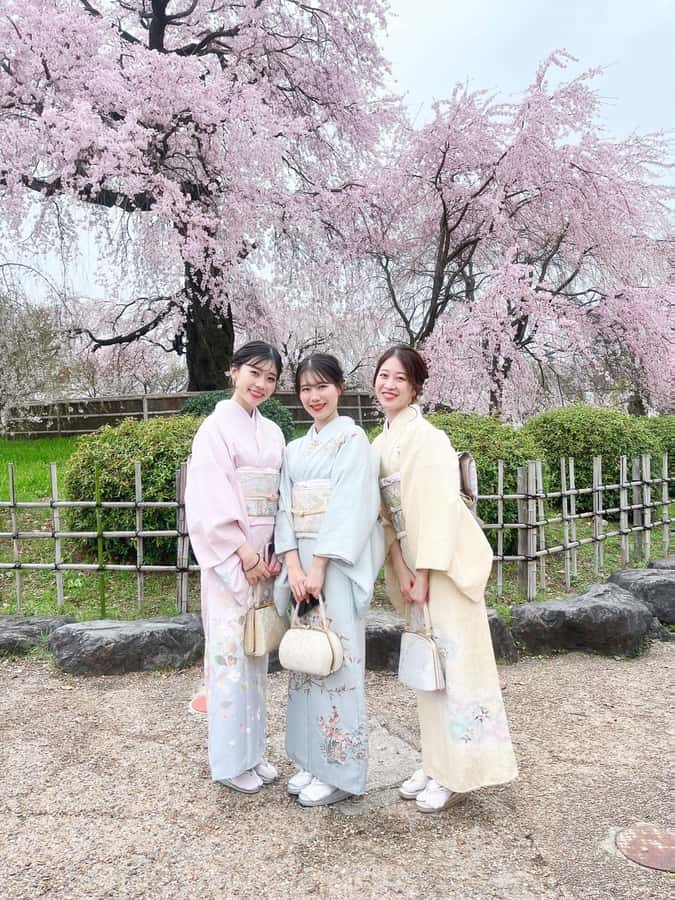
Kyoto looks different when you walk its old streets in a kimono. At Wargo, you choose from traditional patterns and modern designs, then receive hands-on help with the layers, obi belt, sandals, socks, and satchel. It is a simple way to turn ordinary sightseeing into a special day of photos and small cultural details.
I like the wide choice of clothing and the patient staff who handle the complicated dressing for you. I also like the price: at $33 per person, the standard plan gives you a full outfit and several hours to use it around Kyoto. The catch is time. Busy periods can bring a 30 to 90 minute wait, and the clothing must normally be returned by 5:30 PM.
In This Review
- Key points at a glance
- Choosing a kimono at Wargo
- The dressing process and what you receive
- Walking Kyoto in traditional dress
- Timing your appointment to avoid a long wait
- Standard or Deluxe Plan?
- What the $33 price really covers
- Making the most of your photo time
- Service, language, and the human side
- Who should book this Kyoto experience?
- Booking and return advice
- Should you book Wargo in Gion?
- FAQ
- Where does the kimono rental begin?
- What is included in the standard plan?
- Does the rental include hairstyling?
- How long does the dressing process take?
- When must the kimono be returned?
- Are plus-size kimonos available?
- Can anyone take part in this activity?
Key points at a glance
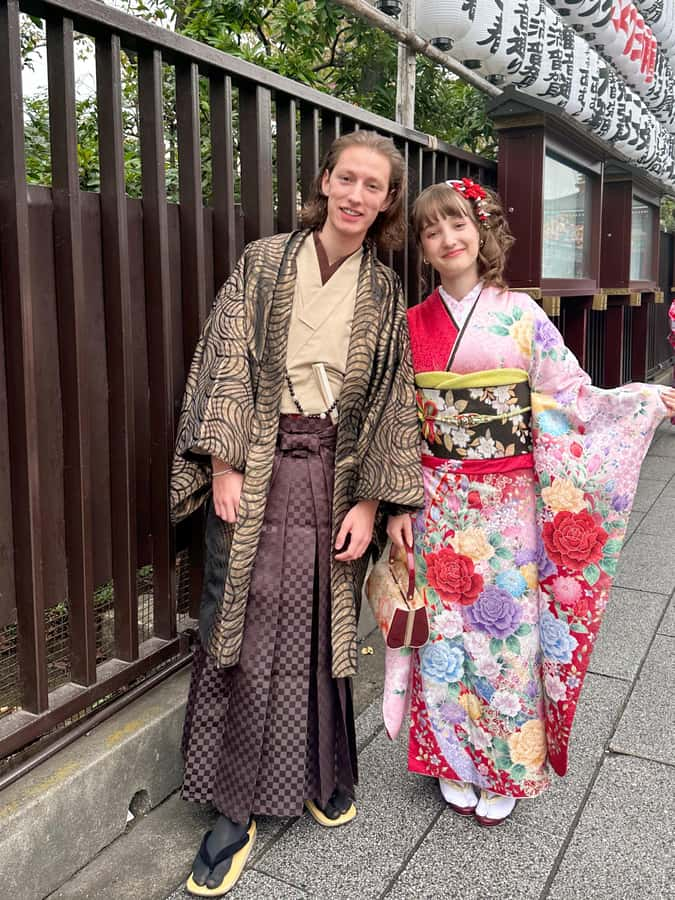
- Choose your look: Pick from classic Japanese patterns or more modern kimono designs.
- Get professional dressing help: Staff put on the kimono and tie the obi correctly, a task that is far trickier than it appears.
- Upgrade for hair styling: The Deluxe Plan adds more kimono and obi choices plus a simple women’s hairstyle with a Kanzashi hairpin.
- Plan around the clock: The outfit should be returned by 5:30 PM, unless you pay an additional fee for next-day return.
- Expect possible queues: Depending on the season and appointment time, getting dressed may take 30 to 90 minutes of waiting.
- Good value for photos: For $33, you receive the outfit, accessories, dressing assistance, and time to explore Kyoto on your own.
Choosing a kimono at Wargo
Your experience begins at the Wargo shop selected when you book. The exact meeting point depends on the option you choose, so check the booking details rather than assuming every reservation begins at the same branch.
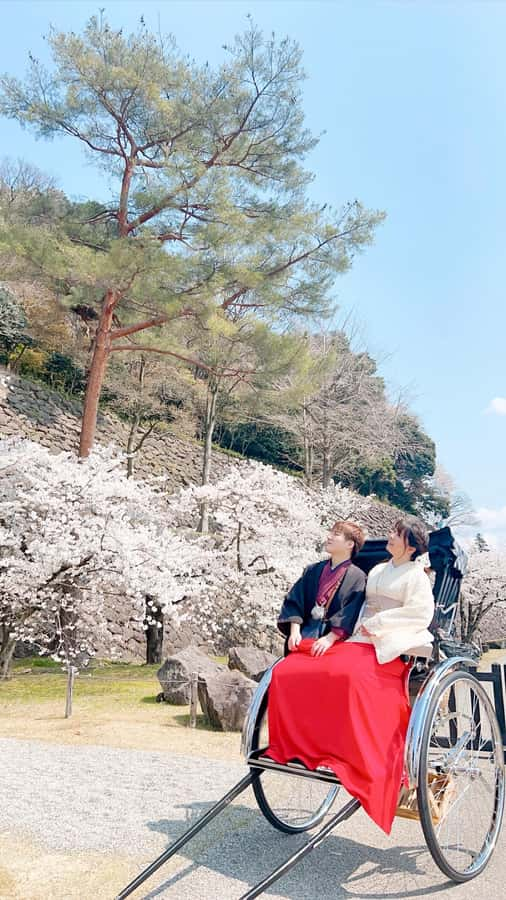
Inside, you select your kimono from a range of patterns and cuts. You might find formal-looking traditional designs alongside simpler modern choices. The available grade and selection can differ from one shop to another, so the Deluxe Plan does not guarantee the same choices at every location.
This selection is part of the fun, but it can also slow things down. If you arrive with a firm idea of one color or pattern, you may need to remain flexible. The staff can help you put together the kimono, obi, and accessories, though the amount of English spoken may be limited. That need not stop you. The dressing process is practical and easy to follow with gestures and demonstration.
If you want more choice, ask about the Deluxe Plan before you commit to your outfit. It permits an upgrade in kimono and obi grade up to the level available at that shop. The precise options are store-specific, so the staff will explain what is possible on the day.
More evenings in Gion:
- Kyoto Geisha Walking Tour: Gion District & Hidden Gems
★ 4.7 · 3,273 reviews - Kyoto: Gion Magical Night Walking Tour with Geisha Trivia
★ 4.9 · 2,393 reviews - Kyoto: Gion Geisha District Walking Tour – Stories of Geisha
★ 4.7 · 2,187 reviews
The dressing process and what you receive
The dressing is the heart of the experience. A kimono is not simply a robe you slip on and tie at the waist. The layers must be arranged properly, the obi must sit securely, and the overall shape needs careful adjustment.
Wargo’s staff do this work for you. Their speed can be impressive when the shop is running normally, and the dressing itself should take less than an hour if the store is not crowded. The full visit can take longer because of queues, outfit selection, and hair styling.
Your rental includes:
- A kimono
- An obi sash belt
- A Japanese satchel or clutch
- Sandals
- Socks
- Help getting dressed
That list matters because you do not need to assemble the look from separate rentals. The satchel gives you somewhere to carry small items, while the sandals complete the outfit. You should still keep your personal belongings manageable, since a small traditional bag is not designed for a large camera, heavy wallet, or extra layers.
For a women’s hairstyle, choose the Deluxe Plan. The included hair set is a simple style with a Kanzashi, a traditional ornamental hairpin. This is not a full salon appointment with unlimited styling choices, but it adds the finishing detail that makes the outfit look more complete in photographs.
Plus-size kimonos are available. That makes this a more practical choice for different body types, though you should still discuss fit with the shop staff when you arrive. The activity is not suitable for pregnant women, people with mobility impairments, or wheelchair users.
Walking Kyoto in traditional dress
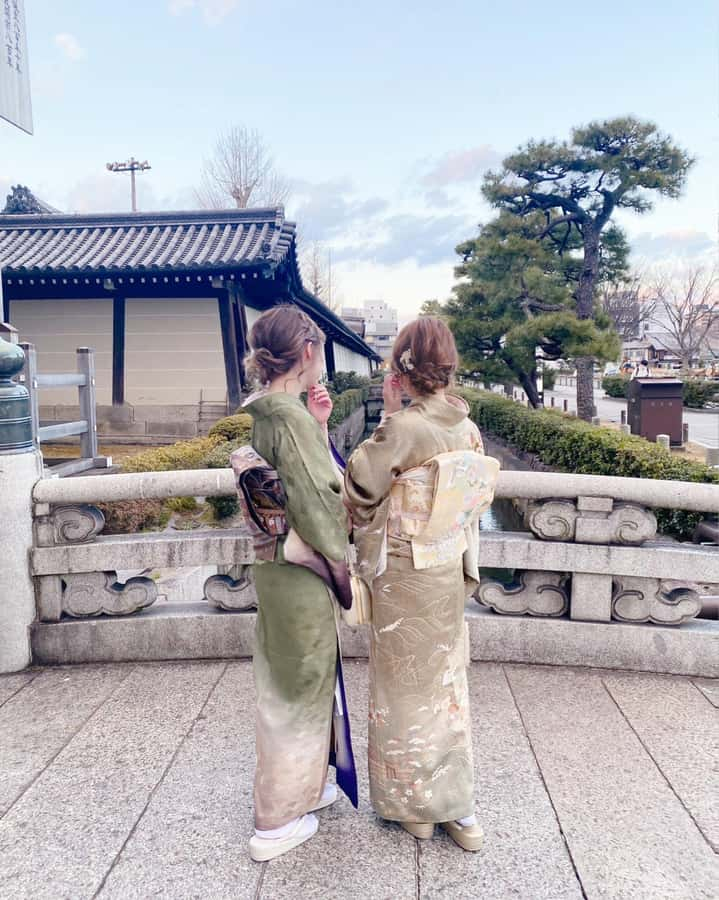
Once you are dressed, the city becomes your sightseeing route. There is no listed guided walk or fixed series of stops. You leave the shop and explore Kyoto independently, returning to the same meeting point with the rental by the deadline.
That freedom is useful. You can combine the kimono with a visit to Gion, a tea ceremony, a shrine, a meal, or a photo walk. One booking experience allowed extra time beyond three hours for a tea ceremony without an added charge, but you should not count on that arrangement. Ask the shop if your plans may run long.
Gion is a natural setting for the outfit. Its traditional streets, wooden buildings, and quiet lanes provide a strong backdrop for photos. The kimono also gives you a reason to slow down. You notice the sound of the sandals, the weight of the obi, and the way narrow streets feel when you are dressed for a different era.
You will want to plan your route sensibly. A kimono is comfortable for ordinary walking when fitted properly, but it is not activewear. Long distances, steep paths, or a packed schedule may feel tiring. Traditional sandals also call for a measured pace. Keep the day focused rather than trying to cover every corner of Kyoto.
The return time is the main limit. Normal operating hours run from 10:00 AM to 5:30 PM, and the kimono should be back at the shop by 5:30 PM. If you want evening photos or dinner in the outfit, next-day return may be possible for an extra payment made on site.
Timing your appointment to avoid a long wait
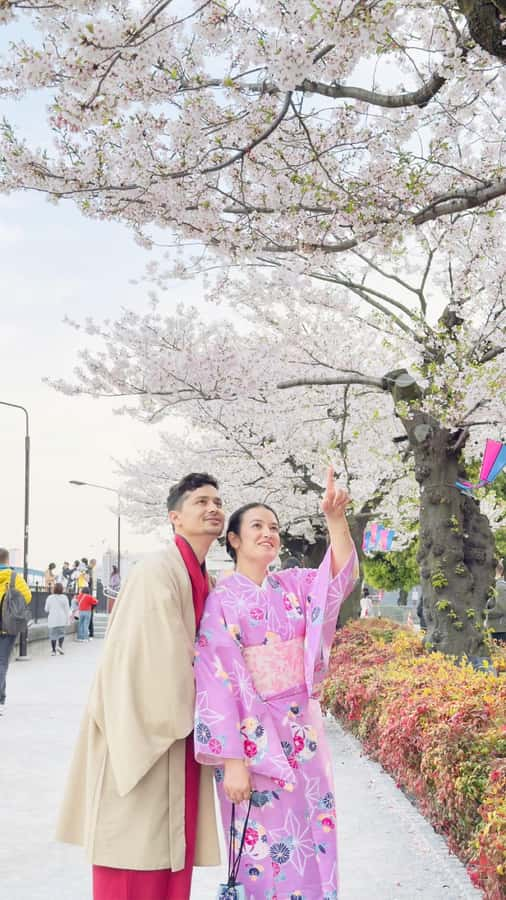
The biggest practical concern is the queue. Depending on the time slot and season, waiting can run from 30 to 90 minutes. That is a large part of a sightseeing day, so I would not schedule a tight lunch, train departure, or timed attraction immediately afterward.
An appointment time is not the same as the moment you walk out dressed. You need time to select clothes, wait for staff, get dressed, and, on the Deluxe Plan, have your hair arranged. Build in a generous buffer.
The shop may be especially slow during popular seasons and busy appointment periods. If you reserve after 3:00 PM on the day before your visit, you may also have to wait a little at the shop. That is a good reason to book earlier when your plans are settled.
On the positive side, the dressing team is described as friendly, efficient, and patient. Some bookings begin on time, and staff may account for preparation time when explaining the return schedule. Still, the safest approach is to treat the appointment as a half-day commitment rather than a quick costume pickup.
More kimono and yukata rentals:
- Kimono Tea Ceremony at Kyoto Maikoya, NISHIKI
★ 5.0 · 911 reviews - Kyoto: Kimono Rental with Hairstyling and Accessories
★ 4.8 · 653 reviews - Kyoto: Kimono Tea Ceremony at Orizuruya Gion
★ 4.9 · 618 reviews - KYOTO Tea Ceremony with kimono near by Imamiya Jinjya Shrine
★ 5.0 · 343 reviews
Standard or Deluxe Plan?
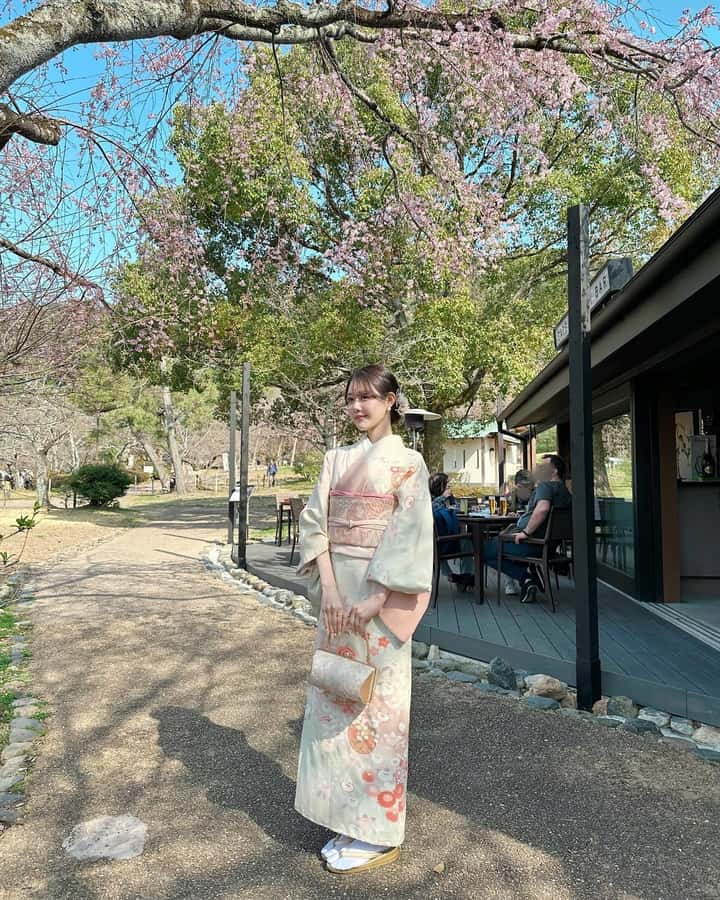
The standard plan is the sensible choice if you mainly want the experience of wearing a kimono and taking photos. You receive the core outfit and accessories, plus help getting dressed. At $33 per person, it offers strong value for a cultural activity that can fill several hours.
The Deluxe Plan makes more sense if appearance is central to your day. You receive access to more kimono and obi choices, possible upgrades in grade, and a standard hairstyle for women. The Kanzashi hairpin adds a distinctly Japanese touch without requiring you to find a separate salon.
The word possible matters here. Kimono grades and upgrade choices vary by shop. Ask what is available at your selected branch before assuming the Deluxe Plan includes a particular fabric, pattern, or premium belt.
For men, the hairstyle inclusion does not apply. The plan still may provide broader clothing choices, but the supplied information specifies the hair service for women only. If you are booking for a mixed group, confirm each person’s options at checkout.
What the $33 price really covers
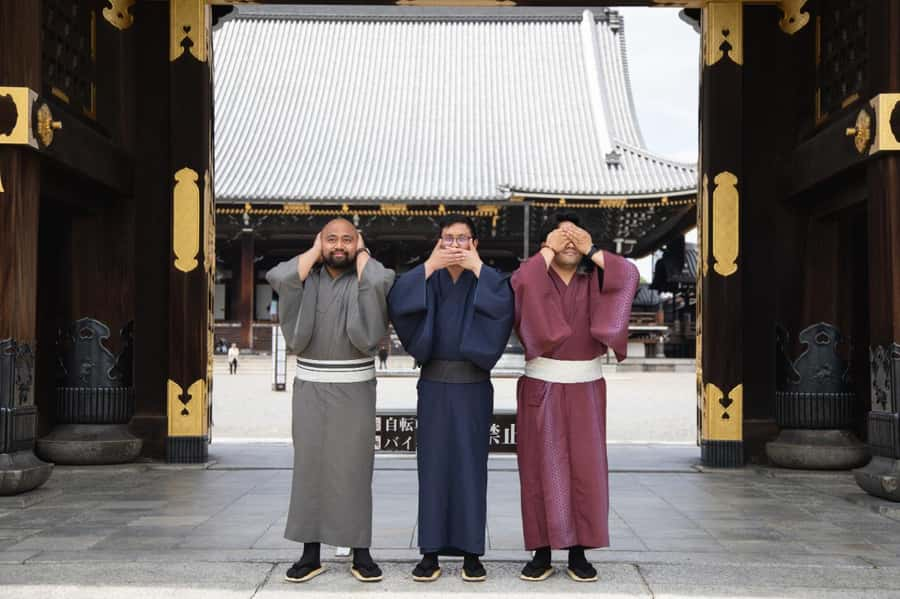
The $33 standard price is not a guided tour, a private photographer, or a full-day fashion service. It is a self-guided rental with dressing assistance. That distinction helps you judge the value fairly.
I think the price works well for three reasons. First, the outfit comes as a complete set, so you are not paying separately for an obi, sandals, or socks. Second, trained staff handle the difficult dressing process. Third, you can use the clothing while visiting Kyoto rather than posing for a single studio session.
The value is even better if you plan to spend the day around Gion or another historic part of the city. You receive an experience and a practical sightseeing outfit in one booking. It becomes less attractive if you have only an hour in Kyoto, dislike waiting, or want an elaborate hairstyle and guaranteed high-grade kimono.
The Deluxe Plan costs more than the stated standard price, though the exact upgrade amount is not provided here. Treat it as an optional add-on, not a requirement. The standard plan already covers the main idea.
Making the most of your photo time
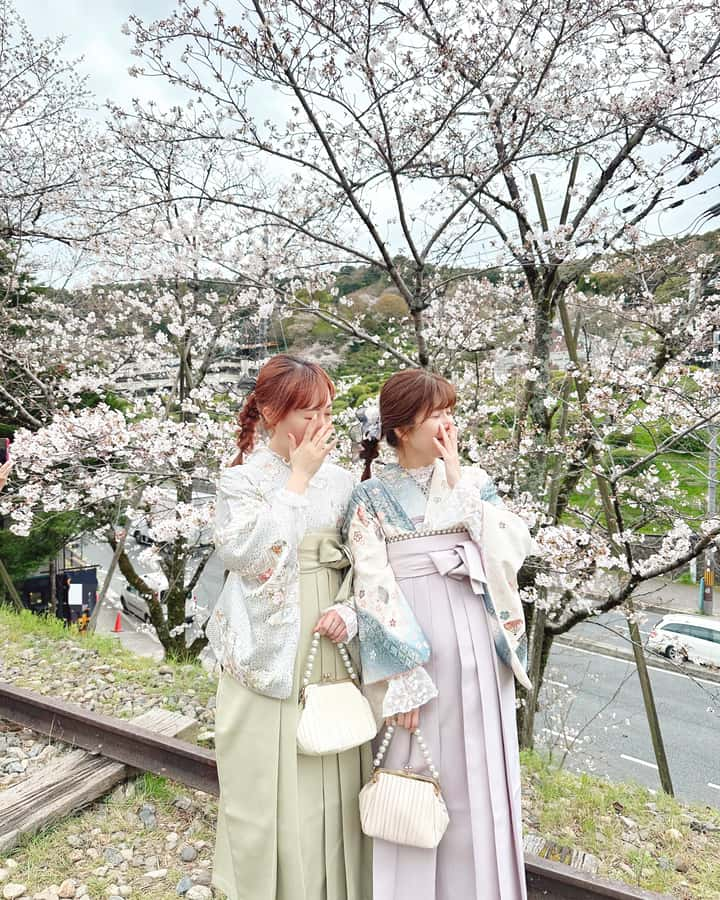
The clothing is designed to be seen, so photos are a major part of the appeal. You can take pictures along Kyoto’s historic streets and use the city itself as your backdrop. You are not confined to a studio, and there is no fixed route to rush through.
Think about timing. If your reservation starts late, your usable time before the 5:30 PM return becomes short after waiting and dressing. A morning or earlier appointment gives you more room to explore.
You should also leave space for the clothing to remain comfortable. Pack lightly, walk at a steady pace, and avoid turning the day into a race between distant sights. A relaxed route will make the kimono feel like part of the experience instead of an obstacle.
Staff are praised for paying attention to small details, transforming the overall appearance, and helping patiently. That care is important because the outfit can feel unfamiliar at first. Let the staff adjust it before you leave. A few minutes spent getting the fit right will make your walk easier.
Service, language, and the human side
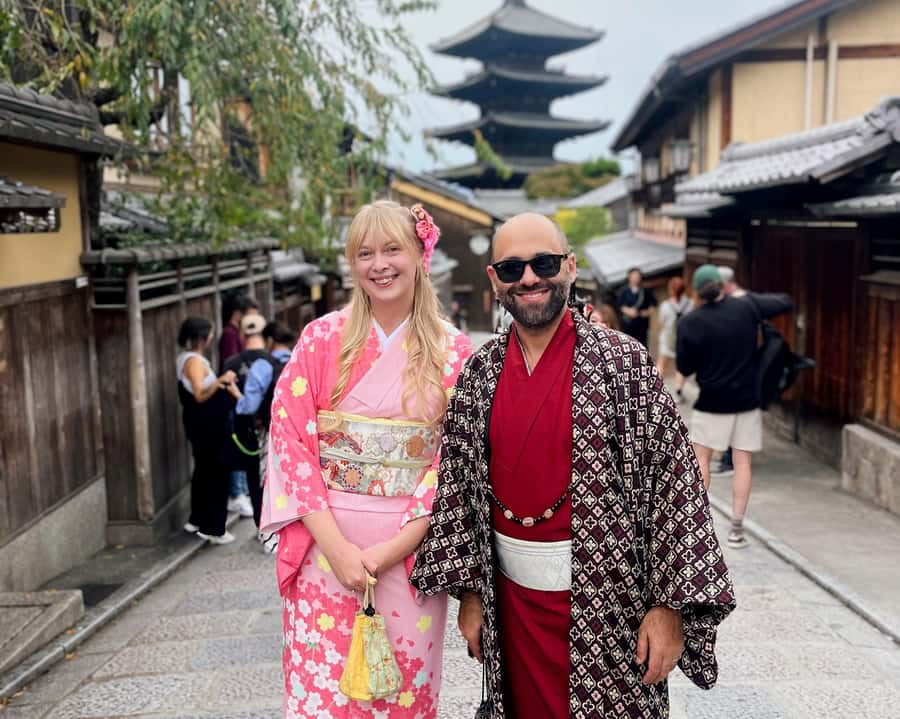
The staff are one of the strongest parts of this experience. They are described as friendly, professional, patient, and accommodating. One booking found the team efficient and on time, while another praised how carefully they handled every detail.
English may be limited at times. You should not expect a long explanation in English about every garment. The process is visual, though, and basic communication appears workable. Bring your reservation information and show the staff what you need if a question is difficult to explain.
The atmosphere can feel busy when several people arrive together. That is where the possible wait comes from, and it may make the shop feel less calm than a private dressing appointment. In exchange, you receive a service that many people find warm and personal for a modest price.
Who should book this Kyoto experience?
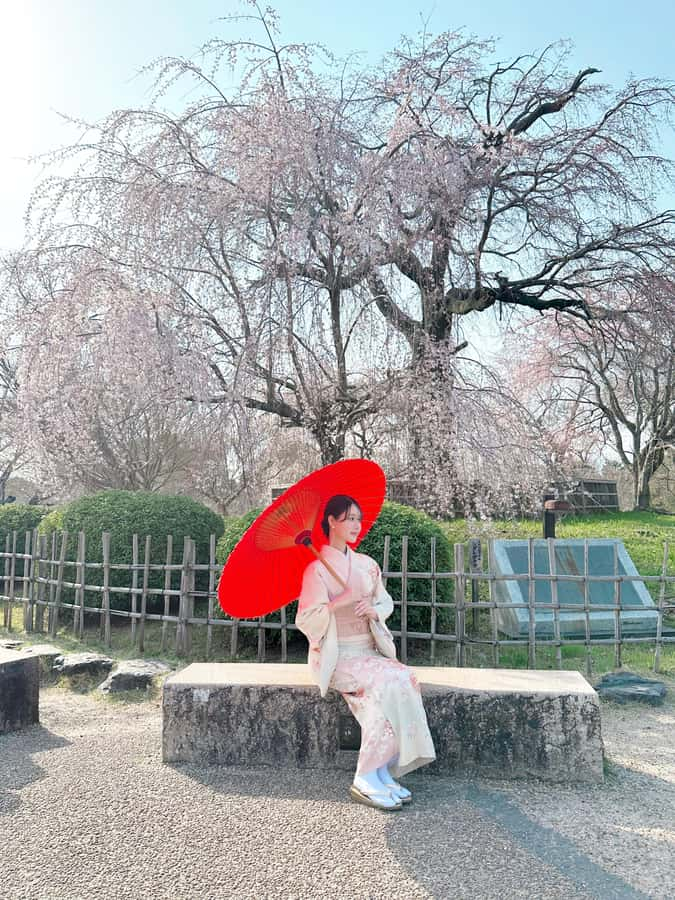
I would recommend Wargo to you if you want a hands-on cultural activity without paying for a private tour. It suits couples, friends, families with older children, and solo visitors who want memorable Kyoto photographs.
It is especially useful for a day built around Gion, traditional streets, or a tea ceremony. The ability to explore independently means you can fit the rental into a wider Kyoto plan. You do not need to follow a guide’s route or remain with a group.
You may want to skip it if you have limited mobility, use a wheelchair, are pregnant, or need to keep to a strict schedule. The activity is not suitable for those situations, and the queue can be long enough to disrupt a carefully timed day.
Also think about your tolerance for restrictive clothing and sandals. The kimono is part of the pleasure, but you should expect a different physical experience from ordinary sightseeing clothes.
Booking and return advice
Your meeting point depends on the option booked, so read the selected shop information carefully. The available kimono grades also vary by store, which makes the branch important if you have strong preferences.
Cancellation is flexible up to 24 hours in advance for a full refund. You can also reserve and pay later, which helps if your Kyoto schedule is still shifting.
On the day, allow plenty of time for the shop visit. Aim to arrive ready to choose an outfit without rushing, and keep the afternoon open. If you want to keep the kimono into the evening, ask about next-day return and the extra on-site charge before leaving the shop.
Should you book Wargo in Gion?
Book it if you want more than a quick photo booth costume. Wargo gives you a complete kimono outfit, proper dressing assistance, accessory pieces, and the freedom to walk Kyoto on your own. The $33 standard price is a fair deal, and the staff’s care is a real benefit.
Choose the Deluxe Plan if a broader selection and women’s hairstyle matter to you. Choose the standard plan if you mainly want to dress traditionally and explore without spending much.
My main warning is simple: allow time. A 30 to 90 minute wait can change the shape of your day, and the 5:30 PM return deadline is firm unless you arrange the paid next-day option. Plan around those limits, and this becomes an enjoyable, photogenic way to experience Kyoto at street level.
FAQ
Where does the kimono rental begin?
The meeting point depends on the option you book. You should check the selected Wargo store details at checkout.
What is included in the standard plan?
The standard plan includes a kimono, obi sash belt, Japanese satchel, sandals, socks, and help getting dressed.
Does the rental include hairstyling?
Hairstyling is included with the Deluxe Plan for women. The hair set is a simple hairstyle with a Kanzashi ornamental hairpin.
How long does the dressing process take?
If the shop is not busy, dressing should take less than an hour. Depending on the season and time slot, the overall wait at the store may be about 30 to 90 minutes.
When must the kimono be returned?
The kimono should normally be returned by 5:30 PM. Next-day return may be available for an additional cost paid at the store.
Are plus-size kimonos available?
Yes, plus-size kimonos are available. The staff can help you discuss fit when you arrive.
Can anyone take part in this activity?
The experience is not suitable for pregnant women, people with mobility impairments, or wheelchair users.
Recently added around Kyoto
- Higashiyama | Kyoto: Sakura Season Private Rickshaw Tour★ 5.0 · 3 reviews
- Kyoto Kimono Rental CHAMATSU|Kimono/Yukata Rental FamilyPlan★ 5.0 · 3 reviews
- Kyoto: Half-Day Private Guided Tour to the Old Town of Gion★ 4.4 · 3 reviews
- Nara Private Customizable Half Day Tour★ 5.0 · 3 reviews
- Kansai Region Hiking Adventure in Nara Kobe Kyoto and More★ 5.0 · 3 reviews
- Full Day Nara Deer, Temple, Shrine, Activities & Tea Ceremony★ 5.0 · 3 reviews
- Nara: Essential Private Tour with Deer Park and Temples★ 5.0 · 3 reviews
- Hiking Tour for Sacred Sites in Kyoto with a Guide★ 5.0 · 3 reviews
Gion Geisha District Tours, compared.
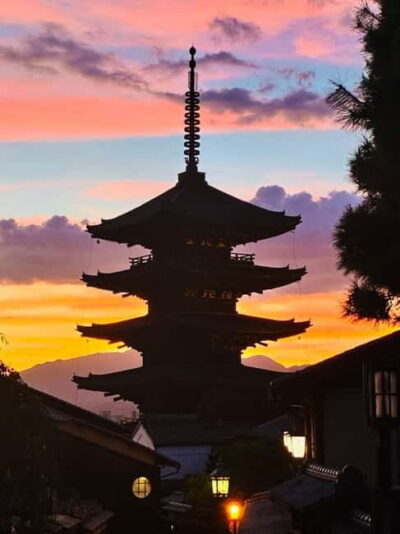
Kyoto Geisha Walking Tour: Gion District & Hidden Gems
Read our review →
Gion Magical Night Walking Tour with Geisha Trivia
Read our review →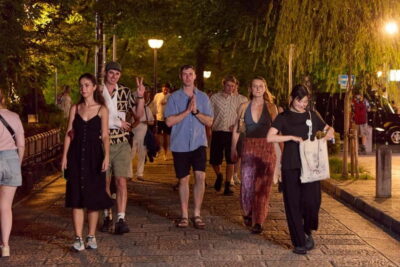
Gion Geisha District Walking Tour – Stories of Geisha
Read our review →
Best of Kyoto: Gion, Geisha, Pagodas & Cobblestones
Read our review →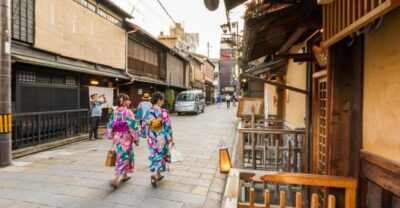
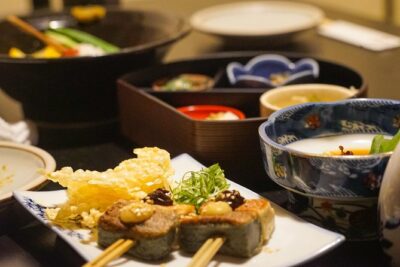
Kyoto Night Foodie Tour in Gion (9+ dishes + 6 Sake tastings)
Read our review →
Kyoto Gion Geisha District Walking Tour – The Stories of Geisha
Read our review →
Kyoto Gion: 2-Hour Geisha Culture & History Walking Tour
Read our review →Browse the lists this tour appears in