
REVIEW · KYOTO SHRINE TOURS
Kyoto: Kifune Shrine and the Sacred Kifune Valley Day Trip
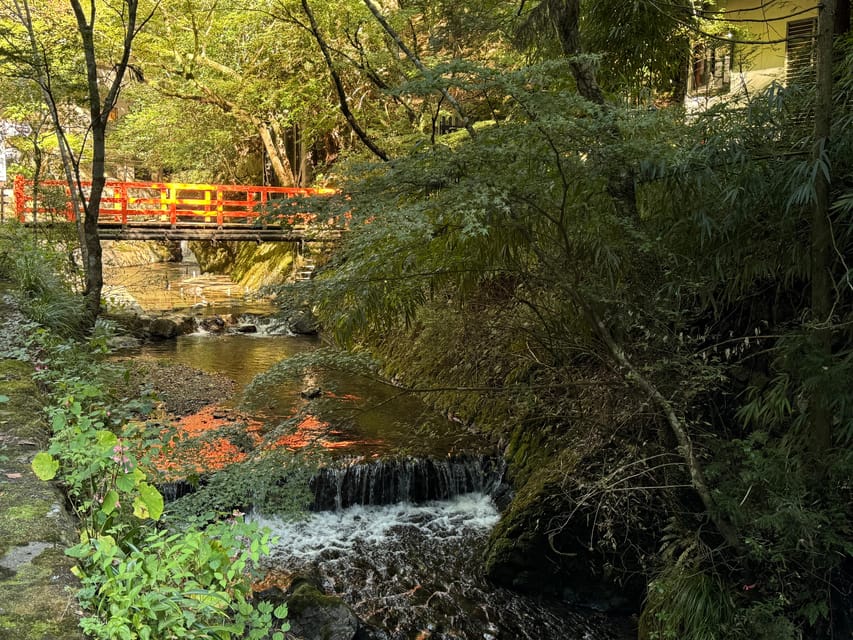
Kifune Valley gives you a very different side of Kyoto: cool mountain air, clear streams, thick woods, and a shrine tucked into the hills north of the city. The scenic Eizan Railway ride is part of the pleasure, turning the trip into more than a quick shrine visit.
I like the way this outing joins nature and Shinto tradition without requiring a full day of strenuous hiking. I also like the chance to try Mizu-ura, a rare water fortune ritual that gives the visit a memorable local detail. The main caution is practical: the meeting and drop-off points can vary by booking option, and one guest lost time after going to the wrong meeting place, so check the exact instructions carefully.
In This Review
- Key points at a glance
- Why Kifune Valley makes a fine break from central Kyoto
- Starting in Kyoto and riding toward the mountains
- Arriving at Kifune-guchi Station
- Entering Kifune Shrine among trees and streams
- Trying the Mizu-ura water fortune
- Continuing to Nakamiya, the middle shrine
- How much time should you allow?
- What the $81 price buys you
- The guides: Yoshi and Kisho Hasegawa
- Who will enjoy this Kifune outing?
- Practical preparation for the mountain shrine
- Should you book the Kifune Shrine tour?
- FAQ
- Where does the Kifune Shrine experience begin?
- Does the experience include a train ride from Kyoto?
- How long does the activity last?
- Is Kifune Shrine included?
- Will I visit Nakamiya, the middle shrine?
- Is the Mizu-ura fortune ritual included?
- Is the tour suitable for wheelchair users?
Key points at a glance
- Eizan Railway to Kifune: Ride from Demachiyanagi through Kyoto’s wooded northern outskirts toward Kifune-guchi Station.
- Kifune Shrine’s forest setting: Spend about 30 minutes to 1.5 hours exploring the sacred grounds and their clear mountain streams.
- Nakamiya middle shrine: Continue to the middle shrine for a quieter look at Kifune’s spiritual layout.
- Mizu-ura fortune ritual: Try a water-based fortune reading, one of the outing’s most unusual cultural touches.
- Private guiding: Japanese and English guides are available, with Yoshi and Kisho Hasegawa praised for their kindness and cultural explanations.
- Flexible length: The experience may last from 90 minutes to four hours, with a stated return to Kyoto by about 16:00 for the day-trip format.
Why Kifune Valley makes a fine break from central Kyoto
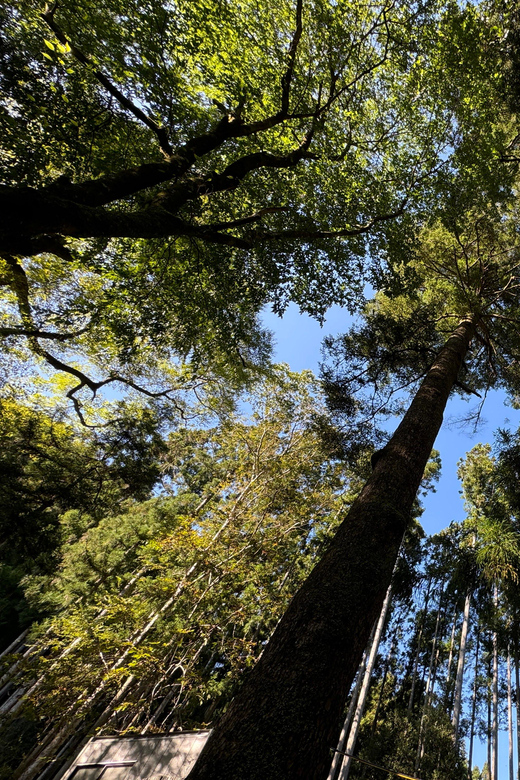
Kyoto is famous for temples, lanes, gardens, and crowded central sights. Kifune offers a change of pace. The valley sits in the wooded mountains outside the city, where the air feels cooler and streams provide a steady natural soundtrack.
The setting matters here. Kifune Shrine is not simply a building placed beside a road. Its grounds are tied closely to the forest, water, stone steps, and mountain surroundings. You get time to look around, but the main reward is the calm atmosphere.
Kifune has long been associated with water, which helps explain the special fortune ritual offered here. You place a fortune paper on water, allowing its message to appear. That small act gives you something to do beyond taking photographs, and it connects the shrine’s traditions with the stream-filled valley around it.
I would choose this trip when you have already seen several of Kyoto’s major urban temples and want a quieter outing. It also works well for a first-time visitor who wants a manageable taste of the countryside without arranging a complicated independent journey.
More Kyoto shrines:
- KYOTO Tea Ceremony with kimono near by Imamiya Jinjya Shrine
★ 5.0 · 343 reviews - Kyoto: 3-Hour Fushimi Inari Shrine Hidden Hiking Tour
★ 4.9 · 270 reviews - E-Bike Nara Highlights – Todaiji, Knives, Deer, Shrine
★ 4.8 · 186 reviews
Starting in Kyoto and riding toward the mountains
The trip begins at Kyoto Station’s JR West Exit, then continues to Demachiyanagi Station. From there, you board the Eizan Railway for the ride toward Kifune-guchi.
The train journey is a useful part of the experience, not just a way to fill the gap between Kyoto and the shrine. You leave the city behind and move toward wooded hills and a slower rhythm. The information provided does not promise a special reserved carriage or a specific train service, so think of this as a scenic public-transport connection rather than a luxury rail excursion.
The route and meeting instructions need close attention. Two possible starting points are listed in the booking details: Kifune Ichinotani sightseeing toilet and the Kurama Mountain Great Tengu area. Those names are not interchangeable with Kyoto Station, Demachiyanagi, or Kifune-guchi.
That may sound like a minor point, but it is the main logistical weakness of the experience. One booking went badly after the participant was directed to the wrong meeting point. Before leaving your hotel, check the option you selected, the precise starting location, and the time shown for your reservation.
Arriving at Kifune-guchi Station
Kifune-guchi Station is the gateway to the valley. From there, you continue to the main Kifune Shrine site. The available information does not specify every transfer detail or whether your guide accompanies you from Kyoto Station, so read the meeting instructions rather than assuming the guide will meet you at the station.
This is one reason a private tour can be useful. If your guide is with you for the transport portion, you can ask questions as the city gives way to the mountains. If the tour begins closer to Kifune, the value shifts toward the shrine explanation and local orientation.
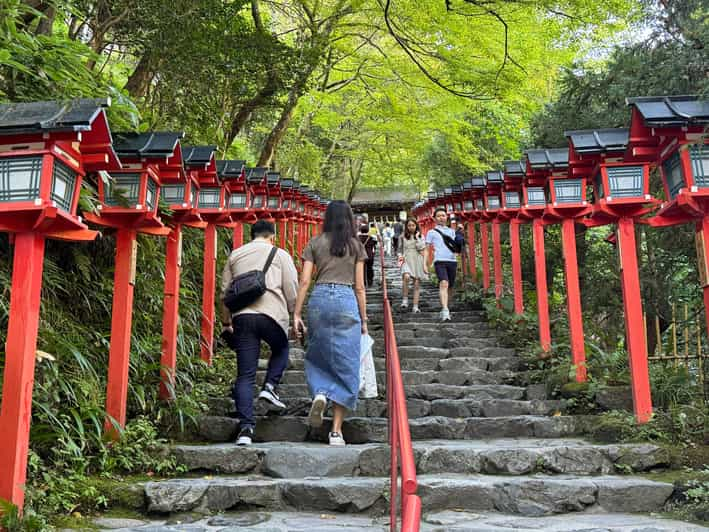
Bring water. The day includes walking, stairs, and outdoor time, and comfortable shoes are important. The shrine’s famous stone stairway and forest paths are part of its appeal, but they are not suited to everyone.
The experience is not suitable for wheelchair users. The uneven walking areas, steps, and mountain setting make this a poor choice if you need step-free access.
Entering Kifune Shrine among trees and streams
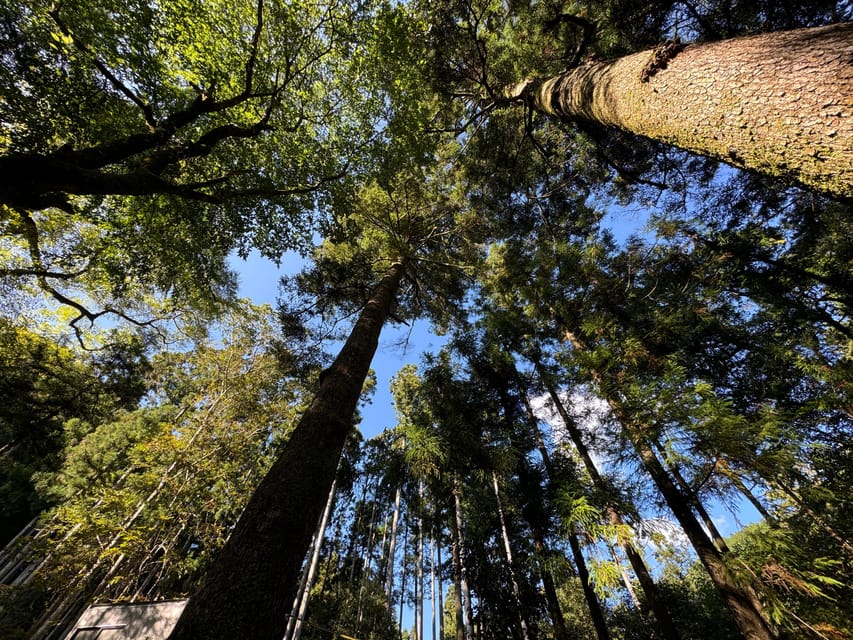
The main visit to Kifune Shrine lasts around 30 minutes to 1.5 hours, depending on the version booked and the pace of your private group. You can expect time to see the main hall, walk through the sacred grounds, and take in the forest and streams around it.
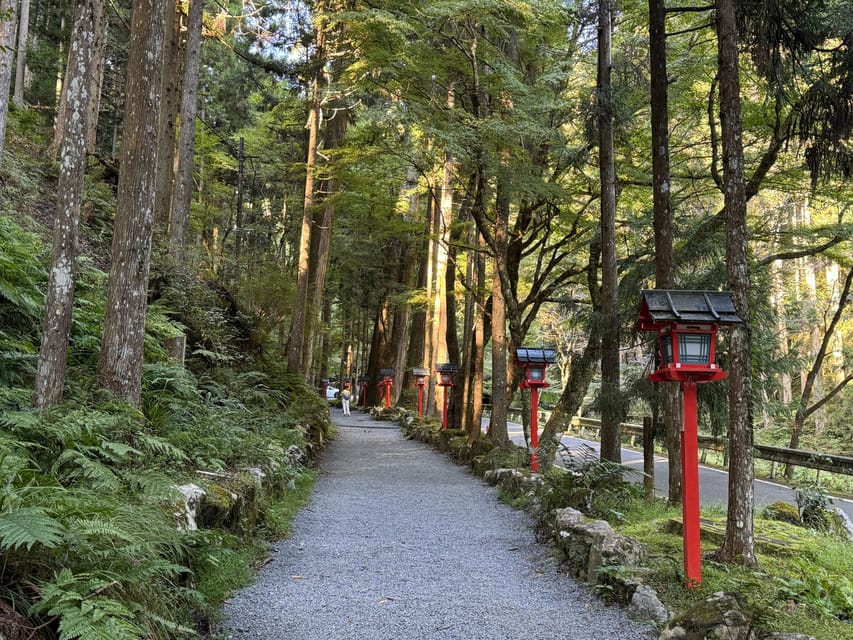
The shrine’s visual appeal comes from its setting. Stone, timber, water, and trees work together in a way that feels far removed from Kyoto’s busy central streets. Bring a camera, but leave room for quiet observation. This is a place where rushing from one photo point to the next would miss much of the point.
A guide can also help explain the difference between simply visiting a shrine and taking part in Shinto customs. The supplied experience information does not specify a full ceremonial program, so you should not expect an elaborate service. The focus is sightseeing, walking, cultural explanation, and time around the shrine buildings.
The main hall is surrounded by nature rather than presented as an isolated monument. That makes the visit especially appealing if you enjoy sacred places for their atmosphere as much as for architecture.
The visit may feel short if you want extended photography or a long period of personal reflection. On the other hand, 30 minutes can be enough for visitors who want to add Kifune to a wider Kyoto plan. Check the duration before booking if you have your heart set on a leisurely visit.
A few more Kyoto experiences worth comparing
- PERFECT KYOTO 1-Day Bus Tour
★ 5.0 · 13,518 reviews - Kyoto: Fushimi Inari, Kinkakuji, Bamboo Grove 1 Day Bus Tour
★ 4.8 · 4,316 reviews - 10 Must-see Spots in Kyoto One Day Private Tour (up to 7 people)
★ 5.0 · 1,108 reviews - Nara Half Day Trip Walking Tour (Private Option Available)
★ 5.0 · 937 reviews
Trying the Mizu-ura water fortune
The Mizu-ura fortune ritual is one of the most distinctive parts of the outing. It is a water divination experience tied to Kifune’s connection with water, rather than a standard fortune slip picked up and read immediately.
The ritual adds meaning to the setting. You are not simply viewing a shrine and hearing a short explanation. You are taking part in a small tradition that uses the valley’s defining element. It is also a good reason to slow down and pay attention to the details of the visit.
The supplied information calls this a rare experience, but it does not state whether any extra fee is charged for the fortune paper. If this matters to your budget, ask your guide or confirm the terms before taking part.
Do not expect the ritual to turn the outing into a long spiritual ceremony. It is one element within a broader guided visit. Its value comes from the connection between the custom, the shrine, and the mountain water around you.
Continuing to Nakamiya, the middle shrine
After the main shrine, the itinerary includes a visit to Nakamiya, or the middle shrine. This gives the outing a wider spiritual context than a quick stop at the most familiar building.
The wording of the experience suggests that Nakamiya offers a deeper look at Kifune’s sacred importance. In practical terms, that means you continue beyond the main hall and see another part of the shrine complex, with your guide explaining why it matters.
I like this addition because it prevents the trip from becoming a single-photo stop. Kifune’s religious character is spread across more than one point, and visiting the middle shrine helps you understand the site as a connected sacred area.
The exact amount of time at Nakamiya is not stated. Your private group may have some flexibility, but the total experience can range from 90 minutes to four hours. If you want more time here, tell the guide early in the visit.
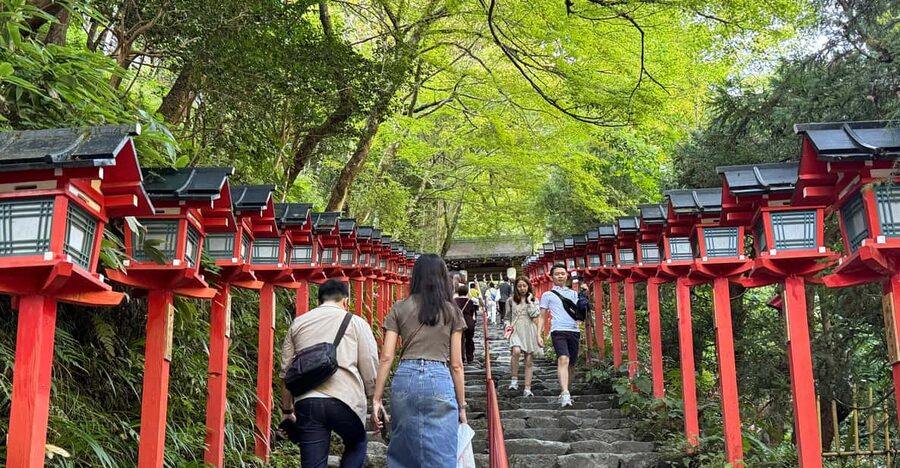
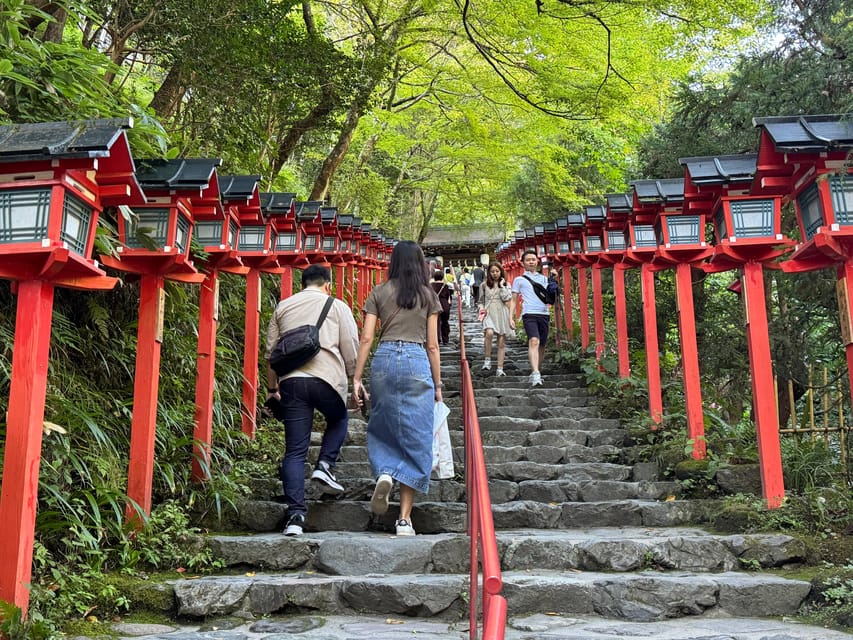
The listed drop-off points are Kifune Shrine and the lantern stairway. These locations may suit different booking options, so confirm where the tour ends. The lantern-lined steps are among the most recognizable parts of the approach, but do not assume that every version finishes at precisely the same spot.
How much time should you allow?
The published duration is unusually broad: 90 minutes to four hours. That range likely reflects different starting points, transport arrangements, and tour options.
A shorter version can work for you if you are already in the Kifune area and mainly want a guided shrine visit. It may include the main grounds, the middle shrine, and a short walking route.
A longer version makes more sense if your plan includes the Kyoto to Demachiyanagi connection, the Eizan Railway, travel to Kifune-guchi, and the return to Kyoto. The day-trip description gives a late-afternoon return, with the outing concluding by about 16:00.
Build your day around the stated end time rather than trying to squeeze in a tightly timed reservation immediately afterward. Mountain transport and meeting points require more care than a central Kyoto walking tour.
The private-group format is helpful here. You can ask for clarification, set a reasonable walking pace, and spend more time on the aspects that interest you most. The tradeoff is that a private tour costs more per person than joining a large group, especially if you are traveling alone.
What the $81 price buys you
At $81 per person, the tour is not the cheapest way to see Kifune Shrine. The value depends heavily on what is included in your selected option and whether transport is part of the guided experience.
The price makes more sense if you want a private guide, English or Japanese commentary, help with a remote Kyoto destination, and explanations of both the main shrine and Nakamiya. It is also useful if you would rather not sort out the route alone.
The value is weaker if you are already comfortable using Kyoto’s trains, can find the shrine without help, and only want a brief look at the main hall. In that case, the tour’s cultural guidance and private format need to matter to you.
Meals and drinks are not included, so budget for your own food and water. The provided details do not list entrance fees, train fares, or ritual charges separately, so confirm exactly what your chosen option covers before payment.
There are some helpful booking safeguards. You can cancel up to 24 hours in advance for a full refund, and the reserve-now, pay-later option keeps your plans flexible. Those terms are useful in Kyoto, where weather and changing sightseeing plans can affect a mountain outing.
The guides: Yoshi and Kisho Hasegawa
The strongest personal praise is directed at the guides. Yoshi is described as kind and very well informed about Japan’s past and culture. Kisho Hasegawa is also praised for his friendly manner and clear explanations of Japanese culture.
That matters because Kifune is a place where context adds real value. Without a guide, you can admire the trees, water, stairs, and shrine buildings. With a good guide, you can better understand why water is central here and how Nakamiya fits into the visit.
The tour operates in Japanese and English. Since this is a private group, you should have a better chance to ask questions than on a large, fixed-pace excursion.
Guide quality can vary by assignment, so the named experiences should not be treated as a guarantee that either Yoshi or Kisho Hasegawa will lead your departure. Still, their praise points to the sort of guide who suits this experience: friendly, patient, and able to connect customs with the place around you.
Who will enjoy this Kifune outing?
I would recommend it most strongly to you if you want:
- A peaceful change from central Kyoto’s busy sights
- A private cultural experience with Japanese or English guidance
- A scenic train connection and mountain setting
- A short, manageable outdoor outing rather than a demanding hike
- A chance to see more than the main shrine hall
- An unusual local custom such as the Mizu-ura fortune
It is less suitable if you need wheelchair access, dislike stairs, or want a fully self-directed day. It may also disappoint if you expect a long formal religious ceremony or a meal-centered tour.
Families and older visitors should consider walking comfort carefully. The available information confirms comfortable shoes are needed, but it does not provide a total distance or step count. If anyone in your group has mobility concerns, ask for those details before booking.
Practical preparation for the mountain shrine
Wear shoes that handle walking and steps comfortably. Bring water and a camera, but keep your hands free enough to manage the route and any personal belongings during the shrine visit.
Check the meeting point twice. The listed options include unusual landmarks, and the incorrect meeting-point problem described for one booking shows why this is not a detail to skim.
Confirm your tour duration as well. A 90-minute visit near Kifune is a different plan from a four-hour outing beginning with Kyoto transport. The end point can also vary between Kifune Shrine and the lantern stairway.
Keep your schedule loose until the stated return around 16:00. Meals are not included, so carry water and plan when you will eat.
Should you book the Kifune Shrine tour?
Book it if you want a quiet mountain outing with private guidance, a scenic rail connection, and more cultural context than a quick independent visit can provide. The main shrine, Nakamiya, and Mizu-ura create a nicely balanced mix of scenery, custom, and walking.
I would be cautious if you are choosing it mainly because of the low headline price. At $81, the tour earns its value through guidance and convenience, not through included meals or a long list of extras.
Before paying, confirm the meeting location, duration, transport coverage, and any cost connected with the water fortune ritual. If those details match your plans, Kifune is a fine choice for seeing Kyoto’s quieter mountain side without giving up the help of a private guide.
FAQ
Where does the Kifune Shrine experience begin?
The meeting point depends on the option booked. Listed starting locations include Kifune Ichinotani sightseeing toilet and the Kurama Mountain Great Tengu area. Check your exact booking details carefully.
Does the experience include a train ride from Kyoto?
The day-trip route includes travel from Kyoto toward Demachiyanagi Station, followed by the Eizan Railway to Kifune-guchi Station. Confirm the precise transport coverage for your selected option.
How long does the activity last?
The available duration ranges from 90 minutes to four hours. The day-trip format is scheduled to return to Kyoto in the late afternoon, by about 16:00.
Is Kifune Shrine included?
Yes. The experience includes a guided visit to Kifune Shrine, including its main sacred grounds and time for sightseeing and walking.
Will I visit Nakamiya, the middle shrine?
Yes. The itinerary includes a visit to Kifune’s middle shrine, called Nakamiya, for additional cultural and spiritual context.
Is the Mizu-ura fortune ritual included?
The experience includes the chance to try the Mizu-ura water fortune ritual. The provided details do not specify whether an additional charge applies, so confirm before taking part.
Is the tour suitable for wheelchair users?
No. The activity is not suitable for wheelchair users. Comfortable walking shoes are recommended because the visit includes walking around the shrine grounds and mountain area.
Recently added around Kyoto
- Higashiyama | Kyoto: Sakura Season Private Rickshaw Tour★ 5.0 · 3 reviews
- Kyoto Kimono Rental CHAMATSU|Kimono/Yukata Rental FamilyPlan★ 5.0 · 3 reviews
- Kyoto: Half-Day Private Guided Tour to the Old Town of Gion★ 4.4 · 3 reviews
- Nara Private Customizable Half Day Tour★ 5.0 · 3 reviews
- Kansai Region Hiking Adventure in Nara Kobe Kyoto and More★ 5.0 · 3 reviews
- Full Day Nara Deer, Temple, Shrine, Activities & Tea Ceremony★ 5.0 · 3 reviews
- Nara: Essential Private Tour with Deer Park and Temples★ 5.0 · 3 reviews
- Hiking Tour for Sacred Sites in Kyoto with a Guide★ 5.0 · 3 reviews
Kyoto Shrine Tours, compared.
KYOTO Tea Ceremony with kimono near by Imamiya Jinjya Shrine
Read our review →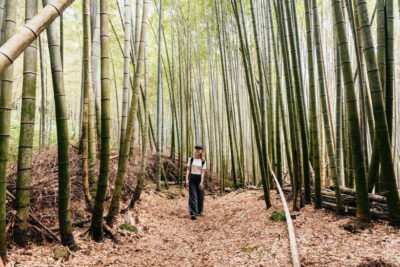
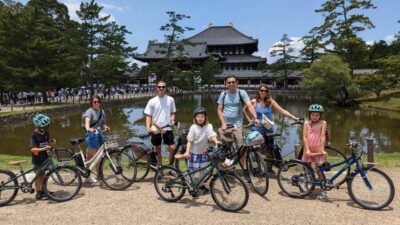
E-Bike Nara Highlights – Todaiji, Knives, Deer, Shrine
Read our review →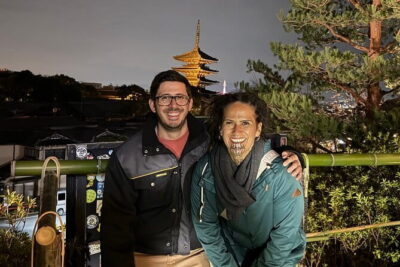
Kyoto Magical Night English Tour: Gion & Fushimi Inari Shrine
Read our review →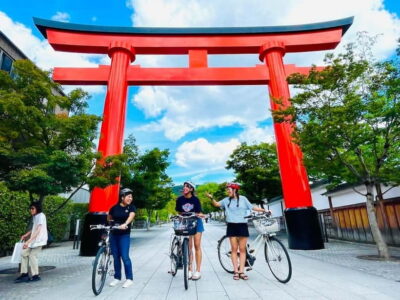
Fushimi Inari Shrine and Tofukuji Temple E-Bike Tour
Read our review →
Early Morning Fushimi Inari Shrine – Beat the Crowds
Read our review →Browse the lists this tour appears in