
REVIEW · KYOTO TEA CEREMONY EXPERIENCES
Kyoto Japanese Tea Ceremony Experience in Ankoan
The most memorable part of this Kyoto experience is not simply drinking matcha. You watch a tea master prepare it, learn why each movement matters, then make your own bowl and offer it to someone else. That simple exchange gives the ceremony a human warmth that a staged performance often lacks.
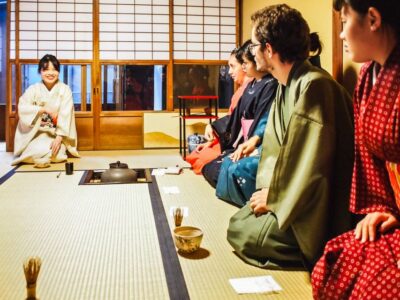
I like the small group size, capped at eight, and the relaxed conversation with Yuka, whose English is strong and whose interests reach beyond tea. I also like the chance to move from watching to doing: you prepare matcha yourself, taste it with wagashi, and practice the manners rather than just sitting quietly through a demonstration.
The main consideration is the sitting position. The experience is not recommended for people with knee pain, and the published duration is a little unclear, ranging from about one hour to 90 minutes, with some sessions lasting closer to two hours. Plan extra time rather than rushing to your next appointment.
In This Review
- Key points to know before you book
- A gentle introduction to Kyoto tea culture
- The demonstration shows why every movement matters
- Making matcha yourself is the best part
- Conversation turns a lesson into a cultural exchange
- A calm pause from Kyoto’s busy sightseeing days
- Price, timing, and what the fee really covers
- Sitting comfort and practical preparation
- Who will enjoy this ANKOAN experience most
- How it compares with a simple matcha tasting
- Should you book the Kyoto tea ceremony at ANKOAN?
- FAQ
- Where does the tea ceremony take place?
- How long does the experience last?
- Who leads the tea ceremony?
- Is the experience available in English?
- Can children participate?
- Is transportation included?
- Can I cancel for a full refund?
Key points to know before you book
- You make your own matcha: The instructor demonstrates the process, then guides you step by step as you whisk your tea.
- Yuka leads the session: Expect clear English explanations, friendly conversation, and room for questions about Japanese life and customs.
- The group is limited to eight: This keeps the lesson personal and gives each person time to participate.
- Welcome tea starts the visit: You can settle in, talk, and recover from the walk or ride to the studio before the formal tea room portion.
- Wagashi is part of the tasting: The traditional Japanese sweet balances the bitterness of matcha.
- Photos are allowed indoors: You can record parts of the experience without leaving the studio.
A gentle introduction to Kyoto tea culture
At ANKOAN, the session begins with a welcome cup of tea and conversation. This opening matters because it softens the transition from sightseeing to ceremony. Kyoto can demand plenty of walking, and the first few minutes let you sit down, catch your breath, and meet the host before learning formal customs.
The welcome tea is also a useful contrast to what follows. You first talk about tea in an informal setting, then move into a matcha tea room where posture, utensils, preparation, and service receive closer attention. The change helps you understand that Japanese tea ceremony is not just a recipe for powdered tea.
The experience takes place at Tea ceremony Japan, at 63 Murasakino Monzenchō in Kyoto’s Kita Ward, postal code 603-8216. It is near public transportation, though you should still allow time to find the studio. The address includes the Japanese name 暗香庵, so having the full location available on your phone is sensible.
More tea ceremonies in Kyoto:
- Kyoto: Tea Ceremony in a Traditional Tea House in Kiyomizu
★ 4.9 · 3,519 reviews - Kyoto: Tea Ceremony Ju-An at Jotokuji Temple
★ 4.9 · 3,207 reviews - Kyoto: 45-Minute Tea Ceremony Lesson Experience
★ 4.3 · 2,378 reviews
The demonstration shows why every movement matters
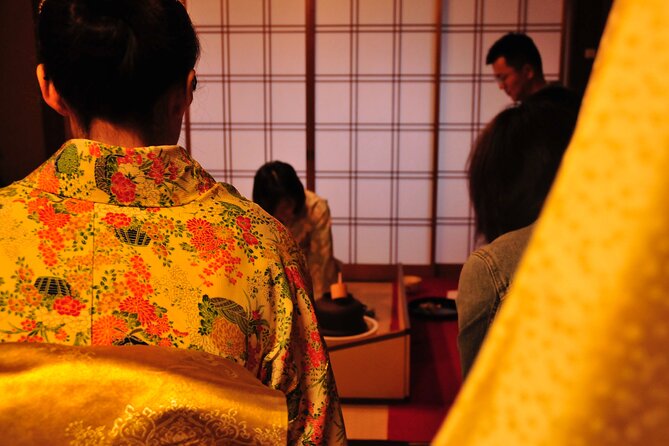
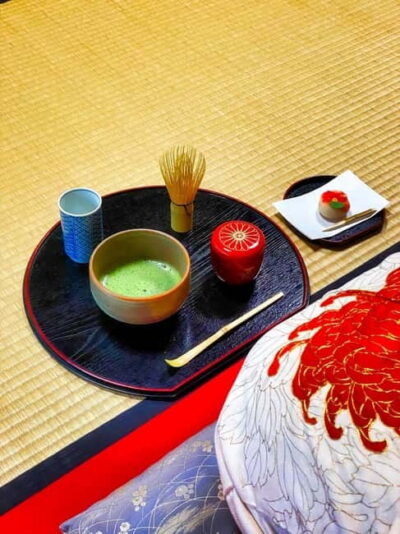
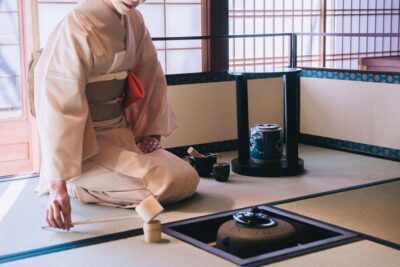
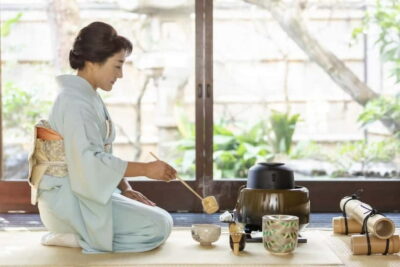
Once you are settled in the matcha room, the instructor demonstrates the tea ceremony. You watch the handling of the bowl, whisk, and other tools while hearing about the ideas and manners behind the ritual.
This is where the activity earns its place in a Kyoto itinerary. A quick matcha tasting can leave you with a cup and a photograph. A demonstration with explanation gives you a way to read the scene. You begin to notice that the ceremony is built around attention, respect, and the shared moment between the person making tea and the person receiving it.
The teaching is aimed at beginners, so you do not need prior knowledge of tea ceremony. The instructor explains the process rather than expecting you to copy unexplained gestures. English is available, and the host also speaks Chinese according to the activity details.
The tone is formal enough to feel like a real cultural practice, but not so strict that you are afraid to make a mistake. That balance is important. You can learn proper manners while still asking practical questions such as how Japanese people use tea at home or how customs developed.
Making matcha yourself is the best part
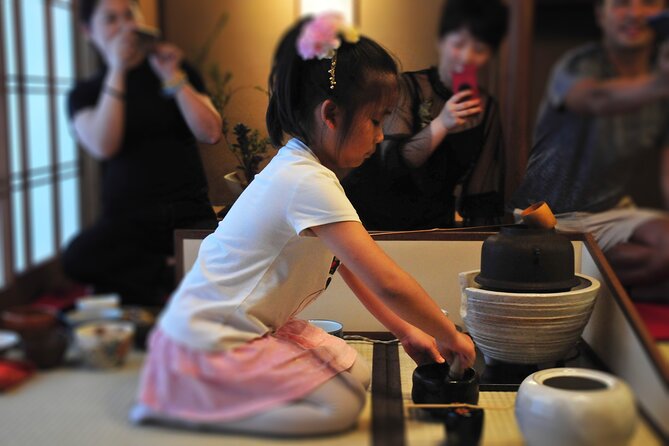
After watching the demonstration, you take your turn. The instructor stays close, explains each step, and helps you prepare your own matcha. This watch, copy, teach approach makes the lesson easy to follow, even if your first whisking attempt is less smooth than the teacher’s.
You also serve your tea to another participant. That detail gives the activity more meaning. Tea ceremony is not only about preparing a drink for yourself. It includes consideration for another person, and the act of offering your bowl lets you practice that part directly.
Then you taste the matcha you made. A wagashi sweet is served with the tea, giving you the traditional pairing of a small sweet with the more bitter drink. You may find your own bowl tastes different from the instructor’s, and that is part of the appeal. The aim is not to produce a perfect café-style drink. It is to understand the process and the care involved.
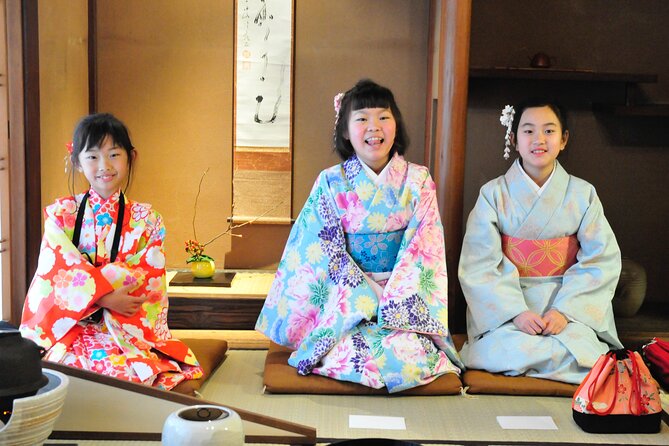
Families can take part as well. An eight-year-old has been accommodated during a session, and small children have joined in the preparation. Still, the ceremony involves sitting and paying attention, so the fit will depend on your child’s patience and comfort.
Conversation turns a lesson into a cultural exchange
The strongest feature here is the time for conversation. Yuka is described as warm, flexible, and easy to talk with, and her English allows the discussion to move beyond memorized explanations.
You can ask about Japanese customs, daily life, and the origins of cultural practices. Those questions help connect the tea room to the wider country. Matcha becomes a starting point for talking about how people welcome one another, how traditions are passed on, and why certain actions carry meaning.
This informal side also makes the session less intimidating. You are not simply watching an expert perform a ritual from a distance. You are learning with the host, asking questions as they occur to you, and comparing your own customs with Japanese ones.
Several parts of the experience depend on the host’s teaching style, and that is worth recognizing when you compare it with larger cultural shows. The group limit of eight means there is a reasonable chance to ask questions and receive personal guidance. It also means the atmosphere may vary with the people booked into your time slot.
A completely different side of Kyoto:
- PERFECT KYOTO 1-Day Bus Tour
★ 5.0 · 13,518 reviews - Kyoto: Fushimi Inari, Kinkakuji, Bamboo Grove 1 Day Bus Tour
★ 4.8 · 4,316 reviews - Kyoto Geisha Walking Tour: Gion District & Hidden Gems
★ 4.7 · 3,273 reviews - Kyoto: Gion Magical Night Walking Tour with Geisha Trivia
★ 4.9 · 2,393 reviews
A calm pause from Kyoto’s busy sightseeing days
Tea ceremony works well as a change of pace. Temples, markets, and major sights can fill a day with noise, queues, and constant movement. Here, the main activity is to sit, observe, listen, and make one carefully prepared bowl.
That does not mean the session is passive. You participate several times, and the teaching keeps the hour or longer moving. But the pace is slower than a typical sightseeing stop, which makes it useful after a morning of temple visits or before an evening meal.
The location can pair well with nearby sightseeing. One person made a point of visiting temples around the corner beforehand. The activity information does not specify which temples or how close each one is, so check your map before building a tight schedule. Treat nearby sights as a possible convenience, not a guaranteed timed connection.
Price, timing, and what the fee really covers
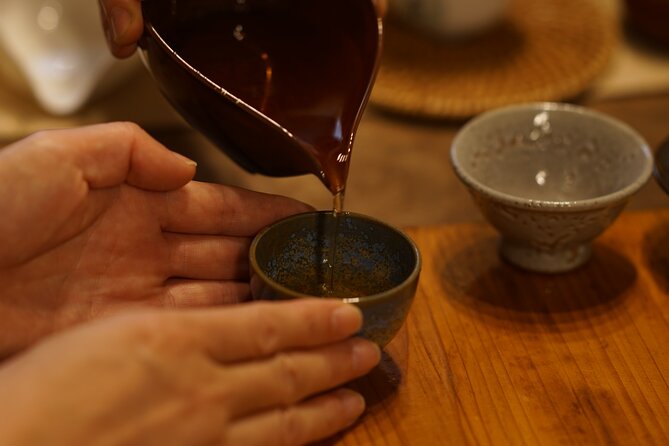
The listed price is $32.84 per person. For that amount, you receive the welcome tea, instruction, matcha preparation, tasting, wagashi, and a guided cultural discussion. Coffee and tea are included, while private transportation is not.
I see the price as fair for a hands-on cultural lesson, especially because you are not only watching a ceremony. You receive direct instruction and get to make the tea yourself. The small maximum group also adds value compared with a large presentation where you might struggle to see or ask questions.
The duration needs careful planning. The tour summary gives an approximate length of one hour, while the detailed description calls it a 90-minute service. Some accounts of the session put it closer to two hours. Since the actual pace can depend on group size and discussion, I would reserve at least 90 minutes and avoid scheduling a train, meal, or major attraction immediately afterward.
The experience is booked, on average, 12 days ahead. That is a useful signal for planning Kyoto in a busy season. If this is important to you, reserve before your itinerary becomes fixed, while remembering that confirmation is subject to availability and can arrive within 48 hours of booking.
Sitting comfort and practical preparation
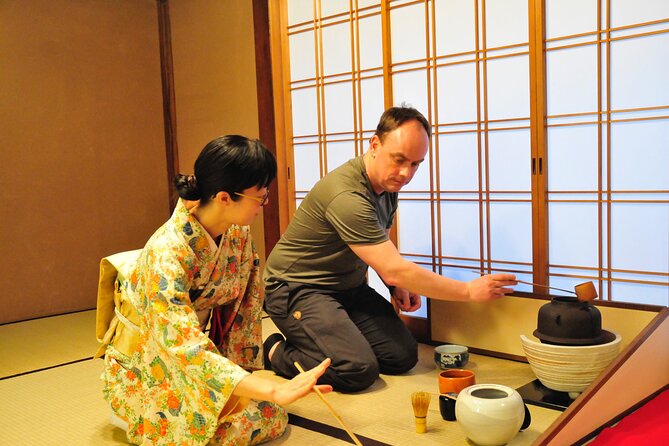
The activity is not recommended for people with knee pain. Tea ceremony may require sitting in a traditional style, and the supplied information does not promise chairs or an alternative arrangement. If kneeling or sitting low is difficult for you, contact the provider before booking rather than assuming the format will be modified.
Bring a phone with the meeting address ready. You can take pictures freely indoors, which is helpful if you want a record of the utensils, your finished bowl, or the room. Be attentive during the actual ceremony, though. Taking a few photographs is useful; spending the whole session behind a screen would undercut the quiet focus that makes the experience worthwhile.
The meeting point is also the end point, so you return to the same studio when the session finishes. There is no private transportation included. You will need to make your own way to the Kita Ward address using public transportation or another option.
Who will enjoy this ANKOAN experience most
This is a good fit if you want more than a quick cultural photo opportunity. You will get the most from it if you enjoy asking questions, copying a demonstration, and trying a new custom with other people.
It suits:
- First-time visitors who want a clear introduction to tea ceremony.
- Couples looking for a quiet shared activity.
- Families with children who can sit, listen, and take a turn.
- People interested in Japanese manners, hospitality, and daily culture.
- Anyone who wants a slower break between sightseeing stops.
- Visitors who appreciate a host-led experience in English or Chinese.
It may be less suitable if you need a fully mobile activity, dislike formal rituals, or have knee pain. It is also not the best choice for a tightly packed day because the duration can stretch beyond the shortest one-hour estimate.
How it compares with a simple matcha tasting
A café matcha gives you a drink with little time commitment. ANKOAN gives you context, practice, and a social exchange. You learn how the tea is made, how it is served, and how the gesture of offering it fits into the ceremony.
That extra layer is the reason to choose this activity. You are not required to master the full tradition in one sitting, nor should you expect a specialist training course. Instead, you receive a friendly introduction that leaves you better prepared to notice tea ceremony customs elsewhere in Japan.
The experience also avoids the common problem of making culture feel untouchable. You are encouraged to participate, and the instructor remains available while you work. Mistakes become part of the lesson rather than an embarrassment.
Should you book the Kyoto tea ceremony at ANKOAN?
I would book this if you want a personal, practical introduction to Japanese tea ceremony and can spare at least 90 minutes. The host’s clear English, friendly manner, cultural conversation, and hands-on matcha lesson are the main reasons to choose it.
Before paying, check the time on your confirmation and plan for the longer end of the duration range. Also consider your knees and your route to Murasakino Monzenchō. If those details work for you, $32.84 buys more than tea: it gives you a quiet room, a useful explanation of Japanese customs, and the chance to offer a bowl you prepared yourself.
FAQ
Where does the tea ceremony take place?
The meeting point is Tea ceremony Japan, at 63 Murasakino Monzenchō, Kita Ward, Kyoto, Japan, postal code 603-8216. The Japanese name listed for the studio is 暗香庵.
How long does the experience last?
The tour is described as approximately one hour in the summary and as a 90-minute service in the detailed information. Some sessions have lasted around two hours, so allow extra time.
Who leads the tea ceremony?
The host is Yuka. She provides the welcome tea, explains Japanese tea ceremony customs, demonstrates matcha preparation, and guides you through making your own tea.
Is the experience available in English?
Yes. The activity is offered with English explanations, and the provider also indicates that Chinese is available.
Can children participate?
Yes. Families with small children can take part, and an eight-year-old has been accommodated during a session. Children should be able to sit, listen, and participate in the ceremony.
Is transportation included?
No. Private transportation is not included. The activity starts and ends at the ANKOAN meeting point, which is near public transportation.
Can I cancel for a full refund?
You can cancel at least 24 hours before the local start time for a full refund. Changes or cancellations made less than 24 hours before the start time are not accepted for a refund. If poor weather causes cancellation, you will be offered another date or a full refund.
Recently added around Kyoto
- Higashiyama | Kyoto: Sakura Season Private Rickshaw Tour★ 5.0 · 3 reviews
- Kyoto Kimono Rental CHAMATSU|Kimono/Yukata Rental FamilyPlan★ 5.0 · 3 reviews
- Kyoto: Half-Day Private Guided Tour to the Old Town of Gion★ 4.4 · 3 reviews
- Nara Private Customizable Half Day Tour★ 5.0 · 3 reviews
- Kansai Region Hiking Adventure in Nara Kobe Kyoto and More★ 5.0 · 3 reviews
- Full Day Nara Deer, Temple, Shrine, Activities & Tea Ceremony★ 5.0 · 3 reviews
- Nara: Essential Private Tour with Deer Park and Temples★ 5.0 · 3 reviews
- Hiking Tour for Sacred Sites in Kyoto with a Guide★ 5.0 · 3 reviews
Kyoto Tea Ceremony Experiences, compared.
Tea Ceremony in a Traditional Tea House in Kiyomizu
Read our review →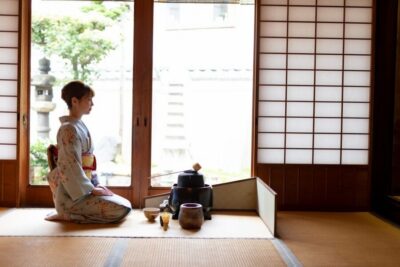
Tea Ceremony in 100-year-old Kyo-Machiya Townhouse
Read our review →
Browse the lists this tour appears in