REVIEW · TICKETS
Kyoto Aquarium Admission Ticket
Kyoto Aquarium makes its biggest impression through contrast: thrilling dolphin performances sit alongside quiet tanks of jellyfish, ancient giant salamanders, and a recreated satoyama setting. You get both animal action and a thoughtful look at how people and nature share Japan’s water-rich countryside.
I like the aquarium’s individual penguin personalities, and I also like that you can speak with breeding staff when you want more than a quick glance at an exhibit. The main drawback is simple: your ticket allows one entry only, so plan your visit carefully and do not expect to step out for lunch and return later.
In This Review
- Key points at a glance
- Why Kyoto Aquarium feels different
- Starting with dolphins in the performance area
- Meeting penguins with plenty of time to watch
- The giant salamanders are the real Kyoto specialty
- Jellyfish, seals, and the quieter side of the aquarium
- Satoyama shows Kyoto beyond the city
- Talk with the breeding staff
- How much time should you allow?
- Is the $16 ticket good value?
- Access, photography, and practical limits
- Who will enjoy Kyoto Aquarium most?
- Should you book Kyoto Aquarium?
- FAQ
- Where is Kyoto Aquarium located?
- How much does admission cost?
- How long is the ticket valid?
- Can I leave and re-enter the aquarium?
- Is the aquarium wheelchair accessible?
- Can I bring a pet inside?
- Can I take photographs and videos?
- What animals can I see?
- Is the admission ticket refundable?
Key points at a glance
- Dolphin performances bring energy to the visit, with agile animals showing their power and intelligence.
- Penguins reward slow observation, since each bird has its own behavior and character.
- Giant Japanese salamanders offer a rare look at an ancient species in a dedicated exhibit.
- The jellyfish displays can hold your attention longer than expected, especially if you enjoy calm, carefully presented exhibits.
- Satoyama connects the aquarium to Kyoto’s rural traditions, rather than treating animals as isolated attractions.
- The $16 price works well for a flexible day indoors, though the non-refundable ticket and no re-entry rule matter.
Why Kyoto Aquarium feels different
Kyoto Aquarium is in Umekoji Park, where open lawns and wooded areas give the visit a calmer setting than you might expect from a major city attraction. The park location also fits the aquarium’s main idea: life shaped by water, from rivers and rural wetlands to the sea.
This is not only a place to hurry from one tank to the next. You can watch a dolphin show, then slow down in front of a jellyfish tank or study the small details of a penguin enclosure. That change of pace gives the day more variety than a simple collection of animal displays.
The aquarium focuses on coexistence. Kyoto has long depended on its rivers, streams, and surrounding countryside, and the exhibits use that connection to frame the animals. You are encouraged to think about the creatures as part of living systems, not just as colorful subjects for photographs.
That approach will suit you if you like aquariums with a clear educational purpose. If you want a huge facility packed with nonstop spectacle, the visit may feel more measured. The reward comes from taking your time.
Other Kyoto mornings people book alongside this one:
- PERFECT KYOTO 1-Day Bus Tour
★ 5.0 · 13,518 reviews - Kyoto: Fushimi Inari, Kinkakuji, Bamboo Grove 1 Day Bus Tour
★ 4.8 · 4,316 reviews - Kyoto: Tea Ceremony in a Traditional Tea House in Kiyomizu
★ 4.9 · 3,519 reviews
Starting with dolphins in the performance area
The dolphins provide the most energetic part of the experience. Their agility and strength are easy to appreciate in a performance setting, where movement, timing, and intelligence come together in a way that is hard to see from a quiet viewing tank.
I would make the dolphin presentation one of your planned stops rather than treating it as background entertainment. The schedule details are not provided with this ticket, so check the available starting times and arrange your visit around the performance you want to see.
The show gives families a strong focal point, especially if children need a change after several quiet exhibits. It also gives adults a chance to watch how the animals respond to training and space. The presentation is a highlight, but it should not define the whole aquarium.
A practical point: photography and video are allowed, but flash photography is not. That rule protects the animals and is worth following carefully. You will get more from the performance if you watch first instead of trying to record every second.
Meeting penguins with plenty of time to watch
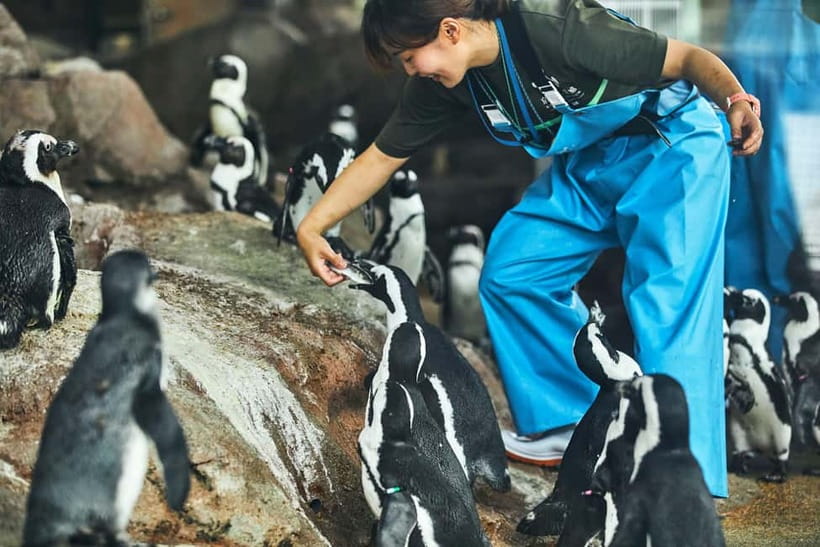
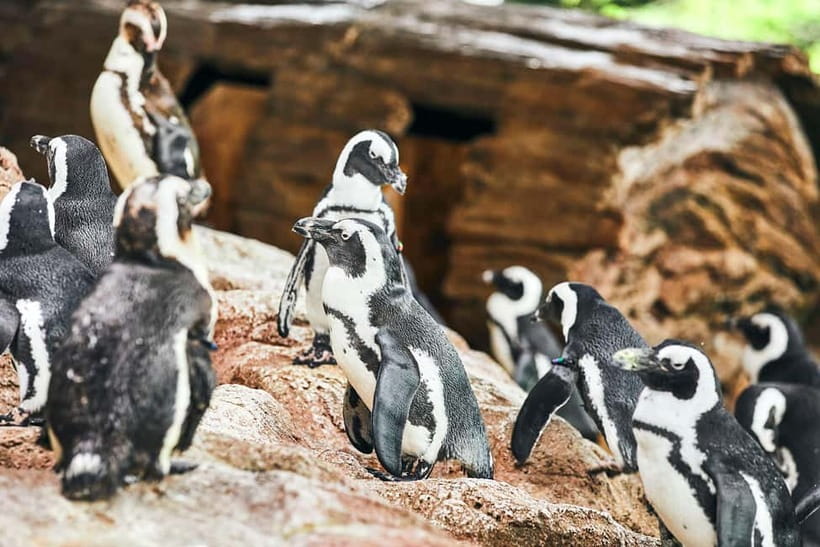
The penguins are one of the aquarium’s most appealing stops because they are easy to watch for several minutes without needing a formal presentation. Their movements, pauses, and interactions make the enclosure feel personal, even when you are simply observing from outside.
The useful tip here is to slow down. Rather than looking for one grand moment, watch how individual birds behave. One may be active while another remains still, and those differences make the exhibit more engaging than a quick photograph suggests.
The attraction information describes the penguins as animals with distinct personalities. That is a good reason to return to this area later in the day if you have time. Your second look may reveal behavior you missed at first.
Do not assume that interact means physical contact. The safe expectation is close observation and a chance to appreciate the birds as individuals. The aquarium’s wider theme is respectful coexistence, and that means allowing animals to remain in a protected setting.
The giant salamanders are the real Kyoto specialty
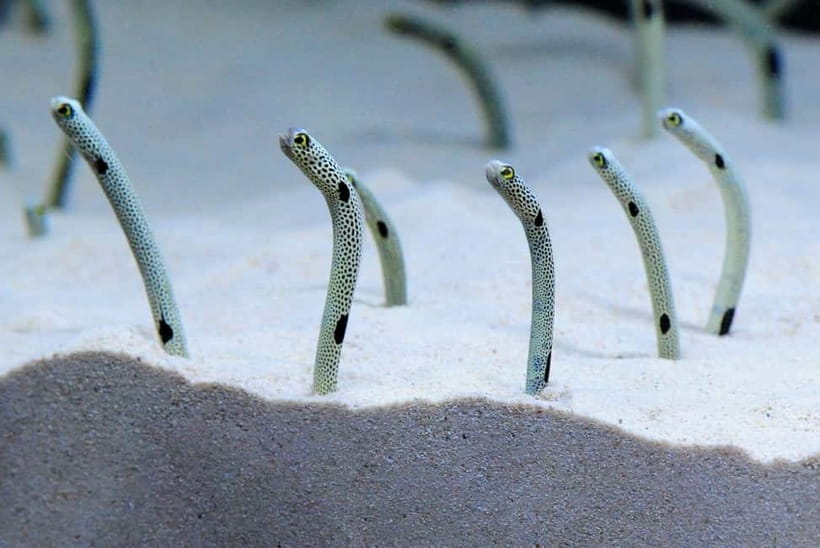
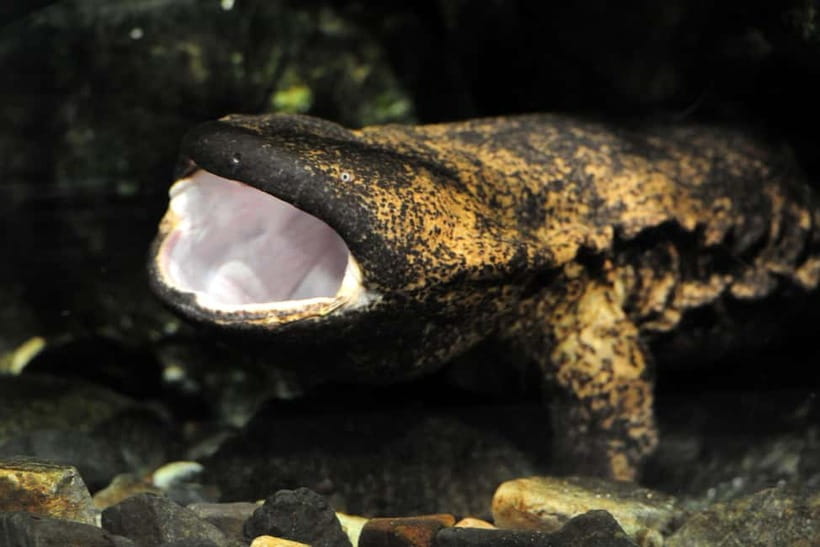
The dedicated giant salamander exhibit gives the aquarium a strong local and natural-history focus. These animals are ancient, rare, and unlike the more familiar dolphins and penguins that usually draw the first glance.
You may need to spend a little longer looking before the salamanders reveal themselves. Their appeal is not speed or bright color. It is their unusual form, their connection to old waterways, and the sense that you are seeing an animal few people encounter in ordinary life.
The exhibit is especially valuable if you have an interest in Japanese wildlife. It broadens the visit beyond popular marine animals and shows how much attention the aquarium gives to creatures linked to the country’s rivers.
This is also where the aquarium’s water theme feels most grounded. Kyoto’s abundant water has supported human settlements and wildlife alike, and the salamanders help make that idea concrete.
A few more Kyoto experiences worth comparing
- Kyoto: Hop-on Hop-off Sightseeing Bus Ticket
★ 3.9 · 2,034 reviews - Kyoto: Tea Museum Tickets and Matcha Grinding Experience
★ 4.9 · 739 reviews - Kyoto: Ninnaji Temple Entry Ticket
★ 4.2 · 650 reviews - Skip the lines Basic Ticket at SAMURAI NINJA MUSEUM KYOTO
★ 4.5 · 632 reviews
Jellyfish, seals, and the quieter side of the aquarium
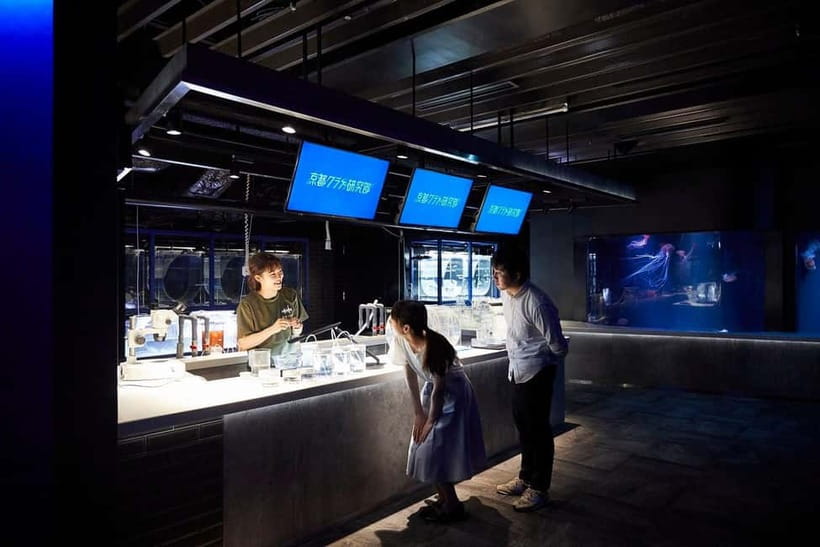
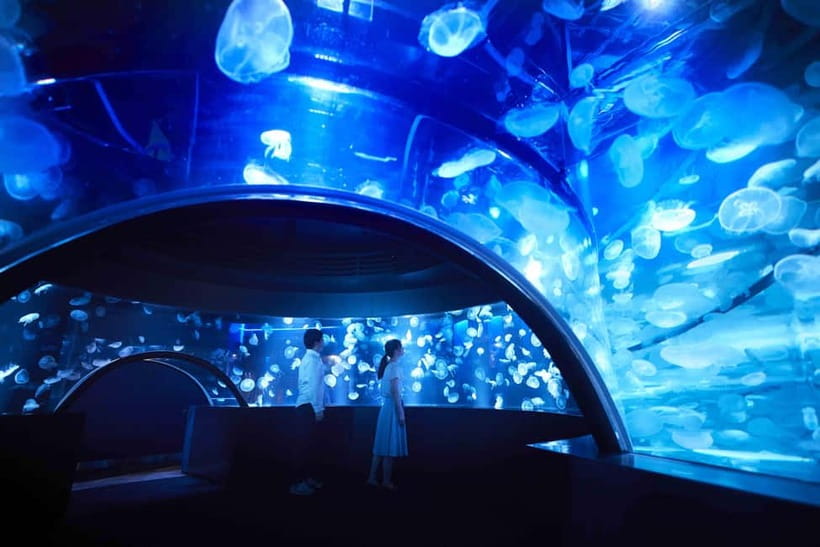
The jellyfish displays are easy to underestimate. Their slow movement and soft forms create a calm pause in the middle of the visit, and you may spend more time there than planned because the viewing experience changes as the animals drift through the water.
If you enjoy photography, jellyfish tanks can be especially rewarding without flash. The aquarium permits cameras and video, but biological protection comes first, so keep the flash off. The restriction is small, and it keeps the viewing area more comfortable for the animals.
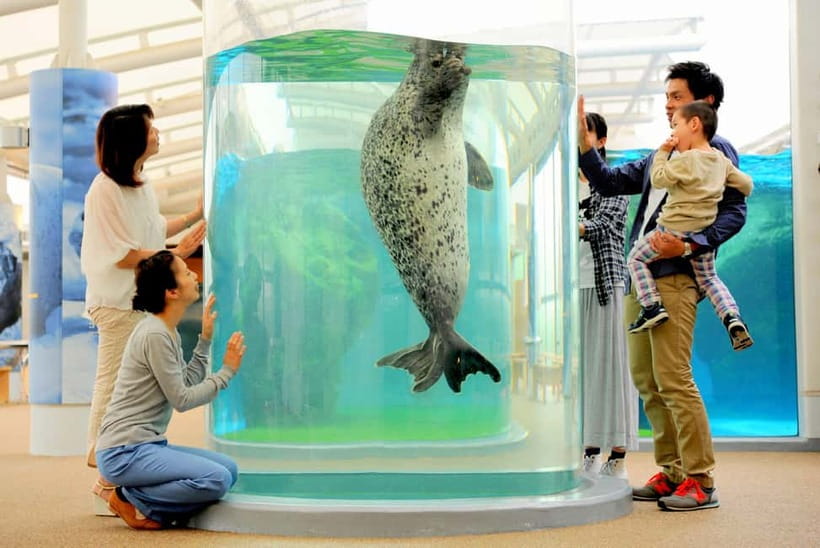
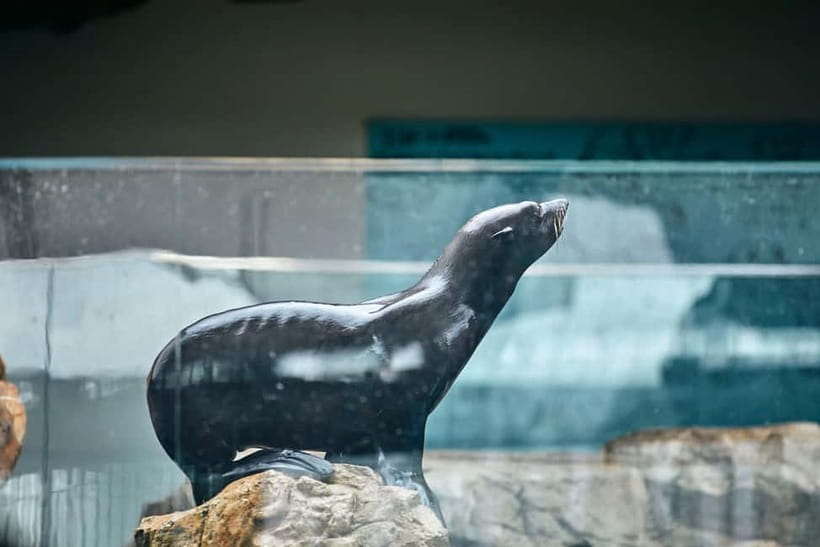
Seals add another change of mood. They bring movement and personality without the scale of a dolphin performance. You can use this section as a bridge between the high-energy and highly reflective parts of the aquarium.
The combination of jellyfish and seals also helps explain why a short visit can stretch into a longer one. There are enough different kinds of animal behavior here to keep the pace from becoming repetitive.
Satoyama shows Kyoto beyond the city
The recreated satoyama setting is one of the aquarium’s most thoughtful features. Satoyama refers to a traditional Japanese rural environment where fields, woodland, waterways, and human life exist in close relation.
Instead of presenting nature as something far away, this exhibit shows a managed countryside shaped by people and animals together. It gives you context for the aquarium’s main message of coexistence and links the building to the green spaces around Umekoji Park.
This area may appeal most to adults and older children who enjoy seeing how local culture and ecology connect. It also provides a quieter section for anyone who has had enough of large animals and crowded viewing points.
The satoyama display is not a substitute for visiting rural Japan, of course. It is a compact recreation inside an aquarium. Still, it adds meaning to the visit and prevents the experience from feeling like a string of unrelated tanks.
Talk with the breeding staff
If a particular animal catches your attention, speak with the breeding staff. They are described as passionate about the animals and ready to share information that can make a short exhibit stop much more memorable.
You should ask about the creatures you are actually looking at rather than trying to cover the whole aquarium at once. A question about a penguin’s behavior, a salamander’s rarity, or the aquarium’s approach to care can turn passive viewing into a more personal learning experience.
No individual staff names or guided tour format are provided, so do not book this expecting a named guide or a structured private tour. The value comes from taking the initiative when staff are available.
This is one of the better reasons to leave room in your schedule. A fixed itinerary can make an aquarium feel rushed, while a conversation may lead you to notice details you would otherwise pass.
How much time should you allow?
The ticket is valid for one day, and that is useful because the aquarium has several distinct sections rather than one short route. The available details do not promise a set tour duration or fixed starting time, so you should think of this as a flexible day visit.
A quick visit could cover the main animal areas and a dolphin performance. A longer stay lets you return to the penguins, spend real time with the jellyfish, speak with staff, and explore the satoyama recreation without watching the clock.
One practical limit changes how you plan the day: re-entry is not possible. Once you leave, you cannot use the same admission ticket to come back. Eat before entering or plan to remain inside until you are finished.
Umekoji Park gives you a pleasant setting before or after the aquarium, but the aquarium ticket itself covers admission only. Do not assume the ticket includes food, souvenirs, transport, or any additional activity.
Is the $16 ticket good value?
At $16 per person, the admission is reasonably priced for a full day of animal exhibits and presentations. The value is strongest if you enjoy both major attractions, such as dolphins and seals, and slower displays, such as jellyfish, salamanders, and satoyama.
A short stay focused only on one performance may feel less worthwhile. The ticket becomes a better buy when you allow yourself time to see how different the exhibits are from one another.
The aquarium also offers value for mixed-interest groups. One person can focus on marine life, another on Japanese wildlife, and someone else on the rural setting and photography. That range reduces the chance that the entire visit will depend on one person’s favorite animal.
The ticket is non-refundable, so buy it only when your plans are firm. The no re-entry rule also means you should treat admission as a single planned visit, not as a flexible pass for the day.
Access, photography, and practical limits
The aquarium is wheelchair accessible, which makes it a useful choice if step-free access is important to your group. The information provided does not give further details about specific routes or facilities, so contact the operator if you need answers about a particular accessibility requirement.
Pets cannot enter the building. Assistance dogs, including guide dogs, may accompany you.
Photography and video are allowed inside, but flash is prohibited for the protection of the animals. This is easy to manage, and the soft lighting around displays such as jellyfish may actually suit the setting better than a bright flash.
The experience provider is LINKTIVITY Inc. No guide language or named guide is specified. You should therefore expect a self-guided aquarium visit, with the option of speaking to breeding staff when you have questions.
Who will enjoy Kyoto Aquarium most?
I would recommend this experience to families who want a full indoor activity with both lively and peaceful moments. Dolphins give children an exciting focal point, while penguins, jellyfish, and seals reward repeated observation.
It also suits adults who prefer animal facilities with a wider environmental idea. The giant salamanders and satoyama recreation add a distinctly Japanese element that you will not get from a basic marine exhibit.
Photography fans should like the range of subjects, especially the jellyfish, but you need to work without flash. People who want a tightly guided experience may find the visit less suitable because no named guide or group itinerary is included.
If you have only a very short window in Kyoto, compare this with your other plans. The aquarium is most worthwhile when you can give it enough time to move beyond the headline attractions.
Should you book Kyoto Aquarium?
Book it if you want more than a dolphin show. The combination of penguins, seals, jellyfish, giant salamanders, and satoyama gives you a varied visit for $16, and the setting in Umekoji Park adds a welcome sense of space.
Skip it if your schedule allows only a rushed stop or if you need a refundable ticket. You cannot re-enter, and the ticket covers admission only. For everyone else, plan one unhurried visit, keep your flash off, and save time for the salamanders and satoyama rather than heading straight out after the dolphins.
FAQ
Where is Kyoto Aquarium located?
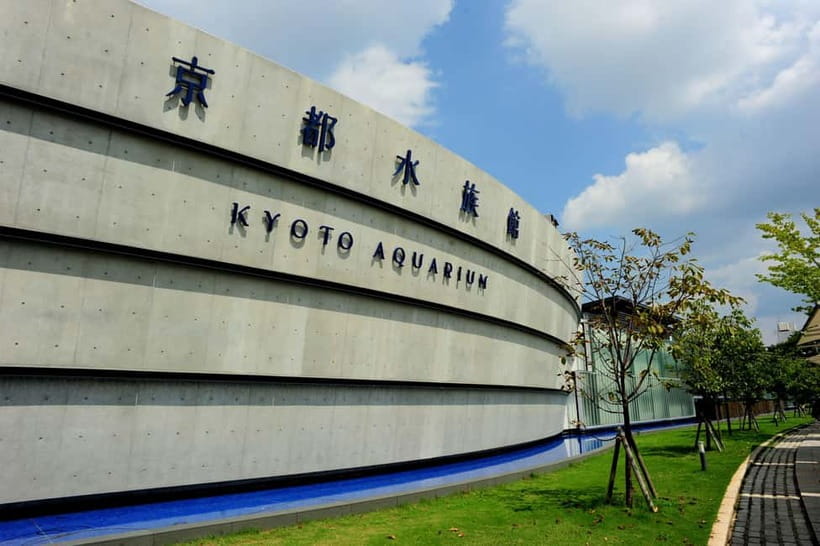
Kyoto Aquarium is located in Umekoji Park on Honshu, Japan.
How much does admission cost?
The admission price is $16 per person.
How long is the ticket valid?
The ticket is valid for one day.
Can I leave and re-enter the aquarium?
No. Re-entry is not possible after you leave the building.
Is the aquarium wheelchair accessible?
Yes, the activity is wheelchair accessible.
Can I bring a pet inside?
No. Pets are not allowed in the building, but assistance dogs such as guide dogs may enter with you.
Can I take photographs and videos?
Yes. Photography and video are allowed, but flash photography is prohibited inside the building for biological protection.
What animals can I see?
You can see dolphins, penguins, seals, jellyfish, and giant salamanders. The aquarium also includes a recreated satoyama setting.
Is the admission ticket refundable?
No. This activity is non-refundable.
Recently added around Kyoto
- Higashiyama | Kyoto: Sakura Season Private Rickshaw Tour★ 5.0 · 3 reviews
- Kyoto Kimono Rental CHAMATSU|Kimono/Yukata Rental FamilyPlan★ 5.0 · 3 reviews
- Kyoto: Half-Day Private Guided Tour to the Old Town of Gion★ 4.4 · 3 reviews
- Nara Private Customizable Half Day Tour★ 5.0 · 3 reviews
- Kansai Region Hiking Adventure in Nara Kobe Kyoto and More★ 5.0 · 3 reviews
- Full Day Nara Deer, Temple, Shrine, Activities & Tea Ceremony★ 5.0 · 3 reviews
- Nara: Essential Private Tour with Deer Park and Temples★ 5.0 · 3 reviews
- Photo Shoot with a Private Vacation Photographer in KYOTO, JAPAN★ 5.0 · 3 reviews
Tickets, compared.

Tea Museum Tickets and Matcha Grinding Experience
Read our review →
Skip the lines Basic Ticket at SAMURAI NINJA MUSEUM KYOTO
Read our review →
Kyoto Sword Experience – includes Museum Ticket/Ninja Experience
Read our review →
Samurai Performance and Casual Experience: Kyoto Ticket
Read our review →