
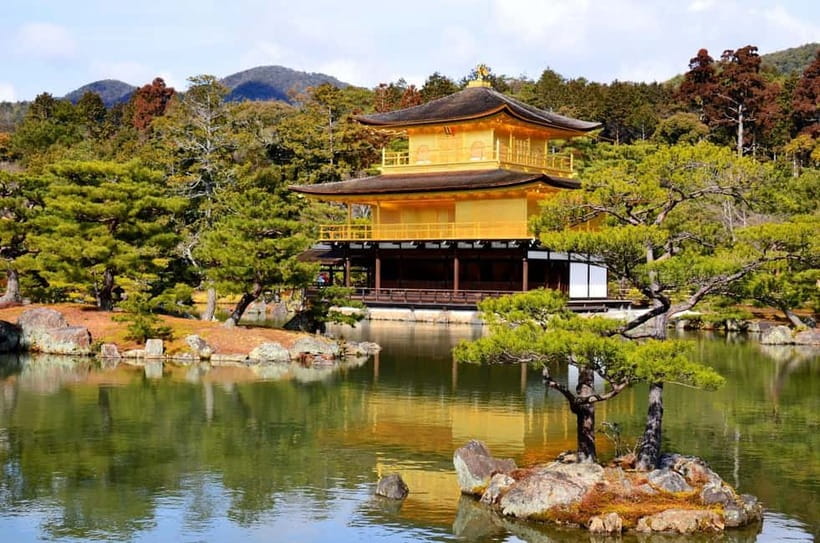
REVIEW · WALKING TOURS
Kyoto: Highlights Guided Walking Tour
Kyoto reveals itself best on foot, and this tour links many of the old capital’s signature sights in a single half day. You’ll move from the wooden stage of Kiyomizu dera through Sannenzaka, Gion, Pontocho, Nishiki Market, and several shrines, with a local guide explaining what you’re seeing along the way.
I like the personal format, especially if you book a private or small group outing. I also like the route’s mix of sacred places, old streets, river scenery, and local food sights. The main consideration is pace: several major stops are packed into three to four hours, transportation is extra, and the advertised mention of Nijo Castle does not appear in the detailed stop list, so confirm that point before you pay.
In This Review
- Key points at a glance
- Why this Kyoto walk works well in a short visit
- Starting at Kyoto Avanti
- Kiyomizu dera and the view over Kyoto
- Sannenzaka, where the walk becomes a street experience
- Yasaka Shrine and the edge of Gion
- Crossing the Kamo River into Pontocho
- Nishiki Tenmangu and Kyoto’s food center
- The Nijo Castle question
- How much walking and how fast is the pace?
- The guide can make or break the experience
- What the $34 price really buys you
- Who should book this Kyoto highlights walk?
- Should you book it?
- FAQ
- Where does the Kyoto walking tour meet?
- How long does the experience last?
- Which languages are available?
- Is this a private tour or a group tour?
- Are food, drinks, and transportation included?
- Can I cancel the booking?
Key points at a glance

- Kiyomizu dera begins the cultural story: See one of Kyoto’s best-known temples and its wooden stage overlooking the city.
- Gion arrives through old streets: Sannenzaka and Hanamikoji offer traditional architecture and the possibility of seeing geisha on their way to appointments.
- Small groups make the route more personal: Yu Noda is specifically praised for clear cultural explanations and for adjusting the walk to individual wishes.
- Nishiki Market adds local flavor: You can browse Kyoto’s food center, though food and drinks are not included in the price.
- The route covers a lot in little time: Expect frequent walking, short visits, and bus transfers rather than a slow, detailed look at every site.
- Check the Nijo Castle plan: It appears in the tour description but not in the numbered schedule, which ends after Nishiki Tenmangu and a return to Kyoto Station.
Why this Kyoto walk works well in a short visit
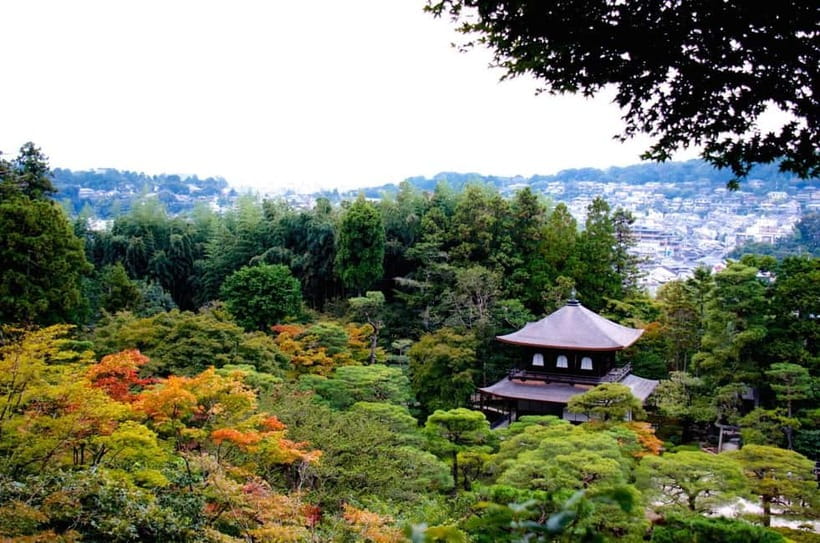
At $34 per person, this is priced as an accessible introduction rather than a full-day private guide service. The value comes from having someone connect the dots between places that can otherwise feel like separate stops on a map.
Kyoto’s famous sights are not all close together. Kiyomizu dera sits in the eastern hills, Gion and Pontocho occupy the traditional entertainment district, and Nishiki Market is farther west in central Kyoto. A guide helps you understand how those areas relate, while the planned bus sections save some time between clusters.
The format is especially useful on a first visit. You get major landmarks, street scenes, shrines, and a food market without spending a whole day on one temple complex. If you already know Kyoto well, the limited visit time at each stop may feel too brief. If you want orientation and cultural context before exploring on your own, the format makes good sense.
English and Japanese tours are available, and you can request a private or small group experience. That matters here. A compact group is easier to manage on narrow lanes such as Pontocho and Hanamikoji, and it gives you a better chance to ask questions rather than simply follow a flag through town.
More walking tours in Kyoto:
- Kyoto Geisha Walking Tour: Gion District & Hidden Gems
★ 4.7 · 3,273 reviews - Kyoto: Gion Magical Night Walking Tour with Geisha Trivia
★ 4.9 · 2,393 reviews - Kyoto: Gion Geisha District Walking Tour – Stories of Geisha
★ 4.7 · 2,187 reviews
Starting at Kyoto Avanti
The meeting point is in front of the entrance of Kyoto Avanti, a shopping center beside Kyoto Station. Give yourself enough time to find the correct entrance, particularly if you are arriving by train with luggage or using the station’s large underground passages.
The listed route begins with a bus or coach ride of about 15 minutes. Transportation is not included, so you should carry both cash and a credit card. The precise transport arrangement and fare are worth confirming with the provider before departure, since the tour information lists bus sections but excludes transportation from the price.
This first ride gets you toward the eastern side of the city and Kiyomizu dera. It also means the experience is not a continuous walk from the meeting point, despite its walking-tour label.
Kiyomizu dera and the view over Kyoto

Kiyomizu dera is the first major stop, with about 30 minutes set aside for a guided visit. The temple is known for its large wooden stage, which projects from the hillside and looks toward Kyoto’s city center. Its appearance changes with the seasons, making it one of the city’s most dependable first stops.
The guide’s role is important here. A temple can be beautiful but hard to read if you do not know what details matter, how the site fits into Japanese spiritual life, or why this particular view has such staying power. Yu Noda, named in the strongest feedback, is praised for explaining Kyoto’s past and customs in a clear, personal way.
Thirty minutes is enough for an introduction and a few photographs, but not for a leisurely exploration of every corner. Kiyomizu dera can also be crowded, and the approach involves sloping streets and walking. Wear shoes with good support, and do not expect the first stop to be a quiet temple retreat.
Sannenzaka, where the walk becomes a street experience
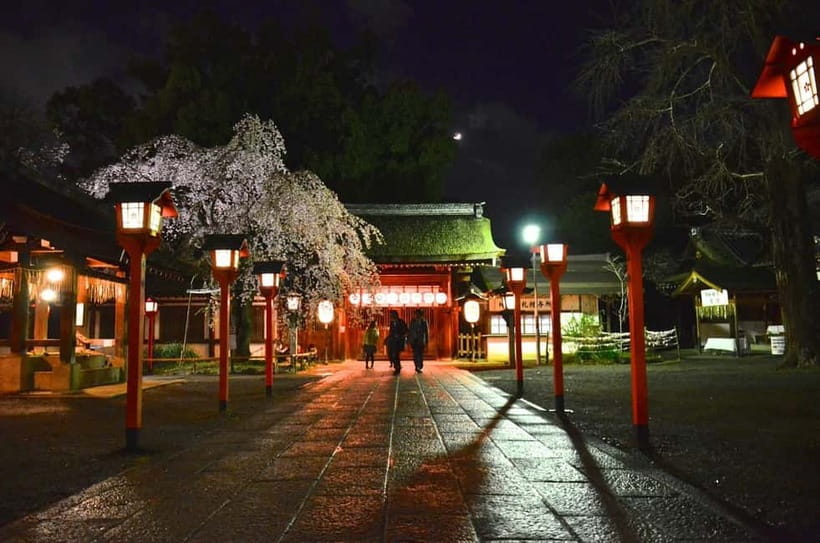
Sannenzaka receives another 20 minutes. This atmospheric slope is lined with traditional-style buildings and shops, making it one of the most appealing links between Kiyomizu dera and the rest of eastern Kyoto.
I like this part of the route because it shows Kyoto as a living city rather than a collection of isolated monuments. You can look at shopfronts, rooflines, stone paving, and the steady flow of people moving between temple and neighborhood. The guide can give the street more meaning than a quick photo stop alone.
The tradeoff is that Sannenzaka is popular. You may find crowded lanes, and the walking surface is not ideal for every mobility level. Non-folding wheelchairs and electric wheelchairs are not permitted on this activity, so anyone with mobility concerns should discuss the route before booking.
A few more Kyoto experiences worth comparing
- Kyoto Early Morning Tour with English-Speaking Guide
★ 5.0 · 1,427 reviews - Kyoto 6hr Private Tour with Government-Licensed Guide
★ 5.0 · 1,369 reviews - Kyoto: Early Morning Tour with English-Speaking Guide
★ 4.9 · 1,128 reviews - Kyoto: Nijo-jo Castle and Ninomaru Palace Guided Tour
★ 4.7 · 1,020 reviews
Yasaka Shrine and the edge of Gion

The tour next gives Yasaka Shrine about 20 minutes. This is a useful contrast with Kiyomizu dera. Instead of focusing only on a temple complex, you see a major Shinto shrine tied closely to Kyoto’s daily religious life and to the Gion area.
A guide can help you notice the difference between Buddhist and Shinto settings, explain the role of shrine gates and worship practices, and place the site within Kyoto’s spiritual traditions. The visit is short, so it works best as a focused introduction rather than a thorough shrine tour.
From here, the route continues toward Hanamikoji Street. This is one of Gion’s best-known streets, associated with traditional restaurants and the geisha arts. You might catch a glimpse of elegantly dressed geisha heading to evening appointments, but that possibility should not be treated as a guaranteed sighting. The street itself is the main attraction, with its restrained facades and strong sense of old Kyoto.
Please remember that this is a working neighborhood, not a stage set. Follow the guide’s direction about respectful behavior and avoid treating people as photo subjects.
Crossing the Kamo River into Pontocho
The walk then reaches the Kamo River, with about 10 minutes for a guided stop. This is a short pause, but it gives you a change of pace after the temple lanes and Gion streets. The river is one of Kyoto’s defining natural features, and the crossing helps you understand the city’s layout.
Pontocho Alley follows with about 20 minutes. This narrow lane is known for lantern-lit restaurants and a more intimate evening atmosphere. The tour description presents it as a place to see Kyoto’s dining culture, not as a meal stop, so plan to look rather than sit down for dinner.
That distinction matters. Food and drinks are not included, and the tour’s tight timing makes a restaurant meal unlikely. If Pontocho catches your interest, note the location and return later with more time. The guide may be able to offer useful suggestions, especially in a private or small group setting, but restaurant recommendations should not be treated as part of the paid inclusions.
Nishiki Tenmangu and Kyoto’s food center
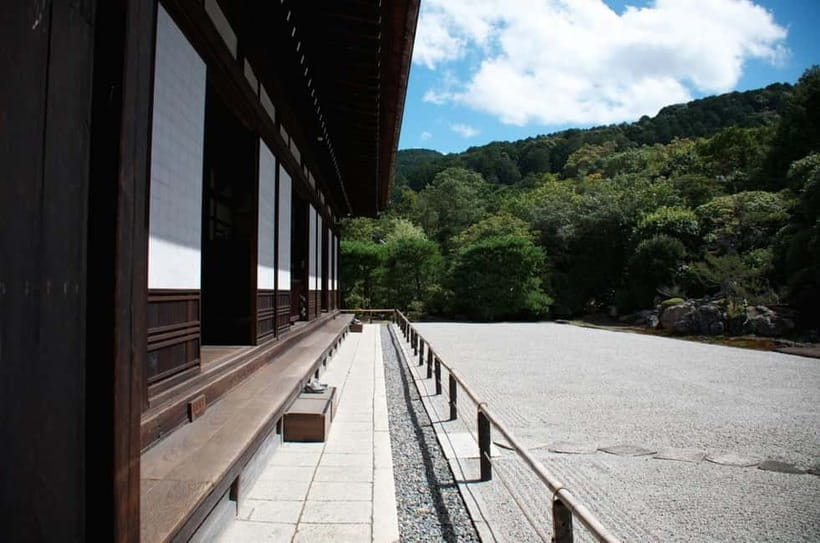
Nishiki Tenmangu Shrine is allotted about 10 minutes before the tour moves into Nishiki Market. This compact shrine offers another brief look at Kyoto’s religious life, tucked into the central shopping district.
Nishiki Market is known as Kyoto’s Kitchen. In about 20 minutes, you can see stalls and local ingredients, take in the smells, and possibly buy something to taste. Since food and drinks are extra, bring spending money if you want to sample anything.
I like the market’s place in this route because it adds ordinary city life after a series of major cultural sites. A temple can tell you about belief and architecture. A market shows what people eat, sell, and buy. Still, 20 minutes is a quick visit, particularly if the lane is crowded or you want to stop at several stalls.
Use the guide to identify items rather than trying to sample everything. The market is more enjoyable when you can focus on a few unfamiliar foods and learn how they fit into local cooking.
The Nijo Castle question
Nijo Castle is described as the final major sight, a former shogun residence known for its nightingale floors and gardens. Those floors are designed to chirp underfoot, serving as an early warning system inside the castle. It would be a worthwhile addition for anyone interested in political history and shogun-era architecture.
There is an important planning issue, however. The detailed schedule lists Kiyomizu dera, Yasaka Shrine, Nishiki Market, Sannenzaka, Hanamikoji Street, the Kamo River, Pontocho Alley, Nishiki Tenmangu Shrine, a bus ride, and Kyoto Station. It does not list Nijo Castle as a timed stop.
That may reflect a route variation, an outdated schedule, or a description that combines more than one version of the tour. Contact Made in Nippon before booking and ask directly if Nijo Castle is included on your chosen departure. Do not assume you will see it simply because it appears in the general description.
If Nijo Castle is included, the stated three to four hours becomes an especially full schedule. If it is not, you can visit it separately and treat this tour as an eastern Kyoto, Gion, river, and Nishiki route.
How much walking and how fast is the pace?
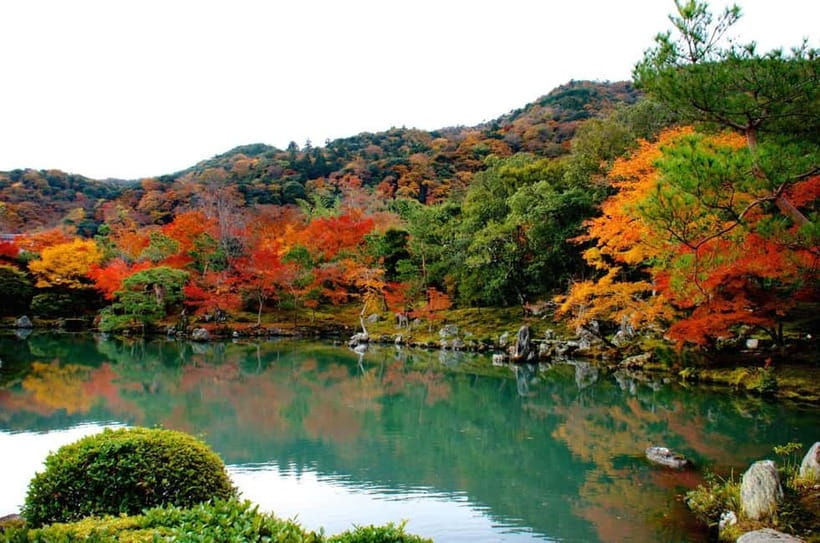
The listed visits add up to roughly two and a half hours, before the bus rides and transitions between stops. In practice, expect a brisk half day with frequent pauses for explanations and photographs.
You will walk on city streets, temple approaches, narrow lanes, and market paths. Some surfaces are sloped or uneven, especially around Kiyomizu dera and Sannenzaka. Comfortable shoes are a must, and you should carry water even though refreshments are not provided.
This is not the right choice if you want long periods of quiet at each temple. It suits you better if you prefer a broad first look at Kyoto and plan to return later to the places that catch your attention.
The route also finishes at Kyoto Station according to the schedule. That is convenient for onward trains, but confirm the final point if Nijo Castle is added or if the route changes on your date.
The guide can make or break the experience
The strongest reason to book this walk is the human element. Yu Noda receives especially warm praise for his explanations of Kyoto’s culture and history, his enthusiasm for the subject, and his willingness to adjust the experience to individual interests.
That flexibility is more useful than a long list of facts. You might care most about temples, food, geisha traditions, architecture, or everyday customs. In a private or small group format, tell the guide what interests you at the start. The tour has many fixed points, but the explanation and emphasis can be shaped around your questions.
The experience is available with an English or Japanese speaking guide. If you require a particular language or want Yu specifically, request it before booking rather than assuming a named guide is guaranteed.
The feedback available for this activity is uniformly positive, with a five out of five rating from five reviews. That is encouraging, and the comments repeatedly highlight personal attention, a smaller group, and strong cultural explanations. It is still a small sample, so I would treat the praise as a useful signal rather than a promise that every departure will feel identical.
What the $34 price really buys you
At $34 per person, the tour offers a low-cost way to get a local introduction to several of Kyoto’s best-known districts. You are mainly paying for the guide’s time, route planning, explanations, and the ease of moving between areas.
The price does not cover food, drinks, or transportation. Admission fees are not listed among the inclusions either, so confirm whether any entrance ticket is needed for your date and route. The published inclusions name a personalized walking tour with a local guide, not a package of meals or entry tickets.
There is also a 10 percent discount campaign available by contacting the provider through WhatsApp before booking. Confirm the final price and booking terms directly, since promotional offers can have conditions.
Free cancellation is available up to 24 hours in advance for a full refund, and you can reserve now and pay later. Those terms are useful if your Kyoto schedule is still shifting, though you should still check the exact conditions shown at booking.
Who should book this Kyoto highlights walk?
I would choose this tour if you have limited time, want help understanding Kyoto’s customs, or prefer a personal guide to a large coach excursion. It is also a good first-day option because the route introduces several districts you may want to revisit.
The private and small group choices make it suitable for people who value questions and conversation. Families and couples should ask about the walking pace and any route changes before committing, especially if anyone has mobility limits.
I would not choose it if your priority is a slow visit to Kiyomizu dera, an extended meal at Nishiki Market, or a full exploration of Nijo Castle. The schedule has many stops, and the short time at each site favors breadth over detail.
Should you book it?
Book this tour if you want a compact, affordable introduction to Kyoto with a real local guide and a route that joins temples, Gion streets, river views, dining lanes, and a food market. Yu Noda is the guide to request if available, particularly if cultural explanation and personal recommendations matter to you.
Before booking, confirm three things: the exact transportation plan, any entrance fees, and whether Nijo Castle is included. With those points clear, this is a sensible half-day orientation for a first visit, especially in a private or small group.
FAQ
Where does the Kyoto walking tour meet?
The meeting point is in front of the entrance of Kyoto Avanti.
How long does the experience last?
The tour lasts approximately three to four hours. Availability should be checked for the starting time on your chosen date.
Which languages are available?
The live guide service is available in English and Japanese.
Is this a private tour or a group tour?
Private and small group options are available.
Are food, drinks, and transportation included?
No. Food and drinks are not included, and transportation is also excluded from the listed price. Bring cash and a credit card.
Can I cancel the booking?
You can cancel up to 24 hours in advance for a full refund. The activity also offers a reserve now and pay later option.
Recently added around Kyoto
- Higashiyama | Kyoto: Sakura Season Private Rickshaw Tour★ 5.0 · 3 reviews
- Kyoto Kimono Rental CHAMATSU|Kimono/Yukata Rental FamilyPlan★ 5.0 · 3 reviews
- Kyoto: Half-Day Private Guided Tour to the Old Town of Gion★ 4.4 · 3 reviews
- Nara Private Customizable Half Day Tour★ 5.0 · 3 reviews
- Kansai Region Hiking Adventure in Nara Kobe Kyoto and More★ 5.0 · 3 reviews
- Full Day Nara Deer, Temple, Shrine, Activities & Tea Ceremony★ 5.0 · 3 reviews
- Nara: Essential Private Tour with Deer Park and Temples★ 5.0 · 3 reviews
- Hiking Tour for Sacred Sites in Kyoto with a Guide★ 5.0 · 3 reviews
Walking Tours, compared.
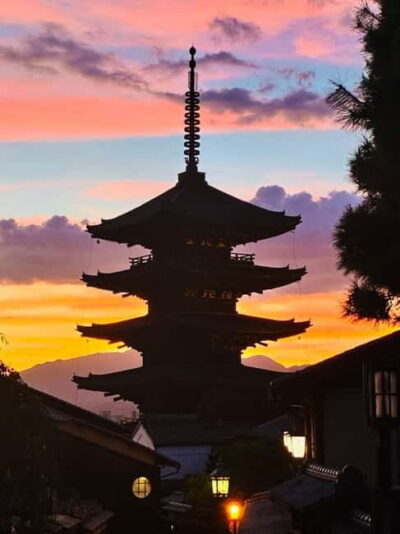
Kyoto Geisha Walking Tour: Gion District & Hidden Gems
Read our review →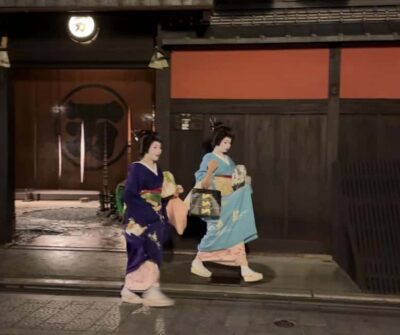
Gion Magical Night Walking Tour with Geisha Trivia
Read our review →
Gion Geisha District Walking Tour – Stories of Geisha
Read our review →
Kyoto Gion Geisha District Walking Tour – The Stories of Geisha
Read our review →
Kyoto Arashiyama Walking Tour: Bamboo, Monkeys, Gardens & Secrets
Read our review →
Kyoto Gion: 2-Hour Geisha Culture & History Walking Tour
Read our review →
Nara Half Day Trip Walking Tour (Private Option Available)
Read our review →Browse the lists this tour appears in