
REVIEW · KYOTO TEMPLE TOURS
Kyoto: Hidden Gems E-Bike Tour Through Backstreets & Temples
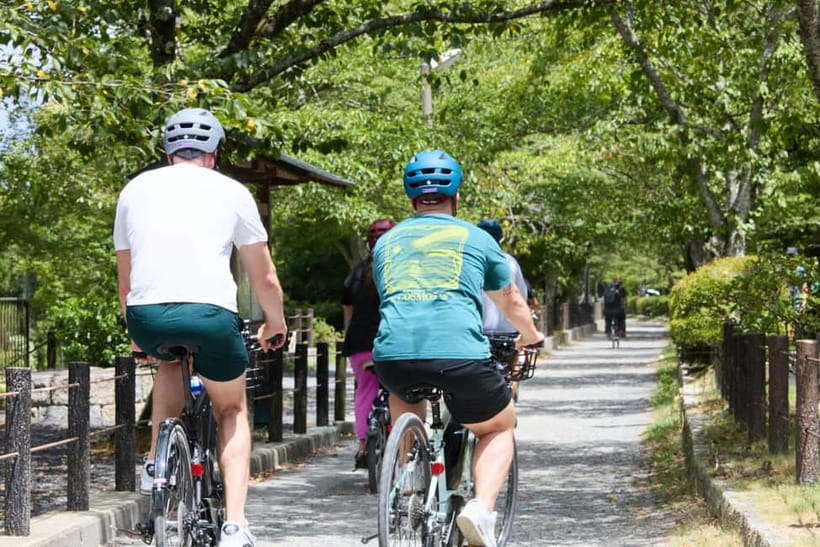
Kyoto’s best moments are often found between its famous sights, and this four-hour e-bike tour is built around that idea. You’ll begin in Gion, then pedal through quieter streets to temples, shrines, leafy paths, and the Imperial Palace. The route covers a surprising amount of ground without turning the morning into a race.
I especially like the small group limit of eight, which makes it easier for a guide to adjust the pace and answer questions. I also like the electric bikes, since the route includes some lower hills on Kyoto’s eastern side. The main drawback is practical: the meeting point in front of Kyoto Tourist Lounge Gion can be hard to spot, so check the map carefully before setting out.
In This Review
- Key points
- Why an e-bike works so well in Kyoto
- Starting in Gion, Kyoto’s old entertainment district
- Nanzenji and the eastern foothills
- Heian Shrine’s broad approach and bright details
- Philosopher’s Path, where the ride slows down
- Shimogamo-jinja, an older-feeling pause
- Kyoto Imperial Palace and the final stretch
- The guides make the route personal
- What the $87 price buys you
- Who should book this ride
- Should you book the Kyoto e-bike tour?
- FAQ
- How long does the Kyoto e-bike tour last?
- Where does the tour start?
- Where does the tour finish?
- What language is the tour conducted in?
- How many people can join the group?
- Is the e-bike included?
- What sights does the route visit?
- Is the tour suitable for children?
- Is insurance included?
Key points
- A broad Kyoto sampler in four hours: See Gion, Nanzenji, Heian Shrine, Philosopher’s Path, Shimogamo-jinja, and the Imperial Palace in one carefully linked ride.
- Quiet streets instead of only headline sights: The route is designed to show you peaceful temples, shrines, and corners that are easy to miss on a standard sightseeing day.
- Electric help on Kyoto’s eastern slopes: You still pedal, but the e-bike takes much of the strain out of the hills.
- Guides who adapt to the group: Ben, Yuki, and Kenji are praised for adjusting pace, explaining local customs, and making photo stops.
- Useful for a first Kyoto morning: The ride gives you a quick sense of how the city’s districts and major sights fit together.
- A few planning details matter: Insurance is not included, the rider must be taller than 145 centimeters, and children under 10 are not suitable.
Why an e-bike works so well in Kyoto
Kyoto is compact on a map, but its sights are spread across several districts. Walking between Gion, Nanzenji, the Philosopher’s Path, Shimogamo Shrine, and the Imperial Palace would take much of a day. Public transport can help, but trains and buses do not always place you near the small streets and temple lanes that give Kyoto its character.
An e-bike solves that problem neatly. You can cover real distance while still noticing the sound of a shrine bell, a narrow residential lane, or a quiet stretch beside the canal. You do need to pedal and pay attention to the road, but the electric motor helps most where the route rises gently.
I would not book this expecting a high-speed cycling workout. The ride is designed to balance pedaling with stops for stories, photos, and short visits. That mix makes it suitable for people who want active sightseeing without spending four hours pushing hard.
The guides also appear to pay close attention to comfort and safety. Ben is described as patient and careful about checking that everyone is following, while Kenji adjusted the ride to suit the group’s ability and interests. That kind of flexibility matters more than a fast pace, especially when you are riding unfamiliar streets.
More Kyoto temples worth a morning:
- Kyoto: Tea Ceremony Ju-An at Jotokuji Temple
★ 4.9 · 3,207 reviews - Arashiyama Bamboo, Temple, Monkeys, or Secret Sake Brewery
★ 4.8 · 886 reviews - Kyoto: Arashiyama Bamboo Forest, Monkeys, Matcha & Temple Tour
★ 5.0 · 759 reviews
Starting in Gion, Kyoto’s old entertainment district
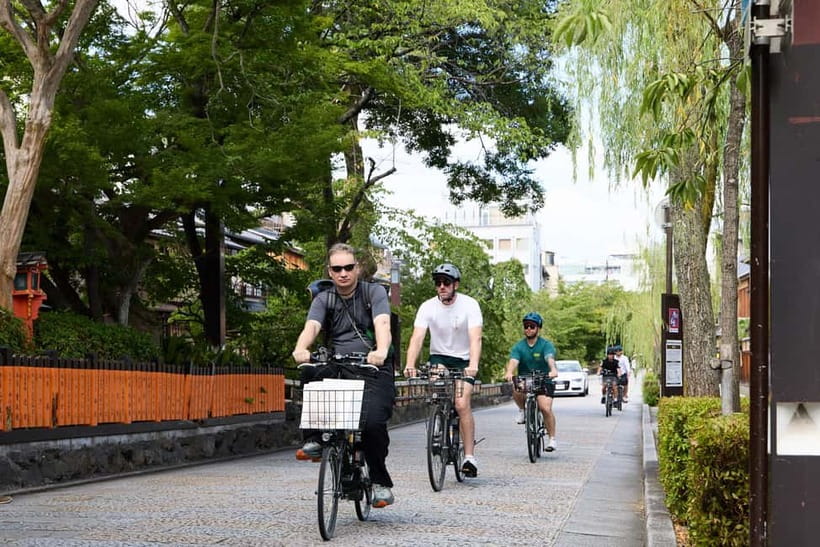
The tour begins at Kyoto Tourist Lounge Gion, on Yamatoooji Dori Street. Your guide waits in front of the lounge, but the meeting point has limited signage, so I would use Google Maps and arrive a little early. This is one of those small details that can prevent an unnecessary start to the morning.
Gion is a fitting launch point. Its lanes are associated with traditional wooden townhouses, tea houses, and Kyoto’s old performing arts culture. The visit here lasts about 20 minutes, enough for an introduction rather than a full district tour.
You should expect the guide to set the tone here: basic riding instructions, a look at the neighborhood, and context about Kyoto’s traditions. Since Gion is one of the city’s better-known areas, it may be busier than later stops. The value is not in spending a long time here, but in using it as a starting line before turning toward quieter parts of town.
Please treat the streets as working neighborhoods. Ride carefully, keep voices low, and do not block narrow lanes for photos. A guide can help you see the area without treating it like a stage set.
Nanzenji and the eastern foothills
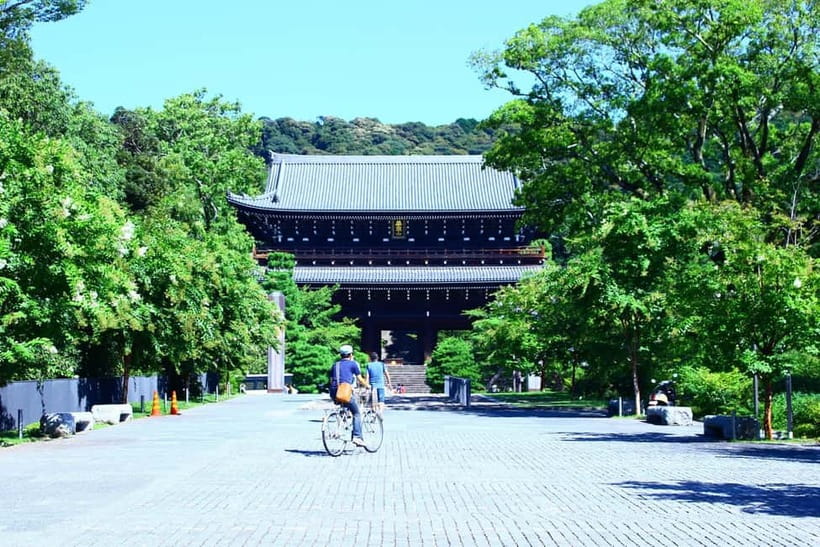
The ride continues to Nanzenji Temple, where you have about 30 minutes. Nanzenji is one of Kyoto’s major temple compounds, but the experience here can feel more spacious than the city center. The grounds give you a chance to pause after the first stretch of riding and take in the setting near the eastern hills.
This is also where the e-bike begins to earn its keep. The route around eastern Kyoto includes lower hills, and several people found the electric assistance useful. You still control the bike and choose how much effort to make, but you are less likely to arrive at the next stop tired and overheated.
A half-hour visit will not cover every corner of Nanzenji. Think of it as a focused stop, with time to see the main setting, hear the guide’s explanation, and take photographs. If you want a detailed temple visit with long periods of quiet observation, you may find the schedule brisk.
That is the tradeoff throughout this tour. You get range and variety, but each place receives a short, purposeful visit. I like that approach for a first day in Kyoto, especially if you have limited time.
Heian Shrine’s broad approach and bright details
Heian Shrine receives another 30-minute stop. Its scale gives the ride a change of mood after the temple grounds. The shrine is known for its large torii and broad approach, and it offers clear opportunities to talk about Shinto practice, ceremonies, and the way sacred spaces are arranged.
The stop is long enough for you to look around without feeling hurried, though it is not intended as a full visit to every part of the complex. Your guide’s commentary can add useful context about religion and tradition, subjects that are easy to reduce to a few postcard images when you explore alone.
This is one of the places where a guide adds real value. Ben has been praised for explaining religion and local customs in a clear way, while other guides are described as good storytellers who answer questions rather than simply reciting facts. You can also expect some time to explore on your own, instead of being talked at from start to finish.
More bike days around Kyoto:
- Hidden Kyoto E-Biking tour
★ 5.0 · 1,843 reviews - Bike Tour Exploring North Kyoto plus Lunch
★ 5.0 · 1,087 reviews - Arashiyama Bamboo Forest & Hidden Gems Bike Tour (Early Bird)
★ 5.0 · 613 reviews - 5 Top Highlights of Kyoto Full Day Bike Tour (E-bike option)
★ 5.0 · 511 reviews
Philosopher’s Path, where the ride slows down
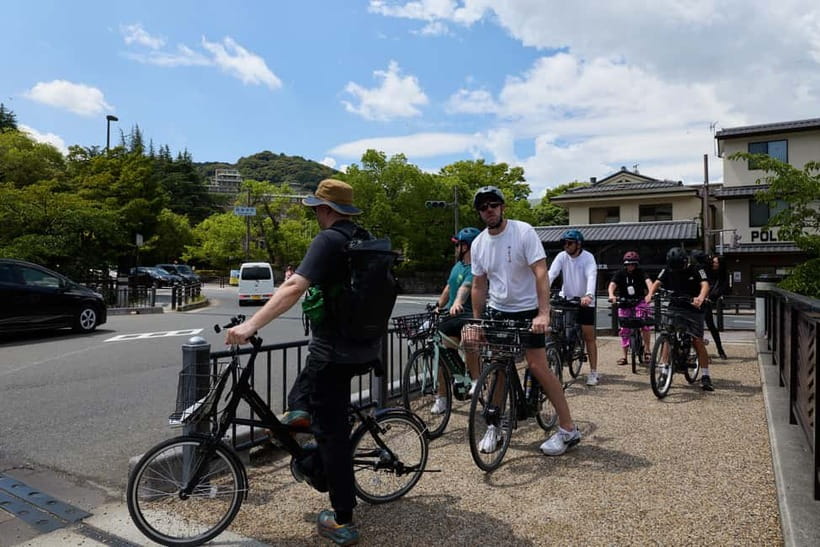
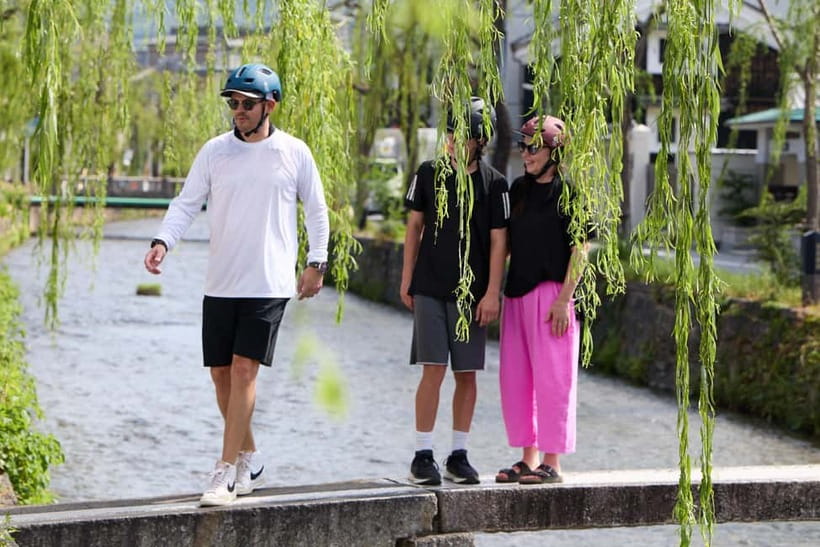
The 30-minute stop at Philosopher’s Path is likely to be one of the most pleasant parts of the route. This tree-lined path follows a canal near the eastern temple district and is best appreciated at an unhurried pace. The bike lets you reach it without using up your morning on foot, then gives you a chance to stop and enjoy the quieter setting.
The path can still attract people, especially at popular times of year, so do not assume it will be empty. The point is that the tour avoids spending all its time in the most crowded sightseeing corridors. Guides have taken groups to peaceful places away from the main tourist flow, and this part of the route fits that aim.
You may want insect repellent here. One rider specifically offered that practical tip, and a canal-side path with greenery is a reasonable place to carry it. Comfortable shoes and clothes that work for sitting on a bike are also sensible, though the supplied information does not require a particular dress code.
The cycling itself is part of the appeal. You are not being moved from one attraction to another in a vehicle. You experience the spaces between them, which helps Kyoto feel like a city rather than a checklist.
Shimogamo-jinja, an older-feeling pause
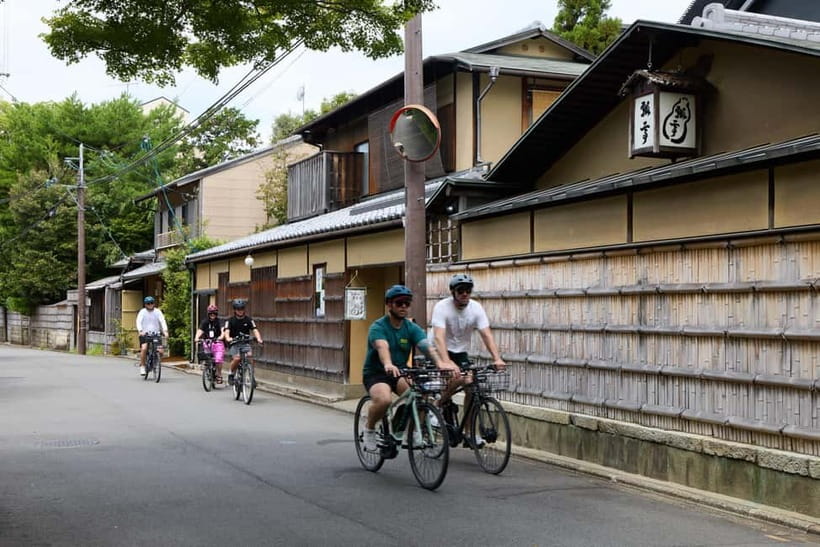
Shimogamo-jinja Shrine gets about 20 minutes. This is a shorter stop, but it adds another side of Kyoto’s religious life and takes the route farther from the most familiar tourist circuit.
The shrine visit works best as a compact introduction. You can see the setting, hear about its customs and place in the city, and take photographs before getting back on the bike. If you want extended time for prayer, detailed architecture, or a slow walk through every approach, you may wish to return independently.
That is one advantage of taking this tour early in your stay. The guide can point out places you may want to revisit later, while also giving you a better sense of how Kyoto’s districts connect. Several guides have offered suggestions about when to visit more popular sights to avoid heavy crowds, which can save you time during the rest of your trip.
Kyoto Imperial Palace and the final stretch
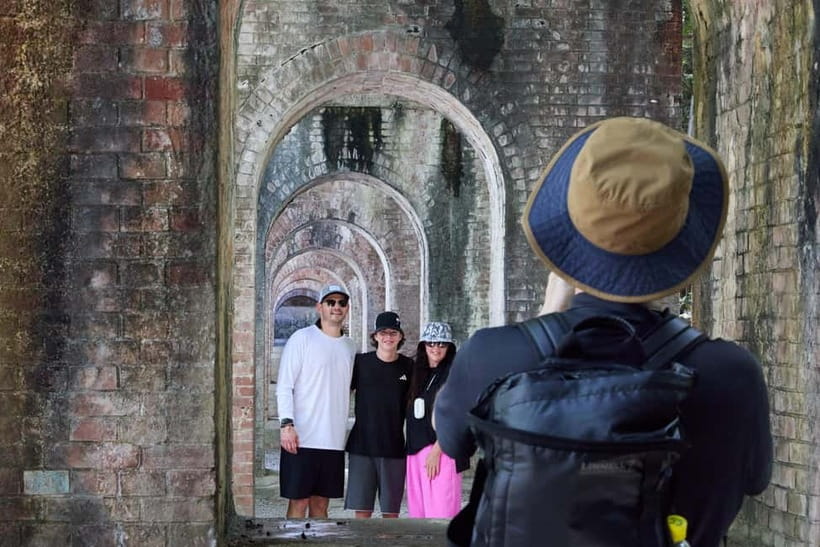
The route finishes its sightseeing at Kyoto Imperial Palace, with about 30 minutes to explore. The palace grounds provide a grand final contrast to the narrow lanes and small shrines earlier in the ride. You get a sense of the city’s former political center and a broad open setting before cycling back toward Gion.
By this point, the sequence of stops makes sense. You have seen an old entertainment district, a major temple, a Shinto shrine, a canal path, another important shrine, and the former imperial center. No single stop receives a long visit, but together they give you a useful cross-section of Kyoto.
The ride then returns to Kyoto Tourist Lounge Gion. Since the tour covers a lot of territory, keep some flexibility afterward. You may want lunch, a rest, or a return visit to one of the stops that caught your attention.
The guides make the route personal
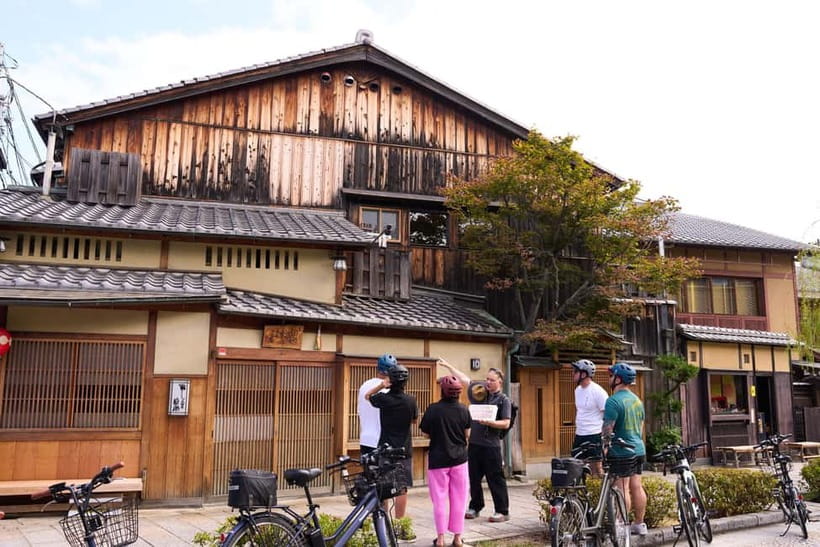
The experience depends heavily on the guide, and the named guides associated with this tour bring different strengths. Ben is repeatedly described as funny, well informed, patient, safety-conscious, and good at taking photos. Yuki is a Kyoto local who brings pride in his hometown and has been praised for finding peaceful places and explaining them in clear English.
Kenji is noted for adjusting the tour to the group’s cycling ability and interests. Yukio is also praised for speaking English well, explaining local history, and leading groups safely through narrow streets.
You cannot guarantee a particular guide unless the booking system allows you to request one. Still, the pattern is clear: expect a live English-speaking guide who does more than lead from the front. You should have chances to ask questions, pause for photographs, and spend a little time looking around independently.
The small group format is important here. With no more than eight participants, the guide can notice if someone is falling behind and make small changes to the pace. A private group is possible if other participants cancel, but that should be treated as a pleasant possibility, not a promise.
What the $87 price buys you
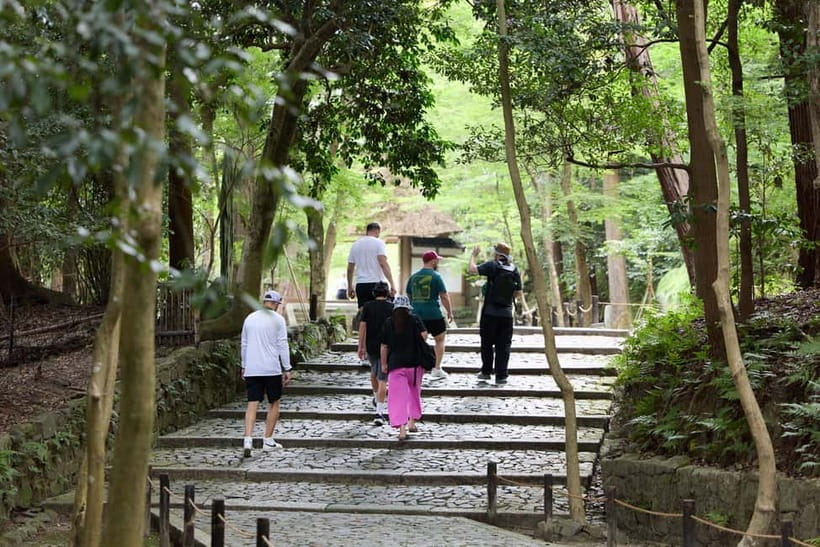
At $87 per person, this is not the cheapest way to see Kyoto. You are paying for a four-hour route, e-bike rental, an English-speaking local guide, and a compact group rather than simply renting a bicycle and following a map.
I think the price makes sense if you value efficiency and explanation. You can reach several districts in one morning, avoid planning the route yourself, and learn why the temples, shrines, and neighborhoods matter. The bike rental alone would not provide that local context, and finding a similarly connected route independently would take time.
The value is weaker if you prefer long, unhurried visits at one or two sights. A self-guided day may suit you better if you want to linger, enter every building, or stop whenever you like. This tour is about seeing a wide slice of Kyoto with a guide’s help.
Insurance is not included, so check your own coverage before booking. The activity also requires riders to be over 145 centimeters tall and is not suitable for children under 10 or babies under 1. Alcohol and drugs are not allowed.
Who should book this ride
I would choose this tour for a first or second day in Kyoto. It gives you a practical sense of the city and helps you decide which areas deserve a longer return visit. It is also a good fit if you have only a short stay and want more than one neighborhood in a single morning.
You should be comfortable riding a bicycle on city streets and managing a four-hour outing with repeated stops. The e-bike reduces the effort, but it does not remove the need to steer, pedal, and stay alert.
This is less suitable for very young children, anyone below the stated height requirement, or anyone hoping for a completely private and flexible schedule. The route also may not satisfy a serious cyclist seeking speed or distance records. Its strength is relaxed movement, local stories, and access to quieter places.
For photography, the tour is a strong choice. Guides have made a point of taking photos at scenic stops, and the route offers more than standard temple-front snapshots. Bring a phone or camera, but do not let it keep you from noticing the ride itself.
Should you book the Kyoto e-bike tour?
I would book it if you want to see Kyoto broadly, ride comfortably, and hear useful local explanations without being packed into a large group. The mix of Gion, Nanzenji, Heian Shrine, Philosopher’s Path, Shimogamo-jinja, and the Imperial Palace gives you a well-rounded morning, while the quieter connecting streets are just as important as the named stops.
The strongest reasons to go are the adaptable guides, the electric assistance on the eastern hills, and the chance to find peaceful corners you might miss on foot. The main cautions are the hard-to-see meeting point, the lack of included insurance, and the short visit time at each sight.
If that sounds like your style, $87 is a fair price for a four-hour introduction to Kyoto that combines movement, culture, and practical local advice.
FAQ
How long does the Kyoto e-bike tour last?
The tour lasts four hours, including the ride between stops and visits to the listed temples, shrines, paths, and palace grounds.
Where does the tour start?
It starts at Kyoto Tourist Lounge Gion. The guide waits in front of the lounge on Yamatoooji Dori Street. Check the location on Google Maps because the start point may not have clear signage.
Where does the tour finish?
The ride returns to Kyoto Tourist Lounge Gion.
What language is the tour conducted in?
The tour is conducted in English by a live guide.
How many people can join the group?
The group is limited to eight participants.
Is the e-bike included?
Yes. Comfortable e-bike rental is included in the tour price.
What sights does the route visit?
The route includes Gion, Nanzenji Temple, Heian Shrine, Philosopher’s Path, Shimogamo-jinja Shrine, and Kyoto Imperial Palace.
Is the tour suitable for children?
Children under 10 are not suitable for this activity, and babies under 1 are not permitted. Riders must be taller than 145 centimeters.
Is insurance included?
No. Insurance is not included, so check your own travel or activity coverage before booking.
More E-Bikes in Kyoto
- E-Bike Tours of the highlights of Kyoto!!!
★ 5.0 · 291 reviews - Kyoto: City Secrets eBike Tour
★ 4.9 · 196 reviews - Pedal Adventure Kyoto’s iconic landmarks on an e-bike tour
★ 5.0 · 189 reviews - Kyoto: Hidden Gems E-Bike Tour with Local Japanese Guide
★ 4.9 · 189 reviews
Recently added around Kyoto
- Higashiyama | Kyoto: Sakura Season Private Rickshaw Tour★ 5.0 · 3 reviews
- Kyoto Kimono Rental CHAMATSU|Kimono/Yukata Rental FamilyPlan★ 5.0 · 3 reviews
- Nara Private Customizable Half Day Tour★ 5.0 · 3 reviews
- Kyoto: Half-Day Private Guided Tour to the Old Town of Gion★ 4.4 · 3 reviews
- Kansai Region Hiking Adventure in Nara Kobe Kyoto and More★ 5.0 · 3 reviews
- Full Day Nara Deer, Temple, Shrine, Activities & Tea Ceremony★ 5.0 · 3 reviews
- Nara: Essential Private Tour with Deer Park and Temples★ 5.0 · 3 reviews
- Hiking Tour for Sacred Sites in Kyoto with a Guide★ 5.0 · 3 reviews
Kyoto Temple Tours, compared.
Arashiyama Bamboo, Temple, Monkeys, or Secret Sake Brewery
Read our review →
Arashiyama Bamboo Forest, Monkeys, Matcha & Temple Tour
Read our review →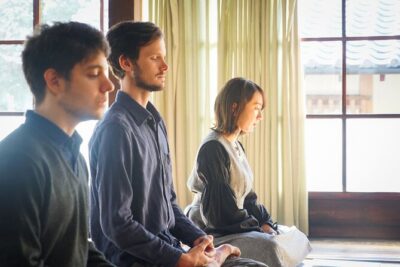
Kyoto Zen Meditation & Garden Tour at a Zen Temple with Lunch
Read our review →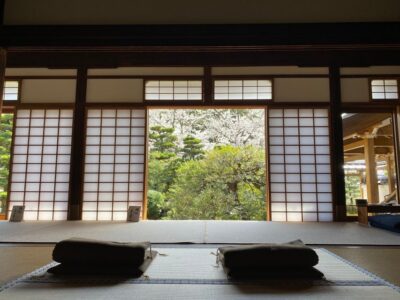
Arashiyama Bamboo, Matcha, Monkeys & Temple Tour
Read our review →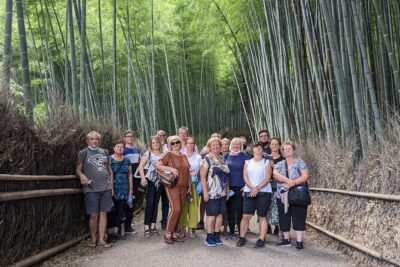
Arashiyama Bamboo, Temple, Matcha, Monkeys & secret spots
Read our review →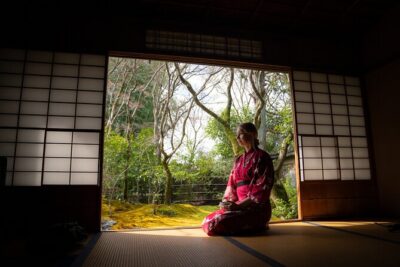
Browse the lists this tour appears in