
REVIEW · GION GEISHA DISTRICT TOURS
Kyoto: Gion Night Tour Stories of Geisha and Maiko
Gion changes character at dusk. As daylight fades, its narrow lanes, wooden facades, and discreet teahouses take on a quieter air. This two-hour walking tour helps you read the district rather than simply photograph it, explaining the customs behind geisha and maiko life as you move from Shijo to Yasaka Shrine.
I like the small group limit of 15 people, which makes it easier to hear the guide and pause in tight lanes. I also like the timing: sunset offers a calmer look at Gion and the chance of seeing geisha or maiko heading to evening appointments. The main consideration is language. The tour information identifies Spanish as the live guide language, while another description mentions an English-speaking guide, so confirm your preferred language before paying.
In This Review
- Key points to know before you book
- Why Gion makes sense after sunset
- Starting at Ben’s Cookies Kyoto Shijo
- The Izumo-no-Okuni statue and the start of the story
- Shirakawa Canal at the quietest part of the route
- Reading teahouses and traditional signs
- Gion Corner and the performance connection
- Ending at Yasaka Shrine
- What the $22 price really buys you
- Who will get the most from this walk
- Practical details that affect the evening
- Should you book the Gion Night Tour?
- FAQ
- How long is the Gion night tour?
- What is the price?
- Where does the tour meet?
- Where does the tour finish?
- What language is the tour conducted in?
- How many people can join the tour?
- Are children allowed to join?
- Does the tour include a geisha or maiko performance?
- Can I cancel the booking?
Key points to know before you book
- Sunset timing changes Gion’s mood: You explore when the district becomes quieter and more atmospheric.
- Pedro and Manuel are named guides: Pedro is praised for clear, complete explanations and useful restaurant suggestions, while Manuel shared substantial information about the places visited.
- The route covers major Gion sights: Stops include the Izumo-no-Okuni statue, Shirakawa Canal, Gion Corner, and Yasaka Shrine.
- You learn to read the streets: The guide explains how to identify teahouses and interpret traditional signs in the alleys.
- The group is capped at 15 people: That is small enough for a more personal walk without the cost of a private tour.
- It is designed for ages 12 and up: Children under 12 cannot join.
Why Gion makes sense after sunset
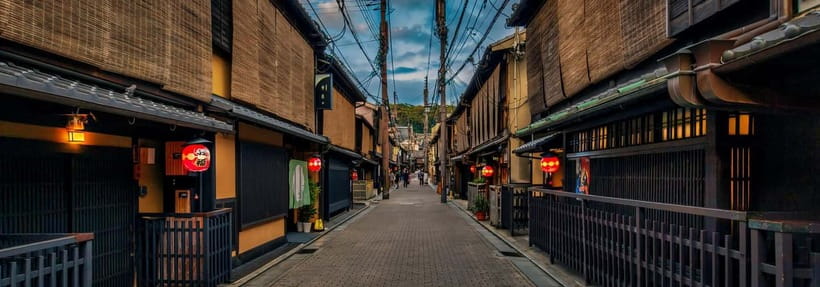
Gion is easy to misunderstand if you visit only in daylight. You may see pretty wooden buildings, tiled lanes, and people taking photographs, but the district’s purpose can remain unclear. This walk adds the social and cultural context that makes the setting easier to understand.
The tour begins near Ben’s Cookies Kyoto Shijo, then heads toward Gion as evening approaches. The timing matters. Dusk softens the streets, and the area may feel less crowded than it does during the busiest daytime hours. One guide described the timing as particularly welcome in a city where crowded streets can make sightseeing tiring.
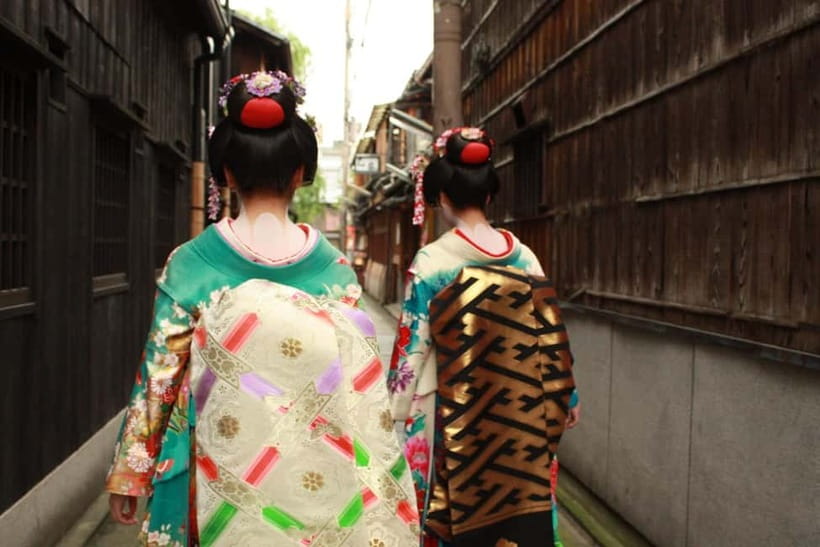
I like that the walk does not promise a staged geisha performance. Instead, it explains the working world of geisha and maiko and gives you a chance of seeing them on their way to appointments. Any sighting is fleeting and should be treated with respect. The point is to understand the neighborhood, not to turn working performers into a photo opportunity.
The tour is also useful for first-time visitors who want to know what they are looking at. A sign above an alley, the design of a doorway, or the appearance of a teahouse may seem ordinary without context. With a guide, these details become clues to how Gion functions.
More evenings in Gion:
- Kyoto Geisha Walking Tour: Gion District & Hidden Gems
★ 4.7 · 3,273 reviews - Kyoto: Gion Magical Night Walking Tour with Geisha Trivia
★ 4.9 · 2,393 reviews - Kyoto: Gion Geisha District Walking Tour – Stories of Geisha
★ 4.7 · 2,187 reviews
Starting at Ben’s Cookies Kyoto Shijo
Your meeting point is Ben’s Cookies Kyoto Shijo, where the guide holds a sign with the tour name. This is a practical starting place because you do not need to search for a small lane or a particular traditional building before the walk begins.
Arrive with comfortable shoes and enough time to locate the shop. The experience lasts two hours and is entirely on foot, so this is not the right choice if you want a seated cultural presentation. You will be walking through urban streets, stopping for explanations, photographs, and short visits at several landmarks.
The maximum group size is 15. That is not private, but it is far more manageable than a large sightseeing group. In narrow streets, a smaller group means less time waiting for everyone to gather and a better chance to hear questions and answers.
The supplied information identifies the live guide language as Spanish, and some content may be shown in its original language. Another section describes an English-speaking guide, so language is the one detail I would clarify before booking. If you need Spanish, Pedro and Manuel are names connected with recent tours. Pedro, in particular, is noted for making complex material easy to follow and for offering food suggestions at the end.
The Izumo-no-Okuni statue and the start of the story
One early stop is the statue of Izumo-no-Okuni, with about 15 minutes set aside for a guided explanation. The statue gives the tour a useful opening point because it connects the neighborhood to the history of performance and theater in Kyoto.
I appreciate this kind of stop because it prevents the tour from becoming a simple walk past attractive buildings. You get a reference point for the cultural world that follows. The guide can explain why performance traditions matter here before you reach the teahouses and alleys associated with geisha and maiko.
Expect a talk rather than a long visit. The statue itself is not the main attraction for most people, and the value comes from the explanation. If you have already spent the day visiting major temples, this short stop also breaks up the walk without adding another lengthy indoor visit.
Shirakawa Canal at the quietest part of the route
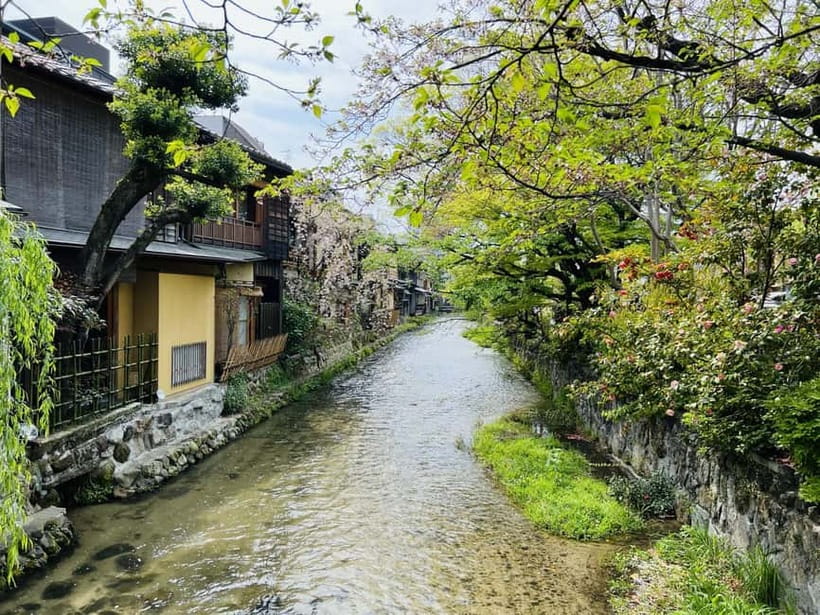
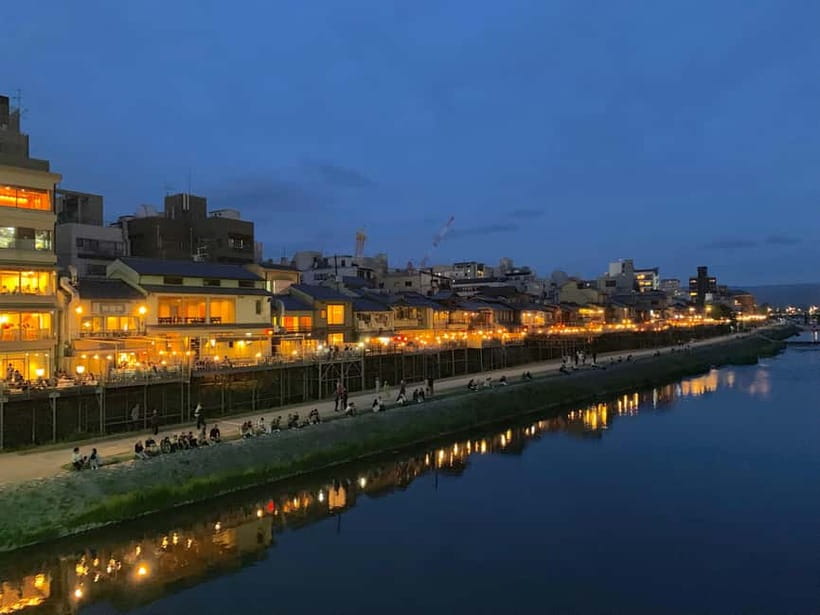
The route continues to the Shirakawa Canal, where the group spends roughly 15 minutes. This is one of the most appealing places for atmosphere. The canal, traditional architecture, and narrow streets create the visual setting many people associate with old Kyoto.
The guide’s role here is not simply to point out a scenic view. You learn how this part of Gion relates to the area’s traditional entertainment culture and why certain streets feel more private and restrained than ordinary shopping roads.
This is a good place for photographs, but I would listen before raising your camera. The talk about signs, entrances, and teahouses helps you notice details you might otherwise miss. The walk is especially well timed here because the light at sunset can make the area feel more intimate without requiring a special evening show.
Do keep expectations sensible. A quiet canal walk does not guarantee an empty street or a geisha sighting. Gion remains a working district and a popular sightseeing area. The benefit of this tour is the guide’s interpretation, not a promise of staged access.
More Kyoto walks after dark:
- Night Walk in Gion: Kyoto’s Geisha District
★ 4.5 · 2,003 reviews - Kyoto Gion Night Walk & Geisha District Guided Tour
★ 5.0 · 786 reviews - Kyoto Bar Hopping Night Tour
★ 5.0 · 613 reviews - Kyoto Foodie Night Tour
★ 5.0 · 376 reviews
Reading teahouses and traditional signs
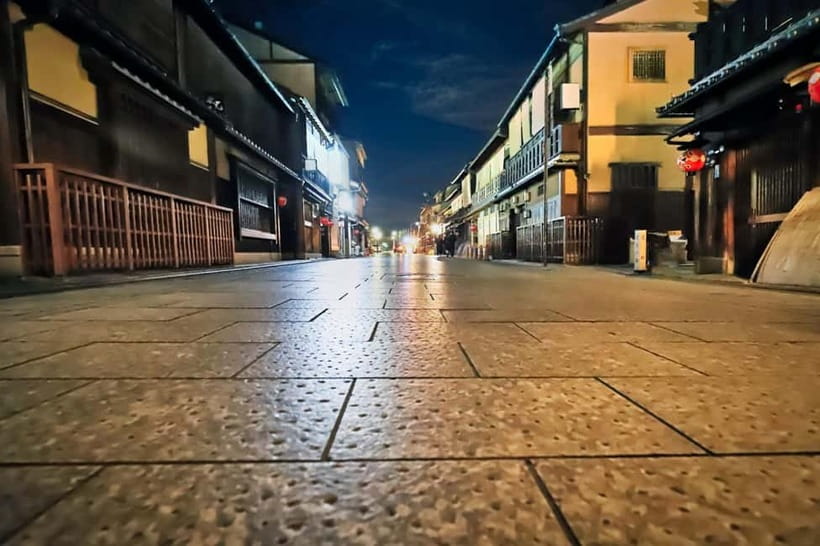
Another 15-minute portion includes a photo stop, a visit, and guided explanation. The exact name of this stop is not specified, but its purpose is clear: the guide helps you identify teahouses and traditional symbols in the surrounding lanes.
This may be the most useful part for independent sightseeing later. Once you understand the visual clues, you can walk through Gion with greater awareness. You may notice a discreet entrance, a sign that signals the nature of a business, or a boundary that tells you where casual visitors should not wander.
That distinction matters. Gion is not an open-air theme park. Some buildings serve working professionals and local clients, and not every doorway invites visitors. A guide can explain the difference between a place to observe from the street and a place that requires an introduction or reservation.
The tour does not include a geisha performance or a meal. That keeps the price low, but it also means the experience is about context and observation. I see this as a strength if you want a respectful introduction rather than an expensive entertainment package.
Gion Corner and the performance connection
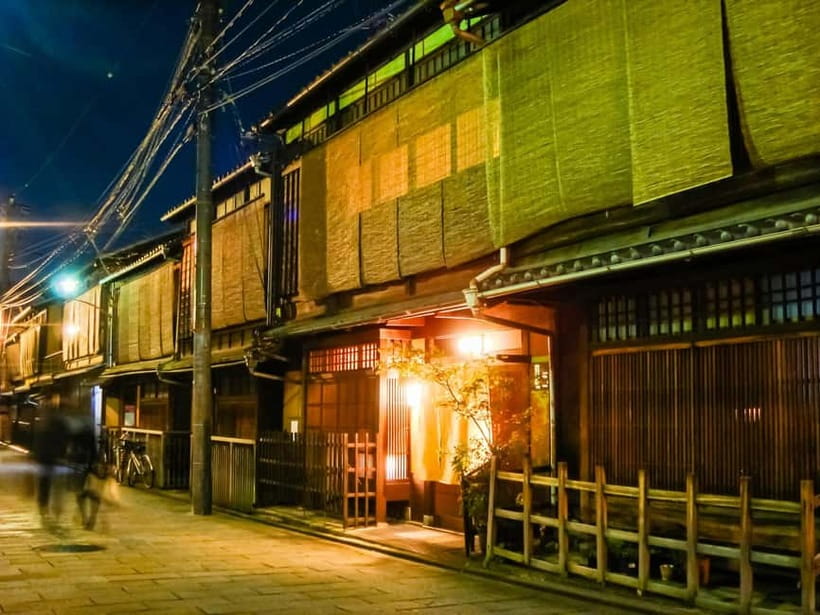
The walk then reaches Gion Corner, another stop of about 15 minutes with time for photographs and a guided visit. Gion Corner is closely tied to Kyoto’s traditional arts, so it gives the guide a natural place to explain how dance, music, theater, and tea-related customs fit into the district’s identity.
You should not confuse visiting Gion Corner on this walk with attending a full performance. The supplied details promise a stop and explanation, not a ticketed show. If you want a formal stage program, you would need to arrange that separately.
Still, the stop adds useful context. Geisha and maiko are often reduced to costumes in casual descriptions, but the cultural work involves trained performance, etiquette, and long practice. The guide’s explanation can help you see the person behind the appearance and understand why the district asks for restraint from people taking photographs.
This is also a practical point to ask questions. If you are unsure about the difference between a geisha and a maiko, or about how to recognize a teahouse, Gion Corner is a logical place to raise it.
Ending at Yasaka Shrine
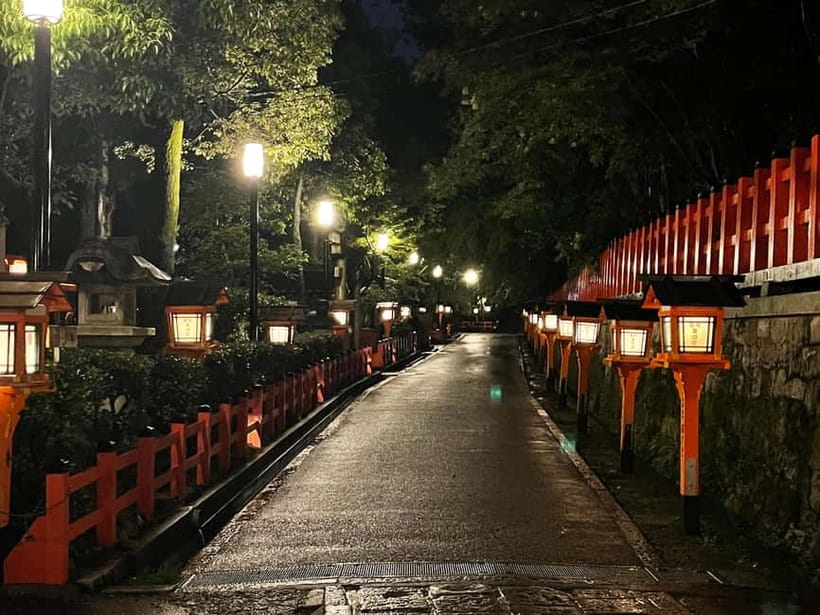
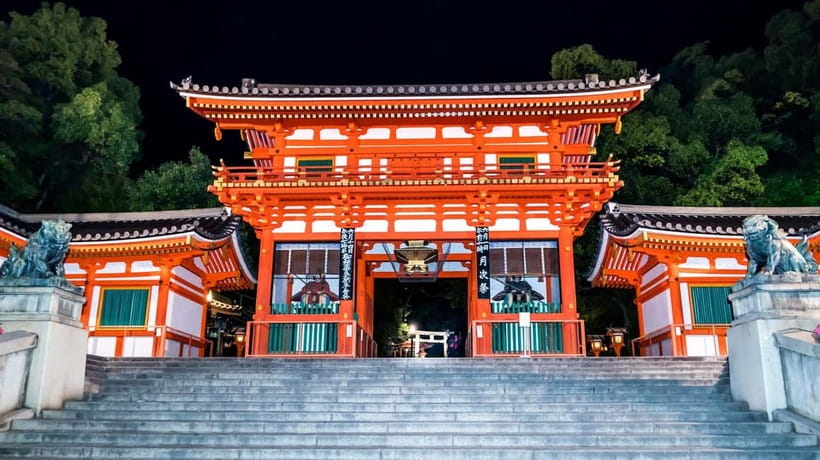
The final major stop is Yasaka Shrine, where the tour ends after about 15 minutes of guided sightseeing and photographs. This is a strong finish because the shrine gives you a major Kyoto landmark after the smaller lanes of Gion.
Yasaka Shrine also makes the end point practical. You are not returned to the original meeting point, so plan your evening from the shrine rather than assuming the walk is circular. The supplied information does not give a return transfer, and the experience is presented as a walking tour only.
I like ending here because you can continue sightseeing on your own after the guide leaves. You may also use the guide’s local suggestions for food in the area. Pedro has been specifically noted for recommending places to eat after the tour, which is useful if you plan dinner nearby.
The shrine stop is brief, so do not expect a full religious or architectural tour. Its role is to close the route and connect Gion’s entertainment district with one of Kyoto’s major sacred sites.
What the $22 price really buys you
At $22 per person, this is a reasonably priced way to add structure to an evening in Gion. You are paying for two hours of local explanation, a small group, and a route that connects several important points. You are not paying for food, transportation, entry to a performance, or guaranteed contact with geisha and maiko.
That distinction helps you judge the value. If you already know Gion well, speak Spanish with ease, and prefer to wander alone, the tour may add less. If this is your first visit, the guide’s cultural explanations can save you from walking through the district without understanding its signs or customs.
The small group improves the value. A cap of 15 gives the tour a more personal feel without the higher cost of a private guide. The four published ratings are all 5 out of 5, and the clearest praise focuses on the guides’ explanations. Pedro is described as professional, clear, and enthusiastic, while Manuel is noted for sharing substantial information about the places on the route.
I would not book this solely because of the possibility of spotting a geisha. That may happen, but it is not guaranteed. Book it because you want to understand what you see and because the sunset timing fits your plans.
Who will get the most from this walk
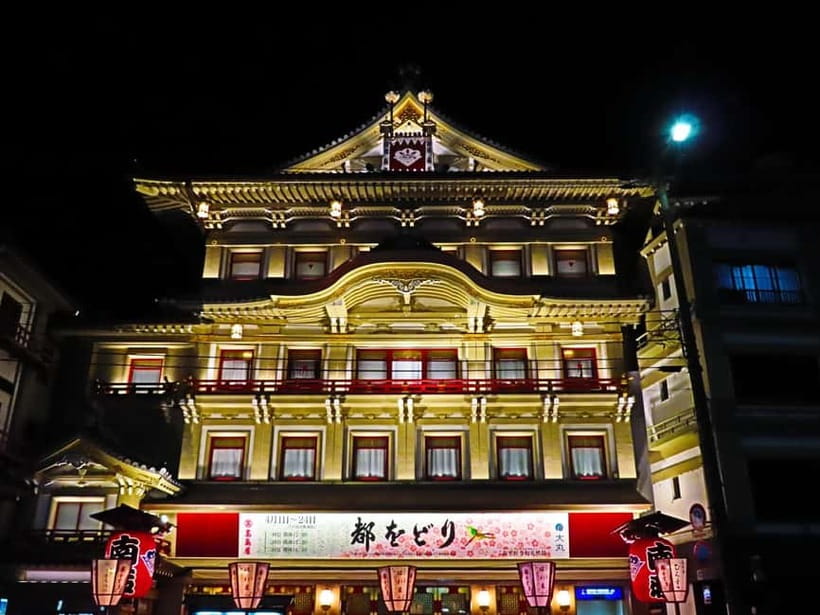
I would recommend this experience to first-time Kyoto visitors who want a manageable introduction to Gion. It suits people who prefer stories and local interpretation over a long list of photo stops.
It is also a good fit if you are curious about geisha and maiko but want a respectful explanation of their work. The guide can help you avoid common misunderstandings and show you how to observe the district without treating it like a stage set.
The tour works well for couples, solo visitors, and small groups who want an evening activity before dinner. The restaurant suggestions associated with Pedro could make the walk especially useful as the first part of a night in Gion.
I would be more cautious if you are traveling with young children. Anyone under 12 is not permitted. I would also think twice if you dislike walking, need a wheelchair-specific route, or want a formal performance, since the supplied information does not describe accessibility arrangements or include a show.
Language deserves a final check. The activity details list Spanish as the live language, while the included services refer to an English-speaking guide. Since some material may remain in its original language, confirm the language at booking if that affects your decision.
Practical details that affect the evening
You can cancel up to 24 hours before the start time for a full refund, and the reserve now, pay later option lets you hold a place without paying immediately. Starting times vary, so check availability for the date you want.
The meeting point is easy to identify: Ben’s Cookies Kyoto Shijo, with the guide holding a sign bearing the tour name. The finish is Yasaka Shrine, not the starting point.
Plan for a full two hours outdoors. Wear shoes suited to walking and keep your camera ready, but give priority to listening and respecting people working in the district. The tour includes photo stops, yet it does not promise unrestricted photography inside teahouses or of geisha and maiko.
Should you book the Gion Night Tour?
Book it if you want a low-cost, guide-led introduction to Gion at dusk, especially if Spanish is your preferred language and you value cultural explanation more than entertainment. The route is compact, the group is limited to 15, and the stops give you a useful framework for further exploring Kyoto on your own.
Skip it if you want a geisha performance, a meal, private access, or a guaranteed sighting. For most first-time visitors who have two free evening hours, though, $22 is a fair price for learning how to look at Gion with more care. Confirm the guide language, meet at Ben’s Cookies Kyoto Shijo, and finish your night near Yasaka Shrine with dinner nearby.
FAQ
How long is the Gion night tour?
The tour lasts two hours.
What is the price?
The price is $22 per person.
Where does the tour meet?
The meeting point is Ben’s Cookies Kyoto Shijo. The guide will hold a sign with the tour name.
Where does the tour finish?
The tour finishes at Yasaka Shrine.
What language is the tour conducted in?
The live tour guide language is listed as Spanish. Another activity detail refers to an English-speaking guide, so confirm the language before booking.
How many people can join the tour?
The group has a maximum of 15 participants.
Are children allowed to join?
Children under 12 are not permitted on the tour.
Does the tour include a geisha or maiko performance?
No performance is included in the provided tour details. The experience offers explanations about geisha and maiko culture and a chance of seeing them on their way to evening appointments.
Can I cancel the booking?
Yes. You can cancel up to 24 hours in advance for a full refund. You can also reserve now and pay later.
More Kyoto Evenings
- Kyoto Night Foodie Tour in Gion (9+ dishes + 6 Sake tastings)
★ 5.0 · 1,762 reviews - Kyoto Ghost Tour: Dark Tales, Urban Legends, Bamboo Forest Night
★ 5.0 · 625 reviews - Kyoto Night All-Inclusive Eats and Streets, Gion and Beyond
★ 4.7 · 601 reviews - Gion Walking Tour by Night
★ 4.5 · 429 reviews
Recently added around Kyoto
- Higashiyama | Kyoto: Sakura Season Private Rickshaw Tour★ 5.0 · 3 reviews
- Kyoto Kimono Rental CHAMATSU|Kimono/Yukata Rental FamilyPlan★ 5.0 · 3 reviews
- Kyoto: Half-Day Private Guided Tour to the Old Town of Gion★ 4.4 · 3 reviews
- Nara Private Customizable Half Day Tour★ 5.0 · 3 reviews
- Kansai Region Hiking Adventure in Nara Kobe Kyoto and More★ 5.0 · 3 reviews
- Full Day Nara Deer, Temple, Shrine, Activities & Tea Ceremony★ 5.0 · 3 reviews
- Nara: Essential Private Tour with Deer Park and Temples★ 5.0 · 3 reviews
- Hiking Tour for Sacred Sites in Kyoto with a Guide★ 5.0 · 3 reviews
Gion Geisha District Tours, compared.

Kyoto Geisha Walking Tour: Gion District & Hidden Gems
Read our review →
Gion Magical Night Walking Tour with Geisha Trivia
Read our review →
Gion Geisha District Walking Tour – Stories of Geisha
Read our review →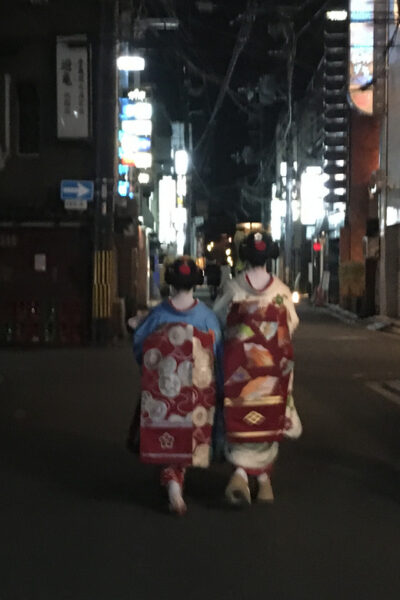
Best of Kyoto: Gion, Geisha, Pagodas & Cobblestones
Read our review →

Kyoto Night Foodie Tour in Gion (9+ dishes + 6 Sake tastings)
Read our review →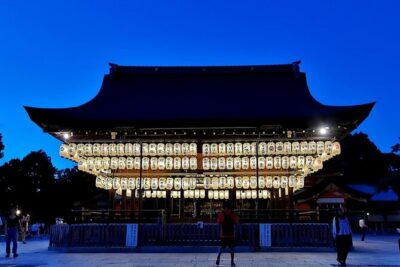
Kyoto Gion Geisha District Walking Tour – The Stories of Geisha
Read our review →
Kyoto Gion: 2-Hour Geisha Culture & History Walking Tour
Read our review →Browse the lists this tour appears in