
REVIEW · GION GEISHA DISTRICT TOURS
Gion Walking Tour by Night
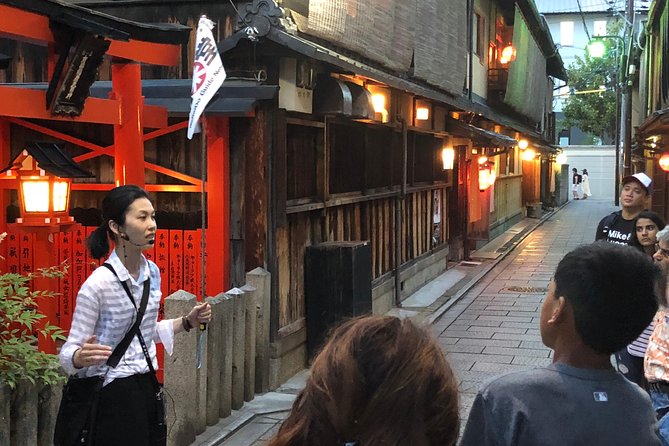
Gion after dark is Kyoto at its most atmospheric: stone lanes, the Shirakawa river, wooden teahouses, and the chance of seeing a geiko or maiko hurrying to an evening appointment. This two-hour walk gives you a local guide to explain what you are seeing and keep you from wandering down the wrong alley.
I like the clear cultural explanation of kimono, makeup, hairstyles, training, and teahouse life. I also like the reasonable price, $19.82, which makes this an easy first-night activity in Kyoto. The main consideration is group size: the regular tour can feel crowded, so choose the smaller-group option if quiet conversation matters to you.
In This Review
- Key points to know before booking
- Why Gion works best after sunset
- The two-hour route through Gion
- Geiko, maiko, and the culture behind the costumes
- What you might see on the evening walk
- Group size and the value of the small-group upgrade
- Meeting at 5:00 p.m. and starting at 5:30 p.m.
- How this compares with exploring Gion alone
- Who should book this Gion night tour
- Should you book it?
- FAQ
- How long is the Gion Walking Tour by Night?
- What time does the tour start?
- Where does the tour meet?
- Is transportation included?
- Is the tour conducted in English?
- Can I choose a smaller group?
- What happens if I need to cancel?
Key points to know before booking
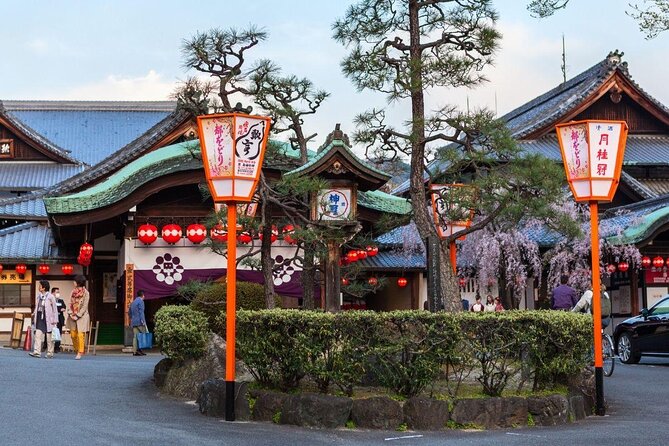
- Shirakawa after sunset: Walk beside the stream on classic cobblestone streets linked with Memoirs of a Geisha.
- Geiko and maiko explained: Learn the difference between the two, along with their clothing, makeup, training, and daily routines.
- Guide quality matters: Guides including Mia, Mai, Mae, and Cheko have been praised for strong English, humor, and local insight.
- A chance to see performers: Sightings are not guaranteed, but the evening timing may place you near geiko and maiko going to appointments.
- Standard groups can be large: The advertised maximum is 20 travelers, while a small-group option guarantees fewer than 12.
- Strict start time: Reception begins at 5:00 p.m., with the walk starting at 5:30 p.m. The group does not wait for late arrivals.
Why Gion works best after sunset
Gion is not a museum district with displays behind glass. It is a working neighborhood of tea houses, restaurants, lanes, shrines, and traditional wooden buildings. The area becomes especially appealing in the evening, when the streets grow quieter and lantern light picks out the old facades.
That atmosphere is also what makes Gion confusing. Narrow lanes branch off from one another, and many are not clearly marked. A guide helps you spend your time looking at the architecture and listening to the stories rather than checking your phone at every corner.
The timing is useful, too. The meeting time is 5:30 p.m., giving you a chance to walk through Gion as the evening begins. You may see geiko and maiko traveling to their appointments, although the tour makes no promise of a sighting. That uncertainty is part of the setting. You are visiting a living district, not attending a staged performance.
I would book this walk early in your Kyoto stay. It gives you context for the people, buildings, and customs you may encounter later, and it can help you move around Gion with better manners and fewer misunderstandings.
More evenings in Gion:
- Kyoto Geisha Walking Tour: Gion District & Hidden Gems
★ 4.7 · 3,273 reviews - Kyoto: Gion Magical Night Walking Tour with Geisha Trivia
★ 4.9 · 2,393 reviews - Kyoto: Gion Geisha District Walking Tour – Stories of Geisha
★ 4.7 · 2,187 reviews
The two-hour route through Gion
The tour starts at 178 Tokiwacho in Kyoto’s Higashiyama Ward and finishes back at the same meeting point. Transportation to and from the area is not included, and there is no hotel pickup, so you need to arrange your own way there.
The central stop is Gion itself. Your guide leads the group through the district’s narrow streets, pointing out places that are easy to miss if you walk alone. The route includes the classic cobbled lanes beside the Shirakawa river, one of the most attractive parts of the evening walk.
Shirakawa is also connected with Memoirs of a Geisha, both the novel and film. The appeal here is less about recreating a movie scene and more about seeing the real setting that helped shape the story’s visual mood. The stream, traditional buildings, and low-lit lanes make this a good place for photographs, though you should remain respectful around working businesses and people going about their evening.
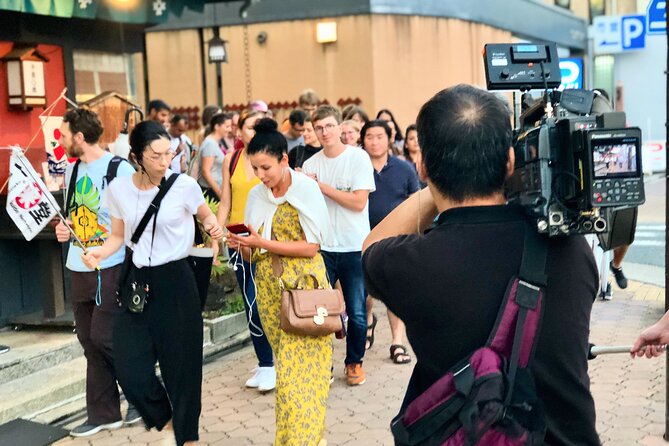
The guide stops along the way to explain Gion’s past and present. You will hear about geiko and maiko, their kimono, hairstyles, makeup, rules, education, and daily lives. You may also learn about the role of house mothers and how tea houses operate.
Two hours is a sensible length for this route. It gives the guide enough time to explain the customs without turning the walk into an all-evening lecture. One caution is that the pace may feel quick if you want long photo stops or extended time at every lane. One rating specifically described the tour as too fast and too general, so visitors who prefer to explore at their own pace may find independent walking more satisfying.
Geiko, maiko, and the culture behind the costumes
The strongest part of the experience is the explanation of the people who work in Gion. The terms geiko and maiko are not simply interchangeable labels for women in traditional dress, and a good guide can help you understand the difference.
You will learn about maiko, who are apprentice performers, and geiko, the term commonly used in Kyoto for accomplished entertainers. The discussion covers far more than appearance. Guides explain the training, rules, traditional hairstyles, makeup, kimono, and daily routines connected with this profession.
This context matters because Gion is sometimes treated as a photo opportunity. It is easy for visitors to see a woman in formal dress, take a picture, and miss the work and discipline behind the presentation. The guides make a point of encouraging respect for geiko-san and maiko-san, which is an important part of walking through the district responsibly.
The guide may also explain how evening appointments work and why you might see performers moving quickly from one place to another. A sighting is exciting, but it is not the whole purpose of the walk. The cultural background remains worthwhile even if no geiko or maiko appears during your two hours.
Several guides have made a strong impression on the people who booked this walk. Mia is repeatedly praised for her humor, clear explanations, and ability to bring the subject to life. Mai is described as especially strong on geiko and maiko culture, while Cheko is noted for excellent English and useful local detail. Mae has also been singled out for making the evening enjoyable.
Guide assignments can vary, so you should not book on the assumption that one particular person will lead your departure. Still, the repeated praise for named guides suggests that the human element is a major part of the value.
What you might see on the evening walk
The tour does not include admission to a theater or a private meeting with a geiko or maiko. Instead, you walk through the district where traditional entertainment businesses operate.
You may see performers heading to their evening parties. Some groups have been fortunate enough to see both geiko and maiko during the walk, while others have mainly enjoyed the streets and the guide’s explanations. The tour’s wording correctly treats sightings as possible rather than guaranteed.
That distinction is important when you decide how to spend your money. If your only goal is a guaranteed geiko performance, this is not the right product. If you want to understand the neighborhood and perhaps catch an unscripted glimpse of performers moving between appointments, the evening walk is a better fit.
Bring comfortable shoes. The route takes about two hours on foot, and the cobblestones can be tiring. You should also stay close to the guide, especially in a large group. The guide needs to explain details while moving through narrow streets, and the group can spread out quickly.
Photography requires common sense. You can take pictures of streets and architecture, but you should not treat geiko or maiko as characters placed there for visitors. The cultural lesson is strongest when you observe quietly and avoid blocking doorways or following anyone.
More walking tours in Kyoto:
- Night Walk in Gion: Kyoto’s Geisha District
★ 4.5 · 2,003 reviews - Kyoto Gion Geisha District Walking Tour – The Stories of Geisha
★ 5.0 · 1,441 reviews - Nishiki Market Brunch Walking Tour (7 Tastings + Brunch)
★ 5.0 · 1,355 reviews - Kyoto Arashiyama Walking Tour: Bamboo, Monkeys, Gardens & Secrets
★ 5.0 · 1,216 reviews
Group size and the value of the small-group upgrade
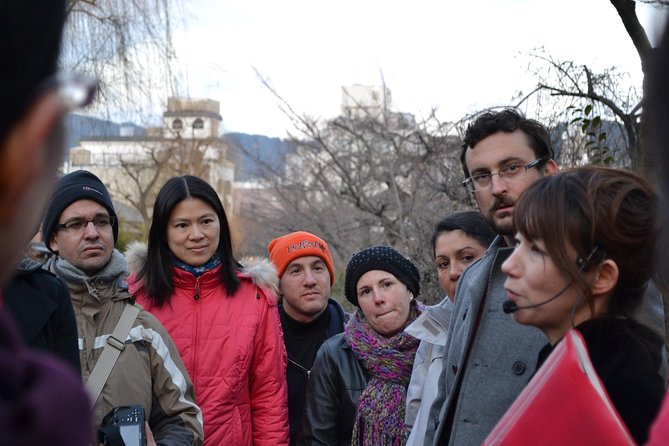
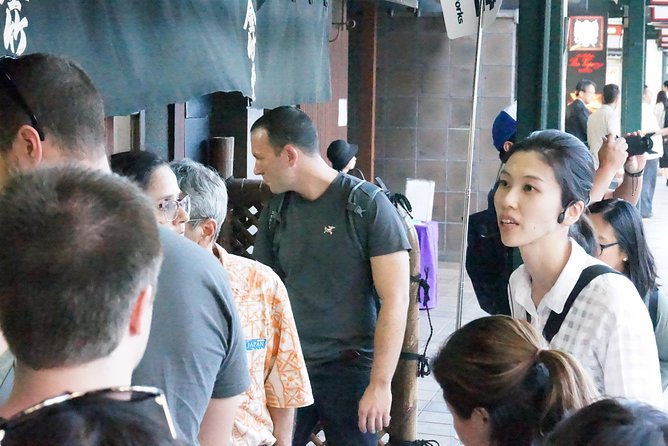
The regular booking allows up to 15 passengers per reservation, while the overall activity can reach 20 people. The information about group limits is not perfectly consistent, and one booking party found its group larger than expected. That group was still able to hear the guide by staying close, but the experience felt less intimate.
This is the main weakness to consider. A large group can make it harder to ask questions, take in a guide’s comments, or appreciate the quiet mood of Gion. Narrow lanes also leave less room for everyone to gather without getting in the way.
A small-group option is available with fewer than 12 people guaranteed. I would consider paying extra for it if you want personal attention, plan to ask detailed questions, or are particularly interested in the social customs of geiko and maiko culture.
The standard tour still offers fair value at $19.82 per person. You receive a two-hour guided walk with an English-speaking professional, and there is no separate admission charge for the streets and river area. For a first look at Gion, the price is modest compared with a private cultural experience.
Group discounts may also be available. If you are traveling with friends or family, check the current price before booking. Children must be accompanied by an adult, and the walk is intended for people with a moderate level of physical fitness.
Meeting at 5:00 p.m. and starting at 5:30 p.m.
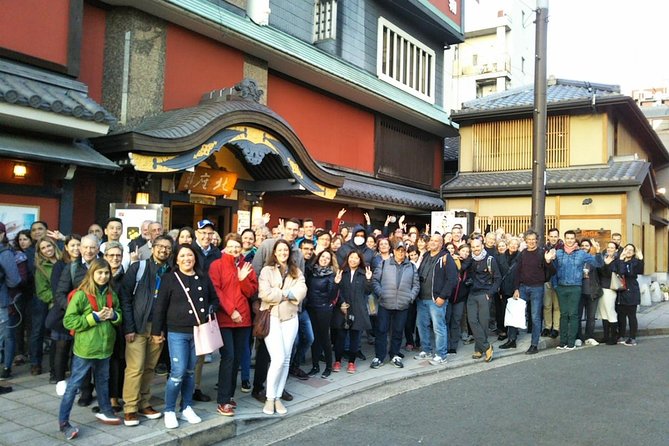
Do not cut the arrival time close. Reception starts at 5:00 p.m., and the walking tour begins at 5:30 p.m. The operator states that it cannot wait for late arrivals or respond to people who miss the start.
This detail deserves special attention because one missed booking led to a serious complaint. The start time had been changed in advance through the booking message system, but the participant arrived expecting 6:00 p.m. The group had already left. Check your confirmation and messages carefully, then arrive early at the stated meeting point.
The meeting point is near public transportation, but the tour does not include transport. Plan your route before the day of the walk, especially if you are coming from another part of Kyoto. A phone with the mobile ticket and booking confirmation is useful, but do not rely on last-minute messages while you are trying to locate the group.
The activity ends where it begins. That makes it easier to continue dinner or sightseeing nearby, but you still need to decide where to eat and how to return to your accommodation.
How this compares with exploring Gion alone
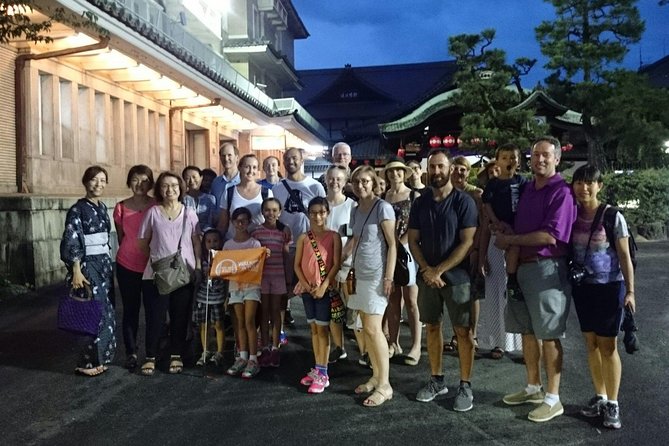
You can walk through Gion without a guide. The district is open to the public, and one person specifically found the walk too easy to replicate independently. That is a fair criticism if you already understand Kyoto’s geiko culture or enjoy wandering without a fixed pace.
The guide adds value in three ways. First, you are led through smaller lanes without spending time finding your way. Second, you receive explanations about customs that are difficult to pick up from architecture alone. Third, you can ask questions about words, clothing, training, and daily life as you see the district around you.
For a first-time visitor, those advantages are meaningful. Gion’s details can pass quickly: a crest on a building, a particular hairstyle, a performer moving through a doorway, or the difference between a tea house and an ordinary restaurant. Without context, you may see the scene but miss what it means.
Independent walking is better for a repeat visit, a photographer who wants complete control of timing, or anyone who dislikes group movement. The guided option is better when you want orientation and cultural explanation in a compact two-hour window.
Who should book this Gion night tour
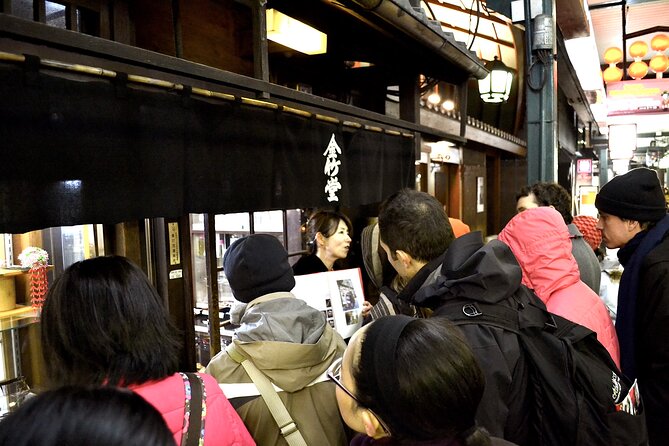
I would recommend it to first-time Kyoto visitors, couples, families with older children, and anyone curious about traditional entertainment culture. It is also a useful choice for people who want an easy introduction before considering a longer private tour or a dinner connected with maiko culture.
You will get the most from it if you enjoy listening while walking and can manage cobblestones for two hours. Arrive early, wear comfortable shoes, and stay near the guide.
I would think twice if you have a serious medical condition, need frequent rest breaks, or want a completely private experience. The tour is not recommended for people with serious medical conditions, and the standard group may be larger than expected.
Free cancellation is available up to 24 hours before the local start time. Cancellations or changes made within 24 hours are not refunded, and poor weather may lead to a new date or a full refund.
Should you book it?
At $19.82, this is a good-value introduction to Gion, especially if you are visiting Kyoto for the first time. I like the combination of atmospheric streets, useful cultural background, and a guide who can explain what you are seeing without turning the evening into a formal classroom.
Book the standard tour if price matters most and you are comfortable with a group of up to 20 people. Choose the small-group option if you want clearer conversation and more chances to ask questions. Just remember: a geiko or maiko sighting is possible, not promised, and the real reward is learning how to read Gion with greater respect.
FAQ
How long is the Gion Walking Tour by Night?
The walking tour lasts approximately two hours.
What time does the tour start?
Reception begins at 5:00 p.m., and the walking tour starts at 5:30 p.m. The group cannot wait for late arrivals.
Where does the tour meet?
The meeting point is 178 Tokiwacho, Higashiyama Ward, Kyoto, 605-0079, Japan. The tour ends back at the same meeting point.
Is transportation included?
No. Transportation to and from the attractions, as well as hotel pickup and drop-off, is not included.
Is the tour conducted in English?
Yes. A professional, English-speaking guide leads the tour.
Can I choose a smaller group?
Yes. A small-group option with fewer than 12 people guaranteed is available at a different price. The regular activity can have up to 20 travelers.
What happens if I need to cancel?
You receive a full refund if you cancel at least 24 hours before the local start time. Cancellations or changes made less than 24 hours before the start are not refunded. If poor weather cancels the activity, you are offered another date or a full refund.
More Kyoto Evenings
- Kyoto Night Foodie Tour in Gion (9+ dishes + 6 Sake tastings)
★ 5.0 · 1,762 reviews - Kyoto Gion Night Walk & Geisha District Guided Tour
★ 5.0 · 786 reviews - Kyoto Ghost Tour: Dark Tales, Urban Legends, Bamboo Forest Night
★ 5.0 · 625 reviews - Kyoto Bar Hopping Night Tour
★ 5.0 · 613 reviews
Recently added around Kyoto
- Higashiyama | Kyoto: Sakura Season Private Rickshaw Tour★ 5.0 · 3 reviews
- Kyoto Kimono Rental CHAMATSU|Kimono/Yukata Rental FamilyPlan★ 5.0 · 3 reviews
- Kyoto: Half-Day Private Guided Tour to the Old Town of Gion★ 4.4 · 3 reviews
- Nara Private Customizable Half Day Tour★ 5.0 · 3 reviews
- Kansai Region Hiking Adventure in Nara Kobe Kyoto and More★ 5.0 · 3 reviews
- Full Day Nara Deer, Temple, Shrine, Activities & Tea Ceremony★ 5.0 · 3 reviews
- Nara: Essential Private Tour with Deer Park and Temples★ 5.0 · 3 reviews
- Hiking Tour for Sacred Sites in Kyoto with a Guide★ 5.0 · 3 reviews
Gion Geisha District Tours, compared.
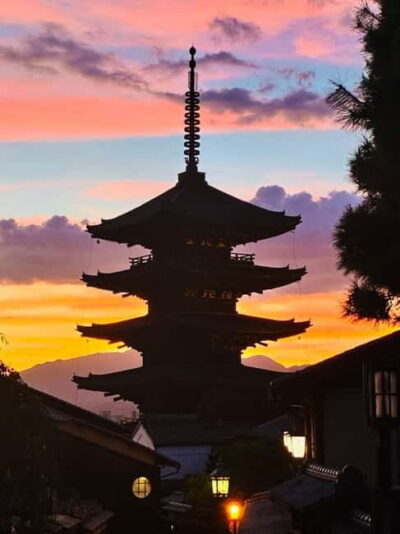
Kyoto Geisha Walking Tour: Gion District & Hidden Gems
Read our review →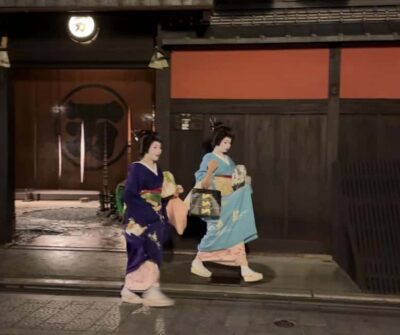
Gion Magical Night Walking Tour with Geisha Trivia
Read our review →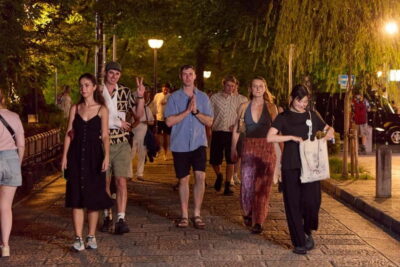
Gion Geisha District Walking Tour – Stories of Geisha
Read our review →
Best of Kyoto: Gion, Geisha, Pagodas & Cobblestones
Read our review →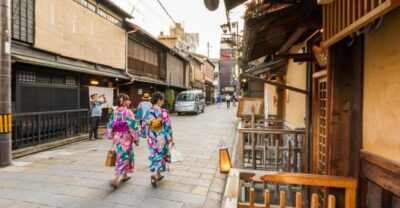

Kyoto Night Foodie Tour in Gion (9+ dishes + 6 Sake tastings)
Read our review →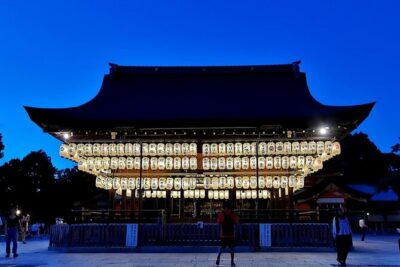
Kyoto Gion Geisha District Walking Tour – The Stories of Geisha
Read our review →
Kyoto Gion: 2-Hour Geisha Culture & History Walking Tour
Read our review →Browse the lists this tour appears in