
REVIEW · GION GEISHA DISTRICT TOURS
Kyoto: Gion Highlights & Hidden Treasures Guided Tour
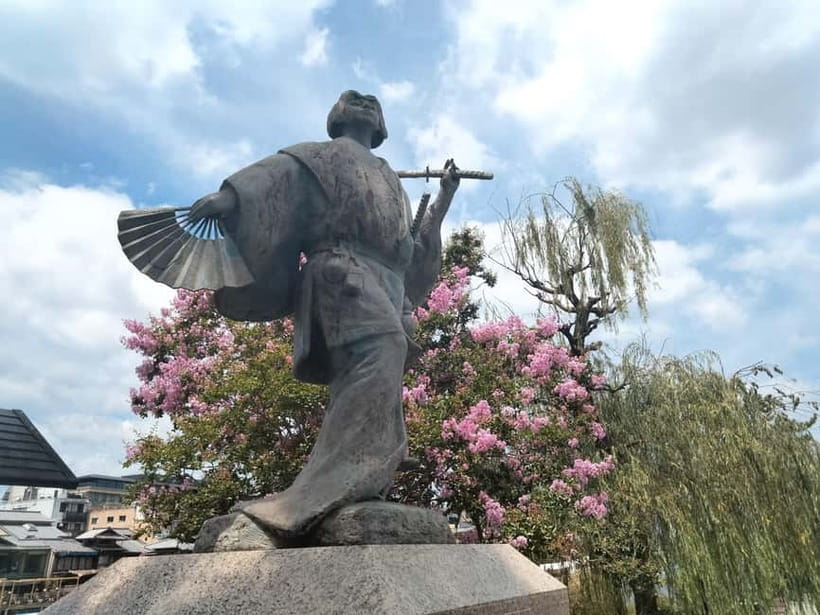
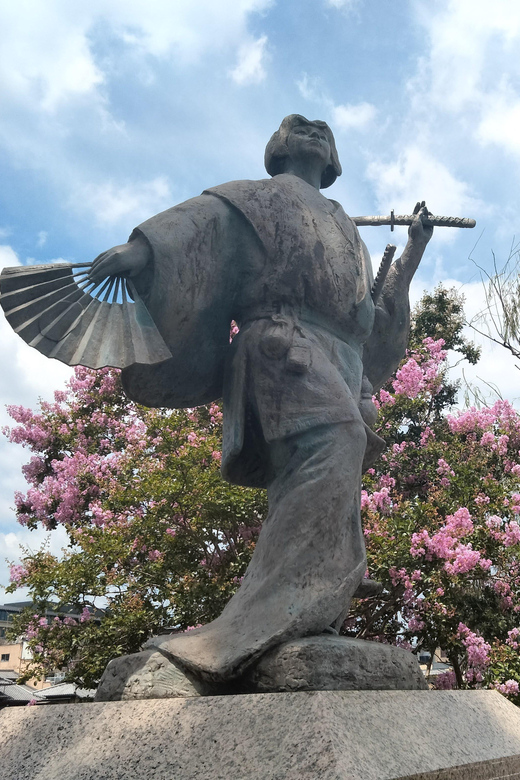
Gion’s appeal is the way grand Kyoto sights sit beside quiet lanes, wooden teahouses, and small shrines with unusual customs. This tour links those contrasts on foot, starting at the Izumo no Okuni statue and ending back at the same spot after a full day of temples, stories, and city views.
I like the mix of major sights and quieter stops, especially Kodaiji, Entoku-in, and Yasaka Koushindo. I also like the guide-led format: Yoshi has helped reshape a departure time and add a temple, while Saya has adjusted the route around places already visited.
The main drawback is the pace. Seven and a half hours, several temple visits, and a 90-minute stop at Kiyomizu-dera make this a serious walking day. Lunch is not included, and the tour price is higher than a simple self-guided visit.
In This Review
- Key points to know before booking
- A thoughtful route through Kyoto’s Gion district
- Gion Shirakawa and Hanamikoji: Kyoto’s most recognizable streets
- Yasaka Shrine and the living side of Shinto
- Kodaiji: a slower hour among temple grounds
- Entoku-in, a compact stop with a quieter feel
- A one-hour lunch break in Gion
- Kiyomizu-dera: the big afternoon visit
- Yasaka Koushindo and the wishes balls
- Yasui Konpiragu and the meaning of a fresh start
- What the $102 price really covers
- Who will get the most from this day
- Practical advice for making the day work
- Should you book the Gion Highlights and Hidden Treasures tour?
- FAQ
- Where does the tour meet?
- How long does the tour last?
- Which languages are available?
- Is lunch included?
- Which admission tickets are included?
- Is this a private tour?
- Can I cancel for a refund?
- Can I reserve without paying today?
Key points to know before booking
- Seven and a half hours on foot: Plan for a long day through Gion and Higashiyama.
- Kodaiji and Entoku-in add quieter temple time: These stops offer a calmer counterpoint to Kiyomizu-dera.
- Kiyomizu-dera gets 90 minutes: You have time for the main grounds, views, and nearby paths.
- The route includes unusual spiritual sites: Yasaka Koushindo and Yasui Konpiragu bring customs you may miss alone.
- Tickets are included at three temples: Your $102 covers Kodaiji, Entoku-in, and Kiyomizu-dera, but not lunch.
- English and Japanese guides are available: Private and small-group formats let the guide adjust the day to your interests.
A thoughtful route through Kyoto’s Gion district
This is not just a procession of famous gates. The route gives you a useful look at how Kyoto’s old entertainment quarter, religious sites, and hillside temples fit together.
You meet in front of the statue of Izumo no Okuni at the east end of the Shijo Ohashi bridge. That location is practical because it sits near the entrance to Gion and is easy to identify. Arrive ready to walk, since the day uses foot travel rather than a sightseeing bus.
The tour lasts 450 minutes, or 7.5 hours. That length gives the guide time to explain customs and history instead of rushing you from one photo stop to the next. It also means you should treat this as your main activity for the day, not something to squeeze between other reservations.
More evenings in Gion:
- Kyoto Geisha Walking Tour: Gion District & Hidden Gems
★ 4.7 · 3,273 reviews - Kyoto: Gion Magical Night Walking Tour with Geisha Trivia
★ 4.9 · 2,393 reviews - Kyoto: Gion Geisha District Walking Tour – Stories of Geisha
★ 4.7 · 2,187 reviews
Gion Shirakawa and Hanamikoji: Kyoto’s most recognizable streets
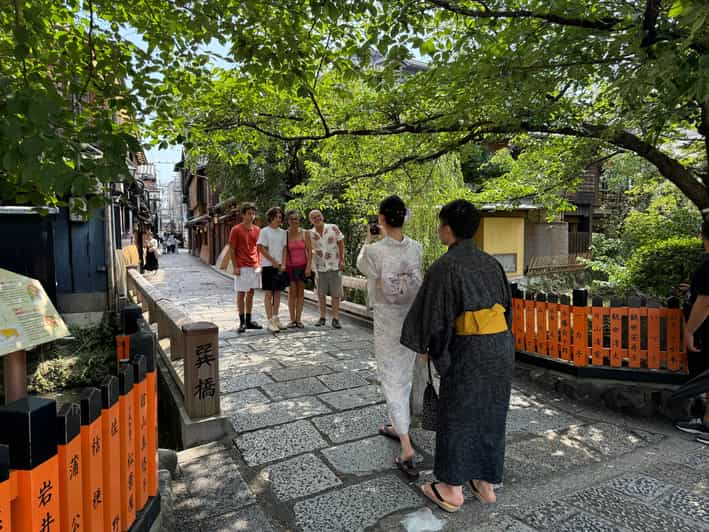
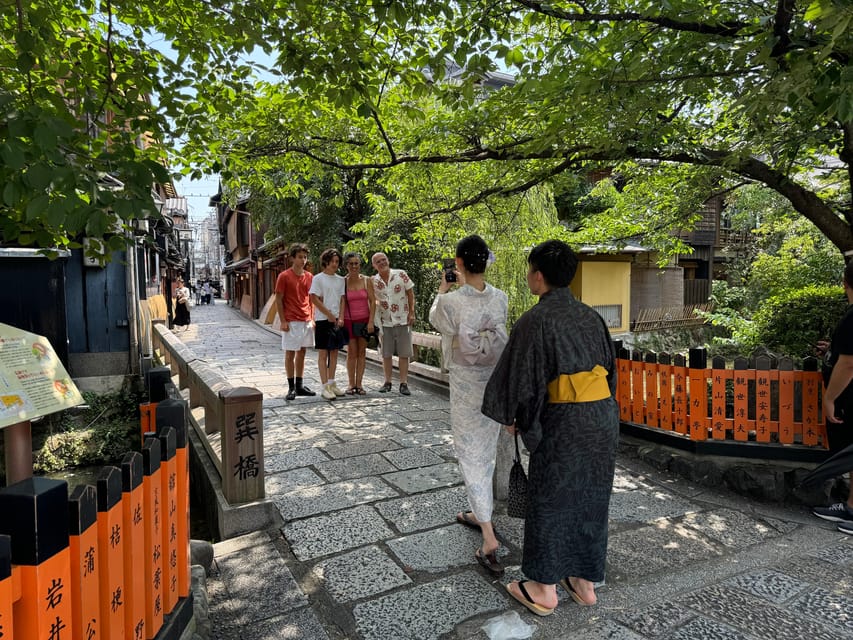
The opening walk passes through Gion Shirakawa Street, one of the prettiest parts of the district. Traditional teahouses line the route, and the street has a calmer feel than some of Gion’s main shopping lanes.
This is a good place to begin because your guide can explain the setting before you encounter the larger shrines and temples. You get the visual language of old Kyoto first: wooden facades, narrow streets, and the connection between tea houses and traditional performing arts.
The route then reaches Hanamikoji Street, known for its preserved architecture and possible sightings of geisha. Keep that expectation modest. A geisha sighting is never guaranteed, and you should treat anyone working in the district with care and privacy.
The two street sections are listed as pass-by portions of about 15 minutes each. That tells you they are introductions rather than long photography sessions. If you want extended time in Gion’s lanes, tell the guide at the start and ask what can be adjusted.
Yasaka Shrine and the living side of Shinto
Yasaka Shrine receives a 15-minute visit, but its importance reaches well beyond that short stop. It is one of the central religious landmarks in this part of Kyoto and gives you a clear look at Shinto practice.
Your guide can help you notice the difference between a shrine and a Buddhist temple, a useful distinction when the rest of your day includes Kodaiji, Entoku-in, and Kiyomizu-dera. Yasaka also gives the itinerary an early change of mood: you move from streets associated with tea houses into an active place of worship.
The short visit means you will not have unlimited time to inspect every corner. Still, it works well as a focused introduction. Ask your guide about proper shrine behavior, the meaning of the setting, and the ways local customs connect to daily life.
A 15-minute walk follows Yasaka Shrine. This is one reason comfortable shoes matter. The tour does not hide the fact that Kyoto sightseeing often means moving between districts on foot, with stairs and uneven surfaces likely along temple routes.
Kodaiji: a slower hour among temple grounds
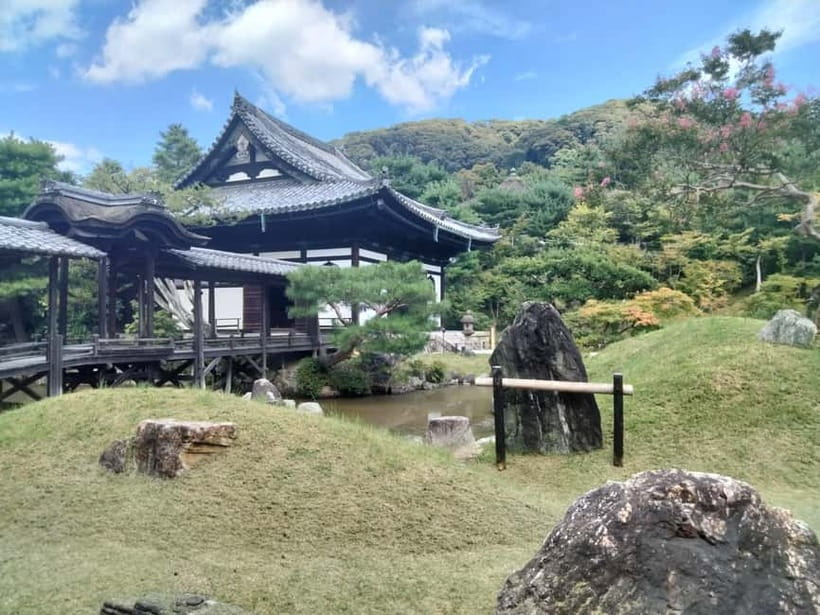
Kodaiji gets a full hour, making it one of the day’s key stops. That extra time matters. Instead of treating the temple as a quick gate-and-photo visit, you can take in its architecture, grounds, and quieter rhythm.
I particularly like this part of the route because it gives you room to slow down after the first streets and shrine. A guide can point out details that are easy to miss when you visit alone, while the private or small-group format should make it easier to ask questions.
Kodaiji also helps prepare you for the later visit to Kiyomizu-dera. Both are major Kyoto temple experiences, but the day places them in different positions. Kodaiji offers a more measured temple visit early on, while Kiyomizu-dera arrives later as the large visual finale.
The entry ticket is included here, which adds real value to the $102 price. You are not paying only for walking directions. Part of the fee covers admission at Kodaiji, Entoku-in, and Kiyomizu-dera, along with the guide’s time.
A few more Kyoto experiences worth comparing
- Kyoto Early Morning Tour with English-Speaking Guide
★ 5.0 · 1,427 reviews - Kyoto 6hr Private Tour with Government-Licensed Guide
★ 5.0 · 1,369 reviews - Kyoto: Early Morning Tour with English-Speaking Guide
★ 4.9 · 1,128 reviews - Kyoto: Nijo-jo Castle and Ninomaru Palace Guided Tour
★ 4.7 · 1,020 reviews
Entoku-in, a compact stop with a quieter feel
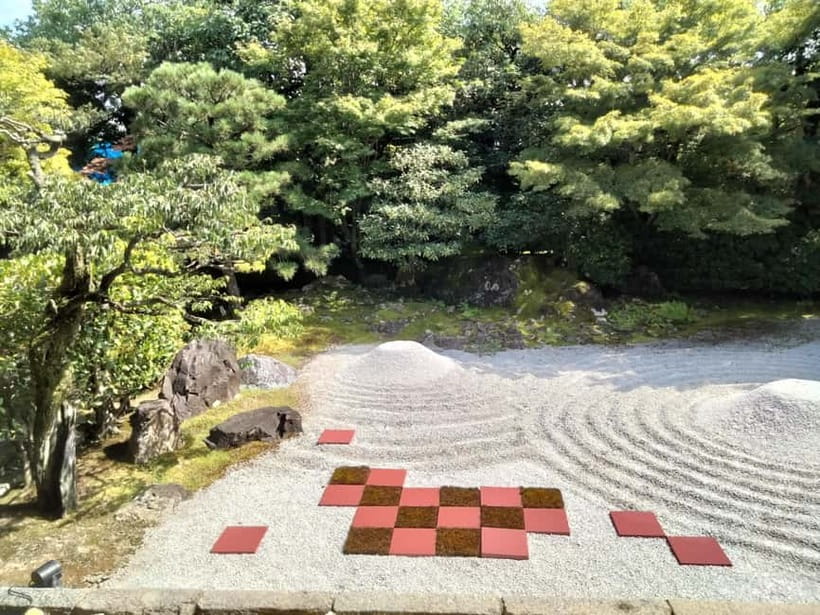
Entoku-in follows Kodaiji and receives about 25 minutes. This is a smaller, more focused temple visit, and its placement is smart. After an hour at Kodaiji, you get a shorter stop that keeps the day moving without abandoning the quieter side of Kyoto.
You should not expect the same scale as Kiyomizu-dera. That is the point. Entoku-in adds texture to the day and shows you that Kyoto’s appeal is not limited to its best-known names.
The ticket is included, so you can visit without making another admission decision. Twenty-five minutes is enough for an introduction, though anyone who likes to sit quietly in temple grounds may wish for more time.
A one-hour lunch break in Gion
Lunch comes after the first group of temple visits and lasts one hour. The meal is not included in the $102 price, so budget separately for it.
You are asked to provide dietary restrictions in advance. Do this before the tour, especially if you need specific ingredients avoided or follow a particular diet. The information supplied for this experience does not name a restaurant or set menu, so you should confirm the lunch plan with the operator before departure.
The lunch break is also a useful pause in a long walking day. You can eat, rest your feet, and ask the guide to shape the afternoon around your interests. One guide, Saya, has directed people toward a good restaurant and shopping area after the tour, which suggests she can be helpful with follow-up plans as well.
Kiyomizu-dera: the big afternoon visit
Kiyomizu-dera receives 90 minutes, the longest stop on the route. That is appropriate for one of Kyoto’s most famous temples and its broad views over the city.
The temple combines historic architecture with a dramatic hillside setting. You can expect plenty to see, from the main temple areas to the viewpoints that make this stop so popular. The site is also a UNESCO World Heritage site, which gives it particular weight for a first visit to Kyoto.
This is likely to be the busiest part of your day. The tour cannot remove the crowds, but a guide can make the visit more useful by explaining what you are seeing and helping you focus your time. If you prefer quiet corners to major viewpoints, say so early.
Ninety minutes is generous but not endless. You will want to stay aware of the meeting time, since the route continues to two smaller religious sites. The walk around Kiyomizu-dera can also be tiring, so use the lunch break well and wear supportive shoes.
Yasaka Koushindo and the wishes balls
After Kiyomizu-dera, the tour turns toward Yasaka Koushindo, a 20-minute stop with a very different visual character. The site is known for its colorful wishes balls, which give the visit an immediate splash of color and a memorable photographic detail.
This is one of the stops that makes the tour more than a standard Gion highlights walk. You may pass it without understanding its meaning if you are exploring alone, while a guide can explain the custom and the role of wishes at the temple.
Twenty minutes is enough to look around and ask questions. It is not intended as a long meditation stop. Think of it as a compact, distinctive visit that adds a fresh layer to the afternoon.
Yasui Konpiragu and the meaning of a fresh start
The final stop is Yasui Konpiragu, another 20-minute visit. This shrine is associated with breaking bad habits and seeking better relationships, giving it a personal and unusual focus.
That makes a fitting ending. The day has shown you grand temples, Shinto traditions, old streets, and small local customs. Yasui Konpiragu brings the focus back to individual hopes and change.
The shrine’s purpose may appeal to you even if you are not deeply religious. It offers a memorable example of how spiritual sites in Kyoto can be connected to very specific concerns in everyday life. Your guide can explain the custom and help you understand the symbolism without reducing it to a photo opportunity.
The tour returns to the Izumo no Okuni statue. Ending where you began is useful, especially if you want to continue exploring central Kyoto afterward.
What the $102 price really covers
At $102 per person, this is not a bargain walking tour. The value depends on how much help you want with context, route planning, and admission costs.
Three temple tickets are included: Kodaiji, Entoku-in, and Kiyomizu-dera. Yasaka Shrine, Yasaka Koushindo, and Yasui Konpiragu are also part of the route, though the supplied details do not list separate admission charges for them.
You are also paying for a 7.5-hour guide-led day. That can be worthwhile if you want to understand the difference between Kyoto’s religious traditions, learn what you are seeing, and avoid building the route yourself.
The price makes less sense if you are happy to walk independently, skip paid temples, and use your own guidebook or audio material. It also does not include lunch, so remember that the total cost will be higher than the advertised amount.
Private and small-group options improve the value for people who care about personal questions or a flexible route. Guide Yoshi has accommodated a two-hour schedule change and helped add a temple outside the planned route. That kind of flexibility is useful, but you should request special changes in advance rather than assume every guide can make them.
Who will get the most from this day
I would choose this tour for a first or second visit to Kyoto when you want Gion and Higashiyama explained in one organized day.
It suits you best if you:
- Want major sights plus smaller religious sites
- Prefer a guide to explain customs and architecture
- Like walking through historic districts rather than riding between stops
- Have limited time in Kyoto
- Want the route adjusted around places you have already seen
- Are comfortable spending most of the day on your feet
It may not suit you if you want a slow, unstructured temple day. The schedule has many stops, and the long visit at Kiyomizu-dera comes after substantial walking. Families with young children or anyone with limited walking stamina should think carefully about the pace before booking.
English and Japanese guiding are offered. The available information does not promise a particular guide, but Yoshi and Saya are named members of the guide team connected with past departures. Their flexibility and personal route choices are among the strongest reasons to consider a guided format.
Practical advice for making the day work
Wear shoes you can walk in for hours. The route includes street walking, temple grounds, and a 15-minute transfer on foot, with more walking between listed stops.
Bring water and keep your schedule open for the full 450 minutes. Do not book a tight afternoon appointment, since small delays at a temple or shrine can affect the finish time.
Tell the operator about dietary restrictions before the tour. Lunch is your responsibility, and the meal plan is not specified in advance.
If you have already visited one of the major sights, say so at the meeting point. Saya has adjusted a route to avoid places already seen, and Yoshi has helped add a temple that was not part of the regular plan. These examples do not guarantee a change, but they show why speaking up can improve the day.
The tour allows cancellation up to 24 hours before departure for a full refund, and you can reserve now and pay later. Those terms help if your Kyoto schedule is still shifting.
Should you book the Gion Highlights and Hidden Treasures tour?
Book it if you want a full, guided introduction to Gion, Kodaiji, Entoku-in, and Kiyomizu-dera, with smaller stops that add character to the route. The included temple tickets, long guide time, and chance of personal route changes make the $102 price reasonable for someone who values explanation and structure.
Skip it if you prefer wandering at your own speed, want a quiet temple morning, or already know the Gion and Kiyomizu-dera area well. This is a full walking day, not a light orientation stroll.
For most first-time visitors who want Kyoto’s famous sights placed in cultural context, I would consider it a strong choice. Just bring good shoes, plan for lunch, and tell the guide what you have already seen.
FAQ
Where does the tour meet?
Meet in front of the statue of Izumo no Okuni at the east end of the Shijo Ohashi bridge.
How long does the tour last?
The tour lasts 450 minutes, or 7.5 hours.
Which languages are available?
Live guiding is available in English and Japanese.
Is lunch included?
No. Lunch is not included, and you should provide any dietary restrictions in advance.
Which admission tickets are included?
Entry tickets to Kodaiji Temple, Entoku-in Temple, and Kiyomizu-dera are included.
Is this a private tour?
Private and small-group options are available.
Can I cancel for a refund?
Yes. You can cancel up to 24 hours in advance for a full refund.
Can I reserve without paying today?
Yes. The reserve-now, pay-later option lets you hold a place without paying immediately.
Recently added around Kyoto
- Higashiyama | Kyoto: Sakura Season Private Rickshaw Tour★ 5.0 · 3 reviews
- Kyoto Kimono Rental CHAMATSU|Kimono/Yukata Rental FamilyPlan★ 5.0 · 3 reviews
- Kyoto: Half-Day Private Guided Tour to the Old Town of Gion★ 4.4 · 3 reviews
- Nara Private Customizable Half Day Tour★ 5.0 · 3 reviews
- Kansai Region Hiking Adventure in Nara Kobe Kyoto and More★ 5.0 · 3 reviews
- Full Day Nara Deer, Temple, Shrine, Activities & Tea Ceremony★ 5.0 · 3 reviews
- Nara: Essential Private Tour with Deer Park and Temples★ 5.0 · 3 reviews
- Photo Shoot with a Private Vacation Photographer in KYOTO, JAPAN★ 5.0 · 3 reviews
Gion Geisha District Tours, compared.

Kyoto Geisha Walking Tour: Gion District & Hidden Gems
Read our review →
Gion Magical Night Walking Tour with Geisha Trivia
Read our review →
Gion Geisha District Walking Tour – Stories of Geisha
Read our review →
Best of Kyoto: Gion, Geisha, Pagodas & Cobblestones
Read our review →

Kyoto Night Foodie Tour in Gion (9+ dishes + 6 Sake tastings)
Read our review →
Kyoto Gion Geisha District Walking Tour – The Stories of Geisha
Read our review →
Kyoto Gion: 2-Hour Geisha Culture & History Walking Tour
Read our review →Browse the lists this tour appears in