
REVIEW · GION GEISHA DISTRICT TOURS
Kyoto: Gion Hidden Gems & Geisha Culture Tour
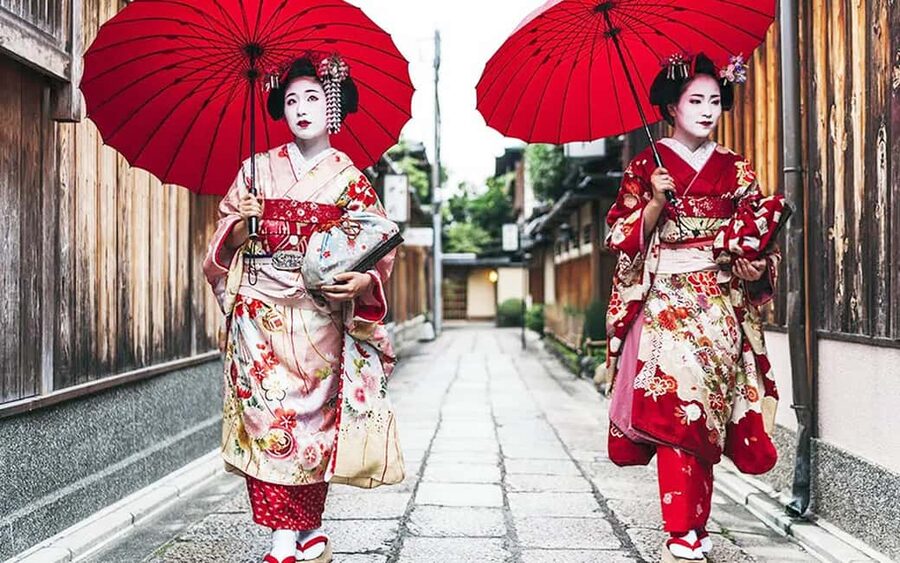
Gion’s appeal comes alive in the small details: willow trees beside the Shirakawa Canal, stone lanes, wooden townhouses, and the quiet rush of a geisha heading to an evening appointment. This two-hour walk gives you a useful introduction to that world without asking you to pay for a costly dinner or formal cultural performance. I especially like the route through lesser-used backstreets and the chance to learn about geiko, maiko, kimono, hair, and dance from a local English-speaking guide.
I also like that the walk links several major Kyoto sights, including a 1,000-year-old shrine, with places you might pass without understanding. Guides such as Uta, Takumi, Dan, Mai, Wajid, and Alex have been praised for clear explanations, good pacing, and restaurant suggestions. The trade-off is pace: fitting this much into two hours means plenty of walking and fairly brisk stops, and a geisha sighting can never be promised.
In This Review
- Key points to know before you book
- Why Gion is best understood on foot
- Gion Shirakawa and the Shirakawa Canal
- Tatsumi-jinja, a small shrine with a local feel
- Yasaka Shrine and Kyoto’s public face
- Edo-period townhouses and the lanes toward Ninenzaka
- Hōkan-ji Temple and the famous pagoda view
- Yasui Kompira-Gu and a different kind of shrine visit
- Hanamikoji Street and the world of geiko and maiko
- How the guides shape the experience
- The $23 price and what you receive
- Weather, walking, and who should book
- Should you book the Gion walking tour?
- FAQ
- Where does the tour meet?
- How long does the tour last?
- What language is the tour conducted in?
- Does the tour include a geisha sighting?
- What places does the route visit?
- Can I take photographs?
- What should I bring?
- Does the tour run in the rain?
- Is the tour suitable for wheelchair users?
- Can I cancel for a refund?
Key points to know before you book
- Start beside the McDonald’s at Shijo Ohashi: Look for the guide holding a Local Guide Stars sign, since the restaurant entrance can be crowded.
- Begin beside the Shirakawa Canal: Willow trees, tea houses, water, and stone paths make this one of Gion’s prettiest introductions.
- Visit Tatsumi-jinja and Yasaka Shrine: The shrines add religious and local context to the polished tea-house streets.
- Walk through old Kyoto: Ninenzaka, Hōkan-ji Temple, and Edo-period wooden townhouses bring the city’s older architecture into focus.
- Finish on Hanamikoji Street: This is the best point to learn about geisha culture and possibly see a geiko or maiko on the move.
- Bring proper walking gear: Comfortable shoes, water, sunscreen, and rain protection matter. The route is not suitable for wheelchair users or people with mobility impairments.
Why Gion is best understood on foot
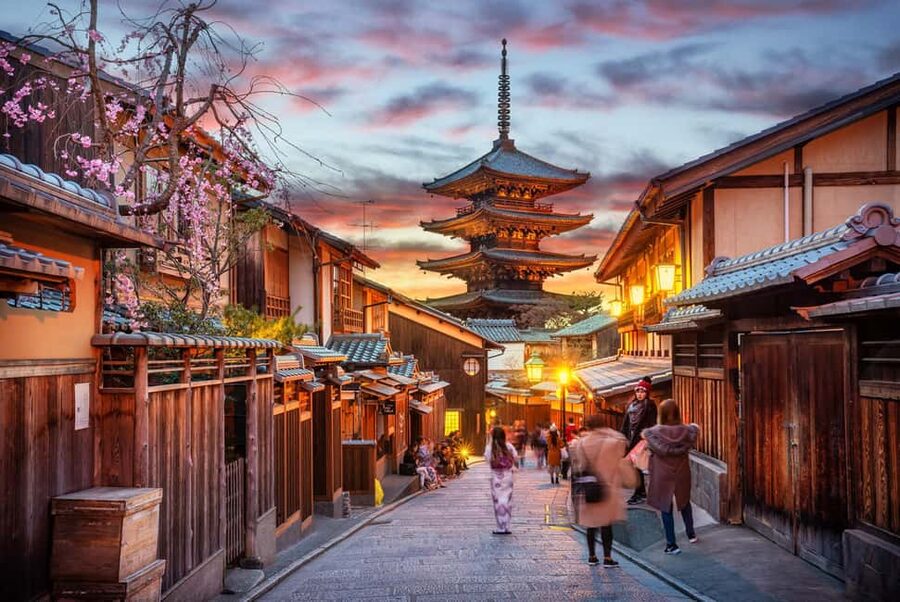
Gion can look like a beautiful stage set when you first arrive. You see dark wooden facades, tiled roofs, lanterns, and narrow lanes, but the district makes much more sense when someone explains what you are looking at.
This tour focuses on that explanation. You are not simply taken from one photo stop to another. The guide points out how the streets connect, why certain shrines matter, and how the entertainment district developed around tea houses and traditional arts.
I find a walking tour particularly useful here because many of Gion’s worthwhile details sit away from the broad roads. A guide can turn you toward a quiet lane, pause beside an old building, or explain why a small shrine deserves attention. Several people who took the tour with children also found the guides patient and clear, though the pace still requires everyone to keep moving.
The route covers a lot in two hours. That makes it a strong first look at Gion, but not a slow architectural study. You will get short explanations at several places rather than a long visit inside each one.
More evenings in Gion:
- Kyoto Geisha Walking Tour: Gion District & Hidden Gems
★ 4.7 · 3,273 reviews - Kyoto: Gion Magical Night Walking Tour with Geisha Trivia
★ 4.9 · 2,393 reviews - Kyoto: Gion Geisha District Walking Tour – Stories of Geisha
★ 4.7 · 2,187 reviews
Gion Shirakawa and the Shirakawa Canal
The meeting point is beside the McDonald’s at Shijo Ohashi, at 105-1 Hashimoto-cho, Shimogyo-ku. The guide waits at the side of the restaurant with a Local Guide Stars sign, not necessarily right in front, where the entrance can be crowded.
From there, the walk moves toward Gion Shirakawa. This riverside stretch is one of Kyoto’s most photogenic areas, with willow trees, traditional tea houses, stone-paved paths, and the canal running alongside the route.
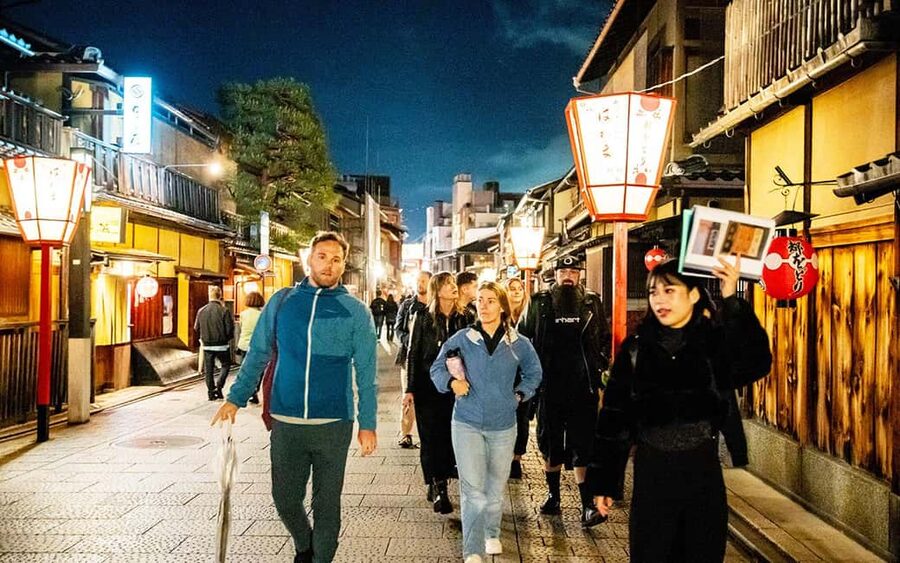
The setting is attractive at any time, but later departures can give it a quieter feel. One evening group found the lanes nearly empty, and another described a late walk as especially atmospheric. Still, evening conditions vary, and you should not book only for a peaceful street or a geisha sighting.
At the canal, your guide helps you notice the relationship between the waterway and the old buildings. The short photo stop is not a major sightseeing visit, but it sets the tone for the rest of the walk. You begin with Kyoto’s visual charm, then move into its religious and cultural background.
Tatsumi-jinja, a small shrine with a local feel
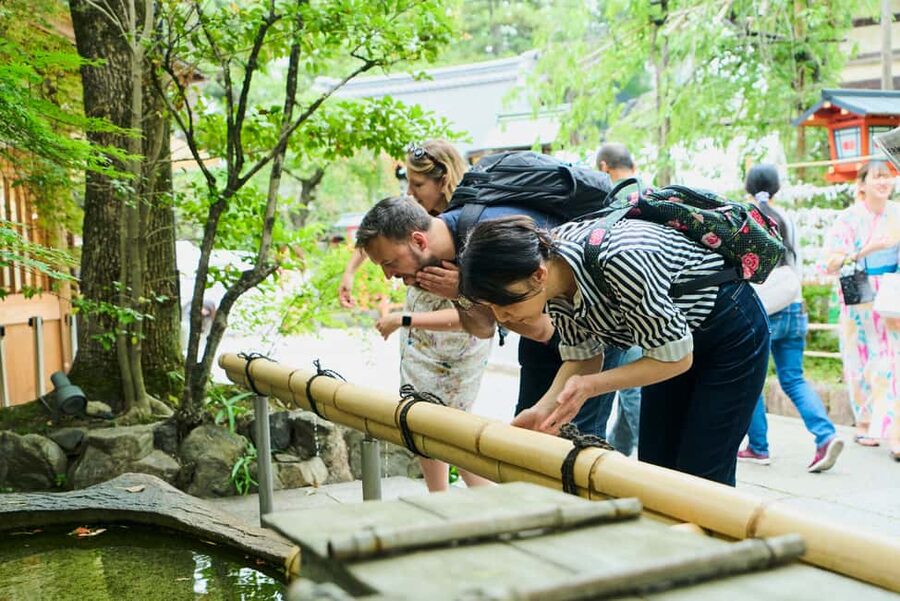
Tatsumi-jinja Shrine is one of the more intimate stops. It gives you a break from the better-known sightseeing names and shows how a small place of worship can fit into Gion’s daily life.
The guide leads you through the site and explains its role in the district. This is the kind of stop that can be easy to miss when you explore alone. You may see the shrine, take photographs, and continue within a few minutes, but the explanation gives it meaning.
Photography is allowed, but flash photography is not permitted inside temples. It is best to keep your camera ready without turning the walk into a constant photo session. Gion rewards looking up at roofs, down side lanes, and across doorways as much as taking a picture.
Yasaka Shrine and Kyoto’s public face
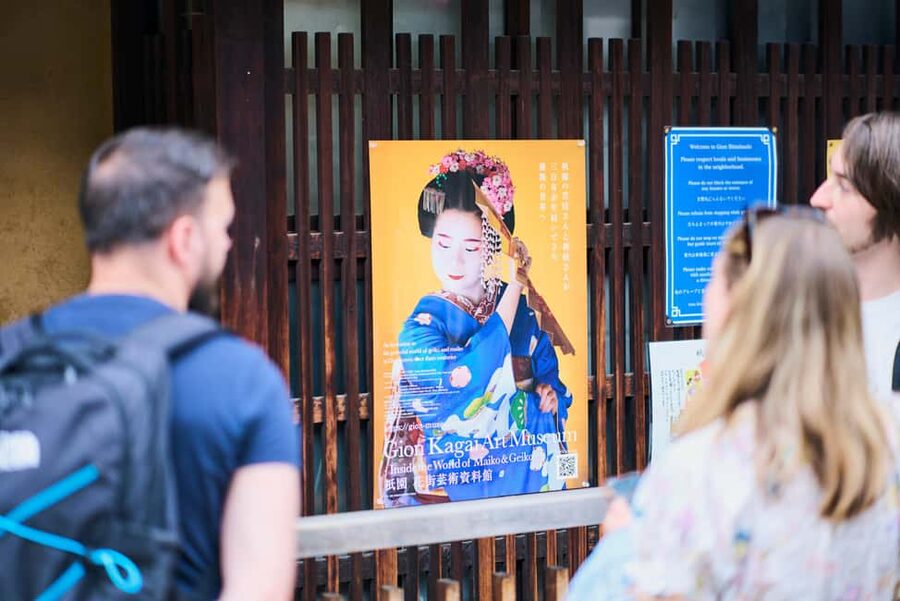
Yasaka Shrine is a larger and more recognizable religious site on the route. It adds a sense of scale after the quieter canal and Tatsumi-jinja.
You visit with the guide rather than rushing past the entrance. The stop helps place Gion within Kyoto’s wider cultural life, and guides use it to explain historical details and Japanese terms in plain English. Wajid, for example, was praised for breaking down Japanese words and answering questions carefully, while Kenta was singled out for explaining Japan’s history and geisha culture.
The exact amount of time at Yasaka Shrine depends on the group and walking conditions. Since the full route also includes Ninenzaka, Hōkan-ji, Yasui Kompira-Gu, and Hanamikoji Street, this is not a long temple visit. If you want extended time for worship, photography, or a full look around the grounds, plan a separate visit.
A completely different side of Kyoto:
- PERFECT KYOTO 1-Day Bus Tour
★ 5.0 · 13,518 reviews - Kyoto: Fushimi Inari, Kinkakuji, Bamboo Grove 1 Day Bus Tour
★ 4.8 · 4,316 reviews - Kyoto: Tea Ceremony in a Traditional Tea House in Kiyomizu
★ 4.9 · 3,519 reviews - Kyoto: Tea Ceremony Ju-An at Jotokuji Temple
★ 4.9 · 3,207 reviews
Edo-period townhouses and the lanes toward Ninenzaka
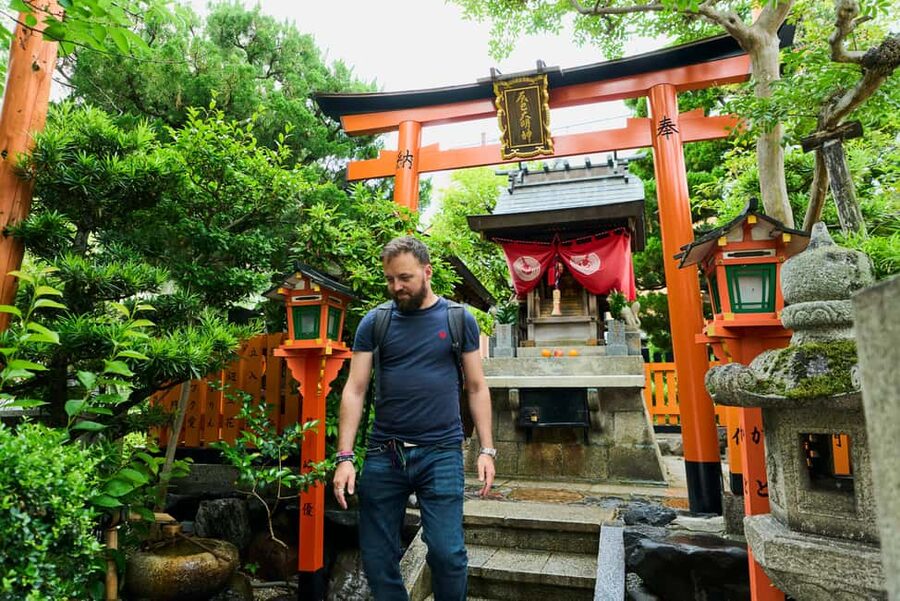
The walk continues through quiet lanes and past wooden townhouses dating from the Edo period. These buildings are among the most useful parts of the experience because they show what old Kyoto looked like beyond its headline attractions.
The charm is in the street scale. Narrow fronts, timber details, tiled roofs, and carefully kept facades make the area feel different from modern Kyoto. You also get a better sense of how the district is arranged, with tourist routes crossing older residential and entertainment areas.
Ninenzaka brings more visitors and a more recognizable Kyoto scene. Its sloping lanes and traditional buildings are popular for good reason, but the path can become crowded. The guide helps you move through it and explains what you are seeing instead of leaving you to negotiate the street alone.
One practical point: you should wear shoes that handle uneven or sloping surfaces comfortably. The walk includes stone paths and substantial time on foot. Takumi’s groups appreciated the amount covered, but one person noted that his pace was quick because the route has to fit into two hours.
Hōkan-ji Temple and the famous pagoda view
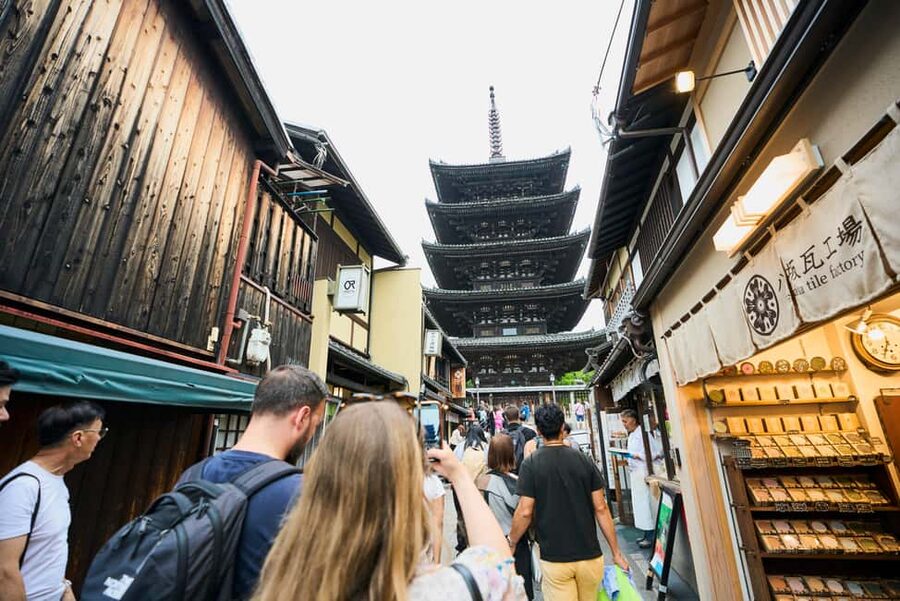
Hōkan-ji Temple, often identified by its Yasaka Pagoda, is one of the route’s strongest photo stops. The pagoda rises above the traditional streets and gives you the classic old Kyoto view many people hope to see.
The guide explains the setting and helps you understand how the temple area connects with Ninenzaka and the lanes leading toward Kiyomizu-dera. You pass by and stop for photographs rather than taking part in a long temple visit, so this is best treated as an architectural and street scene.
Crowds can affect the experience. The area may be quieter during a late departure, but the tour takes place in public streets where conditions change. Your guide can help you find the best angle and keep the group together, but cannot clear the road for a photograph.
Yasui Kompira-Gu and a different kind of shrine visit
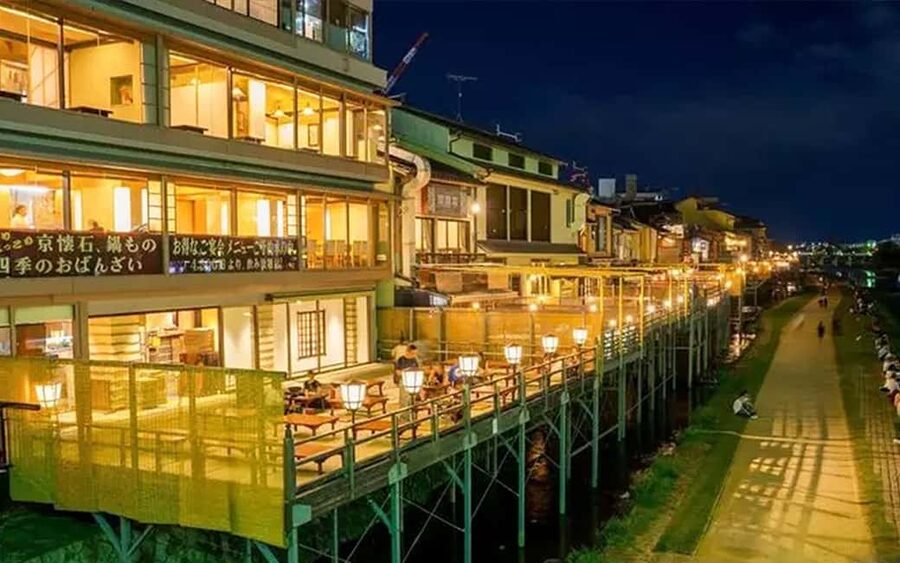
Yasui Kompira-Gu provides another change of mood. This shrine is known for a distinctive stone associated with severing bad connections and forming better ones. The supplied tour details confirm the visit, while the guide supplies the cultural explanation that makes the stop worth your time.
As with the other shrines, you should expect a short guided visit, not a private ceremony or extended religious experience. The value is in seeing a place that many independent walkers might overlook and learning how local beliefs appear in everyday Kyoto.
This is also a point where questions can improve the tour. Guides such as Uta and Alex were praised for answering questions and adding stories around the sites. If you want to understand the difference between a shrine and a temple, ask. The tour is designed for that kind of conversation.
Hanamikoji Street and the world of geiko and maiko
The walk ends on Hanamikoji-dori, the heart of Gion’s geisha district. This is where the tour’s central subject comes together: the training, work, clothing, dance, and formal behavior of geiko and maiko.
In Kyoto, geiko is the local term for a professional entertainer often called a geisha elsewhere in Japan. Maiko are apprentices in that tradition. Your guide explains the strict training involved, the graceful dances, and the craft behind the elaborate kimono and hairstyles.
The experience is most useful when it replaces vague stereotypes with practical detail. You learn that the appearance is not a costume put on for passing tourists. It reflects years of training, specialized arts, and a carefully maintained professional culture.
You might see a geiko or maiko walking to an evening engagement. Several groups did see one, and that can be a memorable moment. But the tour promises only a chance, not a guaranteed appearance. If someone passes by, respectful behavior matters. Do not block the lane, touch clothing, use flash, or treat a working person like a street performer.
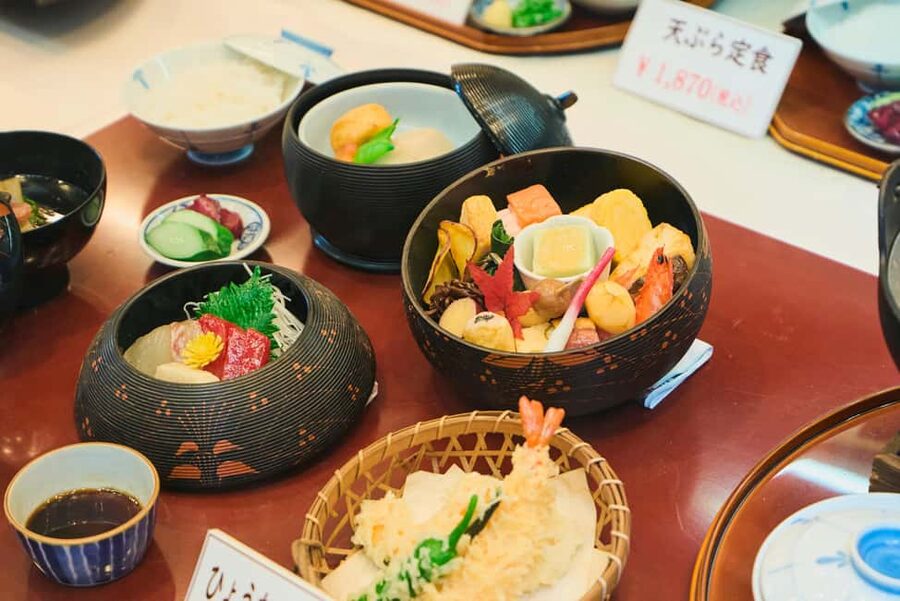
Hanamikoji is also a good place to continue your evening. Guides have offered restaurant suggestions, including recommendations for local food and places to eat after the walk. The tour does not include dinner, so these tips can add real value if you are still deciding where to go.
How the guides shape the experience
The tour is sold with an English-speaking local guide, and the guide makes a major difference. Recent guide names include Isako, Amane, Oliver, Mai, Dan, Noa, Ukyo, Uta, Wajid, Kenta, Alex, Takumi, Nicolas, Vera, and Alexander.
You should not expect the same person on every departure. What you can reasonably expect is a live guide who explains the stops, leads the group through the lanes, and answers questions in English. The strongest praise has focused on clear speech, cultural explanations, friendly energy, and a pace that keeps the group moving.
Noa was appreciated for waiting until everyone caught up before beginning an explanation. Takumi was praised for keeping a large group engaged, while Uta received repeated praise for warmth, storytelling, and working well with children. Dan was noted for historical detail and useful restaurant advice.
That range matters because this is not an audio guide. You are paying for interpretation and local direction. If your guide is energetic and attentive, the two hours can feel full and personal. If you prefer to linger silently at each shrine, this format may feel rushed.
The $23 price and what you receive
At $23 per person, this is a modestly priced introduction to one of Kyoto’s most visited districts. The fee covers the two-hour walk and an English-speaking local guide, not meals, transport, entrance fees, or a geisha performance.
I think the price works best for a first day in Kyoto. You get a map in your head, a basic understanding of Gion, and ideas for where to return on your own. The restaurant suggestions can also help you make use of the rest of the evening.
The value is less obvious if you already know Gion well or plan to spend several days exploring the same lanes independently. You are also covering many locations quickly. Still, the combination of cultural explanation, small shrines, old streets, and local recommendations gives the tour more substance than a simple photo walk.
Free cancellation up to 24 hours before the start and the option to reserve now and pay later make it easier to fit into a changing Kyoto schedule. Check available departure times when booking, since the best timing depends on whether you want daytime views or an evening walk.
Weather, walking, and who should book
The tour runs in the rain, so bring an umbrella or raincoat. Water and sunscreen are sensible in warm weather, and comfortable walking shoes are essential in every season.
The route is not suitable for wheelchair users or people with mobility impairments. You walk between multiple shrines, streets, and viewpoints, and the route includes stone-paved paths and sloping lanes.
I would recommend it to first-time Kyoto visitors, couples, families with older children, and anyone curious about geisha culture but not ready to book an expensive evening meal. It also suits you if you want a guide to explain what you are seeing without spending half a day on one attraction.
I would be more cautious if you want a slow pace, extensive temple interiors, or a guaranteed geisha encounter. You should also consider the weather, your walking ability, and how comfortable you are moving with a group through crowded streets.
Should you book the Gion walking tour?
Book it if you want a compact, affordable introduction to Gion that combines famous views with smaller shrines and side lanes. The strongest reasons are the guides’ clear cultural explanations, the carefully varied route, and the useful advice for continuing your evening.
Choose a late departure if you prefer cooler streets and a better chance of seeing Gion in its working atmosphere, but keep expectations realistic. A geiko or maiko sighting is a bonus, not the main product.
Skip it if you already have a detailed plan for every stop or need step-free access. For most first-time visitors, though, $23 buys a helpful orientation to Kyoto’s old entertainment district, with enough historical and cultural context to make a later independent walk far more rewarding.
FAQ
Where does the tour meet?
Meet beside the McDonald’s Shijo Ohashi store at 105-1 Hashimoto-cho, Shimogyo-ku, Kyoto-shi, Kyoto. The guide waits at the side of the restaurant and holds a Local Guide Stars sign.
How long does the tour last?
The walking tour lasts two hours.
What language is the tour conducted in?
The tour is conducted in English by a live local guide.
Does the tour include a geisha sighting?
The tour gives you a chance to see a geiko or maiko, especially near Hanamikoji Street, but a sighting is not guaranteed.
What places does the route visit?
The route includes Gion Shirakawa and the Shirakawa Canal, Tatsumi-jinja Shrine, Yasaka Shrine, Ninenzaka, Hōkan-ji Temple, Yasui Kompira-Gu Shrine, and Hanamikoji-dori.
Can I take photographs?
Photography is allowed. Flash photography is not permitted inside temples.
What should I bring?
Bring comfortable walking shoes, water, and sunscreen. For rainy weather, bring an umbrella or raincoat.
Does the tour run in the rain?
Yes. The tour takes place in rainy weather, so suitable rain protection is important.
Is the tour suitable for wheelchair users?
No. The tour is not suitable for wheelchair users or people with mobility impairments.
Can I cancel for a refund?
You can cancel up to 24 hours in advance for a full refund. You can also reserve now and pay later to keep your plans flexible.
Recently added around Kyoto
- Higashiyama | Kyoto: Sakura Season Private Rickshaw Tour★ 5.0 · 3 reviews
- Kyoto Kimono Rental CHAMATSU|Kimono/Yukata Rental FamilyPlan★ 5.0 · 3 reviews
- Kyoto: Half-Day Private Guided Tour to the Old Town of Gion★ 4.4 · 3 reviews
- Nara Private Customizable Half Day Tour★ 5.0 · 3 reviews
- Kansai Region Hiking Adventure in Nara Kobe Kyoto and More★ 5.0 · 3 reviews
- Full Day Nara Deer, Temple, Shrine, Activities & Tea Ceremony★ 5.0 · 3 reviews
- Nara: Essential Private Tour with Deer Park and Temples★ 5.0 · 3 reviews
- Hiking Tour for Sacred Sites in Kyoto with a Guide★ 5.0 · 3 reviews
Gion Geisha District Tours, compared.

Kyoto Geisha Walking Tour: Gion District & Hidden Gems
Read our review →
Gion Magical Night Walking Tour with Geisha Trivia
Read our review →
Gion Geisha District Walking Tour – Stories of Geisha
Read our review →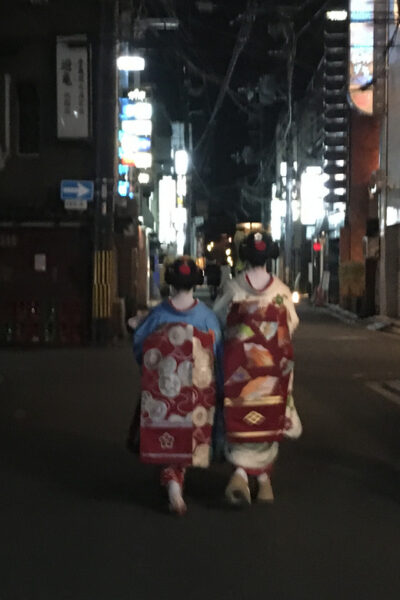
Best of Kyoto: Gion, Geisha, Pagodas & Cobblestones
Read our review →

Kyoto Night Foodie Tour in Gion (9+ dishes + 6 Sake tastings)
Read our review →
Kyoto Gion Geisha District Walking Tour – The Stories of Geisha
Read our review →
Kyoto Gion: 2-Hour Geisha Culture & History Walking Tour
Read our review →Browse the lists this tour appears in