
REVIEW · FUSHIMI INARI SHRINE TOURS
Kyoto: Fushimi Sake District Tour with Boat Ride
Fushimi’s best moments come when the streets quiet down and the old sake canals take over. This half-day tour brings together a traditional Jikkoku-bune boat ride and a visit to Gekkeikan Ōkura Sake Museum, so you get both the scenery and the drinking culture that made this Kyoto district famous. I like the calm opening at a local temple, and I like the final coffee stop in a restored Meiji-era building. The main drawback is pace: some time may go into waiting and transitions, and the planned stops add up to less than the full 210-minute duration.
I also like that the guide is not limited to brewing facts. Katsuhiko, named in one especially positive account, explained Kyoto’s wider past as well as the origins of sake. Bring comfortable shoes, cash, and patience for a tour that mixes walking, scheduled transport, tasting, and pauses rather than running from sight to sight.
In This Review
- Key details before you book
- Why Fushimi is a smart place to learn about sake
- Starting at Chushojima Station
- The quiet temple and a slower first stop
- Riding the Jikkoku-bune through Fushimi
- Inside Gekkeikan Ōkura Sake Museum
- Coffee in a restored Meiji-era building
- What the guide adds to the experience
- Timing, cost, and practical value
- Who will enjoy this Fushimi outing
- Should you book the Fushimi sake and boat tour?
- FAQ
- Where does the tour meet?
- How long does the experience last?
- Is an English-speaking guide included?
- What does the tour include?
- Is the boat ride included?
- Which sake museum do you visit?
- Is coffee included at the end?
- Is the tour suitable for people with mobility or health concerns?
Key details before you book
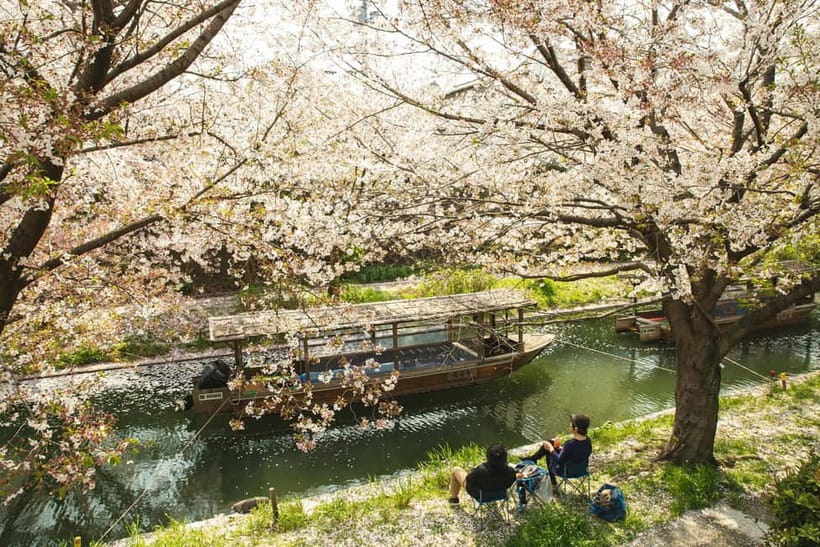
- A canal cruise with working-history roots: The Jikkoku-bune once carried sake barrels along Fushimi’s waterways.
- Gekkeikan tasting is the central cultural stop: You’ll see old brewing tools and sample several types of sake.
- A quiet temple starts the morning gently: This is a good counterpoint to Kyoto’s better-known crowded sights.
- Coffee comes in a restored Meiji-era building: The final pause gives the tour a slower, more reflective finish.
- English guidance adds wider Kyoto context: Katsuhiko has been singled out for explaining more than sake alone.
- The tour suits walkers who can manage stairs and ordinary street movement: It is not designed for people with mobility, heart, or respiratory concerns.
Why Fushimi is a smart place to learn about sake
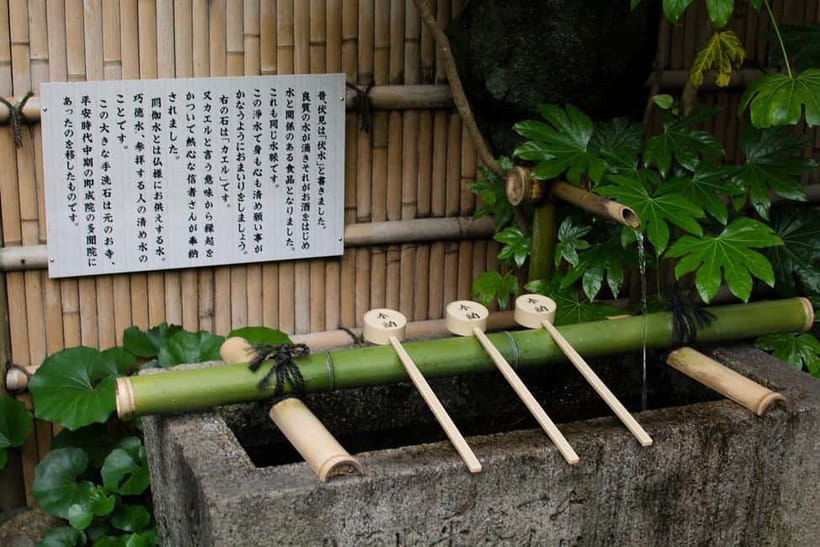
Fushimi is not just a brewery district with a museum attached. Its canals, warehouses, temples, and spring water all help explain why sake became central here. The waterways once helped move barrels, while the area’s water supported brewing. On foot, you get a clearer sense of how production and transport fit into the neighborhood.
That setting gives this tour an advantage over a tasting held in a city-center bar. You are not only sampling a drink. You are seeing the old streets and canals connected to it, then hearing how the trade shaped local life. The experience remains modest and local in scale, which is part of its appeal.
At $54 per person, the price is reasonable if you value a guide, boat fare, museum entry, sake tasting, and a planned coffee break in one outing. It is less compelling if your only goal is to taste sake as cheaply as possible. You could seek out a bottle shop or bar on your own, but you would miss the neighborhood context and the boat ride.
The 210-minute length works well as a half-day plan. You can use it in the morning or afternoon, depending on the available starting time, and still leave room for another Kyoto sight. Just remember that the overall duration includes walking, boarding, waiting, and moving between stops. One account found the inactive periods noticeable, so this is not a tightly packed sightseeing sprint.
More ways to walk Fushimi Inari:
- Kyoto: Fushimi Inari, Kinkakuji, Bamboo Grove 1 Day Bus Tour
★ 4.8 · 4,316 reviews - Fushimi Inari Hidden Hiking Tour (Private Option Available)
★ 5.0 · 1,750 reviews - Kyoto/Osaka: Nara, Fushimi Inari Taisha, Arashiyama Bus Tour
★ 4.7 · 1,275 reviews
Starting at Chushojima Station
You meet at the north exit of JR Chushojima Station. Look for a guide wearing a TripGuru shirt or holding a TripGuru sign. This is one detail worth taking seriously, since a busy station exit is not the place to guess.
The station meeting point also shapes the tour in a useful way. You begin in the district itself rather than spending part of the experience on a long ride from central Kyoto. Once you meet the English-speaking guide, the outing proceeds mostly on foot, by boat, and through the local attractions.
Wear shoes you can walk in comfortably. The tour includes streets, temple grounds, museum rooms, and the route to the boat station. People with mobility impairments may find the combination difficult, and the activity is also listed as unsuitable for pregnant women and people with heart or respiratory problems.
If you like tours that begin with a quick orientation, you should appreciate the guide’s role here. The strongest guiding style on this outing connects individual sights to the larger story of Kyoto. Katsuhiko was especially praised for doing that, explaining Kyoto’s past alongside the development of sake.
The quiet temple and a slower first stop
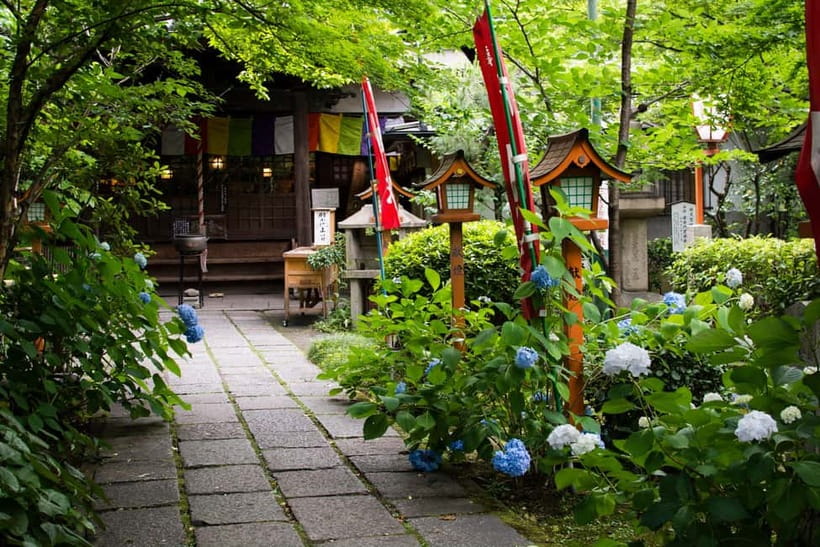
The first visit is a lesser-known local temple with an elegant wooden gate and peaceful grounds. The supplied schedule allows about 35 minutes for the guided visit, enough for an introduction rather than an exhaustive temple study.
I like this choice because it keeps the tour from opening with a tasting counter. You first get a quiet place to settle into Fushimi’s mood. The temple offers a pause from Kyoto’s more famous packed attractions, and its wooden architecture gives the guide a setting for discussing local customs and the district’s past.
Do not book this tour expecting a major temple complex with a long list of headline buildings. The appeal here is quiet atmosphere, not a bucket-list monument. If you need constant action, this opening may feel slow. If you enjoy taking in a gate, a courtyard, and the sound of an ordinary neighborhood, it is a fine start.
This is also where a good guide can make a real difference. The site itself may not require much explanation, but its place in the wider Kyoto story does. A guide who links the temple, the canals, and sake production helps the stops feel like parts of one neighborhood rather than unrelated appointments.
Riding the Jikkoku-bune through Fushimi
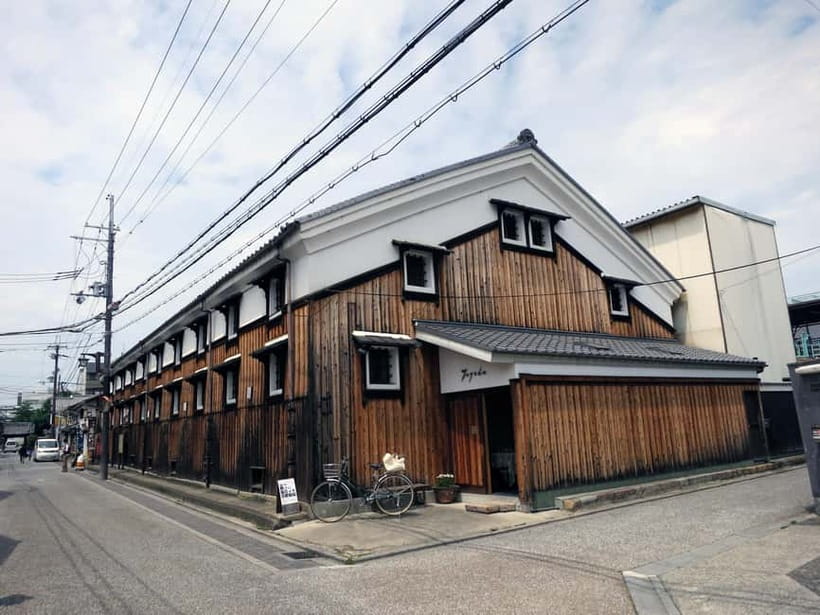
The boat cruise is the tour’s most distinctive feature. You board a traditional Jikkoku-bune for a gentle ride along Fushimi’s historic canals. The scheduled boat segment, including sightseeing and guidance, takes about an hour.
These waterways once served practical transport needs, including the movement of sake barrels. Today, the view is much calmer. Willow trees, stone bridges, and old warehouses line the route, giving you a look at Fushimi from water level that you cannot get by simply walking past the canal.
This is not an adventure ride. The appeal is the quiet pace and the chance to look closely. You will want your camera ready, but leave room to watch the banks rather than turning the whole ride into a photo task. The canal setting provides the strongest connection between Fushimi’s working past and its present-day charm.
The boat portion can also affect the day’s rhythm. Boarding times are fixed, and some waiting may be part of the experience. One less positive account felt that too much of the total outing went into waiting and travel. I would not treat that as a reason to reject the tour, but I would choose it for atmosphere rather than maximum sightseeing efficiency.
The boat ride is especially valuable for anyone who wants a break from walking. You remain part of the tour, but the pace changes. After the temple, you can sit back and watch the old district pass by. That contrast is one of the outing’s best features.
More Fushimi sake breweries:
- 3-Hour Kyoto Insider Sake Brewery Tour with Tastings & Pairings
★ 5.0 · 917 reviews - Arashiyama Bamboo, Temple, Monkeys, or Secret Sake Brewery
★ 4.8 · 886 reviews - Kyoto: Insider Sake Brewery Tour with Sake and Food Pairing
★ 5.0 · 704 reviews - Kyoto Sake Brewery & Tasting Walking Tour
★ 5.0 · 623 reviews
Inside Gekkeikan Ōkura Sake Museum
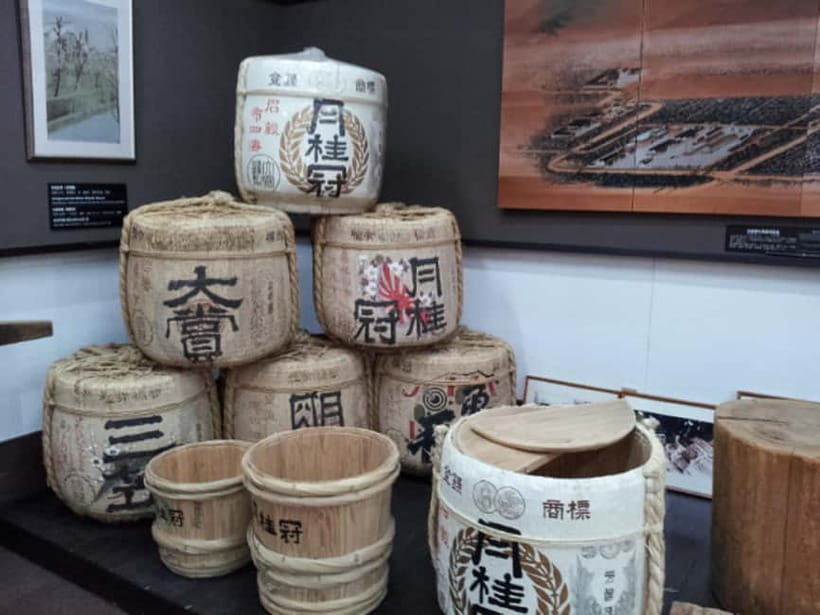
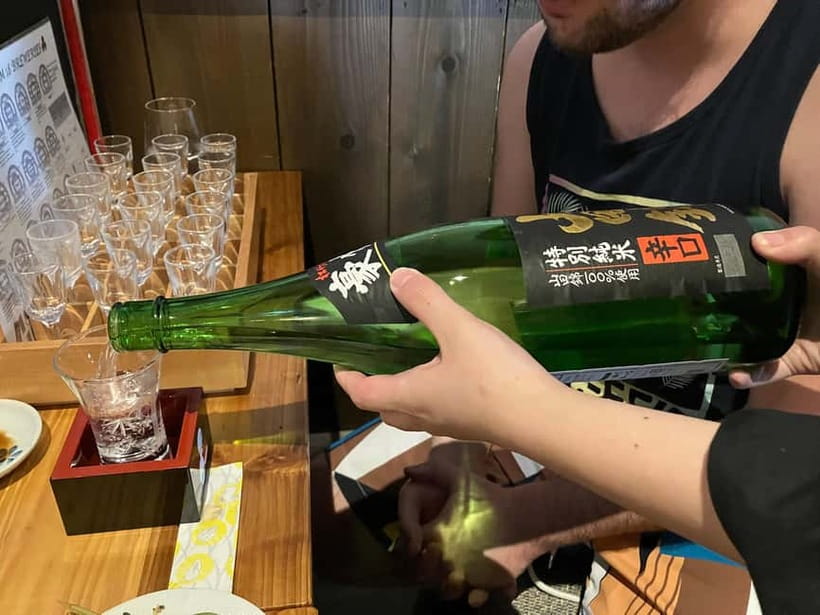
The Gekkeikan Ōkura Sake Museum receives about 55 minutes on the schedule. This is the most information-heavy part of the tour, with vintage tools, exhibits, brewing explanations, and a tasting of premium sake made with Fushimi spring water.
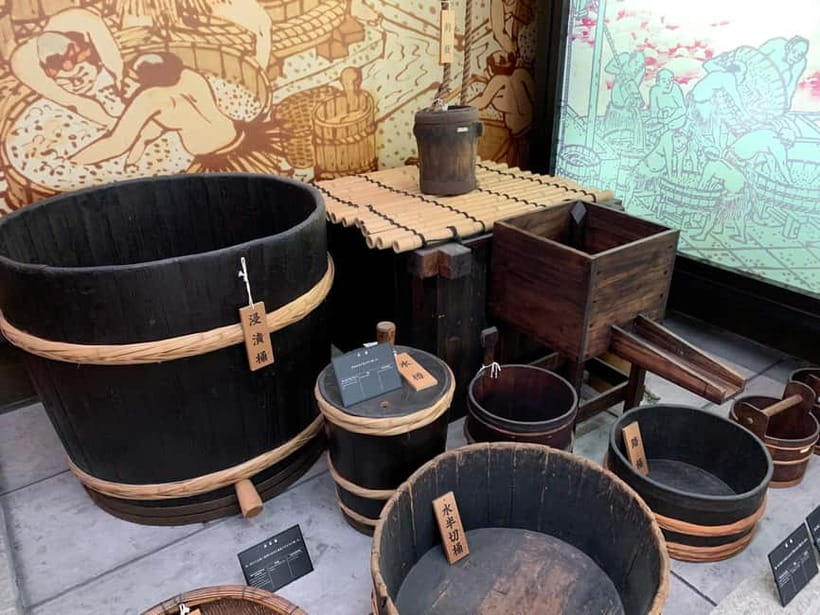
The museum helps you understand that sake is not simply a clear drink poured into a small cup. Traditional brewing depends on water, rice, timing, and careful handling. Seeing the older equipment gives those ideas a physical shape. You are looking at the tools once used to turn local ingredients and skill into a product that could be shipped through the canals.
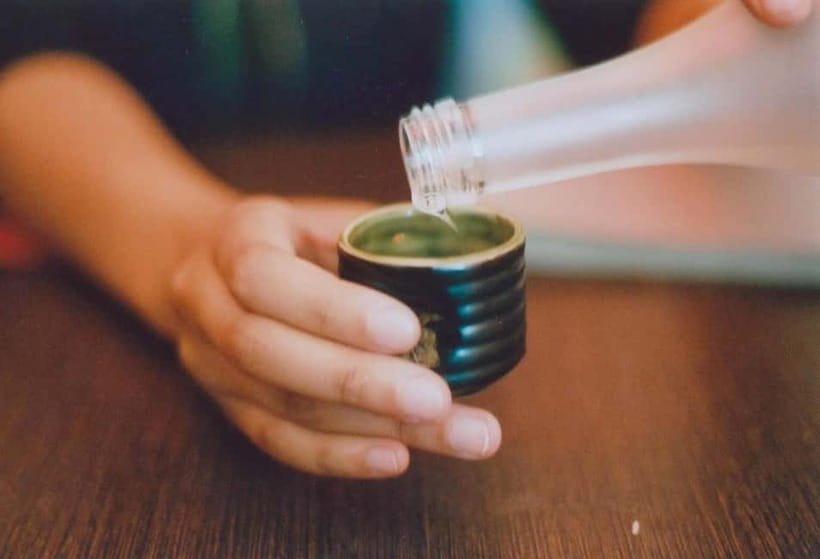
The tasting is included, and several types of sake may be presented. That makes the stop more useful than a single sample. You can compare styles and decide what you actually enjoy, rather than assuming that all sake tastes alike. If one sample suits you, the museum is also a natural place to buy a bottle for later. Darya specifically found a favorite and took a bottle home.
Drink at your own pace. The tasting is a part of a guided cultural visit, not an excuse to rush through several glasses. If you are new to sake, ask the guide to explain what you are tasting. English guidance is included, and the better guides add context about how brewing fits into Kyoto’s past.
The museum is housed in a historic building, which adds to the sense of place. You are not examining displays in a generic modern room. The building, tools, water, canals, and finished drink all point back to Fushimi.
There is one practical limit. If you do not drink alcohol, or you want a long technical workshop on brewing, this stop may feel brief. The schedule gives you an overview and tasting, not an advanced class. Personal expenses are not included, so allow cash if you hope to purchase a bottle or other items.
Coffee in a restored Meiji-era building
The tour ends with a 30-minute coffee break at a café in a restored Meiji-era building. This is a small detail, but it gives the afternoon a proper landing. After the museum’s exhibits and tasting, you get time to sit, drink a locally roasted coffee, and look back over the route.
The café stop also broadens the experience beyond sake. Fushimi is not presented as a museum district frozen in the past. You see an old building used for a present-day break, much as the canals now serve sightseeing rather than barrel transport.
Do not expect a full meal. The scheduled purpose is coffee and reflection, so plan other food separately if you need lunch. Still, the pause has real value. Many short tours end the moment the final attraction is over, leaving you to find your way out while still sorting through what you saw. Here, the day closes at an unhurried pace.
What the guide adds to the experience
This tour depends heavily on its guide. The route itself is pleasant, but the meaning of the temple, canal, museum, and café comes through best when someone links them together.
Katsuhiko received particularly strong praise for explaining Kyoto as a whole, not only sake. That is the kind of guiding I would want here. Sake facts alone can become a string of dates and brewing terms. Kyoto context makes the district easier to remember and gives the canals and old warehouses a reason to matter.
The activity is offered with an English-speaking guide, and private or small-group formats are available. A smaller group can make it easier to ask questions during the museum visit and tasting. The exact feel will depend on the group arrangement you choose, but the format is more personal than a large coach excursion.
There is also a warning for expectations. One account found the tour less informative and noted long gaps between active parts. That may reflect the guide, timing, group, or boat schedule, but it is useful to keep in mind. If you want a nonstop lecture and tightly controlled movement, this may not be your ideal Kyoto outing.
Timing, cost, and practical value
The tour costs $54 per person and lasts 210 minutes. Included are the English-speaking guide, walking tour, boat fee, and sake tasting. Hotel pickup, hotel drop-off, and personal purchases are not included.
For me, the value rests on the combination. The boat fare alone is not the reason to book. The museum alone may not justify the price if you can visit independently. Together, the canal ride, temple, guided neighborhood walk, tasting, and coffee create a coherent half-day.
The time is best suited to a relaxed schedule. The active portions listed are about 35 minutes at the temple, one hour for the boat and sightseeing, 55 minutes at the museum, and 30 minutes for coffee. The remaining time covers walking, boarding, transitions, and possible waits. Do not schedule a hard-to-reach reservation immediately afterward.
The tour has free cancellation up to 24 hours before the start, and you can reserve now and pay later. Those terms help if your Kyoto plan is still shifting, though you should still check the available start times before committing your day.
Bring:
- Comfortable walking shoes
- A camera
- Cash for personal expenses
The meeting point is specific, but the instruction is simple: use the north exit at Chushojima Station and find the TripGuru shirt or sign. Arrive with enough time to identify the guide without rushing.
Who will enjoy this Fushimi outing
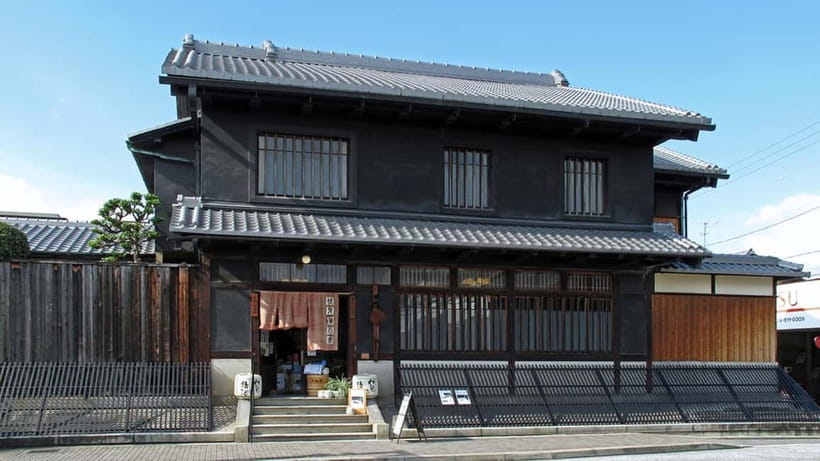
I would recommend this tour to you if you want a gentle introduction to Kyoto’s sake culture without spending a full day at breweries. It fits people who like local neighborhoods, water views, traditional buildings, and guided tasting in equal measure.
It is also a good choice for first-time visitors who want historical context. A guide such as Katsuhiko can help you see how Kyoto’s religious sites, transport routes, and food and drink traditions connect.
You may want another plan if you dislike alcohol, have trouble walking, or need a very active itinerary with little waiting. The tour is not suitable for pregnant women or people with mobility impairments, heart problems, or respiratory issues. It is also not the best match for someone seeking an in-depth professional brewing course.
The private or small-group option may suit you if questions and conversation matter. If you prefer to wander alone and set your own pace, visiting Fushimi independently could offer more freedom, though you would need to arrange the boat, museum, and tasting yourself.
Should you book the Fushimi sake and boat tour?
Book it if you want Fushimi to feel like a real district rather than a single brewery stop. The canal cruise is the most memorable part, while the Gekkeikan museum and tasting give the ride a clear cultural purpose. The temple and Meiji-era coffee break keep the half-day from feeling like a drink-only excursion.
Skip it if your priority is speed, strenuous sightseeing, or a highly technical sake lesson. The pace can include waits, and the tour’s value depends on how much you enjoy quiet transitions.
For most visitors who can walk comfortably and appreciate a measured morning or afternoon, $54 is a fair price for the mix of guiding, boat transport, museum access, tasting, and local atmosphere. Bring cash, wear sensible shoes, and leave breathing room after the tour.
FAQ
Where does the tour meet?
Meet at the north exit of JR Chushojima Station. Look for a guide wearing a TripGuru shirt or holding a TripGuru sign.
How long does the experience last?
The tour lasts 210 minutes, or three and a half hours.
Is an English-speaking guide included?
Yes. The tour includes a live English-speaking guide.
What does the tour include?
The price includes the walking tour, English-speaking guide, boat fee, and sake tasting.
Is the boat ride included?
Yes. The traditional Jikkoku-bune boat ride and its fee are included.
Which sake museum do you visit?
You visit Gekkeikan Ōkura Sake Museum for a guided visit, exhibits, brewing tools, and sake tasting.
Is coffee included at the end?
The itinerary includes a 30-minute coffee break at a café in a restored Meiji-era building. Personal expenses are not included, so confirm what drinks or purchases are covered when booking.
Is the tour suitable for people with mobility or health concerns?
The activity is not suitable for pregnant women, people with mobility impairments, or people with heart or respiratory issues. Comfortable shoes are recommended.
More Food Tours in Kyoto
- Kyoto Nishiki Market Food and Culture Walking Tour
★ 5.0 · 412 reviews - Kyoto: Gion Food Tour 13 Dishes at 4 Eateries
★ 5.0 · 408 reviews - 1.5-Hour Kyoto Insider Sake Experience with 7 Tastings & Pairings
★ 5.0 · 297 reviews - Kyoto: Insider Sake Experience with 7 Tastings and Snacks
★ 5.0 · 266 reviews
More Drinking Tours in Kyoto
- Kyoto Night Foodie Tour in Gion (9+ dishes + 6 Sake tastings)
★ 5.0 · 1,762 reviews - Kyoto: Izakaya Bars Guided Walking Tour
★ 4.9 · 815 reviews - Kyoto Bar Hopping Night Tour
★ 5.0 · 613 reviews - Kyoto Local Bar Crawl in Kawaramachi Area
★ 5.0 · 378 reviews
Recently added around Kyoto
- Higashiyama | Kyoto: Sakura Season Private Rickshaw Tour★ 5.0 · 3 reviews
- Kyoto Kimono Rental CHAMATSU|Kimono/Yukata Rental FamilyPlan★ 5.0 · 3 reviews
- Kyoto: Half-Day Private Guided Tour to the Old Town of Gion★ 4.4 · 3 reviews
- Nara Private Customizable Half Day Tour★ 5.0 · 3 reviews
- Kansai Region Hiking Adventure in Nara Kobe Kyoto and More★ 5.0 · 3 reviews
- Full Day Nara Deer, Temple, Shrine, Activities & Tea Ceremony★ 5.0 · 3 reviews
- Nara: Essential Private Tour with Deer Park and Temples★ 5.0 · 3 reviews
- Hiking Tour for Sacred Sites in Kyoto with a Guide★ 5.0 · 3 reviews
Fushimi Inari Shrine Tours, compared.
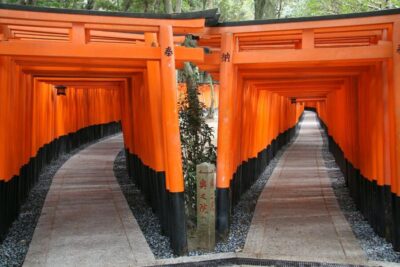
Fushimi Inari, Kinkakuji, Bamboo Grove 1 Day Bus Tour
Read our review →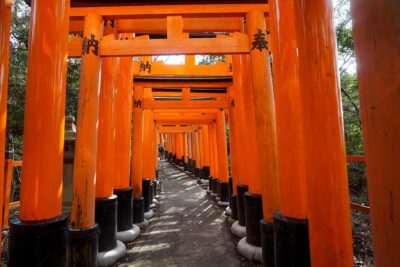
Fushimi Inari Hidden Hiking Tour (Private Option Available)
Read our review →
Kyoto/Osaka: Nara, Fushimi Inari Taisha, Arashiyama Bus Tour
Read our review →
Nijo, Kinkaku-ji, Arashiyama, Kiyomizu & Fushimi Inari
Read our review →
Kyoto Early Bird English Tour: Fushimi-Inari and Arashiyama
Read our review →
Fushimi, Arashiyama – Bamboo, Monkey, Torii & Secrets
Read our review →Browse the lists this tour appears in