
REVIEW · SAKE TASTING
Kyoto: Insider Sake Experience with 7 Tastings and Snacks
Kyoto’s sake scene becomes much easier to understand once you taste several styles side by side. In this 90-minute guided class, you move from dry and crisp sake to sweeter, fruitier examples, then test how Japanese snacks change each drink.
I especially like the practical bottle-reading lesson and the food pairing exercise. You do not just hear about polishing, brewing, or serving temperature. You use that information to decide what you actually like. The one drawback is that the snacks are tasting portions, not a meal, and sake can feel strong if you arrive hungry.
I also like the small, friendly setting and the range of guides, including Mayo, Kotaro, Kiyomi, Greg, Shogo, and Rieko. This is a calm indoor activity, but you must arrive sober enough to take part and allow time for the lesson. Anyone arriving by car or bicycle will receive non-alcoholic drinks instead, with no refund.
In This Review
- Key points to know before booking
- Why this Kyoto sake class is worth your afternoon
- The opening lesson: rice, water, brewing, and style
- Seven tastings that reveal your preferences
- The otsumami pairing makes the lesson practical
- Learning to read a Japanese sake bottle
- Hot or cold? Serving advice you can use at dinner
- The guides shape the mood
- Timing, meeting point, and rules that matter
- Who will get the most from this experience?
- Is $66 a fair price?
- Should you book the Kyoto Insider Sake Experience?
- FAQ
- How long does the Kyoto sake experience last?
- How many sake tastings are included?
- What kind of food is served?
- Is the experience offered in English?
- Who leads the tasting?
- Can I request vegetarian food?
- Can children join the activity?
- What is the legal drinking age for this experience?
- Can I arrive by bicycle or car?
- What happens if I arrive late?
Key points to know before booking
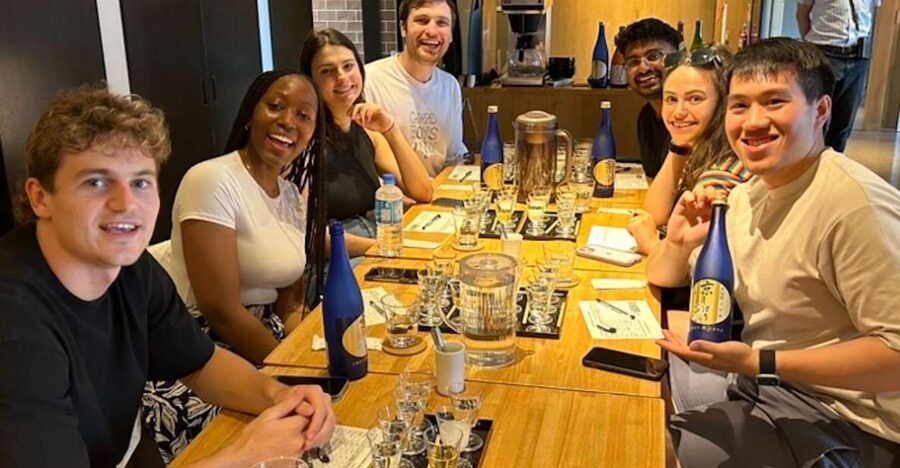
- Seven generous tastings: Compare a broad set of sake styles, selected from more than 10 bottles by a certified sake sommelier.
- A useful bottle-reading lesson: Learn how to spot information on Japanese labels and menus before ordering your next drink.
- Food changes the flavor: Taste sake alone, then with traditional otsumami, to see why pairings matter.
- Friendly English-speaking guides: Mayo, Kotaro, Kiyomi, Greg, Shogo, and Rieko have led sessions praised for clear teaching and good humor.
- A compact Kyoto activity: The tasting lasts 90 minutes and works well between sightseeing stops, though it does not replace lunch.
- Strict alcohol rules: No alcohol is served to anyone arriving by car or bicycle, and people under 20 receive only non-alcoholic drinks.
Why this Kyoto sake class is worth your afternoon
Sake can look simple on a restaurant menu, but the choices quickly become confusing. You may see terms about rice polishing, sweetness, acidity, aroma, and serving temperature without knowing which details matter to your palate.
This experience gives you a working introduction rather than a long lecture. I like that the lesson is built around tasting. You hear a short explanation, try a sake, compare it with another, and then record your reaction on a tasting note.
That pattern helps you form your own opinion. You might discover that you prefer a clean, dry sake, or you might find that a soft, fruity bottle suits you better. The point is not to memorize every Japanese term. The point is to leave able to make a sensible choice at dinner or in a shop.
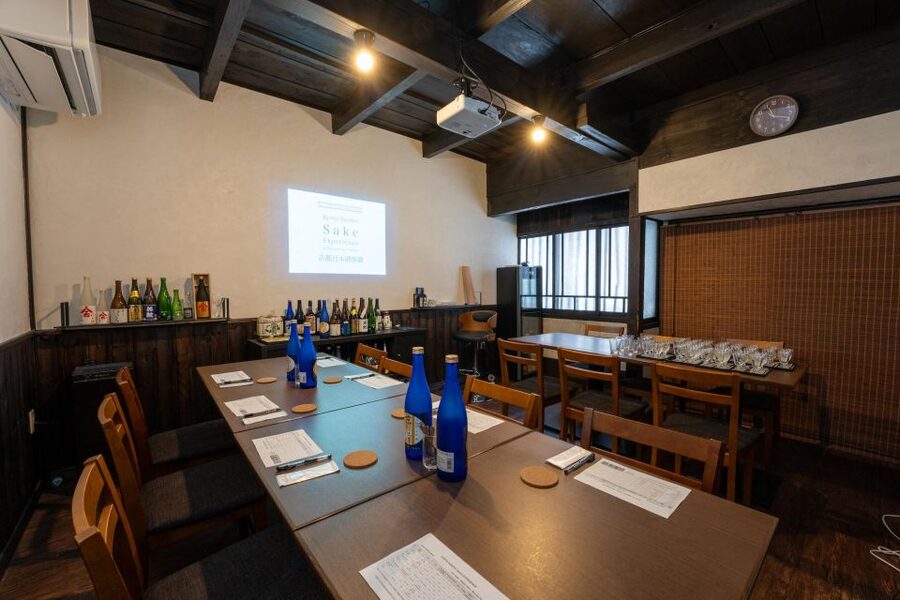
The session takes place in a dedicated tasting room. That matters in Kyoto, where a quiet indoor class can be a welcome change after temple visits, traffic, and long walks. The setting is described as warm, intimate, and easy to find using the provided directions.
More bars and sake stops in Kyoto:
- Kyoto Night Foodie Tour in Gion (9+ dishes + 6 Sake tastings)
★ 5.0 · 1,762 reviews - 3-Hour Kyoto Insider Sake Brewery Tour with Tastings & Pairings
★ 5.0 · 917 reviews - Arashiyama Bamboo, Temple, Monkeys, or Secret Sake Brewery
★ 4.8 · 886 reviews
The opening lesson: rice, water, brewing, and style
The first part explains how sake is made and what affects its final taste. Your guide introduces the basic ingredients and shows how brewing choices shape the drink.
Rice polishing receives special attention. Some rice is milled more heavily than other rice, and the amount of polishing affects the style and cost of the finished sake. You may also see physical samples showing different levels of rice refinement, which makes an otherwise abstract idea easier to understand.
The lesson also covers regional differences and the effect of brewing methods. You do not need previous experience. The guides are used to explaining the subject in clear, everyday English, and the best sessions keep the technical material tied to the glass in front of you.
Mayo is repeatedly praised for turning the subject into a fun class, while Kotaro is noted for his friendly teaching. Kiyomi is described as patient and cheerful, and Greg’s sessions have been calm and thorough. The exact guide can vary, but the format is designed for questions.
This opening section is valuable because it gives each tasting a purpose. Instead of asking only if you like a drink, you begin asking why it tastes the way it does.
Seven tastings that reveal your preferences
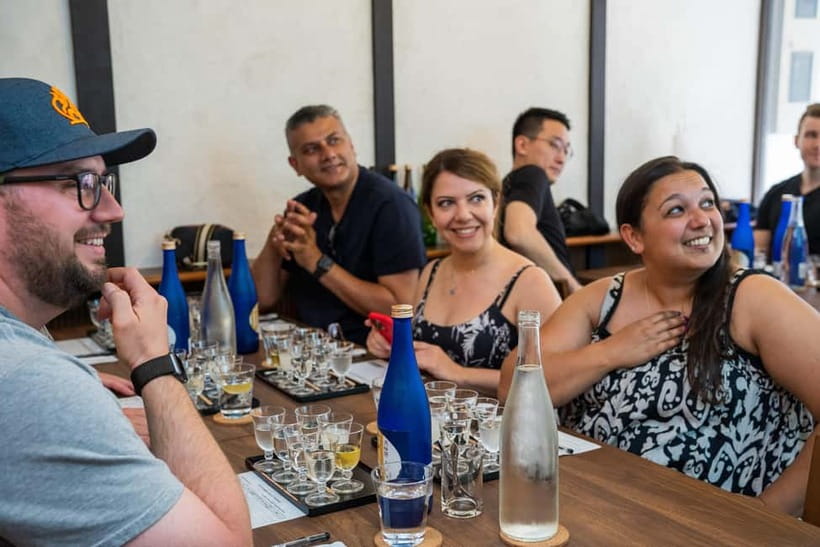
The tasting moves through contrasting sake styles. The selections are chosen by a certified sake sommelier and come from a larger pool of more than 10 types.
You taste examples that may range from dry and crisp to sweet and fruity. The point is comparison. A single glass tells you very little about the range of sake, but several small pours in sequence make the differences easier to notice.
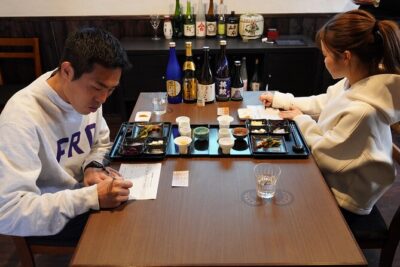
You may be guided to consider aroma, sweetness, acidity, texture, and finish. The class does not require you to use perfect tasting language. The tasting card helps you mark what appeals to you and what does not.
This is one of the strongest parts of the experience for a first-time drinker. Several people arrive unsure if they even like sake, then find a style that works for them. Others already drink sake but still appreciate having their preferences explained in plain terms.
The portions are described as generous for a tasting. That is good value, but it also means you should pace yourself. Seven servings over 90 minutes can add up, especially if you have little alcohol experience. Drinking water and eating something before arrival is sensible.
One useful tip from the class is to keep an open mind about a sake you dislike on its own. A bottle that seems too sharp or plain at first may work much better with food.
The otsumami pairing makes the lesson practical
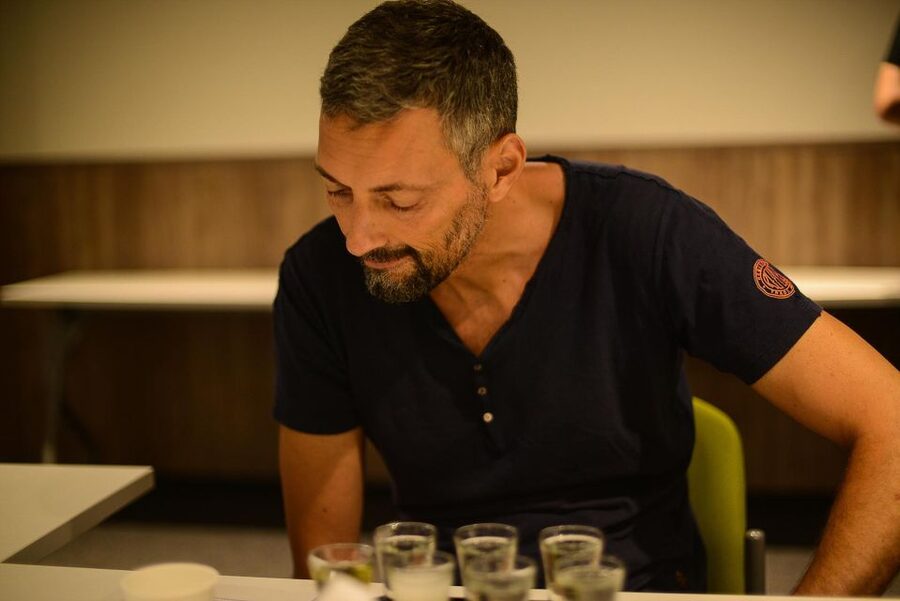
The food pairing is more than decoration. You taste sake before eating, then try it again with Japanese otsumami, or small appetizers.
This shows how food can alter the balance of a drink. A sake that seems too dry alone may feel smoother with a savory bite. A fruitier style may become more noticeable beside a different snack.
This hands-on comparison is why I would choose this class over a simple flight at a bar. A bar can give you a selection, but here you learn how to think about sake with dinner.
The food is a tasting, not lunch. One past participant specifically advised eating beforehand, and that is good advice. The snacks help you explore pairings, but they are not meant to fill you up.
Vegetarian substitutions can be arranged if you tell the guide at the site about your preference or allergy. The provided information does not promise a set menu, so let the staff know before the tasting begins rather than waiting until the first plate arrives.
The pairings may also include meat or other ingredients, so anyone with allergies should speak up clearly. The staff can respond to stated food preferences, but the experience does not describe a separate allergy-free kitchen.
More food tours in Kyoto:
- Kyoto: Insider Sake Brewery Tour with Sake and Food Pairing
★ 5.0 · 704 reviews - Kyoto Sake Brewery & Tasting Walking Tour
★ 5.0 · 623 reviews - Kyoto Nishiki Market Food and Culture Walking Tour
★ 5.0 · 412 reviews - Kyoto: Gion Food Tour 13 Dishes at 4 Eateries
★ 5.0 · 408 reviews
Learning to read a Japanese sake bottle
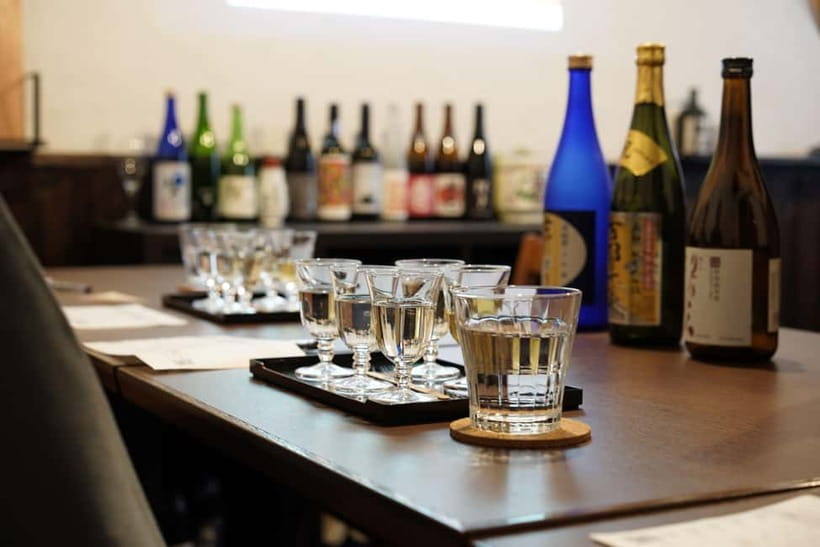
For many people, this is the most useful souvenir from the class. Sake labels can look intimidating, even when you know a few Japanese characters.
The guide shows you where to look for key information. You learn how to connect the label with the flavor in your glass and how to use that information when choosing a bottle later.
Some sessions include a practical exercise in which each person examines a bottle and searches for the important details. That makes the lesson stick better than simply seeing a slide or hearing a list of terms.
You also receive a sake cheat sheet and tasting note. Keep them in your phone or day bag for the rest of your Japan trip. The sheet is intended to help you choose from a menu or shop shelf, not just remember the class for one afternoon.
This is where the $66 price begins to make sense. You are paying for seven tastings, snacks, a certified guide, a private tasting room, and a tool you can use afterward. It is not the cheapest way to drink sake, but it offers more instruction than a casual bar flight.
Hot or cold? Serving advice you can use at dinner
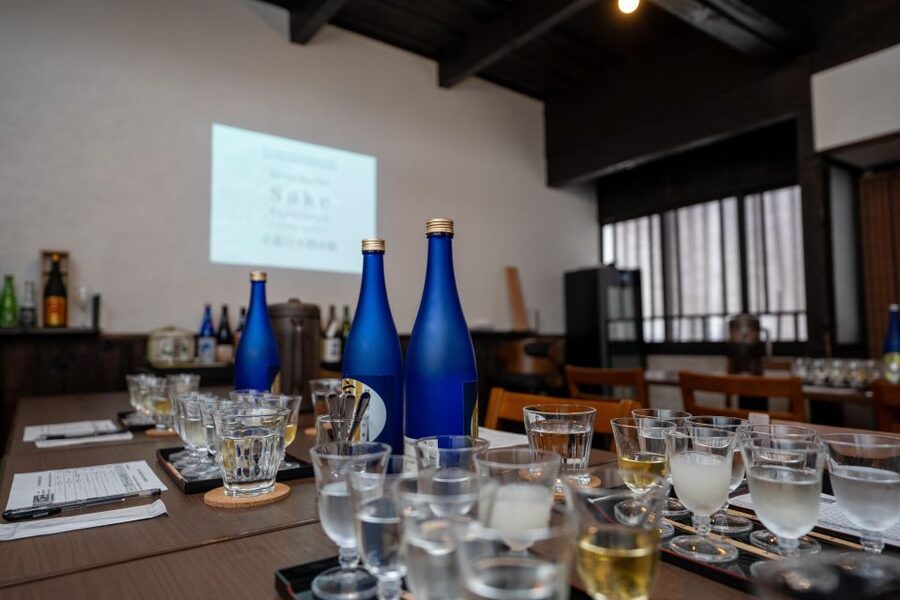
The class also explains when sake is served hot or cold. That is useful because many first-time drinkers assume every sake follows the same rule.
Your guide connects serving temperature with style and personal taste. You learn that the right choice depends on the bottle and the situation, rather than blindly accepting whatever temperature appears on the menu.
You also discuss food matches, including sake with sushi. This does not turn the session into a formal sommelier exam. It gives you enough confidence to ask a restaurant server a better question and make a more informed selection.
I find this practical focus more useful than a long account of sake production alone. By the end, you should be able to say what kind of flavor you want, ask whether a sake is better cold or warm, and choose something that fits your meal.
The guides shape the mood
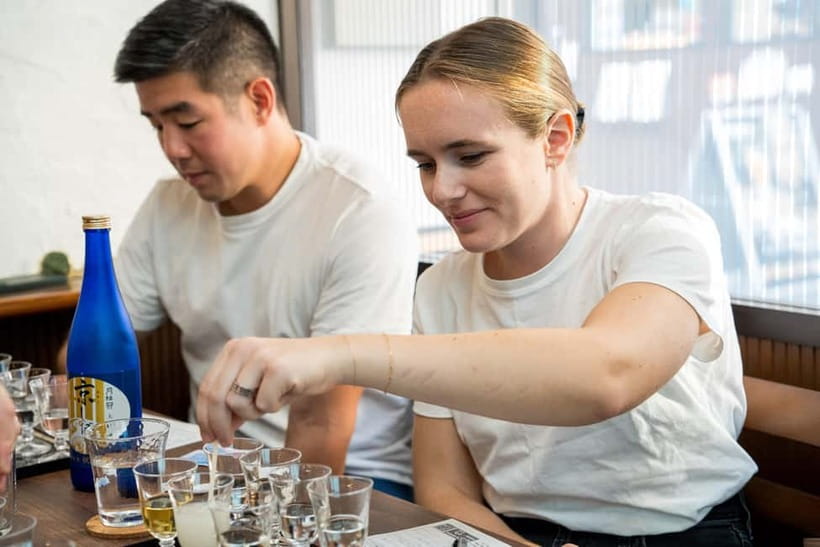
The experience depends partly on the guide, and the names praised in the feedback give you a good sense of the teaching style. Mayo is often described as funny, enthusiastic, and clear. Kotaro is noted for warmth and careful explanations.
Kiyomi receives praise for patience and an ability to make the class lively. Greg is described as attentive and thorough, while Shogo is praised for a well-organized presentation and a good sense of humor. Rieko is noted for a logical progression between tastings.
The common thread is approachability. You can ask basic questions without feeling out of place. That matters if you are new to alcohol, unfamiliar with Japanese food culture, or worried about using the wrong terms.
Group size can vary, but at least one session had only four people. A small group makes it easier to ask questions and discuss your reactions. Do not assume every departure will have exactly four participants, though. The supplied information does not give a fixed maximum group size.
The English-language format is a clear advantage for visitors who want more than a silent tasting. You receive explanations as you drink, with room for conversation and comparison.
Timing, meeting point, and rules that matter
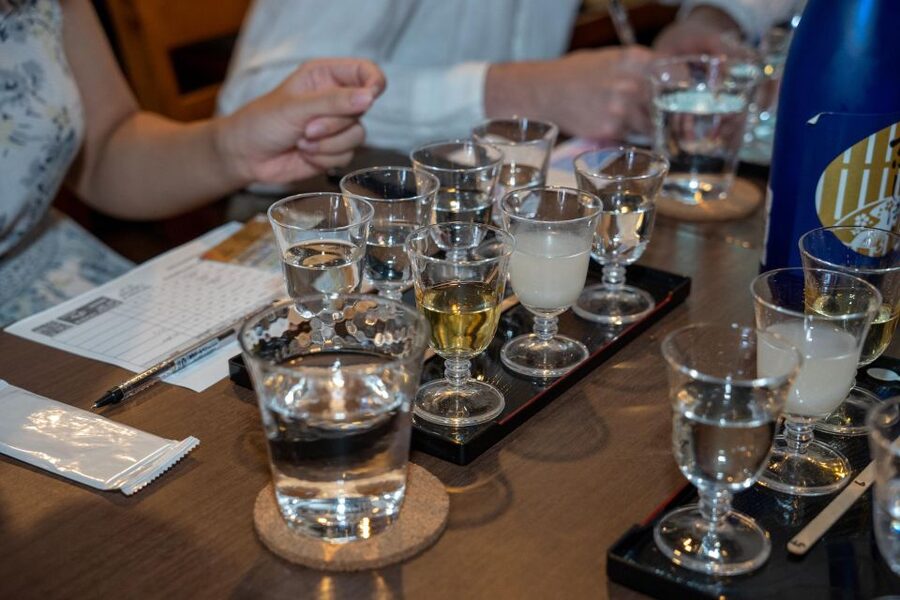
The class lasts 90 minutes. Check the available start times when booking, then plan to arrive early enough to find the tasting room and speak to the staff at the counter.
If you are more than 20 minutes late, the booking is canceled. That rule is important because the tasting follows a set sequence, and arriving halfway through would make the comparisons less useful.
Transportation is not included. You must make your own way to the meeting point, and there is no hotel pickup or drop-off.
Bicycles are not allowed as part of the activity. More important, alcohol cannot be served for safety and legal reasons to anyone who arrives by car or bicycle. Non-alcoholic drinks are available, but you will not receive a refund if that prevents you from taking part in the sake tasting.
Strong fragrances are also not allowed. That may sound minor, but perfume or cologne can interfere with aroma tasting in a small room.
The legal drinking age in Japan is 20. Anyone under 20 is served only non-alcoholic drinks. The activity is not recommended for children, and it is listed as unsuitable for children under 3, pregnant women, and people under 19. Since the age notes are strict, book this as an adult activity.
Free cancellation is available up to seven days before the experience for a full refund. After that point, the supplied information does not promise a refund.
Who will get the most from this experience?
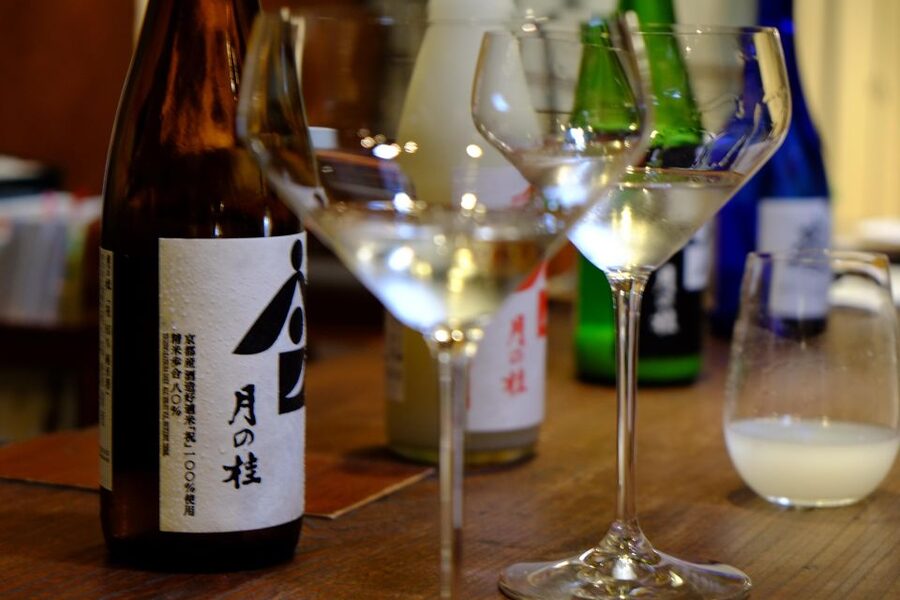
I would recommend it first to beginners who want a friendly introduction before ordering sake at restaurants. You do not need to know the difference between sake categories or recognize Japanese labels.
It also suits people who already enjoy sake but want a clearer sense of personal preference. The side-by-side format can show why one bottle appeals to you while another does not.
Food lovers will get extra value from the otsumami pairing. The class explains not only how sake is made, but how it behaves with food, which is useful throughout a trip focused on sushi, grilled dishes, and small plates.
This is less suitable if you want a full meal, a brewery visit, or a walking tour of Kyoto’s sake district. One review praised seeing local spots around Kyoto, but the core activity described here takes place in a dedicated tasting room. Do not book it expecting transportation or a full sightseeing route.
It is also not ideal for anyone who cannot drink alcohol, though non-alcoholic drinks are available for people under 20 or those who arrive by car or bicycle. Unregistered companions, including children and non-drinkers, cannot simply join without a reservation.
Is $66 a fair price?
At $66 per person, I see this as a solid value if you want instruction along with your drinks. Seven tastings, food pairings, an English-speaking expert, a tasting sheet, and the cheat sheet give you several useful elements in one short session.
The price is harder to justify if you only want to sample sake. A shop or bar may offer a less expensive tasting, though it may not explain brewing, rice polishing, label reading, serving temperature, and food matches in the same organized way.
The class also helps prevent a common Japan dining mistake: ordering an expensive bottle based only on a label you cannot read. You may save money later by learning which styles suit you before buying.
Should you book the Kyoto Insider Sake Experience?
I would book this if you want to understand sake well enough to order with confidence. The strongest reasons are the seven-style comparison, the food pairing, and the bottle-reading practice. Those lessons continue to help after the 90 minutes are over.
Eat a light meal first, arrive early, skip perfume, and keep your evening plans flexible enough to enjoy the tasting without rushing. If you want a full lunch, a brewery tour, or a family activity, choose something else.
For an adult visiting Kyoto who likes Japanese food and wants a relaxed indoor experience, this is an easy recommendation. It gives you a clear starting point, a better idea of your own taste, and a practical way to make sense of sake menus across Japan.
FAQ
How long does the Kyoto sake experience last?
The experience lasts 90 minutes. Starting times vary, so check availability when booking.
How many sake tastings are included?
The experience includes seven sake tastings. The selections come from more than 10 types chosen by a certified sake sommelier.
What kind of food is served?
You receive otsumami, or traditional Japanese appetizers, for food pairing. The food is served in tasting portions and is not intended to replace a meal.
Is the experience offered in English?
Yes. The experience has a live English-speaking guide.
Who leads the tasting?
The guide can vary by session. Guides named in the available information include Mayo, Kotaro, Kiyomi, Greg, Shogo, Rieko, Yui, Mai, and other certified sake experts.
Can I request vegetarian food?
You should tell the guide at the site about food preferences or allergies. Vegetarian substitutions have been accommodated during past sessions, but the exact menu is not specified.
Can children join the activity?
The experience is not recommended for children. Guests without reservations, including children and non-drinkers, cannot join the tour.
What is the legal drinking age for this experience?
The legal drinking age in Japan is 20. Anyone under 20 receives only non-alcoholic drinks.
Can I arrive by bicycle or car?
You can travel to the area by your own transport, but alcohol will not be served to anyone who arrives by car or bicycle. Non-alcoholic drinks are available, and no refund is provided if you cannot take part in the sake tasting.
What happens if I arrive late?
If you are more than 20 minutes late, your booking will be canceled. Arrive early enough to speak with the staff at the counter when you reach the meeting point.
More Sake Tasting in Kyoto
- 1.5-Hour Kyoto Insider Sake Experience with 7 Tastings & Pairings
★ 5.0 · 297 reviews - Private Tea Ceremony and Sake Tasting in Kyoto Samurai House
★ 5.0 · 163 reviews - Advanced Kyoto Insider Sake Tasting Experience
★ 5.0 · 44 reviews - Kyoto: Gion Evening Walk with Hidden Gems, Geisha & Sake
★ 5.0 · 41 reviews
Recently added around Kyoto
- Higashiyama | Kyoto: Sakura Season Private Rickshaw Tour★ 5.0 · 3 reviews
- Kyoto Kimono Rental CHAMATSU|Kimono/Yukata Rental FamilyPlan★ 5.0 · 3 reviews
- Kyoto: Half-Day Private Guided Tour to the Old Town of Gion★ 4.4 · 3 reviews
- Nara Private Customizable Half Day Tour★ 5.0 · 3 reviews
- Kansai Region Hiking Adventure in Nara Kobe Kyoto and More★ 5.0 · 3 reviews
- Full Day Nara Deer, Temple, Shrine, Activities & Tea Ceremony★ 5.0 · 3 reviews
- Nara: Essential Private Tour with Deer Park and Temples★ 5.0 · 3 reviews
- Photo Shoot with a Private Vacation Photographer in KYOTO, JAPAN★ 5.0 · 3 reviews
Sake Tasting, compared.

Kyoto Night Foodie Tour in Gion (9+ dishes + 6 Sake tastings)
Read our review →
3-Hour Kyoto Insider Sake Brewery Tour with Tastings & Pairings
Read our review →
Arashiyama Bamboo, Temple, Monkeys, or Secret Sake Brewery
Read our review →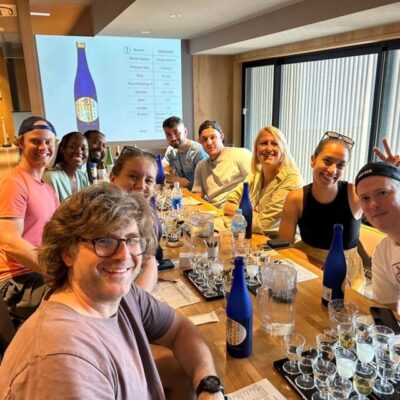
Insider Sake Brewery Tour with Sake and Food Pairing
Read our review →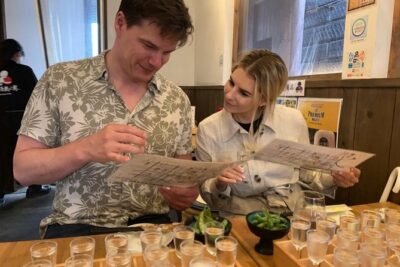
1.5-Hour Kyoto Insider Sake Experience with 7 Tastings & Pairings
Read our review →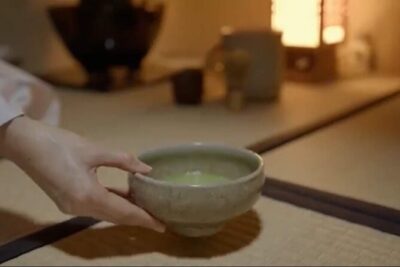
Private Tea Ceremony and Sake Tasting in Kyoto Samurai House
Read our review →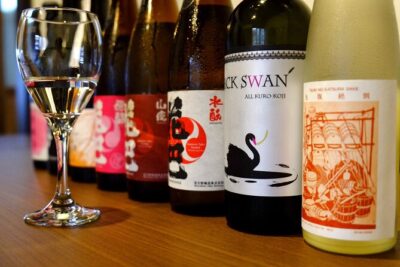
Browse the lists this tour appears in