
REVIEW · FUSHIMI INARI SHRINE TOURS
Kyoto Fushimi District Food and History Tour
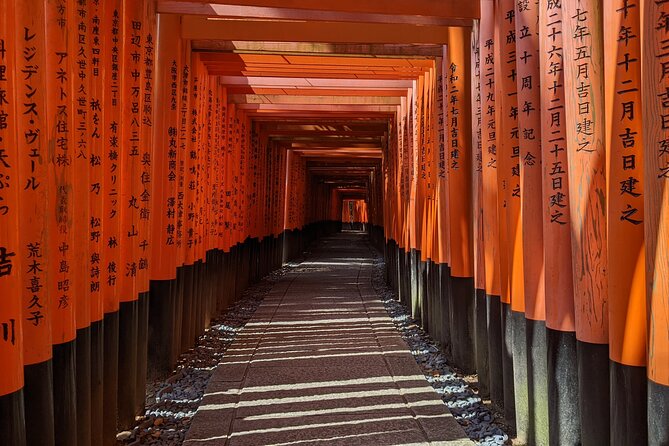
Fushimi is best known for its orange torii gates, but this tour quickly moves beyond the shrine to show you the district’s sake, canals, food stalls, and role in Japan’s move toward the Meiji Restoration. Sake-making and political history share the stage here, which gives the morning more substance than a quick photo stop at Fushimi Inari.
I like the small group size, capped at 10, and the practical help built into the day. Your guide can translate while you shop, explain local food, and help with lunch. I also like the mix of paid sights and ordinary streets, especially the canal walk and Ryoma Shopping Street. The main caution is that lunch, drinks, and shopping cost extra, and a solo booking may be canceled if no second person joins.
In This Review
- Key points to know before booking
- Why Fushimi deserves more than a shrine visit
- Fushimi Inari, with room for the lesser-known details
- Gekkeikan Ōkura Sake Museum and the logic of Fushimi sake
- A 30-minute canal walk through old Fushimi
- Fushimiguchi and the beginning of the Meiji Restoration
- Teradaya Inn and the story of Sakamoto Ryoma
- Ryoma Shopping Street, lunch, and local buying help
- Japanese sweets and a slower final stop
- What the $78.04 price really covers
- Guides, language, and group expectations
- Who will get the most from this morning in Fushimi?
- Should you book the Fushimi Food and History Tour?
- FAQ
- Where does the Kyoto Fushimi District Food and History Tour begin?
- What time does the tour start?
- How long does the experience last?
- Does the tour visit Fushimi Inari Shrine?
- Is admission to the sake museum included?
- Is lunch included in the price?
- What food is included?
- Can I book the tour alone?
Key points to know before booking
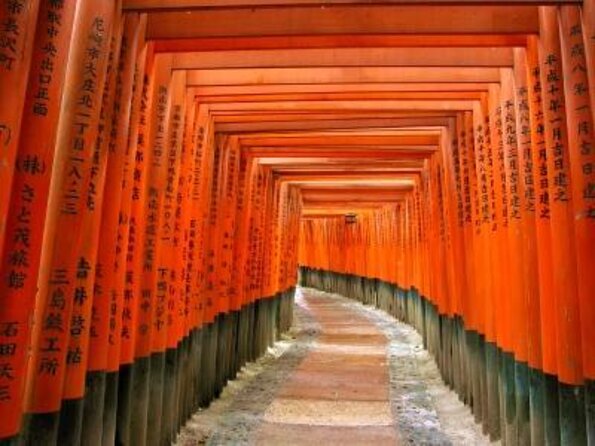
- Fushimi Inari is only the opening chapter: You learn about Inari and visit lesser-seen spots before moving into the wider district.
- Sake gets an hour of proper attention: The Gekkeikan Ōkura Sake Museum explains the work and history behind one of Japan’s best-known drinks.
- The history is unusually focused: Fushimiguchi and Teradaya connect the area to the conflict that helped bring about the Meiji Restoration.
- Food is part of the walk, not a full meal: A taiyaki and up to two traditional sweets are included, but lunch and café drinks are extra.
- Remi has earned special praise: If he leads your group, expect strong local knowledge and useful help with rail plans, food, and sightseeing.
- The five-hour format rewards curious walkers: You begin at 9:30 a.m. and return to the meeting point, with several stops and time for browsing.
Why Fushimi deserves more than a shrine visit
The Fushimi district sits only a few minutes from Kyoto Station, yet its character is quite different from central Kyoto’s busiest sightseeing streets. The area is tied to sake production, river and canal transport, political change, and local shopping. That combination gives you a fuller picture of Kyoto than another morning spent moving from one famous temple to the next.
You begin at the fox statue by the entrance to Fushimi Inari Taisha at 9:30 a.m. This is a useful meeting point because the shrine is easy to identify and close to public transportation. The tour does include the famous shrine, but it is not built around walking all the way through the thousand gates.
That distinction matters. If your main aim is to hike the entire torii path, this is not the right format. If you have already seen the gates, or want to understand why Fushimi matters beyond its most photographed feature, the route makes good sense.
More ways to walk Fushimi Inari:
- Kyoto: Fushimi Inari, Kinkakuji, Bamboo Grove 1 Day Bus Tour
★ 4.8 · 4,316 reviews - Fushimi Inari Hidden Hiking Tour (Private Option Available)
★ 5.0 · 1,750 reviews - Kyoto/Osaka: Nara, Fushimi Inari Taisha, Arashiyama Bus Tour
★ 4.7 · 1,275 reviews
Fushimi Inari, with room for the lesser-known details
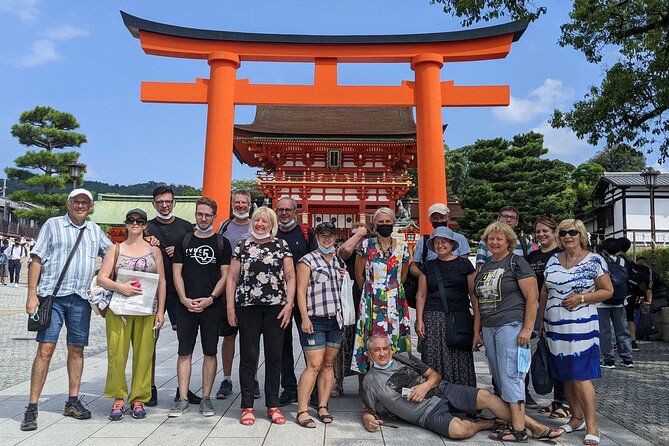
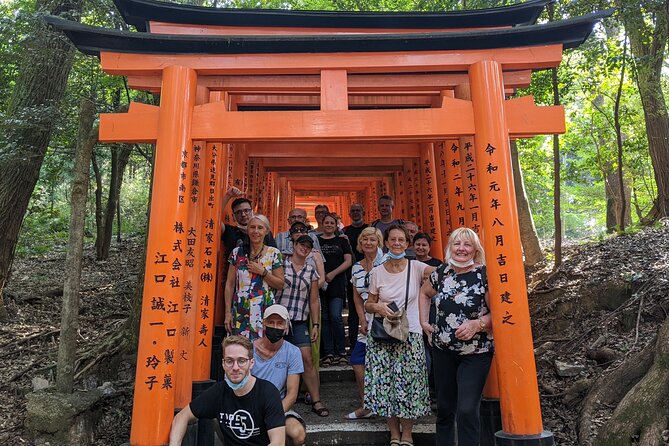
The first hour covers Fushimi Inari Taisha. Your guide explains the origin of the Inari spirit and points out places that many people pass without noticing. Admission is free, and the stop gives you cultural context before the tour shifts toward food and history.
I like this opening because it uses the shrine as a starting point rather than the whole story. Fushimi Inari can feel crowded around the entrance, especially at popular times, so a guide who knows where to take you can make the visit more useful.
You should still plan for a walking morning. The route includes the shrine area, the canal, historic sites, a shopping street, and café time. Comfortable shoes are a sensible choice, even though the supplied details do not give a total walking distance or list specific physical requirements.
Gekkeikan Ōkura Sake Museum and the logic of Fushimi sake
The next major stop is the Gekkeikan Ōkura Sake Museum, where you spend about an hour. This is an old sake distillery and the first distillery to export Japanese alcohol overseas, according to the tour information. Your admission is included.
For many people, this will be the strongest stop of the day. Sake can seem simple when it arrives in a small cup, but its production depends on ingredients, timing, storage, and local tradition. A museum visit gives your guide a solid place to explain that culture rather than trying to cover it in passing on a street corner.
The tour also includes sake tastings according to the experience feedback, so this portion should appeal to anyone curious about Japanese drinks. Still, do not treat the $78.04 price as an all-you-can-drink package. The listed inclusions cover museum entry, but the details do not promise a set number of tastings.
You also get a taiyaki during the experience. This fish-shaped Japanese waffle makes a pleasant contrast to the sake stop and gives you something familiar and easy to eat while walking.
A 30-minute canal walk through old Fushimi
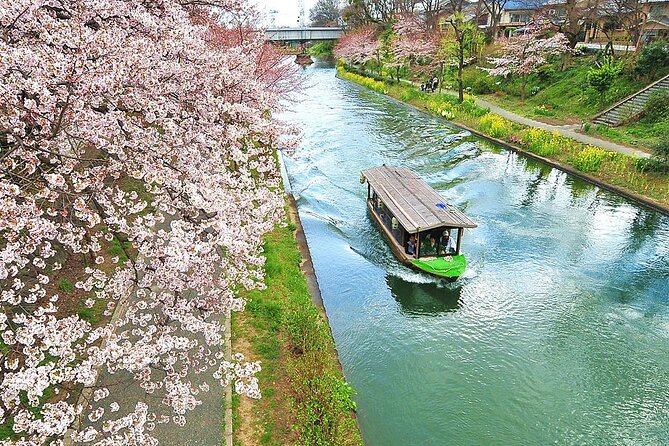
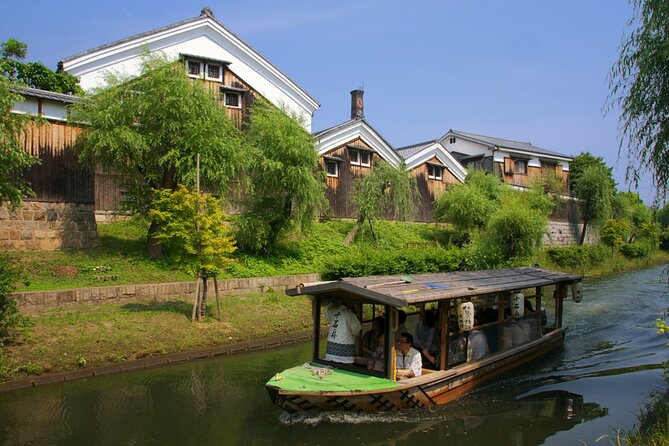
After the museum, the group follows the Fushimi Canal for about 30 minutes. The canal is a quiet change of pace after the shrine and museum. It is also a good place to see how waterways shaped this traditional district.
The canal is especially appealing during cherry blossom season, when the outdoor setting adds another reason to linger. The tour information describes it as a place for enjoying the outdoors, blossoms, and traditional Kyoto scenery. Since blossom timing changes from year to year, you should not book this tour expecting flowers as a certainty.
This is one of the stops that gives the day its local feel. You are not simply being taken from one indoor attraction to another. The walking sections connect the sights and let you see the district as a working neighborhood rather than a string of monuments.
More food tours in Kyoto:
- Kyoto Night Foodie Tour in Gion (9+ dishes + 6 Sake tastings)
★ 5.0 · 1,762 reviews - 3-Hour Kyoto Insider Sake Brewery Tour with Tastings & Pairings
★ 5.0 · 917 reviews - Arashiyama Bamboo, Temple, Monkeys, or Secret Sake Brewery
★ 4.8 · 886 reviews - Kyoto: Insider Sake Brewery Tour with Sake and Food Pairing
★ 5.0 · 704 reviews
Fushimiguchi and the beginning of the Meiji Restoration
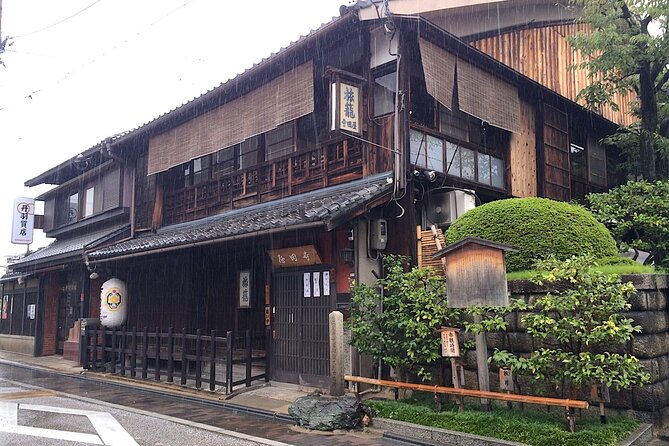
The Fushimiguchi Battlefield Trace is a short 15-minute stop, but it carries unusual weight. Here, your guide tells the story of one of the key battles that led to the beginning of the Meiji Restoration.
The short timing is appropriate. This is not a full battlefield museum with a long visit. It is a historical marker brought to life by explanation. Without a guide, you might pass by with little idea why the location matters.
If you enjoy Japanese political and military history, this section adds real value. The tour connects a street-level place in Fushimi to a much wider change in Japan. If you prefer food and scenery, the stop is brief enough that it should not take over the day.
Teradaya Inn and the story of Sakamoto Ryoma
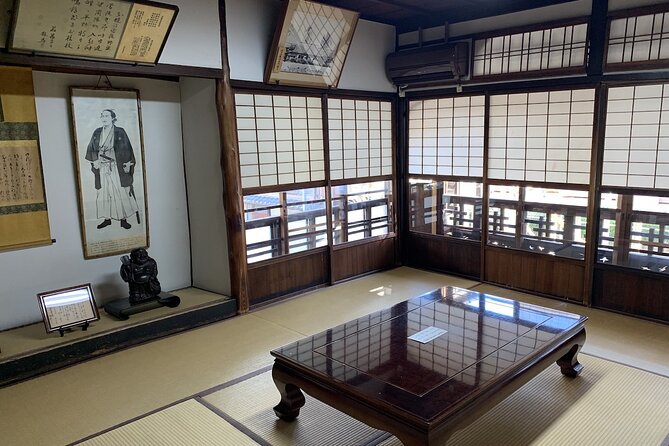
At Teradaya Historic Site, you spend about 30 minutes and receive included admission. The site is linked to Sakamoto Ryoma, an important figure in Japanese history who nearly died in an assassination attempt by the Shinsengumi and escaped from his room.
This stop works because the history is personal. Instead of hearing only about broad political shifts, you get a story involving a real building, a dangerous attack, and a narrow escape. Your guide’s explanation is important here, since the meaning of the site is not always obvious from the structure alone.
Teradaya also gives the tour a human scale. You have already heard about a battlefield and the approach of the Meiji era. Now you see how that period affected individual people caught in the conflict.
The tour includes entrance to the inn, but the supplied details do not promise that every room or every display will be open during every visit. Expect a compact historic stop rather than a large museum.
Ryoma Shopping Street, lunch, and local buying help
The longest stop is Ryoma Shopping Street, where you have about 1 hour and 10 minutes. The street is presented as an alternative to Nishiki Market, with more of its local character and tradition intact.
That comparison helps set expectations. You should not expect a giant market packed with endless food counters. Instead, the appeal is the chance to browse a traditional shopping area with a guide who can help explain products, translate, and suggest what to eat.
Lunch is not included, so keep part of your budget free. The guide can assist you as you choose a meal, which is useful if menus are difficult to read or you want to ask about unfamiliar foods. The experience feedback specifically praises the lunch and the guide’s help, but the tour does not specify a restaurant, menu, or fixed meal allowance.
Shopping is also separate. That is both a drawback and an advantage. You pay only for what you want, but the final cost can rise if you buy food, souvenirs, or sake. Translation help makes the stop more comfortable, especially for small purchases where you want to confirm ingredients or serving instructions.
Japanese sweets and a slower final stop
The final planned stop is 伏水菓蔵 本店, a shop where you enjoy traditional Japanese sweets and take a break before returning to the train and meeting point. You receive up to two sweets at the café, while coffee and tea are extra.
This is a smart finish after several historical stops. A short café break gives you time to sit, compare the flavors, and ask final questions without rushing through another landmark. It also keeps the food side of the tour from being limited to one taiyaki.
Do not confuse the included sweets with a full dessert tasting or drink service. The details promise up to two sweets, but coffee and tea are not included. If you want a drink, plan to pay separately.
The tour ends back at the meeting point. The route begins at Fushimi Inari, so this arrangement is convenient if you are staying near Kyoto Station or using the rail network. One particularly useful touch is the guide’s willingness to help with rail plans. Remi received special praise for going beyond the scheduled walk to assist with train navigation.
What the $78.04 price really covers
At $78.04 per person, this is not the cheapest way to stroll through Fushimi. You could visit the shrine and walk the district on your own for little money. The value comes from the explanation, the linked route, the included admissions, the food samples, and the help with lunch and shopping.
Here is what your fee covers:
- Full guiding for about five hours
- Admission to the Gekkeikan Ōkura Sake Museum
- Admission to Teradaya Inn
- One taiyaki
- Up to two traditional sweets at the café
- Shopping and translation assistance
Lunch, souvenirs, and coffee or tea are not included. You should think of the price as payment for a structured cultural walk, not a five-hour meal tour.
The maximum group size is 10. That is small enough for questions and useful translation, while still keeping the tour shared rather than private. The strongest feedback centers on the guide’s explanation of sake and history, the meal experience, and practical help with rail plans. If those things matter to you, the cost is easier to justify.
Guides, language, and group expectations
Remi is the guide named in the available experience feedback, and the comments give particular credit to his knowledge of Japan and Fushimi, his help with rail plans, and his ability to make the day memorable. You should not assume Remi will lead your departure, since guide assignments can vary.
All guides speak at least English and Japanese. French may be possible, but it is not guaranteed on a shared tour because the group can include several nationalities and English takes priority. If you need French, contact the provider ahead of time so they can check whether a French-speaking guide is available for your date.
The group limit is 10 people. There is also a minimum of two booked participants for the tour to operate. A solo booking is allowed, but the session may be canceled if no second person joins. In that case, you will be offered another date or experience, or receive a full refund.
That minimum is the most important booking condition to understand. It does not make the tour a poor choice, but it means a solo visitor should avoid building an unchangeable day around it until the tour is confirmed.
Who will get the most from this morning in Fushimi?
I would choose this tour if you want more than photographs at Fushimi Inari. It suits you particularly well if you like sake, Japanese political history, traditional shopping streets, and guided food choices.
It is also a good fit for a first visit to Kyoto when you want a gentle introduction to several parts of local culture in one outing. The guide gives you background, while the walking route gives you a sense of place.
You may want another option if your priority is a long hike through the torii gates, a private food crawl, or a tour with every meal and drink included. The route is broad rather than narrowly focused. It touches shrine culture, sake, history, canals, shopping, and sweets, so no single subject receives an entire day.
The 9:30 a.m. start is practical. It leaves the rest of the day open, though the five-hour schedule means you should expect to finish around early afternoon. Since the tour is near public transportation, it is easy to connect with other Kyoto plans, but allow extra time if you want to browse slowly or eat a long lunch.
Should you book the Fushimi Food and History Tour?
Book it if you want Fushimi explained, not just photographed. The combination of Gekkeikan sake, the canal, Fushimiguchi, Teradaya, Ryoma Shopping Street, and traditional sweets gives you a clear sense of why this district matters.
The best reason to book is the guide-led context, especially if Remi is available. The most useful extras are translation help, lunch assistance, and advice with rail plans. Just budget separately for lunch and drinks, and remember that a solo booking depends on a second participant.
For sake fans and history-minded visitors, $78.04 is a fair price for five hours with two paid admissions and several food inclusions. For someone who only wants the torii gates, skip it and visit Fushimi Inari independently. For everyone else, this is a thoughtful way to see a more grounded side of Kyoto.
FAQ
Where does the Kyoto Fushimi District Food and History Tour begin?
The tour begins at the fox statue near the entrance to Fushimi Inari Taisha in Fushimi Ward, Kyoto. The listed meeting area is near Inari Station.
What time does the tour start?
The tour starts at 9:30 a.m.
How long does the experience last?
The experience lasts approximately five hours.
Does the tour visit Fushimi Inari Shrine?
Yes. The first stop is Fushimi Inari Taisha, where the guide explains the origin of the Inari spirit and shows lesser-known spots in the area.
Is admission to the sake museum included?
Yes. Admission to the Gekkeikan Ōkura Sake Museum is included.
Is lunch included in the price?
No. Lunch is not included, but the guide can assist you with choosing food at Ryoma Shopping Street.
What food is included?
Each participant receives one taiyaki and up to two traditional Japanese sweets at the café stop. Coffee and tea are not included.
Can I book the tour alone?
Yes, a single person can book directly, but the tour requires at least two participants to operate. If the minimum is not met, the experience may be canceled and you will be offered rescheduling or a full refund.
More History Walks in Kyoto
- World Heritage Kyoto & Nara Uji Authentic Matcha Experience
★ 5.0 · 1,573 reviews - Kyoto Gion: 2-Hour Geisha Culture & History Walking Tour
★ 5.0 · 1,186 reviews - Kyoto Gion Historical Walking Tour
★ 5.0 · 188 reviews - Historical Kyoto E-Bike Tour
★ 5.0 · 181 reviews
Recently added around Kyoto
- Higashiyama | Kyoto: Sakura Season Private Rickshaw Tour★ 5.0 · 3 reviews
- Kyoto Kimono Rental CHAMATSU|Kimono/Yukata Rental FamilyPlan★ 5.0 · 3 reviews
- Kyoto: Half-Day Private Guided Tour to the Old Town of Gion★ 4.4 · 3 reviews
- Nara Private Customizable Half Day Tour★ 5.0 · 3 reviews
- Kansai Region Hiking Adventure in Nara Kobe Kyoto and More★ 5.0 · 3 reviews
- Full Day Nara Deer, Temple, Shrine, Activities & Tea Ceremony★ 5.0 · 3 reviews
- Nara: Essential Private Tour with Deer Park and Temples★ 5.0 · 3 reviews
- Hiking Tour for Sacred Sites in Kyoto with a Guide★ 5.0 · 3 reviews
Fushimi Inari Shrine Tours, compared.
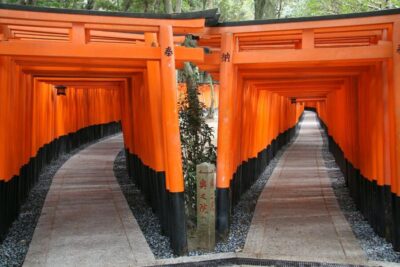
Fushimi Inari, Kinkakuji, Bamboo Grove 1 Day Bus Tour
Read our review →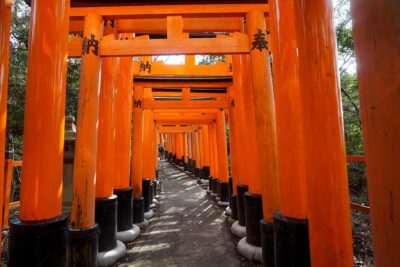
Fushimi Inari Hidden Hiking Tour (Private Option Available)
Read our review →
Kyoto/Osaka: Nara, Fushimi Inari Taisha, Arashiyama Bus Tour
Read our review →
Nijo, Kinkaku-ji, Arashiyama, Kiyomizu & Fushimi Inari
Read our review →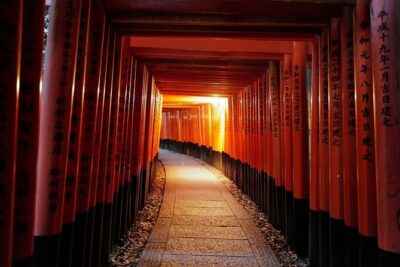
Kyoto Early Bird English Tour: Fushimi-Inari and Arashiyama
Read our review →
Fushimi, Arashiyama – Bamboo, Monkey, Torii & Secrets
Read our review →Browse the lists this tour appears in