
REVIEW · KYOTO TEA CEREMONY EXPERIENCES
Kyoto: Authentic Tea Ceremony in a Small Group
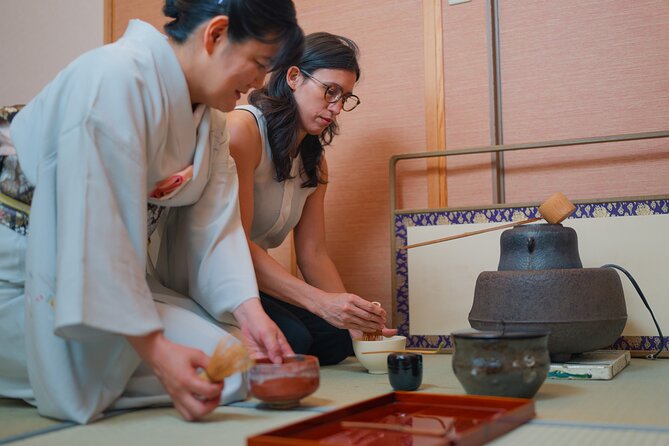
Kyoto’s best tea experiences are not always found in its busiest central streets. In Uzumasa, this one-hour visit leads you into a quiet tea room where premium matcha and Kyoto wagashi share equal billing. You’ll watch the Urasenke tea procedure, learn why the utensils matter, and make your own bowl of matcha.
I like the small private format, with only your group taking part, and the chance to wear a traditional haori without committing to a full kimono rental. I also like the careful setting: a miniature garden, refined tea room, selected sweets, and Marukyu Koyamaen matcha. The main drawback is the price, especially for a small party, and one hour leaves little room for a slower, more ceremonial visit.
In This Review
- Key points to know before booking
- A quiet tea room in Kyoto’s Uzumasa district
- Wearing a haori, not a full kimono
- Watching the Urasenke tea procedure
- Kyoto sweets before the second bowl of matcha
- Making your own matcha
- What the one-hour format does well
- Is $586.38 a fair price?
- Who will get the most from this tea ceremony?
- Practical details that affect your choice
- Should you book Chanoyu The KYOTO Uzumasa?
- FAQ
- Where does the tea ceremony take place?
- How long does the experience last?
- How many people can participate?
- What is included in the experience?
- Will I be able to make matcha myself?
- Is transportation included?
- Can I cancel for a full refund?
Key points to know before booking
- Premium matcha and Kyoto wagashi: The experience pairs Marukyu Koyamaen matcha with sweets from a long-established Kyoto wagashi shop.
- Private group of up to six: You share the tea room only with your own party, making questions and participation easier.
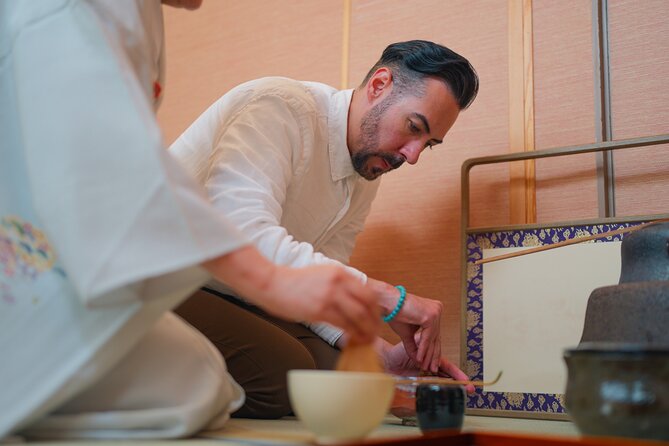
- Hands-on tea preparation: After watching the formal procedure, you whisk your own bowl of matcha.
- A traditional haori is provided: You can add a Japanese touch to the visit without arranging a complete kimono outfit.
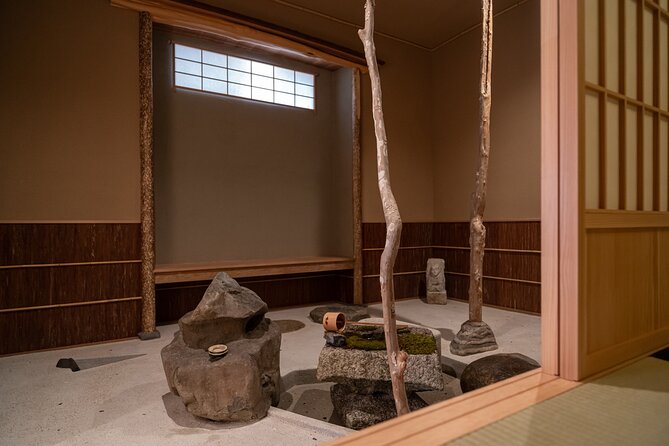
- A miniature garden inside the tea setting: The garden is part of the visual experience, not an afterthought.
- One hour in Uzumasa: This is a focused cultural stop, not a half-day lesson or full temple tour.
A quiet tea room in Kyoto’s Uzumasa district
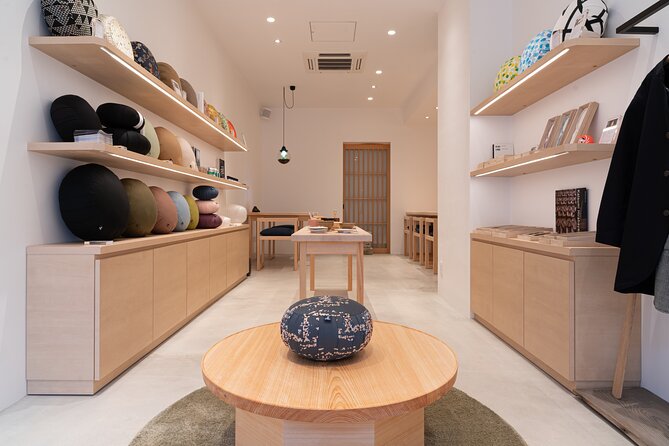
The appeal begins with the setting. Chanoyu The KYOTO Uzumasa is at 19 Kita, 1st floor, Uzumasa Izumishikibucho, in Kyoto’s Ukyo Ward. The address places you in the historic Uzumasa area, away from the packed lanes that define much of central Kyoto.
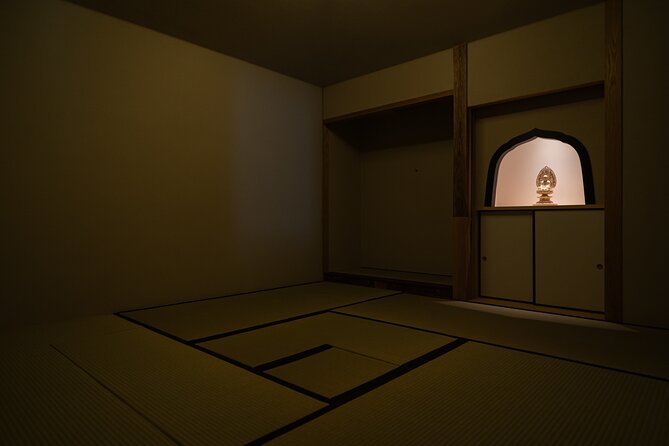
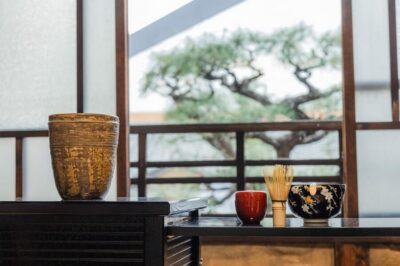
You enter a stylish interior and move toward a tea room arranged around a small garden. The garden is described as a carefully made miniature space within the tea setting. That detail matters. In chanoyu, the eye is meant to settle on small, deliberate elements, and a compact garden can give the room a sense of calm without needing a large outdoor garden.
I would allow a little extra time to find the meeting point, since the experience begins and ends at the tea room rather than at a major sightseeing landmark. Private transportation is not included, but the location is near public transportation. The mobile ticket and immediate booking confirmation make the arrival routine fairly simple.
The room itself is part of the lesson. You are not simply seated in a café and handed a bowl of green tea. The placement of the garden, the utensils, the host’s movements, and the sweets all help show how Japanese hospitality can be expressed through restraint and attention.
More tea ceremonies in Kyoto:
- Kyoto: Tea Ceremony in a Traditional Tea House in Kiyomizu
★ 4.9 · 3,519 reviews - Kyoto: Tea Ceremony Ju-An at Jotokuji Temple
★ 4.9 · 3,207 reviews - Kyoto: 45-Minute Tea Ceremony Lesson Experience
★ 4.3 · 2,378 reviews
Wearing a haori, not a full kimono
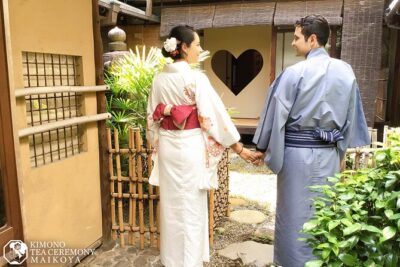
A traditional haori, a kimono-style jacket, is provided for you to wear during the experience. This is a practical choice for a short activity. You get a visual connection to Japanese dress without the time, fitting process, and formality of a full kimono session.
The haori also helps mark a change in pace. Once you put it on, you are no longer rushing between sights. You are entering a setting where the small details matter. I like that the clothing element supports the tea experience rather than taking it over.
Do not expect a fashion session or a long photo opportunity. The haori is one part of the visit, alongside the tea room, garden, utensils, sweets, and matcha. The supplied information does not specify colors, sizes, or whether a particular style can be selected, so you should treat it as a simple traditional layer rather than a full costume package.
Watching the Urasenke tea procedure
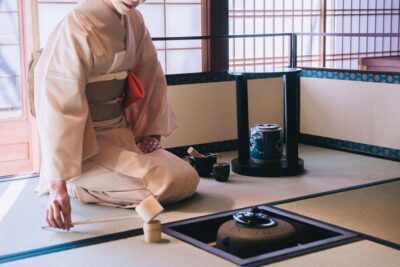
The formal tea preparation is the heart of the first part of the visit. Your host demonstrates the Urasenke procedure, one of the major traditions of Japanese tea practice. The value here is not just watching someone prepare matcha. It is seeing how each movement, pause, and utensil fits into a larger idea of hospitality.
You receive an explanation of chanoyu, its origins, and the meaning of the tools used. This gives the ceremony useful context. Without an explanation, a tea ceremony can feel like a series of beautiful gestures whose purpose is unclear. With the background, you can pay attention to why the bowl is handled in a certain way, why the tools are displayed, and how the host creates a respectful exchange.
The pace should suit a first-time participant. Several people describe the host’s explanations as polite and easy to follow, including one person who arrived with no prior tea ceremony experience. The available information does not name the host, so you should not expect to book a specific instructor.
The ceremony is also a lesson in proportion. A tea room may contain only a few visible objects, but each one has a role. The experience introduces those utensils rather than treating them as decoration. That makes this a better fit for you if you want cultural background, not just a green tea tasting.
Kyoto sweets before the second bowl of matcha
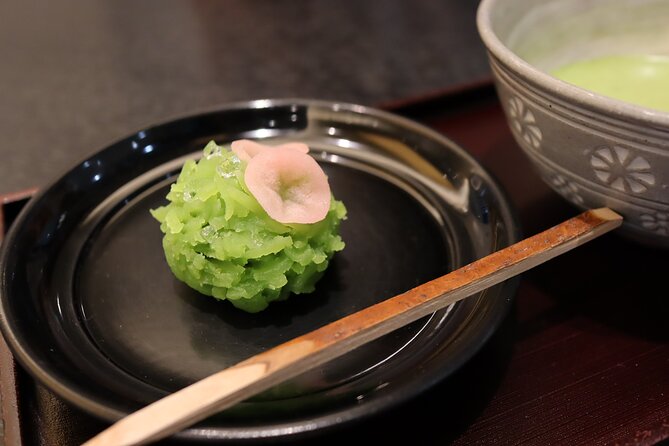
The sweets are a major reason to book this particular experience. The tea room serves traditional Kyoto wagashi from a long-established shop, selected to accompany the matcha. Wagashi can be delicate in flavor and appearance, and it is traditionally served with bitter tea because the sweetness prepares your palate for the drink.
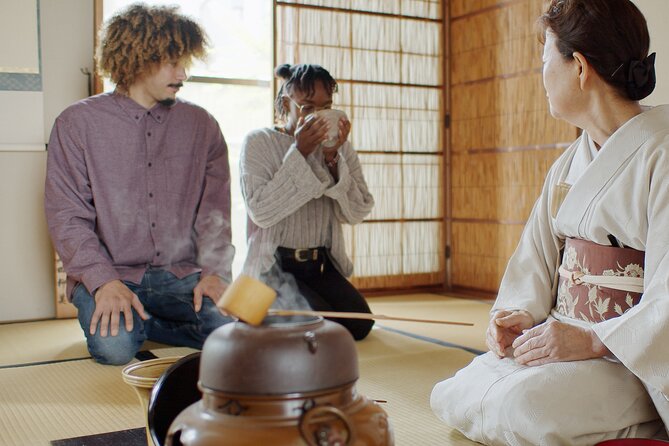
The first tea and sweet are part of the host’s demonstration. Then you receive a second traditional sweet with the matcha you prepare yourself. This two-stage arrangement gives the hour a clear rhythm: watch first, then take part.
Several comments single out the quality of both the sweets and the matcha, with particular enthusiasm for the tea’s flavor. That focus is useful because not every tea ceremony experience is equally concerned with its ingredients. Here, the provider makes the choice of matcha and wagashi central to the visit.
I would not approach this as a meal. The included food is described as snacks and Kyoto sweets, so you should eat beforehand if you need something substantial. The sweets are there to support the tea, not replace lunch.
A completely different side of Kyoto:
- PERFECT KYOTO 1-Day Bus Tour
★ 5.0 · 13,518 reviews - Kyoto: Fushimi Inari, Kinkakuji, Bamboo Grove 1 Day Bus Tour
★ 4.8 · 4,316 reviews - Kyoto Geisha Walking Tour: Gion District & Hidden Gems
★ 4.7 · 3,273 reviews - Kyoto: Gion Magical Night Walking Tour with Geisha Trivia
★ 4.9 · 2,393 reviews
Making your own matcha
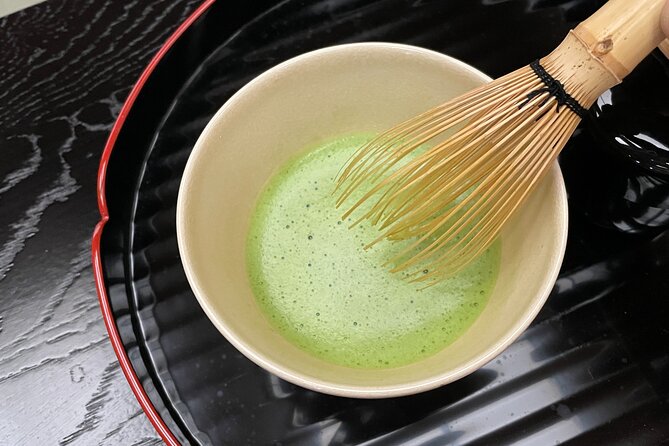
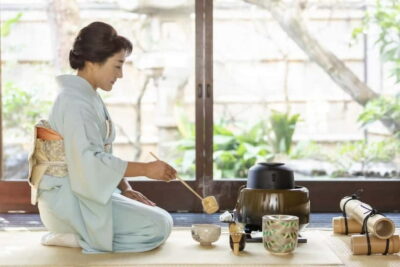
The hands-on portion comes after the formal demonstration. You are shown how to whisk your own bowl of matcha, then drink it with the second sweet. This is a modest activity, but it changes your role from observer to participant.
Whisking matcha looks easy until you try to create the fine foam. The value is not producing a perfect bowl. It is learning through the motion, using the traditional equipment, and noticing the difference between watching the host and handling the whisk yourself.
The self-preparation also makes the experience approachable for people who feel nervous about etiquette. You are given an example first, then invited to try. The available details do not specify the exact teaching language or whether written instructions are supplied, so you should rely on the host’s spoken guidance during the session.
If you dislike bitter drinks, the sweet served alongside it should help balance the flavor, but matcha remains matcha. It has a stronger, more vegetal taste than ordinary brewed green tea. The provider uses a high-grade selection from Marukyu Koyamaen, yet the drink may still be an acquired taste.
What the one-hour format does well
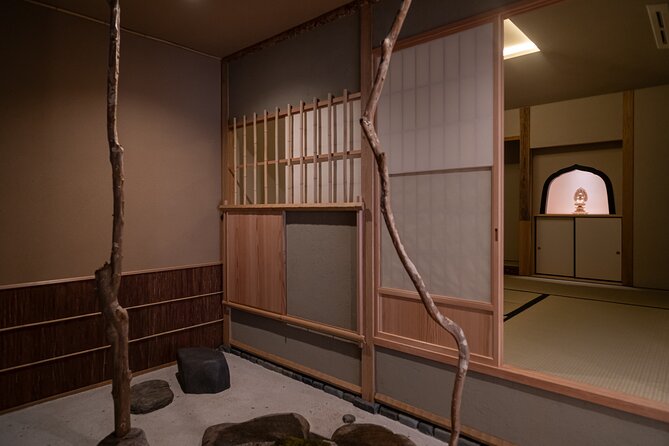
One hour is enough to cover the main pieces without making this a major commitment. You see the tea room and miniature garden, put on the haori, watch the Urasenke procedure, learn about chanoyu and its utensils, taste sweets and matcha, and prepare a bowl yourself.
That compact schedule works well between other Kyoto plans. You could place it before dinner, after a visit in the western part of the city, or during a day when you want one quiet indoor activity. The experience begins and ends at the same meeting point, so there is no transfer between separate locations.
The tradeoff is that the hour will feel structured. You should not expect a long conversation about every utensil, an extended garden visit, or a broad survey of Japanese tea schools. The focus is a polished introduction to chanoyu with strong attention to the room, ingredients, and basic participation.
I see this as a useful first encounter rather than a complete education in tea culture. If you already study tea ceremony, you may want a longer lesson or a more specialized program. If you are new to it, the length keeps the experience manageable.
Is $586.38 a fair price?
The listed price is $586.38 per group of up to six people. That makes the calculation important. For a full group, the cost works out to about $97.73 per person. For two people, however, it is about $293.19 each, which is a serious expense for a one-hour activity.
The private format explains part of the cost. You are not being added to a large public class, and only your own party participates. You also receive several elements in one short visit: a traditional haori, a carefully arranged tea room and garden, premium matcha, Kyoto sweets, utensil instruction, a formal demonstration, and hands-on preparation.
The strongest value comes when you can fill most of the six places. A family group, a group of friends, or a small private tour party can share the fixed cost and receive a more personal session. For a solo visitor or couple, the price is harder to defend unless the quality of the setting and ingredients matters more to you than the number of minutes.
I would compare this with your wider Kyoto budget. If you mainly want to taste matcha, less expensive cafés and casual workshops are available. If you want a quiet tea room, a private group, formal procedure, selected sweets, and a chance to make your own tea, this experience offers more than a simple drink.
Who will get the most from this tea ceremony?
This suits you if you want a small, polished introduction to Japanese culture and prefer a calm room to a crowded attraction. It is especially practical for first-time participants because the host explains the background and demonstrates the procedure before asking you to prepare your own tea.
It also works for people who care about food quality. The provider places unusual emphasis on the matcha and wagashi, and the available comments repeatedly focus on the flavor of the tea and sweets. If you are curious about why a sweet is served with matcha, this visit gives you a direct example.
Families and friend groups may appreciate the private booking, although the supplied details do not state a minimum age or special arrangements for children. Couples can enjoy the intimacy of a private room, but should consider the per-person cost carefully.
This may be less suitable if you want a long, highly interactive workshop, a full kimono dressing session, or a broad tour of Kyoto. It is also not the best choice if your schedule is centered far from Ukyo Ward and you want to avoid crossing the city. The activity includes no private transportation.
Practical details that affect your choice
Confirmation is provided when you book, and the ticket is mobile. The experience is near public transportation, but you should plan your own route to the Uzumasa meeting point. The activity ends where it begins, which makes the next part of your day easier to arrange.
The booking is for a private activity, with only your group taking part. The maximum group size is six. If you book fewer than six people, the price remains a group price, so the value improves as your party gets larger.
Free cancellation is available if you cancel at least 24 hours before the local start time. Cancellations or changes made within 24 hours are not accepted for a refund. That is a reasonable policy, but Kyoto plans can shift, so check your schedule before committing.
The experience is booked, on average, 27 days ahead. That suggests you should not leave it until the last minute if you have a fixed Kyoto itinerary, especially if you need a particular time for a group of several people.
Should you book Chanoyu The KYOTO Uzumasa?
Book it if you want a private, carefully presented tea ceremony where the tea, sweets, utensils, and setting all matter. The strongest features are the quiet Uzumasa location, the miniature garden, the haori, the Urasenke demonstration, and the chance to whisk your own matcha after watching the host.
Think twice if you are traveling alone, watching every yen, or looking for a full-length cultural class. At $586.38 per group, this makes the most financial sense for four to six people. For a full group that wants one refined hour away from Kyoto’s crowds, it can be a worthwhile splurge. For two people, I would book only if the private setting and high-quality tea are central to your plans.
FAQ
Where does the tea ceremony take place?
It takes place at Chanoyu The KYOTO Uzumasa, at 19 Kita 1st floor, Uzumasa Izumishikibucho, Ukyo Ward, Kyoto, Japan, postal code 616-8101.
How long does the experience last?
The tea ceremony lasts approximately one hour.
How many people can participate?
The booking is private and allows up to six people per group. Only your group participates in the activity.
What is included in the experience?
The experience includes Kyoto sweets, premium matcha, a traditional haori to wear, viewing of a miniature garden, an introduction to tea utensils, and a short explanation of chanoyu’s history and cultural origins.
Will I be able to make matcha myself?
Yes. After watching the Urasenke tea procedure, you will whisk your own bowl of matcha and enjoy it with a second traditional sweet.
Is transportation included?
No. Private transportation is not included. The meeting point is near public transportation, and the activity ends back at the meeting point.
Can I cancel for a full refund?
Yes, if you cancel at least 24 hours before the experience start time. Cancellations or changes made less than 24 hours before the local start time are not accepted for a refund.
Recently added around Kyoto
- Higashiyama | Kyoto: Sakura Season Private Rickshaw Tour★ 5.0 · 3 reviews
- Kyoto Kimono Rental CHAMATSU|Kimono/Yukata Rental FamilyPlan★ 5.0 · 3 reviews
- Kyoto: Half-Day Private Guided Tour to the Old Town of Gion★ 4.4 · 3 reviews
- Nara Private Customizable Half Day Tour★ 5.0 · 3 reviews
- Kansai Region Hiking Adventure in Nara Kobe Kyoto and More★ 5.0 · 3 reviews
- Full Day Nara Deer, Temple, Shrine, Activities & Tea Ceremony★ 5.0 · 3 reviews
- Nara: Essential Private Tour with Deer Park and Temples★ 5.0 · 3 reviews
- Hiking Tour for Sacred Sites in Kyoto with a Guide★ 5.0 · 3 reviews
Kyoto Tea Ceremony Experiences, compared.
Tea Ceremony in a Traditional Tea House in Kiyomizu
Read our review →
Tea Ceremony in 100-year-old Kyo-Machiya Townhouse
Read our review →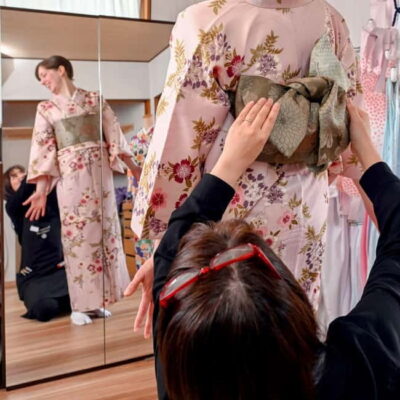
Browse the lists this tour appears in