
REVIEW · GION GEISHA DISTRICT TOURS
Kyoto 5-Star Geisha Night Walk: Small-Group Authentic Experience
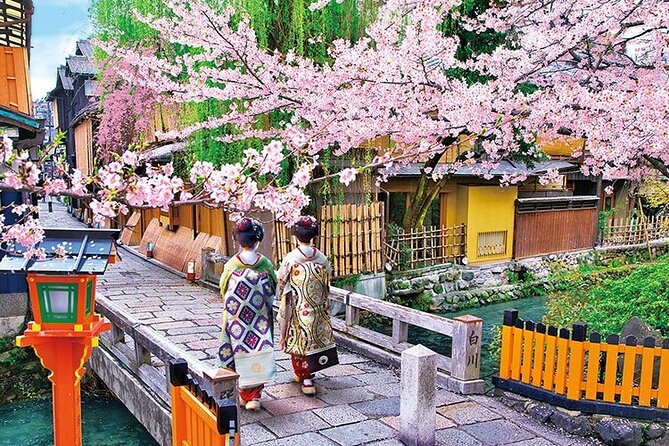
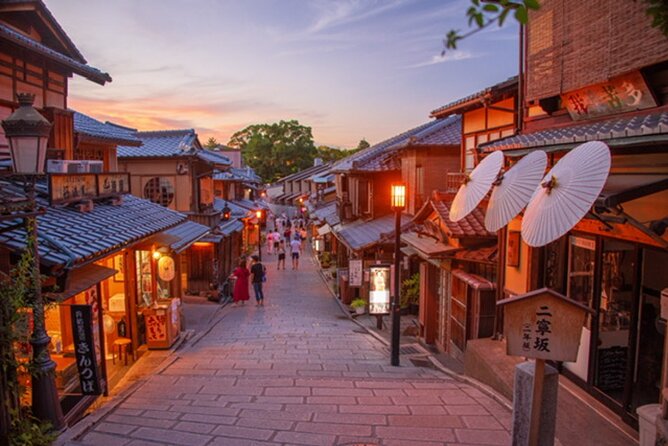
Kyoto’s geisha districts make their best first impression after sunset. Lanterns glow along Hanamikoji Street, wooden townhouses take on a quieter mood, and the narrow lanes around Gion and Pontocho feel far less hectic than they do in daylight. I especially like the small maximum of eight people and the way guide Richard connects geisha customs with shrines, architecture, kimonos, and everyday Kyoto life.
I also like that the walk is more than a quick pass through Gion. You stop at Yasaka Pagoda, Ninenzaka, Yasaka Shrine, and lesser-known geisha streets, with a Kyoto snack included along the way. The tradeoff is simple: this is a long walking tour, lasting about three and a half hours, with steps, rocky paths, and no good fit for anyone with walking difficulties.
In This Review
- Key points at a glance
- Why Gion works better after dark
- Hanamikoji Street and the world behind the doors
- Kabuki, temples, and Kyoto’s religious traditions
- Yasaka Pagoda and the Higashiyama streets
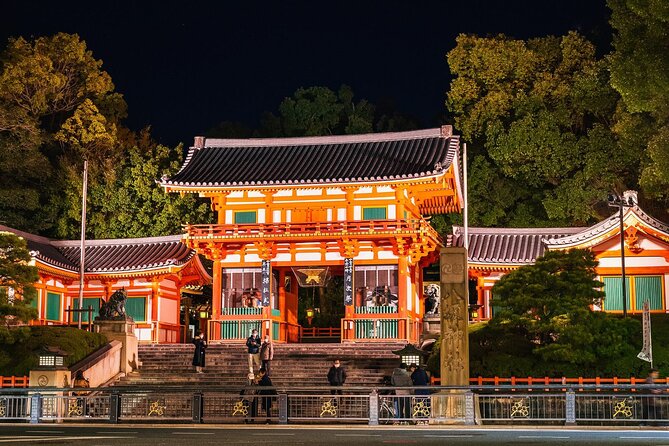
- Yasaka Shrine after sunset
- Pontocho, Kyoto’s second traditional nightlife district
- Richard’s guiding style and what you learn
- Is $98 a fair price?
- Practical details before you reserve
- Who should book this Kyoto night walk?
- FAQ
- How long is the Kyoto geisha night walk?
- Where does the tour begin?
- Where does the tour end?
- How large is the group?
- Is food included?
- Is the tour suitable for people with walking difficulties?
- What is the cancellation policy?
Key points at a glance
- Nighttime Gion atmosphere: See Hanamikoji, traditional alleys, and historic streets after the daytime crowds thin out.
- Richard’s cultural storytelling: Expect clear English explanations covering geisha training, kimonos, Shinto beliefs, Japanese entertainment, and Kyoto history.
- A genuinely small group: The tour accepts a maximum of eight people, which makes questions and conversation easier.
- More than one geisha district: The route links Gion and Pontocho, offering two different looks at Kyoto’s traditional nightlife.
- Major sights and quieter corners: Yasaka Shrine, Yasui-Konpiragu, Hōkan-ji Temple, Ninenzaka, and Nene-no-Michi all appear along the way.
- A walking tour with real physical demands: Allow about 3.5 hours on your feet, including steps and uneven, rocky sections.
Why Gion works better after dark
Gion can be frustrating in the middle of the day. The famous streets are attractive, but crowds and tour groups can make it hard to notice the details: the dark wood fronts, discreet entrances, narrow lanes, and small signs that hint at the work carried out behind them.
This tour begins at 5:20 pm, a useful time for watching Kyoto shift from afternoon sightseeing to evening activity. You meet outside the Disney Store at Kyoto Shijo-Kawaramachi, a central spot near public transportation. From there, the route moves toward the traditional entertainment districts rather than treating Gion as a single photo stop.
I like this timing because you get some light early in the walk, followed by the lantern-lit atmosphere that gives Gion its character. The exact amount of daylight will change with the season, but the tour is designed around seeing these streets after dark, when the mood is quieter and more atmospheric.
You should keep your expectations sensible. This is not a guaranteed geisha sighting, private dinner, or performance. It is a cultural walking tour through areas connected with geisha life. You may see performers heading to work, but the main value is learning how the district functions and understanding what you are looking at.
More evenings in Gion:
- Kyoto Geisha Walking Tour: Gion District & Hidden Gems
★ 4.7 · 3,273 reviews - Kyoto: Gion Magical Night Walking Tour with Geisha Trivia
★ 4.9 · 2,393 reviews - Kyoto: Gion Geisha District Walking Tour – Stories of Geisha
★ 4.7 · 2,187 reviews
Hanamikoji Street and the world behind the doors
Hanamikoji Street is the main early stop and the part of the route most closely tied to Gion’s geisha culture. Richard explains the arts and traditions associated with geisha and maiko, along with the difference between their training stages and working lives.
The walk also passes geisha living quarters and working houses. These are active private and professional spaces, not attractions to enter at will. That distinction matters. A good guide helps you appreciate the district without treating it like a stage set, and the supplied tour details emphasize explanation rather than access to private interiors.
You will also pass Gion Corner, where geisha study and train. This gives the evening some useful context. Geisha culture is not simply about makeup, kimono, and posed photographs. It involves years of training in traditional arts and formal performance, and Richard’s explanations are intended to show how that world fits into modern Kyoto.
One of the strongest parts of this experience is the range of subjects Richard covers. He discusses geisha customs, clothing, Japanese history, architecture, and local ways of life. His background as an American and Japanese guide is especially useful for English-speaking visitors who want cultural ideas explained plainly rather than left as mysterious travel imagery.
Kabuki, temples, and Kyoto’s religious traditions
The route makes a stop near the Kabuki theater, where you learn about this traditional form of Japanese entertainment. This is a smart addition because geisha districts developed within a wider world of theaters, restaurants, music, dance, and formal hospitality.
You then move toward one of Kyoto’s oldest temples, where Richard offers an introduction to Japanese Zen. The itinerary does not list an admission visit inside the temple, so you should think of this as an exterior and neighborhood explanation rather than a temple tour with interior access.
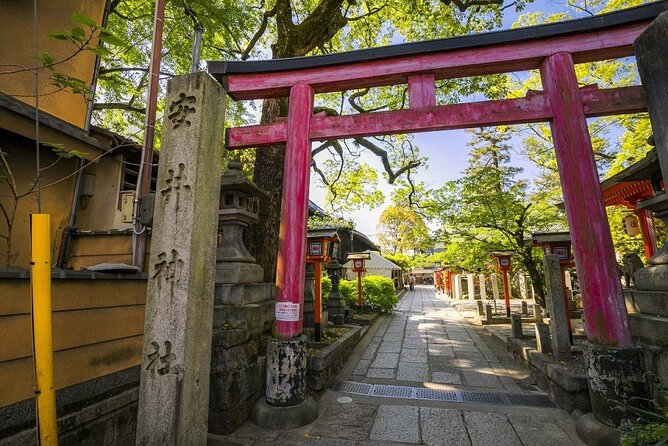
Next comes Yasui-Konpiragu, an intimate shrine with its own old traditions. Here the focus shifts from Buddhist ideas to Shinto customs. That contrast helps you understand why Kyoto’s religious sites can look and feel different even when they sit close together.
I appreciate this change of pace. The tour does not reduce Kyoto to geisha culture alone. Instead, it shows how entertainment districts, temples, shrines, and ordinary streets sit side by side. If you are visiting Kyoto for the first time, this wider frame can help make sense of the city for the rest of your trip.
Yasaka Pagoda and the Higashiyama streets
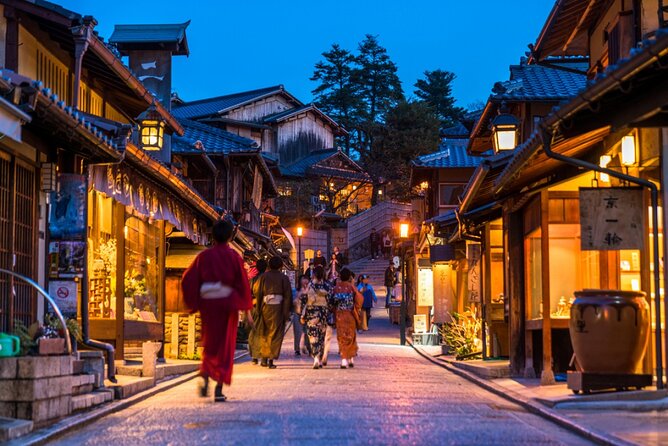
Hōkan-ji Temple, usually recognized by its Yasaka Pagoda, is one of the route’s strongest photo stops. The pagoda and surrounding streets are among the most recognizable sights in Kyoto, and nighttime lighting gives the area a different feel from the bright, crowded daytime view.
The stop is listed as about 15 minutes, so do not expect a long temple visit. You get time to look, take photographs, and hear the guide explain the setting. The short pause also keeps the walk moving.
From there, you walk through Ninenzaka, a narrow historic lane especially attractive at night. The route continues along Nene-no-Michi, another atmospheric street where you take a break and receive a local Kyoto snack.
The snack is a modest but welcome feature. It gives you a chance to rest, and Richard explains the treat rather than simply handing it over. Some people may not love the taste, especially if unfamiliar Japanese flavors are not your thing, but the cultural explanation makes it more useful than a generic refreshment.
Bring water anyway. A snack is not a meal, and three and a half hours of walking can work up an appetite. Comfortable shoes matter more here than stylish footwear, particularly because the route includes steps and unpaved rocky paths.
More Kyoto walks after dark:
- Night Walk in Gion: Kyoto’s Geisha District
★ 4.5 · 2,003 reviews - Kyoto Gion Night Walk & Geisha District Guided Tour
★ 5.0 · 786 reviews - Kyoto Bar Hopping Night Tour
★ 5.0 · 613 reviews - Kyoto Foodie Night Tour
★ 5.0 · 376 reviews
Yasaka Shrine after sunset
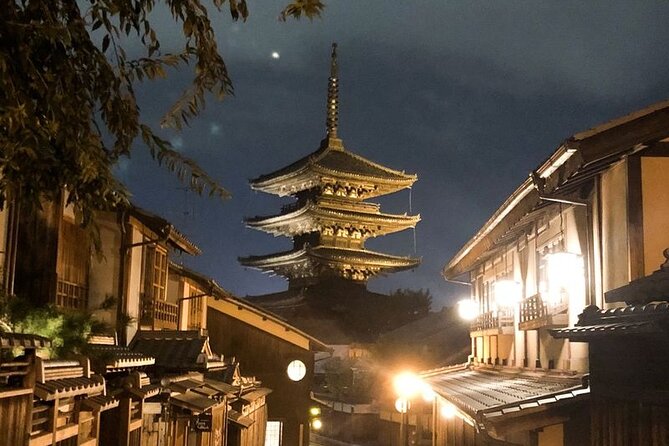
Yasaka Shrine is one of Kyoto’s best-known Shinto shrines and receives about 30 minutes on the route. Richard points out important features and explains some of the shrine’s role and traditions.
Visiting at night changes how you read the site. You are less likely to focus only on a checklist of gates and buildings. Instead, you can pay attention to the space, the lighting, the movement of people, and the difference between a major shrine and the smaller, quieter Yasui-Konpiragu encountered earlier.
This stop also reinforces the tour’s attention to Shinto beliefs. If you have visited Japanese shrines before but still feel unsure about customs, symbols, or the purpose of different features, this is a good place to ask questions.
The tour also includes a picturesque spot and a lesser-known geisha street before heading toward Pontocho. The precise names of those small locations are not specified, which means you should treat them as guide-led discoveries rather than fixed headline attractions. That can be a plus: the route is not only built around the same two photographs seen in every Kyoto brochure.
Pontocho, Kyoto’s second traditional nightlife district
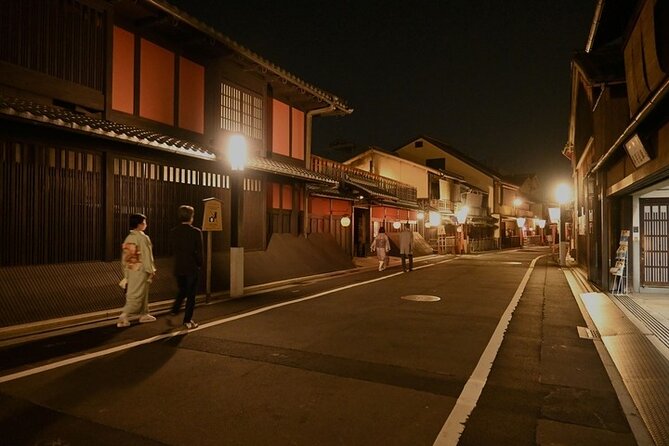
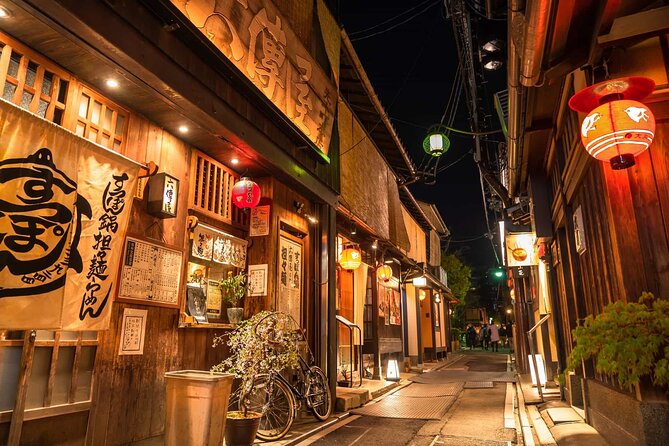
The final major stop is Pontocho District, reached at the northern end of the narrow Pontocho alley. This area has a different character from Hanamikoji. You find a tight corridor of geisha houses, bars, and nightlife, with the Kamo River nearby.
Pontocho is a good ending point because it shows the continuing evening life of Kyoto. Gion often feels formal and carefully preserved, while Pontocho gives you a closer look at the relationship between traditional entertainment and modern restaurants and bars.
The tour ends at Sanjō Ōhashi Bridge, around 8:50 pm if the walk runs close to its advertised duration. This is a practical finish. You are near central Kyoto, and the end point gives you a straightforward place from which to continue for dinner or return to your accommodation.
If you want restaurant advice, Richard has supplied recommendations during the tour. That can be particularly handy because the walk ends in an area filled with dining choices, though personal expenses are not included.
Richard’s guiding style and what you learn
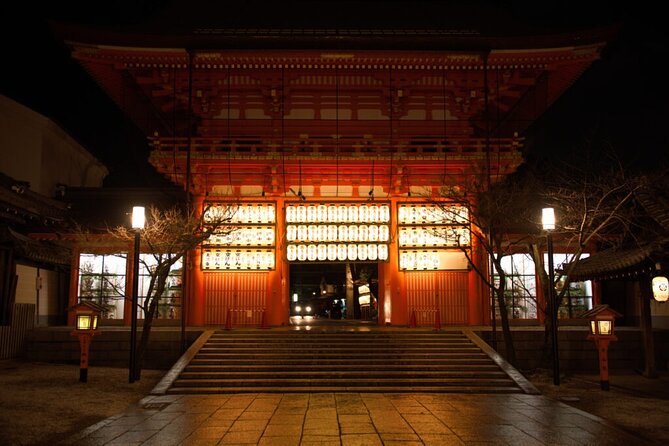
The guide can make or break a culture walk, and Richard is the central reason this tour appeals to me. He is described as an American and Japanese guide who explains both cultures clearly, and the tour material identifies him by name.
His strengths are storytelling, patience, and cultural range. You can expect explanations about geisha training, kimono details, Shinto, Zen, Kabuki, samurai history, architecture, and Kyoto’s long-running traditions. He also answers questions in detail and adjusts the pace and discussion to the group’s interests.
That makes the tour a good choice for families and mixed-age groups. It also suits people who dislike tours that rush from one photo stop to the next. The route is full, but the guide’s explanations give the stops a purpose.
You should still know what this is not. It is not a formal lecture, a theater performance, or a chance to enter geisha houses. It is a walking conversation through historic districts, with a guide who helps you interpret what you see.
Is $98 a fair price?
At $98 per person, this is not the cheapest way to walk through Gion. You can visit the streets, shrines, pagoda, and Pontocho on your own without paying an admission fee.
The value comes from the guide and the structure. You receive about 3.5 hours of guided walking, a maximum group size of eight, clear English commentary, cultural interpretation at several sites, and a local snack. For a first evening in Kyoto, that can save you from wandering past important places without understanding their role.
I would consider the price fair if geisha culture and traditional Kyoto are central interests. It is less compelling if you only want photographs or prefer exploring independently. The strongest value appears when you ask questions and use the guide’s explanations to shape the rest of your time in Kyoto.
The high recommendation rate and 5-star rating suggest the experience has been consistently well received, but I would not book it simply for the rating. Book it because you want a long, guided evening and are willing to trade some independence for context.
Practical details before you reserve
The tour uses a mobile ticket, and confirmation is provided when you book. The meeting point is the Disney Store at Kyoto Shijo-Kawaramachi, at the northeast corner of Shijo Street and Kawaramachi Street.
The maximum is eight people. That is small enough for easier conversation, though the exact group size can vary. The guide speaks clear, native English.
Wear shoes suited to a long urban walk. The route includes steps and unpaved rocky paths, and the operator says it is not suitable for anyone with walking issues. Strollers may need to be maneuvered through those sections, so families should consider that carefully.
Most people can participate, and the route is near public transportation. Tips are not included, and the guide appreciates gratuities. Personal expenses beyond the included snack are also your responsibility.
You can cancel for a full refund up to 24 hours before the 5:20 pm start time. Cancellations or changes inside that window are not refunded or accepted. The tour requires good weather, so if poor conditions force a cancellation, you will be offered another date or a full refund.
Who should book this Kyoto night walk?
I would book this for a first or second evening in Kyoto, especially if you want a clear introduction to Gion before exploring the city on your own. The tour gives you useful cultural footing early in a trip, and Richard’s restaurant suggestions may help with the rest of your stay.
It is also a strong match for photographers who want lantern-lit streets and historic buildings, families who prefer a guide with a broad range of stories, and anyone curious about geisha life beyond costumes and photographs.
I would skip it if you have difficulty walking, want a geisha performance, expect guaranteed sightings, or prefer a short tour with lots of free time. At 3.5 hours, this is a full evening commitment.
For the right visitor, the combination of Gion, Higashiyama, Yasaka Shrine, and Pontocho makes good sense. You get the famous streets, but you also get the explanations that turn them into places rather than backdrops. That is the real reason to book.
FAQ
How long is the Kyoto geisha night walk?
The tour lasts approximately 3 hours and 30 minutes. It starts at 5:20 pm and ends at Sanjō Ōhashi Bridge in the Pontocho area.
Where does the tour begin?
The meeting point is the Disney Store at Kyoto Shijo-Kawaramachi, at the northeast corner of Shijo Street and Kawaramachi Street.
Where does the tour end?
The walk ends at Sanjō Ōhashi Bridge, at the northern end of Pontocho alley.
How large is the group?
The tour has a maximum of eight travelers, making it a small-group experience.
Is food included?
Yes. A local Kyoto snack is included during a break at Nene-no-Michi. Personal expenses beyond the included snack are not covered.
Is the tour suitable for people with walking difficulties?
No. The tour involves about 3.5 hours of walking, along with steps and unpaved rocky paths, and is not suitable for anyone with walking issues.
What is the cancellation policy?
You can cancel at least 24 hours before the local start time for a full refund. Cancellations and changes made less than 24 hours before the tour are not refunded or accepted. If poor weather causes the tour to be canceled, you will be offered another date or a full refund.
More Kyoto Evenings
- Kyoto Night Foodie Tour in Gion (9+ dishes + 6 Sake tastings)
★ 5.0 · 1,762 reviews - Kyoto Ghost Tour: Dark Tales, Urban Legends, Bamboo Forest Night
★ 5.0 · 625 reviews - Kyoto Night All-Inclusive Eats and Streets, Gion and Beyond
★ 4.7 · 601 reviews - Gion Walking Tour by Night
★ 4.5 · 429 reviews
More Walking Tours in Kyoto
- Kyoto Gion Geisha District Walking Tour – The Stories of Geisha
★ 5.0 · 1,441 reviews - Nishiki Market Brunch Walking Tour (7 Tastings + Brunch)
★ 5.0 · 1,355 reviews - Kyoto Arashiyama Walking Tour: Bamboo, Monkeys, Gardens & Secrets
★ 5.0 · 1,216 reviews - Kyoto Gion: 2-Hour Geisha Culture & History Walking Tour
★ 5.0 · 1,186 reviews
Recently added around Kyoto
- Higashiyama | Kyoto: Sakura Season Private Rickshaw Tour★ 5.0 · 3 reviews
- Kyoto Kimono Rental CHAMATSU|Kimono/Yukata Rental FamilyPlan★ 5.0 · 3 reviews
- Kyoto: Half-Day Private Guided Tour to the Old Town of Gion★ 4.4 · 3 reviews
- Nara Private Customizable Half Day Tour★ 5.0 · 3 reviews
- Kansai Region Hiking Adventure in Nara Kobe Kyoto and More★ 5.0 · 3 reviews
- Full Day Nara Deer, Temple, Shrine, Activities & Tea Ceremony★ 5.0 · 3 reviews
- Nara: Essential Private Tour with Deer Park and Temples★ 5.0 · 3 reviews
- Hiking Tour for Sacred Sites in Kyoto with a Guide★ 5.0 · 3 reviews
Gion Geisha District Tours, compared.

Kyoto Geisha Walking Tour: Gion District & Hidden Gems
Read our review →
Gion Magical Night Walking Tour with Geisha Trivia
Read our review →
Gion Geisha District Walking Tour – Stories of Geisha
Read our review →
Best of Kyoto: Gion, Geisha, Pagodas & Cobblestones
Read our review →

Kyoto Night Foodie Tour in Gion (9+ dishes + 6 Sake tastings)
Read our review →
Kyoto Gion Geisha District Walking Tour – The Stories of Geisha
Read our review →
Kyoto Gion: 2-Hour Geisha Culture & History Walking Tour
Read our review →Browse the lists this tour appears in