
REVIEW · KYOTO MATCHA EXPERIENCES
Japanese Traditional Sweets making with Tatedashi Matcha
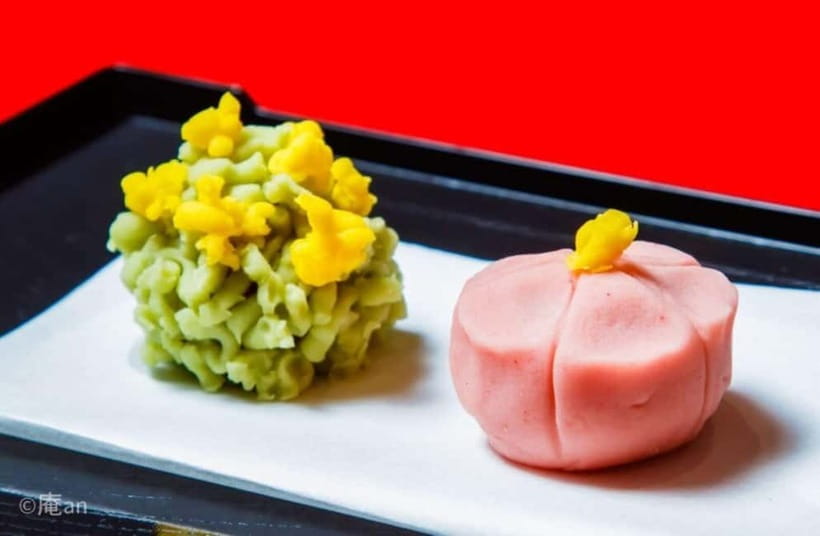
Making nerikiri is part sweet-making class, part edible art project. In 65 minutes near Gojo Station, you shape two seasonal Japanese sweets from Kyoto-made white and red bean paste, then sit down with Tatedashi Matcha and eat what you made. The flower-shaped nerikiri and kinton nerikiri give you two different forms to try.
I like the use of ingredients from long-established Kyoto shops, and I like that you eat the sweets on the spot rather than simply carrying them away. At $14 per person, this is a low-cost cultural break. The main consideration is group size: one participant found the class crowded, while another felt the hands-on work was simple enough for small children.
In This Review
- Key points to know before you book
- What you are really making: Kyoto-style nerikiri
- The first 55 minutes: shaping two seasonal sweets
- The final 10 minutes: photographs, matcha, and eating
- Why the $14 price can make sense
- Finding AN Japanese Culture Experience near Gojo
- Language, class mood, and group size
- Who will enjoy this short Kyoto activity
- Booking, cancellation, and small practical details
- Should you book the nerikiri and matcha class?
- FAQ
- Where does the Japanese sweets-making activity take place?
- How long does the experience last?
- How many sweets will I make?
- Is matcha included in the price?
- Can I eat the sweets during the activity?
- Can I take the sweets home?
- Is the class taught in English?
- Is the building wheelchair accessible?
- What is the cancellation policy?
Key points to know before you book
- Two seasonal nerikiri designs: You make one flower-shaped sweet and one kinton-style sweet.
- Kyoto bean paste: The white and red bean paste comes from long-established Kyoto shops.
- Matcha included: Tatedashi Matcha is served after the making session, with time to eat and drink.
- Gojo Station location: The meeting point is one minute from Exit 1 of the Subway Karasuma Line.
- Japanese-led instruction: The instructor teaches in Japanese, with English translation provided as much as possible.
- A compact 65-minute activity: It fits neatly into a Kyoto sightseeing day, but late arrivals cannot be held for.
What you are really making: Kyoto-style nerikiri
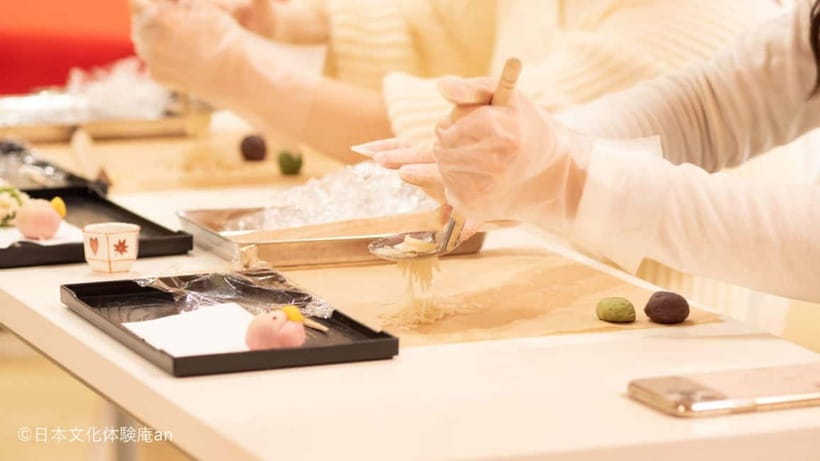
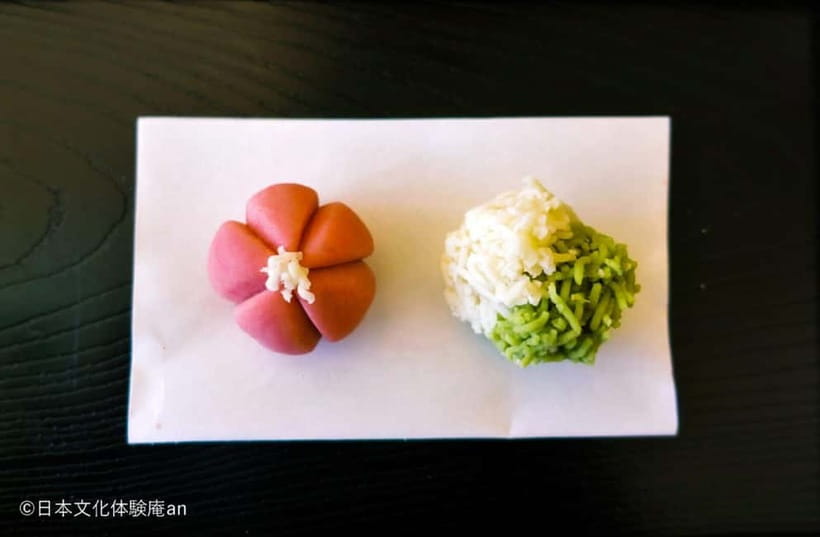
Nerikiri is a soft Japanese sweet made for careful shaping. Here, you work with bean paste and form two pieces that match the season. The finished sweets are meant to look like small works of art, not simply snacks.
That visual side is important. The activity gives you a chance to see how much care goes into the shape, color, and presentation of a traditional sweet. You place your finished pieces on a plate, take pictures, and then eat them with matcha. The result is personal and temporary, which is part of the appeal.
The ingredients also give this class a stronger connection to Kyoto than a generic craft activity. The white and red bean paste comes from long-established shops in Kyoto. You are not just molding an unknown classroom material, although one participant felt the work could resemble a play dough activity because the ingredients were not explained clearly enough.
That criticism is worth keeping in mind. If your main goal is a detailed lesson on Japanese confectionery, this may feel light. If you want a simple, hands-on introduction with an edible result, the format makes sense.
More matcha tastings and workshops:
- World Heritage Kyoto & Nara Uji Authentic Matcha Experience
★ 5.0 · 1,573 reviews - Kyoto: Arashiyama Bamboo Forest, Monkeys, Matcha & Temple Tour
★ 5.0 · 759 reviews - Kyoto: Tea Museum Tickets and Matcha Grinding Experience
★ 4.9 · 739 reviews
The first 55 minutes: shaping two seasonal sweets
The session begins with an explanation of Japanese traditional sweets. The supplied schedule does not give a minute-by-minute lecture or a detailed story about the confectionery trade, so I would expect a practical introduction rather than a long cultural talk.
Next comes the flower-shaped nerikiri. This is the more immediately recognizable design, and it gives you a chance to work toward a clear seasonal image. The precise appearance changes with the season, so your finished sweet may reflect the time of year rather than follow one fixed design all year.
The second piece is a kinton nerikiri. This offers a different look from the flower shape and helps keep the short class varied. You make two sweets rather than repeating one form, so the session has a small sense of progression.
The possibilities are described as broad, but you should not read that as unlimited free-form design. The class has a set schedule and two named sweets to complete. You will likely have enough room to shape and decorate your pieces, while still following the instruction given by the Japanese-speaking instructor.
The class is designed to be approachable. You do not need to arrive with specialist cooking skills, and the experience is suitable for solo participants or groups. One participant found it fun and simple, describing it as an enjoyable pause from a busy day of sightseeing. That is a fair way to view it: this is a short creative activity, not a professional pastry course.
The final 10 minutes: photographs, matcha, and eating
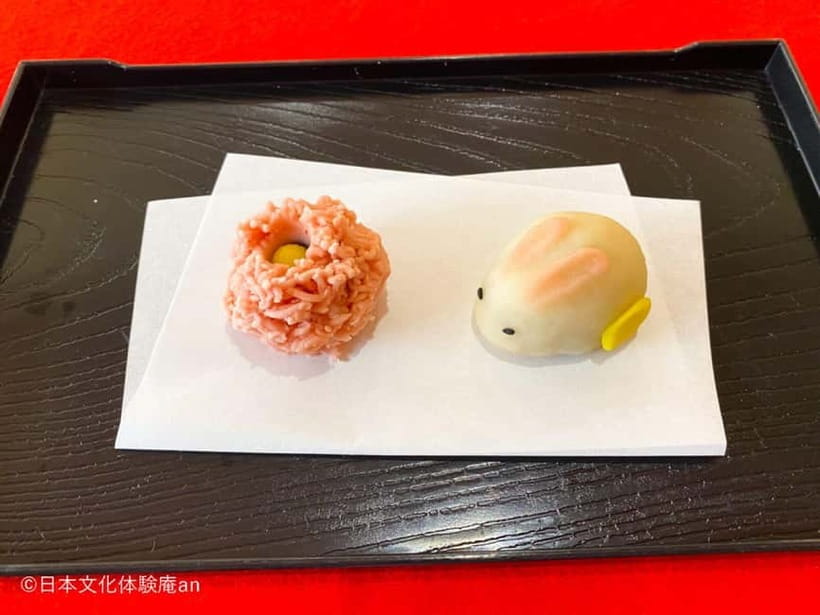
At about the 55-minute mark, the making portion ends and you get picture time. This is when your two sweets are at their best for photographs, arranged on a plate before you eat them.
Tatedashi Matcha is then provided. The schedule gives about 10 minutes for eating and drinking, followed by departure at the 65-minute mark. That is enough time for a brief tea break, but it is not a long tea ceremony with an extended performance or formal ritual.
The matcha matters because it changes the activity from a craft session into a small food experience. You can taste the sweets as intended, with tea alongside them, instead of treating your work as a souvenir. The sweets are included for eating during the class.
A take-out box is available for 100 yen if you want to carry the sweets with you. That extra cost is modest, but you should remember that the package is not part of the listed inclusion. An experience completion certificate costs 300 yen and is also optional.
Why the $14 price can make sense
At $14 per person, this is one of the easier Kyoto activities to fit into a limited budget. You receive the making session, two sweets, and Tatedashi Matcha. Since the end product is edible and you can eat it during the visit, the price covers both an activity and a small refreshment.
I would not book it for the food alone. Two nerikiri and a cup of matcha do not make this a full meal, and the class is short. The value comes from doing the work yourself, taking pictures, and getting a small introduction to an important Japanese sweet tradition.
The price also works well for a spare hour between larger sightseeing stops. You are not committing half a day or paying for an elaborate performance. If you are already near Gojo, the location keeps the time and transport cost low.
The value is less clear if you expect a small, private class or detailed instruction in English. One participant felt there were too many people in the class. The experience provider does not promise an English-speaking instructor, so I would treat the translation as helpful support rather than a full bilingual lesson.
A few more Kyoto experiences worth comparing
- Kyoto: Japanese Traditional Sweets Making and Tea Ceremony
★ 4.4 · 314 reviews - Kyoto Wagashi(Japanese sweets) Cooking Class near Fushimiinari
★ 5.0 · 60 reviews - Kyoto: Wagashi (Japanese sweets) Cooking near Fushimiinari
★ 5.0 · 40 reviews - Kyoto: Traditional Tea Ceremony with Matcha & Sweets in Gion
★ 4.9 · 27 reviews
Finding AN Japanese Culture Experience near Gojo
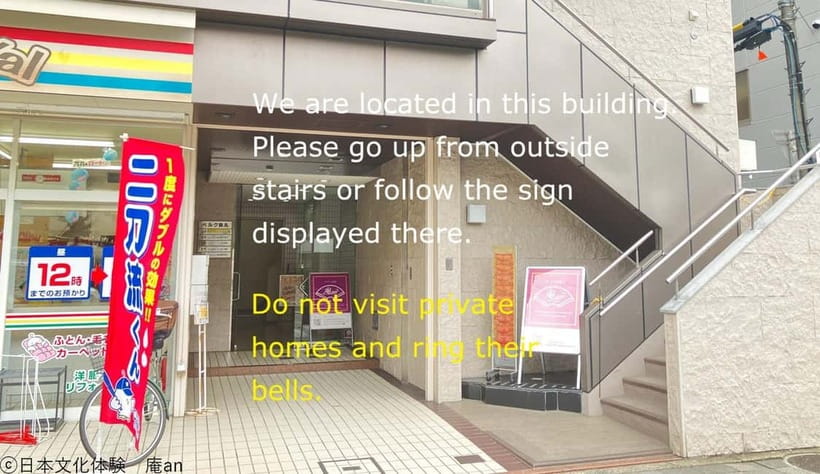
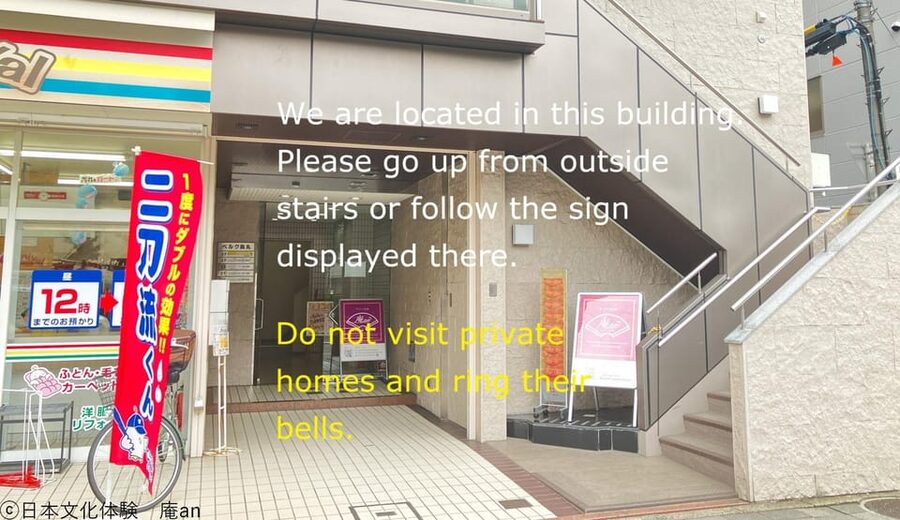
The meeting point is one minute from Exit 1 of Gojo Station on the Subway Karasuma Line. The entrance faces the main street, Gojo-dori, which is useful because you should not need to search through a quiet side lane.
Gojo is a practical base for this activity. You can plan it around sightseeing in central Kyoto, but leave enough time to arrive before the start. The class will not wait for late arrivals, regardless of the reason. I would aim to be at the entrance several minutes early, especially if you are using the subway and need to orient yourself after leaving the station.
The operating hours are 10:00 to 17:00. Reservations received after 17:00 are processed the following day, so a late evening booking request may not receive an immediate response.
There is a stair issue to consider. The activity information says the experience is wheelchair accessible, but it also says there is no elevator in the building and that you must use stairs to reach each venue. I would contact AN KYOTO before booking if you use a wheelchair or have trouble with stairs, and ask exactly how access will work for your session.
Language, class mood, and group size
The instructor teaches in Japanese. English translation is provided as much as possible, but the information does not promise full English instruction or identify an instructor by name.
You can still follow a practical shaping activity with limited language support, especially if the instructor demonstrates each step. However, I would not choose this class as your main source of detailed English explanations about ingredients, technique, or Japanese confectionery customs.
Group size may shape your experience. One person found the class too crowded, while another praised the instructor and found the sweets tasty. Those comments point to a class that can be lively and social, but not necessarily quiet or highly personal.
For a solo participant, the class offers an easy activity where you do not need to arrange a group. For families, the simple format may work well. Children under two years old who sit on a parent’s lap are free, while anyone who takes part must have a reservation and participation entry is restricted to people doing the activity.
The play dough comparison from one participant is also useful. The shaping process may feel more tactile than culinary. You are handling a prepared paste and turning it into a design, rather than cooking the paste from raw ingredients or learning a long recipe.
Who will enjoy this short Kyoto activity
I would recommend it most to you if you meet one or more of these descriptions:
- You want a hands-on activity rather than another temple visit.
- You enjoy food presentation and taking pictures of what you make.
- You have about an hour near Gojo Station.
- You want to try Japanese sweets but prefer a low-cost introduction.
- You are traveling with children or a mixed-age group.
- You like the idea of eating your own creation immediately.
It is also a good choice for a rainy-day plan. The activity takes place indoors, lasts only 65 minutes, and does not require a long commitment.
I would be more cautious if you want a formal tea ceremony, a private workshop, or extensive English commentary. I would also think twice if a crowded class would spoil the experience for you. The class has a set pace, so it may not offer much time for lingering over each design.
Booking, cancellation, and small practical details
You can reserve now and pay later, which helps if your Kyoto schedule is still moving around. Free cancellation is available up to 24 hours in advance for a full refund, but cancellation charges apply after that point. If you change the date or time after a fee has been incurred, an additional specified fee may apply.
Remember that late arrival is not protected. The class will not be held for you, and the provider does not compensate travel expenses if you cancel or miss the session. Check the meeting point carefully before leaving for Gojo.
Only participants may enter the activity. If someone in your group wants to watch without taking part, they should confirm the policy with the provider first, since nonparticipants are not allowed inside.
Should you book the nerikiri and matcha class?
I would book this experience if you want an inexpensive, creative hour in Kyoto and are happy with a Japanese-led class supported by some English translation. The Kyoto-sourced bean paste, two seasonal designs, included matcha, and central Gojo location give it solid value at $14.
I would skip it if you are seeking a polished, quiet tea ceremony or a detailed confectionery lesson. The class can feel crowded, and the hands-on work is intentionally simple. For most people, the best reason to book is not that you will become a wagashi expert. It is that you will make two attractive sweets, learn by doing, and eat them before heading back into Kyoto.
FAQ
Where does the Japanese sweets-making activity take place?
It takes place at AN Japanese Culture Experience in Honshu, Japan. The meeting point is a one-minute walk from Exit 1 of Gojo Station on the Subway Karasuma Line, with the entrance facing Gojo-dori.
How long does the experience last?
The full activity lasts 65 minutes. The sweets-making portion and picture time run to about 55 minutes, followed by Tatedashi Matcha and eating and drinking time before departure.
How many sweets will I make?
You will make two seasonal Japanese traditional sweets called nerikiri. The scheduled designs are one flower-shaped nerikiri and one kinton nerikiri.
Is matcha included in the price?
Yes. Tatedashi Matcha is included and is provided after the sweets-making and picture portion of the activity.
Can I eat the sweets during the activity?
Yes. You can eat your handmade sweets on the spot during the eating and drinking portion.
Can I take the sweets home?
A sweets take-out box is available for 100 JPY. The box is not included in the activity price.
Is the class taught in English?
The instructor language is Japanese. English translation will be provided as much as possible, and you can contact the provider if you would like to request it.
Is the building wheelchair accessible?
The activity information lists it as wheelchair accessible, but it also states that the building has no elevator and that stairs are required to reach each venue. Contact the provider before booking to confirm access for your needs.
What is the cancellation policy?
You can cancel up to 24 hours in advance for a full refund. Cancellation fees apply after that point, and the experience cannot be held for late arrivals.
Recently added around Kyoto
- Higashiyama | Kyoto: Sakura Season Private Rickshaw Tour★ 5.0 · 3 reviews
- Kyoto Kimono Rental CHAMATSU|Kimono/Yukata Rental FamilyPlan★ 5.0 · 3 reviews
- Kyoto: Half-Day Private Guided Tour to the Old Town of Gion★ 4.4 · 3 reviews
- Nara Private Customizable Half Day Tour★ 5.0 · 3 reviews
- Kansai Region Hiking Adventure in Nara Kobe Kyoto and More★ 5.0 · 3 reviews
- Full Day Nara Deer, Temple, Shrine, Activities & Tea Ceremony★ 5.0 · 3 reviews
- Nara: Essential Private Tour with Deer Park and Temples★ 5.0 · 3 reviews
- Hiking Tour for Sacred Sites in Kyoto with a Guide★ 5.0 · 3 reviews
Kyoto Matcha Experiences, compared.
World Heritage Kyoto & Nara Uji Authentic Matcha Experience
Read our review →
Arashiyama Bamboo Forest, Monkeys, Matcha & Temple Tour
Read our review →
Tea Museum Tickets and Matcha Grinding Experience
Read our review →
Tea Ceremony Meditation – Make Matcha with Tea Master
Read our review →Arashiyama Bamboo, Matcha, Monkeys & Temple Tour
Read our review →
Arashiyama Bamboo, Temple, Matcha, Monkeys & secret spots
Read our review →
Browse the lists this tour appears in