
REVIEW · HISTORICAL TOURS
Historic and Natural Guided Hike in Yoshino
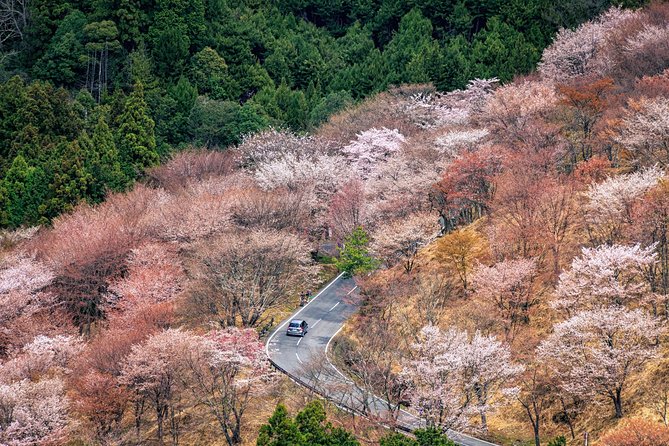
Mount Yoshino gives you far more than a famous cherry blossom view. This 8 km mountain walk links cedar forests, old pilgrimage routes, sacred temples, waterfalls, and lookout points in one well-paced day. In spring, the hills are covered with roughly 30,000 cherry trees, but the wooded trails and religious sites give the outing value outside blossom season too.
I like the private format, since your group can walk at its own pace and ask plenty of questions. I also like the local guides, including Yoshi, Masako, and Yoshifumi, who add history, photos, restaurant help, transport arrangements, and even local sweets when circumstances allow. The main consideration is physical effort: this is a moderate mountain hike, not a gentle sightseeing stroll.
In This Review
- Key points to know before booking
- Why Mount Yoshino deserves a full walking day
- Starting at Yamato-Kamiichi Station
- Walking through Yoshino’s cedar forests
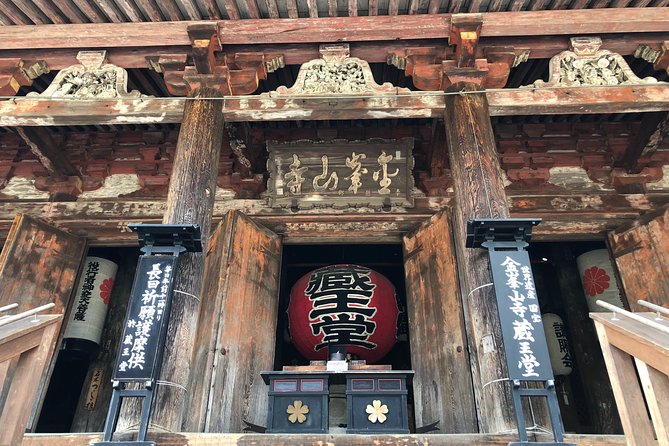
- Kinpusenji Temple and Chikurin-in
- Hanayagura for views and photographs
- Yoshino Miyataki Manyo Road and the waterfall route
- What the private format changes
- What is not included in the $136.82 price
- Is the route right for your fitness level?
- When to book, and which season to choose
- Who will get the most from this Yoshino hike?
- Should you book this Mount Yoshino tour?
- FAQ
- Where does the tour start?
- What time does the hike begin?
- Where does the tour finish?
- How long does the experience last?
- How far do you walk?
- Are cherry blossoms guaranteed?
- Is this a private tour?
- Which admissions are included?
- Are food, drinks, and hotel transfers included?
- What happens if the weather is poor?
Key points to know before booking
- 8 km on mountain paths: Expect a real half-day walk with slopes and uneven ground.
- Cherry blossoms are seasonal: The famous bloom appears only between March and April.
- Private group experience: Only your party joins the guide.
- Strong local guidance: Yoshi, Masako, and Yoshifumi are named guides associated with the experience.
- Historic and religious stops: Kinpusenji Temple and Chikurin-in are included, with other sacred sites along the route.
- Simple meeting plan: Start at Yamato-Kamiichi Station at 10:20 am and return to the same meeting point.
Why Mount Yoshino deserves a full walking day
Mount Yoshino, or Yoshinoyama, is in southern Nara Prefecture. It has long been linked with imperial journeys, poets, mountain worship, and pilgrimage. The appeal comes from the way nature and religion sit side by side here. A forest path can lead to a temple, then open to a broad view over the surrounding hills.
Spring is the headline season. The mountain’s roughly 30,000 cherry trees bloom between March and April, creating layers of pink and white across the slopes. Timing matters, though. The tour does not promise blossoms outside that short season, so you should book it for the forests, views, and cultural sites if you are visiting at another time.
I see this as a good choice for someone who wants context rather than a quick photo stop. You are not simply driven to a viewpoint, shown a temple, and sent on your way. You spend hours moving through the area, with a guide who can explain why Yoshino matters.
A few more Kyoto experiences worth comparing
- Fushimi Inari Hidden Hiking Tour (Private Option Available)
★ 5.0 · 1,750 reviews - Kyoto: 3-Hour Fushimi Inari Shrine Hidden Hiking Tour
★ 4.9 · 270 reviews - Kyoto Hiking Tour: The Nature and Legends of Kurama and Kibune
★ 5.0 · 75 reviews
Starting at Yamato-Kamiichi Station
The tour begins at Yamato-Kamiichi Station at 10:20 am. You handle your own way to the meeting point, since hotel pickup and private transport are not included. The station is near public transportation, which makes the arrangement fairly straightforward, but you should still leave time to arrive before the start.
This meeting point shapes the day. You begin away from the convenience of a hotel lobby and meet the guide where the walking route starts. That is useful for keeping the tour focused, but it means you need to plan your arrival independently.
Wear comfortable shoes and practical clothing. The route covers about 8 km, and the tour asks for a strong level of physical fitness. I would not choose this outing if you want a flat path, frequent vehicle transfers, or a short temple visit with minimal walking.
Walking through Yoshino’s cedar forests
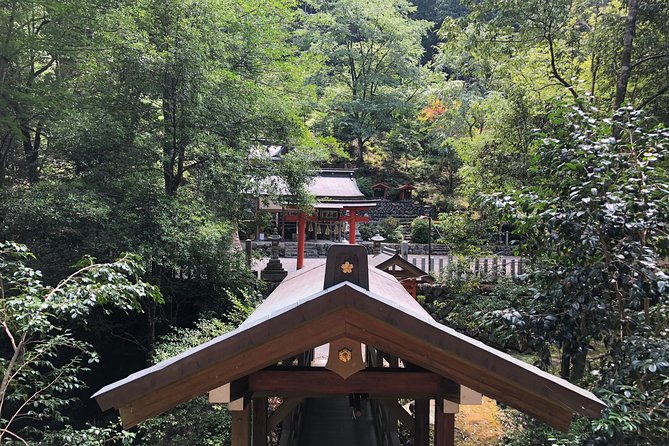
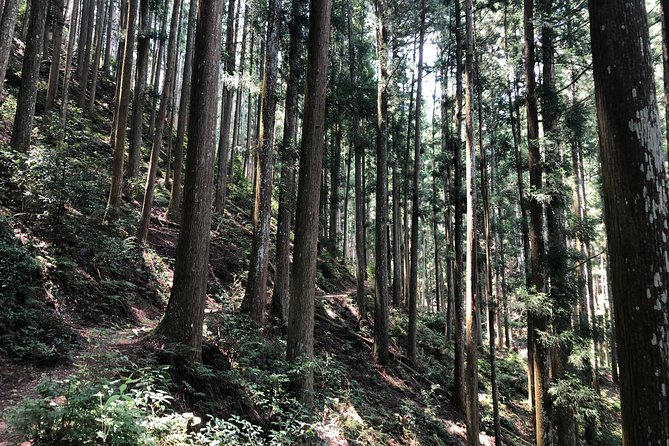
One of the best parts of the experience is the shift from town and transport into the mountain woods. Yoshino is famous for cherry trees, but the cedar forest gives the walk a quieter character. The route follows mountain paths tied to old religious travel, with nature providing much of the atmosphere.
The forest section also helps explain why Yoshino has been valued for centuries. The setting is not only pretty. It is part of a sacred mountain tradition, where wooded slopes, shrines, temples, and trails belong to the same cultural world.
Your guide is important here. Yoshi has been praised for clear English, local knowledge, and an easy manner. Masako is described as friendly, funny, and careful with details. Yoshifumi has helped with practical arrangements such as restaurants and transport. Guide assignment may vary, so you should not assume one particular person will lead your group.
Kinpusenji Temple and Chikurin-in
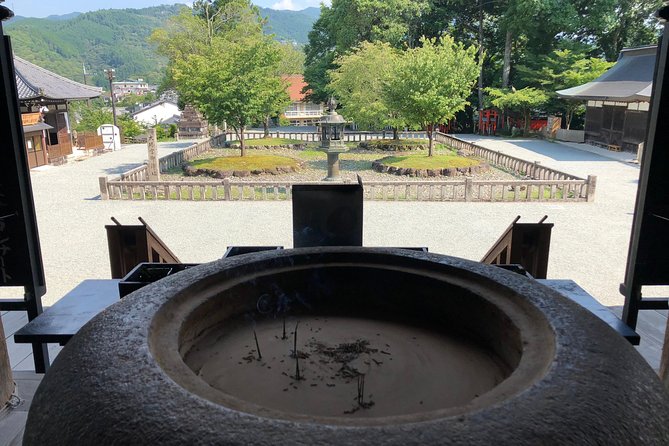
Kinpusenji Temple is one of the central cultural stops. Entry to Kinpusenji and Chikurin-in is included, which improves the value of the tour because you are not paying separate admission during the walk. The itinerary also identifies Kinpusenji as a key stop, and it is part of the religious character that makes Yoshino different from an ordinary mountain hike.
The temple visit gives the route a clear historical focus. You can pause, look closely, and ask questions instead of passing through on your own with only a guidebook paragraph for context. The tour description connects these paths with the Asuka and Nara periods, so the day reaches well beyond modern sightseeing.
Chikurin-in adds another temple setting to the route. Together, these admissions make the tour useful for visitors who want a guided introduction to Yoshino’s sacred places without arranging several visits independently.
Do keep your expectations practical. The supplied details do not specify how long you remain at each site, so the day is best understood as a walking tour with temple visits, not a long study visit at either location.
More history walks in Kyoto:
- World Heritage Kyoto & Nara Uji Authentic Matcha Experience
★ 5.0 · 1,573 reviews - Kyoto Gion: 2-Hour Geisha Culture & History Walking Tour
★ 5.0 · 1,186 reviews - Kyoto Gion Historical Walking Tour
★ 5.0 · 188 reviews - Historical Kyoto E-Bike Tour
★ 5.0 · 181 reviews
Hanayagura for views and photographs
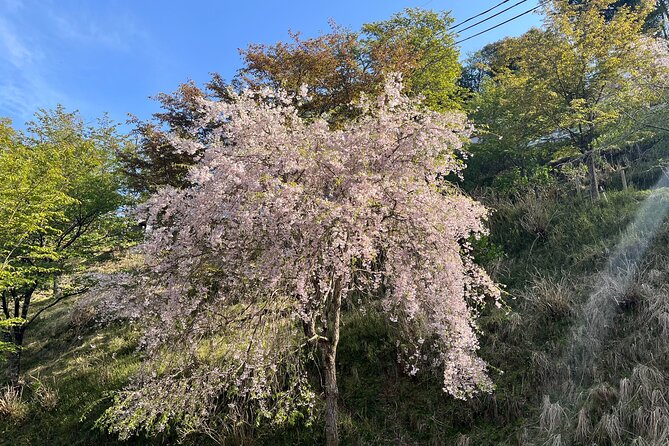
Hanayagura is another important stop. It is especially appealing during cherry blossom season, when the mountain’s trees create the broad, layered views Yoshino is known for. The stop also matters outside spring because it gives the walk a scenic pause after the forest sections.
Several guides have helped visitors take photographs, and Yoshi has even created a Google Photos album after a hike. That is a thoughtful extra, but it should not be treated as a formal tour guarantee. You should expect help with photos when possible, not a promised album.
The views depend on weather. Clear conditions can make a major difference, and the activity requires good weather to operate. If poor weather forces cancellation, you are offered another date or a full refund.
Yoshino Miyataki Manyo Road and the waterfall route
Yoshino Miyataki Manyo Road adds another side of the area, with a route connected to nature and older Japanese culture. The itinerary names it as one of the main stops, while detailed accounts of the walk include Miyazaki Falls, Takataki Falls, Yoshino Mikimari Shrine, and the UNESCO-listed Kinpusenji Temple.
Because the exact walking order can vary, think of these places as part of the day’s wider Yoshino route rather than a guaranteed sequence. The waterfalls give the hike a welcome change from temple grounds and viewpoints. The shrines and forest paths make the day feel like a journey through a living religious area rather than a checklist of famous buildings.
The walk itself has been described as moderate and fulfilling. That is a useful guide to expectations. You need enough stamina for several hours on a mountain route, but the experience is not presented as technical climbing or wilderness trekking.
What the private format changes
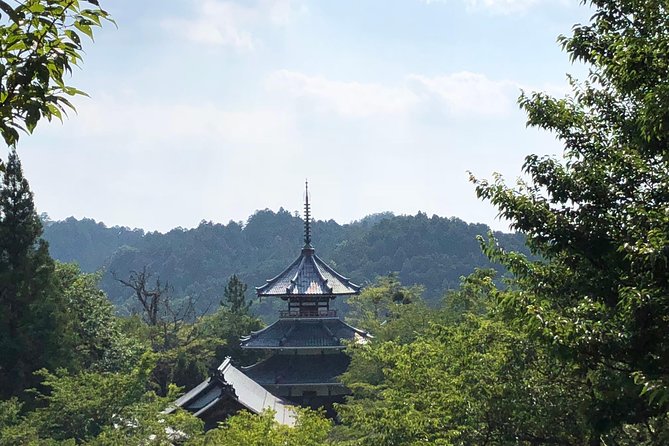
This is a private activity, so only your group participates. That is a strong advantage if you are traveling as a family, couple, or small circle of friends with similar walking ability. You can ask questions freely and spend more time on the subjects that interest you.
The private setup also makes the guide’s personality matter. Yoshi’s English communication has been praised, while Masako brings humor and careful organization. Yoshifumi has been especially helpful with practical matters beyond the formal route. These details suggest a service that can feel personal rather than scripted.
There is a trade-off. Private tours often cost more per person than a large group walk. At $136.82 per person, the price is not a bargain-basement excursion. Still, it includes a local guide, taxes, and admission to Kinpusenji and Chikurin-in. For a group that values individual attention and wants cultural explanation during an 8 km walk, the cost can make sense.
Group discounts may reduce the per-person price, so larger private parties should check the available rate before deciding.
What is not included in the $136.82 price
Food and drinks are not included. Bring your own arrangements for meals and refreshments, since the supplied details do not promise a lunch stop or included snack.
Hotel pickup and drop-off are also excluded. You make your own way to Yamato-Kamiichi Station and return there at the end. Private taxis, cars, and buses are not part of the package.
These omissions are not surprising for a walking tour, but they affect your planning. You should budget for food, drinks, and transport to the station separately. One guide has helped arrange a restaurant and transport in the past, but that is a personal service detail rather than a listed inclusion.
Is the route right for your fitness level?
The tour requires a strong physical fitness level and covers approximately 8 km of mountain path. You should be comfortable walking for several hours and handling slopes or uneven surfaces. Comfortable shoes are not just a polite suggestion here. They are essential.
The experience suits you if you enjoy walking as the main event. It is less suitable if you have limited mobility, dislike hills, or want a relaxed sightseeing program with little exertion. The provided information does not give accessibility details, so you should contact the provider before booking if you have specific mobility needs.
Weather is another factor. The tour operates with good weather, and poor conditions can lead to a new date or a full refund. You can cancel for a full refund up to 24 hours before the start time. Changes or cancellations inside that window are not accepted for a refund.
When to book, and which season to choose
The experience is booked an average of 21 days ahead, so advance planning is sensible, especially for a private departure during cherry blossom season. Confirmation arrives within 48 hours, subject to availability.
Book March or April if the blossoms are your main reason for visiting. That is the only period identified for bloom, and no tour can guarantee peak flowers on a particular day. The season is short and conditions vary, so keep your expectations flexible.
Outside spring, you are choosing the cedar forests, mountain air, temples, waterfalls, and views. That can be a better fit if you prefer a calmer walk and care more about Yoshino’s sacred character than the famous pink display.
Who will get the most from this Yoshino hike?
I would recommend this experience to couples, families with fit older children, friends, and solo visitors who want a private guide. It is particularly useful if you want the background behind the temples and trails, or if you prefer asking questions as you go.
English communication is a clear strength associated with Yoshi, and the named guides are described as friendly, engaging, and well informed. Their help with photographs and local arrangements can make the day smoother.
I would hesitate to book it for anyone seeking a low-effort excursion. The 8 km distance, mountain setting, and fitness requirement are central to the experience. You should also avoid booking it only for cherry blossoms unless your dates fall between March and April.
Should you book this Mount Yoshino tour?
Book it if you want a private cultural hike, not just a blossom-viewing stop. The combination of cedar forest, sacred sites, waterfalls, Hanayagura, and local explanation gives you a fuller picture of Yoshino than a short visit focused only on the trees.
At $136.82 per person, the value depends on your group size and priorities. Included temple admission, a private guide, and the chance to ask questions throughout the route justify the price for many visitors. You will still pay separately for food and transport to the meeting point.
My practical advice is simple: wear proper walking shoes, check the forecast, allow time to reach Yamato-Kamiichi Station, and book ahead if you want spring blossoms. If those conditions suit you, this is a rewarding way to see Yoshino at walking speed.
FAQ
Where does the tour start?
The tour starts at Yamato-Kamiichi Station in Kamiichi, Yoshino, Nara Prefecture.
What time does the hike begin?
The scheduled start time is 10:20 am.
Where does the tour finish?
The activity ends back at the meeting point at Yamato-Kamiichi Station.
How long does the experience last?
The guided experience lasts approximately five hours.
How far do you walk?
The route covers approximately 8 km of mountain path.
Are cherry blossoms guaranteed?
No. Cherry blossoms bloom in Yoshino only between March and April, and the precise timing can vary.
Is this a private tour?
Yes. Only your group participates in the activity.
Which admissions are included?
Entry to Kinpusenji Temple and Chikurin-in is included, along with local taxes and a local guide.
Are food, drinks, and hotel transfers included?
No. Food, drinks, hotel pickup, hotel drop-off, and private transportation are not included.
What happens if the weather is poor?
If the activity is canceled because of poor weather, you will be offered a different date or a full refund. You can also cancel at least 24 hours before the start time for a full refund.
Recently added around Kyoto
- Higashiyama | Kyoto: Sakura Season Private Rickshaw Tour★ 5.0 · 3 reviews
- Kyoto Kimono Rental CHAMATSU|Kimono/Yukata Rental FamilyPlan★ 5.0 · 3 reviews
- Kyoto: Half-Day Private Guided Tour to the Old Town of Gion★ 4.4 · 3 reviews
- Nara Private Customizable Half Day Tour★ 5.0 · 3 reviews
- Kansai Region Hiking Adventure in Nara Kobe Kyoto and More★ 5.0 · 3 reviews
- Full Day Nara Deer, Temple, Shrine, Activities & Tea Ceremony★ 5.0 · 3 reviews
- Nara: Essential Private Tour with Deer Park and Temples★ 5.0 · 3 reviews
- Hiking Tour for Sacred Sites in Kyoto with a Guide★ 5.0 · 3 reviews
Historical Tours, compared.
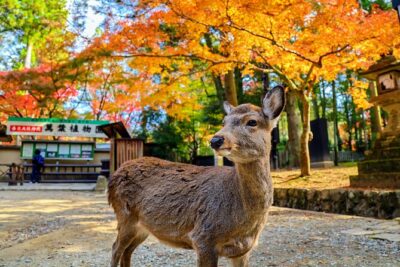
World Heritage Kyoto & Nara Uji Authentic Matcha Experience
Read our review →
Kyoto Gion: 2-Hour Geisha Culture & History Walking Tour
Read our review →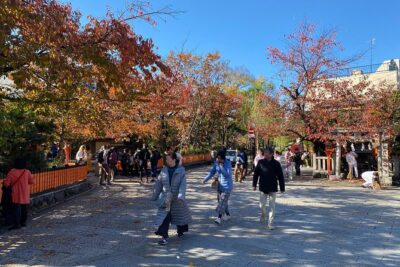
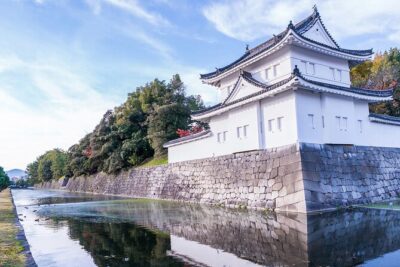
Nijo Castle World Heritage Guided Tour with Admission
Read our review →
Nara History Guided Half Day Bus Tour with Lunch
Read our review →
Browse the lists this tour appears in