
REVIEW · WALKING TOURS
Half-Day Private Walking Tour in Kyoto
Kyoto’s best introduction may be on foot, moving from the hilltop Kiyomizu-dera Temple through old lanes, shrine grounds, Gion, and Nishiki Market. I like the way this private tour joins famous sights with small shops and food stops you could easily pass without noticing. I also like the flexibility: guides such as Philip, Rika, Reiko, Hiro, and Kaoru have adjusted the walk for shopping, coffee, photos, family needs, and personal interests.
The tradeoff is simple: you pay $95.77 per person, then add Kiyomizu-dera admission and your transport to the meeting point. The walk is also fairly demanding, with hills, crowded lanes, and about three and a half hours on your feet, so comfortable shoes matter.
In This Review
- Key points at a glance
- A smart first walk through Kyoto’s old center
- Kiyomizu-dera and the famous wooden stage
- Ninenzaka and Sannenzaka: the best place to browse
- Yasaka Shrine and how to pray
- Gion, matcha, maiko, and kabuki
- Pontocho, a useful tip for after dark
- Nishiki Market, where the tour finishes
- What the private price buys you
- Pace, fitness, and practical planning
- Who should book this Kyoto walk?
- Should you book the Half-Day Private Walking Tour in Kyoto?
- FAQ
- How long does the Kyoto walking tour last?
- Which places are included?
- Is this a private tour?
- Is Kiyomizu-dera admission included?
- Is transportation to Kiyomizu-dera included?
- What food can I find at Nishiki Market?
- Does the tour include a meal?
- Do I need to be fit for this tour?
- Can I cancel for a full refund?
Key points at a glance
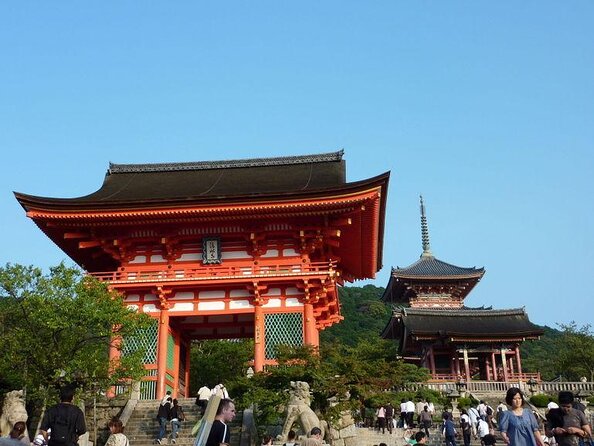
- Five major Kyoto sights in one route: Kiyomizu-dera, Ninenzaka and Sannenzaka, Yasaka Shrine, Gion, and Nishiki Market.
- A truly private outing: Only your group takes part, so you can ask questions, stop for photos, or adjust the pace.
- Strong local guidance: Guides including Philip, Rika, Reiko, Hiro, Kaoru, Akiko, and Yuka have helped visitors understand customs, food, streets, and daily life.
- Good food and shopping access: You can get help choosing matcha, tasting market foods, and finding shops that are easy to miss.
- Pontocho adds an evening idea: You pass this restaurant lane during the walk, then can return later on your own.
- Plan for walking costs: Kiyomizu-dera admission and transport to the temple are not included.
A smart first walk through Kyoto’s old center
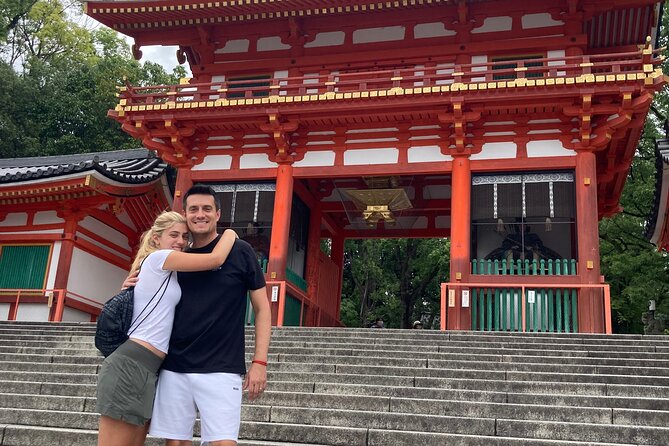
This private Kyoto walking tour works because its route has a clear story. You begin at one of the city’s most famous temples, walk downhill through traditional streets, reach a major shrine, enter Gion, and finish in the food stalls and shops of Nishiki Market.
That order helps you get your bearings quickly. Instead of visiting disconnected sights by taxi or bus, you see how the eastern temple district connects with Gion and central Kyoto. Your guide can explain what you are looking at as you move, rather than giving you a long lecture in one place.
The private format is the biggest advantage. You are not tied to a large group’s questions or photo schedule. If you want more time at a shop, need a slower pace, or already know one area, your guide can shift attention elsewhere.
The guides have different personalities and strengths. Philip has been praised for explaining architecture, culture, and the past in clear terms. Rika has helped with photos, coffee stops, restaurant suggestions, and route changes. Reiko has met groups at the Shinkansen platform and offered advice for the rest of their Kyoto visit. Hiro has helped solo visitors shop and speak with market vendors, while Kaoru has supplied maps and practical recommendations.
You should still treat those examples as possibilities, not guaranteed features. Your assigned guide may differ, and the exact route can change with your interests, weather, and timing.
More walking tours in Kyoto:
- Kyoto Geisha Walking Tour: Gion District & Hidden Gems
★ 4.7 · 3,273 reviews - Kyoto: Gion Magical Night Walking Tour with Geisha Trivia
★ 4.9 · 2,393 reviews - Kyoto: Gion Geisha District Walking Tour – Stories of Geisha
★ 4.7 · 2,187 reviews
Kiyomizu-dera and the famous wooden stage
The tour opens at Kiyomizu-dera, with about an hour set aside for the temple. Admission is not included, and you also pay for transportation from your hotel to the temple, so allow for both costs when comparing the price with other guided options.
The temple’s Kiyomizu stage gives the guide an easy way to explain the old expression about jumping from the stage. This is not just a photo stop. You can hear the background to the phrase, look across Kyoto, and see how the temple’s hillside setting shapes the whole opening section of the walk.
You also choose one of the Otowa Falls streams to visit. The water is linked with different wishes, and the guide shows you how the custom works. This kind of small explanation is useful because Japanese religious sites have their own manners, and it is easy to copy what others do without knowing why.
Give yourself time for photos, but remember that this is one of Kyoto’s most visited places. The approach can be crowded, and the temple grounds include slopes and stairs. If you have mobility concerns, tell the guide early. One guide has already adjusted the route for accessibility needs, but the walk remains a physical activity and the tour description calls for moderate fitness.
Ninenzaka and Sannenzaka: the best place to browse
After the temple, the route spends about 50 minutes on Ninenzaka and Sannenzaka. These sloping lanes are lined with old-style buildings, souvenir shops, cafés, sweets, and food stalls.
This is where a private guide can earn the fee. A first-time visitor may focus on the famous pagoda and the crowds, then miss the smaller tea shops or walk straight past a store with something worth tasting. Your guide can point out places for souvenirs, help explain what you are buying, and suggest food based on your interests.
Do not expect a quiet village street. This is a popular part of Kyoto, and the lanes can feel tightly packed. Still, the setting gives you a strong sense of the city’s older face, especially after the broad views around Kiyomizu-dera.
The private setup helps here. You can pause for a picture, browse without holding up a busload of people, or move along if shopping is not your priority. Families and mixed-age groups should appreciate that flexibility, though the incline and stone paving make supportive shoes a good idea.
Yasaka Shrine and how to pray
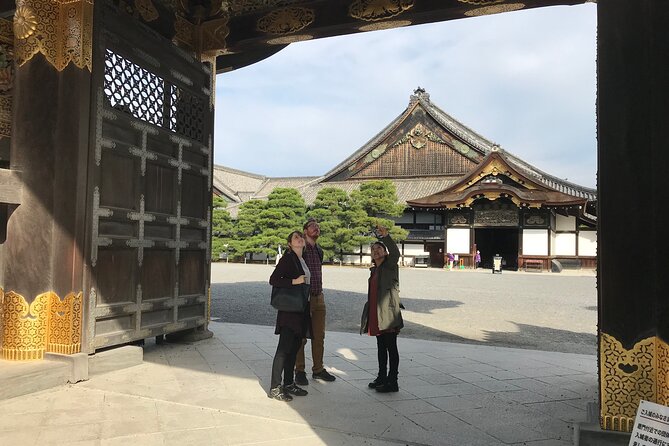
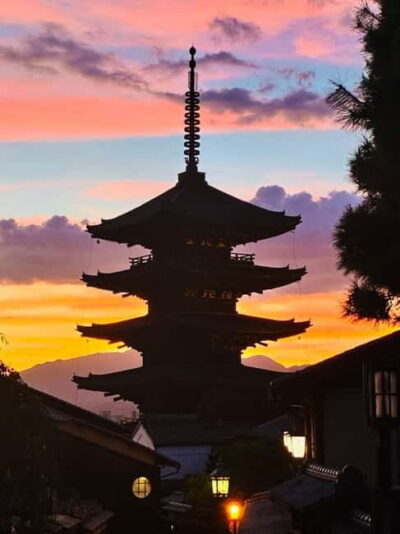
Yasaka Shrine receives only about 10 minutes in the scheduled route, but the stop serves a practical purpose. It sits at the eastern edge of Gion and provides a lesson in how to pray at a Japanese shrine.
Your guide can walk you through the basic steps, including the proper approach to the worship area. This is one of the tour’s useful cultural moments because it gives you confidence for the rest of your Japan trip. You are not simply taking pictures of a gate or lantern. You learn how to behave respectfully.
The short timing also tells you something important about the tour. This is a broad overview, not a slow study of every site. If Yasaka Shrine is a major priority, tell your guide at the start and ask how much time can be given to it.
A few more Kyoto experiences worth comparing
- Kyoto Arashiyama Bamboo forest & Garden Half-Day Walking Tour
★ 5.0 · 413 reviews - Kyoto top must-see Golden pavilion and Bamboo forest half-day Private tour
★ 5.0 · 52 reviews - Perfect Nara Park Half-Day Bus Tour with English Speaking Guide
★ 5.0 · 49 reviews - Kyoto Private & Personalized Half-Day Walking Tour with a Local
★ 4.5 · 27 reviews
Gion, matcha, maiko, and kabuki
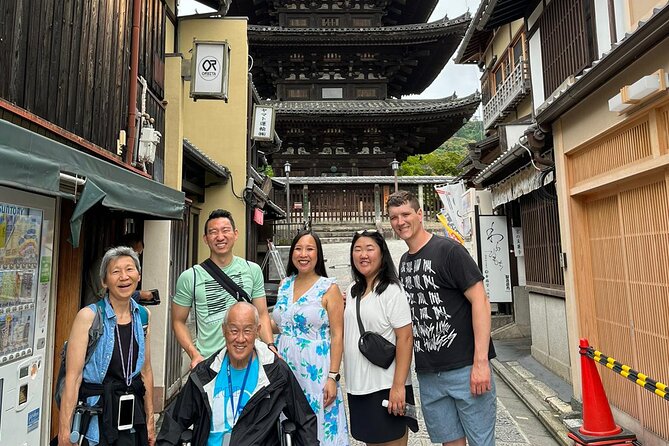
The walk then reaches Gion for about 30 minutes. Here, the guide connects the streets with Kyoto’s performing arts and geisha culture. You may see the statue of Izumo no Okuni, associated with the start of kabuki, and the Minamiza kabuki theater.
The guide also explains the lives and traditions of maiko and geisha. This matters because Gion is easy to misunderstand. A good explanation helps you look past costumes and photo opportunities and understand that these are working cultural traditions with rules, training, and history.
A local tea shop stop adds a practical angle. You can ask for help finding a suitable matcha souvenir instead of grabbing the first attractive package. If you are buying gifts, this advice may save time and reduce the risk of choosing something you cannot identify later.
Be respectful around people working in Gion. The tour’s value here is learning how to observe the district without treating it like a stage set. Your guide can also answer questions about where to walk and what behavior is appropriate.
Pontocho, a useful tip for after dark
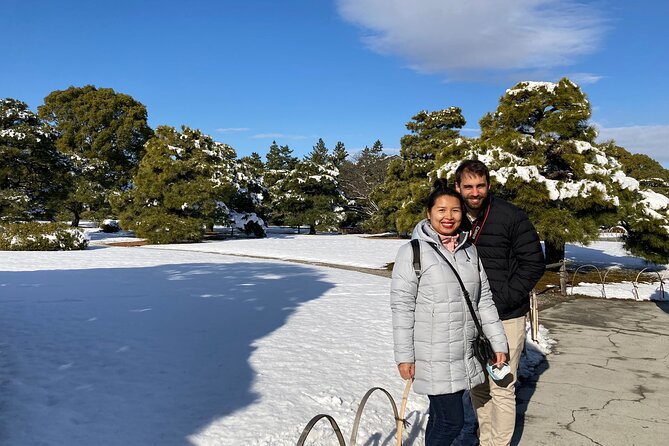
The route passes Pontocho Street, a narrow dining area known for restaurants and bars. It is not listed as a timed main stop, so think of it as a preview rather than a full evening visit.
That preview is useful. You can note the location, ask your guide about the area, then return later on your own for dinner or drinks. The atmosphere changes after dark, and the street gives you another side of central Kyoto.
The tour does not include a meal, and no restaurant booking is promised. If you want to eat there, ask for suggestions during the walk and make your own arrangements. Since the tour finishes at Nishiki Market, you can also use the guide’s advice to compare Pontocho with other central Kyoto food areas.
Nishiki Market, where the tour finishes
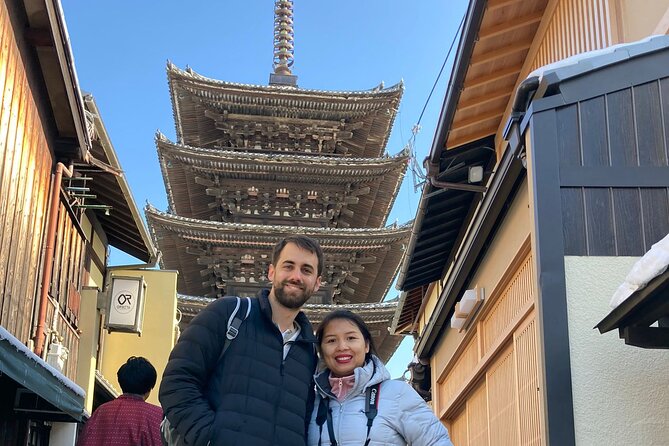
The final major stop is Nishiki Market, with about an hour for browsing. This downtown shopping street is the most food-focused part of the tour, with seafood, fried foods, pickles, karaage, takoyaki, Japanese spices, ice cream, green tea, and egg dishes among the choices.
This is a good place to arrive with questions. Kyoto food shops can be unfamiliar, and a guide can explain what you are seeing before you buy. Hiro, for example, has helped with shopping and spoken with vendors on a visitor’s behalf. That kind of assistance is especially useful if you do not speak Japanese or want to try something but are unsure how it is served.
Nishiki Market can also be crowded and stimulating. One hour gives you enough time to sample and browse, but not enough to inspect every stall. Keep your expectations realistic: this is a guided introduction to the market, not an all-day food crawl.
Because the tour ends here, you can continue at your own pace afterward. You might stay for more food, walk through downtown, or head back to a shop you noticed earlier. The finish is practical, since you are already in central Kyoto rather than being returned to the starting temple.
What the private price buys you
At $95.77 per person, this is not the cheapest way to see Kyoto. It becomes better value when you are traveling as a small private group and want a guide who can focus on your questions instead of following a fixed crowd.
You are paying for route planning, cultural explanations, local suggestions, and help making sense of places that can otherwise feel confusing. The strongest value comes when you use the guide actively. Ask about food, shrine customs, shopping, evening plans, transport, and places to revisit.
The price does not cover Kiyomizu-dera admission or transport from your hotel to the temple. Pickup is offered, but confirm the exact arrangement when booking rather than assuming all transport is included. Group discounts may also affect the final cost for larger parties.
For a solo visitor, the price is harder to justify unless you value personal attention and want to shape the route. For a couple, family, or group of friends, the cost can make more sense, especially if you would otherwise spend time figuring out the same neighborhoods alone.
Pace, fitness, and practical planning
Plan on a lot of walking. The route includes a temple on a hillside, sloping historic lanes, shrine grounds, Gion streets, Pontocho, and Nishiki Market. Wear shoes you can use comfortably for three and a half hours, and keep your schedule open enough that photos and short shopping stops do not feel rushed.
The experience requires moderate physical fitness. Service animals are allowed, and the tour is near public transportation, but the information provided does not promise a fully step-free route. Tell the operator about mobility needs before the walk so the guide can discuss possible changes.
The tour requires good weather. If poor weather cancels it, you are offered another date or a full refund. The activity also requires a minimum number of travelers, despite being private for your group, so a cancellation is possible if that minimum is not met.
Free cancellation is available up to 24 hours before the start time. Changes or cancellations inside that window are not accepted for a refund.
Who should book this Kyoto walk?
I would choose this tour for a first visit, a short stay, or a day trip when you need to cover several central sights efficiently. It is also a strong match for families, solo visitors, and groups with different interests because the guide can adjust the pace and conversation.
Food-focused visitors will get useful orientation at Nishiki Market and the tea shops. Culture-minded visitors will benefit from the Kiyomizu-dera explanation, shrine etiquette, Gion traditions, and kabuki connections. Shoppers can ask for help with matcha, souvenirs, and market foods.
I would think twice if you dislike hills, crowds, or fixed walking routes. I would also compare the price carefully if you only want to visit one temple and one market. In that case, public transport and a self-guided plan may cost much less.
Should you book the Half-Day Private Walking Tour in Kyoto?
Book it if you want a friendly local guide to connect Kyoto’s headline sights with food, shopping, customs, and streets you might otherwise overlook. The private format, flexible guides, and useful advice after the tour are the main reasons to choose it.
Skip it if your top priority is the lowest possible cost, a slow temple study, or included transportation and admission. For most first-time visitors with only a short window, though, the route gives you a well-shaped introduction to eastern Kyoto and central Kyoto in one manageable outing.
FAQ
How long does the Kyoto walking tour last?
The tour lasts approximately 3 hours and 30 minutes.
Which places are included?
The route includes Kiyomizu-dera Temple, Ninenzaka and Sannenzaka, Yasaka Shrine, Gion, Pontocho Street, and Nishiki Market.
Is this a private tour?
Yes. Only your group participates in the private activity.
Is Kiyomizu-dera admission included?
No. The entrance fee for Kiyomizu-dera is not included.
Is transportation to Kiyomizu-dera included?
No. Transportation from your hotel to Kiyomizu-dera is not included. Pickup is offered, so confirm the exact pickup details when booking.
What food can I find at Nishiki Market?
Nishiki Market includes seafood, fried foods, Japanese pickles, karaage, takoyaki, Japanese spices, ice cream, green tea, and egg dishes.
Does the tour include a meal?
No. The tour includes the guide fee, but food and other purchases are not listed as included.
Do I need to be fit for this tour?
Yes. A moderate level of physical fitness is recommended because the experience involves extensive walking, slopes, and temple areas.
Can I cancel for a full refund?
Yes, if you cancel at least 24 hours before the experience start time. Cancellations or changes made less than 24 hours in advance are not accepted for a refund.
Recently added around Kyoto
- Higashiyama | Kyoto: Sakura Season Private Rickshaw Tour★ 5.0 · 3 reviews
- Kyoto Kimono Rental CHAMATSU|Kimono/Yukata Rental FamilyPlan★ 5.0 · 3 reviews
- Kyoto: Half-Day Private Guided Tour to the Old Town of Gion★ 4.4 · 3 reviews
- Nara Private Customizable Half Day Tour★ 5.0 · 3 reviews
- Kansai Region Hiking Adventure in Nara Kobe Kyoto and More★ 5.0 · 3 reviews
- Full Day Nara Deer, Temple, Shrine, Activities & Tea Ceremony★ 5.0 · 3 reviews
- Nara: Essential Private Tour with Deer Park and Temples★ 5.0 · 3 reviews
- Hiking Tour for Sacred Sites in Kyoto with a Guide★ 5.0 · 3 reviews
Walking Tours, compared.
Kyoto Geisha Walking Tour: Gion District & Hidden Gems
Read our review →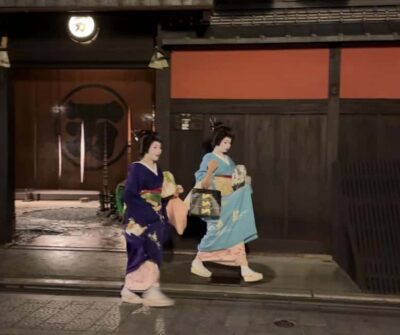
Gion Magical Night Walking Tour with Geisha Trivia
Read our review →
Gion Geisha District Walking Tour – Stories of Geisha
Read our review →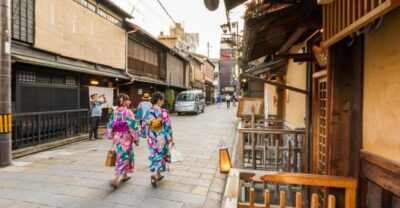
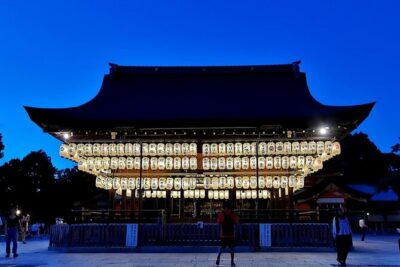
Kyoto Gion Geisha District Walking Tour – The Stories of Geisha
Read our review →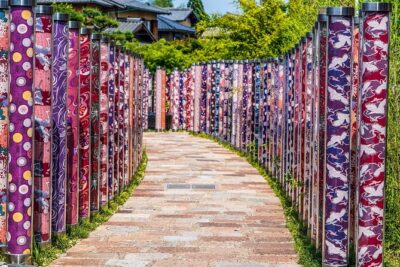
Kyoto Arashiyama Walking Tour: Bamboo, Monkeys, Gardens & Secrets
Read our review →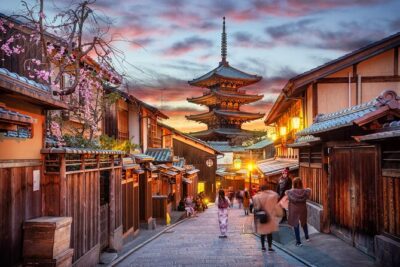
Kyoto Gion: 2-Hour Geisha Culture & History Walking Tour
Read our review →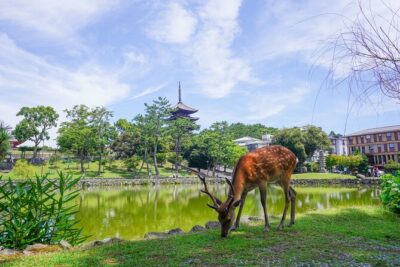
Nara Half Day Trip Walking Tour (Private Option Available)
Read our review →Browse the lists this tour appears in