
REVIEW · GION GEISHA DISTRICT TOURS
Geisha at Dusk: A Stroll Through Old Kyoto
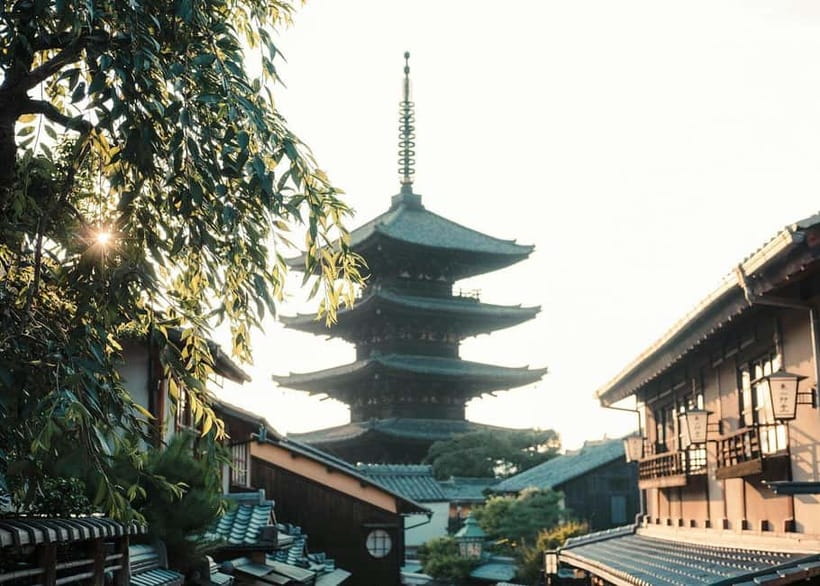
Kyoto’s geisha district is at its best when daylight softens. This two-hour walk takes you from Ebisu Shrine through Kennin-ji, Hanamikoji Street, and Gion Shirakawa, ending beside the Shirakawa Canal as lanterns and old wooden townhouses take on a quieter mood. The small-group setting can give you room to ask questions, and guide Romi brings warmth, clear explanations, and a good eye for small cultural details.
I like two things here: the unusual coin ritual at Ebisu Shrine, and the change in atmosphere from busy Hanamikoji to the calm canal path. The main consideration is that a maiko or geiko may not appear, so book this for the neighborhood, stories, and evening light rather than for a guaranteed sighting.
In This Review
- Key points at a glance
- Why dusk works so well in Gion
- Meeting at Donguri-bashi Park
- Ebisu Shrine and the coin beneath the smiling face
- Kennin-ji, a quiet pause before Hanamikoji
- Hanamikoji Street and Kyoto’s wooden townhouses
- Gion Shirakawa and the Shirakawa Canal
- What the guide adds to the walk
- Is $20 good value?
- Who should book this Kyoto walk?
- Should you book Geisha at Dusk?
- FAQ
- How long is the Geisha at Dusk tour?
- Where does the tour meet?
- Is the tour offered in English?
- Will I definitely see a maiko or geiko?
- Is food included?
- Can I cancel for a refund?
Key points at a glance
- Try Ebisu Shrine’s coin ritual: Toss a coin into a box beneath the smiling face of Ebisu, the god linked with prosperity.
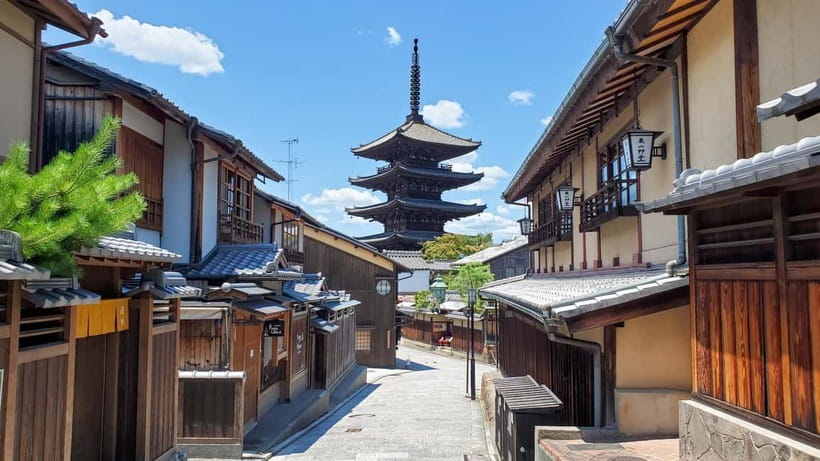
- Walk Kyoto’s classic geisha district: See Hanamikoji Street, Gion Shirakawa, and preserved wooden townhouses on foot.
- Pass through Kennin-ji: The temple grounds offer a peaceful break from Gion’s more active streets.
- Time your walk for dusk: The route is especially appealing as sunset gives way to after-dark scenes.
- Ask questions along the way: Romi’s friendly, informed guiding style suits curious visitors who want cultural context.
- Pay $20 for two hours: That is a low price for an English-speaking local guide and a focused walk through central Kyoto.
Why dusk works so well in Gion
This is not a tour built around a single grand sight. Its pleasure comes from the way several Kyoto scenes connect: a small shrine, temple grounds, a famous street, and a canal lined with old houses.
At dusk, Gion feels different from it does in full afternoon light. Hanamikoji Street can feel active and social, while Gion Shirakawa is quieter and more reflective. You get both sides of the district in one outing, without spending a full day on a long route.
I also like that the walk gives you cultural clues rather than asking you to simply admire old buildings. Your guide can point out details and explain their place in Japanese culture. That helps you understand why the streets look the way they do, and why the geisha districts are treated with such care.
The tour is conducted in English. Romi is the named guide in the guest comments, and her approach comes across as warm, friendly, and ready for questions. One person particularly appreciated being able to ask unusual questions, which is often where a guided walk becomes more useful than a self-guided stroll.
More evenings in Gion:
- Kyoto Geisha Walking Tour: Gion District & Hidden Gems
★ 4.7 · 3,273 reviews - Kyoto: Gion Magical Night Walking Tour with Geisha Trivia
★ 4.9 · 2,393 reviews - Kyoto: Gion Geisha District Walking Tour – Stories of Geisha
★ 4.7 · 2,187 reviews
Meeting at Donguri-bashi Park
Your meeting point is Donguri-bashi Park, at coordinates 35.0018215, 135.771567. This is an important detail because the tour description also begins with the Kyoto Ebisu Shrine. In practical terms, you should arrive at the park first and meet your guide there before setting off.
Do not treat the meeting point as a place to wander into at the last second. Kyoto’s central streets can be confusing, especially after dark, and a few extra minutes will help you find the correct spot without rushing.
The walk is listed as wheelchair accessible. You should still consider the character of the route: it includes outdoor streets, temple grounds, cobblestone paths, and a canal-side section. If you use a wheelchair, confirm current route conditions when booking, since surfaces and crowd levels can affect comfort even when an activity is marked accessible.
Comfortable shoes are the right choice. You do not need special clothing or equipment, but you will be walking for much of the two hours. Bring a camera if you want evening photographs, while remembering that this is a residential and cultural district, not simply a photo set.
Ebisu Shrine and the coin beneath the smiling face
The first main stop is Kyoto Ebisu Shrine. Ebisu is one of Japan’s Seven Lucky Gods and is associated with prosperity, making this a fitting place to begin a walk through Kyoto’s old commercial and entertainment quarter.
The memorable feature is a small ritual involving a coin. You toss the coin into a box beneath Ebisu’s smiling face. It is a playful action, but it also gives you a direct way to take part in the shrine rather than merely look around.
This stop works well early in the tour because it gives your guide something concrete to explain. You can ask about Ebisu, the shrine’s purpose, and how this ritual differs from more familiar shrine customs. The activity is not presented as a formal religious ceremony, so approach it with respect and curiosity.
The stop lasts about 15 minutes according to the detailed route. That is enough time for the ritual, a short explanation, and photographs without turning the shrine into a rushed passing point.
Kennin-ji, a quiet pause before Hanamikoji
From the shrine, the route passes through Kennin-ji Temple. The main gate is a strong visual marker, and the temple is associated with cultural treasures such as the famous Wind and Thunder Gods picture.
You are not being offered a long temple visit here. Instead, Kennin-ji provides a calm section in the middle of the walk. This change matters. Gion can feel busy and full of movement, while temple grounds encourage a slower pace and closer attention.
The route includes a photo stop, a visit, guided sightseeing, and walking, with about 15 minutes assigned to this part. That makes it useful for first-time visitors who want a glimpse of a major Kyoto temple but do not want to spend an entire tour inside temple buildings.
There is also a practical limit. If you want a detailed study of Kennin-ji’s art, architecture, and religious background, this walk will not replace a dedicated temple visit. Think of it as a well-placed introduction that shows how the temple fits into the surrounding district.
A completely different side of Kyoto:
- PERFECT KYOTO 1-Day Bus Tour
★ 5.0 · 13,518 reviews - Kyoto: Fushimi Inari, Kinkakuji, Bamboo Grove 1 Day Bus Tour
★ 4.8 · 4,316 reviews - Kyoto: Tea Ceremony in a Traditional Tea House in Kiyomizu
★ 4.9 · 3,519 reviews - Kyoto: Tea Ceremony Ju-An at Jotokuji Temple
★ 4.9 · 3,207 reviews
Hanamikoji Street and Kyoto’s wooden townhouses
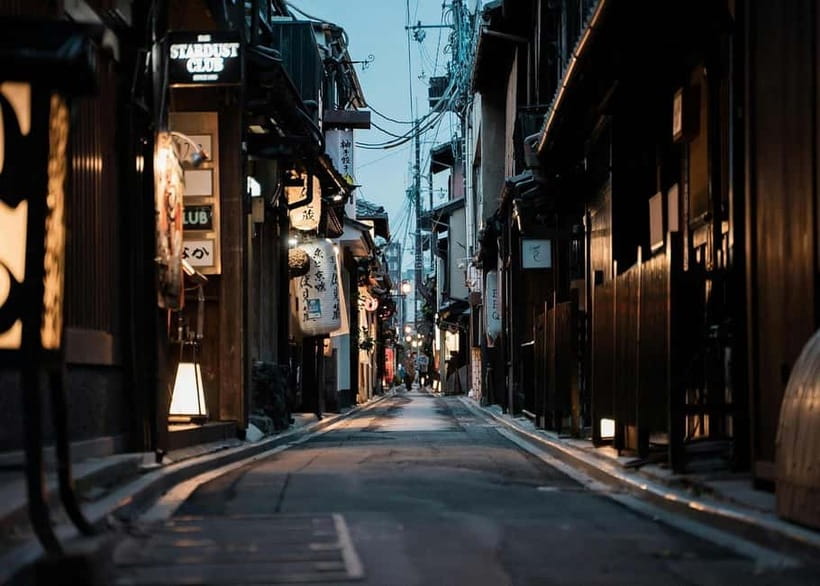
After the peaceful temple grounds, you reach Hanamikoji Street. The change can be sudden. The street is one of Gion’s best-known routes, and its preserved traditional townhouses give the area its distinctive appearance.
These wooden buildings are not just decorative backdrops. Their narrow fronts, dark timber, and restrained design help you see how older Kyoto streets kept a strong visual identity. Your guide can point out details that are easy to miss if you simply walk through taking photographs.
The route includes a photo stop and a short section for passing by, listed at about five minutes. Do not read that as the full amount of time spent appreciating the area. The walking schedule includes several parts of the route, and the complete experience lasts two hours. Hanamikoji works as the lively central transition between the temple and the quieter Shirakawa section.
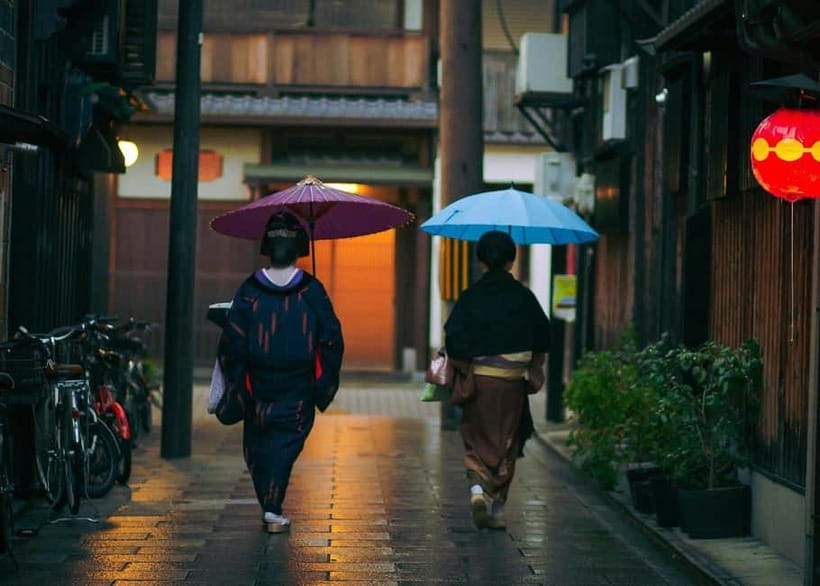
You might catch sight of a maiko or geiko here, but there is no guarantee. This is one of the most important expectations to set before booking. A chance encounter can be memorable, but waiting for one or treating people as photo subjects would miss the point of the district.
If someone does pass by, follow your guide’s lead and be respectful. The tour’s value does not depend on a staged meeting. It comes from seeing the streets where this traditional culture remains part of Kyoto’s public life.
Gion Shirakawa and the Shirakawa Canal
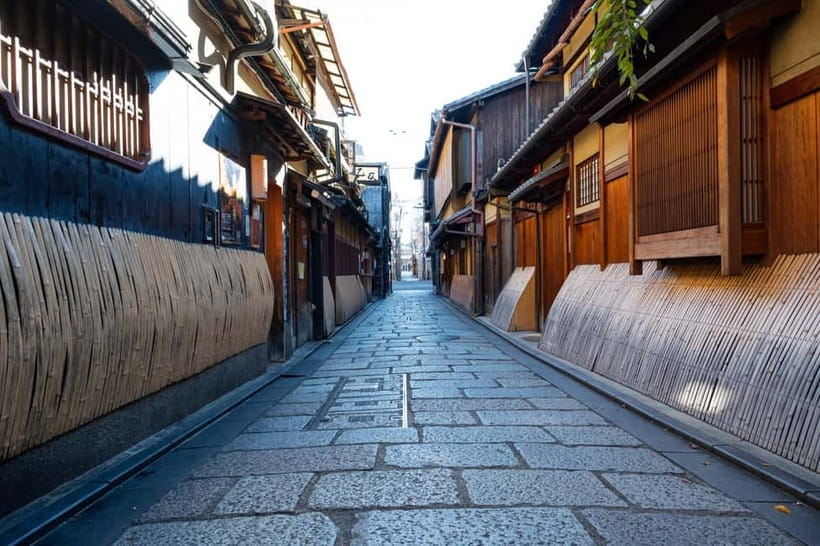
The final major section takes you to Gion Shirakawa and the Shirakawa Canal. Here, the route follows cobblestone paths beside clear water, with traditional wooden townhouses lining the canal.
This is the most atmospheric part of the walk, especially at dusk. The canal gives the route a visual focus, while the old buildings create a sense of continuity. You can slow down, take photographs, and listen as your guide explains what makes this corner of Kyoto different from the more heavily visited streets nearby.
The canal section lasts about 25 minutes, making it the longest named stop. That gives you time to appreciate the area rather than dash through it. Sunset and after-dark views are a major reason to choose this particular time of day.
Photography can be rewarding here, but light changes quickly. If you want bright building details, arrive ready to shoot during the last part of daylight. If you prefer lanterns, reflections, and a quieter mood, the later part of the walk will suit you better.
The canal area is also where the tour feels least like a checklist. You are not rushing from one famous site to another. You are walking through a district and noticing how the mood changes from one street to the next.
What the guide adds to the walk
You can visit Gion independently, but a guide gives the route more meaning. Without context, Hanamikoji may look like an attractive old street and Kennin-ji may feel like a brief temple stop. With explanations, you get a clearer sense of how shrines, temples, townhouses, rituals, and geisha culture fit together.
Romi receives particular praise for being warm, attentive, and easy to communicate with. One guest valued the small group because it made questions easier. Group size can affect your experience, but the supplied information does not promise a fixed number, so I would not book on the assumption that every departure will be intimate.
The guiding style also appears suited to people who like interaction. You are encouraged to ask questions, including questions that may seem unusual. That can be more useful than a memorized speech, especially in a place where customs are not always obvious.
The tour is offered in English. If English is important to you, that removes a major uncertainty. The guide also helps you notice the significance of objects and street details rather than focusing only on the most famous photo points.
Is $20 good value?
At $20 per person, this is an inexpensive way to add structure and local explanation to an evening in Kyoto. You receive two hours with a local English-speaking guide and visit several of the city’s most recognizable historic areas.
The value is strongest if you are visiting Gion for the first time. You get a sensible sequence, from shrine to temple to street to canal, and you do not need to research every stop in advance. The walk also gives you a better feel for where you may want to return independently.
The price does not include a meal, and this is not a dinner outing. Plan to eat before or after the walk if you want a full evening activity. The tour itself is about sightseeing, walking, and cultural explanation.
I would not compare the $20 price with a private guide or a full cultural workshop. It is a compact neighborhood walk, not an all-day Kyoto program. For that purpose, the cost is fair, particularly if the guide helps you understand details you would otherwise pass without noticing.
Who should book this Kyoto walk?
I would suggest it to first-time Kyoto visitors, photographers who like evening light, and anyone who wants a gentle introduction to Gion without committing to a long tour. It also suits curious people who prefer to ask questions rather than listen to a fixed lecture.
The two-hour length is useful if you have dinner plans or another evening booking. It is long enough to cover several distinct areas, but short enough to fit around a busy Kyoto schedule.
You should think twice if your main goal is a guaranteed maiko or geiko sighting. The tour clearly warns that you may not encounter either. You should also reconsider if you want an extensive visit inside Kennin-ji or a meal included.
Hot weather can make the walk less comfortable. One person joined during a hot period and still found the historical focus worthwhile, but comfortable shoes and water are sensible choices for any walking tour.
Booking is flexible: you can cancel up to 24 hours ahead for a full refund, and the reserve-now, pay-later option lets you hold a place without paying immediately. Starting times vary, so check availability and choose one that gives you the dusk setting this route is designed to show.
Should you book Geisha at Dusk?
Book it if you want an affordable, guided introduction to Gion with a good evening sequence and plenty of cultural explanation. The Ebisu coin ritual is a nice touch, Kennin-ji offers a peaceful pause, and the Shirakawa Canal gives the walk a graceful finish.
Skip it if you need guaranteed geisha encounters, a full temple tour, or a meal. For most first visits, though, this is a practical way to understand Kyoto’s old streets while the light changes around you.
FAQ
How long is the Geisha at Dusk tour?
The tour lasts two hours. The route includes walking, photo stops, guided sightseeing, and visits to several locations in Gion and Higashiyama.
Where does the tour meet?
Your guide will meet you at Donguri-bashi Park. The listed coordinates are 35.0018215, 135.771567.
Is the tour offered in English?
Yes. The tour includes a live English-speaking guide.
Will I definitely see a maiko or geiko?
No. You may see one, but encounters are not guaranteed. The tour is designed around the streets, temples, shrine ritual, canal, and cultural explanations.
Is food included?
No. Meals are not included, so plan to eat separately before or after the walk.
Can I cancel for a refund?
Yes. You can cancel up to 24 hours in advance for a full refund. A reserve-now, pay-later option is also available.
Recently added around Kyoto
- Higashiyama | Kyoto: Sakura Season Private Rickshaw Tour★ 5.0 · 3 reviews
- Kyoto Kimono Rental CHAMATSU|Kimono/Yukata Rental FamilyPlan★ 5.0 · 3 reviews
- Kyoto: Half-Day Private Guided Tour to the Old Town of Gion★ 4.4 · 3 reviews
- Nara Private Customizable Half Day Tour★ 5.0 · 3 reviews
- Kansai Region Hiking Adventure in Nara Kobe Kyoto and More★ 5.0 · 3 reviews
- Full Day Nara Deer, Temple, Shrine, Activities & Tea Ceremony★ 5.0 · 3 reviews
- Nara: Essential Private Tour with Deer Park and Temples★ 5.0 · 3 reviews
- Hiking Tour for Sacred Sites in Kyoto with a Guide★ 5.0 · 3 reviews
Gion Geisha District Tours, compared.

Kyoto Geisha Walking Tour: Gion District & Hidden Gems
Read our review →
Gion Magical Night Walking Tour with Geisha Trivia
Read our review →
Gion Geisha District Walking Tour – Stories of Geisha
Read our review →
Best of Kyoto: Gion, Geisha, Pagodas & Cobblestones
Read our review →

Kyoto Night Foodie Tour in Gion (9+ dishes + 6 Sake tastings)
Read our review →
Kyoto Gion Geisha District Walking Tour – The Stories of Geisha
Read our review →
Kyoto Gion: 2-Hour Geisha Culture & History Walking Tour
Read our review →Browse the lists this tour appears in