
REVIEW · FUSHIMI INARI SHRINE TOURS
Full day Kyoto Walk in Fushimi, Arashiyama, Monkey, and Kinkakuji
Kyoto packs an astonishing number of must-see places into one spread-out city. This eight-hour walking tour links four major sights, from the red torii gates of Fushimi Inari to the gold-covered Kinkakuji, with a guide handling the trains, buses, timing, and local stories.
I like the efficient route and the small group size, capped at 10 people. I also like that the day mixes famous temples with a forest walk, river views, and wild macaques at Iwatayama. The tradeoff is simple: this is a full and tiring day, with plenty of walking and a steep 15 to 20 minute climb to the monkey park.
In This Review
- Key points to know before booking
- Why this route works for a first Kyoto day
- Fushimi Inari and its endless red gates
- Arashiyama Bamboo Forest and Tenryuji
- A short break in central Arashiyama
- Iwatayama Monkey Park and the steep climb
- Kinkakuji, Kyoto’s golden finale
- How much walking and transit should you expect?
- What the guide adds to the day
- Is $97.87 a fair price?
- Who should book this Kyoto tour?
- Should you book it?
- FAQ
- Where does the tour begin?
- Where does the tour end?
- How long does the tour last?
- Is transportation included?
- Are admission fees included?
- Is lunch included?
- How many people can join the tour?
- How difficult is the Monkey Park visit?
- What happens if I do not want to visit the Monkey Park?
Key points to know before booking
- Four major Kyoto sights in one day: Fushimi Inari, Arashiyama, Iwatayama Monkey Park, and Kinkakuji all fit into one carefully packed outing.
- Public transportation is part of the experience: You pay your own train and bus fares, so bring an ICOCA or Suica card.
- The meeting point is easy to find: Look for the fox statue by JR Inari Station, where the guide wears a Japan Tour Adventure uniform.
- Guides make a big difference: Tom and Remi receive especially warm praise for their stories, humor, and help with navigation, though a specific guide is not guaranteed.
- The monkey park requires real effort: Comfortable shoes are essential, and the climb may not suit anyone with knee or leg problems.
- You get flexibility in Arashiyama: You can spend free time on the main street or join the guide for lunch, with lunch paid separately.
Why this route works for a first Kyoto day
At $97.87 per person, this tour is not the cheapest way to visit Kyoto’s temples. But it can be good value if you want someone else to organize a complicated day and explain what you are seeing.
The route covers southern and western Kyoto, two areas that are awkward to combine on your own unless you are comfortable reading transit maps and managing a tight schedule. Your guide leads the group between stops, helps keep the day moving, and provides background at each site.
The group can include up to 10 people. That is small enough for questions and a more personal feel, but it is still a shared tour, not a private outing. You should expect to walk at the group’s pace and keep to the schedule.
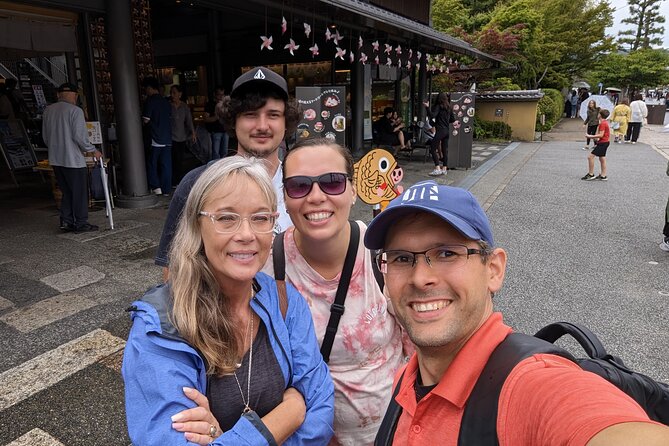
The day begins at the fox statue near JR Inari Station. Arrive 15 minutes early. The operator has a strict late-arrival rule, and missing the departure means you cannot join later or receive a refund. The guide may contact you on WhatsApp if you have not arrived, so install the app before the tour.
More ways to walk Fushimi Inari:
- Kyoto: Fushimi Inari, Kinkakuji, Bamboo Grove 1 Day Bus Tour
★ 4.8 · 4,316 reviews - Fushimi Inari Hidden Hiking Tour (Private Option Available)
★ 5.0 · 1,750 reviews - Kyoto/Osaka: Nara, Fushimi Inari Taisha, Arashiyama Bus Tour
★ 4.7 · 1,275 reviews
Fushimi Inari and its endless red gates
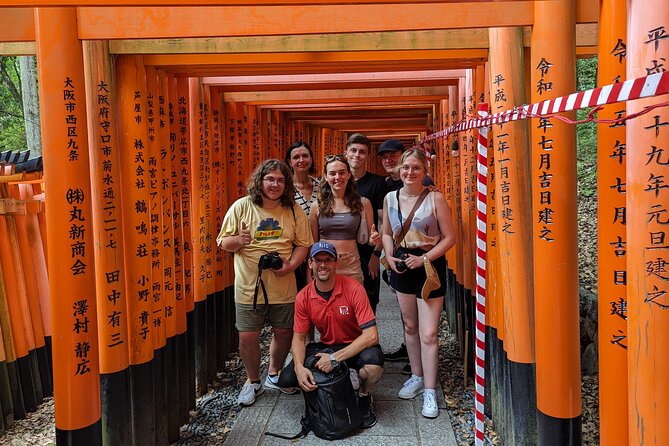
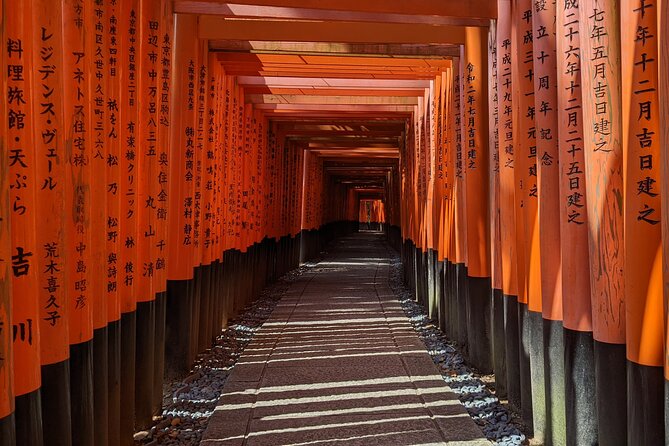
Fushimi Inari Taisha is the right place to begin. The shrine is dedicated to Inari, a Shinto deity associated with rice, business, and prosperity. Fox statues appear throughout the grounds because foxes are regarded as Inari’s messengers.
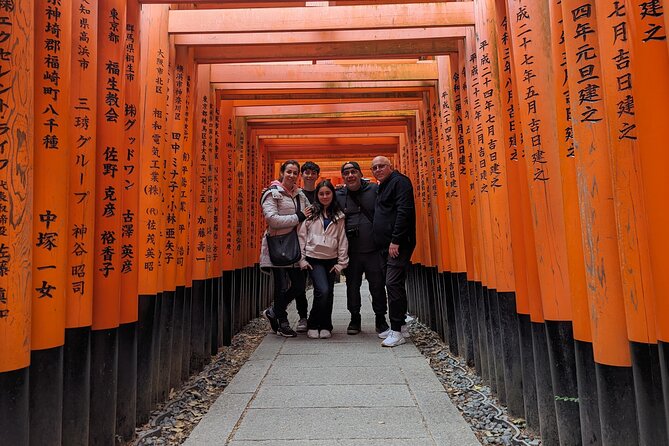
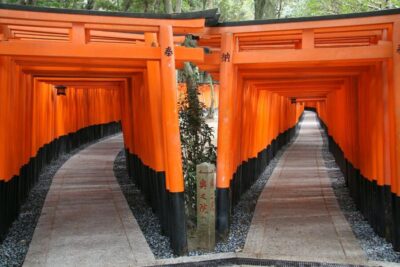
The famous torii gates begin near the main shrine buildings and continue up Mount Inari. Their orange-red color creates the most recognizable scene in Kyoto, but the experience is more than a quick photo stop. The gates form long shaded corridors, with side paths, small shrines, stone markers, and changing views as you climb.
You have about 90 minutes here. That is enough to see the main approach and walk into the torii-covered route, but it is not enough to explore every corner of Mount Inari. The full mountain circuit takes much longer, so keep your expectations sensible.
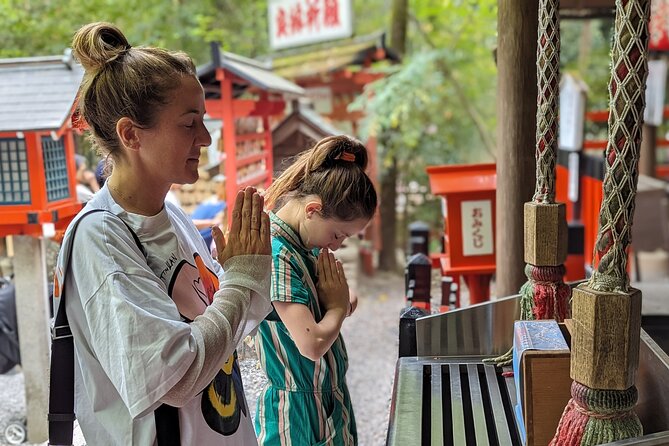
This early stop also helps with crowd management. The shrine is one of Kyoto’s busiest attractions, and arriving with a guide gives you a clear starting point instead of wasting time figuring out where the torii path begins. Listen closely when your guide explains shrine customs, including how to behave at the entrance and worship areas.
Wear shoes that can handle steps and uneven surfaces. Even if you do not walk far up the mountain, Fushimi Inari is not a flat sightseeing stop.
Arashiyama Bamboo Forest and Tenryuji
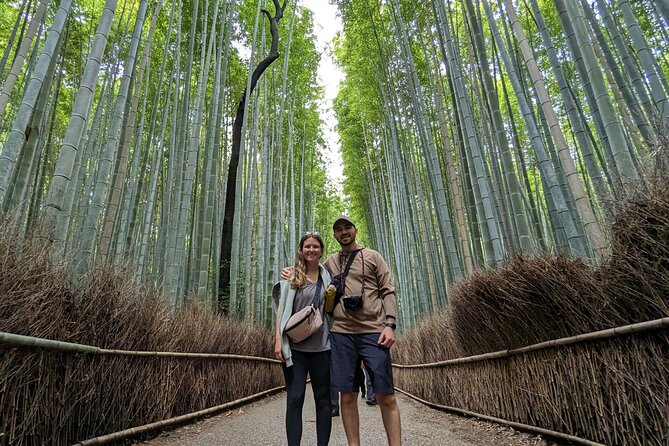
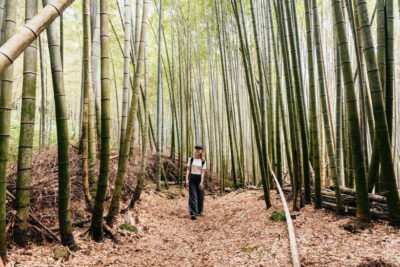
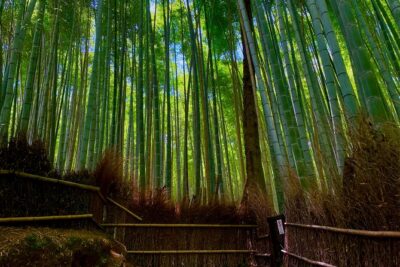
The tour then crosses the city to Arashiyama, one of Kyoto’s most popular districts. The Bamboo Grove is a short but striking walk through tall bamboo stalks. Sunlight filters through the narrow path, and the bamboo shifts in the breeze above you.
The grove is often pictured as a quiet place. In practice, it can be crowded, especially at popular times of day. Your guide helps you find the correct route and keeps the visit focused, but no guide can guarantee an empty path.
You have roughly 80 minutes for the Bamboo Forest. That allows time for a leisurely walk and photographs, with enough room to appreciate the change from shrine grounds to a natural setting. The path itself is not a long hike, so this stop offers a useful breather after Fushimi Inari.
Next comes Tenryuji Temple, immediately beside the bamboo area. This Zen temple is a UNESCO World Heritage Site, and its garden is the main reason to visit. Carefully arranged ponds, rocks, trees, and open views show how Japanese garden design uses space and restraint.
The temple visit lasts about 40 minutes. That is enough for a guided look at the grounds, but you will not have time to linger over every building or garden detail. Admission is included, which removes one small task from an already busy day.
I especially like this pairing because the two stops complement each other. The Bamboo Forest gives you a brief walk through an unusual setting, while Tenryuji gives you a quieter cultural site with a clear connection to Zen design.
A short break in central Arashiyama
After Tenryuji, you get about 45 minutes around Arashiyama’s main street. This is your chance to browse, buy a snack, or simply rest before the next walk.
You can also join the guide for lunch at a restaurant. The guide can help the group skip the line, but lunch is not included in the tour price. Food and drinks are also your responsibility, so plan to pay separately.
This pause matters. The schedule is demanding, and you will appreciate having a little time to sit down. If you prefer to choose your own meal or shop at your own pace, use the free-time option. If you want a smoother lunch with the group, stay with the guide.
The route includes crossing Togetsukyo Bridge, one of Arashiyama’s best-known viewpoints. From the bridge, you can look across the river toward the surrounding hills and watch the district open up around the water. It is a short stop, but it adds a welcome sense of place between the temple visits.
More of Arashiyama and the bamboo grove:
- Kyoto Arashiyama Walking Tour: Bamboo, Monkeys, Gardens & Secrets
★ 5.0 · 1,216 reviews - Arashiyama Bamboo, Temple, Monkeys, or Secret Sake Brewery
★ 4.8 · 886 reviews - Kyoto: Arashiyama Bamboo Forest, Monkeys, Matcha & Temple Tour
★ 5.0 · 759 reviews - Kyoto: Nijo, Kinkaku-ji, Arashiyama, Kiyomizu & Fushimi Inari
★ 5.0 · 699 reviews
Iwatayama Monkey Park and the steep climb
Iwatayama Monkey Park is the most physically demanding stop. From the Arashiyama area, you walk uphill for about 15 to 20 minutes on a steep path. The tour allows around 70 minutes at the park, including the climb and time at the top.
The park is home to wild Japanese macaques. At the top, you can see the animals and enjoy broad views over Kyoto. Food may be available for feeding the monkeys at the designated area, but the supplied tour information does not promise a specific feeding arrangement, so follow your guide’s instructions.
The climb deserves serious attention. Comfortable shoes are not optional, especially if the ground is wet or you are already tired from Fushimi Inari. This stop is not recommended for people with leg or knee problems.
If you do not want to make the climb, you can remain around central Arashiyama during the visit. You will receive a meeting time and place to reconnect with the group. That option is useful, but you should understand that you will be waiting alone or exploring independently while the rest of the group visits the park.
The monkey park gives the day a different flavor from the temples. You are not simply moving from one historic building to another. You get wildlife, exercise, and a high viewpoint, making it one of the more memorable sections for many people.
Kinkakuji, Kyoto’s golden finale
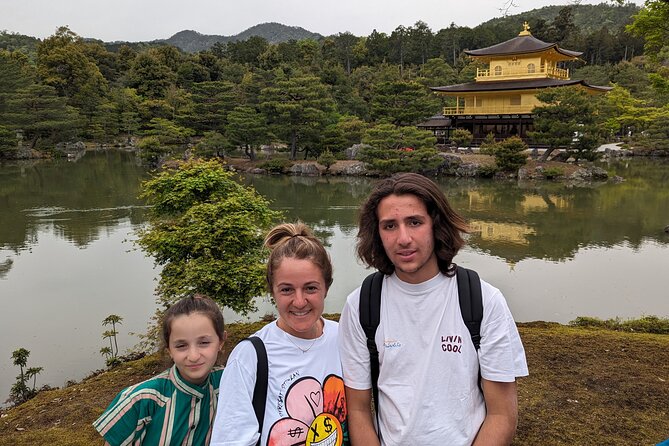
The final major stop is Kinkakuji, also called the Golden Pavilion. Its top two floors are covered in gold leaf, and the building is reflected in the pond beside it. The view is especially appealing when the pavilion is mirrored in still water.
Kinkakuji is one of Kyoto’s most photographed sights, and the visit can feel brief if you only stop for a picture. The tour allows about two hours, giving your guide time to explain the temple’s place in Kyoto and giving you room to follow the walking route around the grounds.
You cannot wander freely through every part of the temple complex, but the official path provides several angles of the pavilion and its garden. Keep your camera ready, but also take a moment to look without a screen. The gold building is compact, and its setting does much of the visual work.
Admission is included. That is helpful at the end of a long day, when you do not want to stop and sort out another ticket. After Kinkakuji, the group returns to Kyoto Station, although you may leave directly from the Golden Pavilion if you prefer.
How much walking and transit should you expect?
This is a walking tour, not a bus tour. Public transportation connects the districts, and you pay those fares yourself. An ICOCA or Suica card is strongly recommended because it makes train and bus rides faster and avoids the need to buy individual tickets.
The tour lasts approximately eight hours, but the actual finish can vary by about 30 minutes. Do not schedule a tight evening reservation immediately afterward. The day includes several transfers, group movement, and outdoor stops, so flexibility will make the experience easier.
You should expect:
- Long periods on your feet
- Steps and uneven paths at Fushimi Inari
- A steep climb at Iwatayama
- Train and bus rides paid separately
- Time outdoors in changing weather
- A group pace set by the guide
The operator says most people can participate, but the physical demands are real. I would not choose this outing as a relaxed day or for anyone who needs frequent seated breaks.
What the guide adds to the day
The guide is the main reason to book instead of doing this route independently. Kyoto’s major sites are easy to find once you are there, but combining them in one day requires planning, route knowledge, and steady time management.
The strongest guide comments center on Tom and Remi. Tom is praised for his friendly manner, detailed explanations, help with photographs, and ability to make the day fun. Remi receives similar praise for entertaining stories, cultural insight, and finding good ways to handle busy sites.
You can request a guide, but a specific person is not guaranteed from the information provided. The tour is bilingual in English and Japanese. French, German, or Spanish may be possible with some guides, but you need to ask before booking because those languages are not assured.
Included downloadable souvenir photos are another nice extra. They are provided through the operator’s private drive, so you can receive images from the day without relying only on your own camera.
Is $97.87 a fair price?
The price covers the bilingual guide, entry to Tenryuji, Iwatayama Monkey Park, and Kinkakuji, plus downloadable photos. It does not cover transportation, lunch, drinks, shopping, or souvenirs.
That means you should add train and bus fares and your meal when comparing the total cost with a self-guided day. The entrance fees are useful, but the bigger value comes from the route planning and the guide’s commentary.
I would consider the price reasonable for a first visit if you want to see a lot in one day and do not want to manage Kyoto’s transit system alone. It is less appealing if you already know the city, prefer a slow pace, or want to spend half a day at one temple.
The 10-person maximum helps justify the price. You will not have the intimacy of a private guide, but the group is small enough that questions and conversation should remain manageable.
Who should book this Kyoto tour?
This tour suits you best if:
- You have one full day for Kyoto highlights
- You want a guide to handle navigation
- You enjoy a busy mix of shrines, temples, nature, wildlife, and city views
- You are comfortable walking for most of the day
- You are happy to use trains and buses
- You want admission fees and basic route planning handled for you
I would look elsewhere if you want a slow cultural tour, dislike group schedules, have knee or leg concerns, or want transportation included in the price. Families and active couples may enjoy the monkeys and outdoor variety, while older visitors should think carefully about the steep park climb.
Should you book it?
Book this tour if your Kyoto time is short and you want a strong sweep of the city’s most famous sights in one organized day. Fushimi Inari, Arashiyama, the monkey park, and Kinkakuji offer enough variety to keep the day interesting, and guides such as Tom and Remi can add the stories and local customs that are easy to miss alone.
Skip it if your ideal Kyoto day includes long temple visits, quiet meals, or spontaneous wandering. The schedule is full, the transportation is not included, and the walking adds up.
For most fit first-time visitors, this is a practical way to cover a lot of ground. Bring an IC card, comfortable shoes, water, WhatsApp, and a flexible attitude. Arrive early, keep your evening open, and you will be prepared for what this tour really is: a rewarding but energetic Kyoto day.
FAQ
Where does the tour begin?
The meeting point is by the fox statue at the entrance to Fushimi Inari Taisha, near JR Inari Station in Kyoto’s Fushimi Ward.
Where does the tour end?
The tour normally ends back at Kyoto Station. You may also leave directly after the final stop at Kinkakuji Temple.
How long does the tour last?
The tour lasts approximately eight hours. The actual duration may vary by about 30 minutes before or after the estimated time.
Is transportation included?
No. This is a walking tour that uses public transportation. Train and bus fares are paid separately, and an ICOCA or Suica card is recommended.
Are admission fees included?
Admission to Tenryuji Temple, Iwatayama Monkey Park, and Kinkakuji Temple is included. Fushimi Inari Taisha does not require an admission ticket.
Is lunch included?
No. Lunch, food, and drinks are not included. You may use free time in Arashiyama or join the guide for lunch at a restaurant and pay separately.
How many people can join the tour?
The shared tour can have up to 10 travelers, although the general tour information also describes a group size of up to 12. It is not a private tour.
How difficult is the Monkey Park visit?
The path to the top takes about 15 to 20 minutes and is steep. Comfortable shoes and reasonable physical condition are required, and the stop is not recommended for people with leg or knee problems.
What happens if I do not want to visit the Monkey Park?
You can spend free time around the main Arashiyama area instead. The guide will provide a meeting time and location so you can rejoin the group afterward.
More Full-Day in Kyoto
- 5 Top Highlights of Kyoto Full Day Bike Tour (E-bike option)
★ 5.0 · 511 reviews - Full Day Biking Tour Exploring the Best of Kyoto
★ 5.0 · 498 reviews - Kyoto Private Car Tour – Full Day with Local Guide & Nara Option
★ 5.0 · 169 reviews - Full Day Tour of Kyoto with Private Transportation
★ 5.0 · 130 reviews
More Walking Tours in Kyoto
- Kyoto Geisha Walking Tour: Gion District & Hidden Gems
★ 4.7 · 3,273 reviews - Kyoto: Gion Magical Night Walking Tour with Geisha Trivia
★ 4.9 · 2,393 reviews - Kyoto: Gion Geisha District Walking Tour – Stories of Geisha
★ 4.7 · 2,187 reviews - Night Walk in Gion: Kyoto’s Geisha District
★ 4.5 · 2,003 reviews
Recently added around Kyoto
- Higashiyama | Kyoto: Sakura Season Private Rickshaw Tour★ 5.0 · 3 reviews
- Kyoto Kimono Rental CHAMATSU|Kimono/Yukata Rental FamilyPlan★ 5.0 · 3 reviews
- Kyoto: Half-Day Private Guided Tour to the Old Town of Gion★ 4.4 · 3 reviews
- Nara Private Customizable Half Day Tour★ 5.0 · 3 reviews
- Kansai Region Hiking Adventure in Nara Kobe Kyoto and More★ 5.0 · 3 reviews
- Full Day Nara Deer, Temple, Shrine, Activities & Tea Ceremony★ 5.0 · 3 reviews
- Nara: Essential Private Tour with Deer Park and Temples★ 5.0 · 3 reviews
- Hiking Tour for Sacred Sites in Kyoto with a Guide★ 5.0 · 3 reviews
Fushimi Inari Shrine Tours, compared.
Fushimi Inari, Kinkakuji, Bamboo Grove 1 Day Bus Tour
Read our review →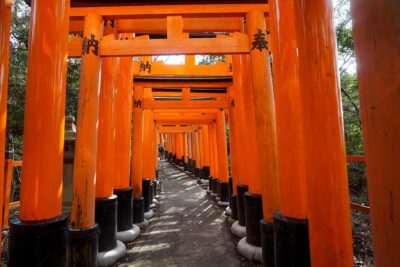
Fushimi Inari Hidden Hiking Tour (Private Option Available)
Read our review →
Kyoto/Osaka: Nara, Fushimi Inari Taisha, Arashiyama Bus Tour
Read our review →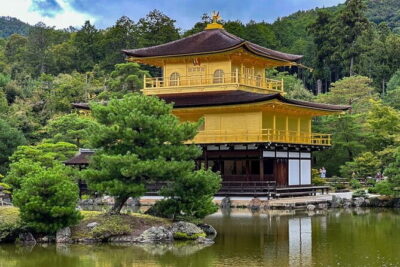
Nijo, Kinkaku-ji, Arashiyama, Kiyomizu & Fushimi Inari
Read our review →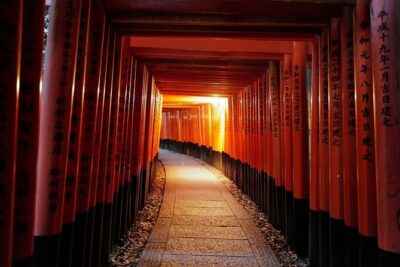
Kyoto Early Bird English Tour: Fushimi-Inari and Arashiyama
Read our review →
Fushimi, Arashiyama – Bamboo, Monkey, Torii & Secrets
Read our review →Browse the lists this tour appears in