
REVIEW · KYOTO TEA CEREMONY EXPERIENCES
Experience a tea ceremony in an authentic tearoom, in Kyoto!
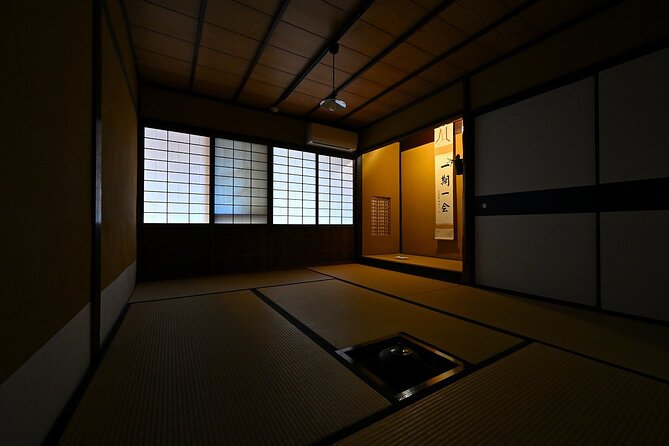
Kyoto’s tea culture comes alive in a 130-year-old townhouse, where you enter the tea room through the garden rather than through a modern tour facility. Host Kaori leads a calm introduction to ceremony, matcha, sweets, and the small acts of respect that give the ritual its meaning.
I like the hands-on matcha lesson, since you do not just watch a performance. I also like the intimate scale, with no more than 10 people and the possibility of a very small group. The main drawback is simple: at $39.63 for roughly 45 minutes, this is a short introduction, not a full tea-school lesson, and some people may find the price high for one bowl of tea and a few sweets.
In This Review
- Key points at a glance
- Entering the tea room through the garden
- Watching Kaori prepare matcha
- Wasanbon sweets from a historic Kyoto shop
- Making your own bowl of matcha
- Why the short format works, and where it falls short
- Sitting on the tatami: an important practical note
- What is included, and what is not
- Who will enjoy this Kyoto tea ceremony
- A note about booking and confirmation
- Is $39.63 good value?
- Should you book it?
- FAQ
- Where does the tea ceremony take place?
- How long does the experience last?
- How much does it cost?
- Is the activity suitable for beginners?
- Will I make my own matcha?
- Are sweets included?
- Is the experience conducted in English?
- Is a kimono included?
- Can I attend if I cannot sit traditionally on the floor?
- What is the cancellation policy?
Key points at a glance
- Enter through a garden into a 130-year-old Kyoto townhouse, a far more personal setting than a large cultural show.
- Watch Kaori prepare matcha, then make your own bowl, with clear instruction for complete beginners.
- Taste Wasanbon dried sweets from Shioyoshi-ken, a long-established Kyoto confectionery.
- Learn how to appreciate, drink, and prepare matcha without formal tea utensils at home.
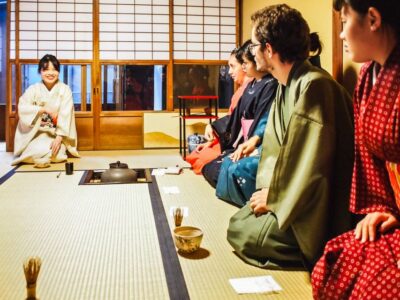
- Small groups of up to 10 people keep the session quiet and allow time for questions.
- Expect traditional sitting, but a stool can be provided if kneeling is difficult.
Entering the tea room through the garden
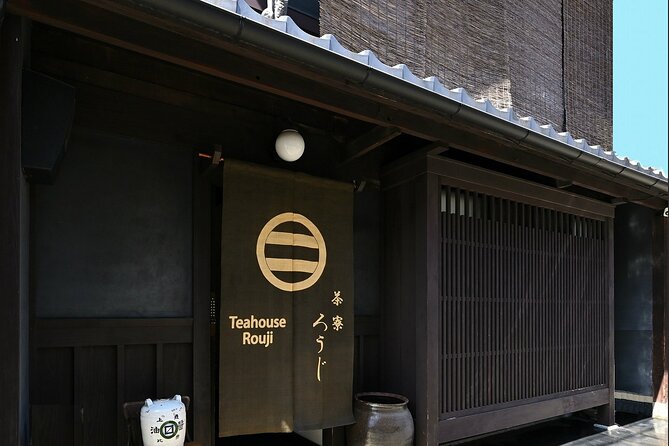
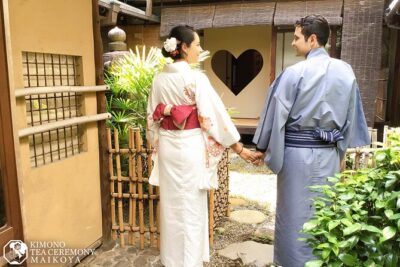
The first appealing detail is the setting. You meet at 22-26 Nishinokyō Ikenouchichō in Nakagyo Ward, an area near public transportation, then enter the tea room from the garden of a 130-year-old Kyoto townhouse.
That entrance matters. Tea ceremony is built around a change of pace, and walking from the street into a small garden and then into the tea room gives you a clear break from Kyoto’s traffic and crowds. This is not a staged show in a hotel ballroom. The old house provides the atmosphere, while the garden entrance adds a quiet sense of occasion.
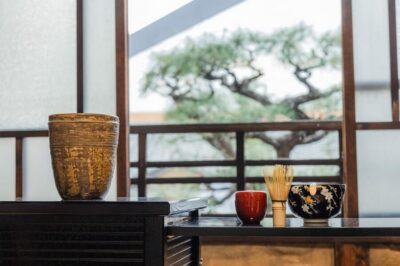
The room itself is likely to feel compact and traditional. That can be a strength, because the ceremony is easier to see and hear in a small space. It also means this may not be the right choice if you want a grand temple setting, elaborate seasonal displays, or a long formal performance.
The experience ends where it begins, so you can fit it neatly between other plans in central Kyoto. The advertised duration is about 45 minutes. Several descriptions place the actual experience closer to an hour, so I would leave a little extra time before your next reservation.
More tea ceremonies in Kyoto:
- Kyoto: Tea Ceremony in a Traditional Tea House in Kiyomizu
★ 4.9 · 3,519 reviews - Kyoto: Tea Ceremony Ju-An at Jotokuji Temple
★ 4.9 · 3,207 reviews - Kyoto: 45-Minute Tea Ceremony Lesson Experience
★ 4.3 · 2,378 reviews
Watching Kaori prepare matcha
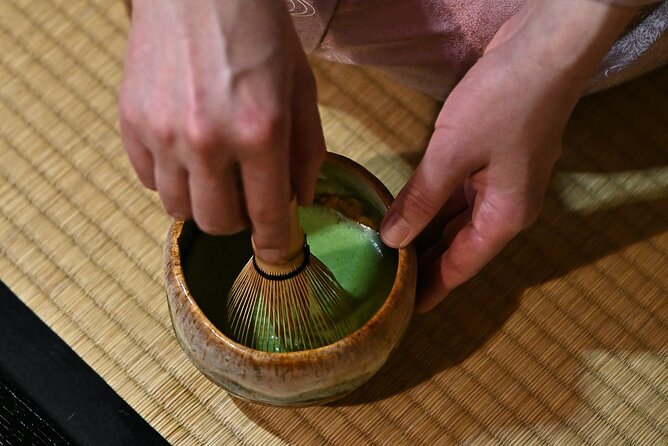
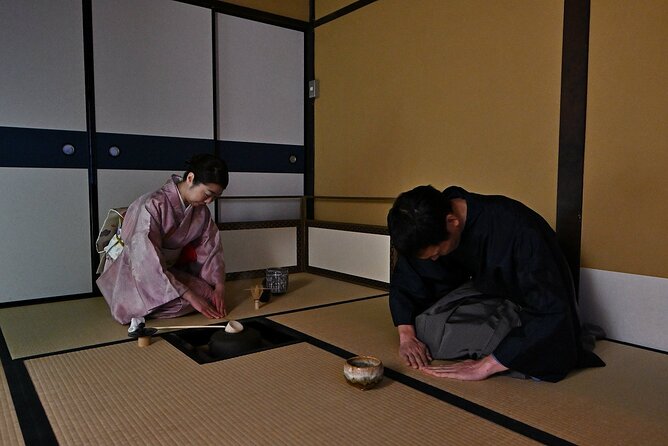
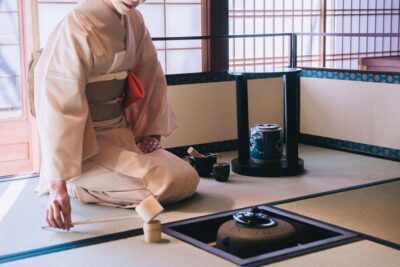
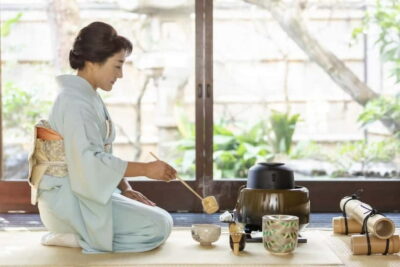
Kaori is the host named in the experience responses, and her role is more teacher than theatrical performer. She wears a kimono according to one description and explains the ceremony in English, including its history, customs, and proper manners.
You begin by watching her demonstration. Pay attention to the small details: how the tea is handled, how the bowl is presented, and how the sweets are eaten before the matcha. The point is not simply to copy a set of movements. You are learning why the order matters and how the host and guest show consideration to each other.
The explanations are aimed at beginners. You do not need to know Japanese tea vocabulary or have any previous experience. English-language instruction is repeatedly noted as clear, and the host is described as patient and willing to answer questions.
That makes this a good first tea ceremony in Kyoto. You receive enough cultural background to understand what you are seeing, but the session remains practical. It does not appear designed as an academic lecture, so anyone seeking a detailed study of tea schools, utensils, architecture, or Zen philosophy will probably want a longer class elsewhere.
Wasanbon sweets from a historic Kyoto shop
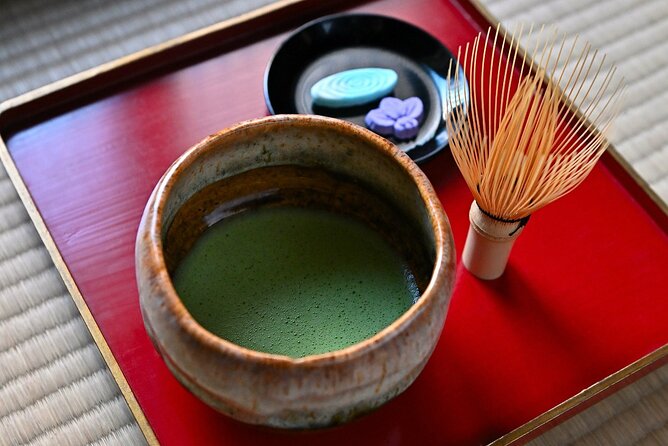
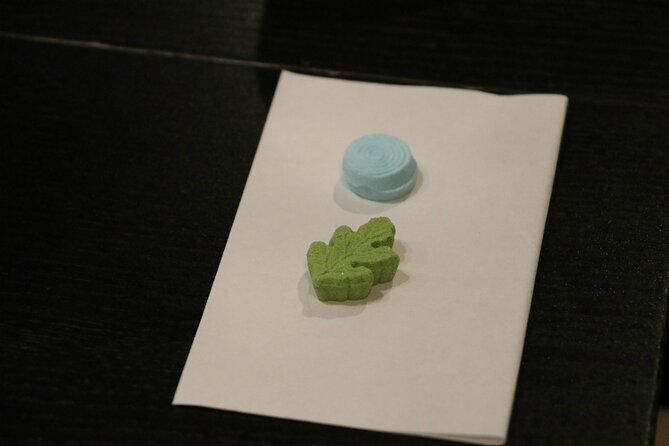
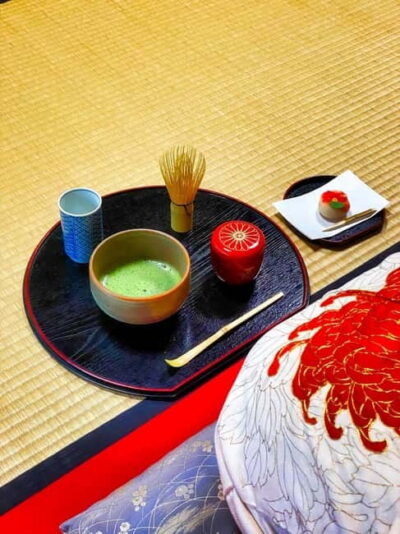
The food served is modest but purposeful. You receive small dried sweets before drinking the matcha. These are made with Wasanbon, a fine Japanese sugar associated with traditional confectionery, and are purchased from Shioyoshi-ken, a long-established sweets shop in Kyoto.
Do not expect a dessert course. The sweets are tiny, and their role is to prepare your palate for the slightly bitter matcha. Their sweetness balances the tea and gives you a simple example of how tea ceremony pairs flavor, texture, and presentation.
This is also one place where expectations matter. One participant felt the sweets were too small and too sugary for the price. That reaction is understandable if you are judging the experience as a snack or food tasting. I would judge them instead as part of the ceremony, where a small sweet has a specific job.
If you enjoy Japanese confectionery, ask about the ingredients and the shop. If you prefer a substantial meal, eat beforehand. This activity is a cultural lesson with refreshments, not lunch.
Making your own bowl of matcha
After watching the demonstration, you prepare matcha yourself. This is the most useful part of the session because it turns an elegant ritual into something you can repeat.
Kaori gives step-by-step instructions, including advice for beginners who have never handled a bamboo whisk. You learn how to make the tea, how to appreciate it, and how to drink it in the customary way. The process is hands-on without being intimidating. Your first bowl does not need to look perfect. The goal is to understand the method and take part respectfully.
You also learn tips for making matcha without formal tea utensils at home. That detail adds real value. Traditional tea equipment can be costly or difficult to pack, but a simple home version lets you continue the habit after leaving Kyoto.
The matcha itself comes from a historic shop in Kyoto. The specific supplier is not named, but the emphasis is on quality tea rather than a generic green-tea drink. If you usually find matcha too bitter, the sweet served beforehand helps soften the first taste.
I especially like that you can ask questions while making the tea. You are not left to imitate a demonstration from across the room. The small-group format gives the host room to correct technique and explain what you are doing.
A completely different side of Kyoto:
- PERFECT KYOTO 1-Day Bus Tour
★ 5.0 · 13,518 reviews - Kyoto: Fushimi Inari, Kinkakuji, Bamboo Grove 1 Day Bus Tour
★ 4.8 · 4,316 reviews - Kyoto Geisha Walking Tour: Gion District & Hidden Gems
★ 4.7 · 3,273 reviews - Kyoto: Gion Magical Night Walking Tour with Geisha Trivia
★ 4.9 · 2,393 reviews
Why the short format works, and where it falls short
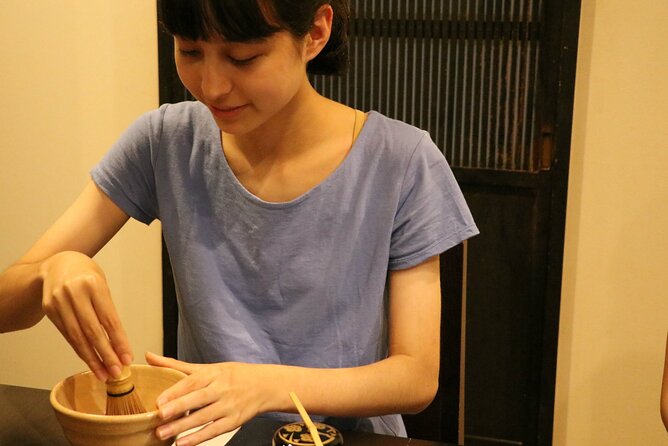
At about 45 minutes, this is a tasting of tea ceremony rather than a complete education in the subject. That is not a criticism. Kyoto offers an overwhelming number of cultural activities, and a short session can be exactly right if you want one focused experience between sightseeing stops.
The pace should suit families, first-time visitors, and anyone who wants a calm cultural activity without giving up half a day. Several families found the length manageable, and small groups of three or four have had especially personal sessions.
The trade-off is value. At $39.63 per person, you are paying for the setting, host’s time, instruction, sweets, matcha, and the chance to make tea yourself. You are not paying for a long ceremony, a meal, a kimono dressing session, or a large collection of Japanese sweets.
I would consider the price fair if you care about the old townhouse and personal teaching. If your main goal is simply to drink matcha in a pretty room, you can find cheaper tea experiences in Kyoto. This activity makes the most sense when you want to understand the ritual and practice it yourself.
Sitting on the tatami: an important practical note
Traditional tea ceremony often involves sitting on the floor, and this session may require some time in that position. One person with bad knees found it manageable but needed help, while another noted that a stool was available.
If kneeling or sitting low is uncomfortable for you, contact the provider ahead of time or ask for the stool when you arrive. The host has shown flexibility when people cannot sit in the traditional way, but you should not assume the room will be arranged like a regular chair-based class.
The townhouse may also have the usual character of an old Japanese building, including compact spaces and traditional flooring. That is part of the appeal, but it can be less comfortable for anyone who needs wide, open access.
The experience is near public transportation, though the supplied information does not specify a train or subway station. Use the full address, 22-26 Nishinokyō Ikenouchichō, when planning your route and allow time to find the entrance.
What is included, and what is not
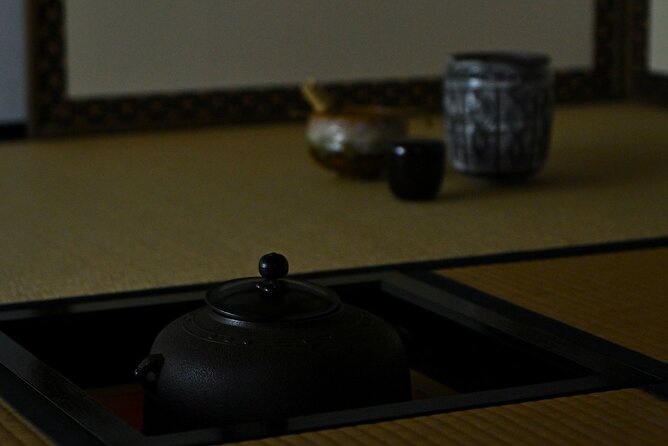
The advertised experience includes the tea ceremony demonstration, matcha, Japanese dried sweets, instruction on preparing tea, and advice for enjoying matcha at home without formal utensils.
A kimono dressing session is not listed as part of the activity. One participant specifically felt disappointed that no kimono was provided. Do not book this experience expecting to be dressed in traditional clothing or photographed in a full costume.
The tone is also more educational than theatrical. Kaori explains the cultural background and teaches the proper way to prepare and drink the tea. If you want a polished stage performance with a large audience, this small townhouse lesson may feel too simple. If you want to ask questions and take part, its simplicity is a benefit.
Who will enjoy this Kyoto tea ceremony
I would recommend it most strongly to:
- First-time visitors who want a clear introduction to tea ceremony
- Families looking for a short cultural activity
- Couples or small groups who prefer personal instruction
- People interested in Japanese sweets, matcha, and traditional manners
- Anyone who wants to prepare matcha at home after the trip
- Visitors who value an old townhouse setting more than a grand venue
It may be less satisfying for you if you expect a long ceremony, a full meal, a kimono experience, or extensive study of tea history. It is also worth thinking twice if $39.63 feels high for a short activity with small sweets.
The activity has a maximum of 10 participants, but the actual feel can be more intimate if fewer people book your time. Private-feeling sessions for families and groups of four have been possible, though you should not assume every departure will be private.
A note about booking and confirmation
Confirmation is sent within 48 hours of booking, subject to availability. Take a moment to check the confirmed time carefully, especially if the provider contacts you about a schedule change.
There has been at least one serious scheduling dispute involving a participant who arrived at a different time from the one the provider expected. The provider stated that an alternative time and several confirmation messages had been offered, while the participant said the confirmation emails showed another appointment. The lesson is practical: save the latest confirmation, check your inbox before leaving, and contact the booking company promptly if anything looks unclear.
Free cancellation is available if you cancel at least 24 hours before the local start time. Changes or cancellations inside that window are not refunded, and the activity can also be canceled if its minimum number of participants is not reached. In that case, you are offered another date or activity, or a full refund.
Is $39.63 good value?
The answer depends on what you want from Kyoto. For a simple cup of matcha, no. For a guided introduction inside an old townhouse, with sweets from a historic confectionery, hands-on preparation, and practical instruction, the price is more defensible.
I would compare it with the cost of other structured cultural activities, not with the price of tea at a café. You are paying for a host who explains etiquette, gives you the background, demonstrates the method, and lets you try it yourself. The experience also avoids the time commitment of a full class.
The weak point is the limited amount of food and the short duration. If you need a large sensory experience to justify the cost, this may feel thin. If you value a quiet room, careful explanation, and the memory of making matcha in a traditional Kyoto house, it offers a reasonable introduction.
Should you book it?
Book this tea ceremony if you want a short, hands-on lesson rather than a passive cultural show. Kaori’s clear English, patient teaching, and welcoming manner make it suitable for beginners, and the townhouse setting gives the activity a sense of place.
I would book it for a family, couple, or small group with an interest in Japanese customs. I would also book it early in a Kyoto visit, since the advice on drinking and preparing matcha can make later tea stops more meaningful.
Skip it if you want kimono rental, a long formal ceremony, a large dessert selection, or a grand temple backdrop. For everyone else, this is a thoughtful way to spend less than an hour learning one of Kyoto’s most recognizable traditions, with enough practical knowledge to continue at home.
FAQ
Where does the tea ceremony take place?
It takes place at 22-26 Nishinokyō Ikenouchichō, Nakagyo Ward, Kyoto, 604-8375, Japan, inside a 130-year-old Kyoto townhouse.
How long does the experience last?
The advertised duration is approximately 45 minutes. Some descriptions of the experience place it closer to one hour, so allow extra time around the scheduled start and finish.
How much does it cost?
The listed price is $39.63 per person.
Is the activity suitable for beginners?
Yes. The host explains how to make matcha step by step and provides detailed guidance for people who have never prepared it before.
Will I make my own matcha?
Yes. You first watch the host’s demonstration, then prepare your own matcha with instruction.
Are sweets included?
Yes. You receive Japanese dried sweets, including Wasanbon sweets purchased from the historic Kyoto confectionery Shioyoshi-ken.
Is the experience conducted in English?
The host is described as speaking very good English, and the explanations cover the history, customs, preparation, appreciation, and drinking of matcha.
Is a kimono included?
A kimono is not listed as an included feature. Do not book this activity expecting a kimono dressing session.
Can I attend if I cannot sit traditionally on the floor?
Traditional sitting may be part of the experience, but a stool is available if needed, and the host has accommodated people who cannot sit in the traditional way.
What is the cancellation policy?
You can cancel for a full refund at least 24 hours before the local start time. Cancellations or changes made less than 24 hours before the start are not refunded. If the activity is canceled because its minimum number of participants is not met, you are offered another date or activity, or a full refund.
Recently added around Kyoto
- Higashiyama | Kyoto: Sakura Season Private Rickshaw Tour★ 5.0 · 3 reviews
- Kyoto Kimono Rental CHAMATSU|Kimono/Yukata Rental FamilyPlan★ 5.0 · 3 reviews
- Nara Private Customizable Half Day Tour★ 5.0 · 3 reviews
- Kyoto: Half-Day Private Guided Tour to the Old Town of Gion★ 4.4 · 3 reviews
- Kansai Region Hiking Adventure in Nara Kobe Kyoto and More★ 5.0 · 3 reviews
- Full Day Nara Deer, Temple, Shrine, Activities & Tea Ceremony★ 5.0 · 3 reviews
- Nara: Essential Private Tour with Deer Park and Temples★ 5.0 · 3 reviews
- Hiking Tour for Sacred Sites in Kyoto with a Guide★ 5.0 · 3 reviews
Kyoto Tea Ceremony Experiences, compared.
Tea Ceremony in a Traditional Tea House in Kiyomizu
Read our review →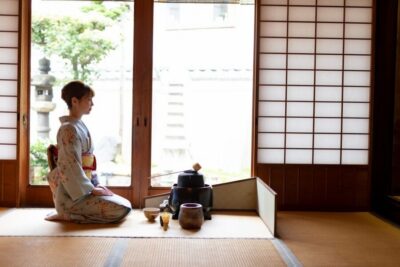
Tea Ceremony in 100-year-old Kyo-Machiya Townhouse
Read our review →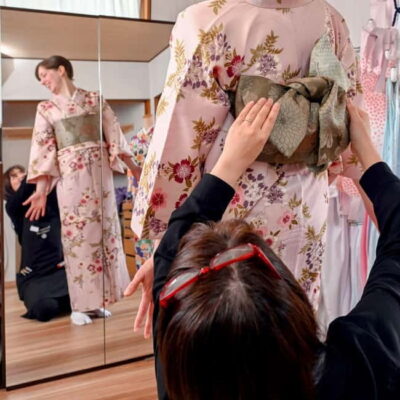
Browse the lists this tour appears in