
REVIEW · FUSHIMI INARI SHRINE TOURS
Carefree Private Exploration of Fushimi Inari, Gion, Kiyomizudera, and More
Fushimi Inari’s endless red torii gates are only the opening act here. This private walk links that famous shrine with Gion, Yasaka Pagoda, Kodaiji Temple, and the old stone lanes leading toward Kiyomizudera, giving you a compact look at Kyoto’s eastern side with a guide at your elbow.
I like the private format, which lets you ask about shrine customs, geisha culture, or Japanese history without keeping pace with a large group. I also like that the short train ride from Fushimi Inari to Gion and the listed temple and shrine admissions are included, so the $129 price is easier to judge from the start.
The catch is the steady walking and hills. Four hours can feel demanding in Kyoto’s heat, especially for anyone using a cane or managing limited mobility. Bring water, wear firm shoes, and ask your guide to adjust the pace or route if needed.
In This Review
- Key points to know before booking
- Why this route works for a first Kyoto visit
- Starting beneath Fushimi Inari’s red gates
- From Inari Station to Gion by train
- Hanamikoji Street and the heart of Gion
- Crawling through the stone at Yasui-Konpiragu
- Yasaka Pagoda and the Higashiyama streets
- Kodaiji Temple offers a quieter pause
- Sannenzaka and Ninenzaka on the way to Kiyomizudera
- What the $129 price really covers
- The guides and the personal touch
- Who should book this Kyoto walking tour
- Should you book it?
- FAQ
- How long does the tour last?
- Where does the tour begin?
- Where does the tour end?
- Is this a private tour?
- Is transportation included?
- Are temple and shrine admission fees included?
- Is food included?
- Is the tour suitable for people with limited mobility?
- Can I cancel for a full refund?
Key points to know before booking
- Fushimi Inari comes first: Allow about 75 minutes beneath the shrine’s famous torii gates and along the lower mountain paths.
- A private English-speaking guide leads the way: Named guides connected with this experience include Oisin, Ferdinand, and Duygu.
- Gion arrives by train: Transit from Fushimi Inari to Gion is included, saving time and avoiding a confusing cross-town connection.
- The route joins famous sights with quieter corners: Kodaiji can offer a calmer pause than Kyoto’s most crowded temple stops.
- The final stretch is old Kyoto at its most photogenic: Sannenzaka and Ninenzaka preserve traditional townhouses and lead toward Kiyomizudera.
- Plan for real exercise: Hills, stairs, and long stretches on foot are part of the experience, not an occasional nuisance.
Why this route works for a first Kyoto visit
Kyoto can be hard to read on your own. Its best sights are spread across neighborhoods, train lines, temple grounds, and narrow lanes, and the meaning of a shrine gate or stone monument is not always obvious at first glance.
This route gives you a clear geographical story. You begin at Fushimi Inari, south of central Kyoto, then move north into Gion and continue through Higashiyama, the eastern mountain district. By the end, you are walking the old approach streets toward Kiyomizudera.
The experience is private, so only your group takes part. That matters if you want to stop for questions, spend longer at a favorite shrine, or make modest changes to the plan. The provider says the itinerary is flexible, though the exact limits of a change will depend on time and the day’s walking conditions.
The tour lasts about four hours. That is enough time to see a string of major sights without turning the outing into an all-day march, but it also means the guide must keep the group moving. You get a broad introduction rather than long, quiet visits at every temple.
More ways to walk Fushimi Inari:
- Kyoto: Fushimi Inari, Kinkakuji, Bamboo Grove 1 Day Bus Tour
★ 4.8 · 4,316 reviews - Fushimi Inari Hidden Hiking Tour (Private Option Available)
★ 5.0 · 1,750 reviews - Kyoto/Osaka: Nara, Fushimi Inari Taisha, Arashiyama Bus Tour
★ 4.7 · 1,275 reviews
Starting beneath Fushimi Inari’s red gates
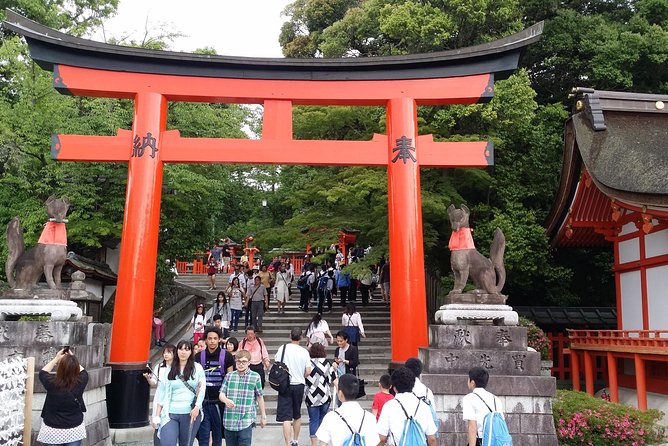
Meet your guide at Inari Station, at Fukakusa Inarionmaecho in Fushimi Ward. Starting here is smart because the station places you directly beside Fushimi Inari Taisha, rather than wasting the first part of the tour on a taxi ride or a long approach.
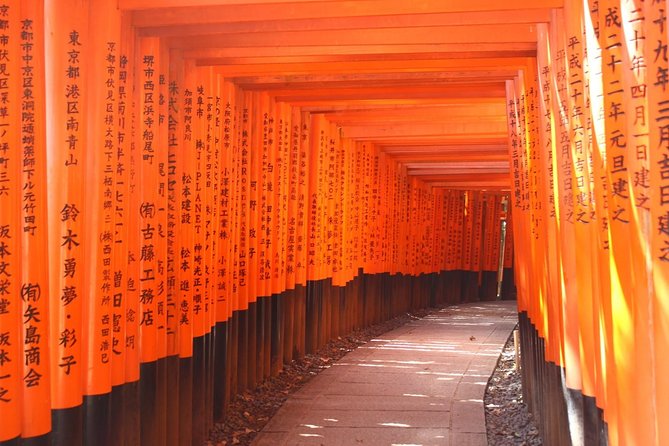
Fushimi Inari is dedicated to Inari, the Shinto deity associated with rice, agriculture, and prosperity. Its most familiar feature is the long sequence of bright orange-red torii gates, donated over time by individuals and businesses. Together they create the tunnel-like path that has made the shrine one of Kyoto’s most recognizable sights.
You will spend about 1 hour and 15 minutes at the shrine. That is long enough to move beyond the first gate-lined section and get a better feel for the mountain setting, though it is not enough for a full climb to the highest points and back.
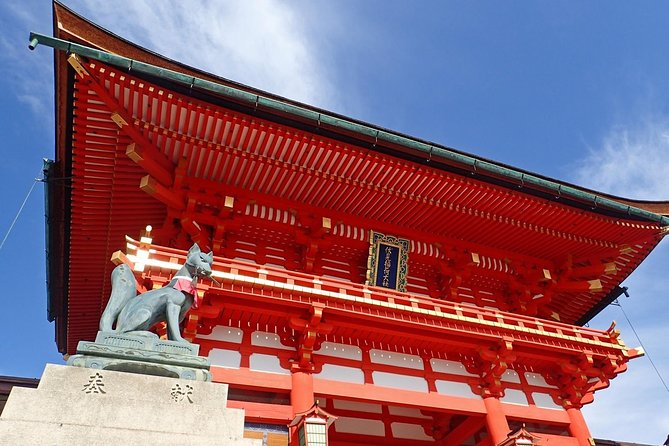
The lower paths are the most photographed and can be busy. A guide can help you understand why the gates are there and how the shrine works as a place of worship, rather than treating the route as a simple photo stop. Pay attention to the smaller shrines, fox images, and side paths. The fox is linked with Inari and appears throughout the grounds.
The practical issue is footing. Fushimi Inari rises into the Higashiyama range, and the route includes inclines and steps. The experience information calls for a moderate fitness level, and that is an honest description. If you have a cane, knee trouble, or difficulty with hills, tell the guide at the start.
Hot weather deserves special attention. One person found the walk difficult in extreme summer heat and wanted more water breaks. That is useful advice for everyone, not only older visitors. Carry water before you arrive, and use the private setting to request short pauses.
From Inari Station to Gion by train
After Fushimi Inari, the group takes a short train ride to Gion. The transit is included, which is a small but meaningful benefit. You do not have to work out the fare, choose the correct platform, or lose part of a four-hour tour figuring out the connection.
The move also changes the mood of the day. Fushimi Inari feels like a mountain shrine district, while Gion presents the polished streets, tea houses, theaters, and traditional buildings of Kyoto’s old entertainment quarter.
Your guide can help separate fact from fantasy here. Gion is associated with geisha, more precisely geiko in Kyoto, and maiko apprentices. They are professional entertainers trained in music, dance, conversation, and traditional arts. Seeing a geiko or maiko is never guaranteed, and the district should be treated as a working neighborhood rather than a stage set.
Hanamikoji Street and the heart of Gion
Hanamikoji Street is scheduled for about 15 minutes. That is a short stop, but it gives you a useful orientation to Gion’s traditional architecture and entertainment culture.
You pass near the Kabuki theater and walk along the tea house streets. The old townhouses, known as machiya, are part of what gives this area its distinct look. The buildings are attractive, but the real value of having a guide here is context. Without explanation, you may see only closed wooden facades and wonder what happens behind them.
Do not expect a long, leisurely Gion walk in this itinerary. Fifteen minutes is enough for an introduction and photographs, not a detailed neighborhood tour. If Gion is your main reason for booking, ask in advance how much time can be shifted toward this area.
The private format helps with etiquette. Your guide can explain where photography is appropriate and how to behave around residents and working entertainers. That is especially useful in a district where visitors can easily forget that people live and work there.
More evenings in Gion:
- Kyoto Geisha Walking Tour: Gion District & Hidden Gems
★ 4.7 · 3,273 reviews - Kyoto: Gion Magical Night Walking Tour with Geisha Trivia
★ 4.9 · 2,393 reviews - Kyoto: Gion Geisha District Walking Tour – Stories of Geisha
★ 4.7 · 2,187 reviews - Best of Kyoto: Gion, Geisha, Pagodas & Cobblestones
★ 4.9 · 2,058 reviews
Crawling through the stone at Yasui-Konpiragu
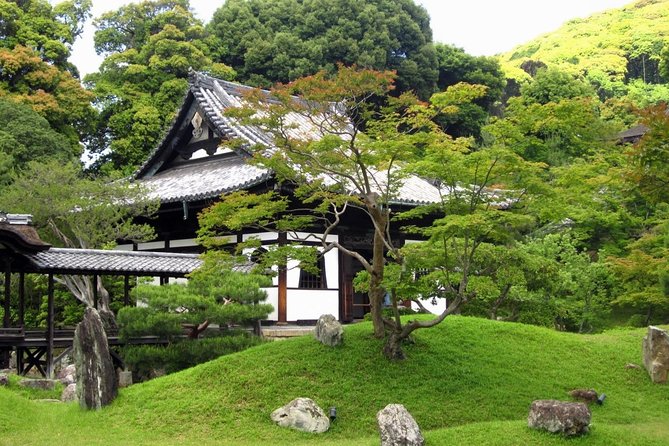
The next stop, Yasui-Konpiragu, takes about 15 minutes and offers one of the route’s more unusual experiences. The shrine is known for its power stone, which people crawl through as part of a ritual connected with breaking unwanted ties and strengthening desirable ones.
That gives the stop a more personal feel than simply looking at another gate or roof. The shrine’s reputation includes wishes for love, but also the end of harmful relationships and other difficult bonds. It is a good place to ask your guide about the difference between a tourist attraction and an active religious custom.
The stone passage is not suitable for everyone, so use your judgment. The tour already involves hills and walking, and you should not feel obliged to take part in a physical ritual. You can still observe the shrine and hear the story if crawling through the opening is uncomfortable.
Yasaka Pagoda and the Higashiyama streets
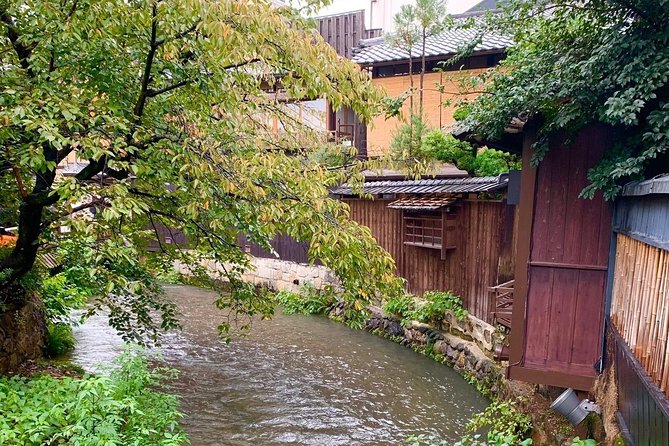
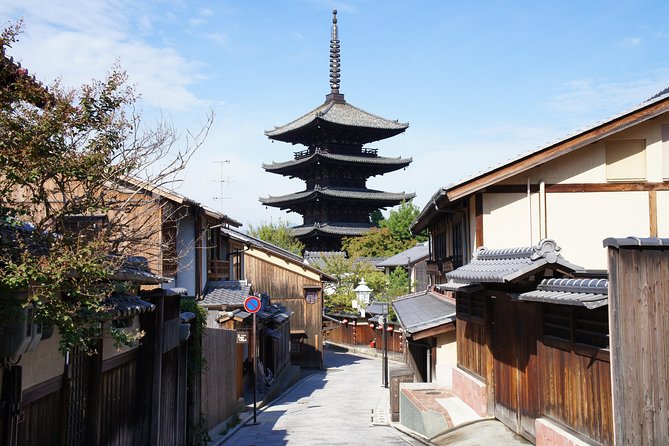
The route then pauses near Yasaka Pagoda, a landmark that rises above the Higashiyama district. Its formal name is Hokanji Temple’s pagoda, and its strong silhouette helps orient you among the narrow streets.
The pagoda is described as dating from 1440, and its presence has long shaped this part of Kyoto. The stop is primarily a chance to see and photograph the structure from the surrounding streets. Do not assume that this visit includes entry inside the pagoda, since the stated inclusions list other temple and shrine admissions but does not specify pagoda access.
This is also where the walking begins to feel more like a neighborhood route than a sequence of isolated attractions. Kyoto’s eastern foothills are not flat, and the old lanes can become crowded. Your guide’s job is valuable here because a private group can pause without blocking a larger tour formation.
Kodaiji Temple offers a quieter pause
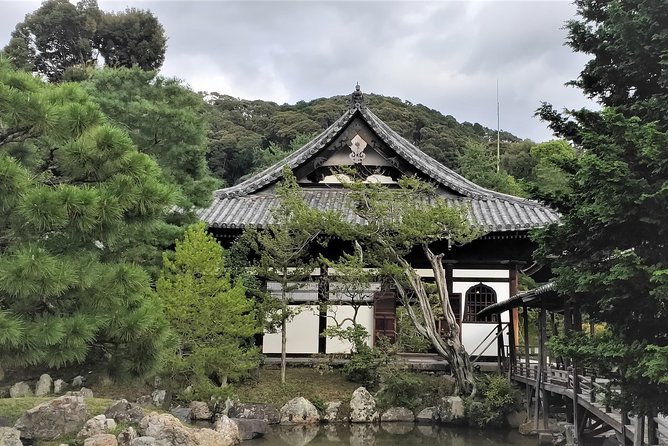
Kodaiji receives about 45 minutes, making it one of the longer stops. That is welcome after the movement through Gion and the pagoda streets.
The temple complex is connected with Toyotomi Hideyoshi and his wife, Nene, and includes a mausoleum area, temple buildings, gardens, and wooded paths. The gardens are a major reason to slow down. Their changing views, carefully placed stones, and quiet spaces make Kodaiji feel different from the louder streets outside.
The experience describes Kodaiji as less crowded than some other major Kyoto sights. Crowd levels always change, but this stop gives you a better chance to breathe and listen. I would use the time to ask about Buddhist temple design, memorial customs, and the relationship between the gardens and the buildings.
Admission is included. That makes a difference in a short tour because you can enter without stopping to calculate another fee. It also helps the $129 price feel more reasonable, particularly if you value interpretation rather than simply being dropped near the gate.
Still, 45 minutes is not a full study of the complex. You will see the main character of Kodaiji, but you should not expect to inspect every garden or building in detail.
Sannenzaka and Ninenzaka on the way to Kiyomizudera
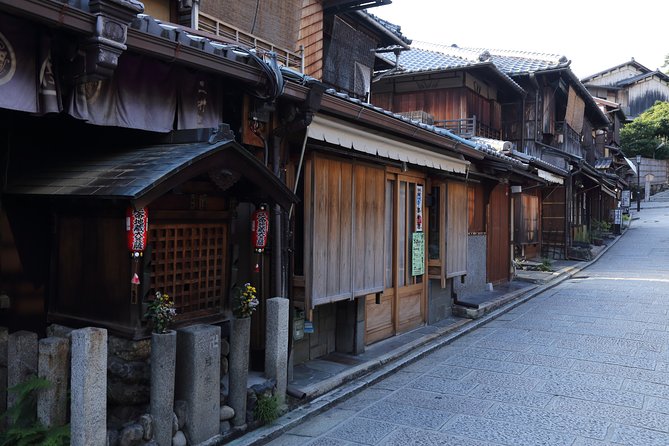
The final listed walking section takes about 20 minutes through Sannenzaka and Ninenzaka. These preserved pilgrimage streets are lined with traditional-style townhouses, shops, and clear views toward the eastern hills.
The streets lead toward Kiyomizudera, one of Kyoto’s most famous temples. The route description presents this portion as an approach to the temple rather than a separate Kiyomizudera visit with a stated admission. That distinction matters. The title references Kiyomizudera, but the listed stops end with the approach streets, and the inclusion details do not specifically promise entry to Kiyomizudera itself.
You can browse shops along the way, but food and drinks are not included. Since the tour is only about four hours and the pace is active, do not count on a built-in meal break. If you want a snack, ask your guide when a short stop fits without cutting into a temple visit.
Sannenzaka and Ninenzaka are attractive but not effortless. Their slopes and stone surfaces can be tiring, and the lanes can feel tight when crowded. Firm shoes will serve you better than fashionable footwear with thin soles.
What the $129 price really covers
At $129 per person, this is not a cheap walk. The value comes from the combination of a private guide, included temple and shrine admissions, and train transit from Fushimi Inari to Gion.
A private tour can make sense for a family or small group that wants direct explanations and flexible pacing. The first child age 12 or under is free, with additional children offered at greatly reduced pricing, so families should calculate the total rather than judging the adult price alone. Group discounts are also available.
You are paying for access to a guide’s time and local knowledge, not for food, drinks, or taxis. Taxis are not required for the planned route, though one can be requested if desired. Since the walk is the central feature, paying for a taxi would change the character of the experience rather than simply improve it.
The strongest value is for a first visit when you want several major Higashiyama sights explained in one outing. If you already know Kyoto well and prefer to wander at your own speed, the price may feel high.
The guides and the personal touch
The guide is the main variable in any private walking tour. The experience promises a native or equivalent speaker of your language who is friendly as well as informed. Names associated with this route include Oisin, Ferdinand, and Duygu, though your assigned guide may be different.
The feedback connected with the experience gives a clear picture of what to look for. Oisin has greeted groups at the station and led them through shrine and temple areas. Ferdinand has been paired with a trainee and praised for explaining Japanese culture and history while finding quieter corners. Duygu has been described as friendly, attentive, and helpful with recommendations.
That last point is important. A good guide does more than recite dates. You want someone who can explain why a shrine ritual matters, how Gion functions today, and which details are easy to miss. You also want someone who notices when the group needs a pause.
Because this is private, speak up early. Tell the guide if someone walks slowly, needs more water breaks, or would rather spend extra time at Kodaiji than rush through another street. The route is flexible, but four hours still imposes limits.
Who should book this Kyoto walking tour
I would recommend it to first-time Kyoto visitors who want a strong introduction to Fushimi Inari, Gion, and Higashiyama without arranging several separate visits. It also suits families, couples, and small groups that value a private guide and the ability to ask questions freely.
It is a good fit if you want both famous sights and smaller cultural details, such as the power stone at Yasui-Konpiragu or the working traditions of Gion. It works especially well for people who prefer explanation and structure to navigating several train and temple stops alone.
I would be cautious if anyone in your group has serious difficulty with hills, stairs, or extended walking. The guide can be accommodating, but the route itself is active. Summer heat makes it harder, and the experience does not include food or drinks.
Book at least a little ahead if your schedule is fixed. The experience averages about 40 days of advance booking, which suggests that popular dates can fill. Free cancellation is available up to 24 hours before the start time, but changes or cancellations inside that window are not accepted for a refund.
Should you book it?
Book this tour if you want a private, guided sweep through Kyoto’s eastern highlights and you are comfortable walking uphill for much of the morning or afternoon. Included admissions and train transit remove some small costs, while the guide adds the cultural context that is hard to find on your own.
Skip it if your priority is a slow visit to Kiyomizudera itself, a long Gion walk, or a relaxed outing with little physical effort. In that case, plan those sights separately and give each more time.
For most first-time visitors with moderate fitness, this is a practical way to connect Fushimi Inari’s torii gates with the temples, pagoda, and old streets of Higashiyama. Just bring water, wear good shoes, and confirm exactly how much time you want at Kiyomizudera before the day begins.
FAQ
How long does the tour last?
The experience lasts approximately four hours.
Where does the tour begin?
It begins at Inari Station, at Fukakusa Inarionmaecho in Fushimi Ward, Kyoto.
Where does the tour end?
The activity ends back at the meeting point.
Is this a private tour?
Yes. Only your group participates in the private activity.
Is transportation included?
Transit from Fushimi Inari to Gion is included. Taxis are not required, but you may request one if you prefer.
Are temple and shrine admission fees included?
Yes. Entrance fees to the temples and shrines visited on the tour are included.
Is food included?
No. Food and drinks are not included.
Is the tour suitable for people with limited mobility?
The experience calls for a moderate physical fitness level. The route includes substantial walking, hills, and some steeper sections, so it may be difficult for people with limited mobility.
Can I cancel for a full refund?
Yes, if you cancel at least 24 hours before the experience start time. Cancellations or changes made less than 24 hours before the start time are not accepted for a refund.
Recently added around Kyoto
- Higashiyama | Kyoto: Sakura Season Private Rickshaw Tour★ 5.0 · 3 reviews
- Kyoto Kimono Rental CHAMATSU|Kimono/Yukata Rental FamilyPlan★ 5.0 · 3 reviews
- Kyoto: Half-Day Private Guided Tour to the Old Town of Gion★ 4.4 · 3 reviews
- Nara Private Customizable Half Day Tour★ 5.0 · 3 reviews
- Kansai Region Hiking Adventure in Nara Kobe Kyoto and More★ 5.0 · 3 reviews
- Full Day Nara Deer, Temple, Shrine, Activities & Tea Ceremony★ 5.0 · 3 reviews
- Nara: Essential Private Tour with Deer Park and Temples★ 5.0 · 3 reviews
- Hiking Tour for Sacred Sites in Kyoto with a Guide★ 5.0 · 3 reviews
Fushimi Inari Shrine Tours, compared.
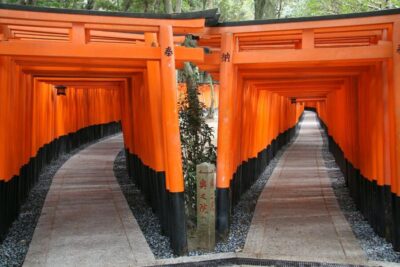
Fushimi Inari, Kinkakuji, Bamboo Grove 1 Day Bus Tour
Read our review →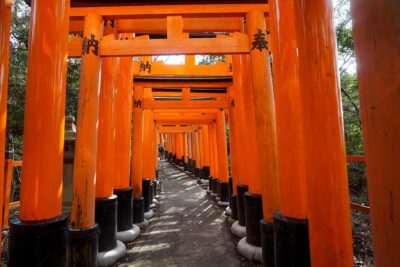
Fushimi Inari Hidden Hiking Tour (Private Option Available)
Read our review →
Kyoto/Osaka: Nara, Fushimi Inari Taisha, Arashiyama Bus Tour
Read our review →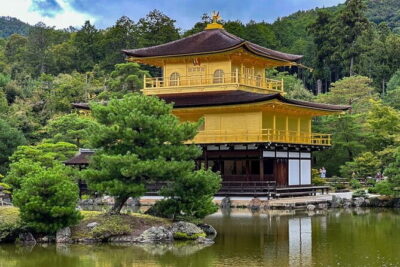
Nijo, Kinkaku-ji, Arashiyama, Kiyomizu & Fushimi Inari
Read our review →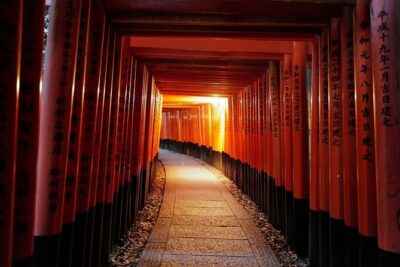
Kyoto Early Bird English Tour: Fushimi-Inari and Arashiyama
Read our review →
Fushimi, Arashiyama – Bamboo, Monkey, Torii & Secrets
Read our review →Browse the lists this tour appears in