
REVIEW · KYOTO TEA CEREMONY EXPERIENCES
Authentic Kyoto Tea Ceremony: Camellia Flower Teahouse
The best part of Camellia Flower is that you do not merely watch a tea ceremony. You learn what the host is doing, why each utensil matters, and how to whisk your own bowl of matcha. In about 45 minutes, the ritual becomes easier to understand and far less mysterious.
I like the small group limit of eight, which leaves room for questions and personal instruction. I also like the practical finish: after watching the formal preparation, you make your own frothy tea with the provided bowl, scoop, and whisk. The main thing to consider is that the ceremony is brief, and the room may feel plain or tight if you expect a grand ceremonial setting.
In This Review
- Key points at a glance
- What the 45-minute Camellia ceremony actually includes
- Entering the Higashiyama tea room
- Learning the objects behind the ritual
- Watching the formal preparation
- Making your own bowl of frothy matcha
- Why the small group improves the experience
- Is $36.48 a fair price?
- Adding a kimono to the visit
- The main strengths, and the limits
- Who will enjoy this Kyoto activity most?
- Booking and timing advice
- Should you book Camellia Flower?
- FAQ
- How long does the Camellia Flower tea ceremony last?
- Where does the tea ceremony take place?
- How many people can join one session?
- Is the tea ceremony conducted in English?
- Do I get to make my own matcha?
- Is seating on the floor required?
- Can children participate?
- Is kimono rental included in the price?
Key points at a glance
- Watch, then make your own matcha: The session ends with hands-on whisking, not just a demonstration.
- Small groups of up to eight: You have a better chance to ask questions and follow each step.
- English instruction from Kyoto tea schools: The instructors explain the ceremony, utensils, symbolism, and room arrangement in fluent English.
- A seasonal sweet comes with the tea: The sweet helps balance matcha’s strong, grassy taste.
- Traditional seating is optional: You may sit on the floor, or request chairs and tables.
- Kimono rental is extra: You can ask about adding it by message, but it is not part of the listed price.
What the 45-minute Camellia ceremony actually includes
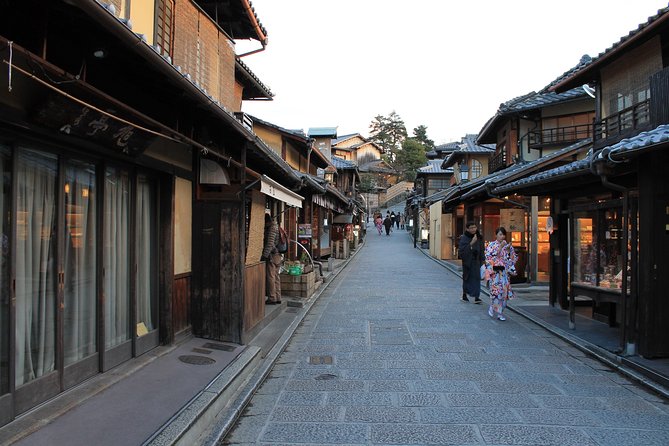
Camellia Flower offers a compact introduction to one of Japan’s most carefully shaped cultural practices. You meet at Tea Ceremony Camellia FLOWER, at 349-13 Masuyacho in Kyoto’s Higashiyama Ward, then finish at the same place.
The session is designed for first-time visitors. You do not need to know Japanese tea etiquette before arriving, and you are encouraged to ask questions throughout. The instructors speak English fluently and come from one of Kyoto’s three main schools of tea ceremony.
That detail matters. A short cultural activity can easily become a string of unexplained gestures. Here, the host gives those gestures a setting and purpose. You learn about cleansing, respect, the handling of utensils, and the way a tea room’s decoration and layout affect the ceremony.
The experience is not a full-day study of tea. It is a focused introduction that gives you enough context to notice more when you encounter matcha, tea utensils, or a formal tea room elsewhere in Japan.
More tea ceremonies in Kyoto:
- Kyoto: Tea Ceremony in a Traditional Tea House in Kiyomizu
★ 4.9 · 3,519 reviews - Kyoto: Tea Ceremony Ju-An at Jotokuji Temple
★ 4.9 · 3,207 reviews - Kyoto: 45-Minute Tea Ceremony Lesson Experience
★ 4.3 · 2,378 reviews
Entering the Higashiyama tea room
The Higashiyama location is useful if you are already spending time in Kyoto’s traditional eastern district. The meeting point is near public transportation and easy to combine with other sightseeing in the area, though no pickup or hotel drop-off is provided.
The exact room atmosphere can vary in how you experience it. Some people will appreciate the simple, quiet setting because it keeps attention on the ceremony. If you are hoping for a large, ornate room, you may find the space small and plain. One practical advantage of a modest room is that you are close to the instructor and can see the utensils clearly.
The group can contain no more than eight people. That is a sensible size for this activity. In a larger room, the ceremony might feel like a stage show. Here, you can watch hand movements and ask about details without shouting across a crowd.
Traditional tea ceremonies often involve sitting on the floor. Camellia provides chairs and tables if you prefer them, so tell the host when you arrive. The experience is not wheelchair accessible, and children under six cannot participate. Children six and older are allowed, and the gentle, hands-on format can work well for families.
Learning the objects behind the ritual
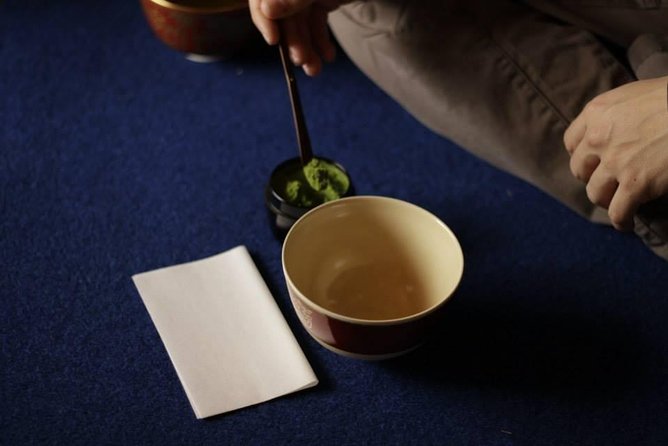
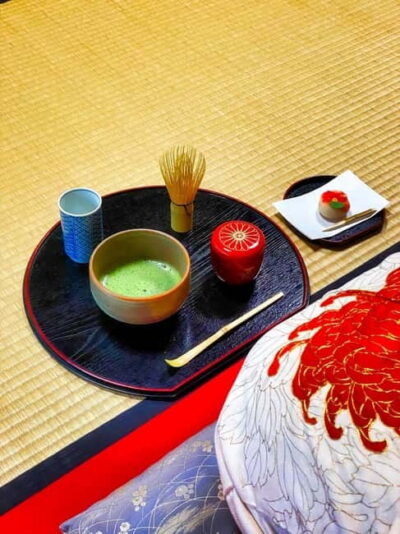
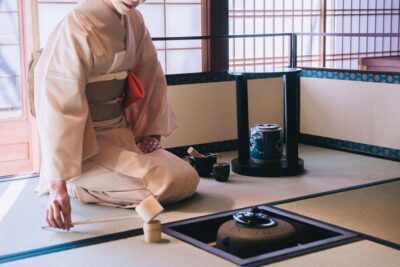
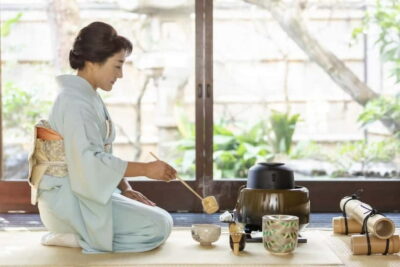
Before the ceremony begins, your instructor introduces the tools. You receive a tea bowl, tea scoop, and bamboo whisk for the practical portion of the session.
These are not just props. The bowl affects how you hold and drink the tea. The scoop measures the matcha. The whisk turns powdered tea and hot water into the familiar foam. Once you try the process yourself, you understand why precise movement and practice matter.
The host also explains the room’s decoration and arrangement. In Japanese tea culture, the setting is part of the message. The seasonal sweet, flowers, and placement of objects help create a particular mood. You may not leave with every detail memorized, but you will have a useful framework for looking at a tea room.
I especially like this teaching approach because it connects the physical room to the behavior inside it. Instead of learning only how to bow or hold a bowl, you learn why the setting asks you to slow down and pay attention.
Watching the formal preparation
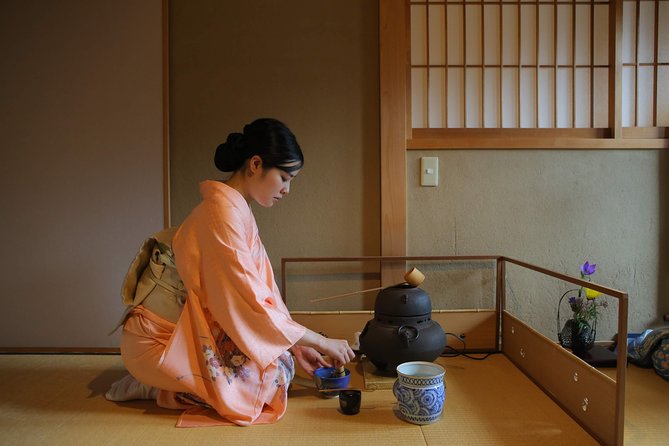
The instructor then performs the ceremony and talks you through its stages. The precise cleaning and preparation can seem almost meditative, especially after a busy day of visiting temples and streets around Kyoto.
The pace is deliberate. That is the point. Tea ceremony is not designed to get a drink into your hands as quickly as possible. The careful movements express hospitality, respect, and attention to the person receiving the tea.
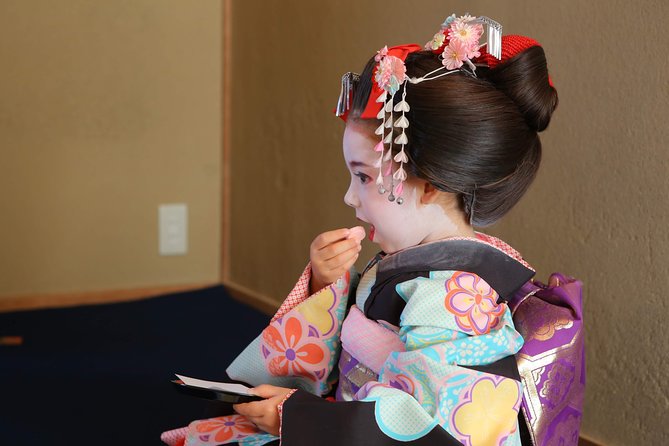
You will try matcha with a seasonal sweet. The sweet provides a pleasant counterpoint to matcha’s concentrated, slightly bitter flavor. If you have only tasted sweetened matcha drinks, this may be a sharper and more traditional introduction.
The host explains the meaning behind the ritual rather than treating it as silent theater. You can ask questions about the tea, tools, history, and customs. The English explanations are an important part of the value here, since they let you connect what you see with broader ideas in Japanese culture.
The ceremony can feel spiritual without requiring you to follow a religious practice. Its focus is on respect, simplicity, and clearing the mind. For many people, that quiet pause is as memorable as the tea itself.
A completely different side of Kyoto:
- PERFECT KYOTO 1-Day Bus Tour
★ 5.0 · 13,518 reviews - Kyoto: Fushimi Inari, Kinkakuji, Bamboo Grove 1 Day Bus Tour
★ 4.8 · 4,316 reviews - Kyoto Geisha Walking Tour: Gion District & Hidden Gems
★ 4.7 · 3,273 reviews - Kyoto: Gion Magical Night Walking Tour with Geisha Trivia
★ 4.9 · 2,393 reviews
Making your own bowl of frothy matcha
The session’s most useful feature comes at the end. You prepare your own bowl of matcha under the instructor’s guidance.
You receive the tea powder and use the scoop and whisk provided. The host shows you how to combine the ingredients and create foam. Your first attempt may not look like the instructor’s, which is part of the fun. The exercise makes the craft feel real rather than decorative.
This hands-on step also helps you remember the ceremony. Watching someone else whisk tea is pleasant, but using the bamboo whisk gives you a direct sense of the technique. You leave with a better understanding of the work behind a smooth bowl of matcha.
You can take photos and short videos during the experience. Be polite about when you raise your phone, since the ceremony depends on a calm room and careful movement. The activity encourages participation, but it still asks you to respect the atmosphere.
Why the small group improves the experience
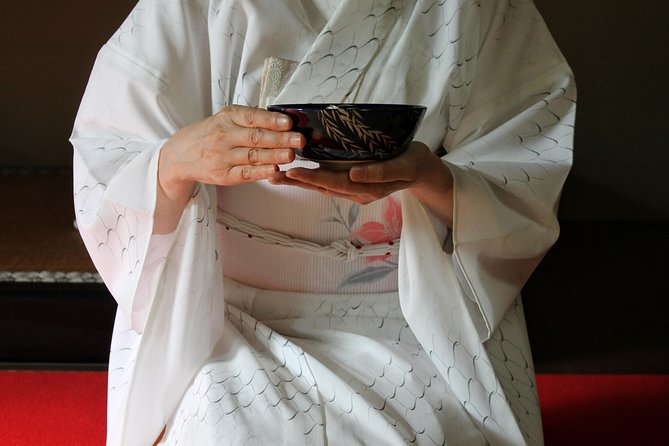
A maximum of eight people is one of the strongest practical features. The instructor can demonstrate close enough for you to see, then help with your own whisking.
A small group also keeps the question-and-answer portion useful. You can ask about the tea schools, the tools, room design, or the meaning of a particular gesture. If you have children with you, the smaller scale may make it easier for them to stay involved.
The tradeoff is that shared sessions are not fully private. You will be taking part with other people, and the timing depends on the group. If you want a slower session centered only on your party, a private option may be preferable. One piece of feedback specifically suggested choosing private participation for a more personal experience.
Still, for the listed price, the group format offers a reasonable balance. You receive instruction, a demonstration, tea, a sweet, and a chance to prepare matcha yourself without paying for a long private lesson.
Is $36.48 a fair price?
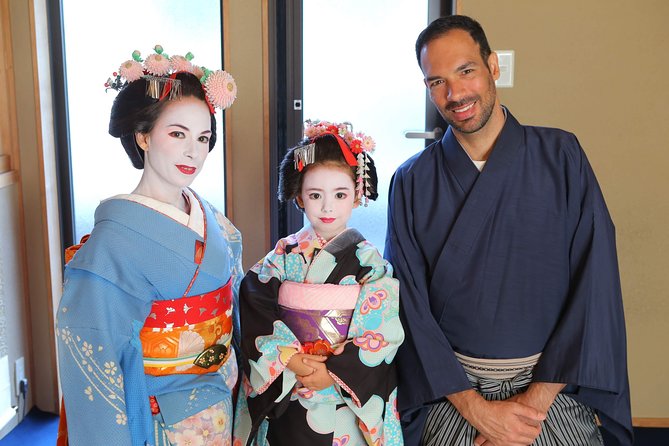
At $36.48 per person, Camellia Flower is priced as a short cultural activity rather than a luxury dining event. The value comes from the instructor’s explanation and the practical lesson, not from the amount of tea or the length of the visit.
Forty-five minutes is enough time to learn the basic story, watch the preparation, taste the tea, and make your own bowl. It is also short enough to fit between major Kyoto sights. If you have a packed schedule, this is easier to place than a multi-hour cultural class.
I would consider the price fair if you want a clear introduction to tea ceremony and matcha. It is less convincing if you are looking for an elaborate production, extended meditation, or a full lesson in a tea school’s advanced forms.
Group discounts may be available, which could help families or parties booking together. A mobile ticket also makes the reservation easy to carry on your phone. The price does not include transportation, pickup, drop-off, or kimono rental.
Adding a kimono to the visit
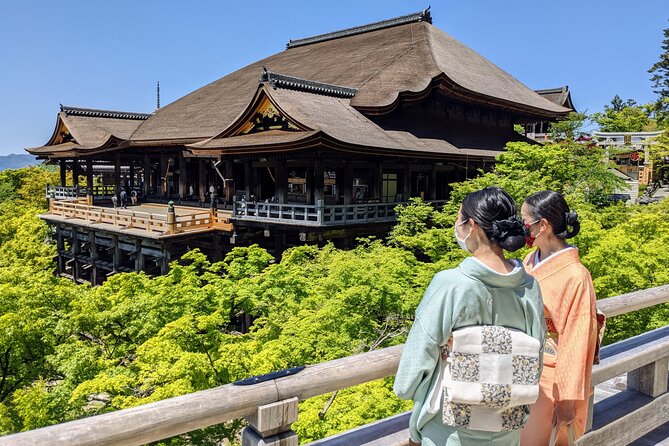
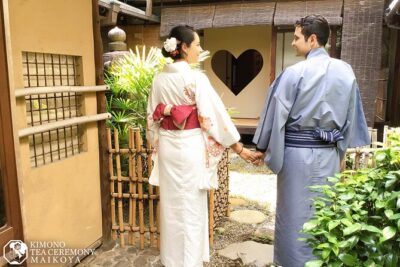
Kimono rental is not included, but you can request it by message for an added charge. Several people found that dressing in a kimono made the ritual feel more complete, and some arrangements may include assistance with dressing and a quick hair adjustment.
I would treat the kimono as an optional extra, not a requirement. The tea ceremony itself remains the main activity, and you can take part in ordinary clothing. If you have been hoping to wear traditional dress in Kyoto, though, combining it with the ceremony gives the clothing a clear purpose rather than making it only a photo opportunity.
Ask about the additional cost and arrangements before you commit. The listed experience does not give a fixed kimono price, so you should not assume it is included in the $36.48 rate.
The main strengths, and the limits
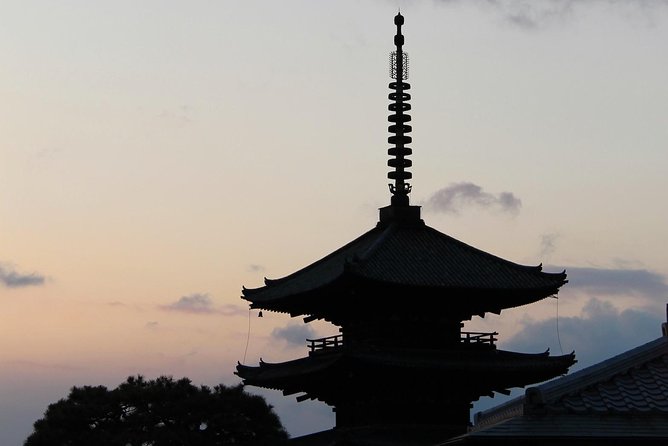
The strongest part of Camellia Flower is the teaching. The instructors are described as kind, patient, friendly, and easy to understand in English. That warmth matters because tea ceremony has many rules that can make a first visit feel intimidating.
The other major strength is the balance between watching and doing. You see the formal ritual, taste matcha with a sweet, and then practice the basic preparation yourself. That combination gives you both cultural context and a simple skill to take home.
The limitations are clear. The visit lasts about 45 minutes, so the lesson stays at an introductory level. The room may be small and plain, and a shared session may feel less personal than a private booking. The experience is also not wheelchair accessible.
None of these drawbacks make the activity a poor choice. They simply define it. Think of Camellia as a well-organized first meeting with tea ceremony, not a complete apprenticeship or grand formal performance.
Who will enjoy this Kyoto activity most?
I would recommend it to you if you want a calm break from sightseeing and prefer cultural activities that explain what you are seeing. It suits first-time visitors to Japan, families with children aged six and older, couples, and solo visitors who enjoy asking questions.
It is also a good match if you have tried matcha in a café and want to understand the traditional preparation. You will see why the drink tastes different from a sweet matcha latte and why whisking technique matters.
Families may appreciate the chance to participate rather than sit through a long lecture. The session is short, and children can watch the ritual before making their own tea.
You may want to choose something else if you need wheelchair access, dislike floor seating and do not want to request a chair, or expect a lavish room with elaborate decoration. You should also consider a private option if your main goal is a quiet session for only your own group.
Booking and timing advice
The meeting point is in Higashiyama, and the activity ends where it begins. Plan extra time to arrive, since no transportation is included and the ceremony itself lasts only about 45 minutes.
Confirmation is provided at booking, and you can use a mobile ticket. The experience welcomes service animals. It requires good weather, and if poor weather causes cancellation, you are offered another date or a full refund.
Free cancellation is available if you cancel at least 24 hours before the local start time. Cancellations or changes made inside that window are not refunded or accepted, so check your Kyoto plans before booking.
The activity is popular, with bookings available for small groups and group discounts. If your schedule is tight, reserve a time that leaves room for walking to the meeting point rather than placing it immediately after another appointment.
Should you book Camellia Flower?
Book this experience if you want an accessible introduction to matcha culture, clear English instruction, and a chance to make tea yourself. The small group, seasonal sweet, and question time give it more substance than a quick photo stop.
Skip it if you want a long, highly formal ceremony or a richly decorated setting. The room may feel simple, and 45 minutes goes by quickly.
For most first-time visitors to Kyoto, I think the format works well. You get a quiet cultural pause, a lesson in the meaning behind the gestures, and a practical memory you can repeat at home with a whisk and bowl. Add the kimono only if that is part of your Kyoto wish list, not because the ceremony requires it.
FAQ
How long does the Camellia Flower tea ceremony last?
The ceremony lasts approximately 45 minutes.
Where does the tea ceremony take place?
It takes place at Tea Ceremony Camellia FLOWER, 349-13 Masuyacho in Kyoto’s Higashiyama Ward. The activity ends at the same meeting point.
How many people can join one session?
The group has a maximum of eight people.
Is the tea ceremony conducted in English?
Yes. The instructors speak English fluently and explain the ceremony, utensils, room arrangement, and tea preparation.
Do I get to make my own matcha?
Yes. Tea bowls, tea scoops, and tea whisks are provided so you can prepare your own bowl of matcha during the session.
Is seating on the floor required?
No. Guests usually sit on the floor, but chairs and tables are available if preferred.
Can children participate?
Children aged six and older can join. Children under six cannot participate.
Is kimono rental included in the price?
No. Kimono rental is an optional extra that can be requested by message. It is not included in the $36.48 per-person price.
Recently added around Kyoto
- Higashiyama | Kyoto: Sakura Season Private Rickshaw Tour★ 5.0 · 3 reviews
- Kyoto Kimono Rental CHAMATSU|Kimono/Yukata Rental FamilyPlan★ 5.0 · 3 reviews
- Kyoto: Half-Day Private Guided Tour to the Old Town of Gion★ 4.4 · 3 reviews
- Nara Private Customizable Half Day Tour★ 5.0 · 3 reviews
- Kansai Region Hiking Adventure in Nara Kobe Kyoto and More★ 5.0 · 3 reviews
- Full Day Nara Deer, Temple, Shrine, Activities & Tea Ceremony★ 5.0 · 3 reviews
- Nara: Essential Private Tour with Deer Park and Temples★ 5.0 · 3 reviews
- Hiking Tour for Sacred Sites in Kyoto with a Guide★ 5.0 · 3 reviews
Kyoto Tea Ceremony Experiences, compared.
Tea Ceremony in a Traditional Tea House in Kiyomizu
Read our review →
Tea Ceremony in 100-year-old Kyo-Machiya Townhouse
Read our review →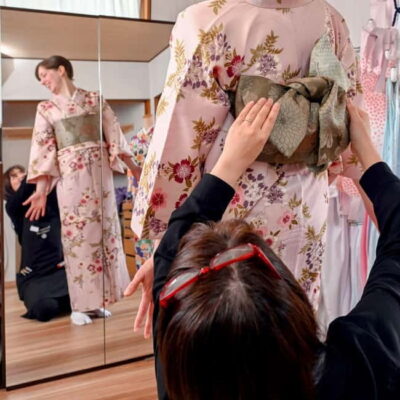
Browse the lists this tour appears in