
REVIEW · KYOTO TEA CEREMONY EXPERIENCES
A Unique Antique Kimono and Tea ceremony Experience in English
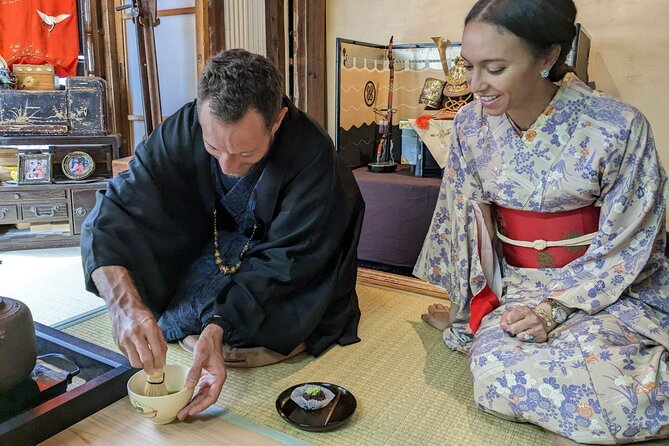
Kyoto’s tea ceremony is often presented as a polished show in a temple or garden. This experience takes a more personal route: you enter a 100-year-old private house near Katsura Imperial Villa, choose an antique kimono, and learn the ceremony from Toku, a tea host and kimono fitter with more than 20 years of experience.
I like two things right away. First, the kimono is part of the price, and you can choose from a large collection of pieces said to be more than 80 years old. Second, the group is limited to six, so Toku can explain the small gestures, the samurai connection, and the meaning behind the tea rather than simply performing a set routine.
The main consideration is the setting. This is a family-run home and shop in a quiet residential neighborhood, not a grand tea pavilion with a manicured garden. At $99.10 for about 90 minutes, the value depends on how much you want personal instruction, dressing, and cultural context rather than several types of tea or a scenic backdrop.
In This Review
- Key points at a glance
- Arriving at Miyagawa Tokusaburo Shoten near Katsura
- Choosing an antique kimono and obi
- Toku’s tea lesson and the meaning of each movement
- Learning how matcha is made
- A quiet ceremony inside a real family home
- How the 90 minutes are likely to unfold
- What $99.10 gets you
- Who should book this Kyoto activity
- Timing, booking, and cancellation advice
- Should you book the antique kimono tea ceremony?
- FAQ
- Where does the tea ceremony take place?
- How long does the experience last?
- Is the experience available in English?
- How many people can join?
- Is the kimono rental included?
- What food and drink are included?
- Does the activity end at the meeting point?
- How much does the experience cost?
- Are service animals allowed?
- Can I cancel for a full refund?
Key points at a glance
- Antique kimono selection: Choose a rare older kimono and obi, with help from Toku and his family.
- English instruction: Learn tea etiquette, matcha preparation, and the meaning behind each step in English.
- Quiet Katsura setting: Visit a calm residential area near Katsura Imperial Villa, away from central Kyoto’s crowds.
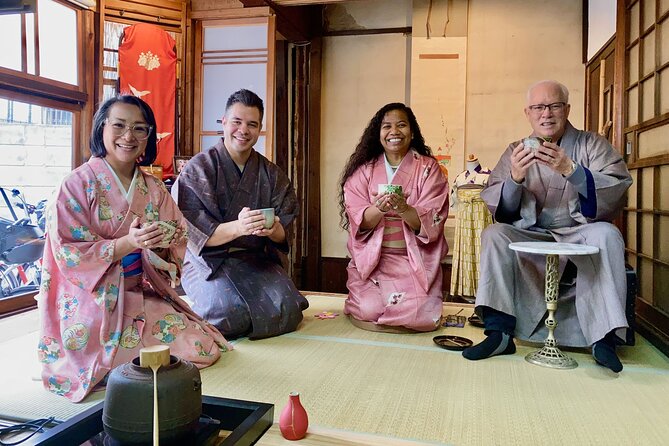
- Small-group format: The experience accepts no more than six people, though some sessions may have only two participants.
- Family welcome: Toku, his wife, and an assistant help with dressing, accessories, hair, photographs, and the ceremony.
- Simple traditional tea: Green tea and Japanese sweets are included, but lunch, dinner, and extra tea tastings are not.
Arriving at Miyagawa Tokusaburo Shoten near Katsura
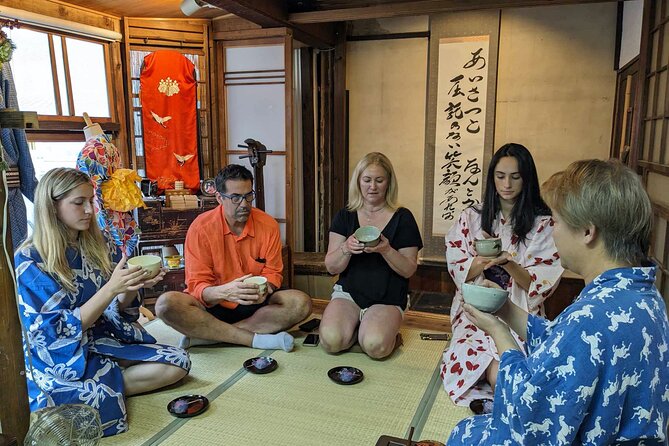
The meeting point is Miyagawa Tokusaburo Shoten at 32-4 Katsuranozatocho in Kyoto’s Nishikyo Ward. The house is close to Katsura Imperial Villa, in an area that feels far removed from the packed lanes around Gion and the major downtown sights.
That location is both a strength and a practical detail to take seriously. You are not walking into a famous temple complex or a formal garden. You are visiting a working family home and kimono shop in a residential neighborhood. The payoff is quiet and a direct welcome from the people running the experience. The trade-off is that the surroundings are ordinary rather than grand.
The meeting point is near public transportation, and one published account describes the trip as an easy 15-minute taxi ride. Exact travel time depends on where you begin, so leave room in your schedule. This experience ends back at the same meeting point, making it easy to continue elsewhere in Kyoto once the ceremony is over.
More tea ceremonies in Kyoto:
- Kyoto: Tea Ceremony in a Traditional Tea House in Kiyomizu
★ 4.9 · 3,519 reviews - Kyoto: Tea Ceremony Ju-An at Jotokuji Temple
★ 4.9 · 3,207 reviews - Kyoto: 45-Minute Tea Ceremony Lesson Experience
★ 4.3 · 2,378 reviews
Choosing an antique kimono and obi
The clothing session is a major part of what separates this from a basic matcha demonstration. Toku helps you choose a kimono and obi from his collection, then dresses you for the ceremony. The pieces are described as rare antiques more than 80 years old, so this is not simply a rental rack of modern costumes.
You can expect help with colors, patterns, and accessories. Several accounts also describe assistance with hair and the choice of decorative hair ornaments. Men and children are included too, and the hosts have adapted the process for young children, including a two-and-a-half-year-old. The exact selection depends on what fits and what is available on the day.
The dressing itself adds time and meaning. A kimono is not a robe you casually throw on for a photograph. The layers, obi, and careful fitting help you understand why traditional clothing changes the way you sit, walk, and move your hands.
Some people will love this attention to detail. If you want a quick costume photo and nothing more, the process may feel slow. It is also worth remembering that antique clothing requires care. Toku’s collection is kept in the house, and one less favorable account found the pieces less dramatic than the ornate kimonos seen in Kyoto’s tourist districts. That is a fair warning: the appeal here is age, character, and personal selection, not a theatrical costume production.
Toku’s tea lesson and the meaning of each movement
Toku leads the ceremony in English and explains the etiquette step by step. His background as a kimono fitter and his more than 20 years of tea ceremony experience give the session a useful link between clothing, hospitality, and tea.
You learn how to behave in the tea setting, how the host prepares and presents the matcha, and why small gestures matter. The ceremony is intentionally calm. Rather than rushing through a photo opportunity, Toku explains the process as it unfolds and gives you time to follow along.
The session also covers the connection between samurai and tea ceremony. That detail helps place the ritual in its proper setting. Tea was not just a drink served at the end of a meal. It was tied to discipline, manners, status, and the careful sharing of time.
The hosts are praised for patience, especially when explaining unfamiliar movements to families and first-time participants. If you cannot kneel comfortably, the ceremony can be adjusted. That flexibility matters because traditional floor seating is not easy for everyone, and the point is to learn the ceremony rather than endure pain to imitate a posture.
Learning how matcha is made
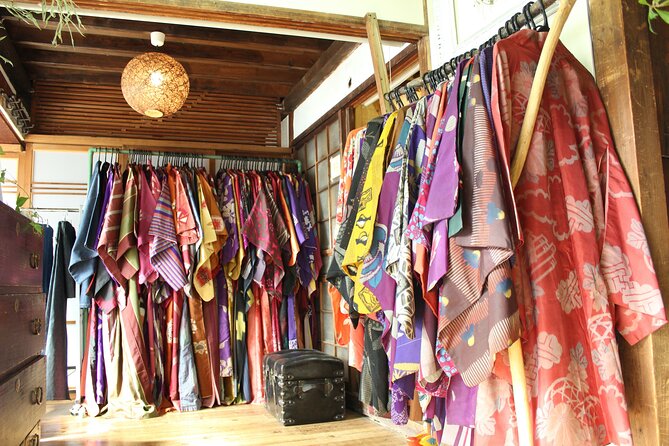
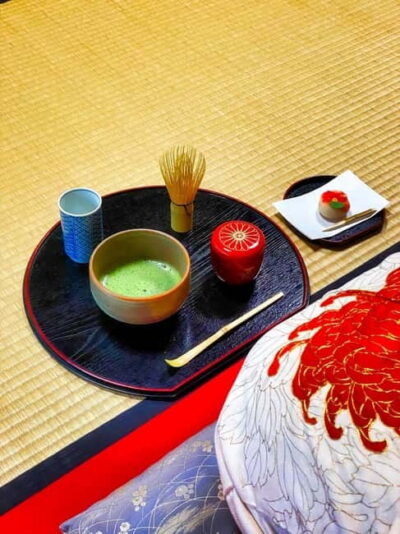
The practical heart of the visit is the matcha lesson. You learn about the preparation of green tea and watch the careful motions used to make and serve it. Green tea and Japanese sweets are included in the experience.
Be clear about the scope. This is a lesson in tea ceremony and matcha preparation, not a full tea tasting with several rare teas. One less satisfied participant expected more information about tea production and several varieties to sample, and found that the 90-minute format did not meet those expectations.
I would book this for the ritual, manners, and setting rather than for a technical study of tea agriculture. The value comes from understanding why the bowl, whisk, movements, sweets, and pauses fit together. If you are hoping to compare different grades of matcha or spend a long time discussing cultivation, this may feel limited.
The sweets serve a purpose beyond refreshment. They form part of the balance of the ceremony, giving you something to enjoy before or with the tea while the host explains the sequence. The overall tone is measured and reflective, not a food-focused tasting.
More kimono and yukata rentals:
- Kimono Tea Ceremony at Kyoto Maikoya, NISHIKI
★ 5.0 · 911 reviews - Kyoto: Kimono Rental with Hairstyling and Accessories
★ 4.8 · 653 reviews - Kyoto: Kimono Tea Ceremony at Orizuruya Gion
★ 4.9 · 618 reviews - KYOTO Tea Ceremony with kimono near by Imamiya Jinjya Shrine
★ 5.0 · 343 reviews
A quiet ceremony inside a real family home
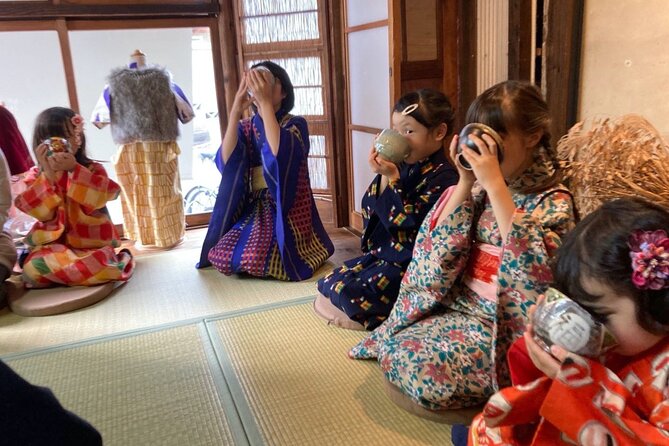
The room itself shapes the experience. You are not being ushered through a large commercial venue with several groups arriving at once. The house is old, personal, and full of traditional objects and clothing.
Toku, his wife, and an assistant take part in welcoming and preparing you. That family involvement is one of the most praised elements of the visit. You are given time to select clothing, ask questions, and settle into the ceremony. The hosts also take photographs during the kimono and tea portions, which is useful when you want a record of the experience without constantly reaching for your own phone.
The same intimacy will not suit everyone. A private residence does not offer the visual drama of a temple garden, and the kimono collection may be stored in a practical shop-like way rather than displayed as a museum exhibit. If you want polished scenery, a garden tea ceremony may be a better match.
For me, the quiet setting is the point. Kyoto can turn traditional culture into a conveyor belt, especially in the central districts. Here, the slower pace and direct contact with a family give the ceremony room to feel like a shared lesson.
How the 90 minutes are likely to unfold
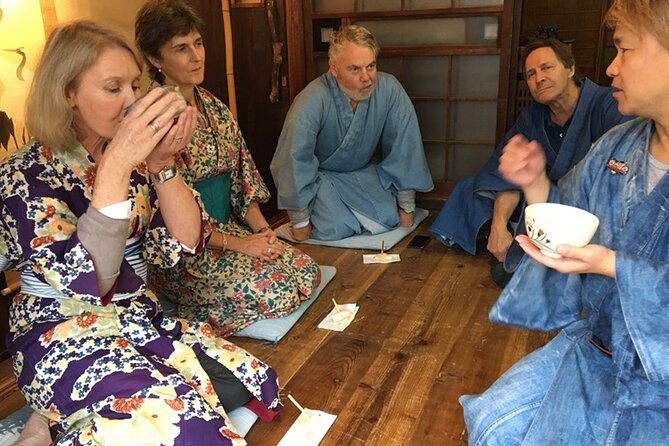
The exact order can vary, but you should allow about an hour and a half for the full visit.
You begin by meeting Toku and his family and looking through the kimono collection. Once you choose a kimono and obi, Toku helps dress you and may help arrange your hair and accessories. This preparation takes a meaningful portion of the visit, so do not think of it as a five-minute costume change.
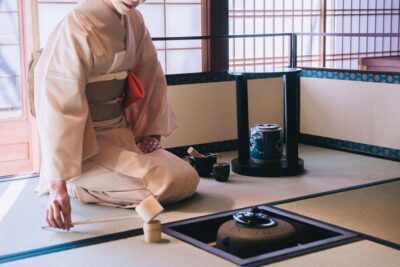
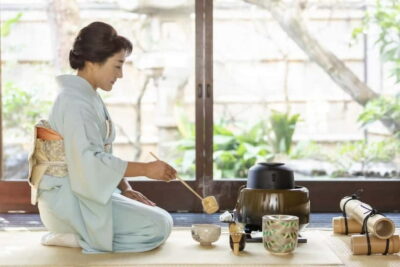
The tea portion follows, with an explanation of manners and the relationship between host and guest. Toku demonstrates the preparation of matcha, explains the purpose of the main actions, and serves green tea with Japanese sweets. You may be invited to take part in parts of the process, depending on the group and the flow of the session.
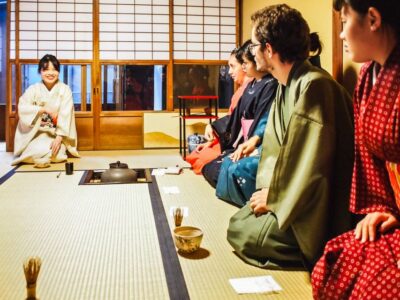
There is time for photographs in the kimono, and the hosts are willing to explain objects, family traditions, and the clothing itself. Some sessions are very small, even just two people, while the official limit is six. A smaller group usually means more chances to ask questions and more attention during dressing.
The ceremony ends at the same house. You do not need to arrange a separate return transfer to another venue.
What $99.10 gets you
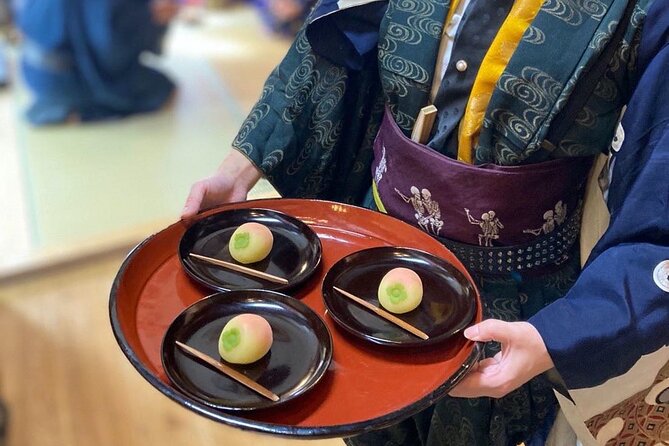
At $99.10 per person, this is not the cheapest way to drink matcha in Kyoto. You are paying for more than a bowl of tea, though. The price includes the antique kimono rental, dressing help, the tea ceremony, green tea, Japanese sweets, and English instruction in a small group.
The comparison that matters is not simply tea against tea. A quick café visit gives you a drink. A temple performance may give you a beautiful setting. This experience combines clothing, instruction, a family home, and a guided ritual in one 90-minute visit.
The value is strongest for you if you would otherwise pay separately for kimono rental and a tea ceremony. It also works well for families who want a shared cultural activity, since children have been welcomed and included.
The value is weaker if your main goal is a lavish venue, a formal garden, or a long lesson about tea varieties. You may also find the price high if you do not care about wearing an antique kimono or having photographs taken.
The published score is 4.9 from 109 ratings, and 97 percent recommend the activity. Those figures suggest that the warm hosts, personal attention, and clothing session consistently land well, while the occasional criticism centers on expectations about the venue and the amount of tea instruction.
Who should book this Kyoto activity
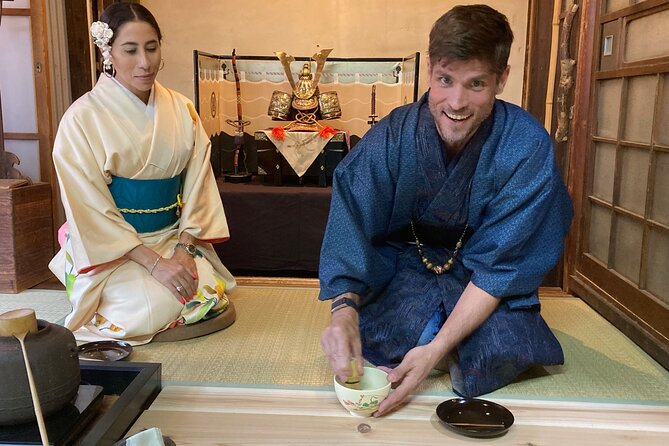
I would put this high on the list for first-time visitors who want a gentle introduction to Japanese customs. You do not need prior tea ceremony experience, and the English explanations make the etiquette easier to follow.
It is also a strong choice for:
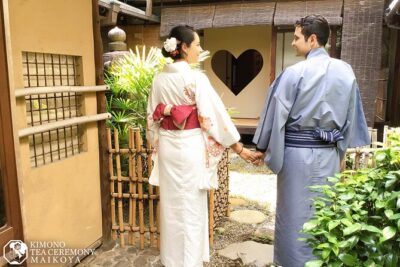
- Couples who want photographs and a shared cultural activity
- Families with children who may not manage a long formal performance
- Visitors who prefer a quiet neighborhood to central Kyoto crowds
- Anyone interested in kimono construction, fitting, and accessories
- People who value conversation with a local family over a large staged show
- Visitors who have difficulty kneeling and appreciate a flexible approach
You may want another option if you need wheelchair-specific information, since the available details do not describe the venue’s physical layout. Service animals are allowed, and the activity is near public transportation, but other accessibility questions should be confirmed before booking.
This is also not the best choice for anyone seeking lunch or dinner. Neither is included, and the activity is built around tea and sweets.
Timing, booking, and cancellation advice
The experience lasts approximately 1 hour and 30 minutes. Confirmation is normally received at booking, although bookings made within one day of the visit are confirmed as soon as possible and remain subject to availability.
You can cancel for a full refund if you do so at least 24 hours before the start time. Cancellations or changes made less than 24 hours before the activity are not accepted for a refund, and the cut-off follows local Kyoto time.
I would book this earlier in a busy Kyoto itinerary, especially if wearing a particular kimono or keeping the group small matters to you. Plan your transport carefully and arrive with enough time to find the residential meeting point without turning the beginning into a sprint.
Should you book the antique kimono tea ceremony?
Book it if you want a personal, English-language lesson in tea etiquette, a chance to wear an older kimono, and time with a welcoming family near Katsura Imperial Villa. The strongest part is the combination of Toku’s careful explanations, the antique clothing, and the calm home setting.
Skip it if your picture of a tea ceremony requires a famous temple, a garden view, or a broad tasting of different teas. This is a modest, family-run setting, and that is either its charm or its limitation.
At $99.10, I see good value for the right person. You are buying a small cultural encounter, not just a cup of matcha. Go in expecting a thoughtful introduction to clothing and ceremony, and you are likely to leave with a better sense of how hospitality works in Japanese tea culture.
FAQ
Where does the tea ceremony take place?
It takes place at Miyagawa Tokusaburo Shoten, 32-4 Katsuranozatocho, Nishikyo Ward, Kyoto, Japan.
How long does the experience last?
The activity lasts approximately 1 hour and 30 minutes.
Is the experience available in English?
Yes. The tea ceremony and explanations are available in English.
How many people can join?
The activity has a maximum of six participants.
Is the kimono rental included?
Yes. The antique kimono rental fee is included in the price.
What food and drink are included?
Green tea and Japanese sweets are included. Lunch and dinner are not included.
Does the activity end at the meeting point?
Yes. The experience ends back at Miyagawa Tokusaburo Shoten.
How much does the experience cost?
The listed price is $99.10 per person.
Are service animals allowed?
Yes. Service animals are allowed.
Can I cancel for a full refund?
Yes, if you cancel at least 24 hours before the experience start time. Cancellations or changes made less than 24 hours before the start time are not accepted for a refund.
Recently added around Kyoto
- Higashiyama | Kyoto: Sakura Season Private Rickshaw Tour★ 5.0 · 3 reviews
- Kyoto Kimono Rental CHAMATSU|Kimono/Yukata Rental FamilyPlan★ 5.0 · 3 reviews
- Kyoto: Half-Day Private Guided Tour to the Old Town of Gion★ 4.4 · 3 reviews
- Nara Private Customizable Half Day Tour★ 5.0 · 3 reviews
- Nara: Essential Private Tour with Deer Park and Temples★ 5.0 · 3 reviews
- Kansai Region Hiking Adventure in Nara Kobe Kyoto and More★ 5.0 · 3 reviews
- Full Day Nara Deer, Temple, Shrine, Activities & Tea Ceremony★ 5.0 · 3 reviews
- Hiking Tour for Sacred Sites in Kyoto with a Guide★ 5.0 · 3 reviews
Kyoto Tea Ceremony Experiences, compared.
Tea Ceremony in a Traditional Tea House in Kiyomizu
Read our review →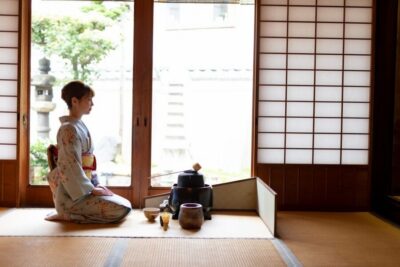
Tea Ceremony in 100-year-old Kyo-Machiya Townhouse
Read our review →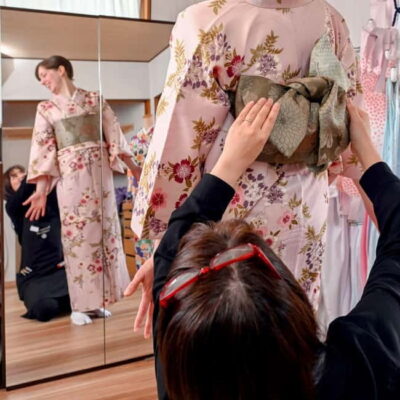
Browse the lists this tour appears in