
REVIEW · GION GEISHA DISTRICT TOURS
Treasures of Kyoto: Gion & historical Walking Tour
Gion is at its most atmospheric after sunset, when lanterns glow along old lanes and traditional restaurants begin their evening trade. I like that this three-hour walk combines famous sights such as Yasaka Shrine and Hanamikoji Street with less obvious corners, giving you a useful first look at Kyoto rather than a quick photo stop.
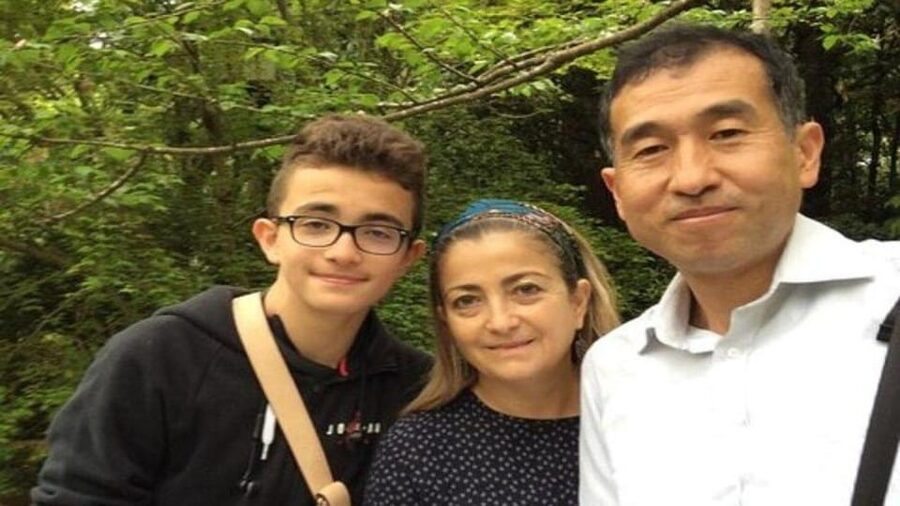
I also like the small-group or private format, especially if you want to ask about maiko, geiko, temples, food, or evening plans. Guides including Raphaël, Jérôme, and Déborah have been singled out for clear explanations and practical suggestions. The main drawback is pace: with roughly 20 minutes at each listed stop, you will see many places but will not have time for long temple visits or a slow meal.
In This Review
- Key points to know before you book
- Why Gion works best at sunset
- Pontocho Park begins the evening
- Nene-no-michi and the quieter side of Higashiyama
- The Izumo-no-Okuni statue and Kyoto’s performing arts
- Chion-in brings a temple pause
- Maruyama Park offers breathing room
- Hanamikoji Street is the visual centerpiece
- Yasaka Shrine closes the temple and shrine story
- Shijo-dori shows modern Kyoto beside old Gion
- Kyoto Minami-za links Gion with kabuki
- What the $44 price really buys you
- How the three-hour pace feels
- Languages, cancellation, and practical planning
- Who should book this Gion walk?
- Should you book Treasures of Kyoto?
- FAQ
- How long does the Treasures of Kyoto walking tour last?
- Where does the tour start?
- What places are included on the route?
- Is the tour private or shared?
- Which languages are offered?
- Are food and drinks included?
- Can I cancel for a refund?
Key points to know before you book

- Gion after dark: Lantern-lit lanes, teahouses, bars, and restaurants give the walk its evening character.
- Nine planned sightseeing stops: The route links Pontocho Park, Nene-no-michi, Chion-in, Maruyama Park, Hanamikoji Street, Yasaka Shrine, and more.
- Maiko and geiko context: Your guide explains the customs and working lives of Kyoto’s traditional entertainers, with sightings possible but not guaranteed.
- Private or small group: A smaller setting makes it easier to ask questions and adjust the conversation to your interests.
- Useful Kyoto advice: Guides share ideas for additional places to visit, which can help you plan the following days.
- Good short-stay value: At $44 per person, the tour is reasonably priced for three hours of guiding, though food and most city transport cost extra.
Why Gion works best at sunset
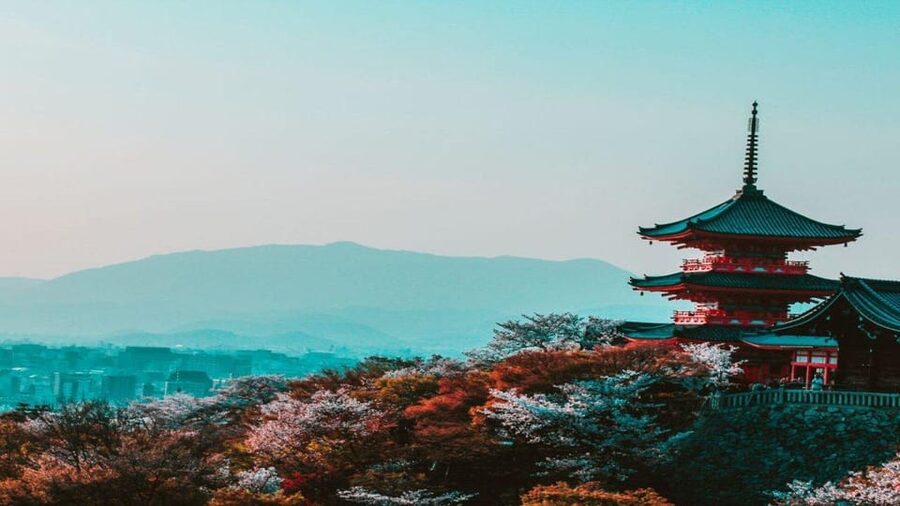
Gion can feel very different in daylight and after dark. During the evening, the warm light from paper lanterns brings out the wood façades, narrow lanes, and restrained design of the old entertainment district. This is not a tour built around grand indoor attractions. Its appeal comes from walking slowly enough to notice the setting while a guide explains what you are seeing.
The starting point is 213 Nakanochō in Kyoto’s Higashiyama Ward. That puts you close to the traditional streets that make this part of Kyoto so appealing. You should arrive ready for a full walking tour on paved streets and lanes, with comfortable shoes and enough room in your schedule to stay with the group.
The chance to see a maiko or geiko is one of the tour’s most appealing possibilities, but it is not promised. That is important. These women are working, not performers placed along a route for photographs. A good guide can help you understand the difference between a genuine sighting and a staged tourist encounter, while reminding you to be quiet and respectful.
More evenings in Gion:
- Kyoto Geisha Walking Tour: Gion District & Hidden Gems
★ 4.7 · 3,273 reviews - Kyoto: Gion Magical Night Walking Tour with Geisha Trivia
★ 4.9 · 2,393 reviews - Kyoto: Gion Geisha District Walking Tour – Stories of Geisha
★ 4.7 · 2,187 reviews
Pontocho Park begins the evening
The first listed stop is Pontocho Park, with about 20 minutes for a photo stop, sightseeing, and explanation. Pontocho is closely tied to Kyoto’s evening dining and entertainment life, so this opening gives you a useful sense of how the city changes after sunset.
I would pay attention here to your guide’s comments about the nearby restaurants and bars. The tour does not include food or drinks, but the advice you receive may help you choose where to eat later. Since the guide has current knowledge of the area, this is a good time to ask about the type of evening you want, from a simple meal to a more traditional setting.
The stop is short, so do not expect a full meal recommendation session or a long pause by the river. Think of Pontocho Park as an introduction to Kyoto’s night culture and a chance to get your bearings.
Nene-no-michi and the quieter side of Higashiyama

Nene-no-michi brings the route into one of Kyoto’s most atmospheric pedestrian areas. Its traditional appearance and connection to nearby temples make it a strong contrast with the dining streets around Pontocho.
This is the sort of place where a guide adds real value. On your own, you can admire the old-style buildings, but you may not understand why the street feels so carefully preserved or how it fits into the wider Higashiyama district. Your guide can point out architectural details and explain customs that are easy to miss when you are focused on taking pictures.
The route allows about 20 minutes here. That should be enough for an overview and photographs, but not for exploring every side lane. If your main aim is quiet street photography, you may want to return independently at another time.
The Izumo-no-Okuni statue and Kyoto’s performing arts
The statue of Izumo-no-Okuni offers a small but useful cultural pause. Izumo-no-Okuni is associated with the origins of kabuki, making the statue a natural link between Kyoto’s traditional entertainment districts and Japan’s performing arts.
This stop helps broaden the tour beyond the familiar image of geisha culture. Gion is not only about elegant teahouses and evening lanterns. It is also part of a long tradition of dance, theater, music, and public performance.
The attraction itself is compact, so the guide’s explanation matters more than the statue’s size. With around 20 minutes assigned, you will have time to hear the story and take a photograph, but this is not a formal theater visit. The route later passes Kyoto Minami-za, which gives the performing arts theme another useful connection.
More history walks in Kyoto:
- World Heritage Kyoto & Nara Uji Authentic Matcha Experience
★ 5.0 · 1,573 reviews - Kyoto Gion: 2-Hour Geisha Culture & History Walking Tour
★ 5.0 · 1,186 reviews - Kyoto Gion Historical Walking Tour
★ 5.0 · 188 reviews - Historical Kyoto E-Bike Tour
★ 5.0 · 181 reviews
Chion-in brings a temple pause
Chion-in is one of the major religious sights along the route. The tour treats it as a photo stop and guided sightseeing visit, rather than a long temple tour. That distinction matters because three hours is a tight schedule.
Here, listen for the guide’s explanation of the temple’s place in Kyoto and Japanese Buddhism. The setting gives you a break from the commercial side of Gion and shows how religious spaces sit close to restaurants, theaters, and historic streets.
You may find the short timing slightly frustrating if you want to study every gate or building. Still, the stop works well as part of a first orientation. You see the temple, understand why it matters, and can decide if it deserves a longer return visit during daylight.
Maruyama Park offers breathing room

Maruyama Park provides a more open section of the walk. After narrow lanes and traditional façades, the park gives you space to pause and take in a different side of Kyoto.
The guide can place the park within the route from Chion-in toward Gion’s main streets. That kind of connection is useful because Kyoto’s sights can seem scattered when you visit them one by one. A walking tour shows how these places fit together on the ground.
Expect another roughly 20-minute stop. The tour does not promise seasonal displays, special events, or extended time in the park, so your experience will depend partly on the time of year and evening conditions. Even so, the park adds variety and keeps the walk from becoming a continuous run of buildings and shopfronts.
Hanamikoji Street is the visual centerpiece
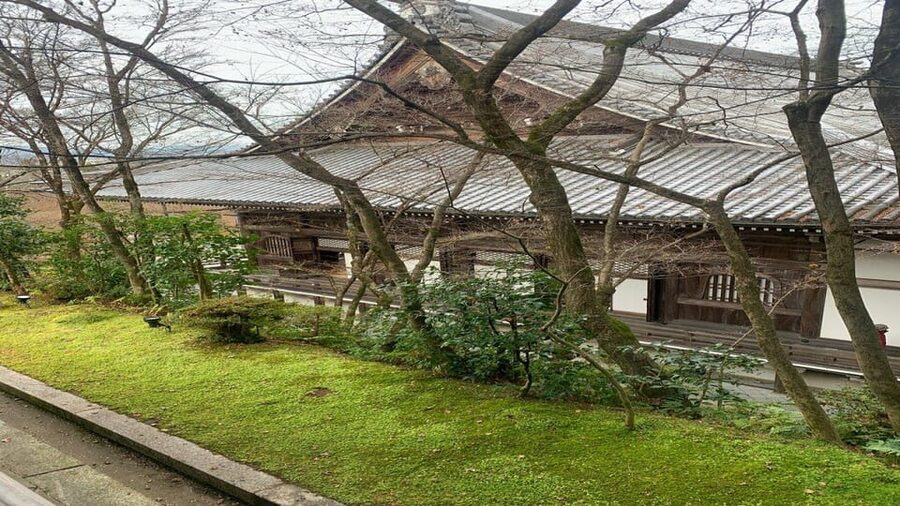
Hanamikoji Street is likely to be one of the most memorable parts of the route. Its preserved appearance, wooden buildings, and connection to Gion’s traditional entertainment world make it the street many people picture before arriving in Kyoto.
Your guide’s explanation is especially helpful here. You can learn how the district functions, why some lanes are treated with care, and how to behave around teahouses and people heading to work. If you see a maiko or geiko, keep your distance and follow local etiquette. A sighting is possible, but the tour cannot control who happens to pass by.
The route gives Hanamikoji about 20 minutes. That is enough for a clear introduction, though you will not have unlimited time for photographs. The street can also be one of the busier sections of the walk, so a private or small group may feel more comfortable than a large outing.
Yasaka Shrine closes the temple and shrine story
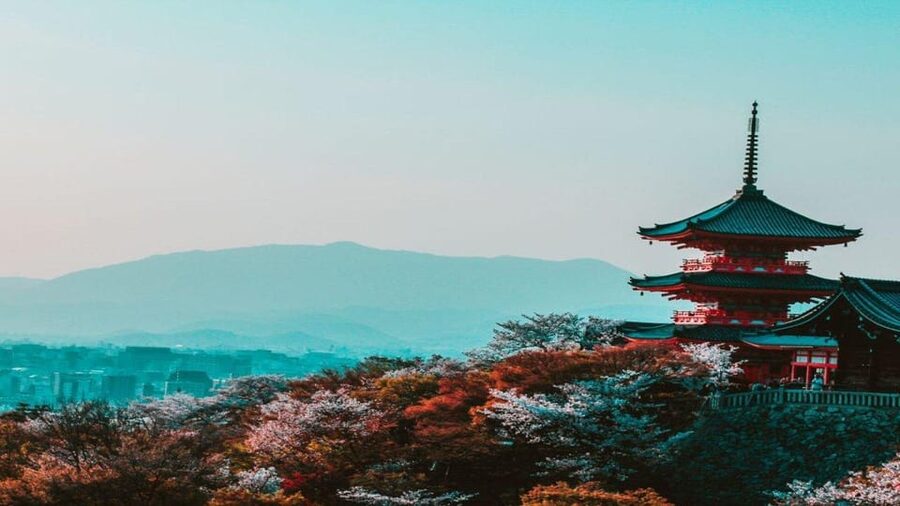
Yasaka Shrine, also called Gion Shrine, is a central stop and one of the clearest links between the district’s name and its religious roots. The shrine gives you a chance to see a major sacred site while the surrounding neighborhood shifts into its evening mood.
A guide can explain the shrine’s customs and point out details you might otherwise pass without noticing. This is a good place to ask how to behave at a Japanese shrine, especially if you have not visited one before.
The 20-minute allowance keeps the visit focused. You should not expect a full study of every structure or a lengthy prayer stop. Instead, you get a concise explanation and a sense of how religious traditions remain part of daily city life.
Shijo-dori shows modern Kyoto beside old Gion
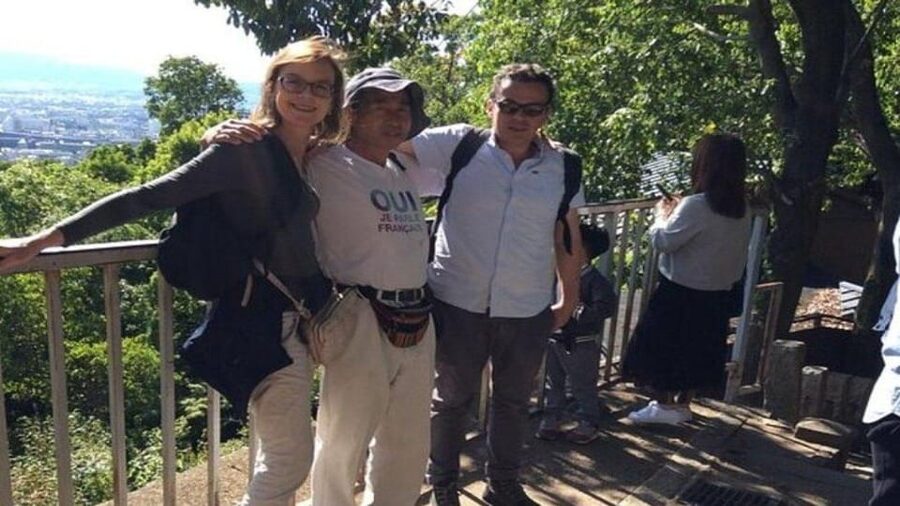
Shijo-dori changes the tone again. This major street brings traffic, shops, and the practical side of central Kyoto into the route. Its inclusion is valuable because it keeps the tour from presenting Gion as a preserved stage set separate from modern life.
As you walk, you can compare the scale and energy of Shijo-dori with the narrow lanes nearby. That contrast is one of the strongest lessons of the tour: old Kyoto and present-day Kyoto are close together, often separated by only a few minutes on foot.
Because this is a walking and sightseeing stop, there is no promise of shopping time. Use the guide’s local advice to note places you might return to later. The tour is more about orientation than spending time in stores.
Kyoto Minami-za links Gion with kabuki
The final listed stop is Kyoto Minami-za, a major theater associated with kabuki. After the Izumo-no-Okuni statue, this stop gives the performing arts thread a satisfying finish.
You will not be attending a performance as part of the experience, and no ticket is included. Instead, the guide helps you understand the theater’s place in Kyoto’s cultural life and its relationship to the entertainment district you have just explored.
This final stop also puts you near an area where you can continue your evening independently. Since food and drinks are not included, the end of the walk is a natural point to ask your guide for suggestions that match your budget and interests.
What the $44 price really buys you
At $44 per person, this tour offers solid value if you want context and a well-planned route rather than a simple list of photo locations. You are paying for three hours of a live guide, a private or small-group setting, and the chance to ask questions as you walk between major sights.
The value is strongest for first-time visitors, people with limited time, and anyone curious about Gion’s customs. The advice about additional places to see can also save you planning time. Jérôme, for example, is described as offering useful ideas for further visits, while Raphaël received particular praise for clear explanations about maiko and geiko culture. Déborah led a well-received walking visit focused on Kyoto’s treasures.
The price does not cover meals, drinks, or a car. The experience is primarily on foot. The activity details also refer to public transport as included in the walking arrangement, while noting that local transportation around the city is not included. Since that wording can affect your budget, confirm exactly what transport, if any, is used for your selected option.
How the three-hour pace feels
Nine listed stops at about 20 minutes each add up neatly to three hours. That makes the structure easy to understand, but it also tells you what kind of tour this is. You will receive a broad introduction, not a slow examination of every temple, park, or street.
I like this format when I want to learn the shape of a district early in a Kyoto visit. You can mark places to revisit, learn the local rules, and get advice on the rest of your trip. If you already know Gion well or want long periods for photography, dining, or temple interiors, the pace may feel too brisk.
The private option gives you the best chance of asking for extra explanation or adjusting the emphasis, though the supplied details do not promise a completely custom route. Small groups should still make conversation easier than a large coach-style outing.
Languages, cancellation, and practical planning
Live guiding is available in English, French, Spanish, and Italian. That is useful in a tour built around cultural explanation, since details about geiko, maiko, shrine customs, and architecture are easier to follow in a language you handle comfortably.
You can cancel up to 24 hours before the start for a full refund, and the reserve-now, pay-later option keeps your plans flexible. Starting times vary, so check availability before you build the rest of your evening around the walk.
Wear shoes suited to three hours of walking. Bring only what you need, since the experience is not designed around long stops for meals or shopping. The starting address is in Higashiyama Ward, so allow enough time to reach 213 Nakanochō without rushing.
Who should book this Gion walk?
I would recommend it most strongly to:
- First-time Kyoto visitors who want a clear introduction to Gion
- People with only one evening or a short stay
- Families who want a guide to explain local customs
- Couples or small groups who prefer conversation over a large tour
- Visitors interested in maiko, geiko, kabuki, temples, and traditional architecture
- Anyone who wants practical suggestions for the rest of a Kyoto itinerary
Families may find the cultural explanations particularly useful. Raphaël’s visit with two children shows how the subject can work well for younger travelers when the guide explains it clearly and kindly.
I would be more cautious if your main goal is an extended temple visit, a guaranteed maiko sighting, a meal, or a performance. None of those is included. This is a guided introduction to Gion’s streets, customs, and major landmarks.
Should you book Treasures of Kyoto?
Book this tour if you want to see Gion at the right time of day, understand what you are looking at, and leave with useful ideas for the rest of your Kyoto stay. The strongest reasons are the evening setting, the compact route, and the personal attention available in a private or small group.
Skip it if you prefer to wander alone, spend an hour inside each temple, or plan your evening around food and theater. At $44, though, it is a sensible buy for a short, focused introduction, particularly if cultural context matters as much to you as photographs.
FAQ
How long does the Treasures of Kyoto walking tour last?
The tour lasts three hours.
Where does the tour start?
It starts at 213 Nakanochō, Higashiyama Ward, Kyoto, Japan.
What places are included on the route?
The route includes Pontocho Park, Nene-no-michi, the statue of Izumo-no-Okuni, Chion-in, Maruyama Park, Hanamikoji Street, Yasaka Shrine, Shijo-dori, and Kyoto Minami-za.
Is the tour private or shared?
You can book a private group, and a small-group option is also available.
Which languages are offered?
Live guiding is available in English, French, Spanish, and Italian.
Are food and drinks included?
No. Food and drinks are not included.
Can I cancel for a refund?
Yes. You can cancel up to 24 hours in advance for a full refund. You can also reserve now and pay later.
More Walking Tours in Kyoto
- Night Walk in Gion: Kyoto’s Geisha District
★ 4.5 · 2,003 reviews - Kyoto Gion Geisha District Walking Tour – The Stories of Geisha
★ 5.0 · 1,441 reviews - Nishiki Market Brunch Walking Tour (7 Tastings + Brunch)
★ 5.0 · 1,355 reviews - Kyoto Arashiyama Walking Tour: Bamboo, Monkeys, Gardens & Secrets
★ 5.0 · 1,216 reviews
Recently added around Kyoto
- Higashiyama | Kyoto: Sakura Season Private Rickshaw Tour★ 5.0 · 3 reviews
- Kyoto Kimono Rental CHAMATSU|Kimono/Yukata Rental FamilyPlan★ 5.0 · 3 reviews
- Kyoto: Half-Day Private Guided Tour to the Old Town of Gion★ 4.4 · 3 reviews
- Nara Private Customizable Half Day Tour★ 5.0 · 3 reviews
- Kansai Region Hiking Adventure in Nara Kobe Kyoto and More★ 5.0 · 3 reviews
- Full Day Nara Deer, Temple, Shrine, Activities & Tea Ceremony★ 5.0 · 3 reviews
- Nara: Essential Private Tour with Deer Park and Temples★ 5.0 · 3 reviews
- Hiking Tour for Sacred Sites in Kyoto with a Guide★ 5.0 · 3 reviews
Gion Geisha District Tours, compared.
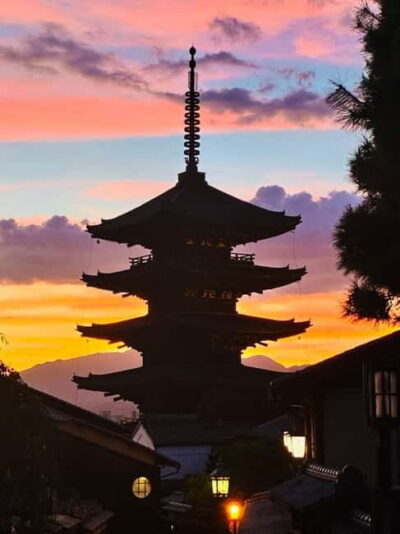
Kyoto Geisha Walking Tour: Gion District & Hidden Gems
Read our review →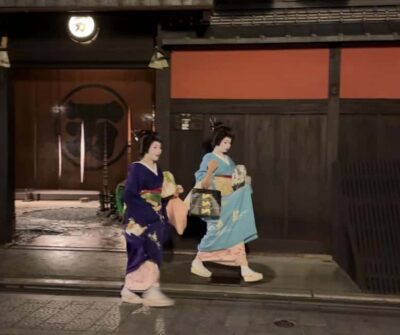
Gion Magical Night Walking Tour with Geisha Trivia
Read our review →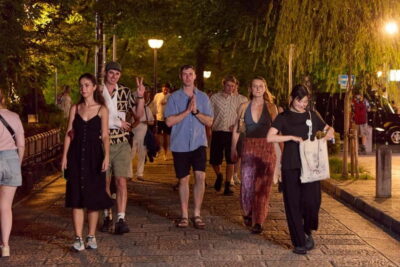
Gion Geisha District Walking Tour – Stories of Geisha
Read our review →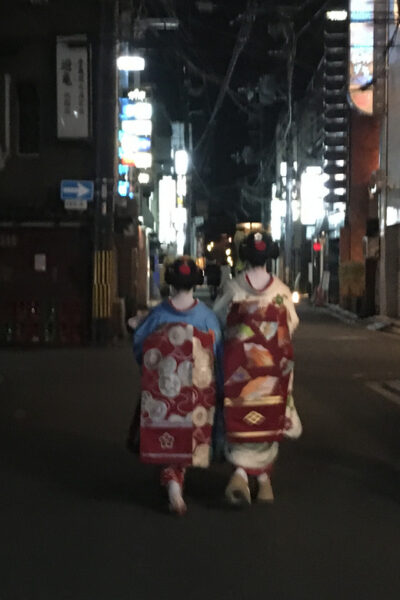
Best of Kyoto: Gion, Geisha, Pagodas & Cobblestones
Read our review →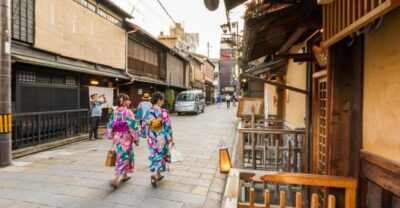

Kyoto Night Foodie Tour in Gion (9+ dishes + 6 Sake tastings)
Read our review →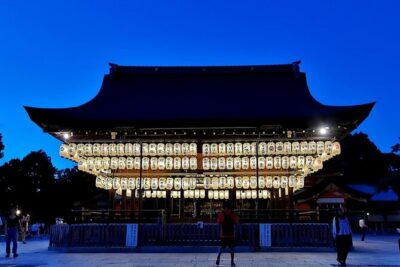
Kyoto Gion Geisha District Walking Tour – The Stories of Geisha
Read our review →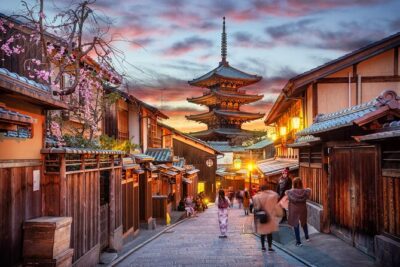
Kyoto Gion: 2-Hour Geisha Culture & History Walking Tour
Read our review →Browse the lists this tour appears in