
REVIEW · CONCERTS
Traditional Concert in Public bath near Kyoto Station
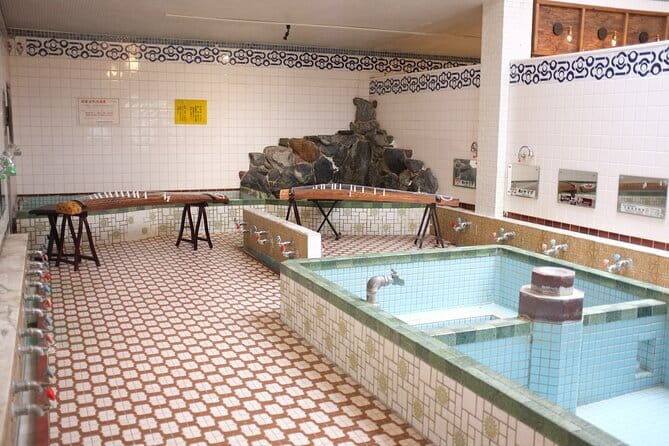
The most unusual thing about this Kyoto concert is the room itself: Kujo-yu, a former Japanese sento, or public bathhouse, now used as a cultural space. High ceilings and tiled walls give the koto and shamisen a clear, ringing sound you will not get in a standard concert hall.
I like the close connection between music and place, and I like the changing program, which can include classical Japanese works, newer arrangements, and original compositions. The main consideration is that the concert lasts about one hour, so it is a focused cultural stop rather than a full evening out, and coffee or tea is not included.
In This Review
- Key points to know
- Why this old bathhouse makes an unusual concert hall
- What happens during the one-hour performance
- The instruments: koto and shamisen
- Kujo-yu, from neighborhood bathhouse to cultural space
- Why the changing program matters
- The value of $32.52 near Kyoto Station
- How to fit the concert into your Kyoto plans
- What I like most about the experience
- Possible drawbacks to consider before booking
- Who should book this Kujo-yu concert?
- Booking, timing, and cancellation details
- Should you book the traditional concert near Kyoto Station?
- FAQ
- Where does the concert take place?
- How long does the concert last?
- Which instruments are featured?
- What kind of music is performed?
- Does the program stay the same?
- What does the ticket include?
- Are coffee and tea included?
- Is transportation included?
- Can I cancel for a full refund?
Key points to know
- A former sento becomes the concert hall: Kujo-yu preserves the look and feel of a neighborhood bathhouse while giving it a new public use.
- Koto and shamisen lead the program: You hear two central Japanese instruments in a setting that brings out their fine, ringing tones.
- The acoustics are part of the experience: Tiled walls and high ceilings help the sound carry through the old bathhouse.
- The program changes: Music can range from classical masterpieces to contemporary arrangements and original works.
- One hour fits neatly into a Kyoto day: The concert is near Kyoto Station and works well between sightseeing plans.
- The price is moderate for a specialized cultural event: At $32.52 per person, you are paying for a distinctive venue and live performance, not refreshments or transport.
Why this old bathhouse makes an unusual concert hall
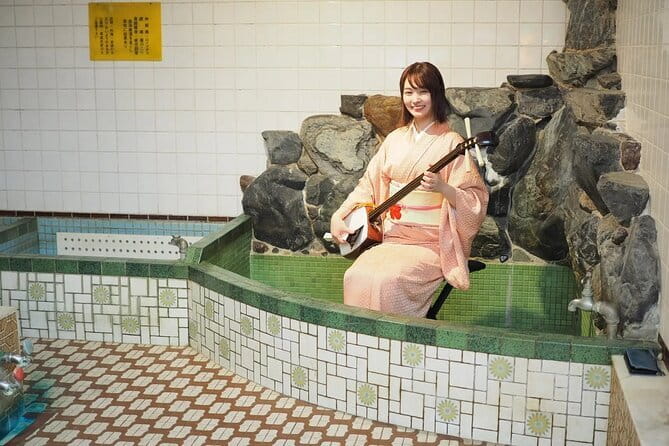
Kyoto has no shortage of temples, shrines, gardens, and formal performance spaces. A concert in a former public bathhouse gives you something different: a look at everyday Japanese architecture being put to a new use.
Kujo-yu was once a sento, a neighborhood bathhouse cherished by the local community. The building has been carefully renovated, but its original character still shapes the event. The tiled walls and high ceiling are not decorative details added for effect. They are the physical features that make the music sound the way it does.
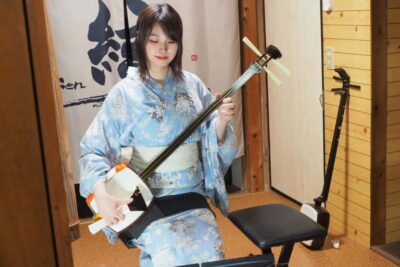
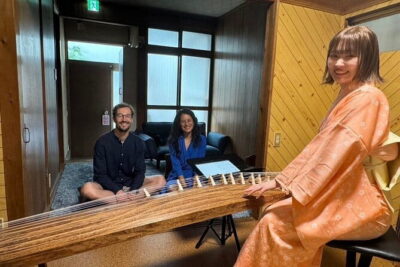
That matters with Japanese instruments. The koto, a long zither played by plucking strings, can produce both crisp notes and soft, flowing phrases. The shamisen, a three-stringed instrument with a distinct pulse and sharp attack, has a very different voice. In a tiled room, the sound can linger and spread around you.
I like this sort of setting because it gives the performance a sense of place before the first note begins. You are not simply attending a concert in Kyoto. You are hearing Japanese music inside a building that once played a practical role in local life.
A few more Kyoto experiences worth comparing
- Kyoto: Traditional Concert at Townhouse or Bathhouse
★ 4.9 · 224 reviews - Concerts Played with Traditional Instruments in Kyoto
★ 5.0 · 50 reviews - Kyoto: Japanese Koto & Shamisen Concert and Koto Class
★ 4.9 · 31 reviews
What happens during the one-hour performance
The experience is straightforward. You arrive at コワーケーションスペース九条湯, also known as Kujo-yu, near Kyoto Station, show your mobile ticket, and take your place for the performance.
The supplied details do not specify the exact seating arrangement, the number of performers, or the size of the audience. You should therefore think of this as an intimate concert, but avoid expecting a large-scale stage production. The appeal lies in the room, the instruments, and the close focus of the music.
The program is not fixed year-round. It changes with the season and with the performers. That can work in your favor. If you return to Kyoto or book the concert on another date, you might hear a different set of pieces rather than a repeat of the same short program.
Expect a mix that may include traditional Japanese masterpieces, contemporary arrangements, and original compositions. This is useful for first-time listeners. You are not limited to a museum-style presentation of old music. The program can show how these instruments work in both older and newer settings.
Because the concert lasts about an hour, it asks for a modest time commitment. You can place it into a day that includes Kyoto Station, the south side of the city, or another nearby stop. It also works for anyone who wants an evening cultural activity without committing to a long formal performance.
The instruments: koto and shamisen
The koto and shamisen offer a helpful introduction to Japanese music because their sounds are easy to tell apart.
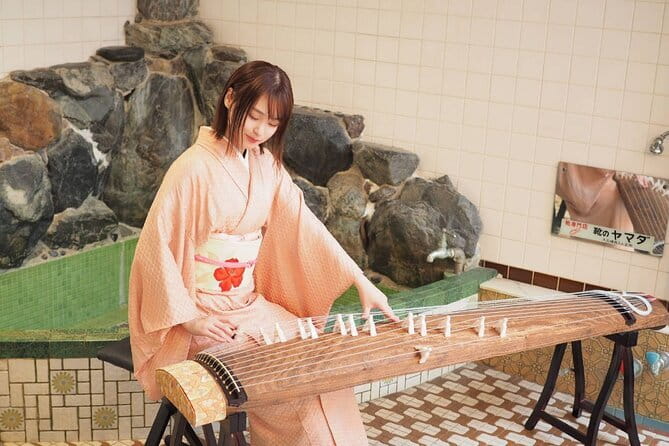
The koto is associated with smooth, finely shaped melodies. Its strings can sound bright and delicate, but the instrument also has enough body to fill the room. The bathhouse acoustics should make each plucked note feel clear, with the room adding a light echo.
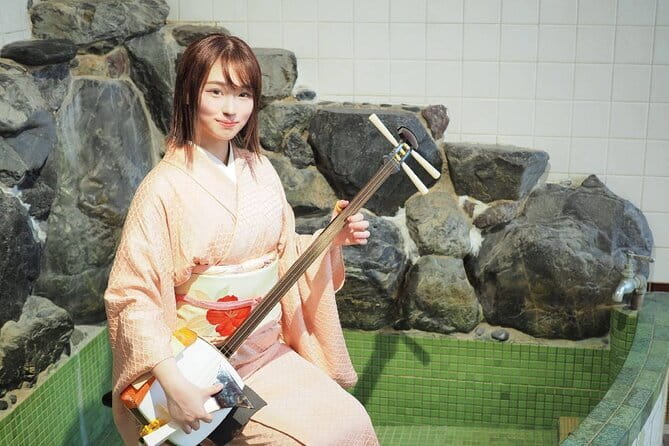
The shamisen has a more percussive character. Its three strings and traditional construction give it a firm, expressive sound. Depending on the arrangement, it can be measured and elegant or lively and forceful.
You do not need a background in Japanese music to follow the performance. In fact, the setting may help more than a long explanation would. You can watch how two very different instruments sound in the same room, then notice how the program shifts between older works and newer pieces.
The experience is best approached with open ears rather than a checklist of famous songs. The exact repertoire varies according to the performers and season, so the value is in hearing a live selection shaped for that particular concert date.
Kujo-yu, from neighborhood bathhouse to cultural space
A sento is a public bathhouse designed for local use. It is part of the practical side of Japanese city life, where people can bathe outside their homes and share a familiar community space.
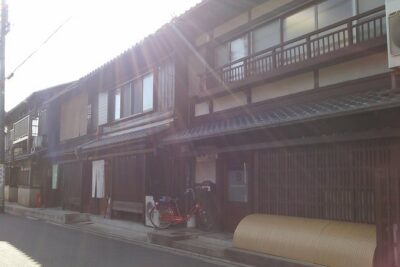
Kujo-yu has been renovated for a new purpose, but the former bathhouse design remains central. The tiled surfaces, generous ceiling, and unusual proportions make the room memorable even before the concert begins.
I appreciate the reuse of a place like this. A standard concert venue can tell you that a performance is important. A former sento tells you something about the building and the neighborhood around it. You get a small piece of Kyoto’s social and architectural story without booking a long heritage tour.
The room also keeps the experience from feeling generic. Many cities offer concerts of traditional instruments. Far fewer place those instruments in a former bathhouse where the old building changes the sound.
The tradeoff is simple: this is a repurposed space, not a purpose-built auditorium. If you need the polished finish, formal staging, and predictable acoustics of a concert hall, this may feel less conventional. If you enjoy places with visible character, the unusual room is a major part of the value.
A completely different side of Kyoto:
- PERFECT KYOTO 1-Day Bus Tour
★ 5.0 · 13,518 reviews - Kyoto: Fushimi Inari, Kinkakuji, Bamboo Grove 1 Day Bus Tour
★ 4.8 · 4,316 reviews - Kyoto: Tea Ceremony in a Traditional Tea House in Kiyomizu
★ 4.9 · 3,519 reviews - Kyoto Geisha Walking Tour: Gion District & Hidden Gems
★ 4.7 · 3,273 reviews
Why the changing program matters
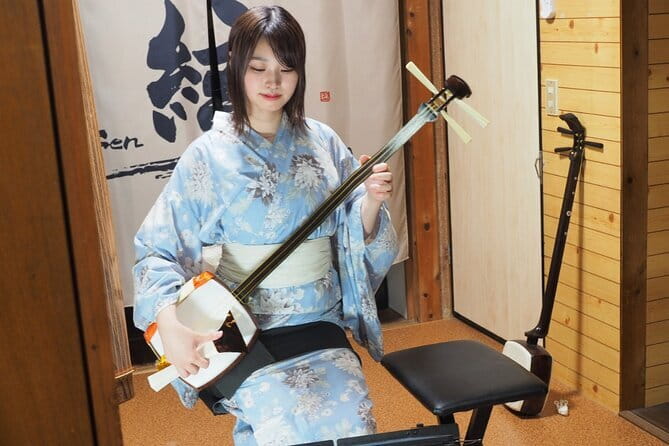
A fixed program can be useful when you want to know exactly what you will hear. Here, the information is more flexible. The repertoire changes with the season and performers, and it may include three broad types of music:
- Classical Japanese masterpieces
- Contemporary arrangements
- Original compositions
That range makes the concert accessible to different kinds of listeners. You can hear established works connected to Japanese musical tradition, then encounter arrangements or new pieces that show how the instruments are used today.
The changing program also keeps the experience from becoming a simple demonstration. You are not just being shown what a koto or shamisen sounds like. You are hearing a concert shaped by the musicians and the date.
Still, the lack of a named program may matter to you if you are choosing the event because of one specific composer or piece. No performer names or set list are provided in the available details. If exact repertoire is important, check the concert information for your chosen date before booking.
The value of $32.52 near Kyoto Station
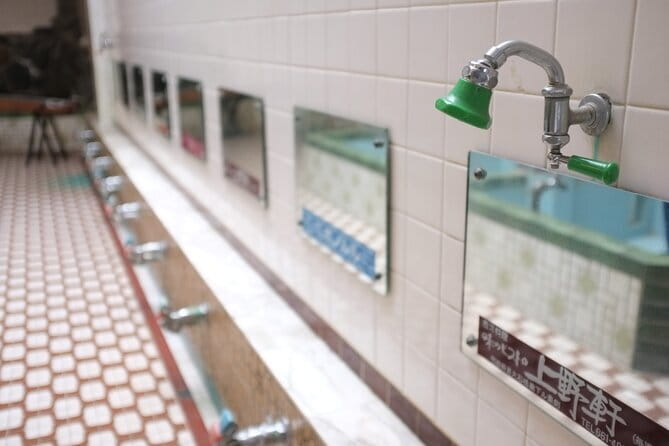
At $32.52 per person, this is not the cheapest way to spend an hour in Kyoto. You can visit many public places at little cost, and the ticket does not include coffee, tea, or private transportation.
The price makes more sense when you look at what you are buying. It includes admission to a live concert in a historic former bathhouse, with acoustics that are part of the design. You are also paying for a specialized performance of instruments that many visitors may not encounter in a short Kyoto stay.
I would call the price fair for someone who values a distinctive cultural setting and a compact schedule. It is less compelling if you only want background music or a general sightseeing stop. This is a ticketed performance, so the music is the main event.
The location helps the calculation. Since Kujo-yu is near Kyoto Station and close to public transportation, you do not need to build an entire day around it. A one-hour concert can fit before dinner, after arrival in Kyoto, or between other plans.
There is no private transport included, but that is not a serious drawback for an activity near a major station. You should plan your own route and allow enough time to reach the bathhouse. The mobile ticket keeps the entry process simple.
How to fit the concert into your Kyoto plans

The short duration gives you several practical options.
If you are staying near Kyoto Station, you can schedule the concert as a nearby cultural outing. It may be especially useful on a day when you want a planned activity but do not want another large temple complex or a long walking route.
If you are arriving or departing by train, check the timing carefully. The concert is about one hour, but you still need time to reach the venue and continue to your next stop. Do not treat the listed duration as the total time needed for your door-to-door plan.
The event can also serve as a quieter change of pace after busy sightseeing. Kyoto’s major sights can require crowds, queues, and plenty of walking. Here, the focus narrows to sound and architecture.
The activity is near public transportation, and most people can participate. Specific accessibility details are not provided, so anyone with mobility concerns should confirm the venue arrangements before booking.
What I like most about the experience
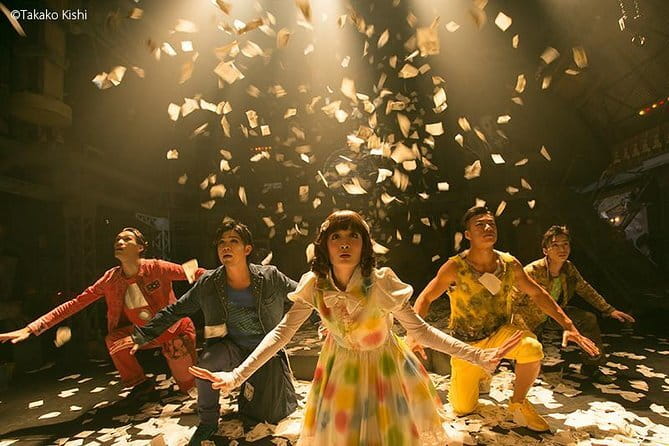
The first strength is the setting. The former bathhouse gives the concert a clear identity. Even if you know little about koto and shamisen music, you will understand why the venue matters as soon as you see the tiled interior and high ceiling.
The second strength is the balance in the repertoire. Classical works provide a link to older Japanese traditions, while contemporary arrangements and original compositions keep the hour from feeling like a static historical display.
The third is the manageable length. One hour is long enough for a real performance and short enough to fit into a packed Kyoto schedule. You get a focused encounter without giving up an entire afternoon or evening.
The strong response attached to this experience is also easy to understand. The combination of a striking bathhouse, unusual instruments, and a compact format gives you several reasons to remember it. Still, you should book it for the music and venue, not simply because it is different.
Possible drawbacks to consider before booking
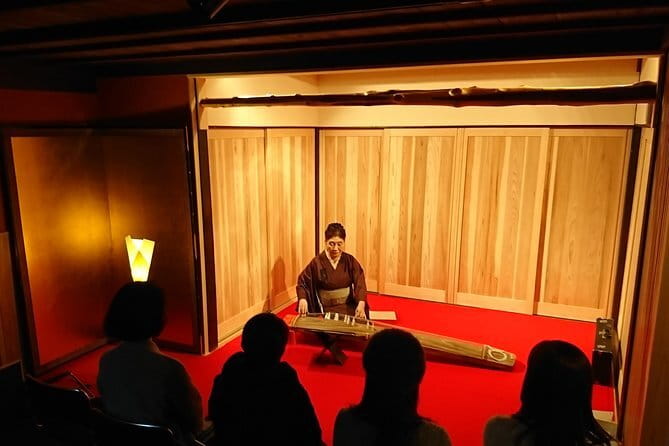
The experience may not suit you if you want a long concert, a large ensemble, or a highly formal hall. The performance is intimate and venue-led, and the available information does not promise a particular performer, exact song list, or group size.
The changing program is exciting for some people but uncertain for others. You may hear a wonderful mix of old and new works, but you cannot assume that one specific piece will be included.
The ticket also covers only the concert. Drinks are not included, and no private transportation is provided. That is normal for a short event near a station, but it is worth knowing if you expected a full hospitality package.
Finally, the five-star rating comes from a small number of published responses, so I would not treat it as a guarantee for every visitor. The details themselves make a solid case, but your enjoyment will depend on how much you value traditional music and unusual buildings.
Who should book this Kujo-yu concert?
I would recommend it to you if you want a cultural activity that feels specific to Kyoto rather than a standard stage show. It suits first-time listeners who want an approachable introduction to the koto and shamisen, as well as repeat visitors looking for something beyond the usual temple route.
It is also a good fit for couples, solo visitors, and small groups who enjoy architecture, music, or adaptive reuse. The one-hour length helps families and busy sightseers, though the available information does not describe child pricing or a special children’s program.
You may want to skip it if your Kyoto schedule is already built around major performances, or if you prefer free attractions and do not want to pay $32.52 for an hour. You may also want more information before booking if seating, accessibility, or the exact musical program will determine your decision.
Booking, timing, and cancellation details
You receive confirmation at the time of booking, and the experience uses a mobile ticket. The activity is near public transportation, but transport to the venue is your responsibility.
Free cancellation is available if you cancel at least 24 hours before the local start time. Cancellations or changes made less than 24 hours in advance are not accepted for a refund.
The experience is commonly booked well ahead, with an average booking lead time of about 32 days. That suggests you should reserve early if the concert is important to your schedule, especially since the venue and program are distinctive.
Should you book the traditional concert near Kyoto Station?
Book it if you want a short, memorable introduction to Japanese instruments in a place that adds real character to the music. The former Kujo-yu bathhouse is the reason to choose this concert over a standard performance, and the changing mix of classical, modern, and original works gives the hour useful variety.
At $32.52, it is a fair splurge for a focused cultural experience, but not a bargain attraction. I would place it high on your list if you enjoy live music, historic buildings, and activities that fit neatly between larger Kyoto sights. If you need a named performer or fixed repertoire, confirm those details first.
FAQ
Where does the concert take place?
The concert takes place at コワーケーションスペース九条湯, also called Kujo-yu, a renovated former Japanese sento near Kyoto Station in Kyoto, Japan.
How long does the concert last?
The concert lasts approximately one hour.
Which instruments are featured?
The performance features traditional Japanese instruments including the koto and shamisen.
What kind of music is performed?
The program can include classical Japanese masterpieces, contemporary arrangements, and original compositions.
Does the program stay the same?
No. The repertoire changes according to the season and the performers.
What does the ticket include?
The ticket includes admission to the concert.
Are coffee and tea included?
No. Coffee and tea are not included in the ticket.
Is transportation included?
No. Private transportation is not included. The venue is near public transportation.
Can I cancel for a full refund?
Yes. You can receive a full refund if you cancel at least 24 hours before the experience start time. Changes or cancellations made less than 24 hours before the local start time are not accepted for a refund.
Recently added around Kyoto
- Higashiyama | Kyoto: Sakura Season Private Rickshaw Tour★ 5.0 · 3 reviews
- Kyoto Kimono Rental CHAMATSU|Kimono/Yukata Rental FamilyPlan★ 5.0 · 3 reviews
- Kyoto: Half-Day Private Guided Tour to the Old Town of Gion★ 4.4 · 3 reviews
- Nara Private Customizable Half Day Tour★ 5.0 · 3 reviews
- Kansai Region Hiking Adventure in Nara Kobe Kyoto and More★ 5.0 · 3 reviews
- Full Day Nara Deer, Temple, Shrine, Activities & Tea Ceremony★ 5.0 · 3 reviews
- Nara: Essential Private Tour with Deer Park and Temples★ 5.0 · 3 reviews
- Hiking Tour for Sacred Sites in Kyoto with a Guide★ 5.0 · 3 reviews
Concerts, compared.
Concerts Played with Traditional Instruments in Kyoto
Read our review →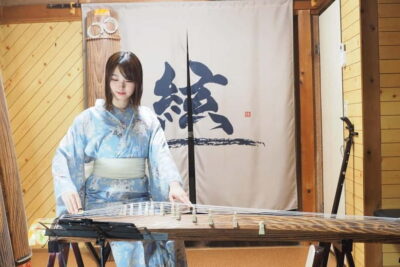
Browse the lists this tour appears in