
REVIEW · CONCERTS
Concerts Played with Traditional Instruments in Kyoto
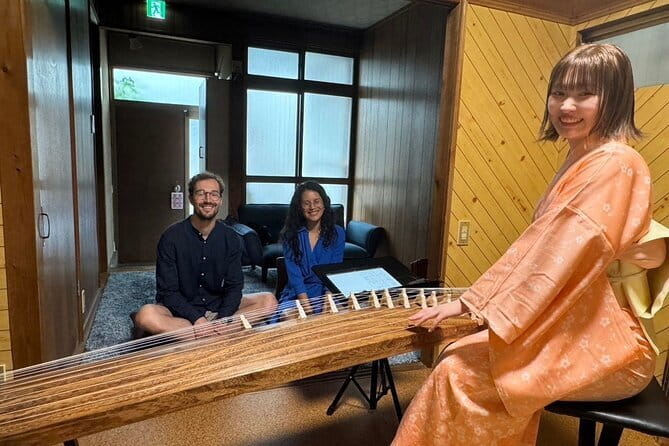
The most interesting part of this Kyoto experience is the setting: a traditional Japanese home becomes a small concert hall. You hear the koto and shamisen at close range, then meet the professional musicians instead of simply filing into a large theater and leaving when the curtain falls.
I like the clear introduction to both instruments, and I like the mix of classical works, modern music, and original compositions. The short Q&A and photo time add real human contact. The main consideration is duration: at about 50 minutes, this is a focused musical encounter, not a full evening concert or a broad cultural tour.
In This Review
- Key points to know before booking
- A Kyoto concert inside a real home
- What the koto and shamisen add to the hour
- The performance program at Gen Home Saiin
- The Q&A and photos make the experience personal
- Try the koto with the optional upgrade
- Is $39.63 a fair price?
- Fitting the concert into your Kyoto day
- Who will enjoy this most?
- Practical booking and cancellation advice
- Should you book this Kyoto concert?
- FAQ
- Where does the concert take place?
- How long does the experience last?
- What instruments will I hear?
- What kind of music is performed?
- Is there an opportunity to ask questions?
- Can I take photos with the musicians?
- Can I play the koto?
- Is the experience offered in English?
- What is included in the ticket price?
Key points to know before booking
- Classical and modern music together: Hear pieces such as Chidori no Kyoku, Rokudan no Shirabe, and Kajimakura, along with newer and original works.
- A home setting in Saiin: Gen Home Saiin is presented as an intimate performance space, giving the concert a personal feel.
- An optional koto lesson: Upgrade for the chance to hold the instrument and play a simple piece yourself.
- Useful English introduction: The musical background and explanations are given in English, with an organized presentation.
- Several times during the day: Multiple options make it easier to fit this 50-minute activity around temples, meals, and other Kyoto plans.
- A strong emotional response: Chidori no Kyoku has moved listeners to tears, so expect music with feeling rather than a dry demonstration.
A Kyoto concert inside a real home
Many cultural performances in Kyoto take place in formal halls, hotel spaces, or tourist venues. Here, the stage is a home in the Saiin area. That small change matters. You are not only hearing traditional instruments. You are seeing how the music feels in a personal Japanese setting.
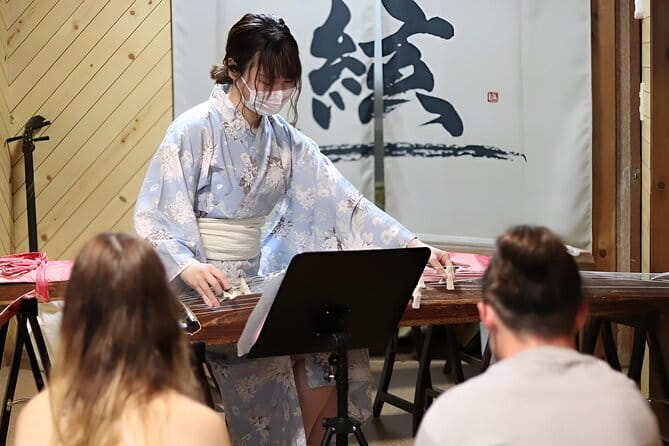
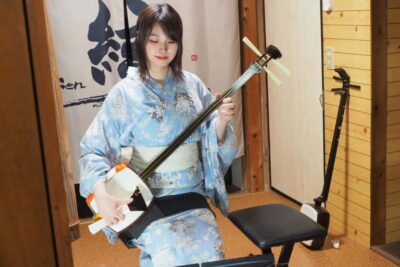
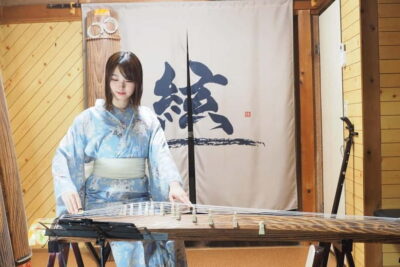
The room is transformed for the performance, with the koto and shamisen at the center. Because the experience is private or small group in style, the musicians are close enough for you to watch their hand movements and follow the physical work behind the sound.
I would choose this activity for a first introduction to Japanese music. You do not need prior knowledge of the instruments, and the brief explanation comes before the playing begins. That keeps the concert from feeling like an academic lecture.
The venue also gives the experience a more personal rhythm. You enter, settle in, listen, ask questions, and take photos with the musicians. That sequence feels more complete than a performance where you simply sit in the dark and leave.
A few more Kyoto experiences worth comparing
- Kyoto: Traditional Concert at Townhouse or Bathhouse
★ 4.9 · 224 reviews - Kyoto: Japanese Koto & Shamisen Concert and Koto Class
★ 4.9 · 31 reviews - Traditional Concert in Public bath near Kyoto Station
★ 5.0 · 5 reviews
What the koto and shamisen add to the hour
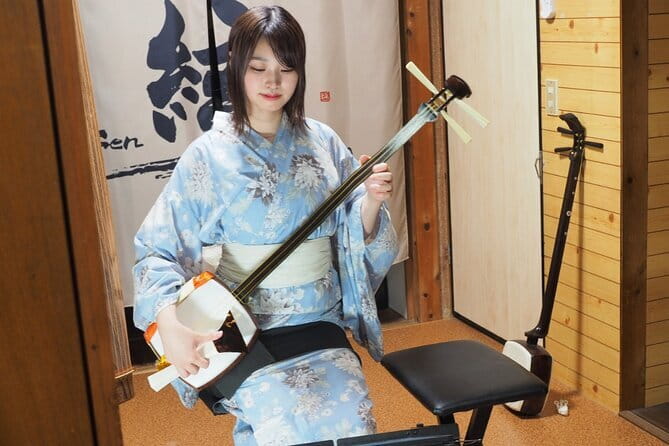
The koto is the long, stringed instrument associated with the sound many people picture when they think of traditional Japanese music. The shamisen is a three-stringed instrument with a sharper, more percussive character. Hearing both in the same program lets you compare their tone and role.
The introductory explanation is one of the most useful parts for a newcomer. Without it, traditional music can seem distant or difficult to place. Once you know which instrument is making each sound, you can listen with more attention.
The program includes celebrated classical pieces such as Chidori no Kyoku, Rokudan no Shirabe, and Kajimakura. These works connect the concert to older Japanese musical traditions, but the program does not stop there. Modern and original compositions are also included, giving you a sense that these instruments are still being used creatively.
Chidori no Kyoku appears to be a particularly affecting selection. One account describes the piece as so moving that it brought the listener to tears. Music affects people differently, of course, but this detail tells you not to expect only a technical demonstration. The mood can be emotional and serious.
The pieces are linked to figures such as Yoshizawa Kengyo, Yatsuhashi Kengyo, and Kikuoka Kengyo. You do not need to memorize those names before arriving. They simply give the program a connection to the musicians and composers who shaped this tradition.
The performance program at Gen Home Saiin
The central stop is Gen Home Saiin, where the home is prepared as a stage. The concert itself forms the heart of the 50-minute visit, with the introduction and explanations placed around the music.
You can expect to hear several works rather than one long piece. The program includes classical selections, contemporary pieces, and original music. That variety helps keep the session approachable, especially if this is your first exposure to koto and shamisen performance.
The short length is both a strength and a limit. Fifty minutes is easy to fit between other plans, and you will not need to give up half a day. On the other hand, the experience cannot cover every instrument, style, and period of Japanese music in that time.
I see it as a well-shaped introduction, not a complete study of Japanese music. If you want a compact cultural activity with live performance, it fits well. If you are looking for a long concert with a large repertoire, you may want to add a separate evening performance.
The home setting may also appeal to you if large tourist shows feel too polished or impersonal. The format places the people and instruments ahead of spectacle. There is no indication of elaborate stage production, which is part of the appeal.
The Q&A and photos make the experience personal
After the performance, you have time for questions. This is where the activity becomes more than a concert recording brought to life. You can ask about the instruments, the pieces, or the musical tradition while the musicians are still in front of you.
The Q&A is brief, so I would arrive with one or two questions in mind if you have a particular interest. You might ask about the differences between the koto and shamisen, the meaning of a piece, or how the musicians learned to play. The available information confirms a question period but does not promise a long private lesson, so keep expectations sensible.
Photo-taking follows the performance. This gives you a chance to record the visit and share the moment with the musicians. It is a small feature, but it helps the experience feel like an encounter rather than a one-way show.
The presentation is available in English, and the explanation is described as organized and detailed. That is important for anyone who wants context along with the music. You should be able to follow the basic story of the instruments and the program without needing Japanese language skills.
A completely different side of Kyoto:
- PERFECT KYOTO 1-Day Bus Tour
★ 5.0 · 13,518 reviews - Kyoto: Fushimi Inari, Kinkakuji, Bamboo Grove 1 Day Bus Tour
★ 4.8 · 4,316 reviews - Kyoto: Tea Ceremony in a Traditional Tea House in Kiyomizu
★ 4.9 · 3,519 reviews - Kyoto Geisha Walking Tour: Gion District & Hidden Gems
★ 4.7 · 3,273 reviews
Try the koto with the optional upgrade
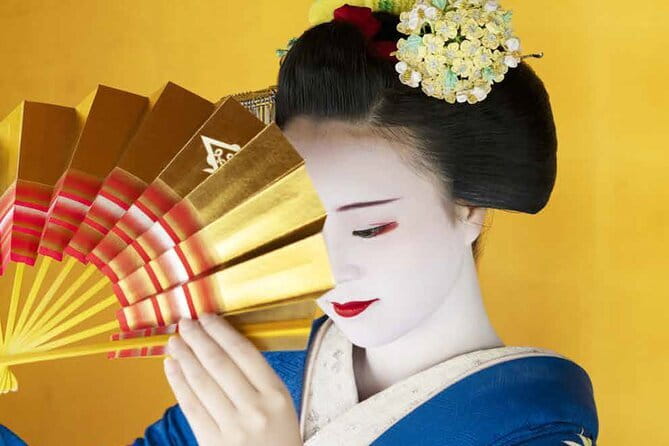
The hands-on koto session is the clearest reason to consider the upgrade. Instead of only watching a professional play, you get to try the instrument and work through a simple piece.
Do not expect to become a koto player in one short session. The value is in understanding the physical side of the music. You can feel the strings, see how the instrument is approached, and appreciate the control required to produce the polished sound you just heard.
I would recommend this option for families, curious beginners, and anyone who enjoys learning by doing. It may also be worthwhile if you are choosing between several cultural activities and want more than passive listening.
If you mainly want the concert, the basic experience should still provide the essential material: the instrument introduction, live music, Q&A, and photos. The upgrade is an added layer, not a requirement for enjoying the visit.
The supplied details do not state the extra cost of the upgrade. Check the exact option and price before paying. That matters because the base admission is listed at $39.63 per person, while the final total will depend on the package you select.
Is $39.63 a fair price?
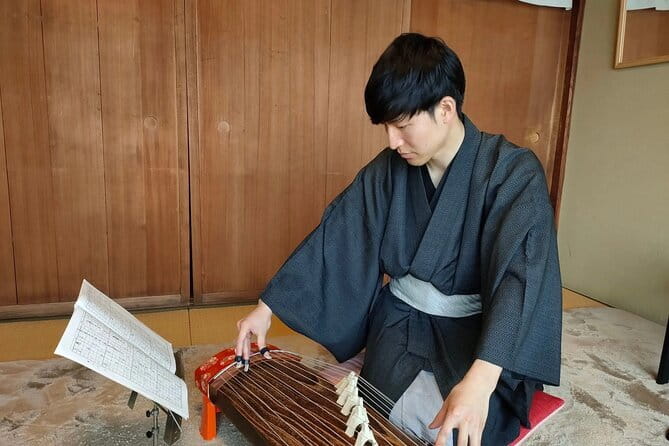
At $39.63 per person, this is not the cheapest short activity in Kyoto. It is also not priced like a full dinner show or a major theater production. The value comes from the combination of live professional performance, the home setting, explanations in English, direct questions, and photo time.
I consider the price reasonable if you care about traditional Japanese arts and want an intimate format. You are paying for access to a small-scale musical encounter, not just a seat in a public concert hall.
The hands-on option may improve the value for you if you enjoy participation. For someone who only wants a quick taste of koto and shamisen music, the standard ticket may be the better choice.
Think about the 50-minute length before booking. A short activity can be a smart purchase in Kyoto because it leaves time for temples, gardens, shopping, and meals. But if you need a full afternoon of entertainment for the price, this will feel too brief.
The booking pattern also offers a useful planning clue. It is booked about 33 days ahead on average, so I would not assume you can always wait until the last morning, especially if your schedule is fixed. Multiple times are offered during the day, which helps, but popular dates may still fill.
Fitting the concert into your Kyoto day
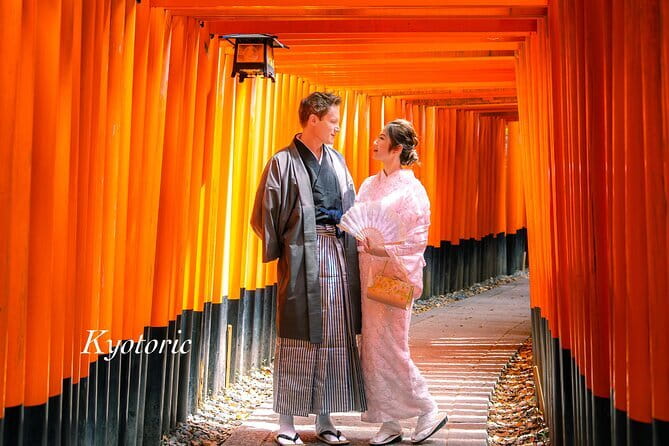
The experience is near public transportation, so you can plan it alongside other stops without arranging a private vehicle. Private transportation is not included, and that is worth noting when you build your timing.
Give yourself enough time to reach Gen Home Saiin and find the entrance. The exact meeting instructions are not included in the available details, so read the mobile ticket carefully after booking.
The multiple performance options are useful for a city with as much to see as Kyoto. You might place this activity between sightseeing plans rather than giving it a full day. Its short format works especially well when rain, tired feet, or a crowded temple schedule changes your plans.
Coffee and tea are not included. That is a minor point, but do not count on refreshments as part of the visit. Plan a café stop before or after if you want one.
The activity is suitable for most people, and confirmation is received at booking. The available information does not identify a particular musician by name, so book for the instruments, setting, and format rather than expecting a named performer.
Who will enjoy this most?
I would put this near the top of the list for first-time visitors who want one focused encounter with Japanese culture. You receive enough explanation to understand what you are hearing, but the session stays centered on music.
It also suits you if you prefer small settings to large productions. The home venue and post-concert contact create a closer atmosphere than a standard auditorium performance.
Families may appreciate the optional playing session, especially if children tend to lose interest during a seated concert. The simple piece keeps the activity approachable, though the information provided does not specify an age range.
Music lovers will find extra value in the program’s breadth. You can hear older works tied to major composers and then compare them with modern or original compositions. That pairing helps show that traditional instruments are not limited to museum pieces.
You may want to skip it if you strongly dislike seated cultural demonstrations, need a long performance, or have no interest in hearing explanations before the music. The activity is compact and specific. Its strength is focus, not variety of sightseeing.
Practical booking and cancellation advice
Your mobile ticket is useful for a quick Kyoto schedule, but keep it available when you arrive. The experience includes facility fees and the concert with its introduction and explanation. WiFi is also listed among the inclusions, though the music and personal contact are the main reasons to book.
Free cancellation is available until 24 hours before the start time. Cancel at least a full day ahead for a refund. Changes or cancellations inside that 24-hour window are not accepted, and the cut-off follows Kyoto local time.
I would choose an earlier time than your most important temple reservation if possible. The activity is only about 50 minutes, but transport, finding the home, and the rest of your day still require a little breathing room.
Should you book this Kyoto concert?
Book it if you want a short, personal introduction to koto and shamisen music rather than a large staged show. The traditional-home setting, English explanations, classical and modern repertoire, Q&A, and photo time give the visit more substance than a simple performance.
Choose the koto upgrade if hands-on learning matters to you. Stick with the standard option if your main goal is to hear the music and keep the cost at $39.63.
I would especially recommend this for a first visit to Kyoto, a rainy-day plan, or a traveler who wants an experience that connects you with local artistic practice. The only real caution is scale: 50 minutes will give you a memorable introduction, not a full course in Japanese music. For the right audience, that compact format is exactly why it works.
FAQ
Where does the concert take place?
The concert takes place at Gen Home Saiin, a traditional Japanese home in Kyoto that is prepared as a performance space.
How long does the experience last?
The experience lasts approximately 50 minutes.
What instruments will I hear?
You will hear the koto and shamisen, with a brief introduction and explanation of both instruments before the concert.
What kind of music is performed?
The program includes classical works such as Chidori no Kyoku, Rokudan no Shirabe, and Kajimakura, as well as modern and original compositions.
Is there an opportunity to ask questions?
Yes. A Q&A session follows the live performance.
Can I take photos with the musicians?
Yes. Photo-taking is included after the concert.
Can I play the koto?
An upgrade is available that lets you try playing a simple piece on the koto.
Is the experience offered in English?
The experience includes an English introduction and explanation of the instruments and music.
What is included in the ticket price?
The ticket includes landing and facility fees, the koto and shamisen concert, and the brief introduction and explanation. Coffee and tea, and private transportation, are not included.
Recently added around Kyoto
- Higashiyama | Kyoto: Sakura Season Private Rickshaw Tour★ 5.0 · 3 reviews
- Kyoto Kimono Rental CHAMATSU|Kimono/Yukata Rental FamilyPlan★ 5.0 · 3 reviews
- Nara Private Customizable Half Day Tour★ 5.0 · 3 reviews
- Kyoto: Half-Day Private Guided Tour to the Old Town of Gion★ 4.4 · 3 reviews
- Kansai Region Hiking Adventure in Nara Kobe Kyoto and More★ 5.0 · 3 reviews
- Full Day Nara Deer, Temple, Shrine, Activities & Tea Ceremony★ 5.0 · 3 reviews
- Nara: Essential Private Tour with Deer Park and Temples★ 5.0 · 3 reviews
- Hiking Tour for Sacred Sites in Kyoto with a Guide★ 5.0 · 3 reviews
Concerts, compared.
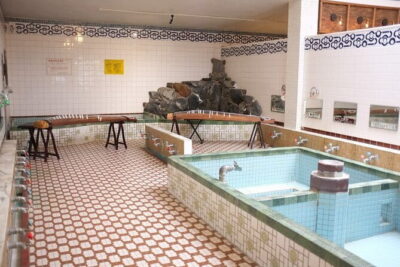
Traditional Concert in Public bath near Kyoto Station
Read our review →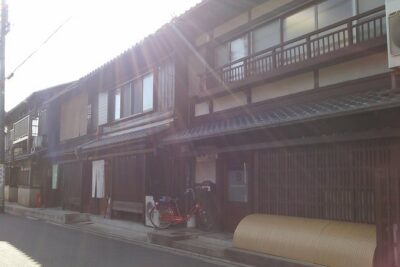
Browse the lists this tour appears in