REVIEW · GUIDED
Tour in Kyoto with a Goverment Certified Tour Guide
Kyoto’s biggest sights are packed into one ambitious day here, from the vermilion gates of Fushimi Inari to the bamboo paths of Arashiyama. I like the chance to shape the day around your interests, and I like having a guide explain the religious customs, legends, and city history that are easy to miss on your own.
The strongest guides, including Andrea and Roberto, have helped visitors make good use of limited time, buy train tickets, and adjust plans for disabilities. The serious concern is uneven organization: some bookings have involved late starts, changed meeting points, merged groups, or a guide who did not arrive.
In This Review
- Key points at a glance
- What this Kyoto day is trying to accomplish
- Fushimi Inari and the red gate approach
- Kiyomizu-dera above Higashiyama
- Nijo Castle and the shogun’s former residence
- Gion’s old lanes and geisha traditions
- Nishiki Market for local flavors
- Kinkaku-ji, the Golden Pavilion
- Ginkaku-ji and the cost of extra admissions
- Arashiyama bamboo and Tenryu-ji
- Why the best guides make a difference
- The real issue: timing, pickup, and group size
- What the $110 price really buys
- Who should book this experience?
- How to protect your Kyoto day
- Should you book this Kyoto tour?
- FAQ
- How long does the Kyoto tour last?
- What places are included?
- Is transportation included?
- Is hotel pickup available?
- Are entrance fees included?
- Can I cancel for a full refund?
Key points at a glance
- Nine famous Kyoto stops: The route covers Fushimi Inari, Kiyomizu-dera, Nijo Castle, Gion, Nishiki Market, Kinkaku-ji, Ginkaku-ji, Arashiyama, and Tenryu-ji.
- A flexible private experience on paper: You can request changes based on your interests and available time, but solo visitors and couples may be combined with another small booking.
- Strong individual guides: Andrea and Roberto have earned especially warm praise for their patience, explanations, and ability to adapt the day.
- Transport is not fully covered: You pay transportation costs, including the guide’s estimated $5 to $8 fee, along with your own fares.
- Crowds can reshape the day: Seeing all nine places in six to eight hours is a demanding goal, especially during busy seasons or bad weather.
- The price is moderate, but reliability matters: At $110 per person, the guide can add value, but only if pickup, timing, and group size are confirmed clearly.
What this Kyoto day is trying to accomplish
This is a greatest-hits tour of Kyoto rather than a slow cultural walk. In six to eight hours, you may cross much of the city, moving between major temples, shrines, a market, an old entertainment district, and the bamboo forest at Arashiyama.
That range is the main appeal. If you have only one free day, a guide can help you connect the dots and explain why each place matters. The tradeoff is pace. Each listed stop receives roughly 30 to 60 minutes, which gives you a taste of many locations but not enough time for a leisurely visit at every one.
The experience is described as private, yet the practical arrangement can vary. Solo visitors and couples may be asked to join another couple or solo participant. Several bookings have also turned into larger shared groups. Confirm the group arrangement before you commit, especially if privacy is the reason you are choosing this tour.
A few more Kyoto experiences worth comparing
- Kyoto Early Morning Tour with English-Speaking Guide
★ 5.0 · 1,427 reviews - Kyoto 6hr Private Tour with Government-Licensed Guide
★ 5.0 · 1,369 reviews - Kyoto: Early Morning Tour with English-Speaking Guide
★ 4.9 · 1,128 reviews
Fushimi Inari and the red gate approach
Fushimi Inari-taisha is one of Kyoto’s most recognizable sights. Its long run of orange torii gates leads up the wooded slopes behind the shrine, creating one of the city’s most memorable walks.
The tour allots about an hour here. That is enough to see the main shrine area and walk beneath a good stretch of gates, but not enough for a full climb into the hills. I would ask your guide in advance how far the group plans to go. A short visit offers the famous photographs, while a longer walk gives you more quiet and a better feel for the shrine grounds.
Admission is free. The main challenge is crowding, particularly around the lower gates. Keep your expectations realistic: this is not a quiet forest stroll at the entrance. Your guide’s explanations can add real value here, since the shrine’s connection with Inari, rice, prosperity, and fox imagery is not always obvious at first glance.
Kiyomizu-dera above Higashiyama
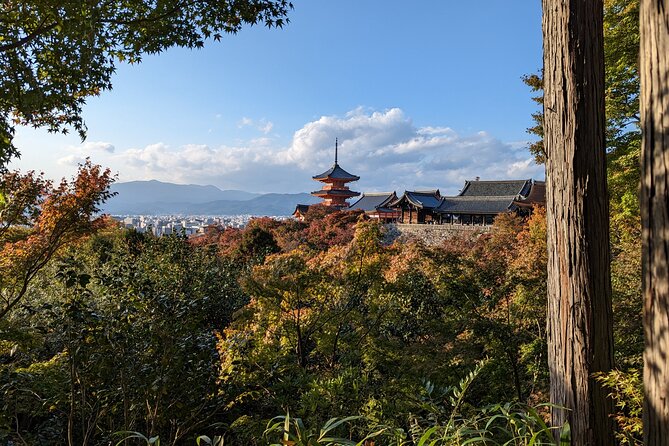
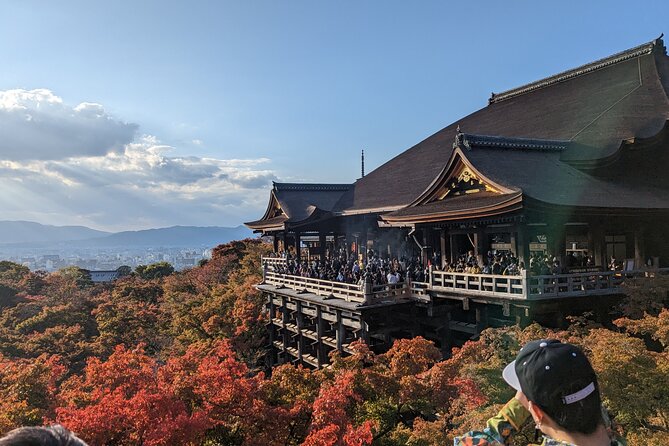
Kiyomizu-dera sits on the hills of eastern Kyoto, with broad views over the city and a large temple complex to explore. Its wooden stage and hillside setting make it one of the essential stops on a first visit.
An hour lets you see the main areas, but the approach through Higashiyama also takes time. The surrounding streets are filled with shops and food stalls, so a guide may need to keep you moving if the day is to stay on schedule. You should wear comfortable shoes and expect slopes, steps, and plenty of foot traffic.
Admission is shown as free in the tour details, though you should still confirm current costs before departure because temple charges can change. The value here comes less from the length of the stop than from having someone explain the site’s Buddhist practices and point out details you might otherwise pass without noticing.
Nijo Castle and the shogun’s former residence
Nijo Castle offers a change of mood after the temples. Built in the 17th century, it served as a residence and symbol of power for Japan’s military rulers. Its interiors, gardens, and famous floors are tied to the political story of early modern Kyoto.
The scheduled hour is useful but tight. The castle is not simply a single building you walk through in a few minutes. Your guide can help you focus on the most important rooms and explain why the complex mattered, but you may need to choose between a detailed interior visit and a longer look at the grounds.
Admission is not included. Set aside money for this ticket, and ask whether the group will enter or only view the exterior if time is running short. This is one of the stops most likely to be sacrificed when the day begins late.
A completely different side of Kyoto:
- PERFECT KYOTO 1-Day Bus Tour
★ 5.0 · 13,518 reviews - Kyoto: Fushimi Inari, Kinkakuji, Bamboo Grove 1 Day Bus Tour
★ 4.8 · 4,316 reviews - Kyoto: Tea Ceremony in a Traditional Tea House in Kiyomizu
★ 4.9 · 3,519 reviews - Kyoto Geisha Walking Tour: Gion District & Hidden Gems
★ 4.7 · 3,273 reviews
Gion’s old lanes and geisha traditions
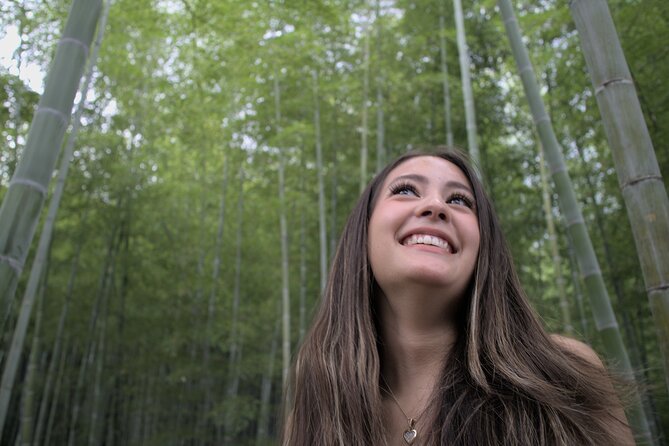
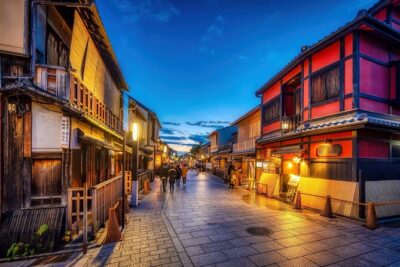
Gion is best approached with patience and respect. Its traditional streets preserve an older side of Kyoto, and the district is linked with geisha culture, tea houses, and evening entertainment.
The tour allows about an hour. That gives you time to walk through the historic area and hear about the difference between geisha and maiko, but it does not guarantee a dramatic encounter. Do not treat the neighborhood as a stage set. Stay polite, avoid blocking doorways, and follow local rules about photography.
This stop works especially well with a guide who can explain the customs behind the architecture. One positive account specifically describes an afternoon that included Gion and a sushi lunch, but food is not included in the price, so any meal or snack is your own expense.
Nishiki Market for local flavors
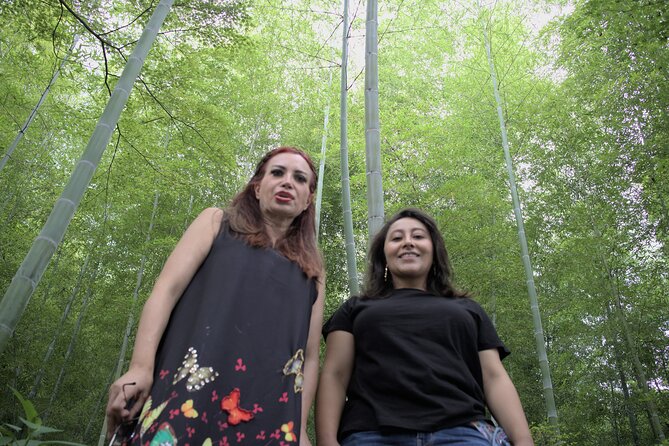
Nishiki Market stretches across several blocks and is a useful place to take a break from temples. It offers local foods, fresh products, small goods, and traditional items in a compact central district.
The planned hour gives you time to browse and sample something, but food costs extra. This is a good place to tell your guide what you actually enjoy. A person who likes trying unfamiliar snacks will get more from the stop than someone who wants a formal sit-down meal.
The market can be crowded, and the narrow passage makes it hard to keep a group together. Agree on a meeting point before you separate. Also remember that food sampling can slow the whole day, so decide if Nishiki is your lunch stop or simply a short look.
Kinkaku-ji, the Golden Pavilion
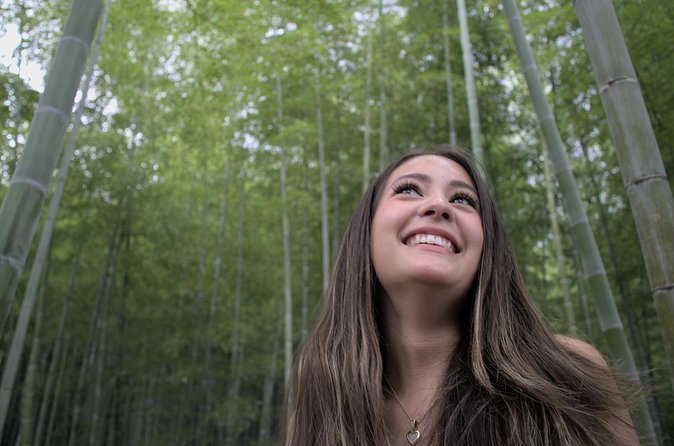
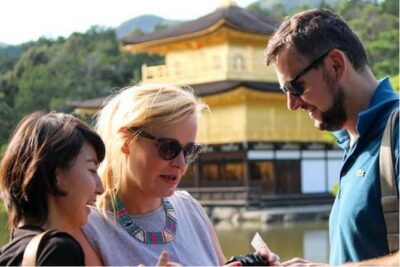
Kinkaku-ji is the famous Golden Pavilion, reflected in a pond and surrounded by carefully arranged grounds. It is one of Kyoto’s most photographed temples, and the brief visit here is mainly about the view and the setting.
Admission is listed as free in the tour details, though you should verify that when booking. The grounds follow a set route, so you are not wandering freely through every part of the complex. A guide can explain the temple’s place in Kyoto’s religious and artistic life, but crowds may limit how long you can stand at the best viewpoints.
This is a classic example of the tour’s strength and weakness. You can see an iconic place in one day, but you may feel hurried if the route is already behind schedule.
Ginkaku-ji and the cost of extra admissions
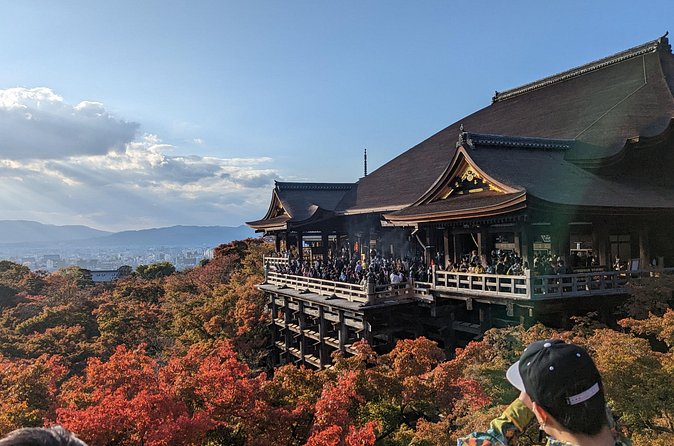
Ginkaku-ji, the Silver Pavilion, is not covered in silver despite its name. Its appeal comes from its restrained Zen design, gardens, and quiet contrast with the glittering Golden Pavilion.
The planned visit is about an hour, and an admission fee of $8 per person is specifically excluded. That cost is modest, but it is important because other admission charges may also apply at places such as Nijo Castle and Tenryu-ji.
Ask your guide which paid sites are included in the day’s final plan. If the tour begins late or traffic is heavy, you may visit fewer locations than expected while still paying some entrance fees yourself.
Arashiyama bamboo and Tenryu-ji
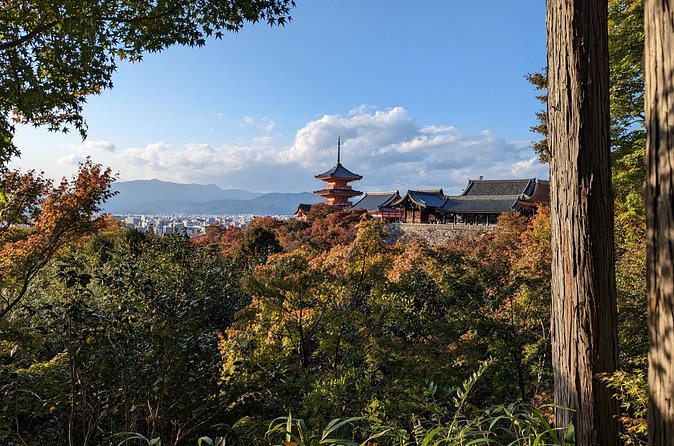
Arashiyama is at the western edge of the route and may be the day’s most scenic section. The bamboo forest is striking, but the famous path is short and can be crowded. The schedule allows only 30 minutes, so expect a quick walk and photographs rather than a long woodland outing.
Tenryu-ji, a major Zen temple in Arashiyama, receives another 30 minutes. Admission is not included. The temple grounds and garden deserve more time than this schedule provides, so ask whether your priority is the temple interior, the garden, or the bamboo path.
One especially positive experience included Arashiyama mountain and the monkey park, but the monkey park is not part of the nine stops listed here. Do not assume it is included. If it is important to you, request it as a custom change and understand that another stop will likely need to be dropped.
Why the best guides make a difference
The guide is the reason to book this rather than simply use Kyoto’s excellent rail and bus network. Andrea has been praised for patience, detailed explanations, and making a day work well for people with disabilities. Roberto has been singled out for explaining religion, mythology, and history while adjusting the route to personal interests.
A good guide can also handle small but useful tasks. One guide helped with bullet train tickets, and another made the train system part of the experience. Those practical touches matter when you are trying to move across Kyoto without losing an hour at a ticket machine.
The guide quality is not consistent enough to promise the same result every time. Some accounts describe a friendly English-speaking guide who tried hard, while others describe weak communication at the meeting point. Ask for the guide’s name, phone number, meeting location, and a clear description of how you will identify them.
The real issue: timing, pickup, and group size
The route is demanding even when everything goes well. Kyoto’s major sights are spread across the city, and crowds can make a one-hour stop last much longer. Hot weather and rain have also reduced the number of places people could see.
The most serious complaints involve late starts and missed meetings. Some bookings began more than an hour late, one began about three hours behind schedule, and several people waited without finding their guide. Other arrangements changed from hotel pickup to a meeting at Kyoto Station, sometimes with little notice.
Pickup is offered, but the details need careful checking. Pickup within Kyoto is described as possible, while pickup from Osaka, including Tempozan, is not offered. If you are staying outside Kyoto, do not assume the guide will come to you. Get the exact meeting place in writing through the booking message system, and keep your phone available.
The tour advertises private participation, yet some groups have been combined, occasionally into much larger parties. That changes the experience completely. A small private group can move quickly and discuss your interests. A large group will spend more time gathering people and waiting at crossings or stations.
What the $110 price really buys
At $110 per person, the price is fair if you want a human guide, cultural context, and help connecting several distant sights in one day. It is less compelling if you mainly want transportation or a slow visit inside each temple.
You still pay transportation costs, personal expenses, food, and drinks. The guide’s transportation fee is estimated at $5 to $8, and Ginkaku-ji costs $8 per person. Other admissions may not be included, so keep extra cash available.
For two people, the price can make sense if the guide customizes the route and keeps the day efficient. For a larger group, the per-person total rises quickly, and you should compare it with using public transport and hiring a guide for only one district.
Who should book this experience?
I would consider it for a first visit to Kyoto when you have one packed day and want help understanding what you see. It also suits people who appreciate a flexible plan, need help with local transport, or want a guide to adjust the day around mobility needs.
It is less suitable if you want a quiet, private experience with guaranteed hotel pickup and a fixed full-day route. It is also a poor match for anyone who dislikes walking, crowds, public transport, or last-minute changes.
The overall rating is 3.5 from 117 ratings, which reflects the split experience. The best outcomes center on patient guides, useful cultural explanations, and a memorable day. The worst involve no-shows, unclear instructions, cancellations, and major changes to the promised plan.
How to protect your Kyoto day
Confirm these points before the tour date:
- The exact meeting point and whether hotel pickup applies to your address
- The guide’s name and how you will recognize them
- The expected group size and whether the tour remains private
- Which of the nine stops are realistic for your date and season
- Which admission fees and transport costs you must pay
- A working phone or messaging contact for the morning of the tour
You can cancel for a full refund at least 24 hours before the start time. Changes made within 24 hours are not accepted, and cancellations inside that window are not refunded. If the operator cancels because the minimum number is not met, you should be offered another date or experience, or a full refund.
Should you book this Kyoto tour?
Book it only after confirming the practical details in writing. The concept is strong: major Kyoto sights, a flexible route, and the chance to learn from guides such as Andrea or Roberto. The cultural explanations and personal help can be worth the $110 when the day is well managed.
I would not book it blindly during a peak travel period or if this is your only possible day in Kyoto. The schedule is too ambitious to guarantee all nine stops, and the record of late starts and changed arrangements is a real concern. If you do book, treat the nine locations as a menu rather than a promise, choose your top three or four, and confirm the meeting plan the day before.
FAQ
How long does the Kyoto tour last?
The experience lasts approximately 6 to 8 hours.
What places are included?
The planned stops are Fushimi Inari-taisha Shrine, Kiyomizu-dera Temple, Nijo Castle, Gion, Nishiki Market, Kinkaku-ji Temple, Ginkaku-ji Temple, Arashiyama Forest, and Tenryu-ji Temple.
Is transportation included?
No. Transportation fees are excluded, including the guide’s transportation cost, estimated at $5 to $8, and your own transportation expenses.
Is hotel pickup available?
Pickup is offered within Kyoto, but pickup from Osaka, including Tempozan, is not offered. Confirm the exact pickup or meeting point before the tour.
Are entrance fees included?
Not all admission fees are included. Ginkaku-ji has an $8 per-person admission fee, and Nijo Castle and Tenryu-ji are also listed with admission not included.
Can I cancel for a full refund?
Yes. You can cancel at least 24 hours before the local start time for a full refund. Cancellations or changes made less than 24 hours before the experience are not refunded.
Recently added around Kyoto
- Higashiyama | Kyoto: Sakura Season Private Rickshaw Tour★ 5.0 · 3 reviews
- Kyoto Kimono Rental CHAMATSU|Kimono/Yukata Rental FamilyPlan★ 5.0 · 3 reviews
- Kyoto: Half-Day Private Guided Tour to the Old Town of Gion★ 4.4 · 3 reviews
- Nara Private Customizable Half Day Tour★ 5.0 · 3 reviews
- Kansai Region Hiking Adventure in Nara Kobe Kyoto and More★ 5.0 · 3 reviews
- Full Day Nara Deer, Temple, Shrine, Activities & Tea Ceremony★ 5.0 · 3 reviews
- Nara: Essential Private Tour with Deer Park and Temples★ 5.0 · 3 reviews
- Hiking Tour for Sacred Sites in Kyoto with a Guide★ 5.0 · 3 reviews
Guided, compared.
Kyoto Early Morning Tour with English-Speaking Guide
Read our review →
Kyoto 6hr Private Tour with Government-Licensed Guide
Read our review →Early Morning Tour with English-Speaking Guide
Read our review →
Nijo-jo Castle and Ninomaru Palace Guided Tour
Read our review →
Kyoto Gion Night Walk & Geisha District Guided Tour
Read our review →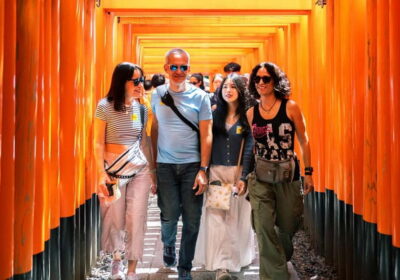
From Kyoto/Osaka: Kyoto Top Highlights 1-Day Guided Bus Tour
Read our review →