REVIEW · GUIDED
Private Kyoto with Exceptional Guide Tailored to Your Needs
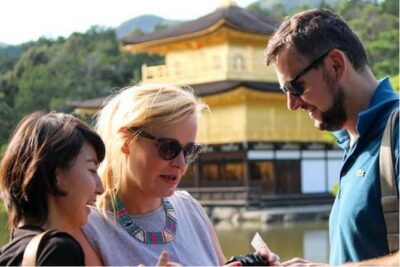
Kyoto is best explored with a plan that can change. This private tour lets you choose between four or eight hours, then shape the day around temples, gardens, food, shopping, culture, or a very specific personal interest. You are not locked into a fixed route.
I like the freedom to mix major sights with practical errands, and I like the help of a local guide who can adjust the pace. Yumi, also called Yumiko, helped one mother and son find yukata and a Japanese Giants baseball cap, then fit in a tea ceremony. The main drawback is that the price does not cover admission, lunch, or public transportation, so the final cost can rise.
In This Review
- Key points at a glance
- A Kyoto day built around you
- Fushimi Inari and the climb through red gates
- Kinkaku-ji and Kyoto’s famous golden pavilion
- Nijo Castle and the meeting of two Japanese powers
- Zen gardens, stillness, and the fifteen rocks
- Kiyomizu-dera and the eastern hills
- Moon-viewing temples and Kyoto’s quieter side
- The Kannon hall with thousands of statues
- A garden that requires advance planning
- Arashiyama, the Togetsu-kyo Bridge, and bamboo paths
- Gion, Shirakawa, and traditional Kyoto streets
- Shopping, tea, and the practical help of a local guide
- Public transport or a private car
- What $149.85 per person really buys
- Who will get the most from this tour
- Should you book this private Kyoto tour?
- FAQ
- How long is the private Kyoto tour?
- How many places can I visit?
- Is the tour private?
- Is pickup available?
- Is an English-speaking guide included?
- Can I choose public transportation or a private car?
- Are lunch and entrance fees included?
- Should I bring Japanese yen?
- Can I cancel for a full refund?
Key points at a glance
- Choose your own Kyoto: Pick two or three destinations for four hours, or four to five for eight hours.
- Built around your interests: Focus on food, local culture, temples, shopping, gardens, history, or a special request.
- Public transport or private car: Use Kyoto’s public transportation for a lower-cost day, or select the private-car option for easier transfers.
- Good for personal shopping goals: Guide Yumi helped arrange yukata shopping, a Giants hat search, and a tea ceremony during one full-day visit.
- Major sights are available: Possible stops include Fushimi Inari, Kinkaku-ji, Nijo Castle, Arashiyama, Gion, and several famous temple gardens.
- Plan for extra expenses: Bring Japanese yen for shops and restaurants, and budget separately for entry fees, lunch, and transport.
A Kyoto day built around you
The strongest feature here is control. You can ask for a temple-focused morning, a food-oriented afternoon, a shopping day, or a mix of all three. The guide can also suggest a practical route, which matters in Kyoto because famous sights are spread across different parts of the city.
For four hours, you choose two or three places. That sounds modest, but it is sensible. Kyoto’s major temples are not next door to one another, and each visit takes time beyond the ride itself. For eight hours, four or five stops give you a fuller day without forcing you to race through every gate and garden.
I like this format for a first visit when you have a short list but are unsure how to connect it. It also works well for repeat visitors who have already seen the standard sights and want food, shopping, or a more personal theme.
The guide can contact you through WhatsApp or email, so provide one before the tour. This is not a set group excursion. Your party is the only group taking part, which gives you more room to ask questions, pause for photos, or change the plan.
A few more Kyoto experiences worth comparing
- Fushimi Inari Hidden Hiking Tour (Private Option Available)
★ 5.0 · 1,750 reviews - Private Kyoto Tour with a Local, Highlights & Hidden Gems, Personalised
★ 5.0 · 1,543 reviews - Kyoto 6hr Private Tour with Government-Licensed Guide
★ 5.0 · 1,369 reviews
Fushimi Inari and the climb through red gates
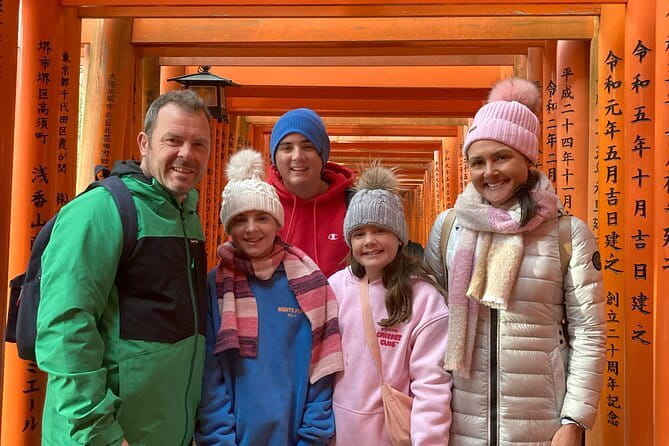
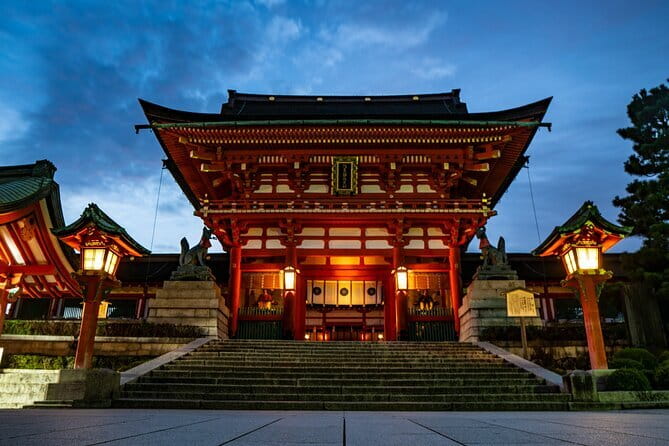
Fushimi Inari is one of the most recognizable places in Kyoto. Its path climbs Mount Inari through thousands of red torii gates, and the shrine serves as the center of roughly 30,000 Inari shrines across Japan.
The first stretch is the part most people picture in photographs. If you continue upward, the route becomes a longer walk with slopes and steps. A guide can help you decide how far to go based on your time and energy, though the tour does require a moderate level of fitness.
Fushimi Inari works well early in a four-hour plan if you want a major shrine and a memorable walk. It is less suitable if you want to combine it with several distant temples at a relaxed pace. Allow enough time to enjoy the gates rather than treating the shrine as a quick photo stop.
Kinkaku-ji and Kyoto’s famous golden pavilion
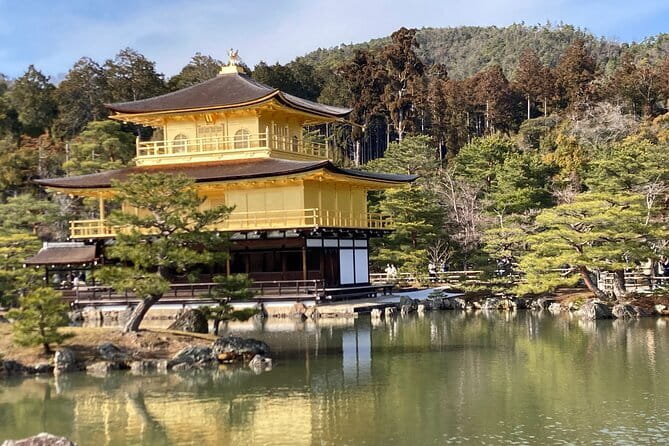
Kinkaku-ji, the Golden Pavilion, is one of Kyoto’s essential sights. The building is covered in gold-colored decoration and sits within a temple complex. The pavilion contains Buddhist relics, including the ashes and bones of the Buddha.
This is a visually powerful stop, but it is also one of the more directed visits. You follow the established route around the grounds rather than wandering freely through every part of the temple. I would pair it with another nearby temple or garden instead of using half a day on the pavilion alone.
Your guide adds value here by explaining what you are seeing and by helping place the building in the wider religious and cultural setting. The admission fee is extra, and if you want the guide to accompany you inside a facility, you must cover the guide’s entrance fee as well.
Nijo Castle and the meeting of two Japanese powers
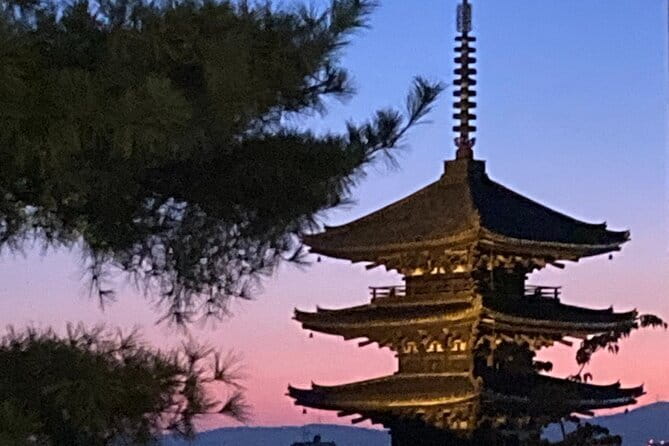
Nijo Castle began as a military complex and was later adapted as a meeting place between the military government based in Edo, now Tokyo, and the Imperial Palace in Kyoto. Its decorated buildings reflect that political role.
This is a useful choice if you want more than temple architecture. The castle gives the day a different focus, with former government buildings and decorative interiors rather than only religious spaces and gardens.
I would choose Nijo Castle for a first Kyoto visit if you want context about how power was shared and displayed in Japan. The site can also balance a day that includes several quiet gardens. As with the other paid facilities, admission is not included.
A completely different side of Kyoto:
- PERFECT KYOTO 1-Day Bus Tour
★ 5.0 · 13,518 reviews - Kyoto: Fushimi Inari, Kinkakuji, Bamboo Grove 1 Day Bus Tour
★ 4.8 · 4,316 reviews - Kyoto: Tea Ceremony in a Traditional Tea House in Kiyomizu
★ 4.9 · 3,519 reviews - Kyoto Geisha Walking Tour: Gion District & Hidden Gems
★ 4.7 · 3,273 reviews
Zen gardens, stillness, and the fifteen rocks
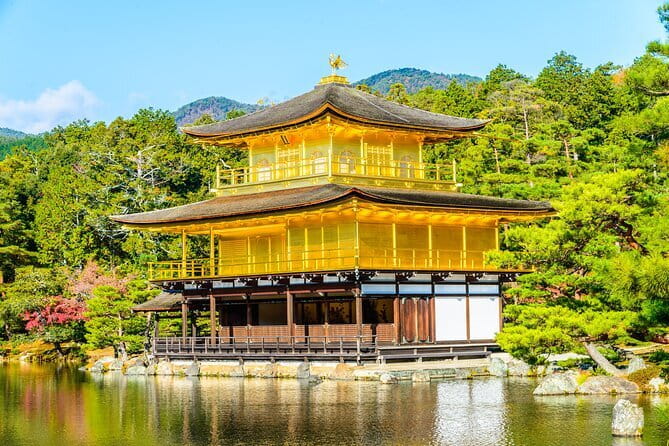
Kyoto offers several temple gardens, and the choices described for this tour cover very different moods. One temple has a pond garden used by Zen monks for training over roughly 600 years. Another is famous for a garden with fifteen rocks, arranged in a way that encourages quiet reflection.
The fifteen-rock garden is a good reminder that Kyoto sightseeing is not only about collecting photographs. You can sit, look, and decide what the arrangement suggests to you. The visit may be short in distance but long in attention.
Another temple was the first Zen temple in Kyoto, founded about 700 years ago. It combines older buildings with modern Japanese gardens. I like this kind of stop for you if you want a calmer break from Kyoto’s most photographed locations.
Garden visits depend heavily on the season and the weather. The tour requires suitable weather, and some of the appeal comes from sitting outdoors or walking through open grounds. Your guide can help choose a route that fits the day rather than forcing a garden visit in poor conditions.
Kiyomizu-dera and the eastern hills
One of the eastern Kyoto temples has been supported by commoners for about 1,200 years. People have prayed there to Kannon Bodhisattva for deceased loved ones, and the approaches have long been popular routes through the area.
This is a strong pick if you want religious meaning alongside famous views and a lively approach. The streets leading toward major temples can be busy, especially around popular sightseeing periods. You should expect walking, slopes, and crowds in this part of the city.
The temple devoted to Kannon is also a good match for travelers interested in the way ordinary people supported religious institutions. Ask your guide to explain the local customs and the role of Kannon, rather than simply moving from one photo point to the next.
Moon-viewing temples and Kyoto’s quieter side
Another Kyoto temple was designed about 600 years ago as an ideal place to view the moon on August 15 of the old calendar. Night entry is not allowed, so the point is to imagine the original experience while visiting during the day.
That detail gives the stop a more thoughtful character. It is not just a building to photograph. It shows how Japanese architecture and gardens were designed around the seasons, the moon, and a particular way of looking at nature.
This temple makes a good choice for an itinerary that already includes one or two major landmarks. It offers a slower change of pace. Your guide can help explain the design rather than leaving you to guess why the site was arranged as it was.
The Kannon hall with thousands of statues
One temple contains many statues of Kannon Bodhisattva and guardian figures whose origins connect to ancient Indian deities. Japanese archery competitions were also held behind the temple.
This is a valuable stop if you want to see how Buddhist ideas changed as they moved across Asia and took root in Japan. The sheer number of figures creates a very different experience from a single central statue or an open garden.
The archery connection adds another layer. It links the religious site to a public tradition and gives your guide a chance to explain how the temple functioned beyond prayer. This can be a worthwhile indoor stop if the weather is poor, though the tour’s weather policy still applies overall.
A garden that requires advance planning
One of the possible gardens requires reservations in advance and is described as one of Japan’s finest. Its design aims to surprise you through carefully arranged views and changes in perspective.
This is the kind of place that shows why a private guide can be useful. You need to plan ahead, and an unplanned visit may not work. If this garden is central to your day, confirm availability before you build the rest of the route around it.
Because entry is not included, you should also ask about the admission cost and the guide’s entry before the tour. The extra planning and fees may be worthwhile if gardens are your main interest, but they matter when you compare this tour with a simple walk through free temple grounds.
Arashiyama, the Togetsu-kyo Bridge, and bamboo paths
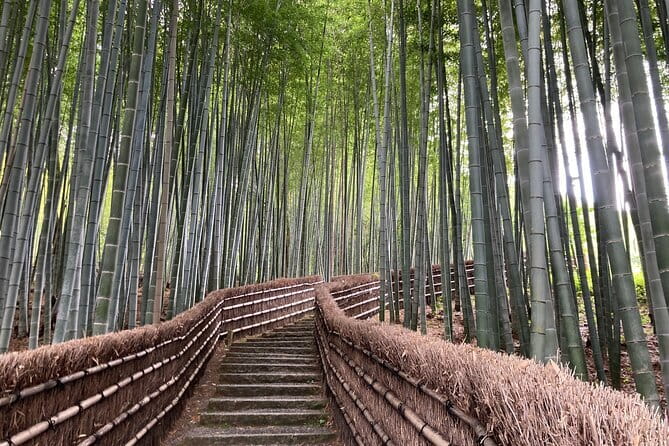
Arashiyama gives you two of Kyoto’s most familiar photo settings: the Togetsu-kyo Bridge over the Katsura River and the bamboo trails. The bridge offers a broad riverside view, while the bamboo paths create a more enclosed walking experience.
These sights are attractive, but they are not quick add-ons to a temple in another part of Kyoto. Travel time matters, especially on a four-hour tour. I would make Arashiyama the main focus of a half-day plan, or combine it with nearby stops rather than crossing the city several times.
A private guide helps you decide how much time to spend walking and photographing the area. You can also ask for other interests to be included, but four hours will pass quickly if you want both Arashiyama and several distant landmarks.
Gion, Shirakawa, and traditional Kyoto streets
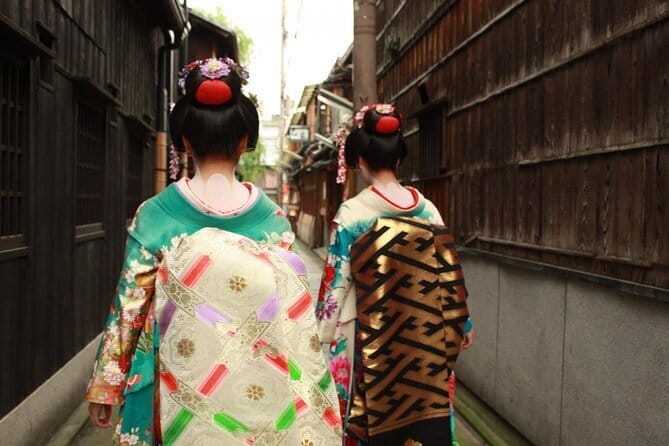
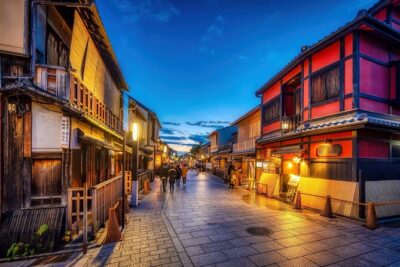
Gion is the tour’s clearest choice for traditional entertainment-district scenery. The suggested route includes Tatsumi Daimyo-jin Shrine and Tatsumi-bashi Bridge along the Shirakawa River, two attractive places for photographs.
This area is best approached with respect. It is not a stage set, and the streets are part of a living neighborhood. Your guide can help you understand what you are seeing and keep the visit focused on public spaces, architecture, and atmosphere.
Gion also pairs naturally with shopping, food, or a tea ceremony. One full-day visit included a tea ceremony after the family’s shopping requests were handled. That kind of combination is the real advantage of a custom day: you can connect a famous district with an activity that matters to you.
Shopping, tea, and the practical help of a local guide
The most useful example of the tour’s flexibility comes from the mother-and-son day with Yumi. Their requests included buying kimono clothing and finding a Japanese Giants MLB hat. The guide helped them locate a suitable yukata and then find a shop selling the baseball cap.
The day also included a tea ceremony, which the guide described as a success for both participants. I like this example because it shows the tour is not limited to temples. You can bring a shopping goal or a personal interest, and the guide can help turn it into part of the day’s route.
Do not assume every special request is guaranteed. The available information shows that this type of help is possible, not that every product or activity will always be available. Contact the guide in advance with your priorities so the route can be planned around them.
Public transport or a private car
You can explore by public transportation or select a private-car option. Public transportation is likely the better value if you are comfortable walking and changing routes. It also keeps the day connected to ordinary city life.
A private car makes more sense if your group wants easier transfers between distant areas, has limited walking stamina, or wants to fit more spread-out stops into eight hours. The car is included only if you choose that option, so check how it changes the price before booking.
Transport costs are not included. The same applies to lunch. If the guide eats with you, you must pay for the guide’s portion of lunch as well. This is common enough to be manageable, but it should be part of your budget from the start.
What $149.85 per person really buys
The listed price is $149.85 per person. For a private four-hour tour, that may feel high compared with joining a large group walk. The comparison changes if you have several people in your party, since the guide’s time and planning are devoted only to your group.
The value comes from the personal route, English-speaking guide, local advice, and flexibility. You are paying for help connecting the places you care about, not for admission to the temples or a full package of transport and meals.
The price is easier to justify for eight hours, for a family with a detailed wish list, or for anyone who wants help with shopping and cultural activities. It is harder to justify if you only want a guide to one famous temple and are happy to arrange the rest yourself.
You also receive advice about future plans during your stay. That can be useful on a first Kyoto visit, when a guide can help you decide what to do after the private tour. Still, ask for the final inclusions and private-car supplement before you commit.
Who will get the most from this tour
I would recommend this experience to you if:
- You want a private guide instead of a fixed group route.
- You have a personal shopping, food, or cultural goal.
- You want to combine major temples with a tea ceremony or local activity.
- You are visiting Kyoto for the first time and need help arranging distant sights.
- You are traveling as a family or small group with different interests.
- You prefer to choose between public transportation and a private car.
I would be more cautious if you want a low-cost day with all expenses included. You also need to be comfortable with a moderate amount of walking, especially at Fushimi Inari, Arashiyama, Gion, and the eastern temple area.
The tour is offered for four to eight hours. Confirmation arrives within 48 hours of booking, subject to availability. Pickup is offered, and the experience is near public transportation.
Bring Japanese yen. Many stores and restaurants accept cash only, and the tour price does not cover lunch, entrance fees, or public transportation. You can cancel for a full refund up to 24 hours before the start time. If poor weather causes the provider to cancel, you will be offered another date or a full refund.
Should you book this private Kyoto tour?
Book it if you want Kyoto shaped around your own interests, especially if your list includes shopping, a tea ceremony, food, or several different kinds of temple. The example of Yumi helping with yukata, a Giants hat, and tea shows how useful the format can be when your plans are personal and specific.
Choose the eight-hour option for a broad day, and use the four-hour option for one area such as Arashiyama, Gion, or Fushimi Inari. Before booking, send your top priorities, ask about the private-car cost, and set aside money for admission, lunch, transport, and cash-only purchases.
If you prefer a cheap, fixed route with no extra planning, this is not the right fit. If you want a local guide who can adjust the day and help you make Kyoto feel less like a checklist, it is a strong choice.
FAQ
How long is the private Kyoto tour?
You can choose a four-hour half-day tour or an eight-hour full-day tour.
How many places can I visit?
For four hours, you can choose two to three places. For eight hours, you can choose four to five places, with the guide helping recommend a practical route.
Is the tour private?
Yes. Only your group participates in the activity.
Is pickup available?
Yes, pickup is offered.
Is an English-speaking guide included?
Yes. An English-speaking guide is included.
Can I choose public transportation or a private car?
Yes. You can use public transportation or choose the private-car option. The private car is included only if you select that option.
Are lunch and entrance fees included?
No. Lunch and entrance fees are not included. If you want the guide to enter a facility with you, you must pay the guide’s entrance fee as well.
Should I bring Japanese yen?
Yes. Many Japanese stores and restaurants accept cash only, so you should carry Japanese yen.
Can I cancel for a full refund?
Yes, if you cancel at least 24 hours before the experience start time. Cancellations or changes made less than 24 hours before the start time are not accepted for a refund.
Recently added around Kyoto
- Higashiyama | Kyoto: Sakura Season Private Rickshaw Tour★ 5.0 · 3 reviews
- Kyoto Kimono Rental CHAMATSU|Kimono/Yukata Rental FamilyPlan★ 5.0 · 3 reviews
- Kyoto: Half-Day Private Guided Tour to the Old Town of Gion★ 4.4 · 3 reviews
- Nara Private Customizable Half Day Tour★ 5.0 · 3 reviews
- Kansai Region Hiking Adventure in Nara Kobe Kyoto and More★ 5.0 · 3 reviews
- Full Day Nara Deer, Temple, Shrine, Activities & Tea Ceremony★ 5.0 · 3 reviews
- Nara: Essential Private Tour with Deer Park and Temples★ 5.0 · 3 reviews
- Hiking Tour for Sacred Sites in Kyoto with a Guide★ 5.0 · 3 reviews
Guided, compared.
Kyoto Early Morning Tour with English-Speaking Guide
Read our review →
Kyoto 6hr Private Tour with Government-Licensed Guide
Read our review →Early Morning Tour with English-Speaking Guide
Read our review →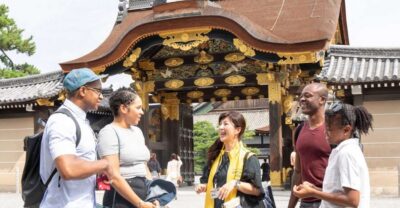
Nijo-jo Castle and Ninomaru Palace Guided Tour
Read our review →
Kyoto Gion Night Walk & Geisha District Guided Tour
Read our review →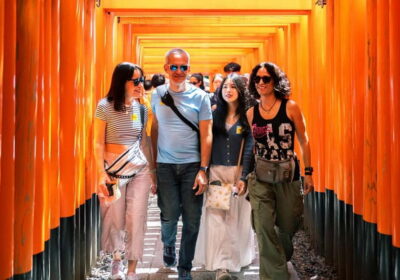
From Kyoto/Osaka: Kyoto Top Highlights 1-Day Guided Bus Tour
Read our review →